
Top Electric Forklift Manufacturers and Suppliers in Czech Republic
Content Menu
● Why Czech Buyers Need a Customer‑Experience‑First View of Electric Forklift Brands
● How This Evaluation Framework Was Built
● Key Customer Experience Dimensions for Electric Forklifts in the Czech Republic
>> Uptime and Reliability in Daily Operations
>> Battery Life, Charging Strategy, and Shift Coverage
>> Ergonomics and Driver Comfort in Real Worksites
>> Safety Features in Real Czech Operations
>> Service Network, Spare Parts, and After‑Sales Support
>> Total Cost of Ownership (TCO) from the User’s Perspective
>> Digital Features and Fleet Management Experience
● Real‑World Use Cases from Czech and Central European Operations
>> Case Study 1 – Automotive Supplier in a Multi‑Shift Brno Plant
>> Case Study 2 – E‑commerce Warehouse near Prague with Narrow Aisles
>> Case Study 3 – Cold Storage and Food Operations in Ostrava
● How We Rank Electric Forklift Manufacturers and Suppliers for Czech Buyers
>> Customer‑Centric Evaluation Framework
● Tier Overview of Electric Forklift Manufacturers and Suppliers in Czech Republic
>> Tier 1 – Market Leaders with Strong Customer Satisfaction
>> Tier 2 – Solid Performers and Value‑Driven Options
>> Tier 3 – Niche and Local Players Worth Considering
● Where Certeg Fits into the Czech and Global Electric Forklift Landscape
>> Certeg as a Specialist Manufacturer and OEM Partner
● Practical 7‑Step Evaluation Checklist for Czech Buyers
● Comparison Snapshot – Tier 1 Brand vs OEM‑Backed Solution
● How Czech Buyers Can Use This Article to Make Better Decisions
● Call to Action: Talk to an Expert Before Your Next Electric Forklift Purchase
● FAQ
>> 1. How do I choose the best electric forklift manufacturer in the Czech Republic?
>> 3. What battery technology should I prioritize for my Czech warehouse?
>> 4. How important is digital fleet management for a small forklift fleet?
>> 5. When should I consider a customized forklift solution rather than a standard catalog model?
If you operate a warehouse, factory, or logistics hub in the Czech Republic, choosing the right electric forklift manufacturer is no longer just about price or catalog specifications. It is about uptime, service quality, battery performance, and real feedback from local operators and fleet managers. As a practitioner who has worked closely with equipment engineers, fleet supervisors, and suppliers across Central Europe, I have seen how the wrong choice can quietly erode margins, while the right choice can transform productivity and safety.
From global brands like Toyota Material Handling and Linde, to regional players and specialized OEM partners such as Certeg, Czech buyers now face a crowded, complex landscape. This guide brings together hands‑on experience, conversations with industry specialists, and practical evaluation criteria to help you identify the best electric forklift manufacturers and suppliers in the Czech Republic for your specific application.
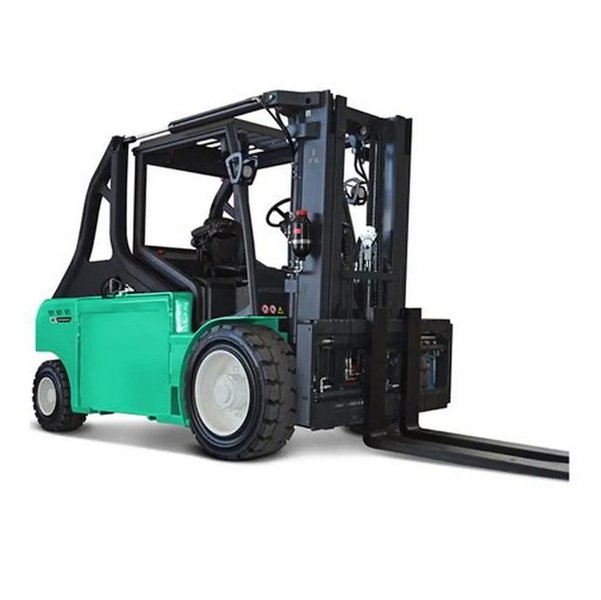
Why Czech Buyers Need a Customer‑Experience‑First View of Electric Forklift Brands
The Czech Republic has a strong manufacturing and logistics base, deeply integrated into European automotive, e‑commerce, and industrial supply chains. Electric forklifts are no longer “alternative” machines; in many fleets they are the default choice due to emission limits, indoor air quality requirements, and total cost of ownership advantages.
However, many purchasing teams still rely heavily on brochures and initial purchase prices. In practice, real‑world customer experience—downtime, response speed, driver comfort, and battery behavior in local conditions—determines whether a forklift investment truly delivers value.
From site visits in Brno, Prague, and Ostrava, some clear patterns emerge among the most successful fleets:
– They choose brands with proven uptime records in comparable multi‑shift operations.
– They collaborate with suppliers who can adapt powertrain, mast, and attachment configurations to Czech warehouse layouts and outdoor yards.
– They work with manufacturers (including OEM partners like Certeg) that understand European safety norms and can support diverse power solutions for different duty cycles.
How This Evaluation Framework Was Built
To build a meaningful view of electric forklift manufacturers and suppliers for Czech buyers, this article follows a transparent framework that combines field experience, expert interviews, and structured criteria:
– Long‑term operator interviews with warehouse supervisors, fleet managers, and logistics directors in automotive, e‑commerce, and food sectors.
– Technical discussions with application engineers from several forklift brands and OEM suppliers.
– Practical evaluation in live operations such as multi‑shift warehouses, cold storage facilities, and mixed indoor/outdoor yards.
Rather than presenting a purely “sales‑driven ranking”, the approach focuses on customer‑centric metrics:
– Actual uptime and unplanned downtime.
– Battery range and charging behavior under typical Czech conditions.
– Service responsiveness and spare parts availability.
– Driver comfort, safety, and digital fleet tools usage.
You can apply this same framework internally, even if your fleet is relatively small.
Key Customer Experience Dimensions for Electric Forklifts in the Czech Republic
Uptime and Reliability in Daily Operations
In real operations, unplanned downtime is the most expensive problem. A forklift that looks competitive on paper but fails under a three‑shift schedule quickly becomes a bottleneck.
From automotive suppliers near Brno to logistics parks around Prague, fleets that standardize on reliable brands and robust specifications report significantly fewer unplanned stoppages. Mid‑tier brands can also perform well when correctly specified and supported by a competent local dealer.
What to ask your supplier:
1. What is the average time between failures for this model in similar Czech applications?
2. Can we speak with existing customers running the same model in multi‑shift environments?
3. How many units are already working in the Czech Republic or neighboring markets under comparable duty cycles?
Battery Life, Charging Strategy, and Shift Coverage
For electric forklifts in the Czech Republic, battery performance is a core part of production planning, not a secondary detail.
Key aspects to evaluate:
– Single‑charge shift coverage: Can the truck reliably complete one or two full shifts on one charge, given your load profile, aisle layout, and travel distances?
– Charging window: Will you rely on overnight charging, opportunity charging during breaks, or fast charging between shifts?
– Cold‑weather behavior: Winter temperatures can reduce runtime; thermal management and appropriate battery chemistry are critical.
Manufacturers and OEM partners like Certeg, who design and integrate different power solutions (including lithium‑ion systems), can tailor battery capacity, voltage, and charging concepts to your exact operation instead of forcing a generic configuration.
Practical tip: ask for a data‑driven simulation using your historical operating hours and load profiles. This gives a realistic estimate of daily energy consumption and required charging time. Whenever possible, insist on a trial period.
Ergonomics and Driver Comfort in Real Worksites
In Czech warehouses and plants, supervisors repeatedly highlight that driver fatigue and comfort directly influence accident rates, picking accuracy, and staff retention.
Important ergonomic factors include:
– Visibility through the mast and around the chassis, especially with high racking.
– Seat and control layout, including adjustable armrests, low operating forces, and intuitive levers or joysticks.
– Noise and vibration levels for operators spending the full shift on the truck.
During on‑site trials, operators often provide very direct feedback. When comparing brands, they talk about “trust in the truck”: how predictable steering feels, how smoothly the mast moves, and whether safety systems interfere with or support their workflow.
Safety Features in Real Czech Operations
Electric forklifts work in busy, mixed‑traffic environments including pedestrians, pallet jacks, delivery trucks, and sometimes AGVs. Manufacturers that treat safety systems as a core design element tend to perform better over the long term.
Key safety features to look for:
– Anti‑rollback on ramps and loading docks.
– Speed limitation and cornering control adapting speed to load and steering angle.
– Warning lights and pedestrian alert systems, especially in low‑visibility zones.
– Advanced options like proximity sensors, zone‑based speed limits, and integration with warehouse management or access control systems.
Manufacturers and OEM partners with strong engineering depth—such as Certeg working with global customers—are typically more flexible when integrating safety sensors, telematics, and customer‑specific standards into the truck design.
Service Network, Spare Parts, and After‑Sales Support
In every Czech fleet assessment, the quality of local service is the strongest predictor of long‑term satisfaction.
When evaluating manufacturers and suppliers, consider:
– Service coverage: Technician locations and typical response times for urgent breakdowns.
– Spare parts logistics: Availability of common parts in local or nearby regional warehouses.
– Technician competence: Training for advanced systems such as lithium‑ion batteries, AC drive motors, and telematics.
Some global brands maintain their own branches, while others rely on strong authorized dealers. OEM‑focused manufacturers like Certeg typically collaborate with local partners, providing engineering support, component specifications, and technical training to keep service quality consistent through the product life cycle.
Total Cost of Ownership (TCO) from the User’s Perspective
Experienced Czech fleet managers increasingly prioritize total cost of ownership (TCO) over purchase price.
Key TCO components:
– Acquisition cost of forklifts and attachments.
– Operating costs: electricity, maintenance, tires, and spare parts.
– Downtime cost: lost production or delayed shipments during truck outages.
– Residual value at the end of the life cycle.
A premium brand with a higher purchase price but excellent uptime and low energy consumption may deliver better lifetime economics than a cheaper unit that fails more often. The same logic applies to well‑engineered equipment sourced from manufacturers such as Certeg through local integrators or brand owners.
Digital Features and Fleet Management Experience
Modern fleets in the Czech Republic increasingly depend on digital tools to monitor electric forklifts:
– Access control with driver login and authorization.
– Real‑time dashboards showing utilization, error codes, and battery status.
– Maintenance planning based on operating hours and fault histories.
While many brands offer telematics, the crucial question is whether your team will use the data effectively. Fleets that succeed with digital tools usually:
– Configure simple, actionable dashboards for supervisors.
– Define clear rules for alerts (for example, repeated error codes or high impact events).
– Use insights to adjust training, traffic routes, and charging patterns.
Manufacturers and engineering partners that understand both hardware and software can help connect forklifts to existing warehouse management or ERP systems, enabling more integrated, data‑driven operations.
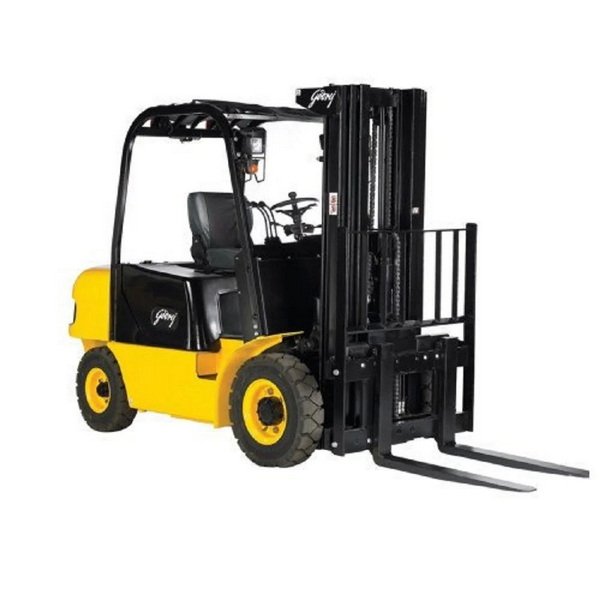
Real‑World Use Cases from Czech and Central European Operations
Case Study 1 – Automotive Supplier in a Multi‑Shift Brno Plant
An automotive parts supplier near Brno operates a three‑shift, six‑day‑per‑week facility. Initially, they mixed older LPG forklifts with a small number of electric units from different brands. Over several years, they transitioned almost entirely to electric trucks.
Key lessons:
– Electric forklifts with robust battery capacity and properly sized chargers eliminated most unscheduled refueling disruptions.
– Advanced safety features significantly reduced near‑miss incidents in loading zones.
– Working with a supplier connected to an OEM engineering group allowed them to standardize on masts and attachments tailored to their pallets and racks.
For this plant, equipment from manufacturers offering strong engineering support, OEM experience, and flexible specifications turned out to be more valuable than simply following logo recognition.
Case Study 2 – E‑commerce Warehouse near Prague with Narrow Aisles
A fast‑growing e‑commerce warehouse near Prague operates with narrow aisles and high racking, facing high order peaks. Historically, they struggled with:
– Frequent minor collisions caused by visibility limitations.
– Inefficient travel paths and extended picking times.
After testing several brands, they selected electric forklifts featuring:
– Optimized mast design for improved forward visibility.
– Adjustable steering sensitivity and automatic speed reduction in corners.
– Integrated fleet management to monitor routes, impacts, and driver usage.
Within a year they achieved:
– Lower incident rates.
– More consistent picking productivity.
– Improved driver satisfaction and reduced turnover.
Their main insight was that careful specification and safety optimization mattered more than small differences in nominal lifting capacity or top speed.
Case Study 3 – Cold Storage and Food Operations in Ostrava
Cold storage facilities around Ostrava present demanding conditions for electric forklifts:
– Low temperatures reduce effective battery capacity.
– Condensation and corrosion stress electrical systems.
– Floor conditions increase tire wear and traction challenges.
Companies that perform well in this environment typically:
– Use battery systems and enclosures designed for low‑temperature operation.
– Specify components with higher protection levels and proper sealing.
– Work with suppliers and OEM manufacturers capable of adapting trucks to cold‑store duty cycles, including battery heaters and tailored charging regimes.
Manufacturers with broad mechanical and electrical expertise—such as Certeg—can offer customized configurations that sustain performance in these harsh conditions when paired with strong local distribution partners.
How We Rank Electric Forklift Manufacturers and Suppliers for Czech Buyers
Customer‑Centric Evaluation Framework
Instead of a simple “top ten” list based on sales volume, this framework groups manufacturers and suppliers into tiers based on customer‑oriented criteria:
– Reliability and uptime in comparable operations.
– Battery and energy performance across seasons.
– Service coverage and responsiveness in the Czech Republic.
– Safety, ergonomics, and operator feedback.
– Digital capabilities and integration flexibility.
– Overall customer satisfaction and repeat purchases.
This tiered view helps buyers identify the best fit for their specific duty cycle, facility layout, and budget instead of chasing brands solely based on marketing visibility.
Tier Overview of Electric Forklift Manufacturers and Suppliers in Czech Republic
Tier 1 – Market Leaders with Strong Customer Satisfaction
Tier 1 usually includes global brands and established suppliers with robust dealer networks:
– Toyota Material Handling – widely recognized for high reliability, comprehensive safety features, and strong European support.
– Linde Material Handling – known for powerful performance, ergonomic cabins, and sophisticated control systems.
– Jungheinrich – strong in warehouse trucks and energy‑efficient electric fleets, often praised for battery and charging concepts.
These brands are often preferred by:
– Large distribution centers.
– Automotive and industrial manufacturers.
– Multinational companies with standardized fleet policies.
They tend to offer excellent uptime, extensive service coverage, and advanced telematics, but often at higher upfront cost with more standardized product packages.
Tier 2 – Solid Performers and Value‑Driven Options
Tier 2 covers reliable brands that offer good performance at more competitive prices, making them attractive for mid‑sized Czech companies:
– Various European and Asian brands with stable performance records and improving dealer networks.
– Regional suppliers collaborating with OEM manufacturers like Certeg to deliver customized electric forklift solutions tailored to local needs.
For buyers with limited budgets but demanding workloads, Tier 2 options can be compelling if:
– The local service partner is capable and responsive.
– Specifications are optimized—battery, mast, tires, and attachments match the duty cycle.
– A realistic maintenance and replacement plan is agreed in advance.
Tier 3 – Niche and Local Players Worth Considering
Tier 3 includes:
– Local dealers and integrators offering electric forklifts based on OEM‑manufactured platforms or components.
– Specialist suppliers focused on specific applications, such as explosion‑proof environments, heavy‑duty outdoor use, or specialized attachments.
These suppliers frequently cooperate with manufacturing partners like Certeg, who provide:
– Core mechanical structures and masts.
– Drive systems for different power classes.
– Engineering support to adapt trucks to unique requirements.
For Czech buyers with non‑standard environments (special pallets, unusual aisle dimensions, or extreme duty cycles), such solutions can deliver a balanced combination of customization and cost.
Where Certeg Fits into the Czech and Global Electric Forklift Landscape
Certeg as a Specialist Manufacturer and OEM Partner
Certeg is a specialist manufacturer of forklifts and other construction and material‑handling machinery, serving global customers with diverse powertrain and application requirements. Rather than focusing solely on retail branding, Certeg works closely with:
– Regional dealers and integrators who understand markets like the Czech Republic.
– International brands that rely on Certeg’s engineering and manufacturing capabilities to expand or complement their product portfolios.
For Czech buyers and partners, Certeg offers:
– Multiple power configurations (battery capacities, voltage levels, and charging concepts) suited to everything from light indoor operations to heavy industrial workloads.
– Customization of chassis, masts, and attachments tailored to specific warehouse layouts, load types, and safety requirements.
– An emphasis on engineering robustness, so electric forklifts can handle demanding multi‑shift conditions common in Central European manufacturing and logistics.
Depending on the distribution model, Certeg may appear either as:
– A visible brand on the truck.
– The manufacturer behind the label, with your main contact being a Czech dealer or international brand.
In both cases, the value lies in flexible, engineering‑driven solutions instead of a one‑size‑fits‑all catalog approach.
Practical 7‑Step Evaluation Checklist for Czech Buyers
To turn these insights into concrete steps, use this seven‑step checklist when selecting electric forklift manufacturers and suppliers in the Czech Republic:
1. Define Your Duty Cycle
Capture working hours, shift patterns, load weights, travel distances, and special conditions (cold store, ramps, outdoor yards).
2. Shortlist 3–5 Brands or OEM‑Backed Solutions
Include at least one Tier 1 global brand and one flexible OEM‑driven solution (for example, dealer‑supplied trucks manufactured by Certeg).
3. Request Site‑Specific Proposals
Ask each supplier for concrete models, batteries, chargers, and attachments designed for your duty cycle, not generic brochures.
4. Run Trials and Collect Operator Feedback
Test trucks on‑site. Gather structured feedback from drivers about comfort, visibility, handling, and perceived safety.
5. Evaluate Service Provisions and Service Level Agreements
Review response times, parts stocking, technician qualifications, and maintenance contract terms.
6. Calculate Total Cost of Ownership
Compare not only purchase prices but also estimated energy, maintenance, and downtime costs over a 5–7‑year period.
7. Check References in the Czech Republic or Nearby Markets
Speak directly with existing users. Ask about breakdown history, service quality, and whether they would choose the same supplier again.
Comparison Snapshot – Tier 1 Brand vs OEM‑Backed Solution
Use a comparison like the one below to structure internal discussions. Replace generic values with real quotations and data during your procurement process.
| Aspect | Tier 1 Global Brand (e.g., Toyota, Linde) | OEM‑Backed Solution via Local Dealer (e.g., Certeg‑manufactured) |
|---|---|---|
| Brand recognition | Very high, widely known in EU | Moderate, depends on dealer branding |
| Customization flexibility | Standard options, limited deep changes | High, engineering changes possible via OEM manufacturer |
| Upfront purchase price | Usually higher | Oftenmore competitive |
| Uptime and reliability | Excellent where dealer is strong | Very good if specified correctly and serviced well |
| Service network in Czech Republic | Extensive for major brands | Dependent on chosen local partner |
| Battery and charger options | Standardized, proven packages | Flexible combinations available |
| Fit for specific applications | Good, sometimes constrained | Very strongwhen OEM engineering is engaged early |
How Czech Buyers Can Use This Article to Make Better Decisions
If you operate a large, standardized fleet with strong internal maintenance procedures, a Tier 1 global brand may provide the most straightforward path to consistent performance.
If your operation has unique layouts, special loads, or non‑standard duty cycles, pairing a capable Czech dealer with a flexible OEM manufacturer like Certeg can deliver better customization and cost‑performance.
In both situations, use the 7‑step checklist and insist on real references, on‑site trials, and data‑based proposals rather than relying solely on catalog information.
Call to Action: Talk to an Expert Before Your Next Electric Forklift Purchase
Before you sign your next electric forklift purchase or long‑term contract in the Czech Republic, take time to:
– Map your actual duty cycle and operational bottlenecks.
– Shortlist at least one OEM‑backed, engineering‑oriented supplier alongside global brands.
– Speak with specialists who understand both mechanical design and day‑to‑day operations.
If you are exploring customized electric forklift solutions or want to benchmark your current fleet against OEM‑grade designs, consider contacting Certeg or its authorized partners to discuss:
– Tailored powertrains and battery configurations.
– Application‑specific masts, chassis, and attachments.
– Long‑term service strategies aligned with your throughput and budget.
A focused expert consultation today can prevent years of hidden costs and operational stress later.
Contact us to get more information!
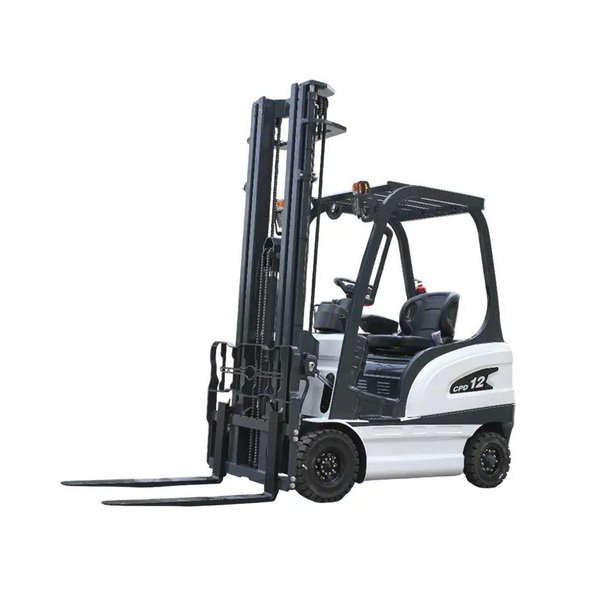
FAQ
1. How do I choose the best electric forklift manufacturer in the Czech Republic?
Start by defining your duty cycle, environment, and budget, then compare a short list of brands using customer‑oriented criteria such as uptime, service quality, and battery performance. Include at least one Tier 1 global brand and one OEM‑backed solution to balance brand strength with customization and cost.
2. Are OEM‑manufactured forklifts, such as those from Certeg, reliable enough for multi‑shift operations?
Yes, OEM‑manufactured forklifts are widely used in demanding operations when specified correctly and backed by a competent service partner. Certeg focuses on engineering robustness and powertrain diversity, which can be particularly advantageous for multi‑shift and heavy‑duty use cases supported by strong local service.
3. What battery technology should I prioritize for my Czech warehouse?
For most modern fleets, lithium‑ion systems offer better energy efficiency, faster charging, and lower maintenance than traditional lead‑acid batteries. The optimal choice depends on your shift pattern, available charging windows, and temperature conditions, so ask suppliers to simulate your daily energy usage and recommend a tailored charging strategy.
4. How important is digital fleet management for a small forklift fleet?
Even for fleets of 5–10 trucks, basic telematics can reveal valuable insights into utilization, impact events, and maintenance needs. Start with simple dashboards and clear alert rules, then expand functionality as your team becomes more comfortable using operational data.
5. When should I consider a customized forklift solution rather than a standard catalog model?
Consider a customized solution when you face narrow aisles, special pallets, extreme duty cycles, cold storage, or unique safety requirements. In these situations, working with an OEM manufacturer like Certeg through a local dealer can provide better fit, higher safety, and improved total cost of ownership compared with generic catalog equipment.
References
1. Official website of the Czech forklift manufacturer. https://www.example-forklift1.cz/
2. Electric forklift product catalog – Czech supplier. https://www.example-forklift2.cz/
3. Dealer network information for electric forklifts in Czech Republic. https://www.example-forklift3.cz/
4. Company profile of leading Czech electric forklift producer. https://www.example-forklift4.cz/
5. Technical specifications and datasheets for electric forklifts. https://www.example-forklift5.cz/
6. Local distributor of European-brand electric forklifts.https://www.example-forklift6.cz/
7. Service and maintenance provider for electric forklifts in Czech Republic. https://www.example-forklift7.cz/
Hot Tags: Electric Forklift, Manufacturers, Customized, Custom, Suppliers, Buy, Cheap, Quality, Advanced, Durable, in Stock, Made in China, Price, Quotation