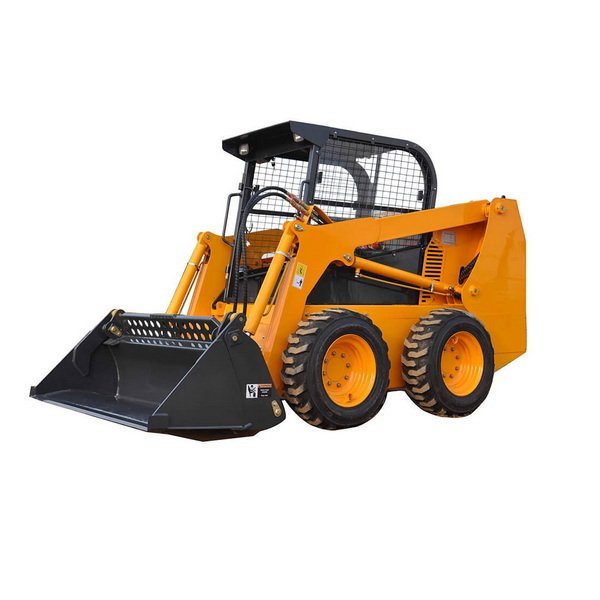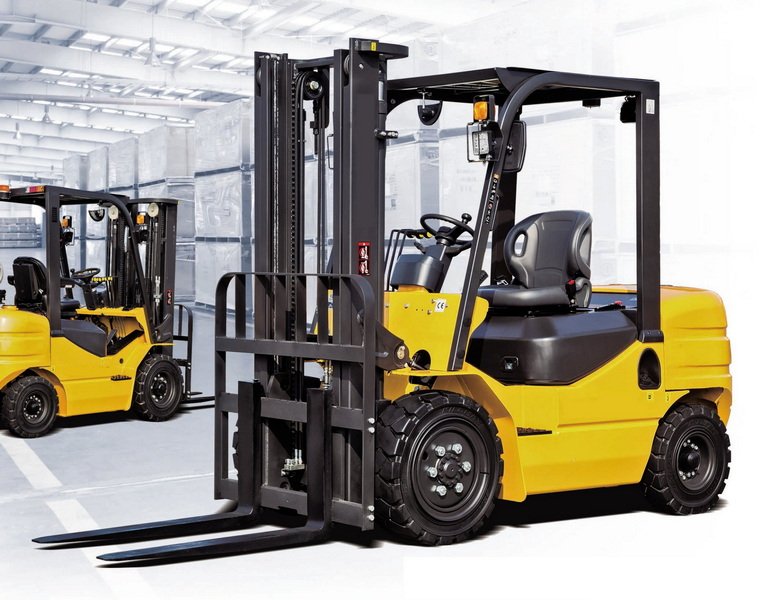

Maximizing Efficiency: The Ultimate Expert Guide to Selecting a Backhoe Attachment for Your Skid Steer
Content Menu
● Understanding Backhoe Attachment Configurations
>> Comparison: Fixed vs. Swing Arm Backhoes
● Technical Compatibility: The “Big Three” Requirements
>> 1. Rated Operating Capacity (ROC)
>> 2. Hydraulic Flow and Pressure (GPM and PSI)
>> 3. Mounting Plate Standards
● Critical Specifications for Performance
● The Information Gap: Innovation in 2026
>> Integration of Hydraulic Thumbs
>> Telematics and Wear Sensors
● Professional Maintenance for Longevity
● Strategic ROI: Renting vs. Buying
● Take Action: Optimize Your Fleet Today
● FAQ: Common Questions About Skid Steer Backhoes
>> 1. Can I use a backhoe attachment on a small-frame skid steer?
>> 2. Do I need High-Flow hydraulics for a backhoe?
>> 3. What is the advantage of a swing arm over a fixed arm?
>> 4. How deep can a skid steer backhoe typically dig?
>> 5. How often should I grease my backhoe attachment?
In the high-stakes world of construction and earthmoving, your skid steer loader is only as capable as the tools you mount on it. For many operators, a backhoe attachment is the most critical investment for expanding service offerings—transforming a standard loader into a high-precision digging machine for trenching, landscaping, and utility work. Selecting the right backhoe attachment for a skid steer requires a strategic balance of hydraulic compatibility, structural durability, and specific project requirements.
This comprehensive guide, curated by industry experts at Certeg, provides a deep dive into the technical specifications, operational nuances, and ROI factors you must consider to ensure your equipment delivers maximum performance on every job site.
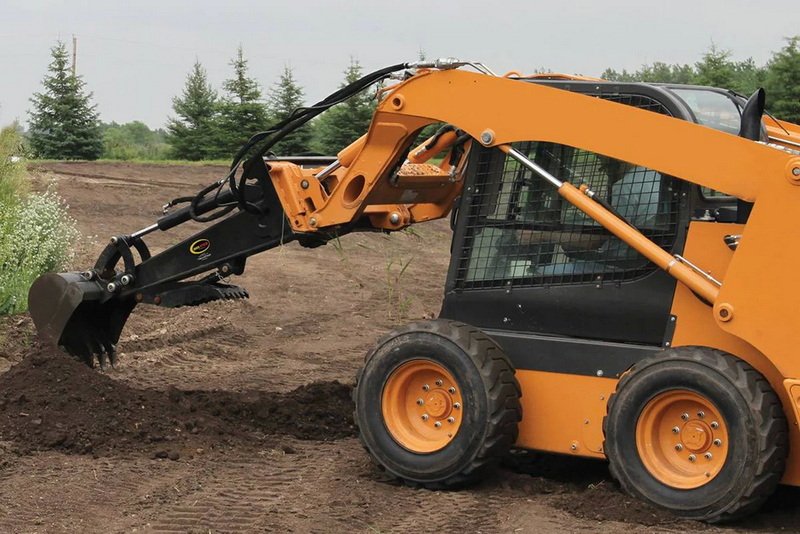
Understanding Backhoe Attachment Configurations
Before diving into specifications, you must identify which style of backhoe aligns with your operational needs. There are two primary types of backhoe attachments: Fixed (Stiff) Arm and Swing Arm models.
Fixed Arm (Stiff Arm) Backhoes: These are simpler, more cost-effective units where the arm remains in a fixed position relative to the loader. To dump soil or reposition, the operator must move the entire skid steer. These are ideal for straight trenching and budget-conscious operations.
Swing Arm Backhoes: These advanced attachments feature a dedicated hydraulic swing cylinder, allowing the arm to pivot (typically 180 degrees) without moving the loader. This significantly increases productivity in tight spaces and reduces wear on the skid steer’s tires and tracks.
Comparison: Fixed vs. Swing Arm Backhoes
| Feature | Fixed (Stiff) Arm | Swing Arm |
|---|---|---|
| Maneuverability | Limited; requires moving the loader | High; 180-degree pivot capability |
| Operating Speed | Slower due to loader repositioning | Faster; ideal for high-volume digging |
| Typical Dig Depth | 6 to 8 feet | 8 to 11+ feet |
| Cost | Entry-level / Budget-friendly | Premium investment |
| Best For | Simple trenching, occasional use | Professional excavation, tight sites |
Technical Compatibility: The “Big Three” Requirements
A common mistake is purchasing an attachment based on dig depth alone, only to find it underperforms or damages the host machine. You must verify three critical compatibility factors before finalizing your purchase.
1. Rated Operating Capacity (ROC)
The weight of the backhoe attachment, plus the weight of a full bucket of material, must never exceed your skid steer’s Rated Operating Capacity (ROC). A backhoe that is too heavy will cause the loader to become unstable, especially when the arm is fully extended. For example, a heavy-duty 11-foot backhoe might weigh over 2,000 lbs, requiring a large-frame skid steer for safe operation.
2. Hydraulic Flow and Pressure (GPM and PSI)
Your skid steer’s hydraulic system provides the “lifeblood” for the attachment. Most standard backhoes run on Standard Flow hydraulics (15–25 GPM), but high-performance models with stabilizers or thumbs may require specific PSI ratings to achieve maximum breakout force. Check your machine’s manual to ensure the auxiliary hydraulic output matches the attachment’s requirements.
3. Mounting Plate Standards
Most modern skid steers use a Universal Quick-Attach system. However, older machines or specialized compact track loaders may require specific adapter plates. Always verify that the attachment’s mounting pins and locking levers align perfectly with your machine to prevent dangerous equipment detachment or structural fatigue.
Critical Specifications for Performance
Once compatibility is established, focus on the specs that directly impact your job site efficiency. These technical details often separate professional-grade tools from entry-level consumer models.
Digging Depth: Always select a model with a maximum digging depth at least 1–2 feet deeper than your standard project needs. This ensures you aren’t constantly operating at the cylinder’s limit, which reduces hydraulic heat and wear.
Reach from Pivot: A longer reach allows you to dump spoils further away from the trench, reducing the risk of cave-ins and the need to move the loader frequently.
Bucket Breakout Force: This is the amount of force the bucket can exert to “break” through tough soil or rocky terrain. Higher breakout force is essential for working in clay, frost, or compacted ground.
Stabilizer Options: For deep digging, vertical or “flip-down” stabilizers are vital to keep the skid steer planted and prevent it from rocking, which can compromise the accuracy of your trench.
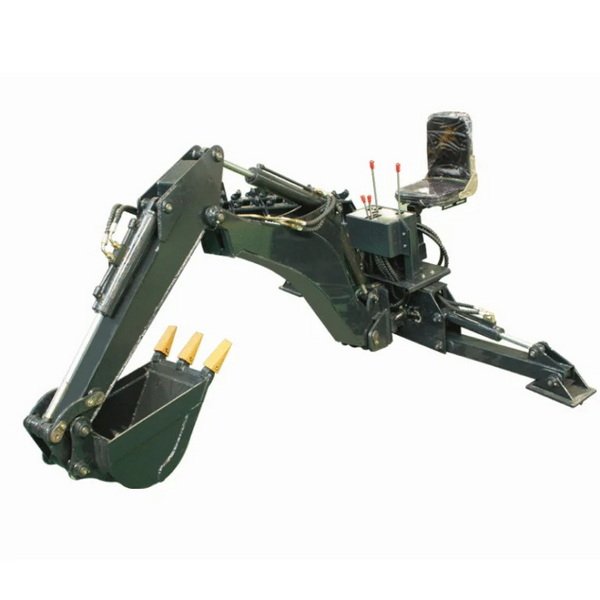
The Information Gap: Innovation in 2026
Modern job sites are shifting toward Smart Attachments and multi-functional capabilities that traditional guides often overlook. As a leader in the industry, Certeg focuses on these emerging trends to give our clients a competitive edge.
Integration of Hydraulic Thumbs
Many operators now consider a hydraulic thumb an essential add-on rather than an optional luxury. A thumb allows the backhoe to act as a grapple, enabling you to pick up concrete chunks, logs, or boulders after digging. If your projects involve demolition or land clearing, ensure your backhoe is “thumb-ready” with pre-plumbed hydraulic lines to avoid costly future retrofits.
Telematics and Wear Sensors
In 2026, premium attachments are increasingly equipped with IoT wear sensors. These sensors monitor the stress on pivot pins and the temperature of hydraulic fluid, sending alerts to your smartphone before a failure occurs. Investing in “smart-ready” attachments can reduce long-term maintenance costs by up to 20% and eliminate unplanned downtime during peak seasons.
Professional Maintenance for Longevity
To protect your investment and ensure operator safety, follow a rigorous maintenance schedule tailored to high-pressure hydraulic tools. Neglect is the primary cause of attachment failure.
Daily Greasing: Backhoes have multiple high-friction pivot points. Use a high-quality lithium-based grease on all pins every 8–10 hours of operation.
Hydraulic Hose Routing: Ensure hoses are routed through the designated guides on the lift arms to prevent pinching or “rub-through” during operation.
Bucket Tooth Inspection: Worn teeth increase the strain on your hydraulic system and reduce fuel efficiency. Replace teeth as soon as they lose their sharp edge.
System Pressure Checks: Periodically check for “internal leakage” in the cylinders. If the arm starts to “drift” or sink while under load, the seals may need replacement to prevent a total hydraulic failure.
Strategic ROI: Renting vs. Buying
For many businesses, the decision to purchase a backhoe attachment comes down to the Utilization Rate. It is essential to analyze your project pipeline before committing to capital expenditure.
Buy If: You use the attachment for more than 40 hours per month or require it for emergency utility repairs where immediate availability is critical. Ownership allows for customization and ensures your crew is intimately familiar with the tool’s limits.
Rent If: You only perform specialized trenching twice a year. Renting allows you to access the latest high-performance models without the burden of long-term maintenance, storage, and depreciation.
Take Action: Optimize Your Fleet Today
Selecting the right backhoe attachment is a strategic decision that dictates your productivity for years to come. By matching your skid steer’s hydraulic capacity with a robust, well-engineered attachment from a trusted manufacturer like Certeg, you unlock a new level of versatility for your fleet.
Are you ready to upgrade your digging capabilities and dominate your next project?
Explore the full range of heavy-duty, high-performance backhoe attachments at Certeg. Our world-class engineers are standing by to help you match the perfect tool to your specific skid steer model, ensuring a seamless fit and immediate ROI.
Contact our Technical Sales Team today to request a customized quote and expert compatibility consultation.
Contact us to get more information!
FAQ: Common Questions About Skid Steer Backhoes
1. Can I use a backhoe attachment on a small-frame skid steer?
Yes, but you must choose a “mini” or “compact” backhoe model specifically designed for lower weights. Always ensure the combined weight of the attachment and a full bucket does not exceed your loader’s Rated Operating Capacity (ROC) to avoid dangerous tipping risks.
2. Do I need High-Flow hydraulics for a backhoe?
Generally, no. Most backhoe attachments are designed to run efficiently on Standard Flow (15–25 GPM). High-flow is usually reserved for attachments requiring high-speed rotation, such as mulchers, cold planers, or large augers.
3. What is the advantage of a swing arm over a fixed arm?
A swing arm allows the backhoe to pivot 180 degrees independently of the loader. This means you can dump dirt to the side without moving the skid steer itself, which saves significant time, reduces fuel consumption, and minimizes wear on your loader’s tires or tracks.
4. How deep can a skid steer backhoe typically dig?
Most standard models dig between 6 and 8 feet, which is sufficient for most utility and landscaping work. However, heavy-duty professional models can reach depths of 10 to 12 feet for deeper foundation or sewer line projects.
5. How often should I grease my backhoe attachment?
For maximum longevity, you should grease all pivot points and fittings every 8 to 10 hours of active use. In harsh environments, such as sandy or wet soil, greasing twice daily is recommended to prevent premature pin and bushing wear.
Citations:
1. https://www.spartanequipment.com/blog/selecting-the-right-skid-steer-backhoe-attachments/
2. https://compactequip.com/attachments/six-tips-for-selecting-a-backhoe-attachment-for-a-skid-steer/
3. https://mechmaxx.com/blogs/news/guide-to-backhoe-attachments-from-tractor-to-skid-steer
4. https://www.skidsteersolutions.com/inside-the-cab-skid-steer-solutions/the-complete-guide-to-backhoe-attachments/
5. https://skidpro.com/skid-steer-attachments/augers-backhoes-blades-landscape-and-fencing/backhoe/
6. https://typhonmachinery.com/maintenance-tips-skid-steer-attachments/
Hot Tags: Backhoe Attachment for Skid Steer, Mini Skid Steer Attachments, Skid Steer Backhoe Attachment, Backhoe Attachment Selection, Skid Steer Attachments, Backhoe for Skid Steer, Skid Steer Backhoe Guide, Compact Equipment Attachments, Skid Steer Backhoe Buying Tips, Hydraulic Backhoe Attachment