
What 2026 Buyers Really Need to Know About the Compact Track Loader Market (and How Certeg Fits In)
Content Menu
● 2026 Compact Track Loader Market Overview
● Tracks vs. Wheels – What Contractors Actually Choose in 2026
● Radial vs. Vertical Lift – Matching Lift Path to Work
● Where CTLs Win – Core Applications in 2024–2026
>> Land Clearing, Forestry and Brush Cutting
>> Precision Grading and Site Prep
>> Rental, Urban and Multi-Trade Work
● What Today’s Buyers Should Look at Beyond the Brochure
>> Dependability, Uptime and Serviceability
>> Telematics and Fleet Management
>> Cab Environment and Operator Experience
● New Technologies Transforming CTLs and Skid Steers
>> Machine Automation and Control
>> Electric Loaders and Alternative Power
>> Hydraulics, Cooling and High-Demand Attachments
● Undercarriage, Tracks and Total Cost of Ownership
● How Certeg Positions Its Skid Steer and CTL Lineup
● Skid Steer vs. Track Loader – Quick Selection Table
● Call to Action – Plan Your Next Loader Around Your Work, Not Just Specs
● FAQs About Compact Track Loaders and Skid Steers
>> 1: Are compact track loaders really replacing skid steers?
>> 2: How do I decide between radial and vertical lift?
>> 3: Do I need high-flow hydraulics on my CTL?
>> 4: How important is telematics on a small fleet?
>> 5: What is the single most overlooked maintenance task on CTLs?
Choosing between a compact track loader (CTL) and a skid steer loader in 2026 is no longer just about tracks vs. wheels — it’s about productivity, uptime, operator comfort and long-term ROI in very specific applications. Drawing on years spent working with contractors, rental fleets and OEM product teams, I want to unpack what today’s CTL market really looks like, what Lee Padgett from Takeuchi gets right about the market, and where manufacturers like Certeg are pushing things further. [takeuchi-us]
2026 Compact Track Loader Market Overview
The compact loader segment has become the center of gravity in the compact equipment world, with CTLs clearly outpacing skid steers in sales and jobsite presence. Some sources reported around 93,000 compact track loaders sold worldwide in 2022 compared with roughly 30,000 skid steers, and the momentum toward CTLs has only accelerated as supply chain issues ease and new models hit the market. Contractors are moving to CTLs not just because of traction on soft ground, but because these machines increasingly serve as multi-tool carriers for land clearing, grading, rental and urban construction sites where versatility is king. [compactequip]
From my own project work with fleets, what’s changed since 2020 is that few buyers now ask “Do I really need tracks?” — they ask “Which track loader spec will give me the lowest cost per productive hour over the next five years?”
Tracks vs. Wheels – What Contractors Actually Choose in 2026
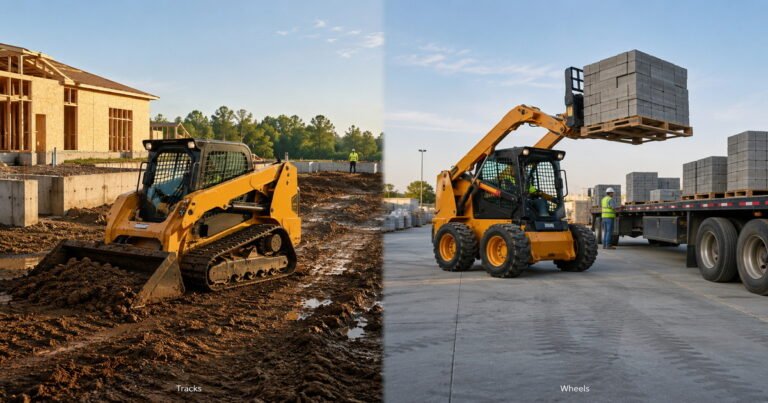
Both Lee Padgett and other OEMs are aligned on one core insight: skid steers and CTLs are diverging into different use cases rather than competing head-to-head. [compactequip]
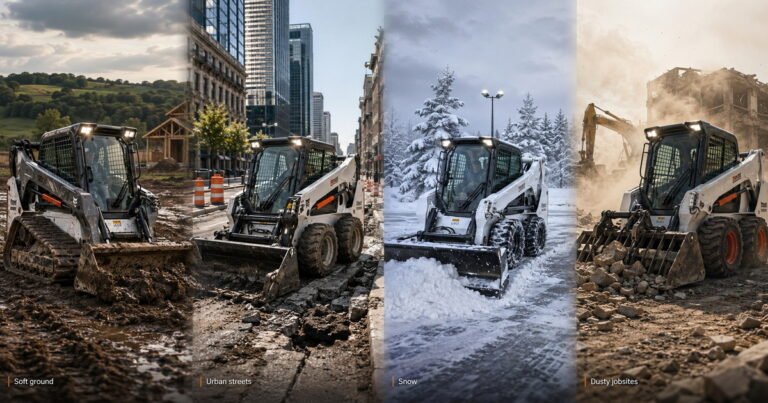
– Skid steers (wheeled)
– Best on hard surfaces: concrete, asphalt, compacted gravel. [takeuchi-us]
– Favored for high-speed material handling, demolition and snow removal where ground speed matters. [takeuchi-us]
– Lower transport weight makes them easier to haul with lighter trucks and trailers. [takeuchi-us]
– Compact track loaders (tracked)
– Purpose-built rubber undercarriages deliver low ground pressure and excellent flotation on soft, muddy or landscaped surfaces. [imetecglobal]
– Ideal for grading, site prep, land clearing, forestry mulching and working on slopes. [landscapemanagement]
– Leave a lighter footprint on turf, sand and finished surfaces when operated correctly. [takeuchi-us]
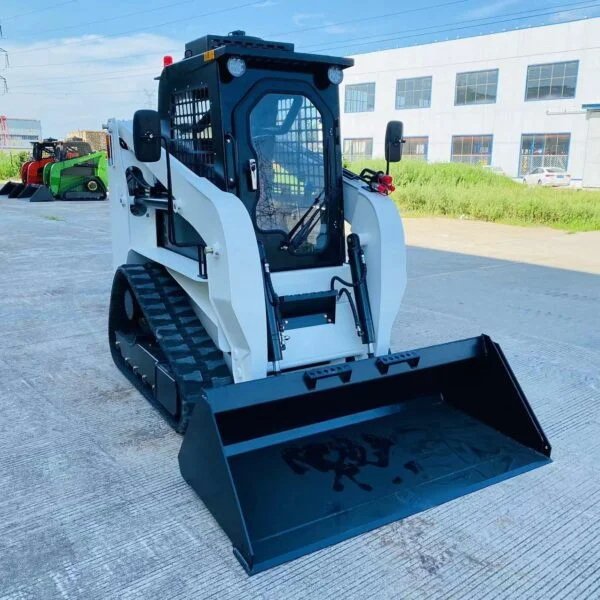
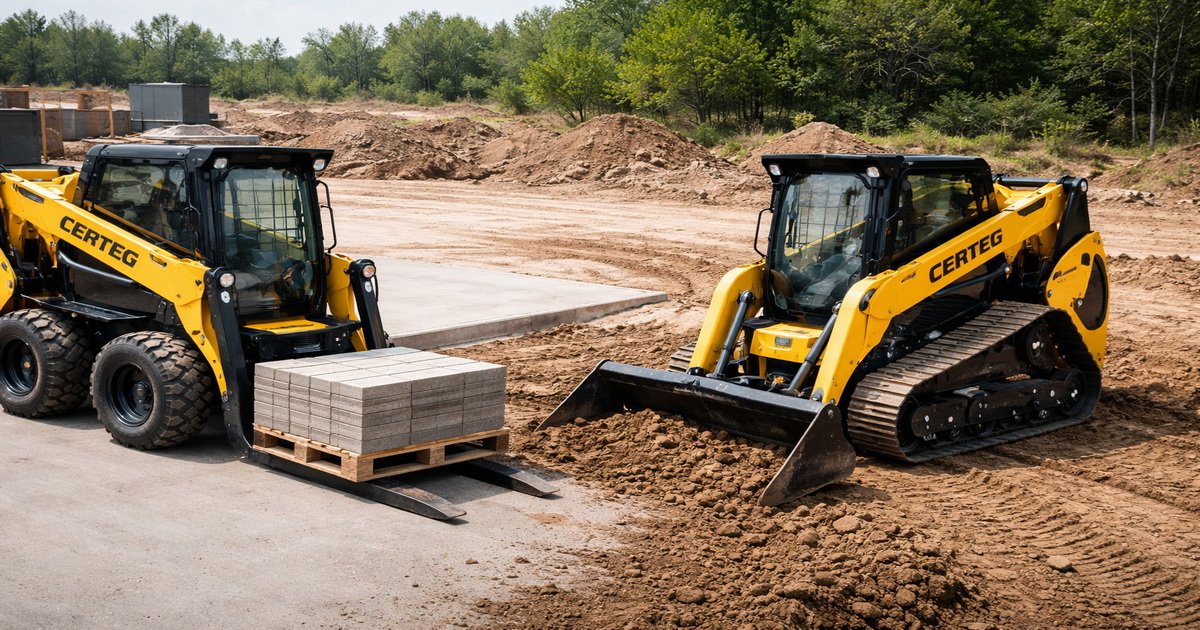
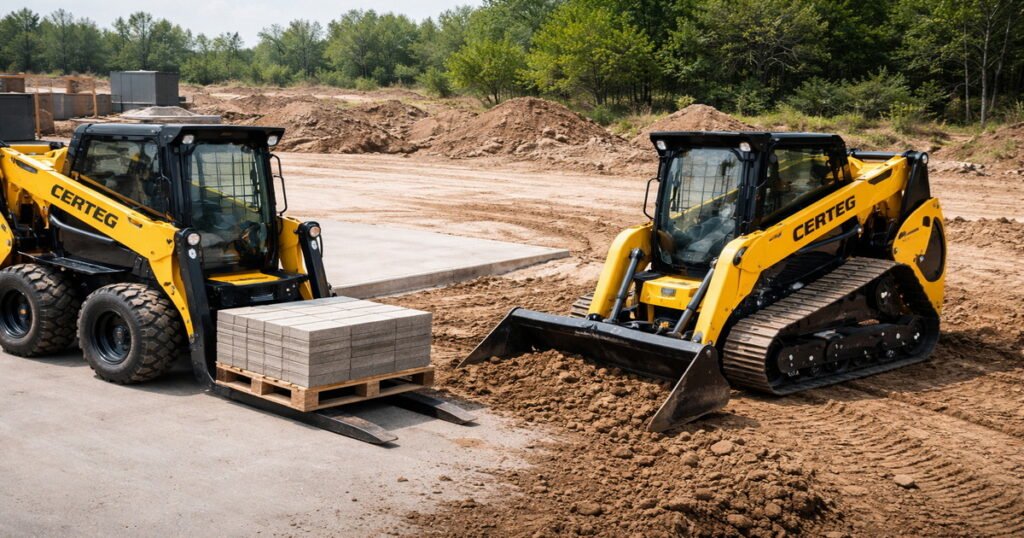
From a manufacturer standpoint, Certeg’s ability to offer both track-type and wheeled loaders means you’re not forcing customers into one platform; instead, you can start from their primary ground conditions and duty cycle, then match a chassis and powertrain that truly fits. [imetecglobal]
Radial vs. Vertical Lift – Matching Lift Path to Work
Padgett reinforces a message that often gets lost in marketing: neither radial nor vertical lift is “better” in absolute terms; each has a best-fit application. [landscapemanagement]
– Radial-lift loaders
– Stronger bucket breakout and lift arm forces at lower to mid lift heights. [landscapemanagement]
– Excellent for digging, grading, loading low trucks and working close to the machine. [landscapemanagement]
– Simpler linkage with fewer pivot points and bushings to grease and replace, which improves durability in harsh environments. [takeuchi-us]
– Vertical-lift loaders
– Higher rated operating capacity (ROC) at maximum lift height. [landscapemanagement]
– Preferred for load-and-carry, truck loading, pallet handling and yard work where lift height and reach at full dump are critical. [landscapemanagement]
– Keep the bucket closer to the machine’s center of gravity, improving stability when fully loaded. [takeuchi-us]
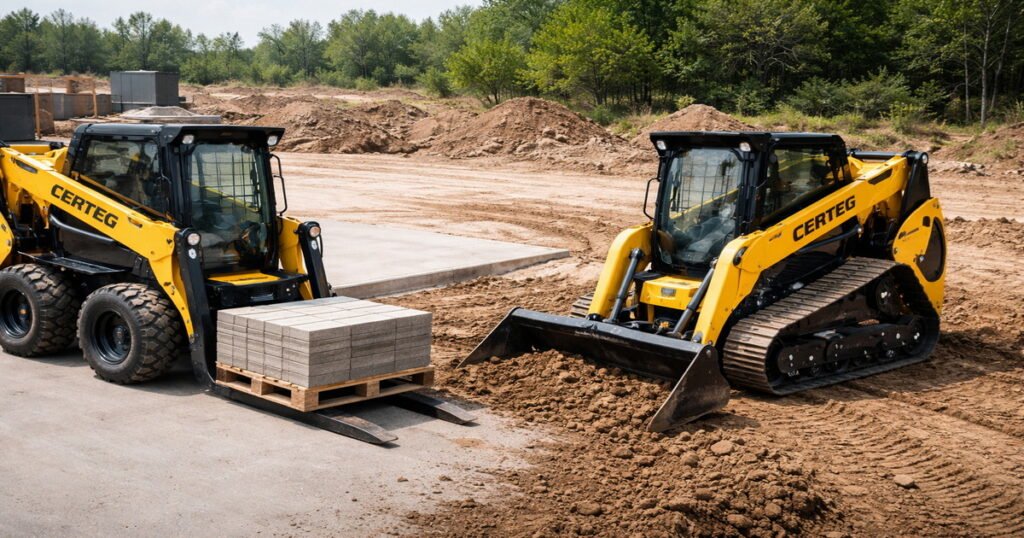
While several large brands have trimmed their radial offerings, Padgett and others are clear: radial isn’t going away; it’s just becoming a more specialized choice for dirt-focused contractors. Brands like Certeg can use this shift to position radial CTL and skid steer models as the “grader’s tools,” while vertical-lift units become the “material movers” in the lineup. [landscapemanagement]
Where CTLs Win – Core Applications in 2024–2026
Across interviews and market guides, three high-value application clusters consistently drive CTL demand. [compactequip]
Land Clearing, Forestry and Brush Cutting
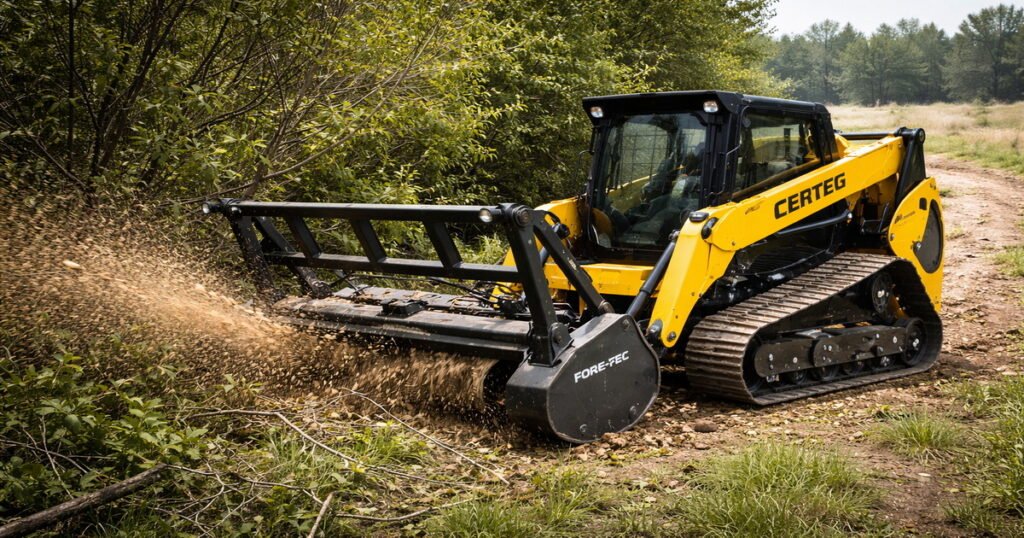
CTLs dominate land-clearing assignments for one main reason: tracks keep the machine planted while high-flow attachments do the heavy work. [compactequip]
Popular CTL forestry and brush applications include: [compactequip]
– High-flow drum or disc mulchers for underbrush and small trees.
– Heavy-duty brush cutters for rough clearing and ROW maintenance.
– Stump grinders, augers and grapples for full-cycle vegetation removal.
High-flow auxiliary hydraulics (often 30–50 gpm at 4,000–5,000 psi) and upgraded cooling packages are no longer “nice-to-haves”; they are essential if you’re running mulchers and planers full time. For Certeg, this is where clearly labeled high-flow forestry packages (bigger coolers, debris guarding, reversing fan) can be a key differentiator. [takeuchi-us]
Precision Grading and Site Prep
A second growth area is precision grading — from house pads and driveways to parking lots and sports fields. [takeuchi-us]
Key features that matter here include: [compactequip]
– Grade control (2D and 3D), whether fully integrated or via third-party laser/sonic kits.
– Six-way dozer blades or box grader attachments compatible with CTLs.
– Telematics and on-board displays that help operators monitor grade, slope and machine attitude.
Manufacturers like John Deere have moved to integrated SmartGrade CTLs, while others lean on attachment-based systems, but the trend is universal: CTLs are replacing small dozers on many tight sites. If Certeg CT-series loaders are pre-plumbed and pre-wired for grade control, highlighting “grade-ready” CTLs in marketing and spec sheets will appeal strongly to earthwork contractors. [takeuchi-us]
Rental, Urban and Multi-Trade Work
Padgett emphasizes how critical the rental channel is for Takeuchi CTLs — and the same holds across brands. [compactequip]
Why rental loves CTLs and skid steers: [landscapemanagement]
– One machine can serve homeowners, landscapers, general contractors and municipalities.
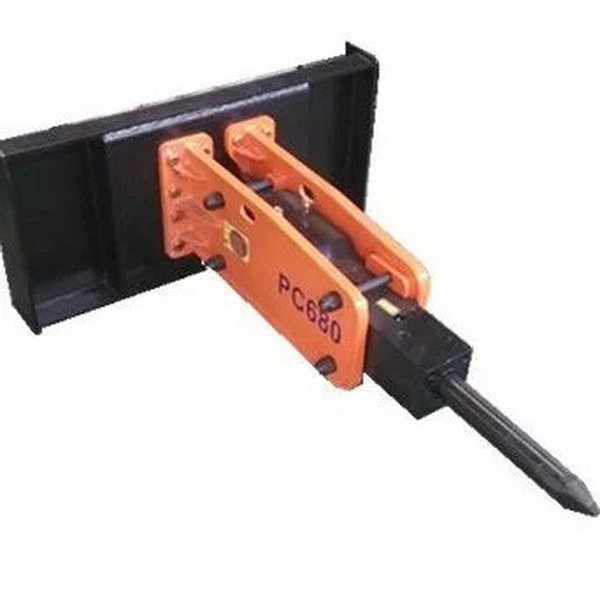
– Universal quick-attach plates allow a massive attachment ecosystem: buckets, forks, breakers, augers, brooms and more. [takeuchi-us]
– Compact dimensions and zero-turn maneuverability fit tight urban sites and interior demolition work. [imetecglobal]
For a manufacturer like Certeg, rental-optimized specs — intuitive controls, robust protection, simple daily checks and clear telematics options — will directly influence fleet managers’ total cost of ownership calculations.
What Today’s Buyers Should Look at Beyond the Brochure
Padgett’s buyer advice is blunt and accurate: contractors don’t make money by owning machines; they make money when machines run reliably and support their livelihood day after day. [landscapemanagement]
Dependability, Uptime and Serviceability
Across interviews and market guides, several themes repeat: [compactequip]
– Uptime first: A CTL that’s down during the busy season can cost more in lost revenue than the machine’s monthly payment.
– Service access: Tilt-up cabs, wide rear doors and large service hoods reduce the friction of daily inspections and scheduled maintenance. [landscapemanagement]
– Simple daily checks: Easy access to engine oil, filters, grease points and undercarriage components encourages real-world compliance. [takeuchi-us]
An example from Padgett: if routine maintenance is difficult, operators will skip it — and that neglect shows up later as failures and unplanned downtime. For Certeg, clearly demonstrating “five-minute daily service” with photo or video walkarounds is an effective way to translate engineering into perceived reliability. [landscapemanagement]
Telematics and Fleet Management
Telematics systems like Takeuchi’s TFM are now standard on many CTL lines for a trial period, giving owners a risk-free experience with remote monitoring. [landscapemanagement]
Modern telematics can: [compactequip]
– Track machine location, hours and utilization.
– Flag maintenance intervals and alert operators before failures.
– Support theft prevention, geofencing and rental billing accuracy.
Rental fleets, in particular, lean on telematics dashboards to keep units in the field and earning revenue rather than sitting in the shop. If Certeg offers a connected fleet platform or supports third-party telematics, positioning this as a core uptime tool, not just a gadget, will resonate with data-driven contractors. [takeuchi-us]
Cab Environment and Operator Experience
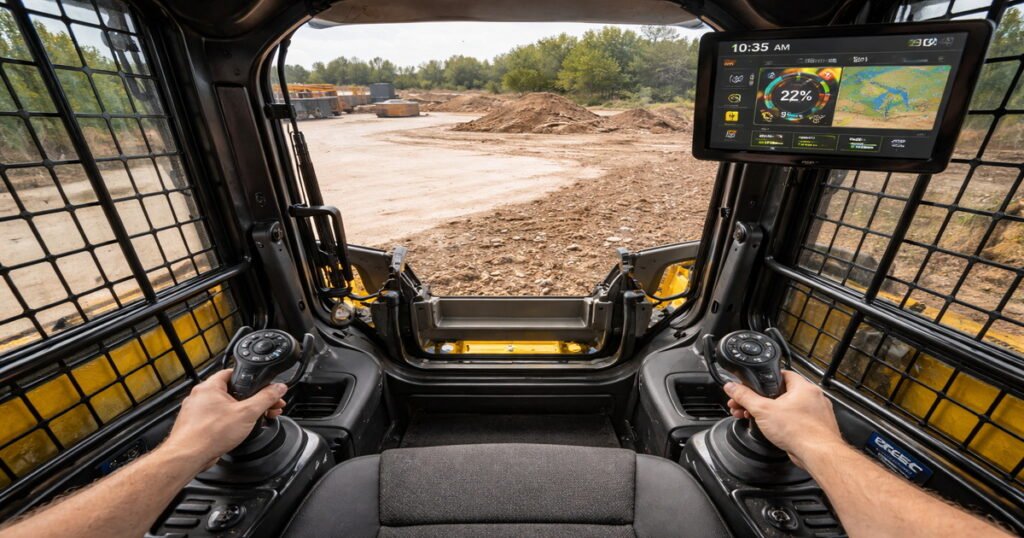
OEMs have invested heavily in cab design, and with good reason: a comfortable operator is usually a more productive operator. [takeuchi-us]
Buyers now expect: [landscapemanagement]
– Fully enclosed, sealed and pressurized cabs to keep dust, noise and weather out.
– Suspension or air-ride seats with ergonomic joystick controls to reduce fatigue in long shifts. [landscapemanagement]
– Digital displays for machine vitals, camera feeds and tech options like creep mode or multiple response settings. [takeuchi-us]
– HVAC, Bluetooth audio and wide-angle backup cameras for comfort and safety. [takeuchi-us]
Kubota, Takeuchi and others have standardized color monitors and rear-view cameras in many CTL models, setting a baseline expectation across the market. For Certeg, aligning with or exceeding that baseline — for example by offering standard rear cameras and multi-language displays — can be a strong selling point in export markets. [compactequip]
New Technologies Transforming CTLs and Skid Steers
Multiple manufacturers highlight three clusters of technology that are changing how CTLs are specified and used. [compactequip]
Machine Automation and Control
Common and emerging tech options include: [takeuchi-us]
– Grade control: Integrated or attachment-based 2D/3D systems for precision grading.
– Ride control: Automatically smooths travel, reduces spillage and allows higher travel speeds. [takeuchi-us]
– Return-to-dig and work tool positioner: Automates boom and bucket cycles so the operator can focus on surroundings rather than joystick micro-movements. [takeuchi-us]
– Smart attachments (e.g., from Caterpillar): Attachments that are recognized by the machine and auto-configure settings and displays for that tool. [takeuchi-us]
These features are no longer reserved for “flagship” models; they are increasingly filtering into mid-range CTLs as standard or easily added packages. [takeuchi-us]
Electric Loaders and Alternative Power
Bobcat’s all-electric T7X CTL and S7X skid steer are early but important signals of where part of the market is heading. [takeuchi-us]
Key advantages highlighted by OEMs: [takeuchi-us]
– Immediate torque and the ability to drive and operate implements simultaneously with minimal lag.
– Drastically lower noise and zero on-site emissions, ideal for indoor work and strict urban job sites.
– Familiar controls that mirror diesel machines, easing operator adoption. [takeuchi-us]
Takeuchi does not yet offer a battery CTL, and most manufacturers remain focused on Tier 4 Final diesel engines between roughly 20 and 130+ hp, often with sophisticated aftertreatment (DPF, SCR, EGR, DEF) depending on power band and region. For Certeg, being clear about engine tiers, emission compliance and fuel efficiency will be critical in North America, Europe and other regulated markets. [landscapemanagement]
Hydraulics, Cooling and High-Demand Attachments
As attachments get more demanding, hydraulic performance and cooling capacity have become strategic differentiators. [compactequip]
Trends include: [compactequip]
– Pressure-compensated load-sensing (PCLS) hydraulic systems that adapt flow and pressure to attachment demand, boosting both performance and fuel efficiency.
– Larger hydraulic coolers, bigger fans and external cooler options to keep oil temps in check under continuous high-load conditions like milling or mulching.
– “Super” or enhanced high-flow hydraulic packages to drive the most demanding tools.
Manufacturers such as John Deere, ASV and others explicitly highlight hydraulic cooling and line sizing as engineering focus areas. This is a key technical story Certeg can tell: how its hydraulic circuits, cooler sizing and line routing are engineered for long-term reliability with real-world attachments. [takeuchi-us]
Undercarriage, Tracks and Total Cost of Ownership
Track undercarriages are one of the highest lifetime cost items on a CTL, and both OEMs and contractors are candid about the need for disciplined maintenance. [imetecglobal]
Best practices echoed across sources: [imetecglobal]
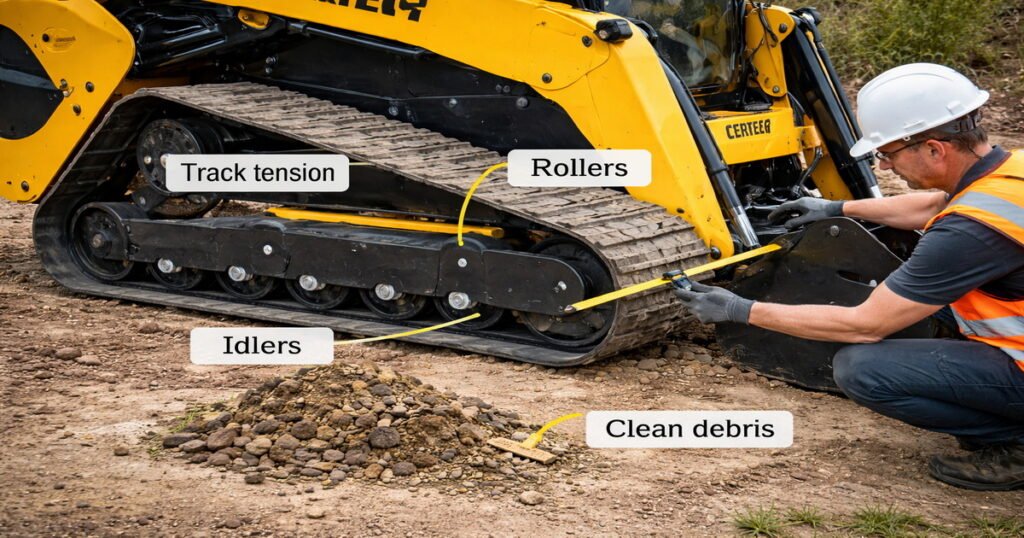
– Clean the undercarriage regularly; packed mud, rock and debris accelerate wear and increase friction losses.
– Inspect rubber tracks, lugs, rollers, sprockets and idlers frequently.
– Check and adjust track tension daily, especially in abrasive or muddy environments.
– Expect typical rubber track life around 2,000 hours, with 5,000 hours possible under ideal care and conditions. [takeuchi-us]
Takeuchi highlights model-specific undercarriages and fully welded track frames with cross members for added rigidity, showing how design choices translate directly to durability. Certeg can similarly emphasize undercarriage architecture, corrosion protection and service access as part of its brand story. [compactequip]
How Certeg Positions Its Skid Steer and CTL Lineup
As a global manufacturer, Certeg has an opportunity to use these market trends as proof points rather than just specs. [youtube]
Recommended messaging angles based on the 2024–2026 landscape: [youtube]
– Application-first product pages: Group models by primary work (land clearing, rental, construction, agriculture, snow) instead of only by size.
– Lifecycle cost transparency: Publish clear guidance on expected track life, maintenance intervals and fuel consumption by duty cycle.
– Attachment ecosystem: Showcase curated “work packages” (e.g., grading package, forestry package, urban contractor package) with proven attachment combinations.
– Operator-first design: Highlight cab comfort, intuitive controls and visibility as much as horsepower and ROC.
– Digital-first support: Promote telematics compatibility, online parts diagrams, video maintenance guides and remote diagnostics partnerships where applicable.
A simple, high-impact way to express this strategy is: “Certeg builds CTLs and skid steers for specific jobs, not generic spec sheets.“
Skid Steer vs. Track Loader – Quick Selection Table
| Use Case / Factor | Best Choice in 2026 | Key Reasons |
|---|---|---|
| Wet, muddy or soft ground | Compact track loader | Low ground pressure, better traction, less rutting. takeuchi-us |
| Paved yards, concrete & asphalt | Skid steer loader | Higher speed, lower purchase cost, simpler tires. takeuchi-us |
| Forestry mulching & brush cutting | High-flow compact track loader | Stability on slopes, high-flow hydraulics, cooling capacity. landscapemanagement |
| Pallet & truck loading | Vertical-lift skid steer or CTL | Higher ROC and reach at full height. landscapemanagement |
| Fine grading & site prep | CTL with grade control capable attachments | Flotation plus 2D/3D grading options. takeuchi-us |
| Seasonal snow removal | Skid steer or CTL with snow package (regional) | Depends on surface type and climate. takeuchi-us |
| Short-term, occasional use | Rental skid steer or CTL | Lower upfront cost; telematics aids fleet management. landscapemanagement |
Call to Action – Plan Your Next Loader Around Your Work, Not Just Specs
If you’re evaluating your next skid steer loader or compact track loader, start by mapping your top three revenue-generating tasks, then align ground conditions, attachment needs and uptime expectations to the right platform. From there, compare models not just on horsepower, but on hydraulic performance, undercarriage design, cab environment and telematics support. When you’re ready to spec a machine for your real-world conditions, talk to a Certeg specialist about a CT- or wheel-series loader package that’s tailored to your applications and local support network. [youtube]
FAQs About Compact Track Loaders and Skid Steers
1: Are compact track loaders really replacing skid steers?
No. CTLs are taking share in soft-ground and grading applications, but skid steers remain strong in agriculture, road work, demolition and snow operations on hard surfaces. [landscapemanagement]
2: How do I decide between radial and vertical lift?
Choose radial if you primarily dig, grade or work at mid lift heights, and vertical if your top priority is lifting heavy loads into trucks, hoppers or racks. [landscapemanagement]
3: Do I need high-flow hydraulics on my CTL?
If you plan to run mulchers, planers, big brush cutters or similar high-demand tools regularly, high-flow plus enhanced cooling is extremely valuable; for buckets, forks and light brooms, standard flow is usually sufficient. [compactequip]
4: How important is telematics on a small fleet?
Even with just a few machines, telematics can prevent lost machines, missed services and mis-billed rental hours; many OEMs offer it free for the first couple of years, which makes it an easy trial. [landscapemanagement]
5: What is the single most overlooked maintenance task on CTLs?
Regular undercarriage cleaning and track tension adjustment; neglect here shortens track and component life dramatically and raises total cost of ownership. [imetecglobal]
References
1. Compact Equipment – “Q&A: Discussing the 2024 Compact Track Loader Market with Takeuchi’s Lee Padgett.”
https://compactequip.com/compact-track-loaders/qa-discussing-the-2024-compact-track-loader-market-with-takeuchis-lee-padgett/ [landscapemanagement]
2. Compact Equipment – “A Complete Guide to Renting or Buying a Skid Steer or Track Loader in 2024.”
https://compactequip.com/skid-steers/a-complete-guide-to-renting-or-buying-a-skid-steer-or-track-loader-in-2024/ [takeuchi-us]
3. Compact Equipment – “Takeuchi Compact Track Loader Specs and Product Line Summary for 2025.”
https://compactequip.com/compact-track-loaders/takeuchi-compact-track-loader-specs-and-product-line-summary-for-2025/ [compactequip]
4. IMETEC Global – “Skid Steer Loader Factory_Manufacture_Supplier.”
https://www.imetecglobal.com/skid-steer-loaders/skid-steer-loader.html [imetecglobal]
5. Compact Equipment – “Skid Steers and Track Loaders Market Coverage 2024.”
https://compactequip.com/skid-steers/a-complete-guide-to-renting-or-buying-a-skid-steer-or-track-loader-in-2024/ [takeuchi-us]
6. Certeg Factory Video – “Inside the CERTEG Skid Steer Factory.”
https://www.youtube.com/watch?v=Q–2n9JfrYM [youtube]
Hot Tags: Skid Steer Loader, Manufacturers, Customized, Custom, Suppliers, Buy, Cheap, Quality, Advanced, Durable, in Stock, Made in China, Price, Quotation