
Electric Skid Steer Loaders And Firstgreen Industries A Practical Guide For Modern Fleets
Content Menu
● Understanding Electric Skid Steer Loaders
● Why Electric Skid Steers Are Gaining Ground
● Firstgreen Industries’ Electric Skid Steers
● Runtime, Charging, and Battery Strategy
● Remote-Control, Cabinless, and Specialty Lines
● Where Electric Skid Steers Are Being Used
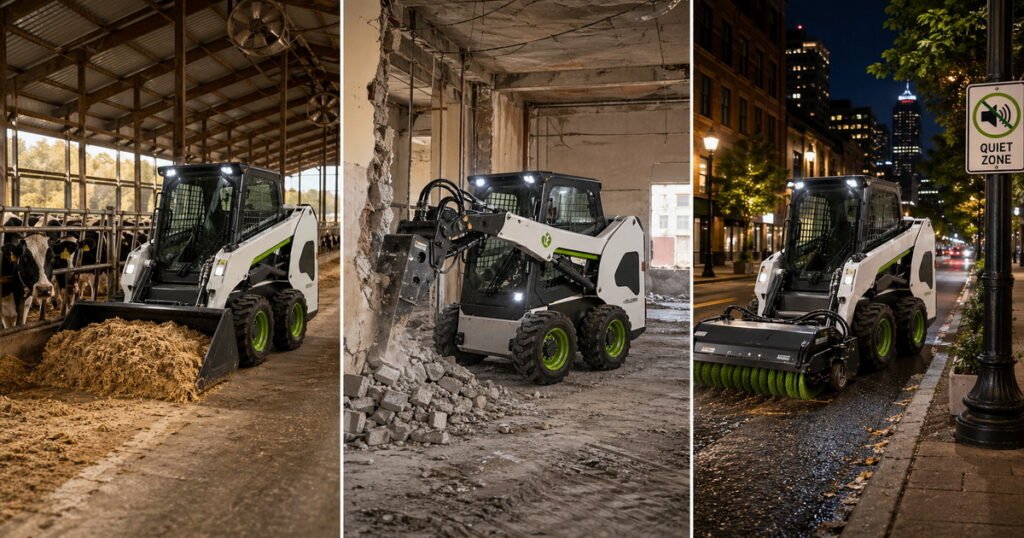
>> Agriculture and Ag Facilities
>> Construction and Demolition
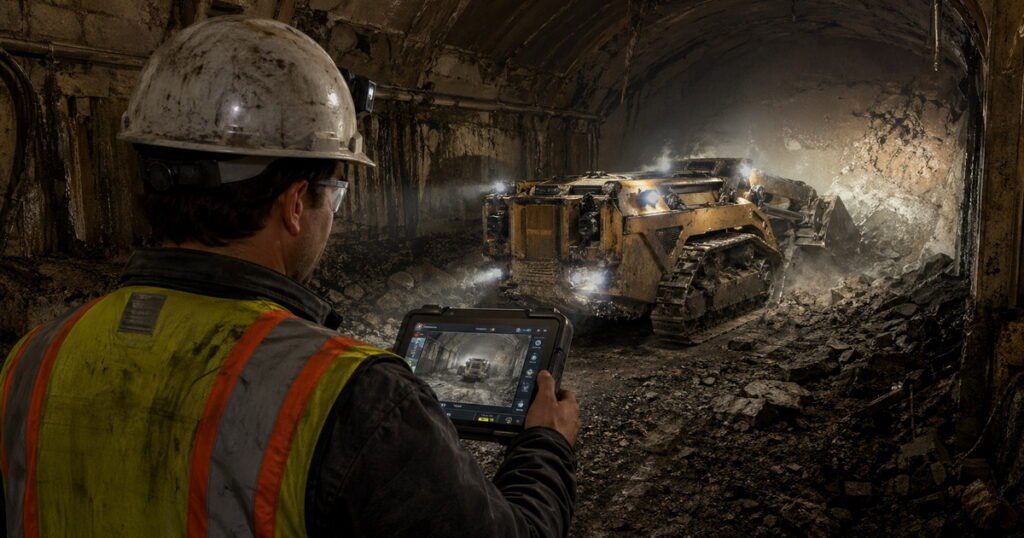
>> Mining and Hazardous Environments
● Advanced Electric Tech: What Really Matters On Site
● How to Evaluate an Electric Skid Steer (Expert Checklist)
● Market Outlook and Regulations Shaping Adoption
● Example Specification Snapshot (Electric vs Electric)
● Call To Action: Plan Your Transition to Electric Loaders
● FAQs About Electric Skid Steer Loaders
>> 1. How long can an electric skid steer run on a single charge?
>> 2. Can I charge an electric skid steer on a standard jobsite power supply?
>> 3. Are electric skid steers powerful enough for heavy construction work?
>> 4. What types of projects benefit the most from electric skid steers?
>> 5. How do electric skid steers affect maintenance and total cost of ownership?
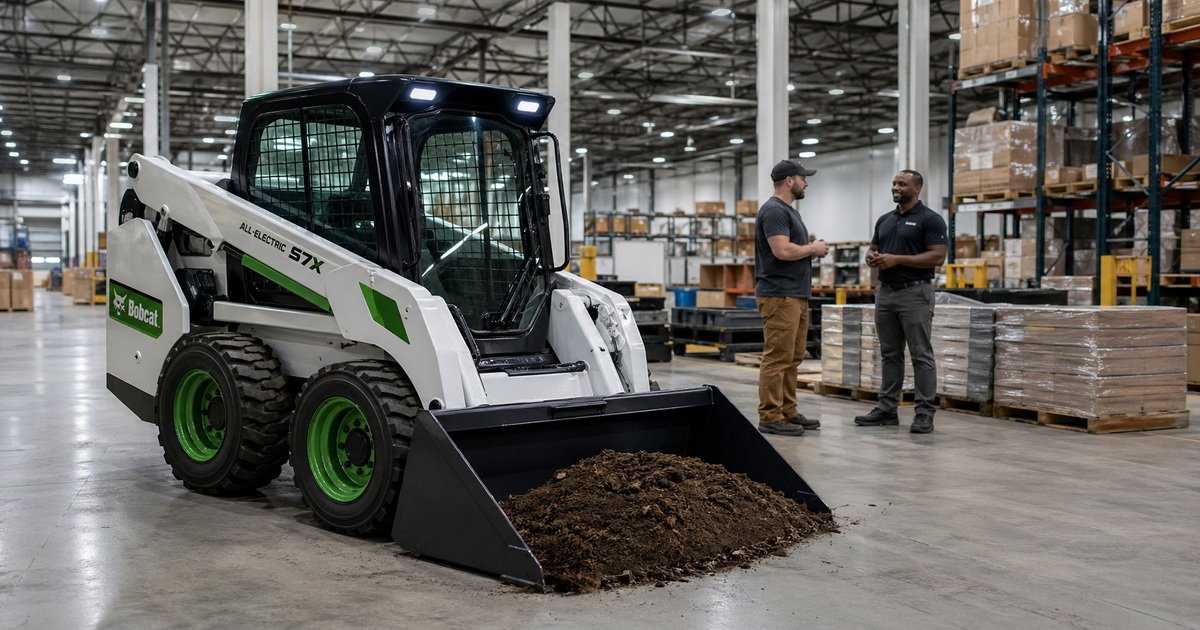
Electric skid steer loaders have moved from futuristic concept to practical daily tool on real jobsites, and they are reshaping how contractors think about power, productivity, and sustainability in compact equipment. As a manufacturer at Certeg working with both track and wheeled skid steer loaders, I see every week how the shift to battery-powered machines is changing buying criteria, fleet strategy, and even jobsite safety culture. [giiresearch]
Understanding Electric Skid Steer Loaders
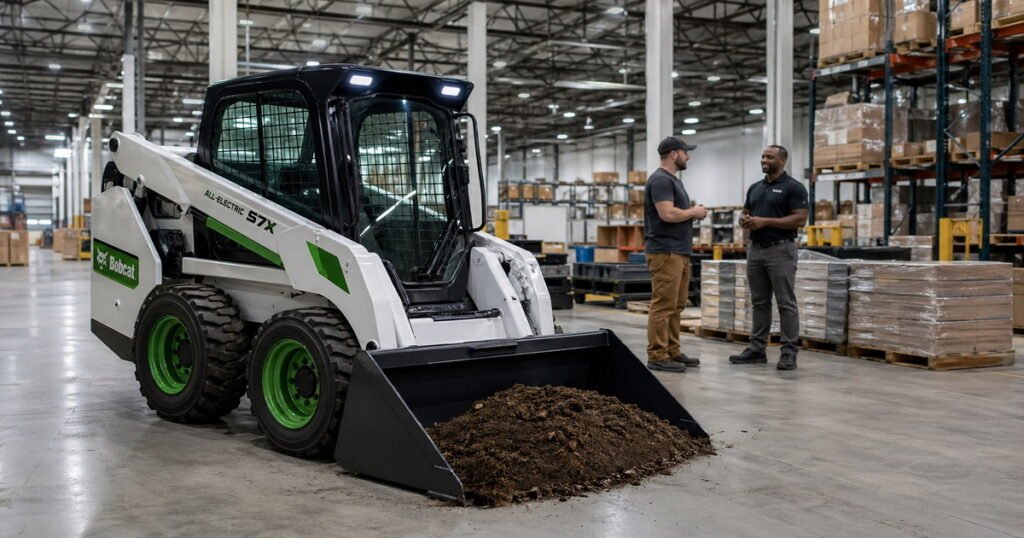
From an operator’s point of view, the biggest surprise with an electric skid steer is not the battery – it is the silence. Contractors who test these machines often comment first on the low noise, improved communication on site, and the lack of fumes in enclosed spaces, long before they talk about charging or runtime.
At an industry level, this category is no longer niche. The global electric skid steer loaders market is expected to grow from about 1.14 billion USD in 2025 to 1.24 billion USD in 2026, then to 1.71 billion USD by 2030, reflecting a strong compound annual growth rate driven by urban construction, emissions regulations, and the push for low‑noise equipment. This growth is encouraging more brands to invest in electric-only platforms, advanced batteries, and jobsite-ready charging solutions. [researchandmarkets]
Why Electric Skid Steers Are Gaining Ground
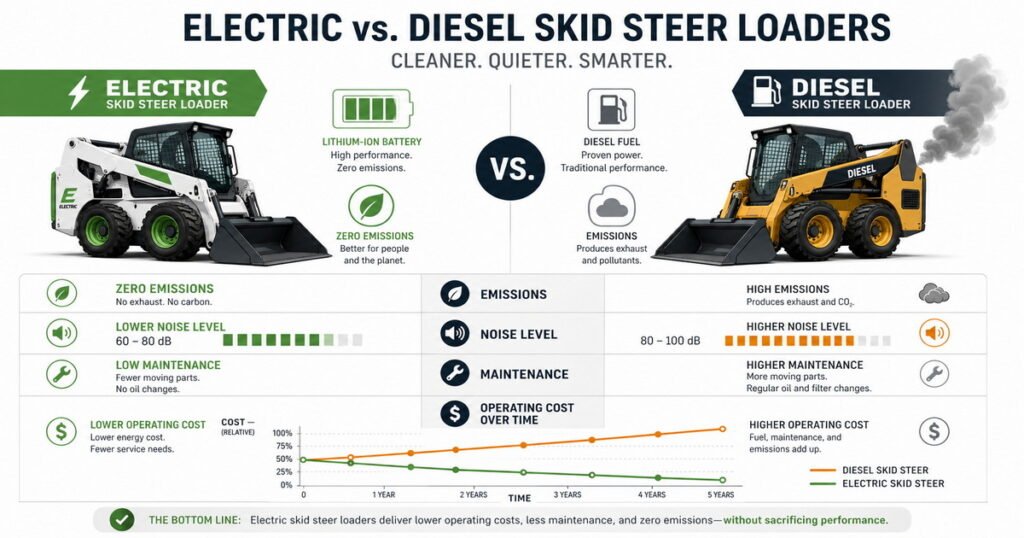
For buyers comparing diesel and electric, three themes keep coming up in conversations: emissions, noise, and operational control.
Key advantages contractors and fleet managers consistently highlight include: [giiresearch]
– Zero tailpipe emissions for indoor, tunnel, and urban jobsites
– Much lower noise for night work and noise‑sensitive areas
– Instant torque and smooth control at low speeds
– Potential for lower total cost of ownership over the machine life
– Compatibility with remote operation and telematics from day one
Electric platforms also lend themselves naturally to advanced safety and monitoring technologies, which is one reason we see strong adoption in risk‑intensive industries such as demolition and mining.
Firstgreen Industries’ Electric Skid Steers
Firstgreen Industries has emerged as one of the most visible electric‑only skid steer manufacturers, with operations based in the Czech Republic and an American branch opened in North Carolina in 2022. The company positions itself around all‑electric, zero‑emission skid steers, and currently offers nine electric models across four main lines, including both cabbed and cabinless configurations. [first]
The flagship Elise line is the closest to a conventional full‑featured skid steer, with three core models:
– Elise 700 – a smaller, quicker machine with a max load capacity over 1,500 lb
– Elise 900 – a mid‑sized loader with a max load capacity over 1,900 lb
– Elise 1200 – a heavy‑duty model with a max load capacity over 2,600 lb and higher hinge pin height for demanding lifting tasks [totallandscapecare]
From a contractor’s perspective, these capacity ranges cover typical landscaping, general construction, recycling, and light industrial applications where operators previously defaulted to diesel.
Runtime, Charging, and Battery Strategy
One silent concern buyers rarely voice in meetings but always think about is “What happens at 3 p.m. when my battery is low?” Battery and charging strategy is therefore central to any electric loader decision.
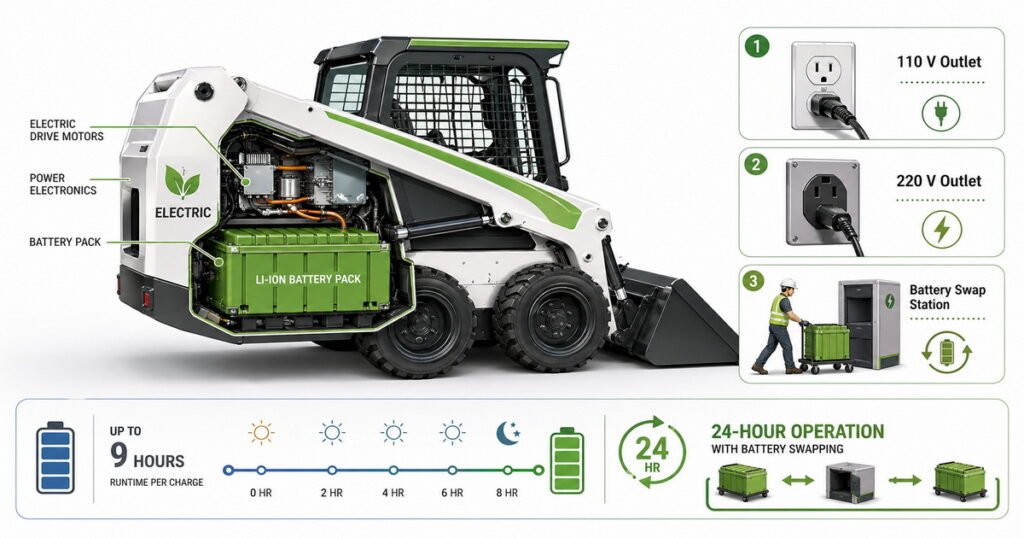
According to Firstgreen, its machines can provide up to nine hours of runtime on a single battery, or up to 24 hours when fleets use a swap‑and‑go strategy with charged spares. Batteries are designed to charge from standard 110 V or 220 V outlets, avoiding the need for specialized charging infrastructure on many sites.
Technically, the machines accept both smart lead‑acid and lithium‑ion packs, giving owners flexibility in cost, performance, and upgrade paths. Firstgreen cites swap times of around 15 minutes, which is critical for operations that cannot afford unscheduled downtime. For reference, its partnership with Micropower Group’s LionBRIX lithium‑ion systems provides modular configurations up to around 1,000 V and 700 kWh, plus a five‑year, 3,000‑cycle warranty and both onboard and off‑board fast‑charging options.
From an expert user standpoint, the practical takeaway is simple: think about duty cycles and shift patterns before buying. If your loaders run intermittently in short bursts, overnight charging on standard power may be sufficient; if you run multiple shifts, a planned swap‑battery system is worth calculating in your total cost of ownership model. [giiresearch]
Remote-Control, Cabinless, and Specialty Lines
One of the most disruptive features in Firstgreen’s lineup is not just electrification, but the way it enables remote‑only, cabinless machines for extreme environments.
Firstgreen offers several such lines:
– Elise CBL line: Cabinless versions of the Elise 700, 900, and 1200, using camera systems and remote control suites to operate in hazardous or inhospitable conditions.
– Rockeat line: A low‑clearance, cabinless variation designed to work in tight, confined spaces with 360‑degree cameras and remote operation.
– MiniZ: A compact, all‑terrain, remotely operated unit built explicitly for the tightest access areas.
From an industry safety perspective, these designs allow operators to stay outside collapse zones, high‑heat areas, and other risk zones while maintaining precise control. Contractors report that tasks that once required several workers on foot can often be performed by a single remote operator plus a spotter, improving both productivity and safety.
Where Electric Skid Steers Are Being Used
Different sectors are adopting electric skid steers for different reasons, but several patterns are now clear. [giiresearch]
Agriculture and Ag Facilities
Commercial farmers and small to medium operations are exploring electric skid steers for barns, storage sheds, and processing areas where emissions and noise are critical concerns. The absence of diesel exhaust improves worker health and animal welfare in enclosed spaces, while quieter machines reduce stress in intensive livestock environments.
Construction and Demolition
Construction and demolition currently show the highest interest level, especially in urban zones and interior demolition. Electric machines can work inside buildings, around hospitals, and near residences at off‑peak hours with far less disruption, while also aligning with owner and developer sustainability goals. [giiresearch]
Mining and Hazardous Environments
Mining companies view electric skid steers as both a safety and sustainability tool. Zero emissions reduce the load on underground ventilation systems, while remote‑controlled cabinless designs allow crews to reach tight or unstable areas with less exposure to risk. At the same time, fleet managers point to reduced carbon footprint as regulators and investors scrutinize environmental performance. [giiresearch]
Advanced Electric Tech: What Really Matters On Site
Electric drives make it easier to integrate digital and safety technologies that are harder to implement on conventional hydraulic‑heavy diesel platforms. Firstgreen’s machines illustrate several trends contractors should expect to see from all top‑tier vendors over the next few years. [giiresearch]
Key technology themes include:
– Remote control and automation – Joystick and app‑based operation from outside the machine, enabling work in hazardous or restricted spaces.
– Telematics and IoT – Continuous data on location, utilization, and machine health, enabling condition‑based maintenance and more precise fleet planning.
– Battery management systems (BMS) – Real‑time monitoring of battery health, temperature, and charge cycles to extend life and support fast charging and hot swapping.
– Environment and safety sensors – Rear‑view cameras, proximity sensors, and automatic braking systems designed to reduce collisions and near‑miss incidents.
– Modular design – Swappable components such as battery packs, control units, and sometimes drive modules that make upgrades and service more predictable across the fleet.
– Low noise and vibration – Better operator comfort, less fatigue, and opportunities to work in noise‑regulated neighborhoods and facilities.
For owners, the practical value of these technologies is fewer unplanned outages, more transparent operating costs, and a stronger safety story when bidding for high‑risk projects. [giiresearch]
How to Evaluate an Electric Skid Steer (Expert Checklist)
For buyers used to diesel, evaluating an electric loader requires a slightly different mindset. Instead of starting with engine horsepower and torque curves, focus first on duty cycle, charging strategy, and digital integration. [giiresearch]
A simple evaluation process you can follow:
1. Define primary applications and environment
– Indoor vs outdoor, urban vs remote, high‑risk vs standard jobsites
2. Estimate daily runtime and load profile
– Continuous work vs intermittent cycles, peak load demands
3. Assess charging infrastructure
– Available voltage, time windows for charging, appetite for battery swapping
4. Review safety and remote operation needs
– Do you truly need cabinless or remote options for extreme environments?
5. Consider telematics and fleet integration
– How will you track utilization, health, and energy costs across the fleet?
From an E‑E‑A‑T perspective, the most successful electric fleets I have seen are those that plan their power strategy as carefully as they spec their attachments. Contractors who treat batteries as core assets – not afterthoughts – avoid most early adoption pain points.
Market Outlook and Regulations Shaping Adoption
Multiple independent market studies now expect the electric skid steer segment to expand steadily through 2030 as part of a larger surge in off‑road electric equipment. Key drivers include: [linkedin]
– Tightening emission limits in major markets
– Urban infrastructure programs that favor low‑emission machinery
– Government incentives for electric construction equipment
– Declining lithium‑ion battery costs and improved energy density
One benchmark: the broader off‑road electric equipment market, which includes loaders, is forecast to reach tens of billions of dollars by 2030, with double‑digit annual growth in some analyses. On the policy side, U.S. programs such as the Clean Heavy‑Duty Vehicle Program and Diesel Emissions Reduction Act (DERA) funding are already supporting the shift away from diesel in selected fleets. Owners who track these funding channels can offset some of the upfront premium for electric equipment, particularly in public‑facing or environmental priority projects. [linkedin]
Example Specification Snapshot (Electric vs Electric)
The table below summarizes representative specifications from published Firstgreen data and industry reports to help contextualize electric skid steer performance. [equipmentworld]
| Aspect | Elise 700 (Electric) | Elise 1200 (Electric) | Typical Use Case |
|---|---|---|---|
| Max load capacity | Over 1,500 lb | Over 2,600 lb totallandscapecare | Landscaping, heavy construction |
| Runtime strategy | Single‑shift or swap | Single‑shift or swap | Continuous multi‑shift work |
| Operation mode | Cabbed or cabinless | Cabbed or cabinless | General vs high‑risk sites |
| Power source | Electric drive, lead‑acid or Li‑ion battery | Same, higher capacity packs | Indoor and outdoor jobsites |
| Remote operation | Available | Available | Hazardous or confined spaces |
This snapshot illustrates that electric machines now cover the same load ranges contractors expect from mid‑frame diesel skid steers, while adding remote and low‑noise capabilities. [totallandscapecare]
Call To Action: Plan Your Transition to Electric Loaders
If your fleet is still 100% diesel, the question is no longer if you will adopt electric skid steers, but when and where they make the most sense. The most successful transitions start with one or two carefully chosen use cases – such as indoor demolition, urban night work, or high‑risk applications where remote operation offers clear safety gains – and then scale based on real data from telematics and operator feedback. [researchandmarkets]
If you are evaluating electric skid steer loaders alongside tracked and wheeled options, now is the time to map out your runtime needs, charging strategy, and funding opportunities so you can spec the right machines for the next three to five years of projects. Talk with a specialist team to review your applications, compare electric and diesel options, and design a step‑by‑step transition plan tailored to your fleet. [giiresearch]
FAQs About Electric Skid Steer Loaders
1. How long can an electric skid steer run on a single charge?
Most modern electric skid steers are designed for a typical work shift, with some platforms reporting up to around nine hours of runtime depending on load and usage pattern. Fleets that use swappable batteries can effectively run 24‑hour operations by rotating charged packs.
2. Can I charge an electric skid steer on a standard jobsite power supply?
Yes, several manufacturers, including Firstgreen, specifically support charging from standard 110 V or 220 V outlets, which avoids immediate investment in specialized charging stations. Fast‑charge and off‑board chargers are usually available as options for more demanding operations.
3. Are electric skid steers powerful enough for heavy construction work?
Electric models now cover load capacities comparable to traditional diesel mid‑frame skid steers, with flagship models exceeding 2,600 lb of rated load and high hinge pin heights. Instant torque delivery from electric drives often improves low‑speed control and breakout feel in real‑world use. [totallandscapecare]
4. What types of projects benefit the most from electric skid steers?
The strongest early use cases include interior demolition, urban construction, agricultural facilities, and mining or tunneling where emissions and ventilation are critical. Remote‑controlled, cabinless variants add value in high‑risk or extremely confined environments. [giiresearch]
5. How do electric skid steers affect maintenance and total cost of ownership?
Electric drivetrains eliminate engine oil, fuel filters, and many emissions components, which can reduce routine maintenance tasks and parts inventory. Actual total cost of ownership depends on local electricity prices, utilization, and battery replacement intervals, so it is important to model costs over the full planned life of the machine. [giiresearch]
References
1. Compact Equipment – “A Deep Dive into Firstgreen Industries’ Electric Skid Steers.” August 20, 2024. [Link].
2. Firstgreen Industries – Official site and product information. [Link]. [first]
3. Total Landscape Care – “Firstgreen’s strongest electric skid steer loader, the Elise 1200.” [totallandscapecare]
4. Equipment World – Coverage of Firstgreen Elise range and electric compact equipment trends. [equipmentworld]
5. GII Research – “Electric Skid-Steer Loaders Global Market Report 2026.” [giiresearch]
6. Research and Markets – Electric Skid-Steer Loaders Market Outlook to 2030. [researchandmarkets]
7. LinkedIn – “Electric Skid Steer Loader Market Enters a New Era of Scalable…” 2026 market insight article. [linkedin]
8. SEO and UX best‑practice guidance for B2B industrial content. [easiwin]
Hot Tags: Skid Steer Loader, Manufacturers, Customized, Custom, Suppliers, Buy, Cheap, Quality, Advanced, Durable, in Stock, Made in China, Price, Quotation