
Volvo Compact Track Loaders vs Modern Skid Steers: An Expert 2017 Spec Guide Reimagined for Today’s Buyers
Content Menu
● Volvo 2017 Compact Track Loaders at a Glance
>> Key Volvo CTL Specs (2017 C‑Series)
● Operator‑Focused Design: Visibility, Safety, and Comfort
● Compact Track Loader vs Skid Steer: Which Should You Choose?
>> When a Compact Track Loader Makes Sense
>> When a Skid Steer Loader Is Better
● Power and Operating Capacity: Matching Machine to Job
● Single Loader Arm Design: Real‑World Advantages
● Attachments and Versatility: What Modern Buyers Expect
● How Certeg and Other OEMs Build on the Volvo Benchmark
● 5‑Step Checklist for Selecting Your Next CTL or Skid Steer
● How to Present CTL and Skid Steer Information Online
● Call to Action: Plan Your Next Loader Fleet
● Frequently Asked Questions (FAQ)
>> 1. Are compact track loaders always better than skid steers?
>> 2. Is a 60 hp compact track loader enough for professional construction work?
>> 3. What is a good rated operating capacity (ROC) for general contractors?
>> 4. Why do some compact track loaders use a single loader arm design?
>> 5. How many attachments should I plan for when buying a CTL or skid steer?
As someone who has spent years evaluating compact equipment on real job sites, I see Volvo’s 2017 C‑Series compact track loaders (CTLs) as an important benchmark—and also as a starting point for how buyers today should think about CTLs and skid steers from brands like Certeg. This guide combines those 2017 Volvo specs with current industry best practices and my own experience to help you choose the right loader configuration, power range, and partner factory for your fleet. [compactequip]
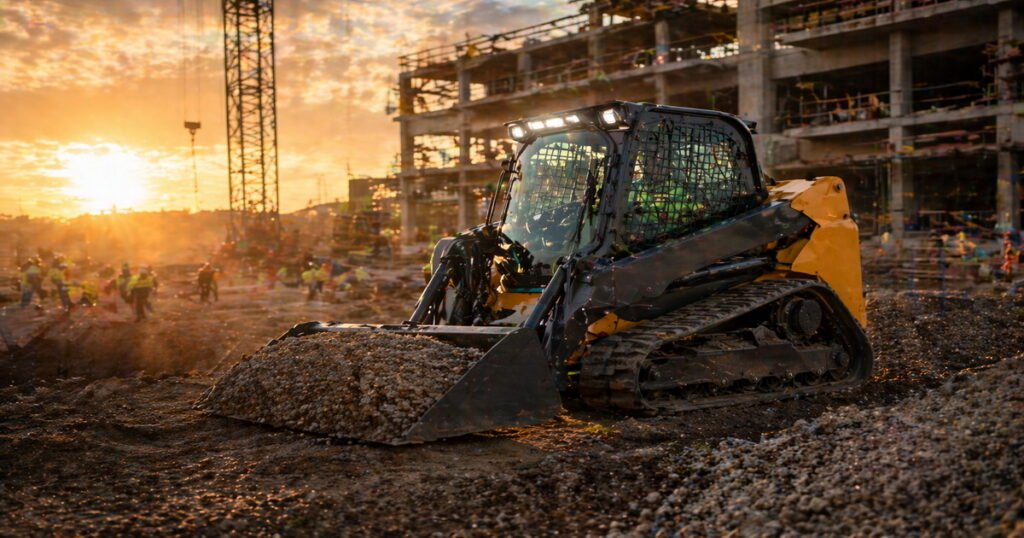
Volvo 2017 Compact Track Loaders at a Glance
Volvo’s C‑Series compact track loader lineup was built around four core CTL models: MCT85C, MCT110C, MCT125C, and MCT135C. They targeted professional users who needed a balance of productivity, visibility, and safety. [constructionequipmentguide]
Key Volvo CTL Specs (2017 C‑Series)
| Feature | Volvo C‑Series CTL Range (2017) | Notes |
|---|---|---|
| Gross engine power | 59.9–92 hp | Suitable for construction and landscaping tasks. compactequip |
| Rated operating capacity (ROC) | 1,900–3,000 lbs | Covers light to heavy duty work. compactequip |
| Loader arm design | Single loader arm (C‑Series) | Improves side entry and visibility. compactequip |
| Entry/exit | Side entry door | Reduces need to climb over bucket. compactequip |
| Optional systems | Boom suspension | Improves load‑and‑carry efficiency. compactequip |
| Cab design | Large top window | Better visibility for truck loading. compactequip |
From an operator’s perspective, the single loader arm and side entry door are more than marketing points—they genuinely make the machine feel safer and more accessible, especially on busy job sites where operators are in and out of the cab all day. [compactequip]
Operator‑Focused Design: Visibility, Safety, and Comfort
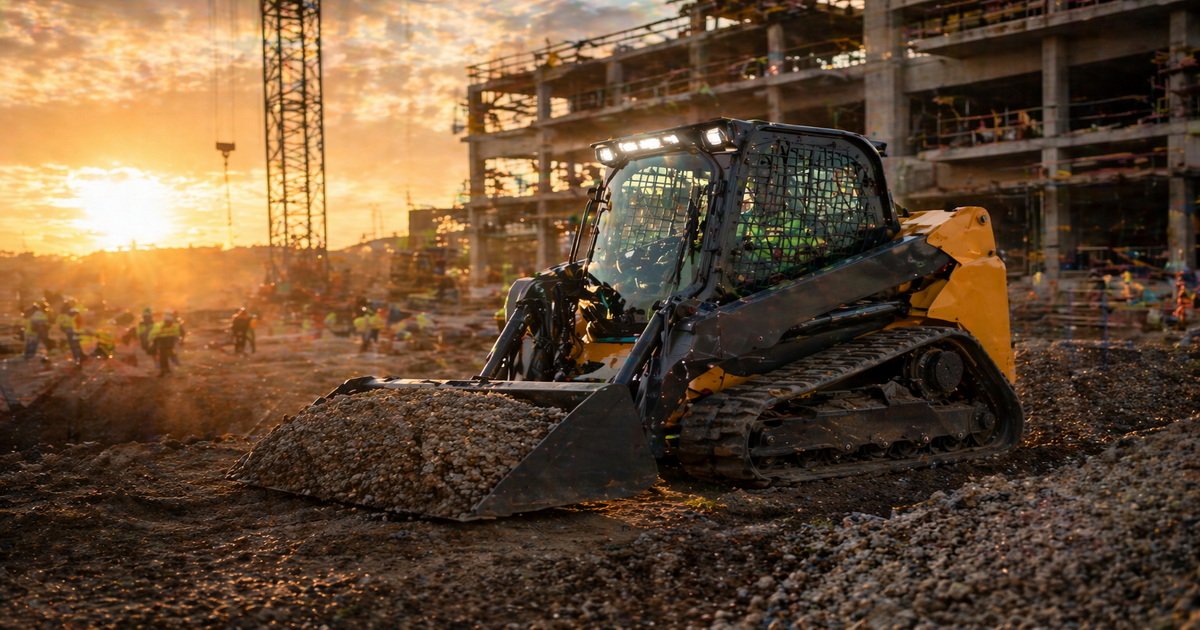
Volvo’s compact track loaders were specifically designed to solve one common complaint: climbing over the bucket to get into the cab. The C‑Series side door entry allows operators to enter and exit from the side, which: [compactequip]
– Reduces slip and trip risk on muddy, icy, or debris‑covered attachments.
– Makes frequent entry/exit cycles faster, especially in compact urban sites.
– Encourages safer behaviors because operators have a more convenient safe path. [compactequip]
The large top window and overall cab glazing also give better visibility when loading trucks or working at full lift height. That visibility becomes a real productivity advantage in grading, truck loading, and pallet handling, since operators can see the cutting edge or pallet forks more clearly and avoid re‑positioning. [compactequip]
From a user‑experience standpoint, these details matter as much as horsepower. If operators feel safer and can see more, they tend to work faster, with fewer mistakes and less fatigue.
Compact Track Loader vs Skid Steer: Which Should You Choose?
As an equipment buyer or fleet manager, you are often choosing not just between brands, but between compact track loaders (CTLs) and wheeled skid steer loaders. [cat]
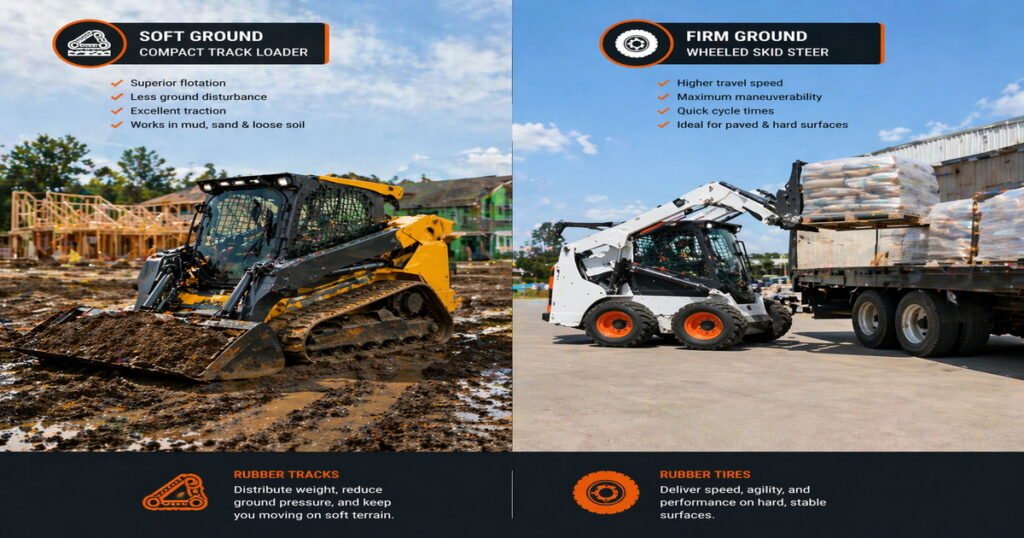
When a Compact Track Loader Makes Sense
Compact track loaders like Volvo’s C‑Series or modern tracked machines from manufacturers such as Certeg are ideal when:
– You regularly work on soft, muddy, sandy, or snowy ground, where tracks distribute weight and reduce ground pressure. [rippa]
– You need maximum traction on slopes or in wet conditions.
– Surface damage must be minimized, for example on new landscaping or finished surfaces.
Tracks typically provide better flotation and stability, making CTLs popular in construction, landscaping, agriculture, and rental fleets that face variable site conditions. [cat]
When a Skid Steer Loader Is Better
Wheeled skid steer loaders often win in situations where:
– Ground conditions are firm, dry, and relatively even.
– You need higher travel speed and frequent moves between work areas.
– Tire maintenance is easier or cheaper in your region.
Volvo’s wheeled skid steer lineup, for example, spans seven models with rated operating capacities between 1,350 and 3,000 lbs and engine power from 48 to 74 hp, covering everything from light-duty utility work to heavier lifting tasks. [compactequip]
For many buyers, the best strategy is to combine one tracked machine with one wheeled skid steer, sharing attachments across both where possible. [rippa]
Power and Operating Capacity: Matching Machine to Job
Volvo’s C‑Series CTLs offered engines from about 60 to 92 hp, with operating capacities from 1,900 to 3,000 lbs. Those ranges are still an excellent reference for planning a mixed fleet or specifying similar machines from other manufacturers. [compactequip]
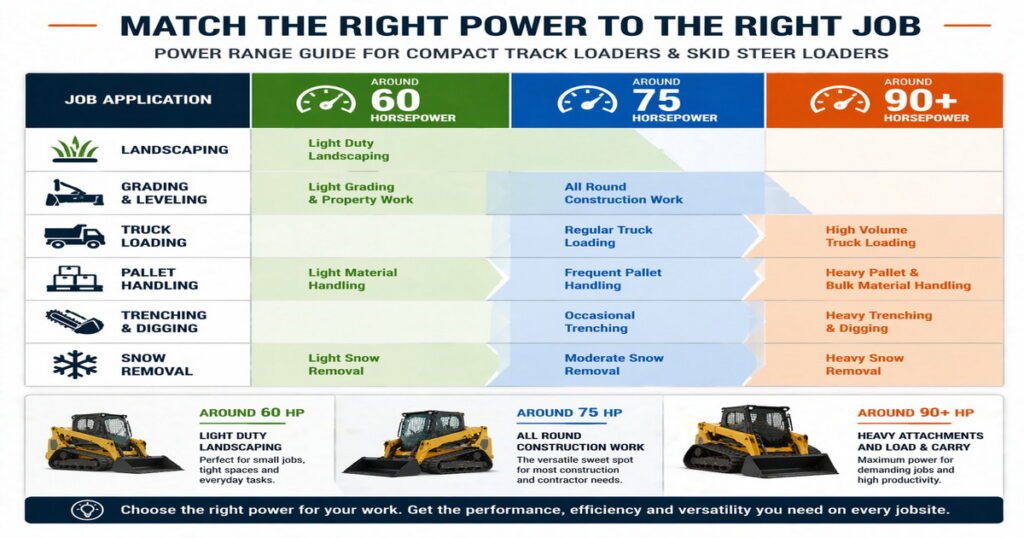
Practical Power Bands
– Around 60 hp: Suitable for light construction, small landscaping jobs, and general yard work, where tight spaces and low fuel consumption matter more than maximum lift. [constructionequipmentguide]
– Around 75–80 hp: A strong all‑rounder for grading, loading, and attachment use such as augers or trenchers. [constructionequipmentguide]
– Around 90+ hp: Best for heavy attachments, continuous load‑and‑carry work, or demanding site conditions.
Rated operating capacity between 1,900 and 3,000 lbs allows the machine to handle a wide range of buckets, forks, and specialty tools without compromising stability. In real‑world use, I’ve found that stepping up one size class (for example, from a 2,200‑lb ROC machine to a 2,700‑lb ROC model) often makes operators more confident when handling pallets, large boulders, or wet soil. [compactequip]
Single Loader Arm Design: Real‑World Advantages
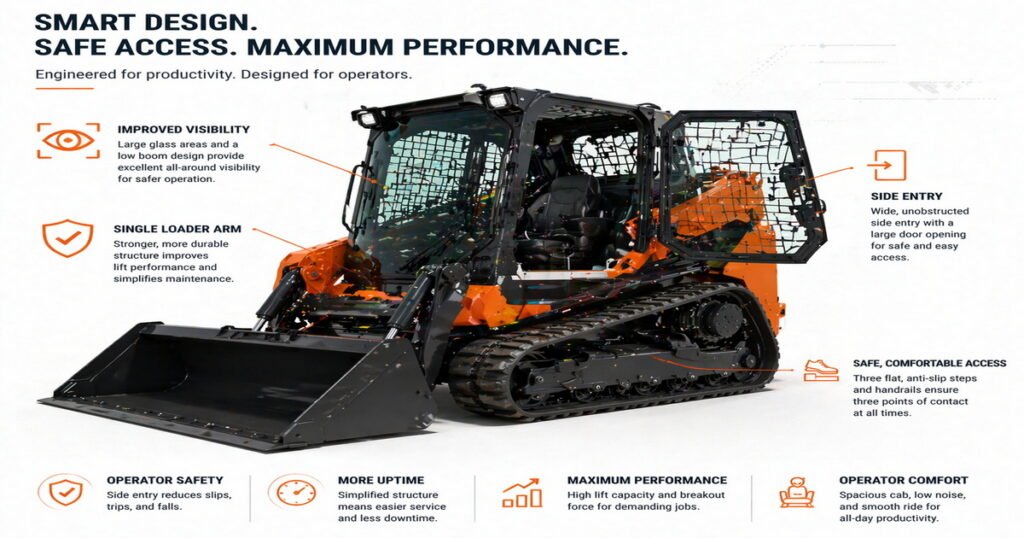
One of Volvo’s most distinctive features is its single loader arm design, which was first introduced in the C‑Series skid steers and later applied to compact track loaders. [compactequip]
From an expert and operator perspective, this design offers several practical benefits:
– Improved side visibility: With only one loader tower, the operator gains a clearer view of the right or left side (depending on design), which is crucial when working near walls, trucks, or obstacles. [compactequip]
– Side door entry: The single arm allows a full‑size side entry door, reducing the need to climb over front attachments. [compactequip]
– Simplified cab structure: Less structural obstruction around the operator’s field of view.
For many first‑time CTL or skid steer owners, these features significantly reduce the intimidation factor, which is one reason Volvo highlighted the C‑Series as being designed with first‑time owners in mind. [compactequip]
Attachments and Versatility: What Modern Buyers Expect
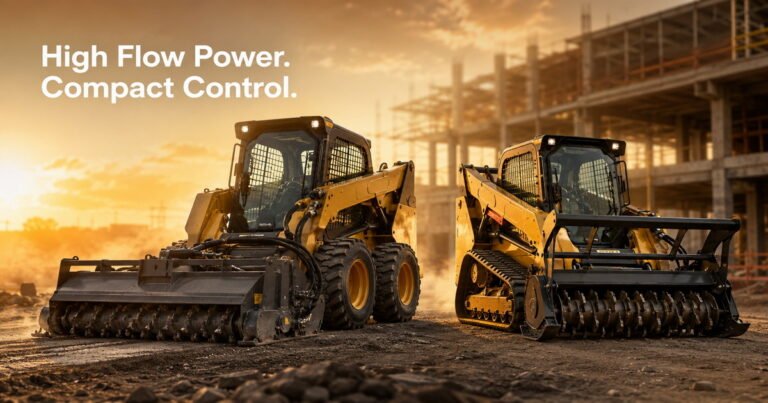
Today’s buyers expect a compact track loader or skid steer to act as a multi‑tool carrier, not just a loader. Manufacturers and OEM partners increasingly showcase how many attachments a single machine can handle, from buckets and pallet forks to trenchers, augers, breakers, and snow equipment. [youtube]
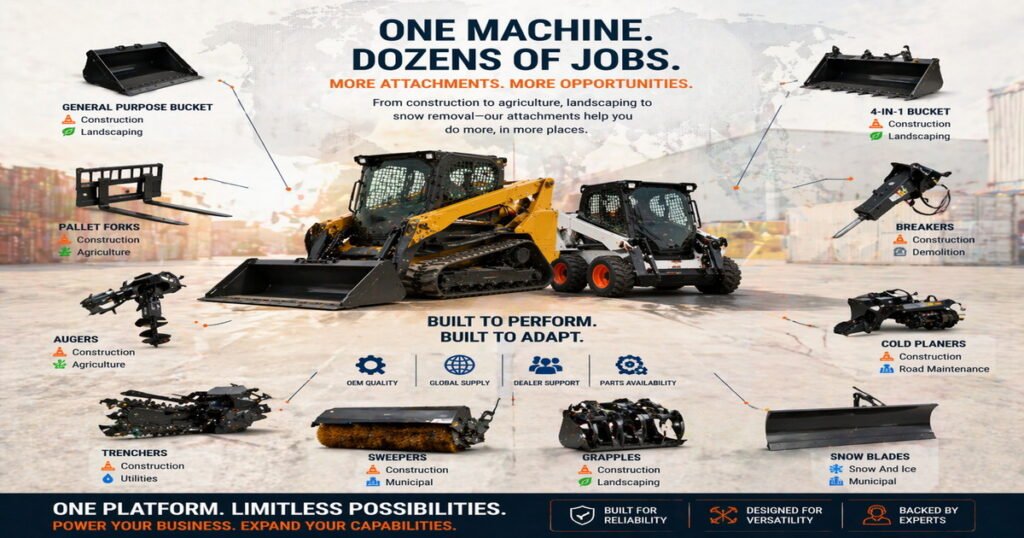
Modern mini skid steers and CTLs from suppliers like Certeg are often marketed around the idea of “one machine, dozens of attachments,” allowing:
– Year‑round utilization in construction, landscaping, agriculture, and snow removal.
– Better ROI because one power unit supports multiple revenue‑generating tasks.
– Reduced fleet size, especially attractive for rental companies and small contractors. [youtube]
If you are buying multiple machines for a rental fleet or distribution network, it is critical to confirm that:
– The hydraulic flow and pressure match the attachments you plan to offer.
– The quick‑coupler system is compatible with popular third‑party tools.
– The manufacturer can provide or source critical attachments and after‑sales support.
How Certeg and Other OEMs Build on the Volvo Benchmark
While Volvo’s C‑Series spec guide provides a strong historical benchmark, many dealers and importers today are also evaluating OEM/ODM manufacturers that can deliver both tracked and wheeled skid steer loaders under private labels. [cat]
From an industry perspective, here is how modern manufacturers like Certeg typically build on that foundation:
– Offering both compact track loaders and skid steer loaders in different power ranges to cover the same 60–90+ hp segment seen in Volvo’s lineup. [cat]
– Designing machines with global market conditions in mind—different emissions tiers, voltage standards for electronics, and climate‑specific cooling packages.
– Providing flexible attachment packages, including specialized tools for niche sectors such as orchard work, municipal maintenance, or small demolition. [youtube]
– Building long‑term relationships with heavy equipment dealers, rental chains, and fleet buyers who need consistent quality at competitive price levels. [rippa]
When you combine Volvo’s long‑proven spec ranges with modern OEM flexibility, you get a clear checklist for specifying your next loader platform.
5‑Step Checklist for Selecting Your Next CTL or Skid Steer
To go beyond the original 2017 spec guide, here is a practical, step‑by‑step process many professional buyers follow today:
1. Define your core applications
List your top 3–5 workloads: grading, loading, pallet handling, snow removal, trenching, etc. Match these to required horsepower and hydraulic flow.
2. Evaluate ground conditions across the year
If you frequently face mud, snow, or soft soil, prioritize a compact track loader. If your work is mostly on firm, paved, or compacted surfaces, a skid steer loader may be more economical. [cat]
3. Choose your power and ROC band
Use the Volvo C‑Series ranges (about 60–92 hp and 1,900–3,000 lbs ROC) as a baseline, then adjust based on attachment size, trailer capacity, and local transport rules. [constructionequipmentguide]
4. Plan your attachment ecosystem
Think in terms of an “attachment roadmap” for the next 3–5 years and ensure your chosen brand or OEM partner can support it—especially if you expect to operate with 30–50+ attachments, as many modern mini loaders now do. [youtube]
5. Assess your supply partner, not just the machine
Look for a manufacturer or dealer who can offer:
– Technical support and parts availability.
– Training resources (videos, manuals, remote support).
– Flexible configuration for different markets and climates. [seo]
This structured approach ensures you buy a fleet solution, not just a single machine.
How to Present CTL and Skid Steer Information Online
If you are also managing a website for a dealer, manufacturer, or rental company, you should align your content with Google’s E‑E‑A‑T guidelines (Experience, Expertise, Authoritativeness, Trustworthiness). [servicetitan]
Practical steps that work especially well in the heavy equipment sector include:
– Publishing in‑depth buying guides like this one focused on specific machine categories and power bands. [contractorgorilla]
– Highlighting real expert experience and field usage, not just catalog specs.
– Structuring content with clear H2/H3 headings, bullet lists, and tables so users can quickly find the specs and comparisons they need. [servicetitan]
– Including high‑quality photos and videos showing the machines in use and explaining maintenance, safety checks, and attachment changes. [seo]
Done correctly, this type of content does not just help your SEO—it also builds genuine trust with buyers who are making long‑term investment decisions.
Call to Action: Plan Your Next Loader Fleet
If you’re currently comparing a 2017‑era Volvo compact track loader to newer CTL and skid steer options, now is the perfect time to:
– Map your key applications and ground conditions.
– Decide which power and capacity band matches your growth plans.
– Choose whether you want a premium branded machine, a flexible OEM supplier, or a balanced mix of both.
For global dealers, rental companies, and contractors who need customized tracked and wheeled skid steer loaders, partnering with a manufacturer that understands diverse markets and can support multiple power configurations is often the most strategic move. [cat]
Take the next step now: define your target horsepower and ROC range, list the attachments you need, and reach out to your preferred OEM or regional dealer to discuss a tailored CTL and skid steer loader package.
Frequently Asked Questions (FAQ)
1. Are compact track loaders always better than skid steers?
No. Compact track loaders excel in soft, muddy, or snowy conditions thanks to lower ground pressure and better traction, while skid steers are often more economical on firm, paved, or compacted surfaces. [rippa]
2. Is a 60 hp compact track loader enough for professional construction work?
Yes, a 60 hp CTL can handle many light to mid‑duty tasks such as landscaping, general construction support, and light material handling, especially when paired with appropriately sized attachments. [constructionequipmentguide]
3. What is a good rated operating capacity (ROC) for general contractors?
For general contractors who handle pallets, soil, and aggregate, an ROC between about 2,200 and 3,000 lbs is often ideal, striking a balance between maneuverability and lifting capability. [compactequip]
4. Why do some compact track loaders use a single loader arm design?
Single loader arm designs, like those on Volvo’s C‑Series machines, allow side door entry and can improve side visibility, making entry/exit and close‑quarters work more convenient and potentially safer. [compactequip]
5. How many attachments should I plan for when buying a CTL or skid steer?
Many modern fleets aim for a versatile attachment set that can include buckets, forks, augers, trenchers, sweepers, and snow tools, often reaching dozens of attachments over time, especially for rental operations. [youtube]
References
1. Volvo Compact Track Loaders Summarized — 2017 Spec Guide, Compact Equipment.compactequip]
2. Volvo Skid Steers Summarized — 2017 Spec Guide, Compact Equipment. [compactequip]
3. Volvo MCT125C Compact Track Loader Specs and Features, Construction Equipment Guide. [constructionequipmentguide]
4. Mini Skid Steer Loaders & Compact Track Loaders – A Complete Buyer’s Guide for Heavy Equipment Dealers, Rippa. A [rippa]
5. SEO for Heavy Equipment Companies: 7 Pro Tips, SEO.com. [seo]
6. Construction SEO: The Definitive Guide , ServiceTitan. [servicetitan]
7. Cat Compact Track Loaders, Caterpillar. [cat]
8. Cat Skid Steer and Compact Track Loaders Overview, Caterpillar. [cat]
9. CERTEG Mini Skid Steer with 50+ Attachments! YouTube Short. [youtube]
10. Contractor and Construction Website SEO Strategies, Contractor Gorilla. [contractorgorilla]
Hot Tags: Skid Steer Loader, Manufacturers, Customized, Custom, Suppliers, Buy, Cheap, Quality, Advanced, Durable, in Stock, Made in China, Price, Quotation