
Electric Stand-On and Walk-Behind Tool Carriers: 2026 Buyer’s Guide to Battery-Powered Compact Tool Carriers
Content Menu
● What Are Electric Compact Tool Carriers?
● Why Electric CTCs Are Growing So Fast
>> Urban and Indoor Jobs Drive Demand
>> Regulatory and ESG Pressure
● Key Benefits of Electric Compact Tool Carriers
>> Performance and Operator Experience
>> Lower Emissions, Noise and Odor
● Leading Electric CTC Models in the Market
>> Volteq Sky Mini Electric Skid Steers
>> Toro eDingo 500 Electric Compact Utility Loader
>> Market Position of Electric vs Diesel CTCs
● Spec Snapshot: Example Electric CTC Features
● Understanding Costs, ROI and Incentives
>> Purchase Price vs Lifetime Cost
>> Example Operating Cost Savings
>> Grants, Tax Incentives and Regulations
● Charging Strategies and Infrastructure Planning
>> Steps to Size Your Charging System
● Maintenance, Safety and Training Considerations
>> New Components and Inspections
>> Evaluating Electric Motor Sizing
● Where Electric CTCs Excel: Use Cases and Applications
● How to Choose the Right Electric CTC for Your Fleet
● How Certeg Fits Into the Electric Equipment Transition
● Map Your First Electric Jobs and Talk to a Specialist
● FAQs About Electric Stand-On and Walk-Behind Tool Carriers
>> (1) Are electric compact tool carriers really powerful enough for heavy work?
>> (2) How long can an electric CTC run on a single charge?
>> (3) What kind of electrical service do I need to charge these machines?
>> (4) How do maintenance costs compare with diesel models?
>> (5) Is it worth paying more for an electric CTC today?
Battery-powered stand-on and walk-behind compact tool carriers are rapidly becoming must‑have machines for contractors who work in tight, urban or indoor environments and want lower emissions, noise and operating costs. This guide explains how the electric compact tool carrier (CTC) market is evolving, what models are available, how charging and ROI work, and how fleets can confidently decide when to go electric.

What Are Electric Compact Tool Carriers?
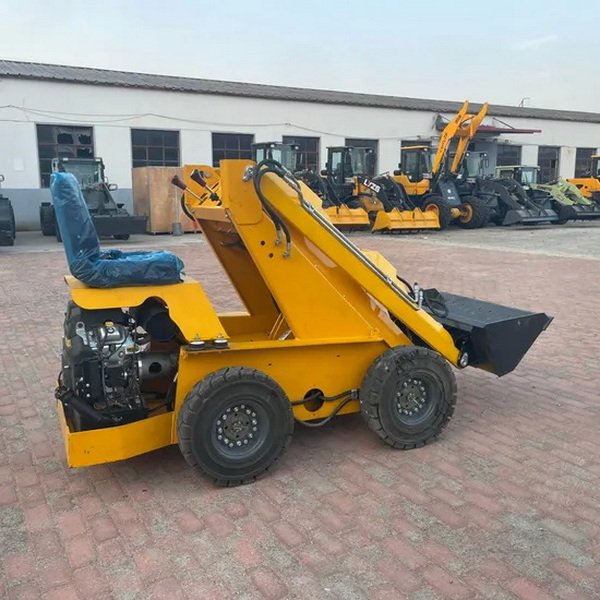
Electric compact tool carriers (also called mini skid steers, compact utility loaders or stand-on track loaders) are small, highly maneuverable machines designed to power a wide range of hydraulic and non‑hydraulic attachments. Instead of a diesel engine, they use electric motors and onboard battery packs, delivering instant torque with zero engine exhaust.
Key characteristics include:
– Stand-on or walk-behind operator position, with no enclosed cab.
– Universal quick-attach plates compatible with common skid steer attachments.
– Wheel or track undercarriages with zero turning radius for tight spaces.
– Power options including gas, diesel and battery-electric, with electric units typically smaller and optimized for indoor or urban work.
Because they are compact, often work close to buildings and people, and follow stop‑start duty cycles, CTCs are particularly well‑suited to electrification.
Why Electric CTCs Are Growing So Fast
Urban and Indoor Jobs Drive Demand
Modern jobsites face stricter emission and noise limits, especially in cities, near hospitals and in occupied buildings. Electric compact tool carriers produce no engine emissions and operate at much lower noise levels, making them ideal for:
– Indoor demolition and renovation in commercial buildings
– Work near sensitive sites such as hospitals, schools and zoos
– Nighttime or early‑morning operations in residential neighborhoods
Indoor contractors were among the first adopters, followed closely by landscapers who wanted quiet machines that could extend working hours and increase billable time.
Regulatory and ESG Pressure
Public entities and government customers increasingly use battery-powered equipment to support environmental, social and governance (ESG) goals. Many countries are tightening emission standards and offering tax incentives that directly favor electric loaders and CTCs.
Market Growth and Adoption
The broader compact loader and electric loader segments are expected to expand significantly over the next decade, supported by:
– Government subsidies for electric construction equipment
– Higher fuel prices that improve the electric total cost of ownership
– Rapid improvements in battery energy density and charging speed
Sales data for compact utility loaders as a whole show rising unit volumes in recent years, confirming that more contractors and rental houses are adding these machines to their fleets.
Key Benefits of Electric Compact Tool Carriers
Performance and Operator Experience
Electric CTCs deliver instantaneous torque and smooth control, so operators familiar with diesel or gas versions typically find the transition easy. OEMs have designed controls to feel intuitive, including one‑handed traction systems and familiar joystick layouts.
Benefits include:
– Instant throttle response for precise maneuvers
– Comparable or better power versus similar diesel machines at the attachment interface
– Dramatically reduced vibration and noise, which reduces fatigue and stress on operators
Lower Emissions, Noise and Odor
With no engine exhaust, electric CTCs eliminate tailpipe emissions, diesel smell and much of the noise associated with combustion, exhaust and cooling fans. This combination of zero emissions, low noise and no smell improves safety and comfort for workers and opens new types of jobs where engine‑powered machines were not allowed.
Simplified Maintenance
Electric compact tool carriers remove many of the messy, time‑consuming maintenance tasks associated with diesel engines.
You no longer need to:
– Check and change engine oil
– Replace fuel filters
– Manage DEF or diesel particulate filters
Instead, routine tasks focus on:
– Greasing pivot points and maintaining hydraulic oil
– Inspecting batteries, plugs, inverters and high‑voltage wiring as recommended
– Monitoring software and battery management systems
Because electric motors have fewer moving parts and no combustion, they are generally more reliable and may require fewer overhauls during their lifetime.
Leading Electric CTC Models in the Market
Volteq Sky Mini Electric Skid Steers
Volteq Equipment’s Sky series consists of compact, battery-powered mini skid steers designed for eight‑hour run times and multi‑attachment productivity.
Key features of the Sky 1000 include:
– Approx. 34‑in overall width for tight access
– 1,000‑lb lift capacity
– 20.48‑kWh lithium‑iron battery
– Built‑in smart charger compatible with 90–265V single‑phase outlets
– Remote control, GPS and telematics options
The Sky 2000, targeted for release following the Sky 1000, is being developed with:
– Up to a 50‑kW lithium‑iron battery
– Approx. 2,000‑lb lift capacity
– Higher performance that may motivate customers to upgrade to 220V service for faster charging
Toro eDingo 500 Electric Compact Utility Loader
Toro’s eDingo 500 is one of the flagship electric compact utility loaders available from a major brand in North America.
Key specifications:
– 30‑in narrow width, suitable for standard doorways
– 515‑lb rated operating capacity
– 6.5 gpm hydraulic flow
– Hinge pin height around 81 in.
– HyperCell power system for all‑day run times
– Onboard 120V charger for overnight charging
– Work light, traction controls and comfort mat for reduced fatigue
The machine is optimized for indoor construction jobs that require continuous operation, minimal emissions and fast completion times.
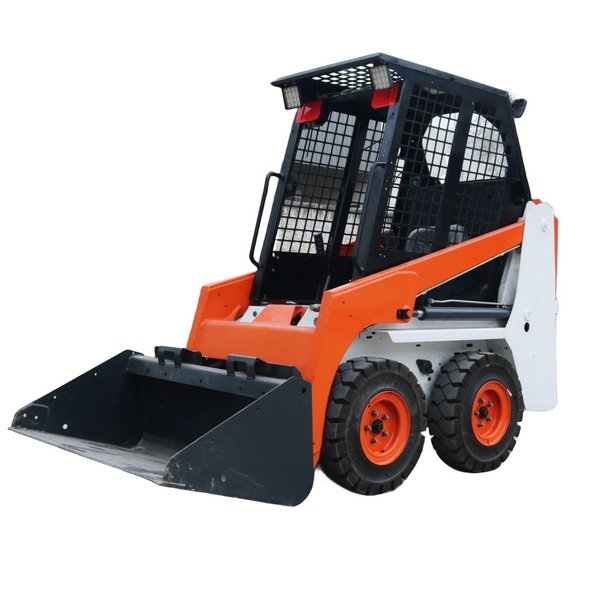
Market Position of Electric vs Diesel CTCs
In the U.S. electric CTC market, many established brands still focus on combustion-powered CTCs, with only a few offering electric variants. A growing group of specialized electric manufacturers now compete by offering full electric portfolios, from CTCs to mini excavators and dumpers.
Spec Snapshot: Example Electric CTC Features
| Feature | Volteq Sky 1000 (example) | Toro eDingo 500 (example) |
|---|---|---|
| Power source | Lithium‑iron battery | Lithium-based battery |
| Battery capacity (approx.) | 20.48 kWh | All‑day duty pack |
| Width | 34 in | 30 in |
| Rated operating capacity | 1,000 lb | 515 lb |
| Operator position | Stand-on / remote | Stand-on |
| Hydraulic flow (approx.) | Compact CTC range | 6.5 gpm |
| Charging | 90–265V single-phase AC | 120V onboard charger |
Understanding Costs, ROI and Incentives
Purchase Price vs Lifetime Cost
Electric construction equipment can cost more upfront than comparable diesel models, depending on size and technology. For example, Volteq’s Sky 1000 is estimated at roughly 30% higher price than similar diesel CTCs, which is relatively modest compared with some larger electric loaders.
However, the long‑term cost story looks different:
– You effectively buy the machine plus most of its “fuel” up front.
– You significantly reduce diesel purchases, oil changes, filters and DEF.
– Electric machines eliminate idling fuel waste; when no functions are active, no power is consumed.
Contractors often recoup the premium over the life of the machine, depending on utilization, local electricity costs and maintenance practices.
Example Operating Cost Savings
One analysis estimates daily savings of around $21.79 when operating a lithium battery-powered CTC versus a 25‑hp diesel model, assuming:
– Six hours of operation per day
– 120 working days per year
– Representative average prices for diesel and electricity
Under these assumptions, annual savings reach approximately $337.45 before additional maintenance savings are included.
Grants, Tax Incentives and Regulations
In some markets, buyers may be able to use public programs to offset the purchase price of electric CTCs.
Potential sources of support:
– National or regional tax credits for qualifying electric vehicles and equipment
– Local emission‑reduction grants
– Utility rebates tied to off‑peak charging or electrification initiatives
Publicly available incentive databases and government energy agencies typically maintain lists of programs related to electric vehicles and charging infrastructure.
Charging Strategies and Infrastructure Planning
Onboard Charging Basics
Most electric compact tool carriers use onboard chargers that plug directly into common wall outlets.
Typical options:
– 110/120V single‑phase AC (standard household or light commercial outlet)
– 220/240V single‑phase AC (Level 2‑style outlet for faster charging)
Volteq’s Sky 1000, for example, can connect to 90–265V single‑phase power and reach a full charge in up to eight hours, depending on discharge level and input voltage. Toro’s eDingo 500 is designed to charge overnight on a 120V outlet so it is ready for the next workday.
Lithium‑iron batteries typically allow opportunistic partial charging during breaks without harming battery life, which helps fleets top off charge at lunch and between jobs.
Steps to Size Your Charging System
A structured approach helps prepare a facility for electric CTCs:
1. Assess current electrical load. Determine peak monthly demand and understand your facility’s existing service capacity.
2. Calculate charger load. For each CTC charger, review watts or amps on the spec label, then determine the total charger demand.
3. Add non‑charger loads. Include lighting, IT, HVAC and other equipment in your total load calculation.
4. Compare against service capacity. If total loads exceed service limits, plan for panel or service upgrades.
5. Consult a qualified electrician. Confirm code compliance, safety and the most efficient configuration for your electric fleet.
For larger fleets or faster turnaround, some operations may eventually consider off‑board fast chargers or mobile charging solutions, though most CTC OEMs still focus on single‑phase onboard charging.
Maintenance, Safety and Training Considerations
New Components and Inspections
While electric CTCs simplify engine maintenance, they introduce new components that require inspection and proper handling:
– High‑voltage battery packs and enclosures
– Charging plugs and connectors
– Inverters and power converters
– Battery management systems and associated wiring
Depending on the manufacturer’s recommendations, certain service procedures may require trained high‑voltage technicians who understand how to safely lock out and tag out electric equipment.
Evaluating Electric Motor Sizing
To ensure reliability and performance, contractors should discuss electric motor ratings with their dealer.
Key questions include:
– Is the motor rated appropriately for nominal and peak power over the expected duty cycle?
– Does the track drive motor operate mostly at nominal capacity, leaving headroom for short bursts such as counter‑rotation or steep climbs?
If a motor is undersized and runs at peak capacity continuously, it can overheat, underperform and suffer reduced life.
Where Electric CTCs Excel: Use Cases and Applications
Electric compact tool carriers offer clear advantages in several high‑value use cases:
– Indoor demolition and material handling in malls, factories and office towers where ventilation is limited.
– Urban landscaping and hardscaping near homes and businesses where noise and fumes are a concern.
– Public works and municipal maintenance aligned with low‑emission fleet initiatives.
– Night shifts and sensitive sites, such as hospital campuses, schools and zoos.
In many of these scenarios, electric CTCs not only improve compliance and community relations, but also unlock entirely new revenue streams by enabling work that previously had to be done manually or with smaller hand tools.
How to Choose the Right Electric CTC for Your Fleet
When evaluating electric compact tool carriers, contractors can follow a structured selection process.
1. Define primary applications. List the attachments and tasks you expect the machine to handle (buckets, breakers, augers, brooms, trenchers, etc.).
2. Check lift capacity and dimensions. Confirm that rated operating capacity and machine width and height match your loads and access constraints such as doors, elevators and garden gates.
3. Evaluate hydraulic flow and pressure. Ensure hydraulic specs meet the requirements of your most demanding attachments.
4. Match runtime to duty cycle. Compare battery capacity and manufacturer runtime estimates with your typical shift length and usage pattern.
5. Assess charging options. Verify whether you can support overnight 120V charging or need faster 240V or three‑phase solutions.
6. Compare total cost of ownership. Combine purchase price, grants, maintenance and energy costs to calculate a realistic payback period.
7. Plan for training and safety. Confirm that your team can be properly trained for electric systems, including high‑voltage safety.
How Certeg Fits Into the Electric Equipment Transition
As a global manufacturer of excavators, skid steer loaders, road rollers, forklifts, tractors and tracked transporters, Certeg can help contractors build a cohesive, multi‑machine strategy for electrification. While compact tool carriers are leading change in many applications, the same drivers—stricter regulations, lower noise and better total cost of ownership—are also reshaping buying decisions for larger construction equipment.
By aligning CTC choices with the broader fleet roadmap, contractors can:
– Standardize on compatible attachments across machines.
– Plan charging infrastructure that supports multiple equipment categories.
– Use telematics and data to manage utilization, charging and preventive maintenance more effectively.
Map Your First Electric Jobs and Talk to a Specialist
Now is the time to identify three to five projects in your pipeline where emissions, noise or indoor work are limiting productivity and driving up labor. List the specific tasks, current equipment used, fuel consumption and downtime, then talk with an equipment specialist about which electric stand‑on or walk‑behind tool carriers can replace or support those machines. By piloting an electric CTC on targeted jobs and tracking actual runtime, charging needs and operating costs, you can build a data‑driven business case and confidently scale electrification across your fleet.
Contact us to get more information!
FAQs About Electric Stand-On and Walk-Behind Tool Carriers
(1) Are electric compact tool carriers really powerful enough for heavy work?
Modern electric CTCs typically match or exceed the power and attachment performance of similar gas or diesel models thanks to instant motor torque and optimized hydraulic systems. Operators accustomed to combustion-powered CTCs generally report a familiar or even smoother experience with electric versions.
(2) How long can an electric CTC run on a single charge?
Runtime depends on battery capacity, hydraulic load and duty cycle, but many models are designed to deliver a full workday when used with typical stop‑start cycles. In practice, light to moderate tasks combined with breaks and low‑load travel often extend usable runtime.
(3) What kind of electrical service do I need to charge these machines?
Most electric CTCs can charge from standard 110/120V outlets overnight, while some support faster charging from 220/240V single‑phase power. Larger fleets or higher‑capacity models may benefit from upgraded electrical service to reduce charge times and support multiple chargers simultaneously.
(4) How do maintenance costs compare with diesel models?
Electric CTCs eliminate engine oil changes, fuel filters and DEF systems, significantly reducing consumables and service labor over time. While batteries and high‑voltage components require proper inspection and occasional replacement, total maintenance costs are generally lower over the equipment’s life.
(5) Is it worth paying more for an electric CTC today?
For many contractors, especially those working indoors, in urban neighborhoods or under strict emission and noise regulations, the answer is yes. When you factor in fuel savings, reduced maintenance and potential grants or tax incentives, many fleets can recover the price premium over the life of the machine and gain access to new, higher‑value work.
References:
1. https://compactequip.com/compact-tool-carriers/electric-an-overview-of-the-battery-powered-stand-on-and-walk-behind-tool-carrier-market/
2. https://compactequip.com/compact-tool-carriers/the-power-to-lead-todays-compact-tool-carriers-wield-greater-strength-lift-and-hydraulics-than-ever/
3. https://compactequip.com/electric-equipment/electric-loaders-cratos-electric-stand-ons-are-the-original-battery-powered-tool-carriers/
4. https://www.fortunebusinessinsights.com/compact-loader-market-113359
5. https://www.datainsightsmarket.com/reports/electric-compact-wheel-loader-614627
Hot Tags: Battery Operated Skid Steer, Electric Tool Carriers, Battery Powered Tool Carriers, Stand-On Tool Carriers, Walk-Behind Tool Carriers, Electric Skid Steer, Compact Electric Equipment, Electric Construction Equipment, Zero Emission Jobsite Equipment, Battery Powered Skid Steer