
7 Strategic Benefits of Large Excavator Rental: A Comprehensive Guide for Construction Professionals
Content Menu
● Understanding Large Excavator Rental Market Dynamics
● Test Equipment Performance Without Financial Commitment
● Optimize Cash Flow with Predictable Fixed Costs
>> Financial Advantages of Rental Structure
● Eliminate Storage and Transportation Logistics
>> Logistical Benefits of Rental
● Maximize Tax Advantages with Immediate Deductions
● Compete Effectively Against Larger Contractors
>> Competitive Advantages Through Rental
● Access Specialized Equipment for Unique Projects
● Maintain Fleet Flexibility During Market Fluctuations
>> Strategic Fleet Management Benefits
● Choosing the Right Rental Partner
● When Equipment Purchase Makes More Sense
● Emerging Construction Equipment Rental Trends
● Making Strategic Equipment Decisions
● Take Action: Transform Your Construction Capabilities Today
>> 1. What is the typical cost difference between renting and buying a large excavator?
>> 2. Are maintenance and repairs included in large excavator rental agreements?
>> 3. How long can I rent a large excavator, and are flexible terms available?
>> 4. What size large excavator do I need for my construction project?
>> 5. Can renting large excavators help my small construction company compete for bigger projects?
Large excavator rental has emerged as a transformative solution for construction companies seeking to maximize operational flexibility while minimizing capital expenditure. For businesses operating in the global construction equipment market—valued at $141.42 billion in 2025 and projected to reach $179.21 billion by 2030—understanding when to rent versus purchase heavy machinery represents a critical competitive advantage. Whether you’re managing short-term infrastructure projects, expanding into new markets, or testing advanced equipment technologies before committing to a purchase, strategic rental decisions can significantly impact your bottom line and project success rates.[1][2][3][4]
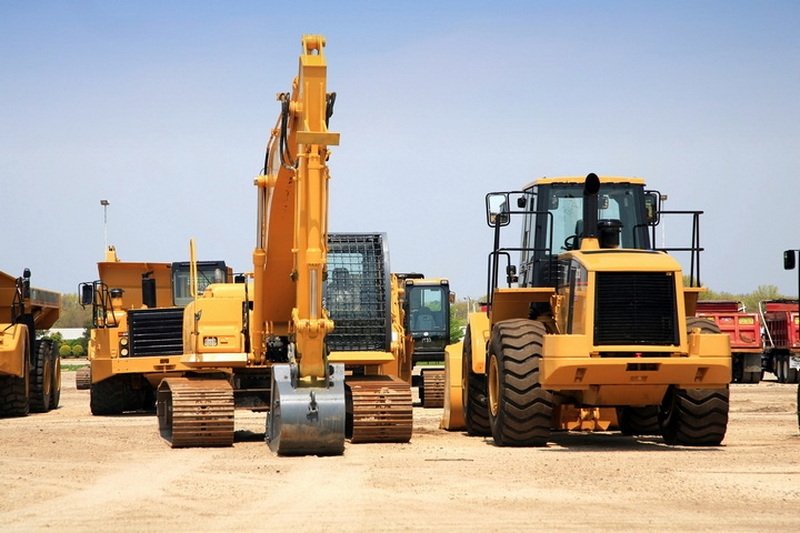
Understanding Large Excavator Rental Market Dynamics
The construction equipment rental industry is experiencing unprecedented growth, driven by infrastructure development, urbanization, and an industry-wide shift toward flexible asset management. Large excavators—typically ranging from 20 to 50 metric tons in operating weight—represent essential machinery for excavation, demolition, heavy lifting, and site preparation across commercial, residential, and industrial projects.[2][5][1]
Market drivers accelerating rental adoption include:
– Rising equipment ownership costs exceeding $200,000 for premium large excavators[6]
– Increasing demand for project-specific equipment without long-term commitment[5][7]
– Growing preference for operational expense models over capital expenditure[4][8]
– Access to latest technology and emissions-reducing equipment[9][10]
For manufacturers like Certeg—producing excavators, skid steer loaders, road rollers, forklifts, tractors, and tracked carriers—understanding rental market dynamics enables better customer service and fleet management strategies that address diverse global construction needs.[2]
Test Equipment Performance Without Financial Commitment
Validate machine capabilities across real-world conditions before purchase. Large excavator rental provides construction companies with an invaluable opportunity to thoroughly evaluate equipment performance, operator comfort, fuel efficiency, and productivity metrics across multiple jobsites without the financial burden of ownership.[3][11]
This validation period is particularly critical for companies considering investments in specific brands or models. By renting a Certeg large excavator for an extended period, contractors can assess:
– Operational efficiency: Measure actual fuel consumption, cycle times, and productivity rates against manufacturer specifications
– Jobsite compatibility: Test machine performance across varying soil conditions, terrain challenges, and weather environments
– Operator acceptance: Gather crew feedback on cab comfort, control responsiveness, visibility, and ease of operation
– Attachment versatility: Evaluate compatibility with various bucket sizes, breakers, augers, and specialized attachments
Real-world testing eliminates purchase risk. According to industry analysis, equipment rental allows businesses to make data-driven purchasing decisions based on actual performance metrics rather than relying solely on specifications and sales presentations. This approach is especially valuable when comparing multiple equipment brands or transitioning from compact machinery to larger excavator classes.[11][12]
Optimize Cash Flow with Predictable Fixed Costs
Rental agreements transform variable ownership expenses into predictable operational costs. Unlike equipment purchases that require substantial upfront capital—often ranging from $50,000 to $200,000 for large excavators—rental arrangements allow companies to preserve working capital for other critical business needs.[3][6]
Financial Advantages of Rental Structure
Maintenance and repair costs transfer to rental providers. When you rent from established dealers offering brands like Certeg equipment, the rental company assumes responsibility for all preventive maintenance, routine service, and unexpected repairs. This arrangement eliminates downtime-related revenue losses and allows your team to focus exclusively on project execution rather than equipment management.[7][11][3]
Predictable budgeting enhances financial planning. Fixed monthly rental payments enable accurate project cost estimation and eliminate surprise expenses that can derail profitability. This financial transparency is particularly valuable for contractors bidding on competitive projects where precise cost control determines contract success.[13][3]
Eliminate Storage and Transportation Logistics
Rental services solve complex logistical problems inherent to large equipment ownership. Large excavators require specialized transportation equipment, appropriate storage facilities, and logistical coordination that many companies—especially those primarily operating compact machinery—are not equipped to handle.[7]
Logistical Benefits of Rental
Professional delivery and pickup services: Most reputable rental companies, including Certeg-authorized dealers, provide comprehensive transportation services directly to your jobsite. This eliminates the need to:[7]
– Purchase or lease specialized heavy-haul trailers capable of transporting 20-50 ton excavators
– Obtain permits for oversize load transportation across different jurisdictions
– Hire qualified operators for safe loading, transport, and unloading procedures
– Coordinate logistics timing with project schedules and site access windows
Storage space optimization: Owning large excavators requires secure, weather-protected storage facilities with adequate space for equipment maneuvering and maintenance access. Rental arrangements eliminate these requirements—simply return the equipment when the project concludes, freeing valuable yard space for other operational needs.[7]
Flexible equipment rotation: For contractors managing multiple simultaneous projects across different locations, rental agreements allow strategic equipment deployment without maintaining excess fleet capacity. Deploy large excavators where and when needed, then redistribute or return equipment as project requirements evolve.[12][5]
Maximize Tax Advantages with Immediate Deductions
Equipment rental offers superior tax benefits compared to equipment purchases. Understanding the tax implications of rental versus ownership decisions can significantly impact your company’s annual tax liability and overall financial performance.[8][4]
Tax Treatment Comparison
Rental expenses as immediate deductions: Rental costs qualify as 100% deductible operating expenses in the year incurred, directly reducing taxable income. This immediate deduction provides:[4][8]
– Full expense deduction: The entire rental cost—including delivery, insurance, and maintenance—qualifies for current-year tax deduction[14][8]
– Simplified accounting: Rental expenses don’t require complex depreciation schedules, reducing administrative burden and accounting costs[8]
– Improved cash flow: Immediate tax savings enhance available working capital during the fiscal year[4]
Purchased equipment depreciation limitations: When purchasing large excavators, tax benefits are restricted to annual depreciation deductions spread across the equipment’s useful life—typically 5-7 years for construction machinery. While Section 179 deductions allow accelerated write-offs up to $2,500,000 for 2025 purchases, these benefits apply only to qualifying circumstances and equipment categories.[15][8][4]
Balance sheet optimization: Rental expenses don’t appear as liabilities on your balance sheet, maintaining stronger borrowing power for other business financing needs. Banks and lenders view companies with lower capital equipment debt more favorably when evaluating loan applications for business expansion, real estate acquisition, or working capital lines.[3][4]
Consult qualified tax professionals to understand how large excavator rental specifically benefits your business structure, as tax treatment varies based on company type, fiscal year, and jurisdictional regulations.[8][4]
Compete Effectively Against Larger Contractors
Strategic equipment rental levels the competitive playing field. Small and medium-sized construction companies often struggle to compete for large-scale projects against established competitors with extensive equipment fleets and substantial capital resources. Large excavator rental eliminates this competitive disadvantage by providing immediate access to premium machinery.[16][5]
Competitive Advantages Through Rental
Bid on larger, more profitable projects: Access to large excavators through rental arrangements enables smaller contractors to confidently bid on infrastructure projects, commercial developments, and industrial sites that previously exceeded their equipment capabilities. This expanded bidding capacity directly translates to revenue growth opportunities and market expansion.[16]
Deploy cutting-edge technology: Rental fleets typically feature the newest equipment models with advanced technologies including GPS machine control, telematics systems, fuel-efficient engines, and enhanced safety features. For companies like Certeg that continuously innovate construction equipment technology, rental arrangements ensure contractors access these advancements without waiting for ownership equipment to reach end-of-life replacement cycles.[5][9]
Project-specific equipment matching: Rather than making do with available owned equipment, rental options allow precise equipment selection optimized for each project’s unique requirements. Match excavator size, reach, digging depth, and attachment compatibility exactly to project specifications for maximum productivity and efficiency.[5][7]
Respond rapidly to market opportunities: When unexpected projects arise or existing clients request scope expansions, rental availability enables immediate mobilization without procurement delays. This responsiveness enhances client satisfaction and positions your company as a reliable, capable contractor for emergency and time-sensitive work.[12][5]
Access Specialized Equipment for Unique Projects
Project diversity demands equipment versatility that ownership cannot economically support. Modern construction encompasses an extraordinary range of applications—from deep foundation excavation requiring extended-reach capabilities to precision demolition demanding specialized attachments.[5][7]
Specialized large excavator configurations include:
– Long-reach excavators: Extended boom assemblies for deep excavation, dredging, and slope work beyond standard equipment capabilities
– High-reach demolition excavators: Specialized configurations with enhanced stability and reach for tall structure demolition
– Material handlers: Purpose-built machines for scrap processing, waste management, and material sorting operations
– Amphibious excavators: Specialized undercarriages for wetland work, environmental remediation, and marine construction
Purchasing specialized equipment for occasional use represents poor capital allocation—rental arrangements provide cost-effective access to these niche machines exactly when projects require them. This flexibility allows contractors to pursue diverse project types without maintaining extensive, underutilized equipment inventories.[5][7]
Attachment compatibility expands functional range. Modern large excavators accept numerous attachment options including hydraulic breakers, compaction wheels, grapples, augers, plate compactors, and specialty buckets. Rental agreements often include or provide easy access to these attachments, further enhancing equipment versatility across varied applications.[5]
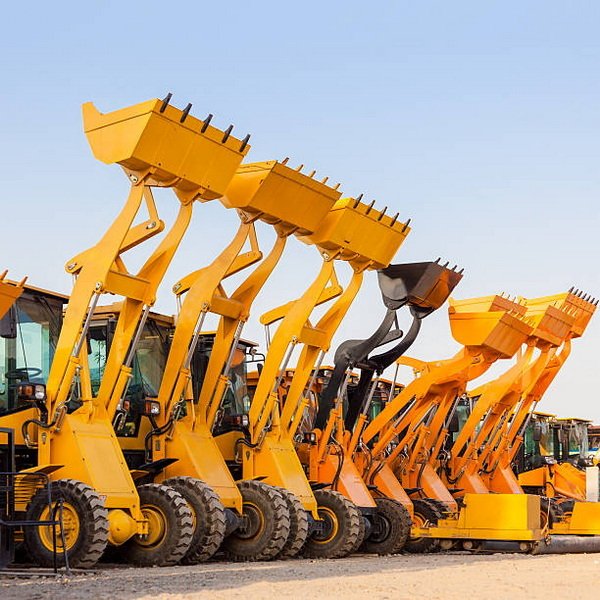
Maintain Fleet Flexibility During Market Fluctuations
Economic uncertainty and seasonal demand variations require operational agility. Construction activity fluctuates based on economic cycles, weather conditions, seasonal demand patterns, and regional market dynamics. Large excavator rental provides the operational flexibility necessary to navigate these market variations effectively.[13][12][5]
Strategic Fleet Management Benefits
Scale equipment capacity with project demand: Rental arrangements enable dynamic fleet sizing that precisely matches current project requirements without maintaining excess capacity during slow periods. This demand-responsive approach:[12][5]
– Eliminates idle equipment carrying costs during low-activity periods
– Prevents revenue loss from inadequate capacity during peak demand
– Allows rapid market response to unexpected project opportunities
– Reduces financial risk during economic downturns or market corrections
Adapt to technological evolution: Construction equipment technology advances rapidly, with innovations in emissions control, fuel efficiency, operator assistance systems, and automation capabilities emerging continuously. Rental strategies allow contractors to regularly upgrade to newer technology without the depreciation losses and disposal challenges associated with owned equipment obsolescence.[10][9]
Test emerging markets and service offerings: Companies exploring geographic expansion or new service line development can use rental equipment to validate market opportunity before committing capital to permanent equipment investment. This risk-mitigation approach enables strategic business growth with minimized financial exposure.[12]
Seasonal demand management: Contractors in regions with pronounced seasonal construction patterns can optimize equipment availability through strategic rental timing. Rent large excavators during peak construction seasons, then return equipment during winter or rainy season slowdowns, eliminating year-round ownership costs for seasonally-utilized machinery.[17]
Choosing the Right Rental Partner
Selecting an appropriate rental provider significantly impacts equipment reliability, service quality, and overall project success. When evaluating large excavator rental companies—including those offering Certeg equipment—consider these critical selection factors:[18][13]
Equipment quality and fleet diversity: Partner with rental companies maintaining modern, well-maintained equipment fleets with diverse size and configuration options. Inspect equipment condition, maintenance records, and age before finalizing rental agreements.[13][7]
Service support and technical assistance: Evaluate the rental provider’s maintenance response times, parts availability, field service capabilities, and technical support infrastructure. Companies offering 24/7 emergency support minimize costly downtime during critical project phases.[13][7]
Transparent pricing structure: Ensure rental agreements clearly specify all costs including base rental rates, delivery/pickup fees, insurance requirements, damage policies, and overtime charges. Hidden fees and ambiguous contract terms create budget overruns and conflict.[13]
Flexible rental terms: Select providers offering adaptable rental periods with reasonable extension policies, early return options, and rent-to-own possibilities. Project timelines frequently shift—inflexible rental agreements create unnecessary costs and complications.[12][13]
Operator training and safety support: Quality rental partners provide equipment orientation, operator training resources, and safety documentation ensuring your crew operates machinery effectively and safely.[13]
Delivery and logistics coordination: Confirm the rental company’s transportation capabilities, scheduling flexibility, and jobsite access requirements before committing to rental agreements.[7]
When Equipment Purchase Makes More Sense
While rental offers numerous advantages, equipment purchase remains optimal in specific circumstances. Contractors should evaluate ownership when projects meet these criteria:[19][11][12]
High utilization rates exceeding 175-200 hours annually: Equipment used frequently throughout the year generates sufficient revenue to justify ownership costs and provide favorable return on investment.[11][12]
Long-term projects spanning multiple years: When projects extend beyond 18-24 months, accumulated rental costs often exceed purchase prices, making ownership more economical.[19][11]
Predictable, consistent equipment demand: Companies with steady workloads requiring identical equipment configurations benefit from ownership stability and availability.[12]
Substantial working capital availability: Businesses with strong cash positions and available financing can leverage ownership tax benefits and asset appreciation.[19]
Fleet standardization priorities: Organizations prioritizing operator familiarity, maintenance consistency, and brand standardization across their equipment fleet may prefer ownership.[19]
Conduct thorough cost-benefit analysis comparing total ownership costs—including purchase price, financing, insurance, maintenance, storage, transportation, and depreciation—against projected rental expenses for your specific utilization patterns.[12]
Emerging Construction Equipment Rental Trends
The rental industry continues evolving with technological innovation and changing customer expectations. Understanding these trends helps contractors make informed strategic equipment decisions:[10][5]
Digital rental platforms and telematics integration: Online rental marketplaces streamline equipment sourcing, pricing comparison, and booking processes. Advanced telematics systems provide real-time equipment monitoring, usage tracking, maintenance alerts, and performance optimization.[10][5]
Sustainability and emissions reduction focus: Growing environmental regulations and corporate sustainability commitments drive demand for fuel-efficient, low-emission equipment. Rental companies increasingly offer electric, hybrid, and Tier 4 Final diesel excavators meeting stringent environmental standards.[9][10]
Short-term, project-specific rental agreements: Industry data shows increasing preference for flexible, short-duration rentals aligned with specific project phases rather than extended commitments. This trend enables precise cost allocation and enhanced financial flexibility.[18][5]
Specialized equipment availability expansion: Rental fleets increasingly include niche and specialized machinery previously available only through purchase, expanding contractor capabilities without ownership investment.[10][5]
Making Strategic Equipment Decisions
Strategic equipment decisions require comprehensive analysis of your specific operational context. Before committing to large excavator rental or purchase, evaluate:
– Project duration and equipment utilization forecasts: Calculate expected operating hours and project timeline
– Financial position and capital availability: Assess working capital, borrowing capacity, and investment priorities
– Equipment storage and transportation infrastructure: Determine logistics capabilities and associated costs
– Tax implications and accounting treatment: Consult with financial advisors regarding optimal tax strategies
– Competitive positioning and growth objectives: Consider how equipment access supports business development goals
– Technology requirements and preferences: Identify necessary equipment features, attachments, and capabilities
For many construction professionals, large excavator rental through reputable providers offering quality brands like Certeg represents the optimal balance of capability, flexibility, and cost-effectiveness. By eliminating substantial upfront investment, reducing ongoing maintenance responsibilities, providing predictable monthly costs, and ensuring access to modern equipment technology, rental arrangements empower contractors to compete effectively while maintaining financial agility.[3][4][5]
Take Action: Transform Your Construction Capabilities Today
Don’t let equipment limitations hold your business back from pursuing profitable opportunities. Large excavator rental provides the strategic advantage you need to expand project capacity, improve competitive positioning, and optimize financial performance without the burden of ownership commitments.[16][5]
Start your large excavator rental journey now:
Contact Certeg authorized dealers in your region to explore available rental programs tailored to your specific project requirements. Our global dealer network offers comprehensive rental solutions featuring the latest excavator technology, flexible rental terms, professional delivery services, and responsive technical support designed to maximize your project success.[7][13]
Request a customized rental quote that includes equipment specifications, delivery scheduling, attachment options, and transparent pricing structure. Our equipment specialists will work directly with you to match the perfect large excavator configuration to your jobsite conditions, productivity goals, and budget parameters.[13]
Schedule an equipment demonstration at your jobsite to experience Certeg large excavator performance firsthand. Evaluate operator comfort, machine responsiveness, fuel efficiency, and attachment versatility under your actual working conditions before making rental commitments.[11]
Partner with Certeg for construction equipment solutions that combine manufacturing excellence, dealer support expertise, and rental flexibility. Whether you need excavators, skid steer loaders, road rollers, forklifts, tractors, or tracked carriers, our comprehensive product lineup and global service network stand ready to support your construction success.[2]
Transform your construction capabilities today—contact your local Certeg dealer to discuss large excavator rental options and take the first step toward enhanced project capacity, improved profitability, and competitive market positioning.
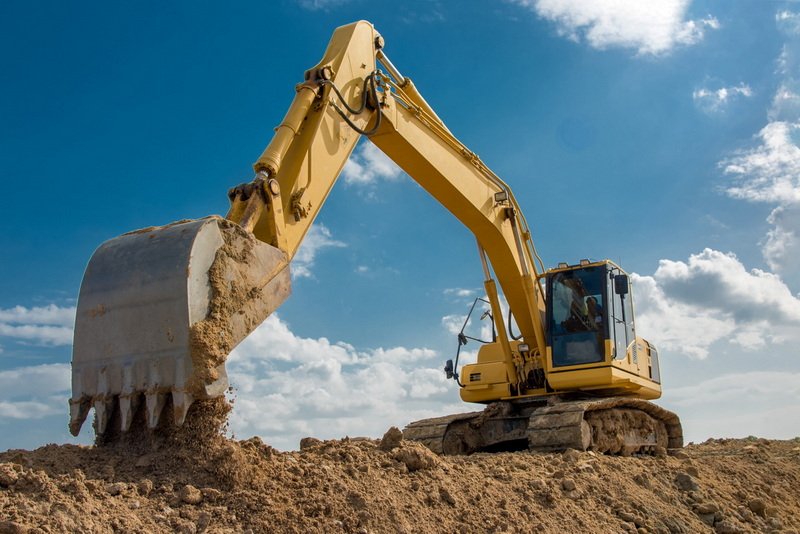
Frequently Asked Questions
1. What is the typical cost difference between renting and buying a large excavator?
Large excavator purchases range from $50,000 to $200,000+ depending on size and specifications, while rental rates typically range from $2,000 to $8,000 per month depending on excavator class, rental duration, and regional market conditions. For short-term projects under 6-12 months, rental almost always proves more cost-effective, while ownership becomes economical for utilization exceeding 175-200 hours annually over multi-year periods. Total cost comparison must include maintenance, insurance, storage, transportation, financing costs, and tax implications specific to your business circumstances.[20][6][11][12]
2. Are maintenance and repairs included in large excavator rental agreements?
Most professional rental agreements include routine maintenance and repair services as part of the fixed rental fee, with the rental company responsible for keeping equipment operational. Rental providers typically handle scheduled maintenance, fluid changes, filter replacements, and mechanical repairs at no additional cost to renters. However, renters remain responsible for damage resulting from operator negligence, misuse, or operation outside manufacturer specifications. Always review rental contract terms carefully to understand specific maintenance coverage, damage policies, and renter responsibilities before signing agreements.[11][3][7]
3. How long can I rent a large excavator, and are flexible terms available?
Rental periods range from daily and weekly arrangements to monthly and long-term agreements spanning multiple years. Most rental companies offer flexible terms allowing extensions, early returns (potentially with fees), and rent-to-own options where rental payments credit toward eventual purchase. Short-term project-specific rentals have become increasingly popular, with contractors renting equipment for precise project phases rather than extended periods. Discuss your anticipated timeline with rental providers to structure agreements with appropriate flexibility for your project’s unique circumstances and potential schedule changes.[18][5][12][13]
4. What size large excavator do I need for my construction project?
Large excavator selection depends on project scope, excavation depth requirements, lift capacity needs, and jobsite constraints. Large excavators typically range from 20-50 metric tons operating weight, with the most common classes being 20-25 ton, 30-35 ton, and 40-50 ton machines. Consider factors including maximum digging depth needed, reach requirements, material types, jobsite access restrictions, and required attachments when sizing equipment. Reputable rental providers offer application engineering support to help match equipment specifications to your project requirements. For complex or uncertain applications, consider starting with mid-size options and adjusting based on actual performance and productivity.[18]
5. Can renting large excavators help my small construction company compete for bigger projects?
Absolutely—strategic equipment rental is a proven competitive equalizer for small and medium-sized contractors. Rental access eliminates the capital barriers that traditionally prevented smaller companies from bidding on large-scale projects requiring heavy equipment. By renting large excavators, compact equipment specialists can pursue infrastructure contracts, commercial developments, and industrial projects previously beyond their capabilities. This expanded bidding range directly increases revenue opportunities and facilitates business growth without the financial risk of premature equipment purchases. Many successful contractors built substantial businesses by strategically leveraging rental equipment to pursue growth opportunities before their capital position supported ownership.[16][5]
Citations:
[1] https://www.mordorintelligence.com/industry-reports/construction-equipment-rental-market
[2] https://www.precedenceresearch.com/construction-equipment-rental-market
[3] https://construction-equipment-gw.nors.com/resources/blogs/5-benefits-of-renting-vs-buying-heavy-equipment/
[4] https://www.mammothequipmentrental.com/blog/the-tax-advantages-of-renting-vs-buying-heavy-equipment
[5] https://finance.yahoo.com/news/construction-equipment-rental-market-outlook-150700092.html
[6] https://quipli.com/resources/the-most-rented-pieces-of-construction-equipment/
[7] https://ramrent-all.com/2024/08/the-benefits-of-renting-heavy-equipment-for-large-scale-construction-projects/
[8] https://nationaldispatching.com/the-monetary-and-tax-benefits-of-renting-construction-equipment/
[9] https://www.grandviewresearch.com/industry-analysis/construction-equipment-rental-market
[10] https://www.marketresearchfuture.com/reports/construction-equipment-rental-market-7504
[11] https://machanx.com/blogs/excavator-rental-vs-purchase/detail-800b0f52-f305-47a3-92f9-ef037aa07f08
[12] https://blog.rbauction.com/when-to-buy-or-rent-heavy-equipment-five-factors-to-consider/
[13] https://www.rentalex.com/choosing-a-heavy-equipment-rental-company-4-key-factors-to-consider/
[14] https://www.catrentalstore.com/en_US/blog/tax-implications-of-renting.html
[15] https://na.develon-ce.com/en/news-stories/the-cutting-edge/heavy-equipment-tax-write-offs
[16] https://hawkexcavator.com/specs-brochures/benefits-renting-vs-purchasing-heavy-equipment/
[17] https://brownequipment.net/blog/industrial-heavy-equipment-rental-pricing/
[18] https://westbranchrental.com/3-factors-to-consider-when-renting-construction-equipment/
[19] https://www.mechandlink.com/en/news-article/Excavator-rental-vs-purchase-which-is-the-best-option-for-your-business
[20] https://www.womiconstruction.com/industry-trends/mini-excavator-for-rent/
Hot Tags:ff15 mini excavator, Large Excavator Rental, Excavator Rental Benefits, Heavy Equipment Rental, Construction Excavator Hire, Large Excavator Advantages, Earthmoving Equipment Rental, Excavator Rental Cost Savings, Heavy Construction Machinery, Excavator Rental Services