
What Are Compact Track Loaders & Skid-Steer Loaders and How to Choose the Right One (2026 Expert Guide)
Content Menu
● The History: How Compact Loaders Changed Jobsites
● What Is a Compact Track Loader (CTL)?
● What Is a Skid-Steer Loader (SSL)?
● Compact Track Loader vs Skid-Steer: Core Differences
>> Undercarriage and Ground Pressure
● Quick Comparison: Compact Track Loader vs Skid-Steer
● How to Choose Between a CTL and a Skid-Steer
● Versatile Uses Across Major Industries
>> Road Work and Infrastructure
>> Landscaping and Grounds Maintenance
>> Agriculture and Livestock Operations
● Other High-Value Applications
● Matching Attachments to CTL vs Skid-Steer
● Questions to Ask Before You Buy
● Plan Your Next Loader Investment
● FAQs on Compact Track Loaders and Skid-Steer Loaders
>> 1. What is the main difference between a compact track loader and a skid-steer loader?
>> 2. Which machine is better for soft or muddy ground?
>> 3. When is a skid-steer loader the better choice?
>> 4. Do both compact track loaders and skid-steer loaders use the same attachments?
>> 5. How should I estimate total owning and operating costs for a CTL vs a skid-steer?
Compact track loaders (CTLs) and skid-steer loaders (SSLs) are compact, high‑productivity machines used across construction, road work, landscaping, agriculture and many other industries. This guide explains what each loader is, how they differ, where they are used, and how to choose the best option for your jobsites and attachments.
The History: How Compact Loaders Changed Jobsites
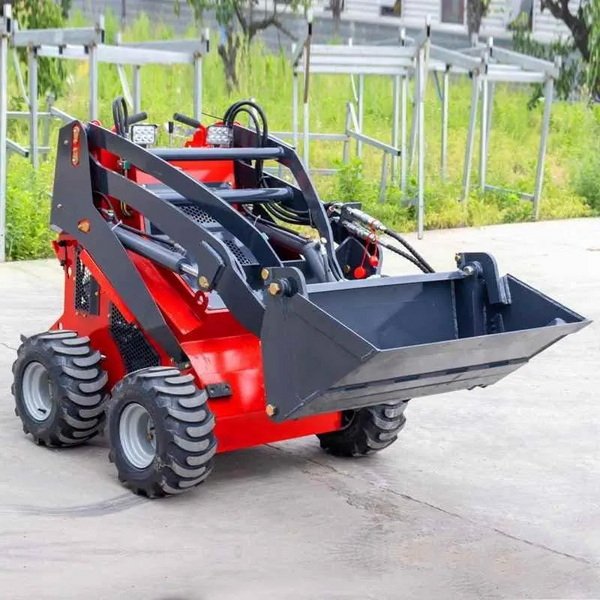
In the 1950s, contractors and farmers mostly relied on large, expensive machines that struggled in tight barns, alleys and courtyards. The need for a small, maneuverable loader capable of replacing manual labor led directly to the invention of the skid-steer.
In 1957, a three‑wheeled loader with a small gasoline engine and a hydraulic loader arm was built to clean turkey barns in Minnesota. After refining the design and partnering with a manufacturing company in 1958, this compact loader concept evolved into the modern skid-steer and helped create the entire compact equipment category.
By 1999, demand for better performance on soft and variable ground led to the first compact track loader, which kept the loader concept but replaced tires with rubber tracks for lower ground pressure and higher traction.
What Is a Compact Loader?
A compact loader is a small but powerful machine designed for digging, lifting, loading, grading and general material handling in confined or open spaces. It can be fitted with tracks or tires and is commonly powered by diesel, with battery‑powered models emerging in recent years.
Key characteristics of compact loaders include:
– Highly maneuverable size for tight or congested jobsites.
– Ability to run many attachments, from buckets and pallet forks to trenchers and mulchers.
– Heavy use across construction, landscaping, agriculture, road work and industrial facilities.
Within the compact loader family, the two most widely used types are compact track loaders and skid-steer loaders.
What Is a Compact Track Loader (CTL)?
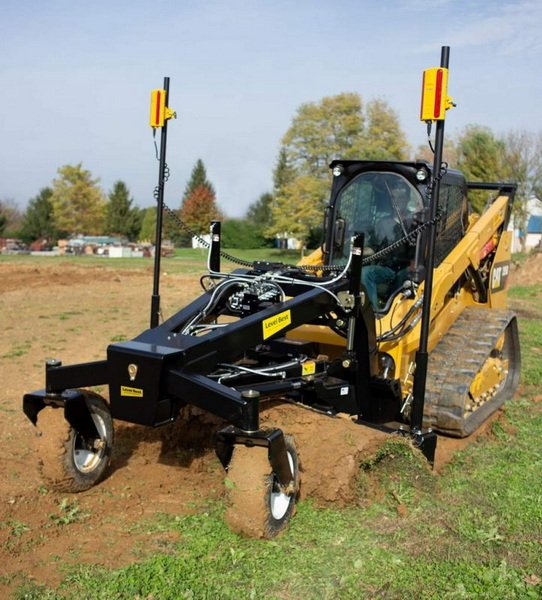
A compact track loader uses a rubber tracked undercarriage instead of wheels, which dramatically changes how it performs on different surfaces. The tracks spread the machine’s weight over a larger area, resulting in lower ground pressure and higher traction.
Typical features of compact track loaders:
– Rubber tracks and undercarriage components such as idlers and sprockets.
– Diesel or battery power with hydraulic systems to run high‑demand attachments.
– Strong performance on soft, muddy, sandy or uneven ground where wheeled machines struggle.
Common tasks for CTLs include digging, earthmoving, grading, loading trucks and working on sensitive or unfinished surfaces where ground disturbance must be minimized.
What Is a Skid-Steer Loader (SSL)?
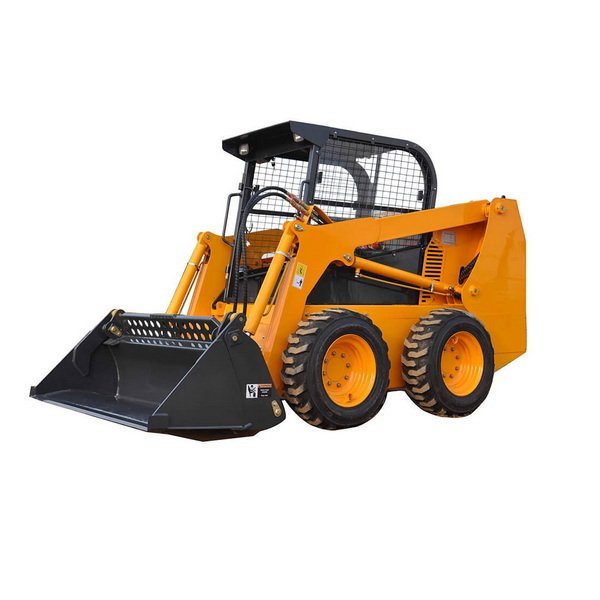
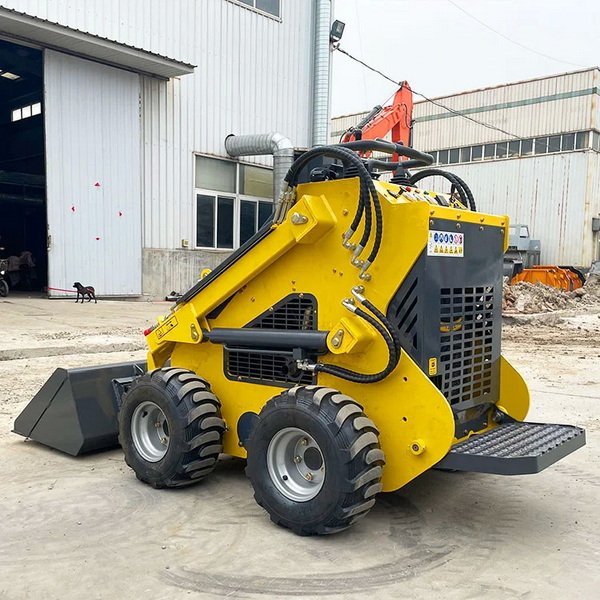
A skid-steer loader is the original compact loader design, built on a four‑wheel chassis with a unique steering system. Wheels on each side can move independently, allowing the machine to skid one side relative to the other to execute tight, zero‑radius turns.
Key traits of skid-steer loaders:
– Four wheels with independent drive on each side.
– Diesel or battery power options for different jobsite requirements.
– Excellent maneuverability and travel speed on hard, paved or indoor surfaces.
Skid-steers are often the preferred choice on concrete and asphalt, inside buildings, on factory floors and in urban areas where speed and agility matter most.
Compact Track Loader vs Skid-Steer: Core Differences
Although CTLs and skid-steers look similar from the cab and lift arm, their undercarriages are fundamentally different—tracks versus tires—and that drives performance, cost and application.
Undercarriage and Ground Pressure
– Compact track loaders distribute machine weight across rubber tracks, producing low ground pressure and high flotation.
– Skid-steer loaders concentrate weight on four tires, which is ideal for paved surfaces but increases ground pressure on soft soils.
On lawns, finished grades and soft ground, a CTL helps reduce ruts and surface damage; on pavement, a skid-steer is typically more efficient.
Traction and Flotation
– CTLs offer superior traction and flotation on uneven, soft, sandy or muddy terrain, maintaining productivity when conditions deteriorate.
– Skid-steers perform better on snow and hard surfaces where tires can grip and roll efficiently.
If your work involves steep slopes, loose soil or wet ground, a compact track loader generally maintains better stability and pulling power.
Maintenance Focus
– CTLs require regular track tension checks, undercarriage cleaning and inspection of wear items like idlers and sprockets.
– Skid-steers need tire pressure checks and occasional puncture repair or replacement, which is simpler and often less costly.
For high‑hour, abrasive sites, undercarriage costs on a CTL should be factored into total cost of ownership, while tire wear is the main concern on skid-steers.
Application Fit
– Compact track loaders excel in excavation, earthmoving and landscaping tasks on rough or sensitive ground where low ground pressure is critical.
– Skid-steers shine in snow removal, demolition, road work and indoor or paved‑surface material handling.
Choosing the right machine type comes down to terrain, duty cycle and the mix of attachments you plan to run.
Quick Comparison: Compact Track Loader vs Skid-Steer
| Factor | Compact Track Loader (CTL) | Skid-Steer Loader (SSL) |
|---|---|---|
| Undercarriage | Rubber tracks, low ground pressure. | Pneumatic or solid tires. |
| Best ground conditions | Soft, muddy, sandy, uneven terrain. | Hard, paved, indoor and urban surfaces. |
| Ground disturbance | Lower disturbance, better flotation. | Higher point loading on surfaces. |
| Traction | Superior traction on loose or rough ground. | Strong on firm surfaces, good on snow. |
| Travel speed & agility | Stable but generally slower. | Higher travel speed, excellent maneuverability and zero‑turn capability. |
| Typical applications | Earthmoving, grading, landscaping, forestry, utility work. | Material handling, demolition, road work, snow removal, indoor work. |
| Maintenance focus | Tracks, idlers, sprockets and undercarriage cleaning. | Tire pressure and puncture repairs. |
How to Choose Between a CTL and a Skid-Steer
When selecting between a compact track loader and a skid-steer loader, buyers should evaluate ground conditions, attachment needs, duty cycle, transport constraints and total cost of ownership.
Use these practical decision steps:
1. Define your primary terrain (soft vs hard) and the percentage of time spent on each.
2. List top jobs such as grading, loading, demolition, snow removal or barn work.
3. Map each job to the machine’s strengths in traction, ground pressure and speed.
4. Factor in maintenance and replacement costs for tracks vs tires over expected hours.
5. Consider whether you may later add attachments that require better traction or higher travel speed.
As a simple rule of thumb, the more unpaved, uneven and sensitive your ground, the more value you gain from a compact track loader; the more paved, indoor or urban your work, the stronger the case for a skid-steer.
Versatile Uses Across Major Industries
Both CTLs and skid-steers are multi‑purpose workhorses that can replace multiple single‑function machines when paired with the right attachments. They are widely used in construction, road work, landscaping, agriculture and many specialized sectors.
Construction Jobsites
On modern construction sites, compact loaders handle material movement, grading and cleanup in tight or partially developed spaces.
Typical construction uses:
– Excavating and earthmoving: CTLs move large volumes of soil and aggregates efficiently on rough ground.
– Grading: Low ground pressure makes CTLs excellent for final grading and leveling.
– Material handling and loading: Skid-steers move palletized materials and supplies around the jobsite quickly.
– Demolition: Skid-steers with breakers can break up concrete and asphalt on paved areas.
– Site cleanup: Both machine types, equipped with grapples or sweepers, remove debris and waste.
Road Work and Infrastructure
Road crews rely on compact loaders for milling support, grading, compaction and snow control.
Common road work tasks:
– Asphalt and concrete: Skid-steers are ideal thanks to tires, high travel speeds and tight turning on pavement.
– Roadbed grading and compacting: CTLs with grader or box blade attachments and vibratory rollers prepare sub‑base and compact layers.
– Snow and debris removal: Skid-steers clear streets and parking lots using plows, buckets or snow blowers.
– Trenching for utilities: CTLs power trenchers and vibratory plows for roadside utilities.
– Sign and barrier installation: Skid-steers with augers drill post holes quickly.
Landscaping and Grounds Maintenance
Landscapers and grounds teams value compact loaders for their ability to combine earthmoving with delicate surface work.
Core landscaping tasks:
– Grading and soil preparation: CTLs level large areas with minimal ground disturbance.
– Moving and spreading soil, mulch and gravel: CTLs transport and spread with self‑leveling buckets and ride control features.
– Tree and shrub planting: Both loaders dig holes with augers and move trees into position.
– Irrigation system installation: CTLs dig and backfill trenches for pipes.
– Pond digging and maintenance: CTLs excavate basins and reshape banks while protecting ground structure.
Agriculture and Livestock Operations
On farms and ranches, CTLs and skid-steers reduce manual labor and improve daily efficiency.
Typical agricultural uses:
– Loading and unloading bales and materials: Skid-steers stack hay, move feed and handle palletized goods in tight barns.
– Cleaning barns and sheds: Skid-steers’ compact size and zero‑turn capability make manure and bedding removal faster.
– Digging and maintaining ditches: CTLs excavate and maintain drainage channels with low ground disturbance.
– Clearing land and removing stumps: CTLs clear brush, small trees and stumps to prepare fields.
– Feeding animals and transporting bedding: Skid-steers deliver feed and bedding quickly across pens and alleys.
– Assisting with animal management: Compact loaders move fencing, gates and equipment for handling livestock.
Other High-Value Applications
Beyond traditional markets, compact track loaders and skid-steers now work in utilities, mining, forestry, parks, manufacturing and more.
Key examples:
– Utility work: CTLs and skid-steers trench, backfill and transport materials for water, gas and electrical lines using trenchers and vibratory rollers.
– Mining and quarrying: CTLs move heavy earth and rock in confined or rough areas.
– Forestry and logging: CTLs operate mulchers, brush cutters, chippers and grapples to clear underbrush and move logs.
– Concrete and asphalt: Skid-steers with mixer attachments batch and place concrete in tight spaces and assist demolition and cleanup.
– Oil and gas: CTLs prepare sites and access roads, while both machine types dig pipeline trenches and move equipment.
– Parks and recreation: Skid-steers maintain lawns, walk paths and trees; CTLs cut and surface new trails.
– Marinas and docks: Skid-steers position boat stands and both machines support dock repairs and material handling.
– Plumbing and drainage: CTLs dig and backfill trenches; both types move and position pipe using pallet forks.
– Building maintenance and renovation: Skid-steers demo flooring and walls and move debris inside buildings.
– Golf course management: CTLs reshape rough areas; both loaders maintain bunkers and water features with mowers, rakes and seeders.
– Manufacturing: Skid-steers transport palletized materials, load trucks and maneuver around docks and factory floors.
Matching Attachments to CTL vs Skid-Steer
Choosing the right loader type is only half the decision; matching attachments to your machine and terrain is just as important.
– High‑traction attachments such as mulchers, brush cutters and stump grinders often perform better on CTLs because tracks provide stability and smoother engagement in rough terrain.
– High‑cycle, short‑run attachments such as pallet forks, sweepers and buckets in warehouses or yards frequently favor skid-steers thanks to their speed on hard ground.
– Trenching and utility attachments such as trenchers, vibratory plows and augers benefit from CTLs on uneven or soft ground and from skid-steers on streets and sidewalks.
When planning a fleet, many owners pair one CTL and one skid-steer so they can assign attachments and jobs to the machine that best fits the surface and task mix.

Practical Jobsite Scenarios
To translate the differences into real decisions, consider these example jobsite scenarios.
– Residential subdivision with new roads and houses under construction: A CTL handles grading lots, backfilling foundations and shaping yards, while a skid-steer focuses on loading materials on paved streets and driveways.
– Dairy farm with barns, feed alleys and open fields: A skid-steer cleans barns and handles feed indoors, while a CTL clears fields, maintains lagoons and reshapes driveways.
– Municipal public works department: A skid-steer supports downtown snow removal and alley cleanup, while a CTL tackles trail building, ditch maintenance and park renovations.
These scenarios illustrate how understanding terrain and tasks leads to more precise loader selection and higher return on investment.
Questions to Ask Before You Buy
Before committing to a compact track loader or skid-steer loader, decision‑makers should answer a few focused questions.
– What percentage of annual hours will be on paved versus unpaved or soft surfaces?
– How often will the machine need to work in finished or landscaped areas where surface damage is costly?
– Which attachments are essential on day one and which may be added later?
– Do transport limitations favor a particular weight or footprint?
– Is it more important to minimize ground damage or maximize travel speed on pavement?
Systematically answering these questions clarifies whether a CTL, skid-steer or mixed fleet will best support your operation.
Plan Your Next Loader Investment
If you are evaluating compact track loaders and skid-steer loaders for upcoming projects, now is the time to align machine type with your terrain, attachments and productivity goals. Review your core applications, estimate the hours you will spend on soft versus hard ground, and decide where surface protection or travel speed adds the most value. Then contact a compact equipment specialist to compare specific CTL and skid-steer models, configure the right attachments and schedule a demo that reflects the real conditions on your jobsites.
Contact us to get more information!
FAQs on Compact Track Loaders and Skid-Steer Loaders
1. What is the main difference between a compact track loader and a skid-steer loader?
The main difference is the undercarriage: compact track loaders run on rubber tracks while skid-steer loaders use tires. This affects ground pressure, traction, maintenance and which jobsites each machine handles best.
2. Which machine is better for soft or muddy ground?
Compact track loaders are usually better for soft, muddy or sandy ground because their tracks spread the machine’s weight, lowering ground pressure and improving traction. This reduces ruts and helps the loader stay productive in poor conditions.
3. When is a skid-steer loader the better choice?
Skid-steer loaders are often preferred on hard, paved or indoor surfaces where speed and maneuverability are critical. They are ideal for demolition, snow removal on streets, warehouse work and loading tasks on concrete or asphalt.
4. Do both compact track loaders and skid-steer loaders use the same attachments?
Many attachments are compatible with both machine types, including buckets, pallet forks, trenchers, augers and sweepers. However, traction‑intensive tools like mulchers and brush cutters often benefit from the added stability of a compact track loader.
5. How should I estimate total owning and operating costs for a CTL vs a skid-steer?
For compact track loaders, factor in track and undercarriage wear, cleaning time and tension checks over the expected life of the machine. For skid-steers, pay close attention to tire wear, puncture repair and replacement frequency on your typical surfaces.
References
1. https://www.bobcat.com/na/en/buying-resources/loaders/compact-track-loader-skid-steer-loader-buyers-guide/what-are-compact-track-loaders-skid-steer-loaders
Hot Tags: Mini Skid Steer For Sale, Bobcat Vs Skid Steer, Compact Track Loaders, Skid-Steer Loaders, Compact Track Loader Vs Skid Steer, Bobcat Loaders, Skid Steer Applications, Compact Track Loader Uses, Bobcat Skid Steer Models, Track Loader Vs Wheeled Loader