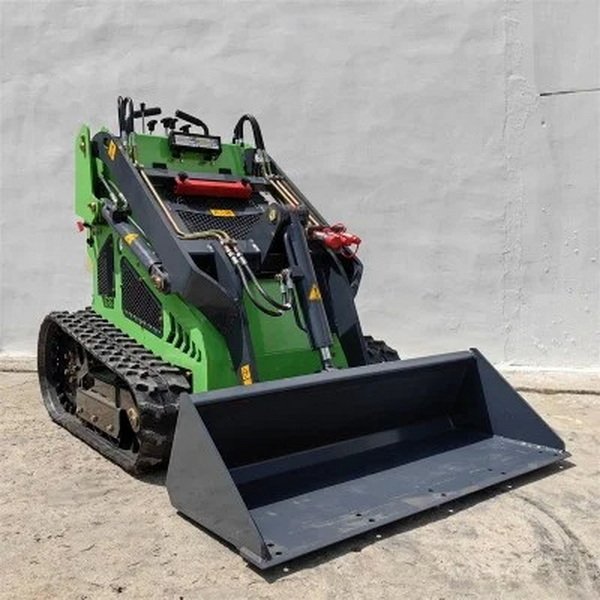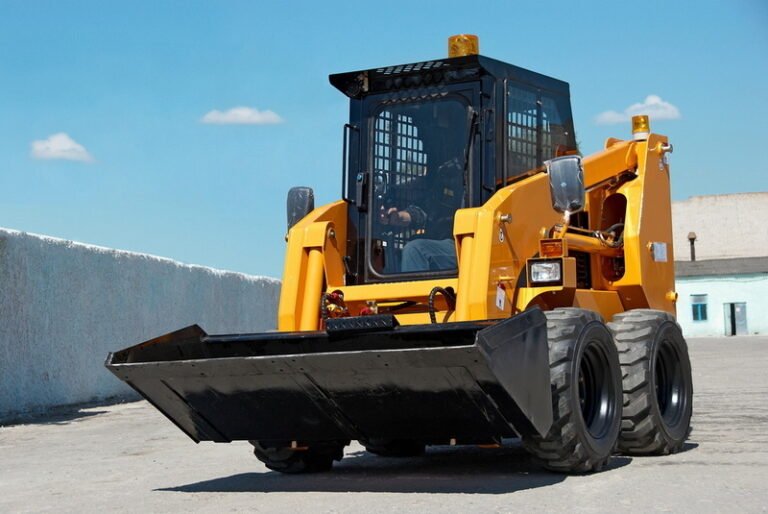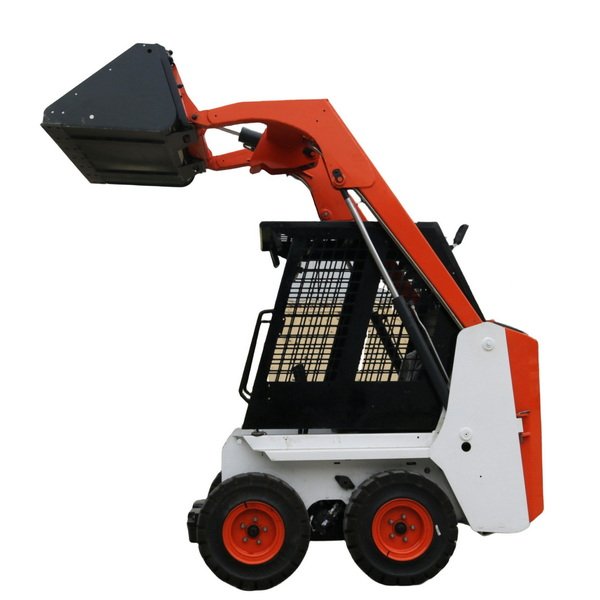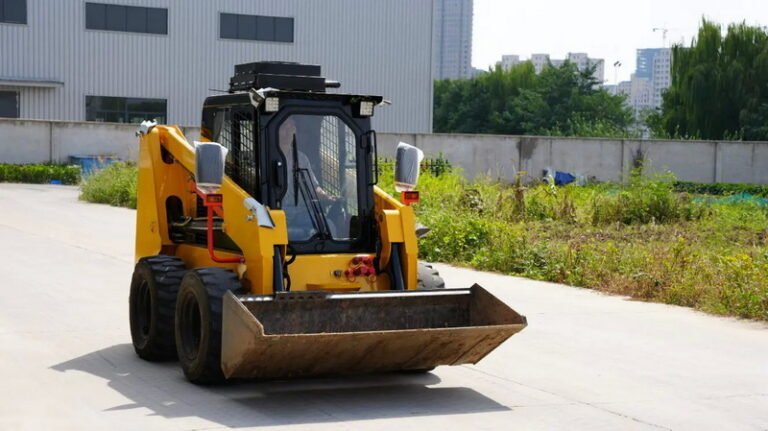

Light vs Heavy Material Bucket: How to Choose the Right Attachment for Your Skid Steer or Loader
Content Menu
● Understanding Light Material Buckets
● Understanding Heavy Material (Heavy Duty) Buckets
● Key Differences Between Light and Heavy Material Buckets
>> Practical Differences at a Glance
● How Design Choices Affect Productivity and Cost
● Step by Step: Choosing the Right Bucket Type
● Safety and Machine Protection
● Conversion Focused Call to Action
● FAQs: Light vs Heavy Material Bucket
>> FAQ 1. Can one bucket type handle every material?
>> FAQ 2. Why does a heavier built bucket sometimes feel less productive?
>> FAQ 3. How often should buckets be inspected?
>> FAQ 4. What are early signs that a bucket should be repaired or replaced?
>> FAQ 5. Is investing in multiple bucket types cost effective?
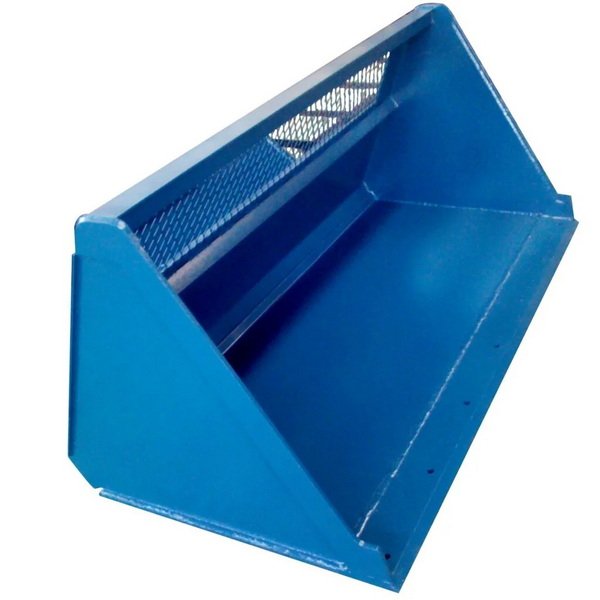
Understanding Light Material Buckets
A light material bucket is a high capacity attachment designed to move large volumes of low density materials efficiently. Typical applications include snow, mulch, wood chips, sawdust, grain, fertilizer, and other loose agricultural or landscaping materials.[1][2]
Key design traits of light material buckets include:
– Taller back and higher sides to increase struck and heaped capacity.
– Wider and deeper profile to move more volume per cycle.
– Flat or slightly curved bottom for smooth scooping and clean dumping.[3]
These buckets are not engineered for constant impact with very dense or abrasive materials and should be reserved for tasks where volume is more important than extreme structural strength. Used correctly, they reduce cycle times and fuel burn on snow removal, landscaping, and bulk handling jobs.[4][5]
Understanding Heavy Material (Heavy Duty) Buckets
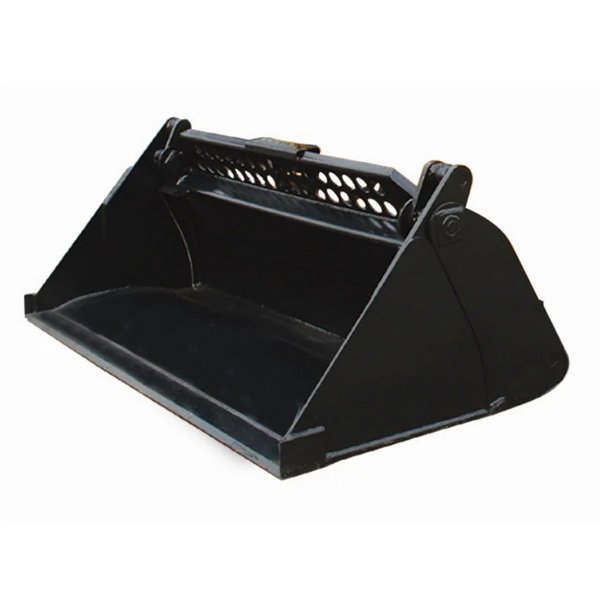
A heavy material bucket is built for dense, abrasive, and impact intensive jobs such as rock handling, demolition debris loading, and moving wet, compacted soil. It emphasizes durability and machine protection over maximum volumetric capacity.[2]
Common structural characteristics include:
– High strength steel sidewalls and floor plates with increased thickness.
– Reinforced top rails, strong mounting frames, and gussets to resist twisting.
– Abrasion resistant cutting edges with optional bolt on edges or tooth bars.[3]
Because dense material is significantly heavier, these buckets usually offer lower overall capacity than light material buckets of similar width, helping keep total load weight within the loader or skid steer’s safe operating range.[6]
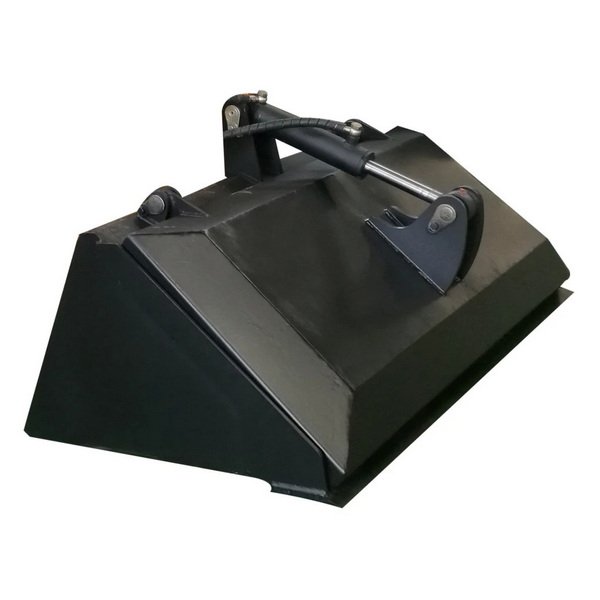
Key Differences Between Light and Heavy Material Buckets
Practical Differences at a Glance
| Aspect | Light Material Bucket | Heavy Material (Heavy Duty) Bucket |
|---|---|---|
| Main task | High volume, low density materials such as snow, mulch, grain. | Dense, abrasive materials such as rock, concrete, demolition debris. |
| Capacity | Larger heaped capacity to maximize volume per pass. | Smaller capacity to control total loaded weight. |
| Structure | Lighter construction optimized for volume and flow. | Thicker steel, added reinforcement, wear protections. |
| Geometry | High back and tall sidewalls to contain loose material. | Compact, robust profile for impact and abrasion resistance. |
| Typical machines | Compact and mid size loaders or skid steers in landscaping or snow work. | Higher horsepower loaders and tracked machines in construction or demolition. |
Using the wrong bucket type can either overload the machine or underutilize its potential, depending on the density of the material and the weight of the attachment. Matching the bucket design to the real world job is crucial for safe and efficient operations.[7][6]
How Design Choices Affect Productivity and Cost
Bucket design influences productivity, fuel efficiency, and total cost of ownership over the life of the attachment. Owners and fleet managers who understand these design choices are better equipped to plan purchases and maintenance budgets.[3]
Important design factors include:
– Steel grade and thickness: Higher yield steels increase resistance to bending and fatigue, extending the bucket’s service life under heavy loads.
– Reinforcements and wear components: Heel bars, side cutters, and floor wear strips protect high abrasion zones and spread impact forces.
– Bucket geometry: Rounder backs help material flow out easily, while deep straight backs prioritize maximum capacity.[8]
These elements interact with the loader’s breakout force and hydraulic power, influencing how quickly the bucket fills, how cleanly it dumps, and how often it needs repairs or replacement parts.[5]
Step by Step: Choosing the Right Bucket Type
This structured approach helps operators and buyers decide which bucket configuration suits their work mix.
1. Clarify the primary material
– Mostly snow, mulch, grain, sawdust, or similar low density products → prioritize a light material bucket.
– Mostly rock, broken concrete, compacted soil, or demolition rubble → prioritize a heavy material bucket.[2]
2. Verify loader or skid steer capacity
– For machines with modest rated operating capacity, avoid very heavy buckets that leave little margin for payload.
– For high horsepower, high capacity machines, consider reinforced buckets that can withstand aggressive digging and repeated impact.[6]
3. Assess duty cycle and work environment
– Intermittent work in landscaping yards, farms, or snow removal routes favors high capacity light material buckets.
– Continuous operation on quarries, demolition sites, or road building projects demands heavy duty buckets with significant reinforcements.[9]
4. Plan for attachments and options
– Tooth bars, bolt on cutting edges, and side cutters can be added to improve penetration or protect base edges.
– Specialized models such as rock buckets, concrete buckets, or 4 in 1 buckets may be appropriate if a single task dominates the workload.[3]
5. Estimate loaded weight
– Combine bucket capacity, material density, and bucket weight to estimate the total load.
– Compare this figure with the machine’s rated operating capacity or tipping load to stay within safety limits.[6]
Following these steps reduces the risk of overloading, unexpected downtime, and premature failure of both the bucket and the loader or skid steer.[7]
Typical Use Scenarios
Recognizing typical use scenarios helps guide bucket selection for different industries and projects.
Light material bucket scenarios:
– Winter snow removal in parking lots or access roads.
– Landscaping centers loading mulch, bark, and compost into trucks or trailers.
– Agricultural facilities handling grain, feed, and light bulk fertilizers.[2]
Heavy material bucket scenarios:
– Demolition sites loading broken concrete, block, and brick.
– Quarries and aggregate plants moving crushed rock and heavy gravel.
– Roadwork and infrastructure projects handling dense base material and compacted soils.[9]
Aligning bucket type with these patterns increases throughput and minimizes equipment abuse across the fleet.[10]
Safety and Machine Protection
Bucket configuration is closely tied to operational safety and machine longevity. Using attachments that exceed the loader or skid steer’s design limits can create stability issues and accelerate wear.[6]
Key safety considerations include:
– Avoiding overloaded buckets that cause the front of the machine to pitch forward or become difficult to steer.
– Keeping heavy loads as low as practical when traveling, especially on slopes or uneven ground.
– Observing the manufacturer’s lifting and tipping specifications in all operating conditions.[11]
Training operators to recognize early warning signs such as slow lift response, excessive tire squat, or frequent overload alarms is an important part of safe operations.[7]
Conversion Focused Call to Action
Operators and equipment managers who understand how attachments affect performance are often ready to review their fleet and upgrade critical tools. A clear path from information to inquiry increases the chance of timely and well informed purchasing decisions.
For readers who want tailored guidance, the next step is straightforward. Reach out with details such as machine model, rated operating capacity, dominant material types, and typical jobsite conditions. This information makes it possible to provide a focused recommendation on bucket size, construction, and optional wear components, along with a precise quotation and lead time.
Share your machine specs and main applications to receive a customized bucket selection proposal and pricing, so your loader or skid steer operates safely, efficiently, and profitably on every project.
FAQs: Light vs Heavy Material Bucket
FAQ 1. Can one bucket type handle every material?
In practice, no single bucket configuration performs optimally across all material types and densities. Compromises in capacity, durability, or safety arise when one attachment is forced to cover both extremely light and extremely heavy workloads.
FAQ 2. Why does a heavier built bucket sometimes feel less productive?
Heavier buckets often reduce the net payload the machine can carry within its rated limits, so the operator may move fewer cubic yards per cycle with very dense materials. However, they usually provide better durability and less downtime over time.
FAQ 3. How often should buckets be inspected?
Attachments used daily on demanding sites should be checked at least once per shift for cracks, bent edges, loose hardware, and excessive wear on cutting edges or side plates. Less frequent use still benefits from a regular inspection schedule.
FAQ 4. What are early signs that a bucket should be repaired or replaced?
Common indicators include visible cracks, severely worn cutting edges, distorted sidewalls, broken welds, or difficulty attaching and detaching the bucket due to frame damage. Addressing these signs early helps protect the loader or skid steer.
FAQ 5. Is investing in multiple bucket types cost effective?
For operations that see both light and heavy materials throughout the year, maintaining more than one bucket type can lower fuel consumption, reduce repair costs, and improve throughput, often offsetting the initial investment over the attachment’s service life.
Citations:
[1] https://stingerattachments.com/difference-between-a-light-and-heavy-material-bucket/
[2] https://www.teamtractor.com/blog/light-versus-heavy-duty-tractor-buckets–71026
[3] https://www.virnigmfg.com/the-ultimate-guide-to-skid-steer-buckets/
[4] https://www.stnd-machinery.com/knowledge/what-are-the-different-types-of-buckets-used-on-a-front-end-loader-
[5] https://kelbebros.com/best-practice/how-to-choose-the-right-wheel-loader-bucket/
[6] https://www.bobcat.com/na/en/buying-resources/loaders/4-tips-selecting-compact-loader-buckets
[7] https://hwpartstore.com/blogs/tips/how-to-choose-a-skid-steer-or-tractor-bucket
[8] https://skidsteersdirect.com/blogs/news/loader-buckets-explained-types-sizes-and-best-uses
[9] https://www.hardwoodforestproducts.com.au/blog/how-to-choose-the-right-excavator-bucket-for-your-job
[10] https://www.spartanequipment.com/blog/choosing-the-right-skid-steer-bucket-for-your-construction-projects/
[11] https://www.gregorypoole.com/choosing-wheel-loader-bucket-size/
[12] https://www.youtube.com/watch?v=KcmDr39Dtto
Hot Tags:Light Material Bucket, Heavy Material Bucket, Material Bucket Differences, Light Vs Heavy Bucket, Loader Bucket Types, Skid Steer Buckets, Excavator Bucket Comparison, Construction Bucket Types, Heavy Duty Bucket, Bucket Selection Guide