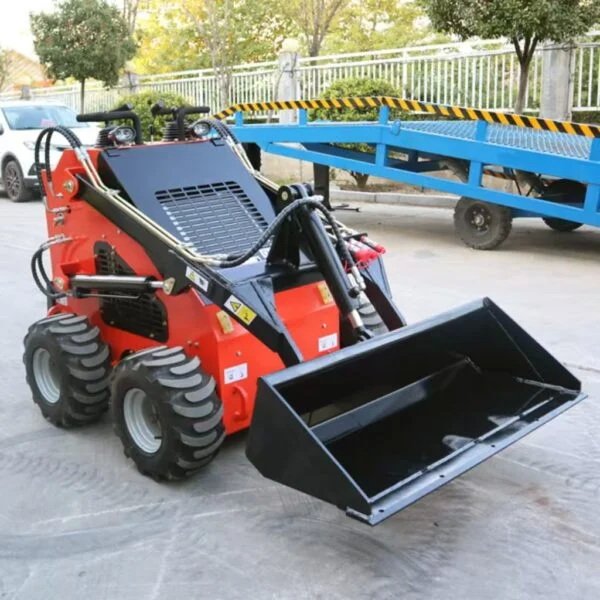

Expert Guide to Choosing Skid Steer Loaders in 2026
Content Menu
● What Is a Skid Steer Loader Really For?
● Wheeled vs. Tracked: Choosing the Right Platform
>> Wheeled Skid Steers: Speed and Cost Efficiency
>> Compact Track Loaders: Traction and Low Ground Pressure
>> How Certeg Positions Its Machines
● Understanding Key Skid Steer Specifications
>> Rated Operating Capacity (ROC) and Lift Geometry
>> Transport Dimensions and Weight
● Hydraulics: The Real Power Behind Attachments
>> Standard vs. High‑Flow Hydraulics
>> Hydraulic Cooling and Duty Cycle
● Operator Comfort, Visibility, and Controls
● Market Trends in Skid Steers and CTLs (2026)
>> Growth and Application Shifts
>> Technology and Specialization
● Practical Steps to Selecting the Right Skid Steer
>> Step 1 – Define Your Core Tasks
>> Step 2 – Choose Wheels or Tracks
>> Step 3 – Size ROC and Lift Path
>> Step 4 – Spec Hydraulics for Attachments
>> Step 5 – Check Transport and Access
>> Step 6 – Evaluate Operator Environment
● How Certeg Supports Different Power and Site Conditions
● When to Move Up to a Higher‑Capacity Skid Steer
● Call to Action: Discuss Your Application with a Specialist
● Frequently Asked Questions (FAQ)
>> Q1: Should I choose a wheeled skid steer or a compact track loader for mixed construction work?
>> Q2: How much rated operating capacity do I really need?
>> Q3: Do I need high‑flow hydraulics?
>> Q4: How important is cab comfort and visibility?
>> Q5: What are the main market trends affecting skid steer purchases today?
Skid steer loaders have become the go‑to compact machines on modern jobsites, landscaping projects, farms, and urban construction sites. From years of working with contractors and fleet managers, one pattern stands out: the best-performing fleets are the ones that match machine type, power, and hydraulics precisely to their real‑world jobs, not just to a spec sheet. [compactequip]
What Is a Skid Steer Loader Really For?
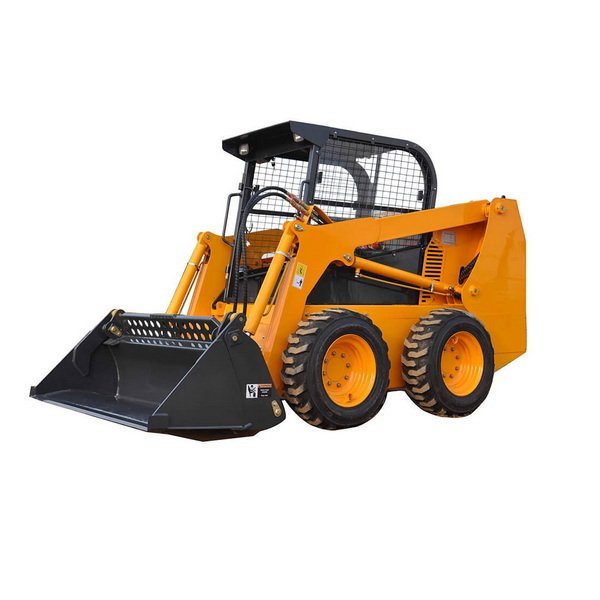
At its core, a skid steer is a highly maneuverable, compact loader with lift arms that can run dozens of attachments, from buckets and forks to planers, mulchers, and snow pushers. [dozr]
Typical applications include:
– Construction and demolition on tight urban jobsites
– Landscaping and site prep on turf, gravel, or mud
– Agriculture and livestock material handling
– Snow removal and municipal work in confined areas
In 2026, skid steers and compact track loaders are more powerful, more technical and more specialized than ever, so picking the right configuration is a strategic decision, not just a purchase. [compactequip]
Wheeled vs. Tracked: Choosing the Right Platform
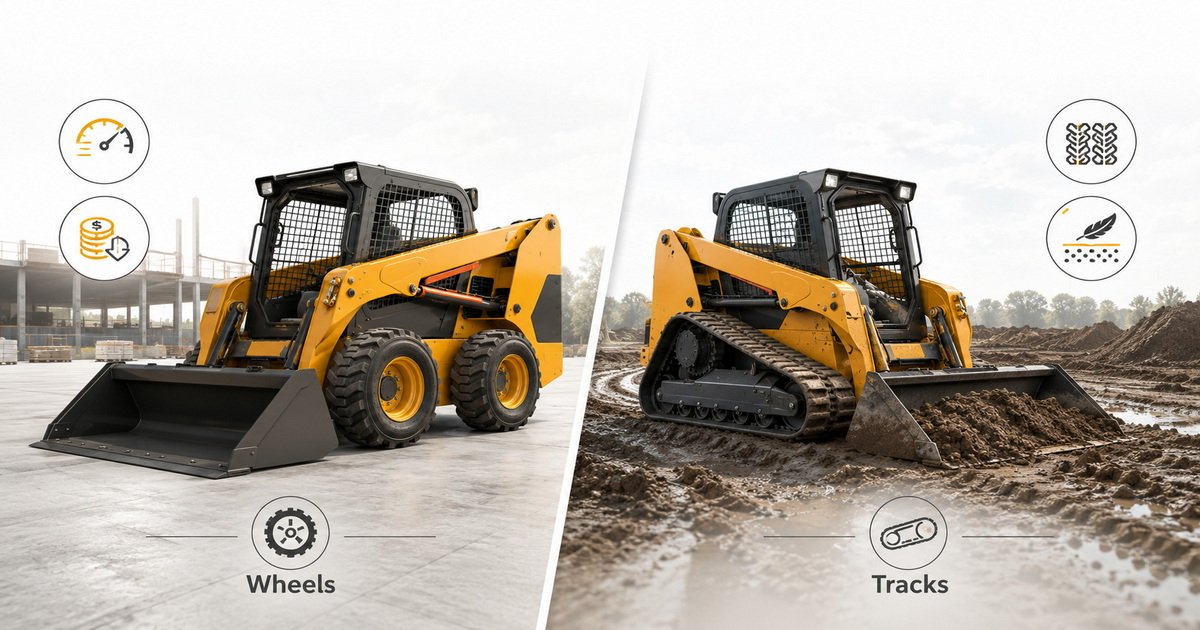
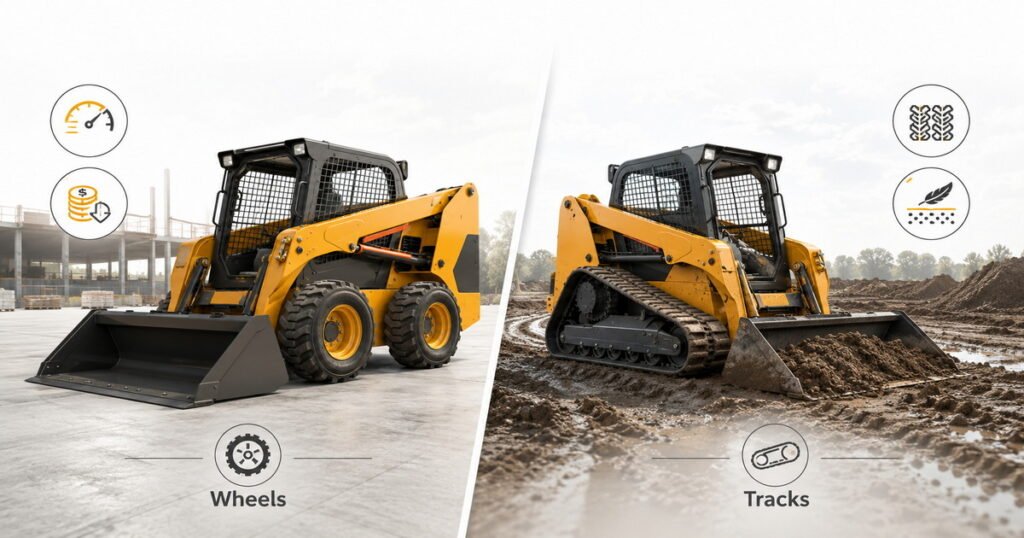
One of the first decisions is whether you need a wheeled skid steer or a compact track loader (CTL). [fortunebusinessinsights]
Wheeled Skid Steers: Speed and Cost Efficiency
Wheeled skid steers still hold the majority share of the global skid steer loader market (around half or more), mainly because they are fast on hard surfaces and relatively economical to own and maintain. [dozr]
Best suited when:
– Jobsites are paved, concrete, or compacted gravel
– You need higher travel speed between tasks
– Tire wear and replacement costs are acceptable
– Snow removal, warehouse work, or material handling dominate your tasks
Brands such as CASE offer wheeled models with operating weights from roughly 5,600 to over 9,000 lb, and static tipping loads from about 3,200 to 6,800 lb, providing a wide envelope for different payloads. [allmachines]
Compact Track Loaders: Traction and Low Ground Pressure
Compact track loaders use a rubber track undercarriage to deliver superior traction and low ground pressure, which protects sensitive or soft surfaces. [compactequip]
Best suited when:
– You regularly work in mud, sand, or loose soil
– Ground disturbance must be minimized (landscaping, turf, finished grades)
– You need strong pushing power and stability on slopes
Modern tracked loaders in the 90 hp class can provide high torque and hydraulic flow suitable for heavy attachments like mulchers, cold planers, and high‑capacity trenchers. [compactequip]
How Certeg Positions Its Machines
From a manufacturer perspective, Certeg designs both wheeled skid steers and tracked loaders to cover these distinct scenarios:
– Wheeled models optimized for contractors prioritizing speed and total cost of ownership on hard surfaces.
– Tracked models built for severe ground conditions, with undercarriages and hydraulic cooling sized for extended high‑flow attachment use.
When consulting with buyers, the first question is always: “Where will this machine spend 80% of its time?” That answer usually decides wheels vs. tracks before we even look at horsepower.
Understanding Key Skid Steer Specifications
Many buyers start with horsepower, but the most successful fleets focus on three linked spec groups: lift performance, hydraulics, and transport size. [dozr]
Rated Operating Capacity (ROC) and Lift Geometry
Rated operating capacity is the maximum load the machine can safely handle, typically expressed as a percentage of tipping load. For example, CASE skid steers cover capacities from around 1,600 lb to 3,400 lb across their range. [compactequip]
Two lift patterns matter:
– Radial lift: Strong in digging, grading, and pushing, with better reach at mid‑range heights. [compactequip]
– Vertical lift: Designed for loading trucks and hoppers, offering better reach at full height. [allmachines]
An example from CASE’s lineup shows a higher‑end vertical‑lift skid steer with around 3,400 lb rated operating capacity and a bucket breakout force above 9,500 lb, illustrating what “heavy‑duty” looks like in this category. [youtube]
Engine Power and Torque
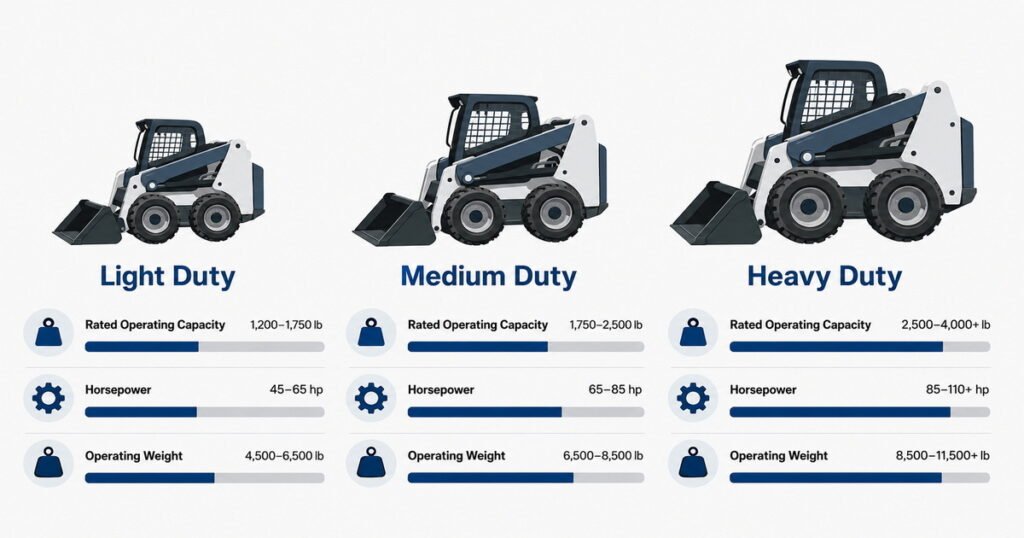
Modern skid steers range typically from 60 to 90+ horsepower in mainstream models, with some specialized loaders exceeding that. Power alone doesn’t tell the full story; torque and hydraulic system design are equally important for how the machine feels under load. [casece]
For example, a 90 hp skid steer with an optimized hydraulic package can feel much stronger in real work than a higher‑horsepower unit with limited flow, especially when running power‑hungry attachments. [compactequip]
Transport Dimensions and Weight
Machine weight and dimensions matter for:
– Trailer compatibility
– Bridge and road regulations
– Tight access through gates, doors, and urban alleys
In the CASE range, operating weights span from about 5,645 lb to more than 9,100 lb, giving owners options from compact yard units to high‑capacity production machines. [dozr]
Hydraulics: The Real Power Behind Attachments
From an expert standpoint, hydraulic performance is where many buyers either over‑ or under‑spec their skid steers. [scribd]
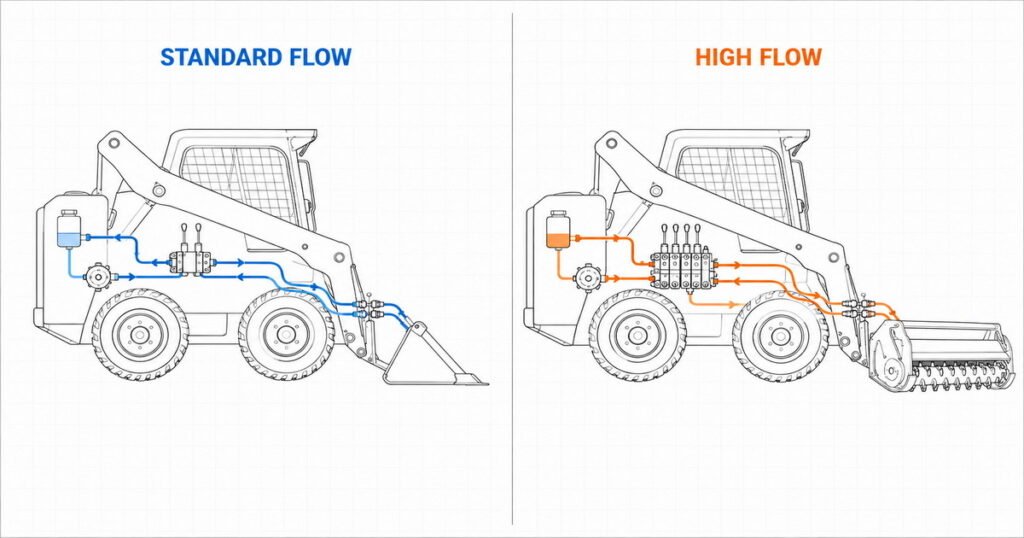
Standard vs. High‑Flow Hydraulics
Most manufacturers, including CASE, offer at least these tiers: [scribd]
– Standard flow: Adequate for general‑purpose attachments such as standard buckets, forks, small sweepers, and some augers.
– High‑flow: Required for cold planers, heavy mulchers, large trenchers, and other high‑demand tools.
– Often an additional “enhanced high‑flow” or performance package for truly demanding attachments.
A 90 hp track loader example shows standard flow above 24 gpm, with optional higher‑flow packages for extreme applications. [scribd]
Hydraulic Cooling and Duty Cycle
On paper, two machines can have similar flow numbers, but in the field, hydraulic cooling capacity determines how long you can run at maximum duty before derating or shutting down to protect components. [scribd]
From Certeg’s engineering perspective, this is where design matters most:
– Oversized coolers and smart fan control to maintain oil temperature
– Efficient routing and filtration to protect pumps and motors
– Carefully matched pump sizing so the engine is not constantly overloaded
Operator Comfort, Visibility, and Controls
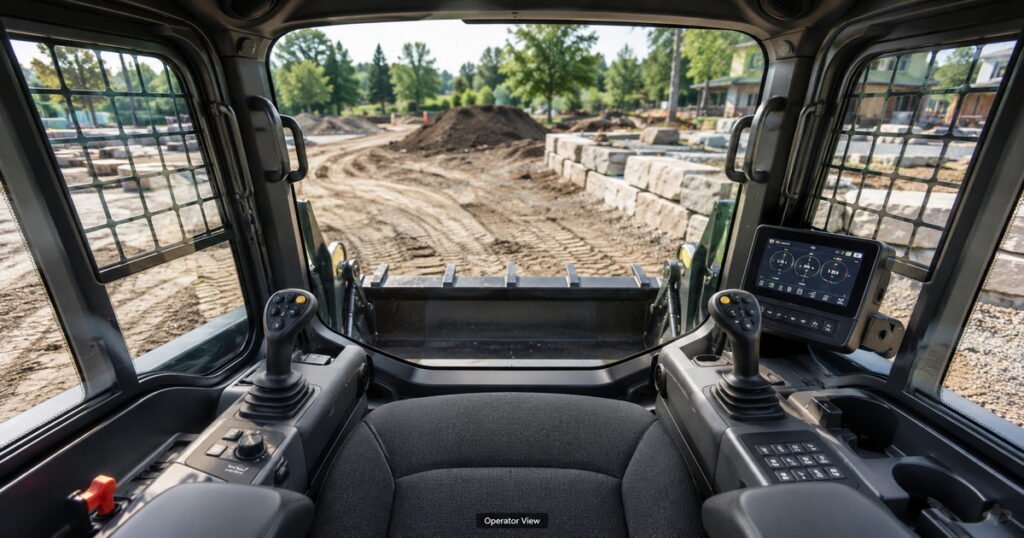
Modern skid steers are no longer just “iron and hydraulics”; they are operator platforms that directly influence productivity and safety. [youtube]
Cab and Visibility
Recent product generations, such as the CASE B Series, emphasize: [youtube]
– Larger glass area for better 360‑degree visibility
– Refined cab sealing to reduce dust and noise
– Intuitive display panels for machine and attachment monitoring
For a manufacturer like Certeg, field feedback is clear:
– Visibility to the attachment edge improves fine grading.
– Clean, quiet cabs reduce operator fatigue on long shifts.
Controls and Electronics
Many modern machines now offer: [youtube]
– Electro‑hydraulic controls with adjustable response and sensitivity
– Joystick options and pattern select for multi‑operator fleets
– Integrated attachment control mapping through machine displays
These features help fleets standardize training and reduce the learning curve when operators switch between brands or models.
Market Trends in Skid Steers and CTLs (2026)
Understanding where the market is heading can help you make a future‑proof purchase.
Growth and Application Shifts
Recent industry analysis projects that the global skid steer loader market will reach roughly USD 15+ billion by the mid‑2030s, growing at a steady annual rate of around 4–5% from the second half of this decade onward. Wheeled skid steers maintain a leading share due to their cost efficiency and versatility, especially in logistics, material handling, and urban construction. [fortunebusinessinsights]
At the same time, compact track loaders continue to expand into roles previously handled by larger equipment, thanks to higher power densities and advanced undercarriages. [compactequip]
Technology and Specialization
Key 2026 trends include: [youtube]
– More advanced telematics and fleet management features
– Increased focus on attachment‑specific optimization
– Better fuel efficiency and emissions compliance
– Growing interest in alternative fuels and hybridization in some regions
Certeg integrates these trends by prioritizing attachment compatibility, hydraulic cooling, and electronics that can easily connect to fleet monitoring systems.
Practical Steps to Selecting the Right Skid Steer
From working with contractors, rental houses, and industrial clients, a clear step‑by‑step decision process has proven effective.
Step 1 – Define Your Core Tasks
Make a simple list of your top 5 recurring jobs, for example:
1. Truck loading (aggregate, soil, demolition debris)
2. Fine grading on residential lots
3. Running a cold planer or mulcher
4. Pallet and material handling in a yard
5. Snow removal on paved parking lots
Step 2 – Choose Wheels or Tracks
Match your list to surface and traction needs:
– Mostly paved or firm ground → wheeled skid steer
– Mostly mud, sand, slopes, or turf → compact track loader
Step 3 – Size ROC and Lift Path
– If you are loading trucks or hoppers to full height regularly, prioritize vertical lift and higher ROC. [allmachines]
– If you are grading, digging, and pushing, a radial‑lift machine with strong breakout force may be a better fit. [compactequip]
Step 4 – Spec Hydraulics for Attachments
– List all current and planned attachments.
– Identify which require high‑flow and which run on standard flow. [scribd]
– If any attachment is central to your business (e.g., milling, land clearing), spec hydraulics from that attachment backward.
Step 5 – Check Transport and Access
– Confirm that the operating weight and dimensions fit your trailers, gates, and local regulations. [dozr]
Step 6 – Evaluate Operator Environment
– Demo the cab, visibility, controls, and display. [youtube]
– Consider that comfort and ergonomics can translate directly into better productivity and fewer mistakes over long shifts.
How Certeg Supports Different Power and Site Conditions
As a specialized manufacturer of skid steer and compact loaders, Certeg focuses on matching powerplants and undercarriages to real‑world conditions rather than chasing headline horsepower numbers.
Key design priorities include:
– Engine options tuned for different duty cycles (light, medium, heavy)
– Hydraulic packages matched to popular regional attachments
– Undercarriage options (wheel or track) designed for specific ground conditions
– Structural design aimed at long‑term durability in construction and industrial environments
For global customers, this means the ability to configure machines for:
– High‑duty roadwork and milling in harsh climates
– Mixed construction and agricultural work where versatility is key
– Urban construction that demands compact dimensions and low emissions
When to Move Up to a Higher‑Capacity Skid Steer
A common question from users is: “When should I step up to a larger machine?”
Signs that it is time to move up:
– You are frequently lifting near the machine’s ROC limit. [allmachines]
– Operators report the machine feels “maxed out” when running high‑flow tools. [compactequip]
– Trailer and transport capacity can handle a heavier unit.
– Job complexity has shifted from light material handling to heavier construction or industrial tasks.
Benchmarking against models such as higher‑end CASE units with ROC in the 3,000+ lb range and strong breakout force can give you a realistic sense of what a “step up” machine will deliver in daily work. [compactequip]
Call to Action: Discuss Your Application with a Specialist
If you are evaluating your next skid steer or compact track loader, the most effective next step is to map your real jobs to the right machine configuration.
Certeg’s engineering and sales team can help you:
– Analyze your current and planned attachments
– Match ROC, lift type, and hydraulics to your core tasks
– Decide between wheeled and tracked configurations for your climate and soil conditions
– Configure a machine that fits your transport and regulatory requirements
Get in touch with Certeg to discuss your specific job conditions, attachment list, and performance targets so you can specify a skid steer that will remain productive and profitable for years to come.
Frequently Asked Questions (FAQ)
Q1: Should I choose a wheeled skid steer or a compact track loader for mixed construction work?
If most of your time is on hard surfaces like concrete, asphalt, or compacted gravel, a wheeled skid steer usually offers better speed and lower overall operating costs. If you frequently encounter mud, slopes, or sensitive turf, a compact track loader provides superior traction and lower ground pressure. [compactequip]
Q2: How much rated operating capacity do I really need?
Start by looking at your heaviest regular loads and the height you must lift them. For example, many mainstream skid steer lineups offer capacities from around 1,600 lb to 3,400 lb, with higher‑end models aimed at truck loading and heavy construction tasks. If you are often near your current machine’s limit, moving up in ROC improves safety and productivity. [dozr]
Q3: Do I need high‑flow hydraulics?
You need high‑flow if you run power‑intensive attachments such as cold planers, heavy mulchers, or large trenchers. Standard‑flow systems are sufficient for general buckets, forks, many sweepers, and light augers. When in doubt, spec your hydraulics based on the attachment that makes you the most money. [scribd]
Q4: How important is cab comfort and visibility?
Cab design has a direct impact on operator fatigue, accuracy, and safety. Machines with better visibility to the attachment edge and surroundings, along with improved cab sealing and intuitive controls, help operators work longer with fewer errors. [youtube]
Q5: What are the main market trends affecting skid steer purchases today?
The market is gradually expanding, with global skid steer loader revenues expected to exceed USD 15 billion by the mid‑2030s, and annual growth around 4–5%. There is continued adoption of wheeled machines in logistics and urban construction, and growing use of compact track loaders in demanding site conditions, alongside advances in telematics, hydraulics, and operator technology. [fortunebusinessinsights]
References
1. Compact Equipment – “Case Skid Steers Summarized — 2018 Spec Guide” (model overview, ROC and power examples). [compactequip]
2. CASE Construction – Official skid steer loader product page (current model specs and power ranges). [casece]
3. CASE B Series skid steer in‑cab video tour (operator environment and controls). [youtube]
4. CASE B Series skid steer and CTL technical/brochure materials (hydraulic package and feature descriptions). [compactequip]
5. DOZR – Skid steer specifications and dimensions guide (weight and capacity ranges across brands including CASE). [dozr]
6. AllMachines – CASE skid steer loaders specs and popular model data (static tipping loads and operating weights). [allmachines]
7. Compact Equipment – “The State of Skid Steers and Compact Track Loaders in 2026” (industry trends and application insights). [compactequip]
8. Fortune Business Insights – Skid Steer Loader Market Size and Forecast 2026–2034 (market size, CAGR, share by type). [fortunebusinessinsights]
9. YouTube and industry channels – Top skid steer loader examples and performance benchmarks (power and ROC context). [youtube]
Hot Tags: Skid Steer Loader, Manufacturers, Customized, Custom, Suppliers, Buy, Cheap, Quality, Advanced, Durable, in Stock, Made in China, Price, Quotation