
Certeg Mini Excavator Comparison: Complete Buyer’s Guide for Construction Professionals
Content Menu
● Understanding Mini Excavator Specifications and Performance Metrics
● Advanced Maneuverability Features for Confined Job Sites
● Hydraulic System Power and Lifting Capacity Analysis
● Precision Control Systems and Technology Integration
● Operator Comfort and Ergonomic Design Considerations
● Attachment Compatibility and Versatility Analysis
● Maintenance Requirements and Serviceability Features
● Total Cost of Ownership and Investment Analysis
● Real-World Application Performance Scenarios
● Safety Features and Operator Protection Systems
● Environmental Considerations and Emissions Compliance
● Making the Informed Purchase Decision
● FAQs About Mini Excavator Selection
>> 1. What size mini excavator is suitable for typical residential work?
>> 2. How should total cost of ownership be evaluated?
>> 3. Which attachments are most important for a new mini excavator?
>> 4. Why does operator comfort have such a large impact on productivity?
>> 5. What daily maintenance tasks should operators perform?
When selecting a mini excavator for construction, landscaping, or utility work, understanding the technical specifications, operational capabilities, and long-term cost implications is critical for maximizing return on investment. This guide analyzes key performance metrics, operator comfort features, maintenance requirements, and real-world applications to help professionals make informed purchasing decisions for compact excavation equipment.
Understanding Mini Excavator Specifications and Performance Metrics
Operating weight and engine power are foundational indicators of excavator capability. Mid-size compact excavators typically range from 9,000 to 10,000 pounds with horsepower ratings around 40–42 HP, which directly influence fuel efficiency, digging strength, and transport convenience. These baseline specifications help determine whether a machine can handle demanding earthmoving tasks while still being easy to move between job sites.
Digging force reflects the machine’s ability to work in hard-packed soil, rocky ground, and mixed materials. Arm digging force in the 4,000–6,000 pound range defines breakout performance for applications such as stump removal, rock extraction, and structural demolition. Bucket digging force, commonly around 9,500–9,600 pounds for this class, affects loading speed, cycle times, and overall productivity when filling trucks or stockpiling material.
Dig depth and reach strongly influence how effectively a machine can work without repositioning. Standard configurations often offer about 10.4–11.4 feet of maximum dig depth, while long-arm and extendable-arm options can push that closer to or beyond 12 feet. Horizontal reach in the 17–19 foot range determines how much area the operator can cover from a single setup, especially important when excavating along foundations or loading trucks positioned at the edge of a work zone.
Advanced Maneuverability Features for Confined Job Sites
In-track swing and compact upper-structure designs transform how machines work in tight spaces. By allowing the boom and upper structure to operate within or close to the width of the tracks, these configurations reduce the risk of hitting nearby walls, fences, and structures. This is particularly valuable on urban infill sites, driveways, and backyards where clearance is limited and property damage must be avoided.
Offset boom positioning improves visibility and control when working alongside trenches, buildings, and utilities. Clear sight lines past the tracks help operators see precisely into the trench or excavation edge, which supports better depth control and more accurate grades. This enhanced visibility can reduce rework and helps maintain safe distances from buried services and existing structures.
Zero tail swing and reduced tail swing options serve different niche requirements. Zero tail swing models keep the rear of the machine entirely within the track width, ideal for extremely confined environments such as interior demolition, narrow alleys, and close-quarters utility work. Reduced tail swing machines offer a compromise, improving maneuverability compared to conventional tail swing designs while preserving some additional stability and capacity for heavy lifting.
Hydraulic System Power and Lifting Capacity Analysis
Rated lifting capacity at various points in the working envelope is crucial for safe material handling. Mid-size machines with lift capacities around 4,250–4,900 pounds can handle tasks such as pipe placement, small precast elements, and general construction materials at typical working radii. Understanding the load chart, including limits at full reach and over the side, helps prevent tip-over incidents and extends machine life.
Maximum dump height affects how efficiently material can be loaded into trucks and hoppers. Dump heights of roughly 12.3–12.8 feet are sufficient for standard 11-foot dump trucks, allowing operators to load without awkward repositioning. Consistently clearing the sideboards improves cycle efficiency, reduces spillage, and supports cleaner, faster job site operations.
Hydraulic flow and pressure ratings define attachment performance. Strong auxiliary hydraulics enable the use of breakers, augers, grapples, and specialty tools without feeling underpowered. Machines that allow operators to switch hydraulic modes from inside the cab simplify the process of changing between one-way and two-way attachments, which saves time and reduces physical strain throughout the workday.
Precision Control Systems and Technology Integration
Depth guidance systems help operators maintain target elevations and avoid over-excavation. Digital or sensor-based solutions allow the user to set desired depths and receive immediate feedback as the bucket approaches grade, significantly reducing the need for manual checking with tapes or lasers. This improves accuracy for foundations, utility trenches, and drainage structures, and can reduce both rework and material waste.
Joystick responsiveness and ergonomics have a direct impact on operator fatigue and precision. Fingertip controls for boom swing and auxiliary functions make it easier to perform delicate maneuvers near utilities, structures, and finished surfaces. Well-placed buttons for cameras, auxiliary hydraulics, or guidance systems minimize hand movement and keep the operator focused on the work instead of searching for switches.
Integrated technology features such as rearview cameras, telematics, and onboard diagnostics enhance safety and fleet management. Cameras improve visibility behind the machine during repositioning, especially in congested areas. Telematics data supports tracking of fuel use, idle time, and maintenance needs, helping owners manage costs and improve utilization across multiple machines and sites.
Operator Comfort and Ergonomic Design Considerations
Cab space and layout strongly influence comfort over long shifts. A roomy interior, adequate floor space, and intuitive control placement allow operators to maintain a natural posture and reduce strain. Wider tread plates at the cab entrance make stepping in and out easier and safer, particularly in muddy or uneven conditions.
Noise and vibration control protect operators from fatigue and long-term hearing issues. Sound-insulated cabs, refined engine mounts, and well-tuned hydraulic systems reduce noise levels inside the cabin. Lower noise helps operators stay alert and improves communication with ground crews, especially on sites where hand signals and verbal instructions are frequently used.
Climate and convenience features contribute to productivity and staff retention. Effective heating and air conditioning ensure comfortable operation in hot or cold environments, while filtered airflow helps protect against dust and airborne particles. Optional features such as Bluetooth connectivity, radio, and charging ports allow operators to stay connected and manage communications without leaving the cab.
Visibility enhancements play a major role in safety. Slim cab pillars, large glass areas, and certified overhead protection provide clear views of the boom, bucket, and surrounding environment. Good forward and side visibility reduces blind spots around pedestrians and other equipment, and a clear overhead view is particularly valuable when loading tall trucks or working near overhead obstacles.
Attachment Compatibility and Versatility Analysis
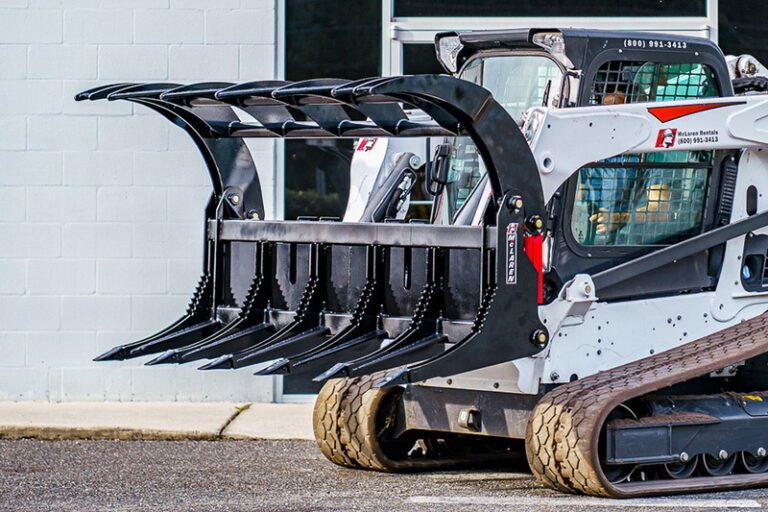
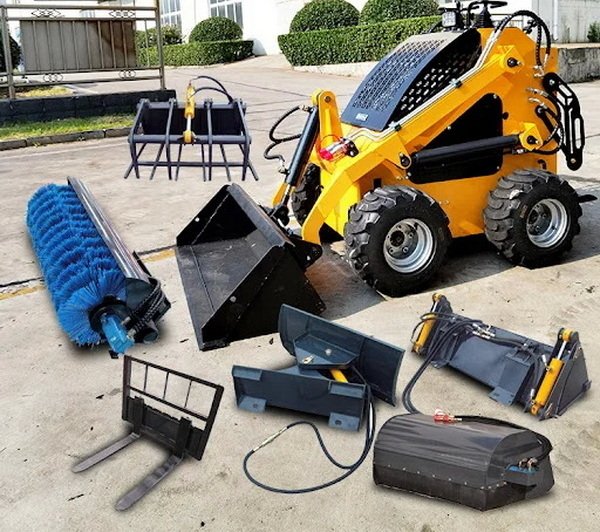
Diverse attachment availability allows one machine to perform many roles. Buckets of different widths handle grading, trenching, and bulk excavation, while hydraulic breakers address concrete and asphalt removal. Augers, grapples, and compaction tools expand the machine’s use into fencing, utility work, material sorting, and backfill compaction, turning the excavator into a multi-purpose tool carrier.
Quick coupler systems reduce downtime during attachment changes. Hydraulic quick couplers let operators switch between buckets, breakers, and other tools directly from the cab, minimizing manual tasks around pinch points and reduces exposure to hazards. This streamlined workflow is especially valuable on jobs that require frequent switching between digging and handling operations.
Backwards-compatible mounting systems help control capital costs when upgrading fleets. If new machines are compatible with existing attachments, contractors can reuse their inventory rather than replacing entire tool sets. This compatibility becomes more important as fleets grow and as companies integrate equipment from multiple purchase cycles.
Hydraulic circuit configuration affects how easily operators move between different attachment types. Machines designed without a separate third-line return for certain tools can sometimes switch functions entirely from within the cab. Fewer manual valve changes mean quicker transitions between one-way attachments like breakers and two-way attachments like grapples, with less interruption to the work.
Maintenance Requirements and Serviceability Features
Service interval length is a key factor in total cost of ownership. Longer oil change intervals, such as 750 hours instead of 500 hours, can significantly reduce annual downtime and maintenance labor. For high-utilization fleets, fewer planned service stops translate into more productive hours and more predictable scheduling.
Parts availability and distribution determine how quickly a machine can return to work after a breakdown. Strong regional or national parts networks allow owners to receive components quickly, reducing the duration of unplanned downtime. In contrast, heavy reliance on imported parts with limited stock can lead to extended stoppages, especially during supply chain disruptions.
Service access design influences how technicians perform routine tasks. Side-opening and wide-access hoods make it easier to reach filters, fluid reservoirs, and major components. When critical elements are obstructed by counterweights or accessed only from the top, even basic tasks like hydraulic oil top-ups can become messy and time-consuming.
Exhaust aftertreatment systems such as diesel particulate filters introduce additional maintenance layers. Filters that require replacement at fixed hour intervals can add thousands of dollars in long-term costs. Regeneration cycles also interrupt work and increase fuel use. Choosing systems that balance emissions compliance with simple maintenance can have a major impact on lifecycle cost.
Total Cost of Ownership and Investment Analysis
Upfront pricing should always be evaluated alongside included features and configuration flexibility. A seemingly lower acquisition price may reflect a minimally equipped machine that requires costly options to match the functionality of another brand. Careful comparison of standard equipment, warranty, and technology packages helps avoid misleading price-based decisions.
Fuel efficiency is one of the largest long-term operating cost drivers. Modern engines and optimized hydraulic systems can significantly reduce fuel consumption, especially during partial-load and idle-heavy applications. Over the course of several years, even small differences in daily fuel burn accumulate into substantial savings or losses.
Resale and residual value play a major role in overall profitability. Machines from reputable brands with strong dealer support generally retain more of their value when it is time to trade or sell. Owners who consider expected resale value at the time of purchase can better predict the true cost of owning the machine over a typical 5–7 year period.
Attachment strategy influences both productivity and capital efficiency. Standardized couplers and compatible mounting patterns allow attachments to move freely among multiple machines. By planning attachment investments at the fleet level rather than machine-by-machine, owners avoid unnecessary duplication and achieve better utilization of specialized tools.
Real-World Application Performance Scenarios
Residential construction and landscaping require compact dimensions and precise control. Machines with strong maneuverability can work near driveways, property lines, and existing landscaping without causing damage. Fine control of swing, boom, and bucket movements is essential for achieving clean cuts, smooth grades, and minimal disturbance to surrounding areas.
Commercial site development often demands higher digging forces and extended reach. Excavators with strong arm breakout force and good stability handle deep utilities, retention ponds, and structural foundations more efficiently. When loading trucks across wider benches or stockpiles, additional reach reduces repositioning and improves overall cycle times.
Utility installation and repair places emphasis on accurate trenching and safety around buried services. Good visibility into the trench and reliable grade control help maintain consistent slopes and depths for water, sewer, electrical, and communication lines. Technology that assists with depth checking further reduces the risk of utility strikes and associated downtime or penalties.
Demolition, renovation, and multi-phase projects benefit from versatility and quick configuration changes. A single machine equipped with a quick coupler and a selection of buckets, breakers, and grapples can move from demolition to sorting to loading without bringing in additional equipment. This reduces mobilization costs and simplifies coordination on busy or space-limited job sites.

Safety Features and Operator Protection Systems
ROPS and FOPS compliance is essential for protecting operators during rollovers and from falling objects. Certified structures and overhead guards provide defined survival zones if the machine tips or material falls from above. These protections are especially important in demolition, forestry-related work, and operations near unstable soil.
Camera systems and visibility aids support safe operation in crowded environments. Rearview cameras and wide-angle views of blind spots help operators monitor workers, vehicles, and obstacles behind the machine when swinging or reversing. Combined with mirrors and clear glazing, these systems reduce the likelihood of collisions.
Emergency stop and shutdown features add an extra layer of risk control. Easily accessible emergency controls allow operators or nearby personnel to quickly halt the machine in dangerous situations. This capability can prevent minor incidents from becoming serious accidents, especially on complex sites with multiple crews.
Environmental Considerations and Emissions Compliance
Emissions standards compliance determines where and how a machine can legally operate. Engines that meet the latest regulations help ensure access to projects in jurisdictions with strict environmental rules. Selecting equipment aligned with current and foreseeable standards protects long-term usability and avoids unexpected retrofit demands.
Fuel efficiency and reduced idle time contribute to lower emissions as well as cost savings. Machines with intelligent engine management and load-sensing hydraulics typically consume less fuel for the same amount of work. Over time, lower fuel use also means a smaller environmental footprint.
Alternative power solutions, including hybrid and electric models, are emerging as options in certain applications. Electric mini excavators can offer zero on-site emissions and much lower noise, which is advantageous for indoor work, dense urban neighborhoods, and environmentally sensitive areas. While upfront costs can be higher, running costs and maintenance demands may be lower, making these alternatives attractive for specific use cases.
Making the Informed Purchase Decision
Hands-on trials through demos or rentals are one of the most effective ways to evaluate a machine. Operating equipment in real job conditions reveals details about control feel, comfort, and capability that specifications cannot fully capture. Feedback from operators during a test period often highlights practical strengths and weaknesses that influence final selection.
Dealer and service partner quality can be as important as machine performance. Responsive support, readily available parts, and knowledgeable technicians help keep equipment running and minimize downtime. Training support for operators and mechanics further increases reliability and safety across the fleet.
Warranty terms and extended coverage reduce risk during the early years of ownership. Strong warranties for powertrain, hydraulics, and structural components provide an added level of protection against manufacturing defects. Extended coverage options may be particularly valuable for machines expected to work long hours in demanding environments.
Configuration flexibility and customization allow contractors to align machines with their most common tasks. Options such as arm length, auxiliary hydraulic circuits, technology packages, and comfort features make it possible to tailor each excavator to its intended role. Thoughtful configuration planning ensures equipment is ready to deliver maximum value from the first day on site.
Take Action With Certeg
For construction businesses seeking reliable, high-performance equipment, Certeg provides a full portfolio of solutions covering mini excavators, skid steer loaders, road rollers, forklifts, tractors, and tracked carriers. By combining carefully engineered machines with practical application guidance, Certeg helps contractors match equipment configurations to real project demands. Reach out to the Certeg team today to discuss your project requirements, request tailored configuration advice, and plan a machine package that improves productivity, controls ownership costs, and supports long-term business growth.
FAQs About Mini Excavator Selection
1. What size mini excavator is suitable for typical residential work?
For most residential foundations, utility trenches, and landscaping tasks, a mid-size mini excavator in the 9,000–10,000 pound range with around 40–42 HP usually provides the best balance of power and maneuverability. This size class can handle hard soils and moderate lifting while still fitting into driveways, side yards, and compact building sites.
2. How should total cost of ownership be evaluated?
Total cost of ownership should include purchase price, financing, fuel consumption, scheduled maintenance, unscheduled repairs, insurance, storage, and eventual resale value. Analyzing all of these elements over a planned ownership period, such as 5–7 years, helps identify machines that offer the best long-term value rather than focusing solely on the initial price.
3. Which attachments are most important for a new mini excavator?
Essential attachments typically include a general-purpose bucket, one or two narrower trenching buckets, and at least one grading bucket. Many contractors also benefit from adding a hydraulic breaker for concrete or asphalt and a grapple for handling debris and materials. The exact selection depends on whether the primary work is utilities, foundations, landscaping, or demolition.
4. Why does operator comfort have such a large impact on productivity?
Comfortable cabs, low noise, good climate control, and intuitive controls reduce fatigue and allow operators to maintain focus for longer periods. When operators feel less strain, they work more precisely, make fewer mistakes, and maintain consistent output throughout the day. This leads to higher productivity, better quality work, and improved job satisfaction.
5. What daily maintenance tasks should operators perform?
Operators should conduct a walk-around inspection, check engine oil, coolant, and hydraulic fluid levels, inspect tracks and rollers, and grease key pivot points as required. Identifying leaks, loose components, or abnormal wear early prevents costly failures and supports safe machine operation. More complex tasks, such as fluid changes and component service, should be handled by qualified technicians.
Hot Tags:Best Mid Size Excavator, Bobcat Excavators, Best Excavator, What Is The Best Brand Of Excavator, Kubota Skid Steer Prices, Bobcat 430 Excavator Specifications, Brands Of Skid Steer Loaders, Skid Steer Reviews, Kubota Excavator For Sale, Mini Excavator Kubota