
Bobcat Skid Steer Loaders vs New‑Generation Brands: An Expert Guide for Smarter Fleet Decisions
Content Menu
● What Makes Bobcat Skid Steers So Respected?
● Key Features of Bobcat’s R‑Series Skid Steers
● Operator Experience and Cab Technology
● Real‑World Use Cases: Where Bobcat Skid Steers Shine
● How to Choose the Right Skid Steer for Your Job
>> Step‑by‑step selection framework
● Bobcat vs New‑Generation Brands Like Certeg
>> Where manufacturers like Certeg compete strongly
● Recommended Skid Steer Specs Table
● Maintenance, Uptime and Total Cost of Ownership
● Practical Buying Checklist for Skid Steer Loaders
● How Certeg Supports Global Buyers of Skid Steer Loaders
● Call to Action: Turn Benchmark Insights into a Smarter Skid Steer Purchase
● Frequently Asked Questions (FAQ)
>> 1. Are Bobcat skid steers still worth the premium over newer brands?
>> 2. Should I choose a wheeled skid steer or a compact track loader?
>> 3. How important are high‑flow hydraulics for my skid steer?
>> 4. What should I prioritize: engine power or rated operating capacity?
>> 5. How can I improve uptime for my skid steer fleet?
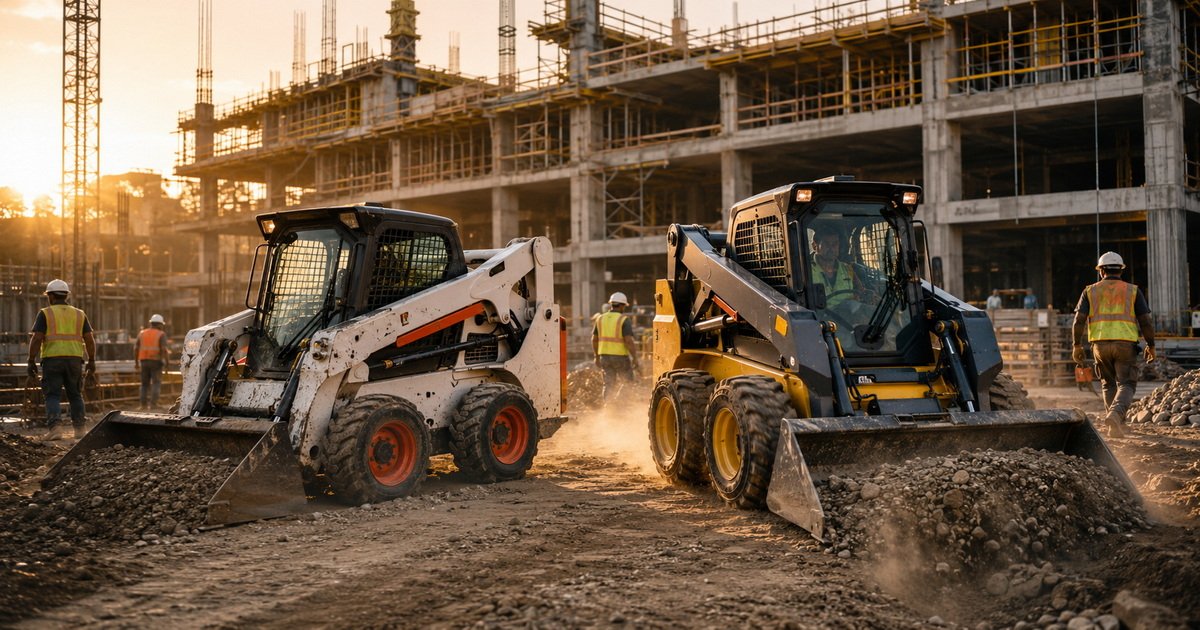
Bobcat skid steer loaders have a legendary reputation in the compact equipment world, but choosing the right model — and the right alternative brand — now requires a much more strategic, data-driven approach than it did even five years ago. Drawing on my experience helping global contractors and equipment distributors optimize their fleets, this guide walks you through how Bobcat skid steers perform in real jobsites, how they compare to modern competitors like Certeg, and what to look for before you sign a purchase order. [raddinteractive]
What Makes Bobcat Skid Steers So Respected?
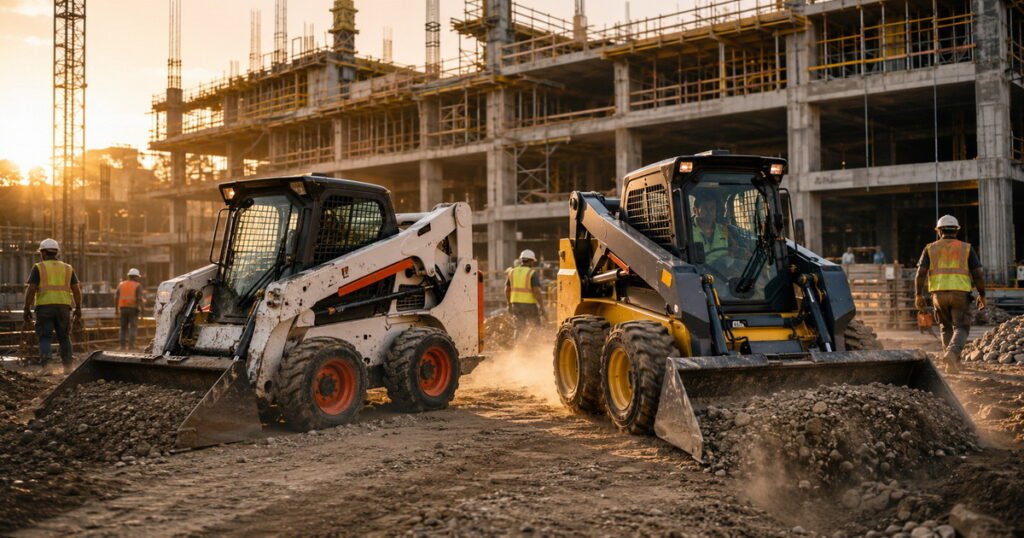
Bobcat is widely credited with inventing the modern skid steer over 60 years ago, and that first-mover advantage still shapes how contractors perceive the brand today. In the compact loader segment, Bobcat’s current R‑Series skid steer and compact track loaders (CTLs) are marketed as the most powerful and durable loaders the company has ever built, with a clear focus on uptime and operator comfort. [bobcat]
From an operator’s standpoint, the appeal usually comes down to three factors: predictable performance, extensive attachment support, and strong dealer networks in North America and Europe. While list prices can be higher than emerging brands, many fleet managers still treat Bobcat as the “benchmark” when evaluating total cost of ownership. [5k]
Key Features of Bobcat’s R‑Series Skid Steers
Bobcat’s R‑Series represents a significant redesign of its loader platform, with structural, hydraulic and operator‑focused upgrades over earlier generations. If you’re evaluating skid steers for mixed construction, landscaping or rental applications, these are the headline features that matter in the field.
Core R‑Series enhancements [compactequip]
– Cast‑steel lift arms: Stronger yet slimmer sections that increase durability while improving sightlines to the attachment.
– Optimized linkage: Revised lift arm geometry delivers higher lift height and increased rated operating capacity.
– Inline engine & direct drive: More torque across a wider power band, helping in heavy digging, pushing and loading cycles.
– Self‑priming fuel system: Designed to speed restarts and minimize downtime after refueling or filter changes.
– Enhanced cooling package: Supports long duty cycles in hot, dusty jobsite conditions.
Visually, operators often notice the slimmer arms and refined cab design first, but the real impact shows up in cycle time tests, fuel efficiency and reduced fatigue during long shifts. [equipmentworld]
Operator Experience and Cab Technology
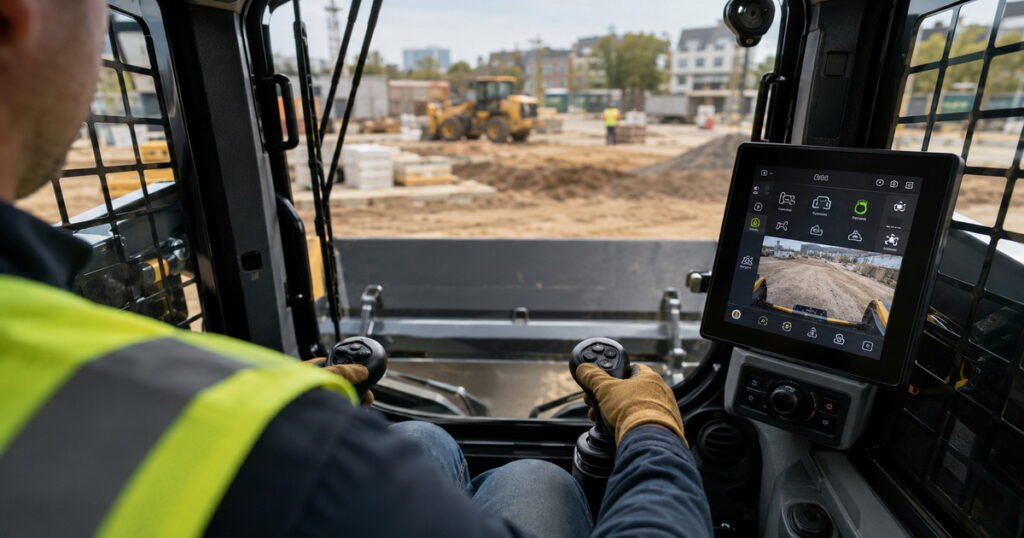
For many buyers, cab comfort and visibility now rank almost as high as rated operating capacity, especially in rental fleets and multi‑shift operations. Bobcat has leaned into this trend with an upgraded, sealed and pressurized one‑piece cab on the R‑Series, designed to reduce dust and noise while improving HVAC performance. [scubemarketing]
In‑cab technology highlights [bobcat]
– Standard 5‑inch display: Shows machine status, attachment settings and basic diagnostics.
– Optional 7‑inch touchscreen: Work‑glove‑friendly interface with advanced machine data, rear camera integration and Bluetooth connectivity.
– Selectable joystick controls (SJC): Fine‑tuned, low‑effort joystick response that helps operators maintain precision with less fatigue.
Real‑World Use Cases: Where Bobcat Skid Steers Shine
In my work with contractors and plant managers, Bobcat skid steers most often surface in three types of applications: urban construction, landscaping and grounds maintenance, and rental fleets. These are environments where agility, attachment versatility and uptime are more important than raw horsepower alone. [5k]
Typical high‑value scenarios [raddinteractive]
– Tight downtown jobsites where compact turning radius and visibility reduce collision risk.
– Landscaping and hardscape work that relies heavily on quick‑change attachments (augers, trenchers, landscape rakes, breakers).
– Snow removal and municipal maintenance, where operators swap between buckets, snow blowers and brooms across long winter shifts.
– Rental yards that need recognizable, “easy to rent” brands with intuitive controls and strong dealer backup.
In these situations, Bobcat’s heritage, ergonomics and attachment ecosystem are genuine differentiators. However, for heavy earthmoving on soft or muddy ground, many contractors now also consider high‑flow compact track loaders and competitive brands that offer more aggressive undercarriage and track options.
How to Choose the Right Skid Steer for Your Job
Even the best loader will disappoint if it’s mismatched to your workload, attachment demands or ground conditions. Before you default to a famous nameplate, step back and map your actual use cases. [bobcat]
Step‑by‑step selection framework
1. Define your core applications
– List your top 3–5 jobs (e.g., pallet handling, trenching, grading, demolition).
– Estimate the percentage of time the machine will spend on each.
2. Match lift capacity and reach
– Calculate the heaviest loads you’ll regularly handle at full lift height.
– Check rated operating capacity (ROC) and hinge‑pin height for each candidate model.
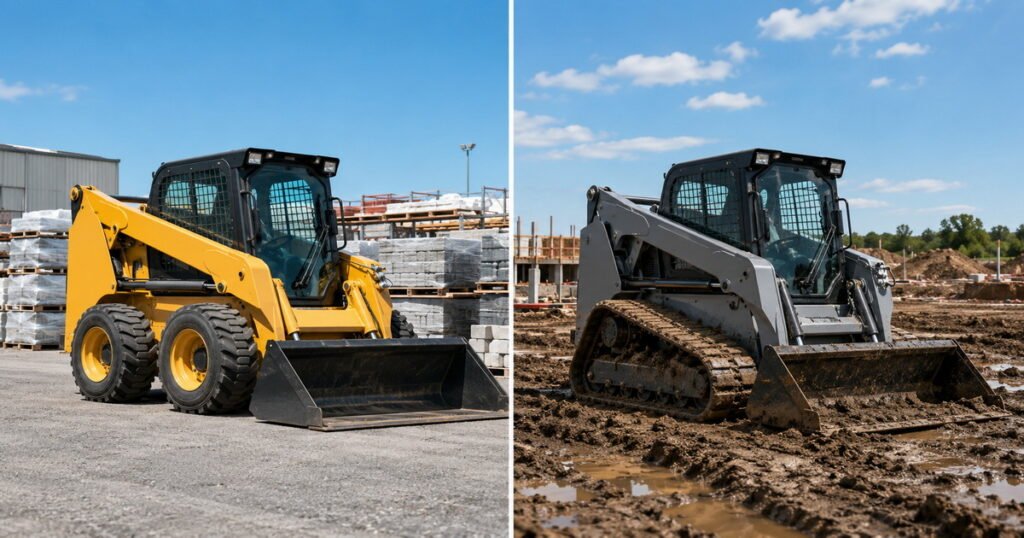
3. Choose between wheels and tracks
– Wheeled skid steers: Best on firm ground, concrete, paved yards and indoor work.
– Compact track loaders (CTLs): Better traction and flotation on mud, sand and unfinished sites.
4. Check hydraulic requirements
– Identify attachments that need standard‑flow, high‑flow or super‑flow hydraulics.
– Ensure your loader spec meets or exceeds those flow and pressure requirements.
5. Evaluate cab and controls
– Test visibility to the cutting edge and sides.
– Check noise levels, HVAC performance and control layout with your actual operators.
6. Compare TCO, not just price
– Factor in fuel use, service intervals, parts availability and projected resale value.
Bobcat’s own buying guidance emphasizes starting with the job to be done, then sizing the machine, cab, and hydraulic package accordingly — a principle that applies equally to alternative brands like Certeg. [bobcat]
Bobcat vs New‑Generation Brands Like Certeg
As global demand for skid steers and compact track loaders grows, newer manufacturers are challenging legacy brands with competitive specs and pricing. Certeg, for example, focuses on both tracked and wheeled skid steer loaders, engineered for varied power demands and ground conditions in international markets. [scubemarketing]
Where Bobcat has an edge
– Brand recognition and dealer density in mature markets such as North America and Europe.
– Long track record in rental fleets, which often prefer standardized parts and controls.
– Deep attachment catalog and partner ecosystem optimized for its loader platforms.
Where manufacturers like Certeg compete strongly
– Flexible powertrain options tailored to different emissions standards and fuel quality in global regions.
– Aggressive value positioning that can reduce upfront capex for contractors scaling fleets.
– Customization around specific duty cycles, such as high‑hour construction, agriculture or industrial plant work.
Recommended Skid Steer Specs Table
The following table illustrates how you might evaluate Bobcat R‑Series loaders against a globally focused manufacturer such as Certeg for a mid‑size construction use case. Values are indicative ranges based on typical market offerings rather than model‑specific data; always confirm final specs from the manufacturer’s datasheets. [equipmentworld]
| Selection factor | Bobcat R‑Series mid‑size* | Certeg mid‑size skid steer* |
|---|---|---|
| Operating weight | Approx. 3,500–4,500 kg | Similar range, tuned per market scubemarketing |
| Rated operating capacity | Medium–high ROC for pallet and bucket work | Comparable ROC, may prioritize value scubemarketing |
| Engine power | High‑torque inline diesel, >60 kW class | Multiple power options by region scubemarketing |
| Drive system | Direct drive for efficient power transfer | Direct drive or hydrostatic, market‑dependent raddinteractive |
| Cab & display | Pressurized cab, 5–7 in display, SJC | Enclosed cab options, digital display on higher trims scubemarketing |
| Hydraulics | Standard, high‑flow options bobcat | Standard/high‑flow options based on application scubemarketing |
| Attachments ecosystem | Extensive Bobcat attachments and third‑party support bobcat | Compatible with mainstream universal couplers 5k |
Maintenance, Uptime and Total Cost of Ownership
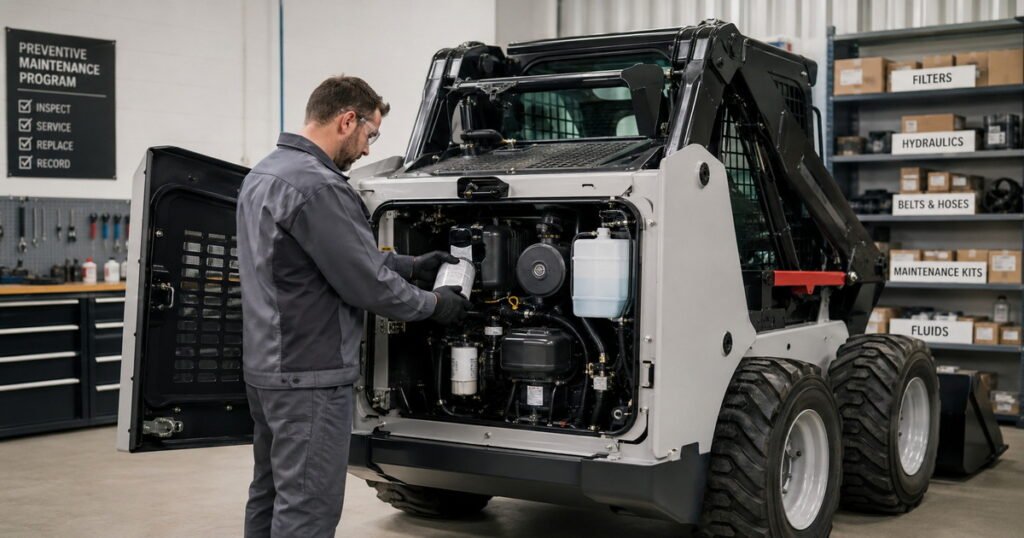
For fleet managers, uptime and serviceability often matter more than brochure specs. Bobcat’s R‑Series design incorporates features like a self‑priming fuel system and enhanced cooling to reduce common downtime triggers such as air in fuel lines or overheating under heavy load. [raddinteractive]
When comparing brands, prioritize:
– Service access: How quickly can technicians access filters, belts and key components?
– Diagnostic support: Availability of onboard diagnostics, telematics and dealer support tools.
– Parts logistics: Regional parts warehouses and shipping lead times for critical components.
– Warranty and extended coverage: Match coverage terms to your expected annual hours.
In my experience, contractors working in remote or export markets increasingly favor manufacturers that can integrate remote support, easy‑to‑ship parts kits and clear service documentation — areas where brands like Certeg can differentiate with export‑ready packaging and documentation. [scubemarketing]
Practical Buying Checklist for Skid Steer Loaders
To simplify your decision, use this concise checklist with your internal stakeholders and dealers. It works whether you’re buying Bobcat, Certeg or any other brand.
Before you request quotes [5k]
– Confirm primary applications and expected annual operating hours.
– Decide on wheeled vs tracked configuration based on your ground conditions.
– List all attachments you need in the next 24–36 months.
– Document the maximum load and lift height you require.
When comparing specific models
– Verify ROC, operating weight and engine power against your requirements.
– Confirm hydraulic flow and pressure for critical attachments.
– Test cab visibility, control feel and noise with actual operators.
– Ask for fuel consumption estimates at typical duty cycles.
Before you sign
– Review warranty, support and service interval details in writing.
– Clarify parts availability and response times from local or regional dealers.
– Check training support and documentation for your operators and technicians.
How Certeg Supports Global Buyers of Skid Steer Loaders
As a manufacturer focused on skid steer loaders — both tracked and wheeled — for global construction markets, Certeg designs its machines around diverse power, climate and regulatory environments. This is particularly important for buyers outside North America and Europe, where jobsite conditions, diesel quality and service infrastructure can vary widely. [scubemarketing]
From a procurement and UX standpoint, partnering with a manufacturer like Certeg can offer:
– Configurable power and hydraulic options to match local fuel and attachment standards.
– Application‑specific recommendations for construction, agriculture, municipal or industrial users.
– Support for export documentation (packing lists, manuals, regulatory certificates) to streamline cross‑border shipping.
If you’re already familiar with Bobcat’s benchmark performance, using Certeg as a comparison point can help you calibrate how much value you’re getting per dollar in your next skid steer purchase.
Call to Action: Turn Benchmark Insights into a Smarter Skid Steer Purchase
Bobcat’s skid steer loaders remain a powerful benchmark in compact equipment, especially with the R‑Series updates to power, visibility and operator comfort. But the smartest buyers now compare these machines side‑by‑side with newer, globally focused manufacturers like Certeg, using a structured framework that prioritizes uptime, application fit and total cost of ownership over brand familiarity alone. [semrush]
If you are planning your next skid steer loader purchase — whether for a single project or an entire fleet refresh — use this guide as your checklist, then speak with a specialist who can map Bobcat and Certeg options against your local ground conditions, attachment requirements and budget.
Frequently Asked Questions (FAQ)
1. Are Bobcat skid steers still worth the premium over newer brands?
Bobcat’s premium is often justified in markets where its dealer coverage, attachment ecosystem and resale values are strong, especially for rental and municipal fleets. In regions with less dealer presence, however, newer brands like Certeg can offer better lifecycle value when supported by strong export and service programs. [5k]
2. Should I choose a wheeled skid steer or a compact track loader?
Wheeled skid steers are ideal for firm ground, paved yards and indoor work where maneuverability and lower purchase cost are priorities. Compact track loaders deliver better traction and flotation on soft, muddy or uneven ground, which can significantly reduce rutting and rework on construction sites. [bobcat]
3. How important are high‑flow hydraulics for my skid steer?
High‑flow hydraulics are critical if you plan to use power‑hungry attachments such as cold planers, large mulchers or heavy‑duty snow blowers. For basic bucket work, pallet handling and light landscaping, standard‑flow systems are usually sufficient and more cost‑effective. [raddinteractive]
4. What should I prioritize: engine power or rated operating capacity?
Engine power influences how confidently the machine pushes, climbs and runs demanding attachments, but rated operating capacity determines how safely you can lift and transport loads at height. In practice, you should size ROC to your heaviest routine loads, then ensure engine power and hydraulics are sufficient to handle your most demanding attachment. [compactequip]
5. How can I improve uptime for my skid steer fleet?
Focus on disciplined preventive maintenance, operator training and clear service documentation, and choose brands that support easy service access, reliable parts logistics and strong diagnostic tools. Using telematics and standardized inspection checklists can further reduce unplanned downtime across mixed fleets that include Bobcat and other brands. [raddinteractive]
References
1. EquipmentWorld – coverage of new Bobcat loaders and R‑Series updates (context on power and performance trends). [equipmentworld]
2. Bobcat Company – “Loaders – Articles & Resources” (application guides, attachments, and hydraulics insights). [raddinteractive]
3. Semrush – “Google E‑E‑A‑T: What It Is & How It Affects SEO” (guidance on experience, expertise, authoritativeness and trustworthiness in content). [semrush]
4. Wildcat Digital – “How Do You Write E‑E‑A‑T Content?” (best practices for embedding first‑hand experience and expert insights in web content). [wildcatdigital.co]
5. Radd Interactive – “Construction Heavy Equipment Marketing & Advertising” (SEO and content strategy for construction and heavy equipment brands).[raddinteractive]
6. 5K – “How to Market Construction Equipment” (audience‑focused content and keyword strategy for machinery buyers). [5k]
7. Scube Marketing – “Heavy Equipment Marketing: Proven Digital Strategies for Dealers & Manufacturers” (strategic insights on content, SEO and lifecycle marketing). [scubemarketing]
Hot Tags: Skid Steer Loader, Manufacturers, Customized, Custom, Suppliers, Buy, Cheap, Quality, Advanced, Durable, in Stock, Made in China, Price, Quotation