
Stay Safe on the Jobsite: How Free Heavy Equipment Safety Training Protects Your Crew and Maximizes Uptime
Content Menu
● Why Jobsite Safety Training Videos Matter
● Toolcat Utility Work Machine Safety Essentials
● DT18 Dethatcher Safety and Multilingual Training
● Telehandler Safety Training and Certification
● Compact Wheel Loader and Articulated Loader Safety
● Compact Tractor Safety Basics
● Why Continuous Safety Training Is Critical
● Building a Simple Jobsite Safety Training Program
>> Step 1: Map Your Critical Machines
>> Step 2: Assign Official Training Resources
>> Step 3: Integrate Toolbox Talks and Micro-Learning
>> Step 4: Document Competency Checks
● How Certeg Equipment Supports Safer Operations
● Practical Safety Checklists for Common Machines
● Combine Safer Training with Smarter Equipment Choices
● FAQ
>> 1. Are free safety training videos enough to qualify an operator?
>> 2. How often should operators rewatch safety videos?
>> 3. What languages should safety resources cover?
>> 4. How do safety programs impact project profitability?
>> 5. Why pair safety training with a single multi-equipment supplier?
Working around excavators, skid steer loaders, rollers, forklifts, tractors and crawler carriers is inherently risky, but structured, video-based safety training can dramatically reduce accidents and costly downtime on modern jobsites. This guide explains how free OEM-style training videos work, what topics they cover, and how equipment owners and rental fleets can build a simple, repeatable safety program around them while leveraging versatile multi-equipment manufacturers like Certeg for real-world operations.
Why Jobsite Safety Training Videos Matter
Free online safety videos give operators and supervisors consistent instructions that align with manufacturer manuals, official warning labels and industry best practices. They are available on demand, which means crews can replay critical topics before using unfamiliar machines or attachments.
Key benefits include:
– Lower risk of jobsite accidents and near-misses.
– Reduced equipment damage and unplanned downtime.
– Higher operator confidence and productivity.
– Easier onboarding for new hires and temporary workers.
For many compact machines that do not require formal certification, high-quality video training fills a regulatory gap, providing a basic but essential level of competence.
Toolcat Utility Work Machine Safety Essentials
Toolcat utility work machine safety training typically walks through the fundamentals of operating a multi-function carrier safely, from pre-start checks to road travel.
Key safety practices highlighted include:
– PPE and safe entry: use appropriate protective equipment, maintain three points of contact and never enter or exit with the machine in motion.
– Daily inspections: check tires, hydraulic hoses, fluids, lights, safety devices and attachment connections before each shift.
– Attachment safety: verify compatibility, locking pins and hydraulic couplers, then understand specific hazards of each attachment.
– Operating on varied terrain: adjust speed, steering and load handling to ground conditions, slopes and obstacles.
For fleet managers using Toolcat-style carriers or similar multi-function machines, incorporating this type of video into a daily toolbox talk gives operators a clear checklist to follow before starting work.
DT18 Dethatcher Safety and Multilingual Training
Walk-behind dethatcher safety videos provide operators with clear guidance on how to inspect, operate and maintain turf equipment safely. Some of these resources are available in Spanish, which helps multilingual crews understand crucial instructions.
The video content typically focuses on:
– Pre-use inspection and control identification.
– Jobsite preparation and safe loading or unloading.
– Correct dethatching technique to avoid kickback or loss of control.
– Maintenance steps that prevent failure during operation.
Using native-language videos significantly improves comprehension, reduces miscommunication and reinforces a safety-first culture on diverse crews.
Telehandler Safety Training and Certification
Unlike many compact machines, telehandlers typically require formal operator certification due to their lifting capacity, height and stability risks. OEM safety videos reinforce this requirement and help certified operators maintain best practices between in-person courses.
Core telehandler safety topics include:
– Recognizing the need for certified training and refresher sessions.
– Understanding load charts, boom extension limits and stability zones.
– Checking protection structures, backup alarms, mirrors and optional cameras.
– Navigating slopes, drop-offs and soft ground safely.
– Correct boom storage and parking during breaks or maintenance.
For example, before a new project, supervisors can require telehandler operators to complete a short online refresher plus a field skills check, ensuring that paper certification is backed by up-to-date practical knowledge.
Compact Wheel Loader and Articulated Loader Safety
OEM videos that combine compact wheel loaders and small articulated loaders help operators understand both shared and machine-specific safety issues.
These videos typically emphasize:
– Pre-start walkarounds and leak checks.
– Rated load capacities and tipping risks.
– Use of protection structures and seatbelts.
– Visibility limitations and communication with spotters.
– Loading, transport and tie-down best practices.
Because wheel loaders often operate in tight material yards, clear visibility, horn use and pedestrian management are critical themes in these trainings.
Insert an action photo of a compact loader operating with visible protection structures and seatbelt use in this section to highlight correct operator posture and cab protection.
Compact Tractor Safety Basics
Compact tractor safety videos guide operators through farm, landscaping and light construction scenarios where tractors are used for mowing, grading, hauling and power take-off work.
Core topics covered include:
– Walkaround inspections for tires, fluids, guards and power take-off shields.
– Correct operator positioning, seatbelt use and rollover protection deployment.
– Safe use of three-point hitch implements and rotating shafts.
– Road transport rules, lighting and slow-moving vehicle markings.
– Scheduled maintenance to avoid in-field breakdowns.
These videos usually close by urging operators to review manuals frequently and seek additional training when using new implements or working on unfamiliar ground conditions.
Why Continuous Safety Training Is Critical
Construction and plant machinery safety training is not a one-time exercise; regulations, equipment technology and jobsite conditions evolve constantly.
Ongoing training delivers several long-term benefits:
– Fewer injuries and lost-time incidents.
– Stronger safety culture and shared responsibility.
– Better equipment care and longer machine life.
– Higher productivity and fewer schedule delays.
Even for machines that legally require no license, giving operators structured training demonstrates due diligence and can reduce liability in the event of an incident.
Building a Simple Jobsite Safety Training Program
To transform isolated videos into a consistent program, contractors can follow a straightforward framework grounded in best practices for machinery safety training.
Step 1: Map Your Critical Machines
List all machines and attachments operating on your sites, including excavators, skid steer loaders, rollers, forklifts, tractors and crawler carriers. For each category, note the manufacturer, model, and whether formal certification is required, such as for telehandlers and many forklifts.
Step 2: Assign Official Training Resources
For each machine type, assign at least three mandatory resources:
– Manufacturer operator’s manual.
– Relevant OEM safety training video or playlist.
– Any required classroom or third-party certification course.
Keep links and documents in a central digital folder or learning management system that supervisors and operators can access on their phones or tablets.
Step 3: Integrate Toolbox Talks and Micro-Learning
Short, focused sessions have strong impact when repeated regularly.
– Start each week with a 10–15 minute safety talk using a specific video chapter, such as pre-start inspection for loaders.
– Ask operators to identify two hazards they see on their current jobsite related to that topic.
– Record attendance and topics to demonstrate consistent training.
Step 4: Document Competency Checks
Have supervisors observe operators performing key tasks, such as mounting, traveling with loads, parking and securing for transport, and sign off on their competency. Combine this evidence with video completion records to build a defensible training history.
How Certeg Equipment Supports Safer Operations
While OEM videos focus on brand-specific procedures, choosing the right equipment platform also influences jobsite safety and productivity. Certeg operates as a manufacturing and trading enterprise with multiple production lines and quality systems in steel and machinery-related products.
For global customers needing diversified construction machinery power solutions, Certeg can supply:
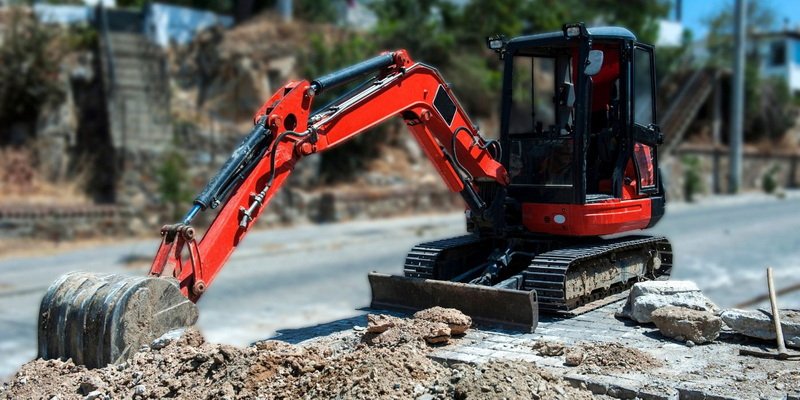
– Excavators for trenching, foundations and utility work.
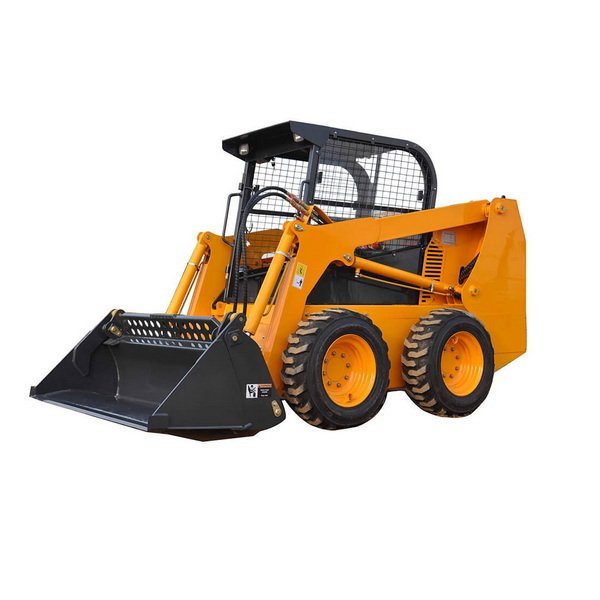
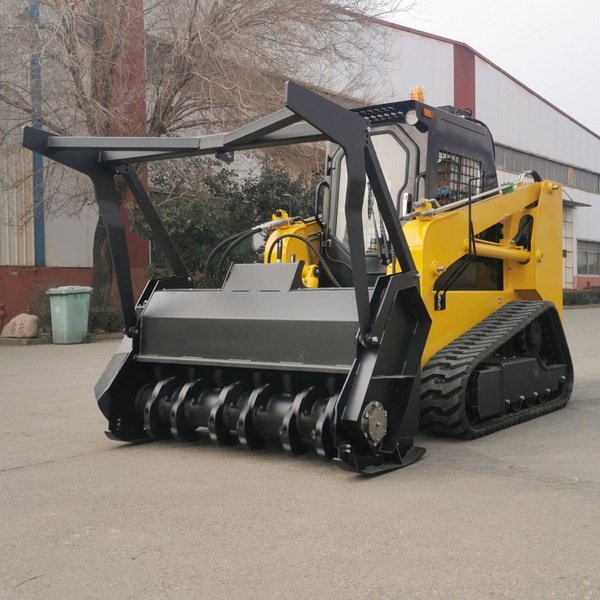
– Skid steer loaders for material handling in tight spaces.
– Road rollers for soil and asphalt compaction.
– Forklifts for warehouse and loading operations.
– Tractors and crawler carriers for off-road material transport.
By pairing reliable, well-configured equipment with structured safety training, contractors can standardize controls, maintenance routines and operator expectations across multiple jobsites.
Practical Safety Checklists for Common Machines
The table below illustrates typical pre-start and operating checks that can be reinforced with safety videos and on-site supervision.
| Machine type | Pre-start checks (examples) | Operating best practices |
|---|---|---|
| Excavator | Walkaround, tracks or tires, boom and bucket pins, fluid leaks, warning decals visible. | Maintain safe swing radius, avoid working under suspended loads, use a spotter near trenches and utilities. |
| Skid steer loader | Tires or tracks, safety bar, seatbelt, backup alarm, attachment lock pins. | Travel with low bucket, avoid side slopes, keep bystanders clear from work area. |
| Road roller | Drum surface condition, scraper bars, protection structure, lights and horn, parking brake. | Avoid sudden direction changes on slopes, maintain distance from trench edges and soft shoulders. |
| Forklift | Forks, mast chains, hydraulics, tires, rated capacity plate, lights and alarms. | Do not exceed rated load, keep load low while traveling, avoid unsecured elevated personnel. |
| Tractor | Tires, power take-off shields, three-point hitch pins, protection structure, seatbelt, fluids. | Engage power take-off at low engine speed, avoid turning sharply on slopes, secure implements before road travel. |
| Crawler carrier | Tracks, undercarriage, cargo bed locks, seatbelt, emergency stop. | Maintain low center of gravity, avoid steep cross-slopes, secure loads to prevent shifting. |
Combine Safer Training with Smarter Equipment Choices
Safety training is most effective when matched with robust, fit-for-purpose machines and reliable support. Contractors and rental fleets can:
1. Standardize on versatile equipment platforms such as those provided by Certeg for excavators, skid steers, rollers, forklifts, tractors and crawler carriers.
2. Build a digital training library using OEM safety videos, operator manuals and internal safety policies.
3. Schedule regular refresher sessions and competency checks to keep skills current and incidents low.
If you manage mixed fleets or are expanding into new project types, now is the time to connect with Certeg, review your current machinery lineup and design an integrated plan that combines the right equipment, structured jobsite safety training and ongoing technical support to keep your people safer and your projects more profitable.
Contact us to get more information!
FAQ
1. Are free safety training videos enough to qualify an operator?
No. Videos are excellent for awareness and refreshers, but they do not replace official certification where required, such as for telehandlers and many forklifts, or hands-on site-specific training. Operators should always follow local regulations and company policies.
2. How often should operators rewatch safety videos?
Best practice is to rewatch key modules whenever operators switch to a new machine type, change job roles, or after any incident or near-miss involving that equipment. Many companies also schedule annual or project-based refreshers to reinforce critical behaviors.
3. What languages should safety resources cover?
At minimum, provide training in all primary languages used on your crews. Offering materials in languages such as English and Spanish significantly improves comprehension and helps reduce misunderstandings on diverse, fast-moving jobsites.
4. How do safety programs impact project profitability?
By reducing accidents, equipment damage and unscheduled downtime, comprehensive safety training directly supports higher productivity, better schedule adherence and lower claim or insurance-related costs. Fewer disruptions mean more predictable timelines and stronger client satisfaction.
5. Why pair safety training with a single multi-equipment supplier?
Working closely with a single supplier makes it easier to standardize controls, parts, service procedures and operating expectations across your fleet. When equipment configurations are consistent, training modules, checklists and refresher sessions become simpler to design, deliver and track.
References:
1. https://compactequip.com/business/stay-safe-on-the-jobsite-with-bobcats-free-safety-training-videos/
2. https://www.bobcat.com/na/en/parts-service/safety-training/videos
3. https://www.youtube.com/playlist?list=PLD26EEC73C0577516
4. https://www.youtube.com/watch?v=EVnV33gxewk
5. https://www.youtube.com/watch?v=fdyCQBc7bYg
6. https://www.youtube.com/watch?v=i73Zd9u6YqY
7. https://www.youtube.com/watch?v=P2-n2tjuH_s
8. https://crtraining.co.uk/importance-plant-machinery-safety-training/
9. https://inspect-america.com/2024/05/what-are-the-benefits-of-construction-safety-training/
10. https://www.gosselinconsulting.ca/post/the-importance-of-construction-safety-training-for-a-safer-work-environment
11. https://visionarylawgroup.com/importance-of-safety-training-benefits-for-machinery-operators/
12. https://certeg.en.made-in-china.com
13. https://hxsteel.goldsupplier.com/about.html
14. https://www.facebook.com/Certeg.Kevin.official/
Hot Tags: How To Operate A Skid Steer, Skid Steer Training Video, Bobcat Safety Training, Skid Steer Safety Training, Construction Equipment Safety, Jobsite Safety Videos, Operator Safety Training, Heavy Equipment Safety, Skid Steer Operator Training, Construction Safety Education