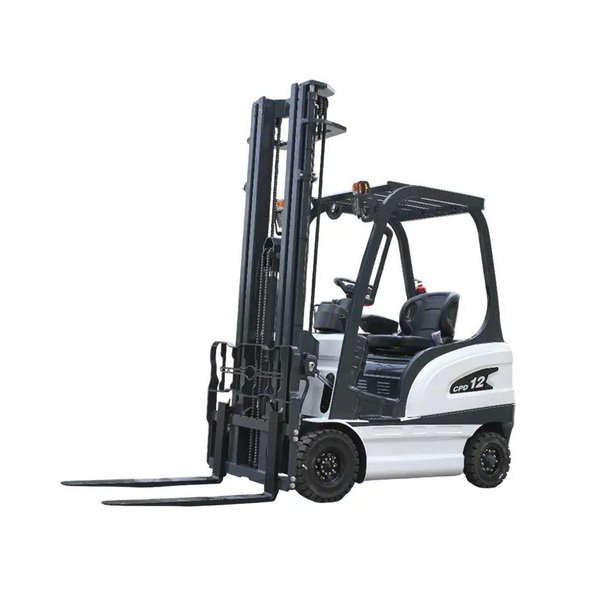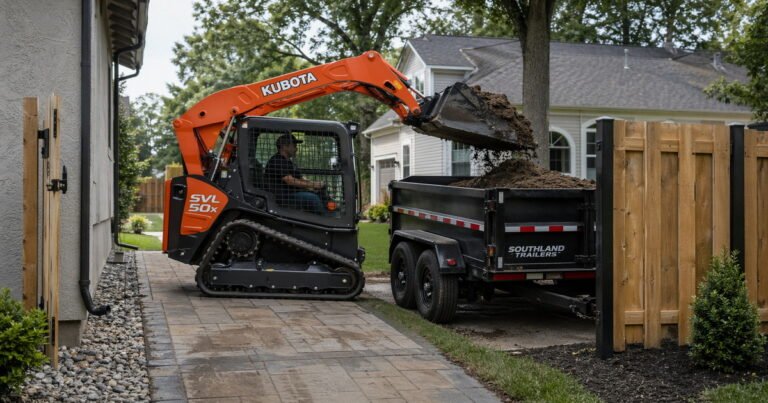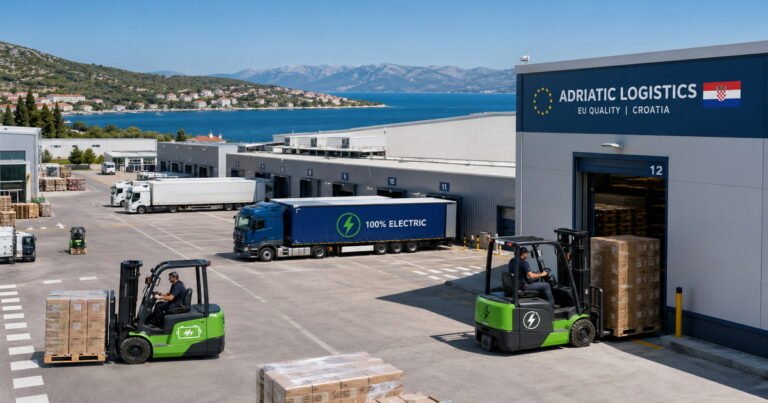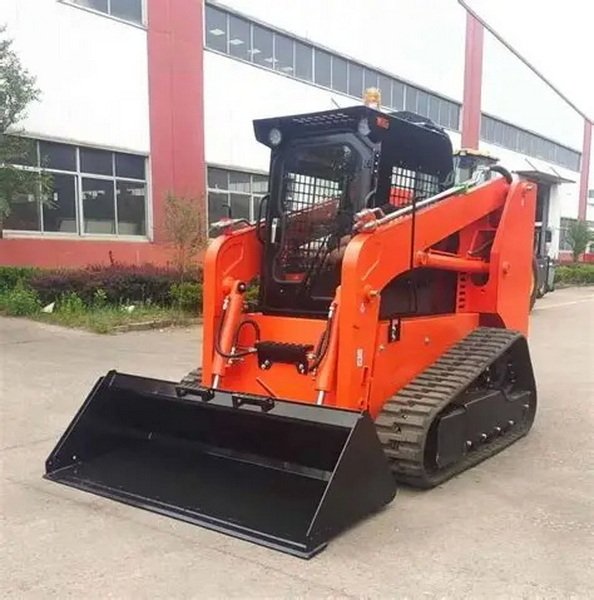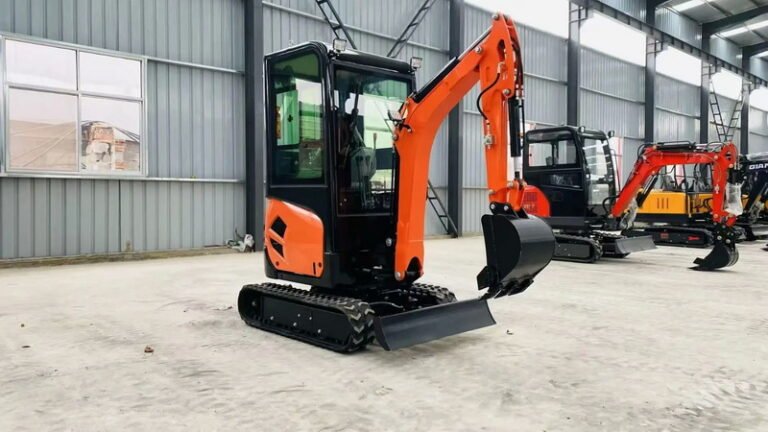

Top Electric Forklift Manufacturers and Suppliers in Poland
Content Menu
● Why Customer Experience Matters in Poland’s Electric Forklift Market
● How This Ranking Was Developed
● Key Evaluation Dimensions Grounded in Real Operations
>> Reliability and Uptime in Polish Conditions
>> After‑Sales Service and Parts Availability
>> Total Cost of Ownership (TCO)
>> Operator Comfort, Safety, and Ease of Use
>> Energy Efficiency and Battery Performance
● Top Electric Forklift Brands Active in Poland
>> Top 5 Electric Forklift Brands in Poland (Overview)
● Brand Insight Summaries for Professional Buyers
>> Toyota Material Handling – Strong Uptime and Broad Support
>> Linde – Comfort and Performance in Heavy‑Duty Cycles
>> Jungheinrich – Specialist in Warehouse and Energy Solutions
>> Hyster–Yale Group – Robust Solutions for Tough Environments
>> Certeg – Supporting Integrated Construction and Material‑Handling Needs
● Matching Your Operation to the Right Brand
>> Step 1: Clarify Your Operating Environment
>> Step 2: Choose One Primary Priority
>> Step 3: Align Brands with Your Profile
● Case Snapshots from Polish and Regional Operations
>> Case 1: E‑Commerce Fulfillment Center Reduces Unplanned Downtime
>> Case 2: Building Materials Supplier Optimizes Fleet Costs
● How to Use This Ranking in Your Purchasing Process
● FAQs
>> FAQ 1 – Which electric forklift brand works best for a high‑throughput Polish warehouse?
>> FAQ 2 – How relevant is lithium‑ion technology for warehouses and factories in Poland?
>> FAQ 3 – Should purchasing decisions be driven primarily by price or by lifecycle cost?
>> FAQ 4 – How does Certeg fit into a broader equipment and fleet strategy?
>> FAQ 5 – What is the best way to test whether a brand and dealer are suitable for my Polish site?
Choosing the right electric forklift manufacturer in Poland is no longer a matter of reading spec sheets and comparing price lists. For warehouses, factories, and construction suppliers, the real test is how these machines perform in daily operations, how quickly service teams respond when something fails, and how the total cost adds up over several years in demanding Polish conditions. From working closely with warehouse managers, fleet owners, and OEMs such as Certeg in the construction and material handling segment, it is clear that the difference between an average brand and a truly reliable one shows up in uptime, safety, and long‑term profitability.
This guide brings together real customer feedback, expert assessments, and market information to rank leading electric forklift brands active in Poland and to show you how to use this ranking in your next purchasing or fleet‑renewal decision.
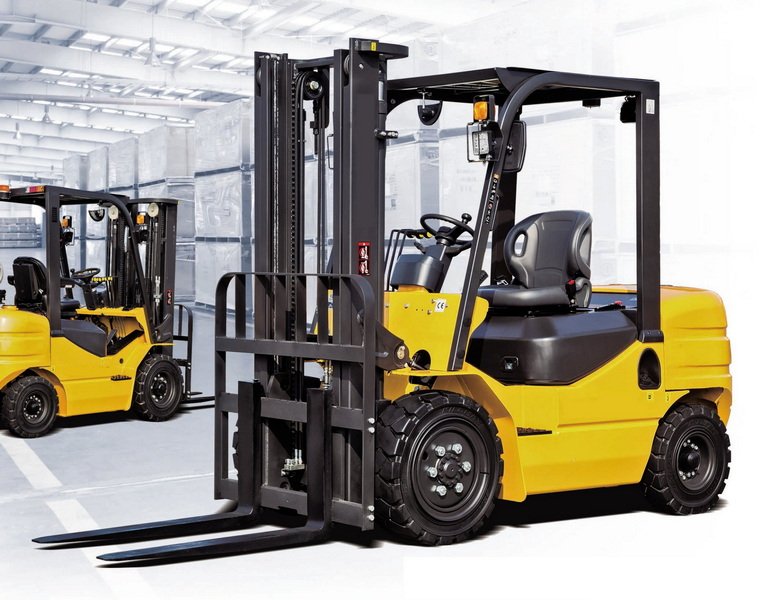
Why Customer Experience Matters in Poland’s Electric Forklift Market
Technical specifications are easy to print in a brochure; what matters to professional buyers is how a forklift behaves in real operations.
In discussions with Polish and Central European operators, several recurring themes appear:
– Uptime is more important than small efficiency gains: A slightly more efficient truck is of little value if it fails during peak periods.
– Service quality is remembered long after the sale: Buyers pay close attention to how fast technicians arrive during critical breakdowns and whether repairs are done right the first time.
– Operator comfort and usability drive productivity: Comfortable cabins, intuitive controls, and good visibility reduce fatigue, errors, and incidents, especially in multi‑shift operations.
For e‑commerce centers, FMCG warehouses, manufacturing plants, and building materials depots, forklifts form a core part of the logistics system. A poor choice of brand or dealer can quickly translate into missed deliveries, overtime costs, and safety incidents.
How This Ranking Was Developed
This ranking is based on a combination of market information, customer experiences, and professional judgment. The goal is to reflect how brands perform in practice, not just on paper.
Key inputs include:
– Public data: product portfolios, safety and energy‑efficiency claims, and technical documentation from official brand materials and independent market reports.
– Customer experiences: user testimonials, case descriptions, and reviews from Polish and regional European users in warehousing, logistics, and construction‑related operations.
– Professional insight: feedback from logistics consultants, fleet managers, and technical engineers familiar with the Polish market and with European forklift fleets.
– Dealer and service presence: the density and capability of service and dealer networks across major Polish industrial regions.
Each manufacturer was assessed using the following weighted criteria:
1. Reliability and uptime (30%)
2. After‑sales service and spare parts availability (25%)
3. Total cost of ownership – TCO (20%)
4. Operator comfort and safety (15%)
5. Energy efficiency and battery technology (10%)
These criteria strike a balance between measurable factors and user sentiment, giving B2B buyers a more realistic view of how a brand behaves over the full lifecycle of a truck.
Key Evaluation Dimensions Grounded in Real Operations
To make this article useful for decision‑makers, the evaluation focuses on the dimensions that have the greatest impact on daily operations and financial performance.
Reliability and Uptime in Polish Conditions
Poland’s climate and typical operating environments require forklifts that can cope with:
– Cold winters and frequent temperature changes between indoor and outdoor areas.
– Rough yards, loading zones, and mixed warehouse–yard traffic.
– Heavy‑duty cycles in building materials, steel, automotive, and industrial sectors.
Important questions include:
– How often do operators report unexpected breakdowns?
– Do trucks start reliably and maintain performance in low temperatures?
– Are there known weak points or chronic issues in certain models or series?
After‑Sales Service and Parts Availability
Reliable machinery is only part of the story. For many Polish buyers, service quality and parts availability decide whether a brand can be trusted for large fleets.
Key factors:
– Response times of authorized service partners in major regions.
– Local availability of critical spare parts and wear components.
– Technical expertise, including the ability to diagnose issues remotely and provide clear maintenance recommendations.
Total Cost of Ownership (TCO)
An attractive purchase price can be misleading if operating and maintenance costs are high. More Polish companies are shifting from a focus on the invoice price to a broader TCO view that includes:
– Purchase price and available financing or leasing options.
– Energy consumption per shift and the resulting electricity cost.
– Preventive maintenance and repair costs, including labor and parts.
– Residual value and demand for used units in the local market.
Operator Comfort, Safety, and Ease of Use
Well‑designed forklifts reduce fatigue, support safe driving, and make it easier to retain skilled operators. In multi‑shift operations, comfort and safety features have measurable effects on productivity.
Relevant aspects include:
– Cab ergonomics, seat quality, vibration levels, and noise levels.
– Visibility through the mast and overhead guard, especially when handling loads at height.
– Integrated safety systems, such as speed limitation, stability control, and anti‑rollback.
Energy Efficiency and Battery Performance
Electric forklifts are increasingly used in Poland for their lower emissions, reduced noise, and lower operating costs compared with internal‑combustion models.
Important points to assess:
– Availability and maturity of lithium‑ion options compared with conventional lead‑acid batteries.
– Flexibility of charging, including opportunity and fast charging.
– Runtime per charge under realistic operating conditions and the impact of cold temperatures on battery performance.
Top Electric Forklift Brands Active in Poland
The following overview highlights several major international brands active in Poland and one specialized manufacturer relevant for integrated machinery strategies. Exact availability and dealer strength can vary by region, so local verification is recommended before making final decisions.
Top 5 Electric Forklift Brands in Poland (Overview)
| Rank | Brand | Best Suited For |
|---|---|---|
| 1 | Toyota Material Handling | Large logistics centers focused on high uptime |
| 2 | Linde (KION Group) | Heavy‑duty, intensive multi‑shift industrial operations |
| 3 | Jungheinrich | Warehouse‑centric operations and advanced electric fleets |
| 4 | Hyster–Yale Group | Mixed fleets and demanding outdoor/industrial sites |
| 5 | Certeg (for integrated construction and material‑handling solutions) | Buyers needing tailored machinery and multi‑region support |
Brand Insight Summaries for Professional Buyers
Toyota Material Handling – Strong Uptime and Broad Support
Toyota’s electric forklifts are frequently associated with consistent reliability and a well‑structured support network across Europe. For Polish and regional logistics centers operating large fleets, commonly noted strengths include:
– Low unplanned downtime during intensive use.
– Mature safety and stability systems appreciated by health and safety managers.
– The ability to support national or multi‑site operations through an organized dealer and service structure.
At the same time, some smaller buyers report that list prices for high‑end and lithium‑ion models can be noticeably higher than budget alternatives, underlining the need to evaluate the complete lifecycle cost, not just the purchase quote.
Linde – Comfort and Performance in Heavy‑Duty Cycles
Linde is often selected for heavy‑duty industrial operations and sites where operator comfort is a key priority. Users in metalworking, manufacturing, and automotive supply chains often point to:
– Comfortable, well‑designed cabins that support long shifts.
– Strong performance in demanding, continuous duty cycles and challenging ground conditions.
– European‑wide support and a long track record in industrial trucks.
However, parts and service are sometimes perceived as premium priced, making budgeting and maintenance planning especially important for cost‑sensitive operations.
Jungheinrich – Specialist in Warehouse and Energy Solutions
Jungheinrich is widely recognized for its focus on warehouse trucks and advanced electric solutions. For Polish warehouses seeking high efficiency in racking and indoor flows, the brand is frequently associated with:
– Deep experience in warehouse layout optimization and intralogistics.
– Advanced lithium‑ion and energy management systems.
– Strong offerings in reach trucks, narrow‑aisle trucks, and warehouse‑specific models.
For operations that are dominated by outdoor work, rough yards, or very heavy loads, other brands may be more present, but for indoor logistics Jungheinrich is a serious contender.
Hyster–Yale Group – Robust Solutions for Tough Environments
Hyster and Yale are often chosen for mixed fleets and demanding outdoor environments, such as ports, timber yards, and construction‑related sites. Operators in these sectors typically value:
– Robust designs suited to uneven ground, heavy pallets, and long load‑carrying distances.
– A broad portfolio covering both internal‑combustion and electric trucks.
– International parts availability, useful for companies with cross‑border operations.
Depending on the Polish region, one of the two brands may have stronger representation, so buyers should evaluate the specific dealers and their track records.
Certeg – Supporting Integrated Construction and Material‑Handling Needs
While global forklift brands dominate the core electric forklift market, specialized manufacturers such as Certeg support customers who need construction machinery and related equipment aligned with their material‑handling and logistics strategies.
Working with a specialized supplier can deliver several advantages:
– Ability to match powertrains and configurations to specific working conditions, whether in construction, heavy industry, or specialized warehouse environments.
– Experience serving international clients with diverse climates and regulatory requirements, which can inform fleet design and equipment selection.
– Possibility to integrate forklifts with other machinery and equipment, creating a more coherent and efficient overall solution for multi‑site or multi‑country operations.
For international buyers operating in Poland and other regions, combining established local forklift brands with customized machinery from Certeg can result in a flexible and resilient equipment strategy.
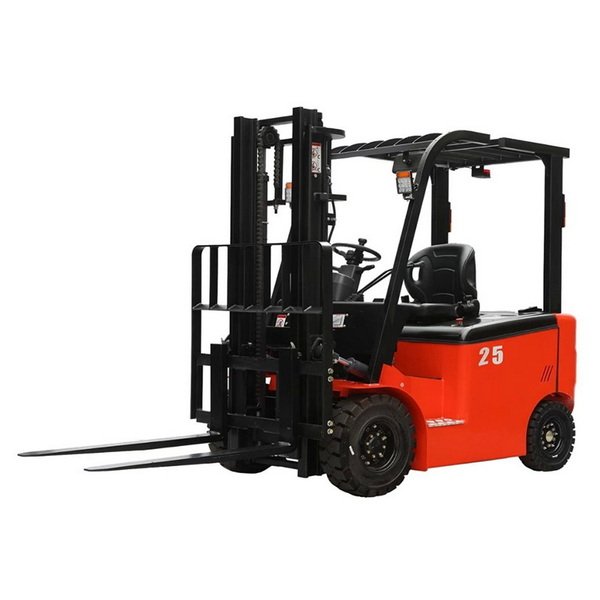
Matching Your Operation to the Right Brand
Many online discussions stop at listing popular brands. What buyers often need is a practical method to match specific operations to the right supplier mix. The following approach reflects common practice among experienced fleet managers and consultants.
Step 1: Clarify Your Operating Environment
Start with a clear picture of where and how your forklifts will work:
– Mostly indoor, mostly outdoor, or genuinely mixed?
– Single shift, two shifts, or near 24/7 operation?
– Exposure to low temperatures, cold storage, or harsh weather?
Step 2: Choose One Primary Priority
While multiple factors matter, selecting a primary focus helps narrow the field:
1. Maximum uptime and reliability.
2. Lowest total cost of ownership.
3. Highest operator comfort and safety.
4. Maximum flexibility and custom configuration.
Step 3: Align Brands with Your Profile
– For large indoor logistics centers with multi‑shift operations and strict uptime requirements, brands such as Toyota and Jungheinrich are often shortlisted.
– For heavy‑duty industrial or construction‑related applications with rough ground and heavy loads, Linde or Hyster are commonly considered.
– For operations that involve not only forklifts but also construction and specialized machinery, working with an OEM such as Certeg can help align forklift decisions with the broader equipment and infrastructure strategy.
This process moves the discussion away from generic brand claims and toward operation‑specific evidence.
Case Snapshots from Polish and Regional Operations
Case 1: E‑Commerce Fulfillment Center Reduces Unplanned Downtime
A regional e‑commerce warehouse serving Poland and neighboring markets operated a mixed fleet of older diesel and electric forklifts from various vendors. During peak seasons, breakdowns led to overtime costs and occasional shipping delays. The management team decided to:
– Standardize on a shortlist of electric forklift models from a single brand with strong regional service support.
– Introduce structured preventive maintenance based on operating hours and telematics data.
– Track battery use, charging patterns, and operator behavior.
Over time, the center saw a significant reduction in emergency breakdowns and improvements in pick rates and schedule stability.
Case 2: Building Materials Supplier Optimizes Fleet Costs
A construction materials supplier active in several European markets wanted to bring more structure to its equipment strategy. In cooperation with a machinery partner such as Certeg, the company:
– Analysed duty cycles and load profiles for each depot.
– Defined which sites needed electric indoor trucks, which needed robust outdoor units, and which required a combination.
– Negotiated multi‑year service and supply agreements with performance indicators.
This approach reduced over‑specification for light‑duty sites, improved uptime at heavy‑duty locations, and created greater transparency around fleet costs.
How to Use This Ranking in Your Purchasing Process
The ranking and brand insights are a starting point. To convert them into decisions that work for your business, consider the following steps:
1. Create a shortlist of two to three brands that align with your operating environment and primary priority.
2. Evaluate local dealers in your part of Poland: response times, technical competence, references, and the availability of demonstration units.
3. Request on‑site tests or short‑term rentals, and run the trucks with real loads, routes, and schedules.
4. Ask for references from similar customers – ideally in your sector (e‑commerce, manufacturing, construction materials, etc.) and region.
5. Compare complete lifecycle offers, including financing or leasing packages, energy consumption expectations, maintenance contracts, and estimated residual values.
By following this process, you build a decision on your own data and observations, supported by market knowledge rather than marketing claims alone.
Call to Action
If you are planning to extend or renew your forklift fleet in Poland or across multiple regions, this is an opportunity to align brand selection, service partners, and supporting machinery around your operational goals:
Get in touch with the Certeg team to discuss how a tailored combination of forklifts and construction machinery can support your specific loads, duty cycles, and site conditions. Share your current fleet profile, and we will help identify options that balance uptime, safety, and long‑term cost.
Contact us to get more information!
FAQs
FAQ 1 – Which electric forklift brand works best for a high‑throughput Polish warehouse?
For large indoor warehouses that operate multiple shifts and prioritize uptime, brands such as Toyota and Jungheinrich are frequently chosen due to their reliable electric portfolios and broad European support. The final decision, however, should still be based on site tests and dealer performance in your specific region.
FAQ 2 – How relevant is lithium‑ion technology for warehouses and factories in Poland?
Lithium‑ion technology is increasingly relevant for operations with intensive usage and limited charging windows. It supports opportunity charging, requires less maintenance than lead‑acid, and maintains performance more consistently over its life. For single‑shift, low‑intensity operations, classic lead‑acid batteries can still be a cost‑effective option.
FAQ 3 – Should purchasing decisions be driven primarily by price or by lifecycle cost?
For professional buyers, focusing primarily on purchase price carries significant risk. Evaluating total cost of ownership, including energy use, maintenance effort, downtime, and resale value, provides a more solid basis for decisions and often reveals that slightly higher initial prices can be offset by lower operating and maintenance costs over time.
FAQ 4 – How does Certeg fit into a broader equipment and fleet strategy?
Certeg supports companies that require construction and material‑handling machinery tailored to specific applications and conditions. By combining standard forklift products from leading brands with customized machinery from Certeg, companies can build a fleet that is better aligned with their operational profiles across multiple sites and regions.
FAQ 5 – What is the best way to test whether a brand and dealer are suitable for my Polish site?
Request trial units or short‑term rentals and run them in real conditions for several weeks. Track uptime, operator feedback, battery performance, and how quickly service teams respond to minor issues. Combining these observations with the brand insights in this article gives a strong, evidence‑based basis for final negotiations.
References
1. Toyota Material Handling Europe – Product and solutions overview.
2. Linde Material Handling – Electric forklift trucks and technology.
3. Jungheinrich – Electric trucks and energy systems.
4. Hyster–Yale Group – Materials handling solutions.
5. Certeg – Construction and machinery solutions (company and product overview).
Hot Tags: Electric Forklift, Manufacturers, Customized, Custom, Suppliers, Buy, Cheap, Quality, Advanced, Durable, in Stock, Made in China, Price, Quotation