
Pneumatic vs Solid Skid Steer Tires: How to Choose the Best Tire for Your Loader and Jobsite
Content Menu
● What Are Pneumatic Skid Steer Tires?
● Types of Pneumatic Skid Steer Tires
>> Standard‑Duty Pneumatic Tires
>> Severe‑Duty Pneumatic Tires
>> Super‑Float Pneumatic Tires
● What Are Solid Skid Steer Tires?
>> Solid Flex Severe‑Duty Tires
● Pneumatic vs Solid Skid Steer Tires: Key Differences
● How to Choose Between Pneumatic and Solid Tires for Your Skid Steer
● Common Jobsite Scenarios and Tire Recommendations
● Maintenance Tips for Longer Tire Life
● Enhancing Performance: Matching Tires to Attachments
● Configure the Ideal Tire Setup for Your Loader Fleet
● FAQs About Pneumatic vs Solid Skid Steer Tires
>> 1. Are pneumatic skid steer tires better than solid tires?
>> 2. How much longer do solid skid steer tires last?
>> 3. When should I choose turf or super‑float tires?
>> 4. Can I mix pneumatic and solid tires on the same skid steer?
>> 5. How do tire choices affect operator fatigue?
Choosing between pneumatic vs solid skid steer tires directly affects your machine’s productivity, operator comfort, operating cost, and downtime risk on the jobsite. For contractors, farmers, rental fleets, demolition crews, and landscapers, the right tire choice can add thousands of profitable working hours to your loaders over their lifetime.
What Are Pneumatic Skid Steer Tires?
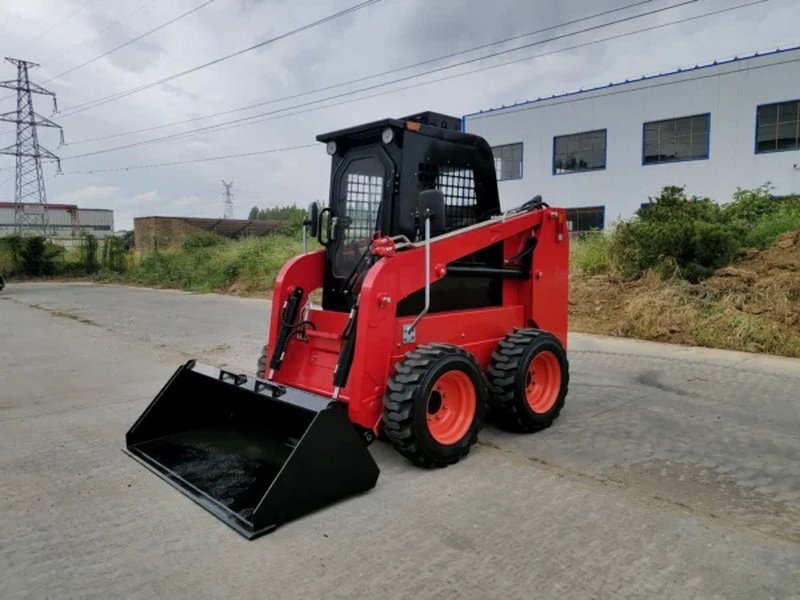
Pneumatic skid steer tires are air‑filled rubber tires similar to those on trucks and agricultural equipment. They are built with a carcass, sidewall, and tread made from natural and synthetic rubber compounds, engineered for traction, cushioning, and durability on rough terrain.
– Best suited for: Construction, agriculture, rental fleets, and landscaping work where mixed or uneven terrain is common.
– Key strengths: Superior ride comfort, shock absorption, traction, and versatility across many surfaces.
– Key drawback: Vulnerable to punctures and flats in harsh debris‑rich environments.
Types of Pneumatic Skid Steer Tires
Standard‑Duty Pneumatic Tires
Standard‑duty pneumatic tires are built from natural and synthetic rubber with thick sidewalls for traction and grip. They are engineered for long wear in normal machine‑hour applications on typical jobsites.
– Ideal for: General construction, light material handling, basic site cleanup.
– Benefits: Cost‑effective, predictable wear, good all‑round performance.
– Limitations: Less resistant to punctures and overloading than higher‑ply options.
Heavy‑Duty Pneumatic Tires
Heavy‑duty pneumatic skid steer tires use higher‑quality rubber compounds, self‑cleaning tread designs, and a higher ply rating so they can safely support heavier loads. Some models add extra bead guarding to protect the rims and reduce sidewall damage.
– Ideal for: Tough surface applications, high‑hour jobs, heavier attachments or loads.
– Benefits: Longer life than standard‑duty tires and lower flat‑tire risk.
– Limitations: Higher upfront cost, still susceptible to punctures in sharp rubble.
Severe‑Duty Pneumatic Tires
Severe‑duty tires are aggressive, long‑lasting, and built to withstand abuse on the harshest worksites. They feature strong sidewalls to defend against cuts and punctures, plus deep treads and a large contact area to extend tire life and maximize uptime.
– Ideal for: Demanding construction sites, rocky terrain, abrasive surfaces.
– Benefits: High resistance to damage, extended wear, strong traction.
– Extra feature: Self‑cleaning tread elements help shed mud and debris to maintain grip.
Turf Pneumatic Tires
Turf tires are designed to protect finished surfaces and established lawns by providing superior flotation and a wider footprint to spread machine weight. Their shallow treads remain ground‑conscious while still offering excellent traction.
– Ideal for: Grounds maintenance, sports fields, golf courses, residential landscaping.
– Benefits: Minimal turf damage, gentle turning, adequate grip in dry conditions.
– Limitations: Not suitable for sharp, rocky, or demolition environments.
Super‑Float Pneumatic Tires
Super‑float tires are engineered for soft or wet ground conditions, offering a footprint that is approximately 85% larger than conventional tires for extra flotation.
– Ideal for: Muddy sites, soft soils, low‑bearing‑capacity ground.
– Benefits: Reduced rutting, lower ground pressure, better mobility in soft terrain.
– Limitations: Less precise handling on firm, compacted surfaces.
What Are Solid Skid Steer Tires?
Solid skid steer tires are made entirely from extra‑tough solid rubber with no air chamber, so they never need inflation. They are purpose‑built for environments where downtime due to flats is unacceptable.
– Best suited for: Demolition, scrap yards, recycling plants, and severe industrial applications where sharp debris is common.
– Key strengths: No flats, extreme durability, and significantly longer life in harsh applications.
– Trade‑offs: Heavier than pneumatic tires and produce a bumpier ride for the operator.
Solid Flex Severe‑Duty Tires
Some solid skid steer tires use a solid flex design with aggressive off‑road tread patterns for traction and self‑cleaning action. Conical apertures in the rubber create a degree of flex that reduces vibration for better rider comfort.
– Benefits: Massive tread depth, outstanding performance in severe conditions, long wear life.
– Applications: Demolition, scrap handling, transfer stations, quarry and concrete rubble work.
Pneumatic vs Solid Skid Steer Tires: Key Differences
The table below summarizes the main differences between pneumatic vs solid skid steer tires to help you quickly narrow your choice.
| Factor | Pneumatic Skid Steer Tires | Solid Skid Steer Tires |
|---|---|---|
| Construction | Air‑filled rubber carcass with sidewalls and tread | Fully solid rubber with no inflation |
| Ride comfort | Softer, more comfortable, better shock absorption | Harsher, bumpier ride; improved somewhat by flex designs |
| Puncture risk | Vulnerable to cuts, punctures, and flats | Practically no flats; single incidents rarely ruin the tire |
| Service life in harsh work | Moderate to high depending on duty rating | Often up to several times longer than comparable pneumatic tires |
| Machine weight impact | Lighter overall | Heavier; increases machine weight and ground pressure |
| Ideal applications | Construction, agriculture, rental, landscaping, turf care | Demolition, scrap, recycling, severe industrial sites |
| Ground protection | Good with turf and super‑float designs | Lower; higher risk of surface damage on delicate ground |
| Upfront cost | Generally lower purchase price | Higher purchase price but longer life and fewer unexpected stoppages |
How to Choose Between Pneumatic and Solid Tires for Your Skid Steer
To choose the best skid steer tire for your job, focus on how and where the machine works most of the time rather than on occasional extreme scenarios.
1. Evaluate your typical surface
– Mostly turf, lawns, or soft ground: Choose turf or super‑float pneumatic tires for maximum flotation and minimal damage.
– Mostly concrete, rebar, scrap, or demolition debris: Choose solid severe‑duty tires to avoid flats and unplanned downtime.
2. Assess downtime tolerance
– If a flat tire would collapse your schedule or shut down a critical project, solid tires provide maximum uptime.
– If you can manage occasional tire repairs, pneumatic options may deliver better comfort and lower initial cost.
3. Consider operator comfort and speed
– For long shifts, frequent travel over uneven ground, and operators working multiple machines, pneumatic tires offer superior ride comfort.
– Solid flex designs improve comfort compared to standard solid tires, but they still cannot match air‑filled tires on very rough terrain.
4. Match tire to machine power and attachments
– High‑power loaders and demanding attachments benefit from heavy‑duty or severe‑duty pneumatic tires to handle load and torque.
– Extreme demolition attachments and high‑impact work pair well with solid tires for long‑term durability.
Common Jobsite Scenarios and Tire Recommendations
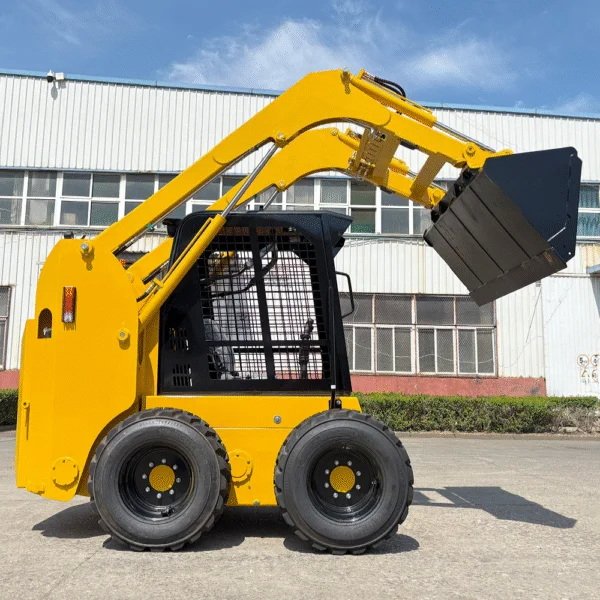
Adding practical use cases makes it easier to decide when pneumatic vs solid skid steer tires make sense.
– Residential landscaping contractor
– Primary work: Installing turf, planting, moving soil and mulch on finished lawns.
– Best choice: Turf or super‑float pneumatic tires to protect grass, reduce rutting, and maintain traction on soft ground.
– Demolition and concrete recycling company
– Primary work: Tearing out concrete, handling torn rebar, operating in rubble and sharp debris.
– Best choice: Solid severe‑duty tires to virtually eliminate flats and maximize uptime in extremely abrasive conditions.
– Agricultural operation
– Primary work: Feeding livestock, cleaning pens, light construction, and yard maintenance across dirt, gravel, and packed soil.
– Best choice: Standard‑ or heavy‑duty pneumatic tires, depending on load and hours, for balanced cost, comfort, and durability.
– Rental fleet provider
– Primary work: Mixed customers and jobs, from homeowners to contractors.
– Best choice: Heavy‑duty pneumatic tires as a strong all‑round option with reduced flat risk and broad versatility.
Maintenance Tips for Longer Tire Life
Good tire maintenance boosts safety, comfort, and overall skid steer performance.
– Inspect tires daily for cuts, embedded debris, and unusual wear patterns.
– Maintain proper inflation pressure for pneumatic tires to avoid sidewall damage and uneven wear.
– Rotate tires if your loader’s work pattern causes faster wear on specific positions.
– Avoid excessive spinning and aggressive turning on abrasive surfaces to reduce tread loss.
– For solid tires, periodically inspect for chunking or cracks and schedule replacement before performance drops significantly.
Enhancing Performance: Matching Tires to Attachments
Different attachments change how weight and forces are transferred through your skid steer tires, so tire selection should be considered alongside attachment planning.
– Buckets and material handling tools
– Heavy loads at full height benefit from heavy‑ or severe‑duty pneumatic tires or solid tires to support the weight and maintain stability.
– Landscape rakes, augers, and trenchers
– Operations on soil or turf are better served by turf or super‑float pneumatic tires to limit surface damage and maintain mobility in soft ground.
– Concrete and demolition attachments
– Planers, breakers, and saws exert high stress and often run on abrasive surfaces full of debris, where solid severe‑duty tires deliver maximum resistance to damage.
Configure the Ideal Tire Setup for Your Loader Fleet
Once you understand the strengths of pneumatic vs solid skid steer tires, the next step is to align your tire choice with your machines, attachments, and jobsite conditions. As a manufacturer of excavators, skid steer loaders, road rollers, forklifts, tractors, and crawler transporters, Certeg can help you configure complete equipment and tire solutions that match your power requirements, ground conditions, and uptime goals.
– Share your typical job scenarios, annual operating hours, and downtime costs with a Certeg specialist.
– Define a standard tire and attachment configuration for each machine type in your fleet to simplify maintenance and improve performance.
– Plan upgrades from basic pneumatic tires to heavy‑duty, severe‑duty, or solid options where your data shows frequent flats or high wear.
Take the next step now: contact Certeg to discuss your loader fleet, request a tailored tire‑and‑machine configuration plan, and start reducing downtime while getting more productive hours from every piece of equipment you operate.
Contact us to get more information!
FAQs About Pneumatic vs Solid Skid Steer Tires
1. Are pneumatic skid steer tires better than solid tires?
Neither option is universally better, because pneumatic and solid tires are optimized for different conditions. Pneumatic tires provide superior ride comfort, traction, and ground protection, while solid tires excel in demolition and debris‑heavy environments where flats cannot be tolerated.
2. How much longer do solid skid steer tires last?
In severe applications like demolition, solid skid steer tires typically deliver significantly longer life than comparable pneumatic tires. Their solid rubber construction resists punctures and damage that would quickly ruin an air‑filled tire.
3. When should I choose turf or super‑float tires?
Choose turf tires when you work mainly on finished lawns, sports fields, or other delicate surfaces where minimizing disturbance is critical. Choose super‑float tires when you routinely operate in wet or soft ground that demands extra flotation and reduced ground pressure.
4. Can I mix pneumatic and solid tires on the same skid steer?
Mixing pneumatic and solid tires on the same machine is not recommended. Differences in weight, flex, and rolling radius can affect stability, traction, and steering behavior, so it is safer and more predictable to use a matched set according to the manufacturer’s guidelines.
5. How do tire choices affect operator fatigue?
Tire choices strongly influence how much vibration and shock reach the operator over a full shift. Pneumatic tires absorb more impact, which reduces fatigue and helps operators maintain focus, while solid tires transmit more vibration even when they use flex or aperture designs.
References:
1. https://www.bobcat.com/na/en/buying-resources/loaders/skid-steer-pneumatic-vs-solid-tires
Hot Tags: Skid Steer Tires, Pneumatic Skid Steer Tires, Solid Skid Steer Tires, Skid Steer Tire Comparison, Best Skid Steer Tires, Skid Steer Tire Types, Skid Steer Tires For Construction, Skid Steer Tires For Landscaping, Skid Steer Tire Durability, Skid Steer Tire Selection