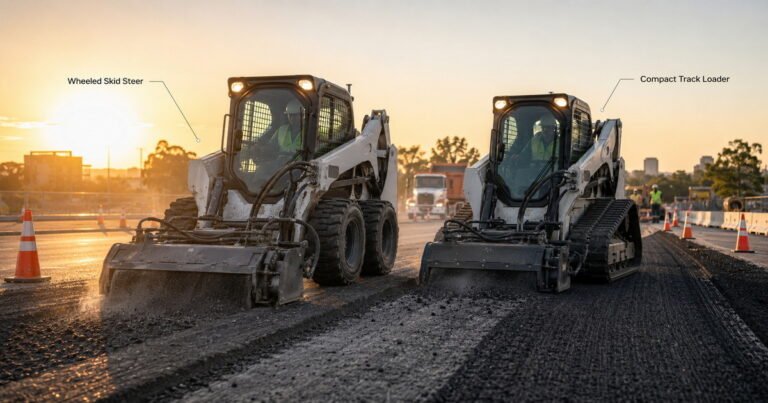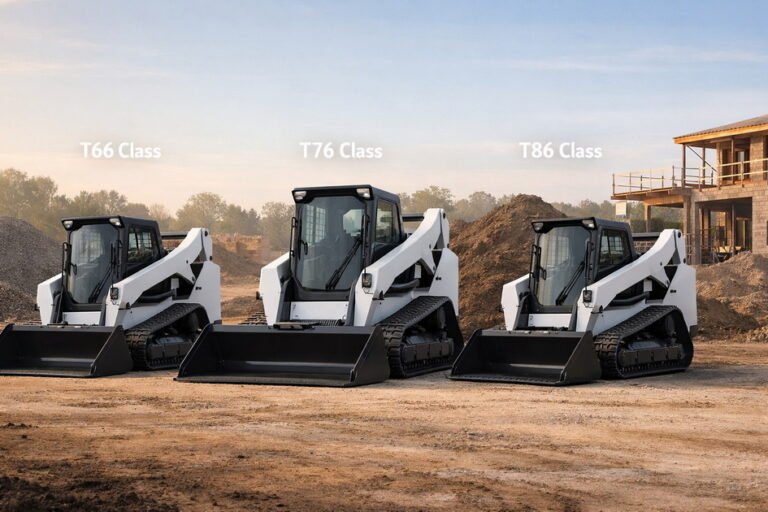

Unlocking the Full Potential of Compact Track Loaders with Advanced Grade Control Systems
Content Menu
● What Is Grade Control on Compact Track Loaders?
● Why CTLs Are Ideal for Grading and Dozing
● Evolution of CTL Grading Attachments
● 2D vs 3D Grade Control: Key Differences
>> What 2D Grade Control Does Best
>> When 3D Grade Control Becomes Essential
● Hardware and Technology Behind CTL Grade Control
● Productivity, Cost, and ROI: Why Grade Control Is a Smart Investment
● Step‑by‑Step: How to Choose the Right Grade Control for Your CTL
● Real‑World Use Cases: Where CTL Grade Control Shines
● CTL Grade Control and Multi‑Machine Fleets
● Practical Operator Tips for Maximizing CTL Grade Control
● 2D vs 3D CTL Grade Control at a Glance
● Clear Call to Action for Contractors
● FAQs About CTL Grade Control
>> 1. Is 2D grade control enough for small contractors?
>> 2. Do I need GNSS or a total station for every CTL?
>> 3. How steep is the learning curve for operators?
>> 4. Can I move my grade control kit between machines?
>> 5. How do I know if a job justifies 3D control?
In modern construction, compact track loaders (CTLs) with 2D and 3D grade control are rapidly becoming the go‑to solution for fast, accurate, and profitable earthwork. For a manufacturer like Certeg, aligning your equipment offering with this trend means speaking directly to contractors who want more productivity from every liter of fuel and every operator hour.

What Is Grade Control on Compact Track Loaders?
Grade control systems use sensors, lasers or GNSS, and onboard processors to guide or automatically control the CTL’s blade height and tilt so the machine cuts or fills material to a precise design. Instead of relying purely on the operator’s eye and experience, the system provides constant feedback or full automation to achieve accurate surfaces in fewer passes.
– Indicate (guidance) systems show the operator whether to raise or lower the blade.
– Automatic systems actively move the blade to maintain the target grade and slope.
For contractors, this translates into better surface quality, less rework, and faster job completion, even with less‑experienced operators.
Why CTLs Are Ideal for Grading and Dozing
Modern CTLs combine a compact footprint with strong power and hydraulic capability, making them ideal for grading work that used to belong only to dozers. They deliver higher traction, lower ground pressure, and superior maneuverability, especially on soft or finished surfaces where tire machines struggle.
Typical applications where CTLs with grade control excel include:
– Residential and commercial pads, driveways, and small parking lots.
– Streetscapes, paths, sports fields, and golf course shaping.
– Final trimming on highway and infrastructure projects where precision is critical.
Because a single CTL can switch between grading, loading, and material handling, contractors reduce the number of machines needed on site while keeping utilization high.
Evolution of CTL Grading Attachments
Early CTL grading relied on box blades that demanded a highly skilled operator to hit grade consistently. As expectations for speed and precision rose, manufacturers introduced grader blades and dozer blades that provided better control, wider cutting widths, and more refined adjustments.
Today’s market offers:
– Hydraulic grader blades designed specifically for CTLs, often with 6‑way control.
– Dozer‑style blades that turn a CTL into a mini‑dozer for bulk earthmoving and finish work.
– Smart attachments that arrive “grade‑control ready,” with sensors, masts, and wiring mounted directly to the blade.
These attachments form the foundation for advanced 2D and 3D grade control systems from technology providers such as Topcon and Trimble.
2D vs 3D Grade Control: Key Differences
Choosing between 2D grade control and 3D grade control depends on project complexity, budget, and long‑term workflow.
What 2D Grade Control Does Best
2D systems typically rely on rotating lasers or sonic tracers to control elevation and single‑plane slopes. They are excellent for projects where the design is flat or has simple crossfall.
Core characteristics:
– Control inputs: laser receivers on masts, sonic tracers following a curb, stringline, or reference surface.
– Ideal tasks: house pads, small commercial sites, parking lots, and simple road sections.
– Setup: fast to deploy, minimal file preparation, often attachment‑based kits for compact machines.
For many contractors, 2D automation is the first step into grade control because it delivers powerful time savings with a lower upfront cost.
When 3D Grade Control Becomes Essential
3D systems integrate GNSS (GPS/GNSS) or total stations with digital site models, allowing the CTL to work to a full 3D design without stringlines or lasers.
Key capabilities:
– Complex designs: multiple elevations, curves, crowns, and variable slopes on the same surface.
– Full‑site coordination: multiple machines load the same design data and work simultaneously toward one model.
– Position awareness: the system knows exactly where the blade tip is in three‑dimensional space at all times.
On large or high‑value jobs, 3D machine control can increase productivity enough that the system may pay for itself on a single project, especially when you factor in labor and fuel savings.
Hardware and Technology Behind CTL Grade Control
Both 2D and 3D systems rely on rugged hardware mounted to the CTL and its attachment. The specific components vary by configuration, but the architecture is similar.
Typical 2D CTL setup:
– Masts on the blade supporting laser receivers or sonic sensors.
– Slope sensors to measure crossfall.
– A compact in‑cab display where the operator sets target elevations and slopes.
Typical 3D CTL setup:
– GNSS receivers or a robotic total station tracking the machine in real time.
– Inertial Measurement Units (IMUs) to measure machine roll, pitch, and yaw, keeping the model aligned with the blade.
– A high‑resolution touchscreen displaying the 3D design, cut and fill values, and machine position.
Solutions such as Trimble Earthworks for compact machines and Topcon 2D‑MC / 3D MC are designed to be modular and scalable, allowing contractors to start with 2D and later upgrade to 3D using much of the same hardware base.
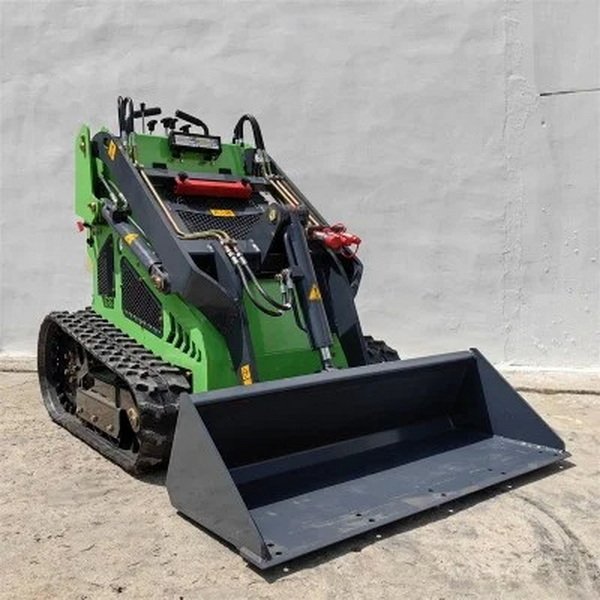
Productivity, Cost, and ROI: Why Grade Control Is a Smart Investment
The most compelling argument for grade control is the measurable boost in productivity and profitability.
Typical benefits include:
– 20–35% higher productivity, with systems enabling operators to finish grading tasks significantly faster.
– Fewer passes and less rework, reducing fuel usage, undercarriage wear, and operator fatigue.
– Reduced staking and layout, since 3D systems work directly from the digital model instead of physical stakes.
– Higher bid competitiveness, because contractors can reliably deliver tighter tolerances in less time.
When jobs finish early with fewer hours on machines and less manual grade checking, contractors can either take on more projects in the same season or reduce overall operating costs.
Step‑by‑Step: How to Choose the Right Grade Control for Your CTL
To maximize return on investment, contractors need a practical decision path.
1. Define your core projects.
If most work involves small pads and simple slopes, 2D may cover the majority of your needs.
2. Assess your future pipeline.
If you plan to bid golf courses, subdivisions, or complex commercial sites, 3D support becomes important.
3. Evaluate your fleet.
Consider whether you want an attachment‑centric system that can move between CTLs, or a machine‑integrated package.
4. Consider operator skill levels.
More automation often produces the biggest gains with less‑experienced operators by standardizing results.
5. Plan for scalability.
Look for platforms with clear 2D‑to‑3D upgrade paths so you protect your initial investment.
With this structured approach, contractors can select a grade control solution that matches both current projects and long‑term growth plans.
Real‑World Use Cases: Where CTL Grade Control Shines
Across the industry, contractors are using CTL grade control to transform typical jobsites.
– Subdivision sites: CTLs with 2D lasers finish driveways, sidewalks, and pads quickly between house frames and tight setbacks.
– Sports and recreation facilities: 3D GNSS control enables complex contours for fields, bike parks, and golf greens without constant re‑staking.
– Urban infill and remodel projects: compact machines navigate restricted access points yet deliver precise grades for new slabs and utilities.
– Highway final trim: contractors bring in CTLs with 3D machine control for final roadway shaping so big dozers and graders can move on sooner.
In many of these scenarios, early adopters find that small companies can successfully compete with larger firms by leveraging advanced grade control on CTLs.
CTL Grade Control and Multi‑Machine Fleets
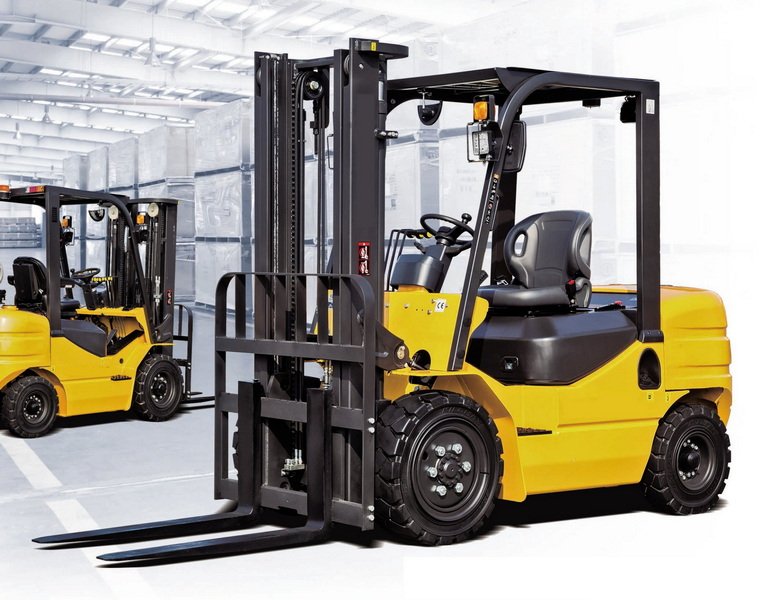
Grade control on CTLs integrates naturally with a broader fleet that includes excavators, skid steers, rollers, forklifts, tractors, and crawler carriers.
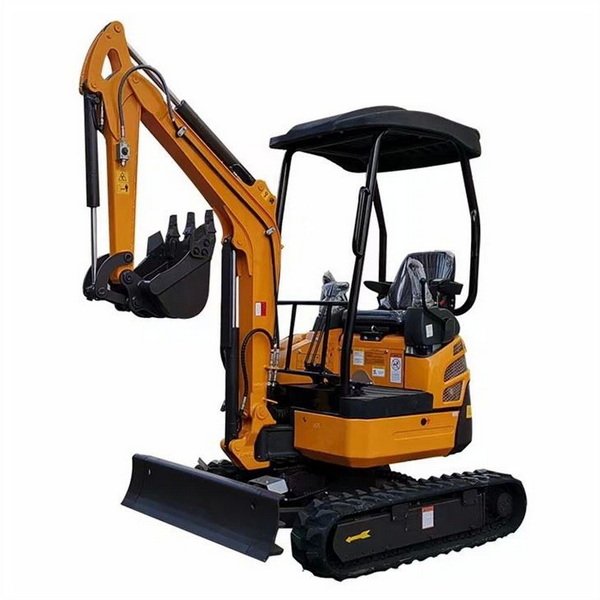
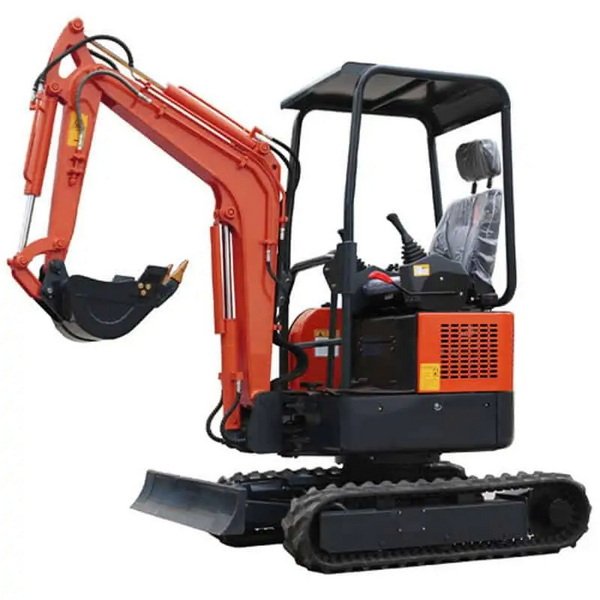
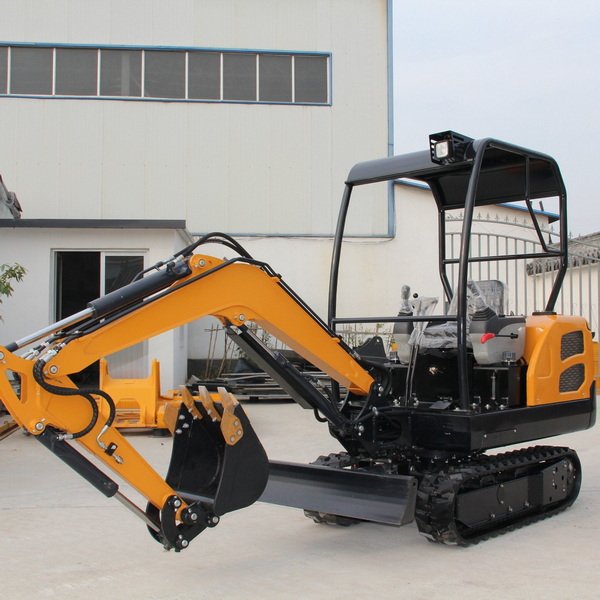
– Excavators and CTLs: excavators handle deep cuts and trenching, while CTLs with grade control finish pads and slopes.
– Rollers and CTLs: once the CTL hits grade, rollers compact to density without overworking the material.
– Forklifts and carriers: forklifts and crawler carriers move materials and attachments, keeping the CTL focused on high‑value grading tasks.
For a manufacturer that supplies multiple machine types, aligning product lines around shared grade control capabilities and compatible attachments helps customers build integrated, data‑driven fleets.
Practical Operator Tips for Maximizing CTL Grade Control
Even the best technology requires correct setup and operation.
– Calibrate regularly. Follow guidance to calibrate sensors and IMUs according to the manufacturer’s schedule.
– Verify reference before production. Use a survey rod or check passes to confirm the system matches the design before full‑scale work.
– Optimize blade selection. Match blade width and type to the site; wider blades improve efficiency on open pads, narrower blades fit tight spaces.
– Train operators on workflows, not just hardware. Short training sessions on job setup, design loading, and troubleshooting pay off quickly.
These practices ensure contractors realize the speed, accuracy, and cost benefits promised by grade control.
2D vs 3D CTL Grade Control at a Glance
| Feature / Aspect | 2D Grade Control (Laser / Sonic) | 3D Grade Control (GNSS / Total Station) |
|---|---|---|
| Control dimensions | Elevation plus single slope | Full 3D position with multiple slopes |
| Typical applications | Pads, small lots, simple road sections | Complex sites, subdivisions, golf, infrastructure |
| Hardware focus | Laser receivers, sonic sensors | GNSS receivers or total station plus IMU |
| Setup complexity | Quick, minimal data preparation | Requires 3D design files and base setup |
| Investment level | Lower entry cost | Higher upfront, larger ROI potential |
| Upgrade path | Often upgradable to 3D | Typically top‑tier configuration |
| Best contractor profile | Small to mid‑size firms, simple work | Growth‑oriented firms with complex projects |
Clear Call to Action for Contractors
If you want your next compact track loader purchase to deliver dozer‑level productivity with compact‑machine flexibility, now is the time to evaluate grade control‑ready equipment. Work with a manufacturer and technology partner that can provide matched CTLs, compatible attachments, and scalable 2D–3D control solutions across your fleet. For buyers considering high‑value construction machinery, this means choosing CTLs, excavators, and tractors designed for easy integration with leading grade control platforms, specifying the right hydraulic and electrical options to support 6‑way blades and smart attachments from day one, and planning a roadmap where your first 2D CTL becomes the foundation for a fully connected, 3D‑enabled fleet. Take action now: review your current projects, estimate the time and rework you could save with grade control, and specify your next CTL order to be grade‑control ready from the factory.
Contact us to get more information!
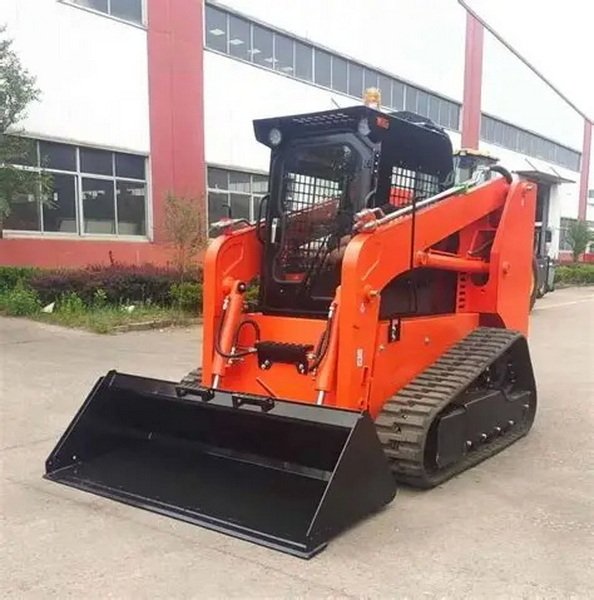
FAQs About CTL Grade Control
1. Is 2D grade control enough for small contractors?
For many small contractors focused on pads, driveways, and simple parking lots, 2D laser‑based systems can deliver a large share of the available productivity gains at a lower cost. By reducing passes, improving consistency, and minimizing stake work, 2D often offers an attractive first step into automation.
2. Do I need GNSS or a total station for every CTL?
Not every CTL in a fleet needs a 3D system. Some companies equip one or two machines with 3D GNSS or total station control for complex projects and use 2D systems or conventional methods on other units. The optimal setup depends on how often you tackle large, complex, or high‑tolerance work.
3. How steep is the learning curve for operators?
Modern grade control platforms emphasize intuitive interfaces, clear visuals, and guided workflows, so most operators can become productive after structured training sessions. The system helps standardize technique, which often lifts the performance of less‑experienced operators closer to expert level.
4. Can I move my grade control kit between machines?
Many attachment‑based and compact‑machine solutions are designed to be portable. Contractors can move sensors, displays, and receivers between compatible CTLs, and in some cases even between CTLs and excavators. This portability helps spread the investment across multiple machines.
5. How do I know if a job justifies 3D control?
A job is usually a good candidate for 3D control if it has complex geometry, tight tolerances, a large footprint, or requires multiple machines working to the same digital design. In such cases, the time saved on layout, grade checking, and rework often creates a strong return on investment.
References :
1. https://compactequip.com/attachments/video-unlocking-the-full-potential-of-compact-track-loaders-with-advanced-grade-control-systems/
2. https://compactequip.com/compact-track-loaders/3d-please-advanced-grade-control-systems-bring-dozer-size-productivity-to-compact-track-loaders/
3. https://sitechcs.com/trimble-earthworks-for-compact-machines/
4. https://sitech-ches.com/pages/grade-control-compact-machines
5. https://www.topconpositioning.com/solutions/technology/infrastructure-products/2d-mc
6. https://www.forconstructionpros.com/construction-technology/machine-grade-control-gps-laser-other/article/21033134/simplified-grade-control-promises-rapid-returns
7. https://www.gpsalaska.com/level-up-your-grading-game-with-sharpgrade-ctl-solutions/
8. https://4kequipment.com/weekly-rental-2025-cat-gb124-grade-blade-trimble-earthworks-machine-control/
9. https://www.cat.com/en_US/products/new/equipment/skid-steer-and-compact-track-loaders.html
10. https://jcbcea.com.au/industry/construction-machinery/
Hot Tags: Compact Track Loaders, Advanced Grade Control Systems, Compact Track Loader Technology, Construction Grade Control, Machine Control Systems, Precision Grading Equipment, Compact Construction Equipment, Track Loader Attachments, Earthmoving Equipment, Jobsite Productivity