
Blue Diamond Auger Attachments for Skid Steers and Compact Track Loaders – Complete Buyer’s & Setup Guide
Content Menu
● Why Auger Drive Sizing Matters for Skid Steers and CTLs
● Torque vs Speed: How to Match Augers to Your Work
● Key Models and Specs for Blue Diamond Skid Steer Augers
● Matching Auger Bits to Soil Types
● Going Deeper: Extensions, Variable Depth and Adapters
● Skid Steer vs CTL vs Excavator: Choosing the Right Carrier
● How to Spec the Right Blue Diamond Auger for Your Fleet (Step‑by‑Step)
● Example Use Cases – From Fencing Crews to Utility Contractors
● Common Mistakes When Buying or Running Auger Attachments
● Strong Call to Action: Plan Your Next Auger Setup Now
● FAQs About Blue Diamond Auger Attachments for Skid Steers and CTLs
>> 1. What size auger drive do I need for my skid steer or CTL?
>> 2. Which auger bit is best for rocky ground?
>> 3. How deep can I drill with a Blue Diamond auger on a skid steer?
>> 4. Can I use existing round‑shaft bits with a new hex‑shaft drive?
>> 5. Are Blue Diamond augers suitable for rental fleets?
If you run skid steers or compact track loaders (CTLs) on today’s jobsites, choosing the right auger attachment is the difference between fast, clean holes and slow, costly downtime. This guide walks through drive sizing, torque vs speed, bit selection, soil conditions and setup tips, so contractors can confidently spec Blue Diamond augers for real‑world work.

Why Auger Drive Sizing Matters for Skid Steers and CTLs
Choosing the wrong auger drive is one of the fastest ways to lose money on a jobsite. Under‑spec the drive and it will stall in hard ground; over‑spec it and you risk damaging the attachment or carrier yet still not drilling efficiently.
– Standard‑flow auger drives fit most modern skid steers and CTLs and typically pair with bits up to around 36 in in mixed soils.
– High‑flow, high‑torque drives are designed for machines with higher hydraulic flow and pressure, pushing torque to levels suitable for rock and very dense ground, often with built‑in relief valves to protect components when stalling.
– Extreme duty drives use compact planetary gearboxes that can follow the bit into the hole, increasing effective drilling depth without changing the carrier.
Always size slightly larger rather than smaller for demanding applications. Running a large drive on a slightly smaller machine usually just slows the cycle time, while overpowering an undersized drive can destroy the gearbox.
Torque vs Speed: How to Match Augers to Your Work
Auger performance on skid steers and CTLs always comes down to the balance between torque and speed. You rarely get both at maximum levels at the same time.
– For hardpan, rock and heavy clay, torque matters more than speed. A high‑torque drive with the correct bit and enough down‑pressure keeps the auger cutting instead of stalling.
– For light soils and fence or deck work, slightly higher speed with moderate torque is ideal because you can move quickly from hole to hole.
– Extreme duty auger lines usually list rated torque at a given pressure along with maximum torque, giving buyers a clear way to match the carrier’s hydraulic output to the digging power they need.
For operators moving between soil types on the same day, a high‑torque drive combined with carefully chosen bits offers the most flexible and reliable solution.
Key Models and Specs for Blue Diamond Skid Steer Augers
The extreme duty skid steer auger line is designed to cover the full range of skid steers and compact track loaders on the market. Understanding the basic specifications will help you decide where each model fits.
| Model | Typical carrier | Max torque (approx.) | Recommended flow | Max earth diameter | Typical use case |
|---|---|---|---|---|---|
| EX1 | Smaller skid steers | Around 1,700 ft‑lb | Low to mid gpm range | Up to 24 in | Light fencing, small posts. |
| EX2 | Mid‑size skid steers | Around 2,600 ft‑lb | Medium gpm range | Up to 30 in | General construction and landscaping. |
| EX3 | Larger skid steers | Around 3,300 ft‑lb | Medium to higher gpm | Up to 30 in | Heavier commercial work. |
| EX4 | High‑power skid steers | Close to 3,800 ft‑lb | Medium to higher gpm | Up to 30 in | Deep holes in dense soils. |
| EX4 HF | High‑flow CTLs | Over 4,000 ft‑lb | High‑flow range | Up to about 40 in | Oversize holes and aggressive drilling. |
These drives typically include compact high‑torque gearboxes, robust shafts and extended warranties on key components, making them well suited for both owner‑operators and rental fleets.
Matching Auger Bits to Soil Types
Bit selection is just as important as drive selection. Blue Diamond augers are supported by several bit styles designed for specific soil conditions and applications.
– Standard heavy‑duty bits
Fabricated heads with bolt‑on teeth, ideal for soft to moderate soils and everyday post holes where controlling cost per hole is critical.
– Cast‑head bits
One‑piece cast steel heads with push‑in teeth, built for tough soils, compacted clay and mixed conditions, and designed to reduce the chance of losing teeth in the hole.
– Rock bits
Bullet‑style carbide teeth with hard‑faced flighting, engineered for rock, very dense ground and heavily compacted materials. These bits demand higher torque drives and significant down‑pressure to perform as intended.
– Tree bits
Tapered bits, for example 30 in at the top narrowing to 15 in at the bottom, which create conical planting holes quickly while bringing less spoil to the surface.
All of these bits typically use double flighting to remove spoil faster and keep the hole cleaner, shortening overall drilling time and improving jobsite efficiency.
Going Deeper: Extensions, Variable Depth and Adapters
A standard 4 ft auger bit on a skid steer or CTL usually reaches around 6 ft of effective drilling depth once you account for boom geometry and mounting. When the job requires deeper holes, extensions and adapter options become essential.
– Fixed extensions in 2, 4 or 6 ft lengths provide predictable increases in depth when hole requirements are consistent.
– Variable extensions with pin holes at regular intervals (for example every 12 in) allow operators to fine‑tune depth without constantly swapping hardware.
– Telescoping boom mounts add extra reach and help clear obstacles such as fences, forms or embankments when drilling is required beyond standard reach.
If your fleet contains both hex and round bits, auger adapters make it simple to switch between formats. This allows you to keep using older bit inventories while upgrading to newer hex‑shaft drives.
Skid Steer vs CTL vs Excavator: Choosing the Right Carrier
Although the primary focus is on skid steers and CTLs, the same auger technology can be used on excavators and other carriers. Each carrier type offers different strengths.
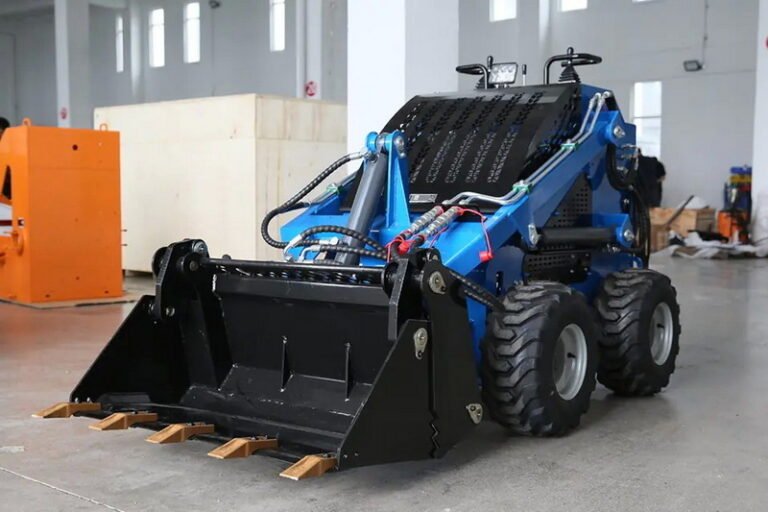
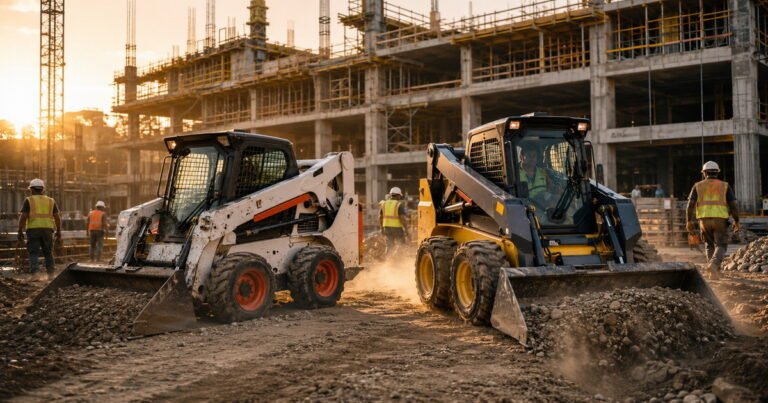
– Skid steers are agile on firm ground and excel at fast hole‑to‑hole work in open, relatively flat sites.
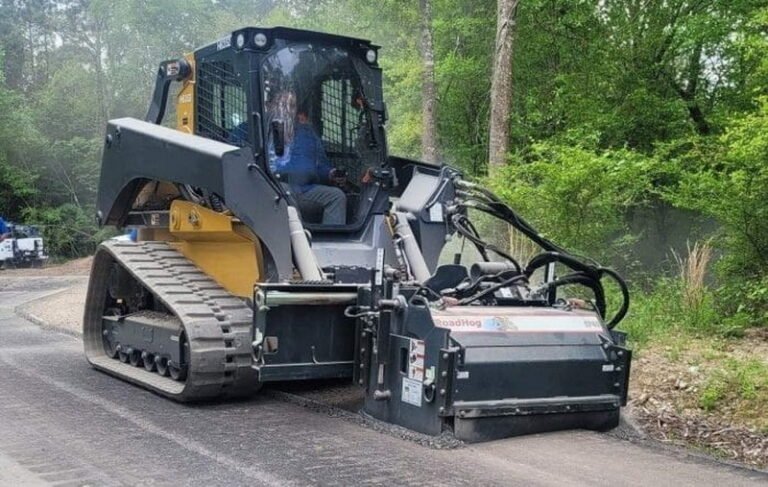
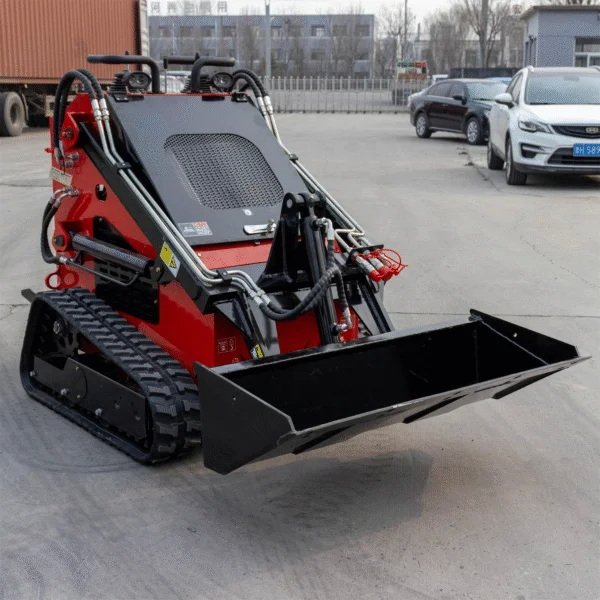
– Compact track loaders offer low ground pressure and superior traction in soft, muddy or uneven conditions, making them a strong match for high‑torque augers in challenging soils.
– Excavators with dedicated auger drives combine long reach with mounts that help keep the drive vertical, allowing holes in locations that skid steers and CTLs cannot easily access.
Matching the auger configuration to the right carrier type allows contractors to optimize productivity, especially on complex sites where reach, traction and ground pressure all matter.
How to Spec the Right Blue Diamond Auger for Your Fleet (Step‑by‑Step)
To move from theory to a concrete purchasing decision, use this step‑by‑step process when specifying a Blue Diamond auger for a skid steer, CTL or excavator.
1. List your primary jobs
Identify whether you mainly drill fence posts, utility poles, trees, sign foundations or structural piers. These use cases define the hole diameters and depths you truly need.
2. Match soil and ground conditions
Group your typical ground into soft soil, mixed soil, compacted clay or rock. This dictates whether standard, cast‑head, rock or tree bits will deliver the best performance.
3. Check carrier hydraulics
Confirm gallons per minute and system pressure from the machine data plate or operator’s manual. Cross‑check these numbers against the recommended and maximum values for the auger drive family you are considering.
4. Select drive family and torque range
Choose smaller drives (such as EX1‑type) for lighter fence work on compact machines, and move up to larger, high‑torque or high‑flow drives (EX4‑type and above) for rock, large diameters or deep structural holes.
5. Plan depth strategy
Decide whether fixed extensions, variable extensions and telescoping mounts are required based on local code requirements, frost depth and typical pier depths in your area.
6. Standardize connections and adapters
If your fleet uses a mix of hex and round outputs, build adapters into your purchase plan so all bits and drives can be shared across machines without delay.
This structured approach ensures each auger purchase is tied directly to real jobsite needs rather than generic catalog specs.

Example Use Cases – From Fencing Crews to Utility Contractors
To see how these components fit together, consider a few common use cases across construction, agriculture and landscaping.
– Residential fencing and decks
A mid‑size skid steer with a mid‑range drive, standard heavy‑duty bits up to 24–30 in, and a single 4 ft extension will cover most backyard fencing and deck footing work in typical soils.
– Tree and orchard planting
Compact track loaders with high‑flow hydraulics combined with tree bits can create tapered planting holes rapidly while maintaining good surface stability in orchards and landscaped spaces.
– Utility and sign work
High‑torque drives on CTLs or excavators, paired with rock bits and multiple extensions, are ideal for deep foundations in mixed soils and shallow rock when reliability and alignment are critical.
– Rental fleets
Rental houses often favor extreme duty drives with long warranties and clear flow/pressure windows, along with a range of bits and adapters that can safely match the variety of customer machines coming through the yard.
Designing auger packages around the real tasks your crews face every day allows you to get more billable work from the same machines.
Common Mistakes When Buying or Running Auger Attachments
Even experienced operators and fleet managers can fall into the same patterns of mistakes when choosing and operating augers.
– Focusing only on purchase price and ignoring gearbox quality, side‑load capacity and warranty coverage, which can lead to rapid failures in rocky or abusive environments.
– Ignoring hydraulic limits and selecting a drive that requires more flow or pressure than the carrier can provide, resulting in slow performance, high heat and potential damage.
– Running rock bits in soft or medium soils, where they cut aggressively but slowly, wasting both fuel and time compared with standard or cast‑head bits.
– Failing to standardize bit connections across fleets, which leads to the right bit sitting idle on a different machine while crews wait on site.
Avoiding these mistakes protects margins on high‑volume drilling jobs and helps operators stay productive throughout the season.
Strong Call to Action: Plan Your Next Auger Setup Now
If your fleet includes skid steers, compact track loaders or excavators, now is the right moment to audit your drilling setup and close any gaps in drive, bit or extension coverage. Review your machines’ hydraulic specs, identify your highest‑value drilling tasks, and then build a complete auger package that supports those jobs with the right mix of torque, bit styles and depth options.
Contact your preferred attachment dealer or a Blue Diamond representative today and request a configuration review based on your machines, soil conditions and target hole sizes. A short consultation now can prevent costly change‑orders, downtime and re‑drilling on your next fencing, utility or foundation project.
Contact us to get more information!
FAQs About Blue Diamond Auger Attachments for Skid Steers and CTLs
1. What size auger drive do I need for my skid steer or CTL?
You should match the auger drive’s torque and recommended flow range to your machine’s hydraulic output. Start with your primary job type and soil conditions, then choose a drive that can comfortably handle your largest planned hole size. When you are unsure, step up slightly in torque rather than risking an undersized drive that may stall in tough ground.
2. Which auger bit is best for rocky ground?
For rocky or very dense soils, rock bits with bullet‑style carbide teeth and hard‑faced flighting perform best. They are designed to cut into hard materials without excessive tooth wear but must be paired with a high‑torque drive and sufficient down‑pressure to deliver consistent performance.
3. How deep can I drill with a Blue Diamond auger on a skid steer?
With a typical 4 ft bit and standard mounting, you can usually reach around 6 ft of effective drilling depth depending on the carrier’s boom design. By adding fixed or variable extensions and, when needed, a telescoping mount, you can achieve significantly deeper holes to meet local code or engineering requirements.
4. Can I use existing round‑shaft bits with a new hex‑shaft drive?
Yes. By using auger adapters that convert between hex and round formats, you can continue using your existing round‑shaft bits on a new hex‑shaft drive. This approach is especially useful in mixed fleets and rental environments, where maximizing compatibility and minimizing idle inventory is a priority.
5. Are Blue Diamond augers suitable for rental fleets?
Blue Diamond auger systems are well suited to rental fleets because of their robust construction, strong warranties and clearly defined hydraulic requirements. Rental managers can confidently match auger drives to customer machines and applications, while field users benefit from reliable performance across a wide range of soils and job types.
References:
- https://compactequip.com/attachments/video-discussing-blue-diamond-auger-attachments-for-skid-steers-and-compact-track-loaders/
- https://www.bluediamondattachments.com
- https://www.diamondtoolstore.com/products/blue-diamond-extreme-duty-series-2-auger
- https://www.skidsteersolutions.com/extreme-duty-skid-steer-auger-blue-diamond/
- https://skidsteerstore.com/products/blue-diamond-mini-auger-drive-for-mini-skid-steer
- https://attachmentyard.com/product/excavator-auger-attachment-blue-diamond/
- https://skidsteersdirect.com/collections/blue-diamond-attachments
- https://www.youtube.com/watch?v=2QFQR5Tq9V4
Hot Tags: Auger Skid Steer, Auger for Kubota Skid Steer, Augers for Skid Steers, Skid Steer Auger Attachment, Compact Track Loader Auger, Auger Attachments For Skid Steers, Hydraulic Auger For Skid Steer, Earth Auger Attachment, Skid Steer Drilling Attachment, Blue Diamond Skid Steer Auger, Post Hole Auger Attachment