
Key Factors When Choosing a Compact Track Loader or Skid-Steer Loader in 2026 (Practical Buyer’s Guide)
Content Menu
● How to Use This Buyer’s Guide
● 1. Start With Your Jobs: Size, Weight and Work Environment
>> 1.1 Loader size and operating weight
>> 1.2 Jobsite environment and maneuverability
● 2. Compact Track Loader vs Skid-Steer: Ground Conditions and Travel
>> 2.1 Ground pressure and surface protection
>> 2.2 Transportability between jobsites
● 3. Understanding Key Performance Specifications
>> 3.1 Rated Operating Capacity (ROC)
● 4. Engine Power: Diesel vs Electric and Horsepower Ranges
>> 4.1 Diesel vs electric loaders
>> 4.2 Horsepower and job matching
● 5. Hydraulic Systems and Attachment Strategy
>> 5.1 Standard, high and super-flow hydraulics
>> 5.2 Attachment interface and versatility
● 6. Lift Path: Radial vs Vertical
>> 6.1 Radial lift path loaders
>> 6.2 Vertical lift path loaders
● 7. Tracks, Tires and Surface-Specific Choices
>> 7.1 Track options for compact track loaders
>> 7.2 Tire options for skid-steer loaders
● 8. Serviceability, Dealer Support and Brand Reputation
>> 8.2 Dealer and service network
● 9. Technology, Telematics and Digital Tools (Modern Advantage)
>> 9.1 Telematics and remote monitoring
>> 9.2 Remote control and app-based features
● 10. Warranty, Financing and Budget Planning
>> 10.1 Warranty coverage essentials
>> 10.2 Transferability and resale value
>> 10.3 Financing, leasing and rebates
● 11. Compact Track Loader vs Skid-Steer: Key Feature Comparison
● 12. Step-by-Step Selection Framework
● 13. Clear Call to Action for Buyers
● FAQs About Choosing a Compact Track Loader or Skid-Steer Loader
>> FAQ 1: How do I decide between a compact track loader and a skid-steer?
>> FAQ 2: What rated operating capacity (ROC) do I need?
>> FAQ 3: When should I choose vertical lift instead of radial lift?
>> FAQ 4: How important is telematics for compact loaders?
>> FAQ 5: What should I look for in a loader warranty?
Choosing the right compact track loader or skid-steer loader is a strategic decision that directly impacts productivity, operating cost and uptime on every jobsite. This enhanced guide walks you through the key factors, adds real-world use cases and gives you a clear framework to match the right machine to your work.
This article is optimized around the following primary keyword and variants: compact track loader vs skid-steer loader, compact track loader buying guide, skid-steer loader buyer’s guide, how to choose a compact loader, rated operating capacity ROC, ground pressure, radial vs vertical lift, loader tracks vs tires.
How to Use This Buyer’s Guide
Use this guide if you are:
– Comparing compact track loader vs skid-steer for mixed jobsites.
– Upgrading a small fleet and need a step-by-step decision process.
– Renting first, then planning to purchase later.
In each section you will see:
– What the factor means in simple terms.
– When it matters most on real jobs.
– Practical tips and questions to ask your dealer or supplier.
1. Start With Your Jobs: Size, Weight and Work Environment
Before looking at spec sheets, define your core jobs and constraints.
1.1 Loader size and operating weight
Compact track loaders and skid-steers come in multiple size classes, from small landscaping units to larger construction machines. The ideal size and weight depend on:
– Typical task (landscaping, roadwork, agriculture, demolition, indoor work).
– Maximum attachment weight you plan to use.
– Site restrictions like narrow access, weight-limited slabs or bridges.
Key checks:
– Can the machine safely travel on your ramps, bridges or mezzanines?
– Is it light enough for your trailer and local road regulations?
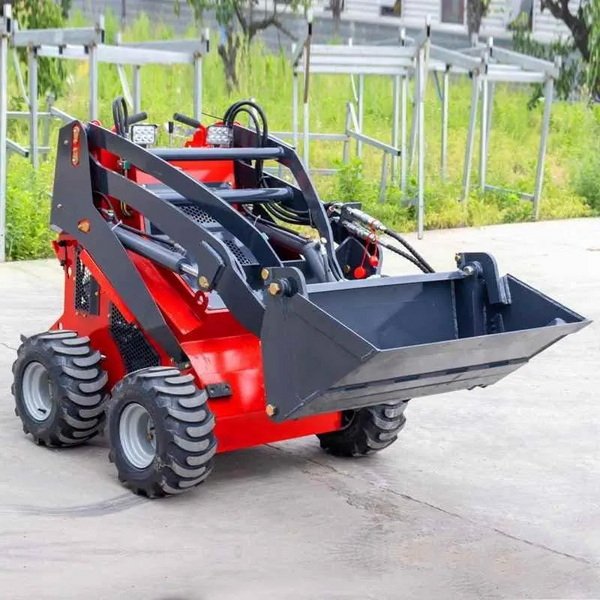
– Is it compact enough to maneuver inside alleys, barns or buildings?
1.2 Jobsite environment and maneuverability
Both compact track loaders and skid-steers are highly maneuverable in tight spaces. However, dimensions still matter: height, width and weight can decide whether you fit through gates, doors and between structures.
For confined areas:
– Choose a narrow machine with a tight turning radius.
– Check overall height if you work under conveyors, trees or low roofs.
2. Compact Track Loader vs Skid-Steer: Ground Conditions and Travel
One of the biggest decisions is whether to choose tracks or tires.
2.1 Ground pressure and surface protection
Ground pressure (PSI) shows how much force the machine applies to the surface.
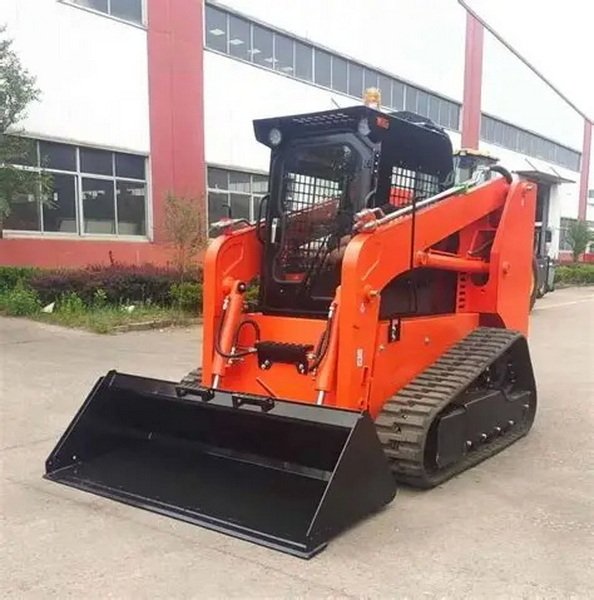
– Compact track loaders spread their weight over a larger area, resulting in lower ground pressure and better flotation.
– This makes them ideal for soft, uneven, muddy or landscaped ground where you must minimize rutting and soil disturbance.
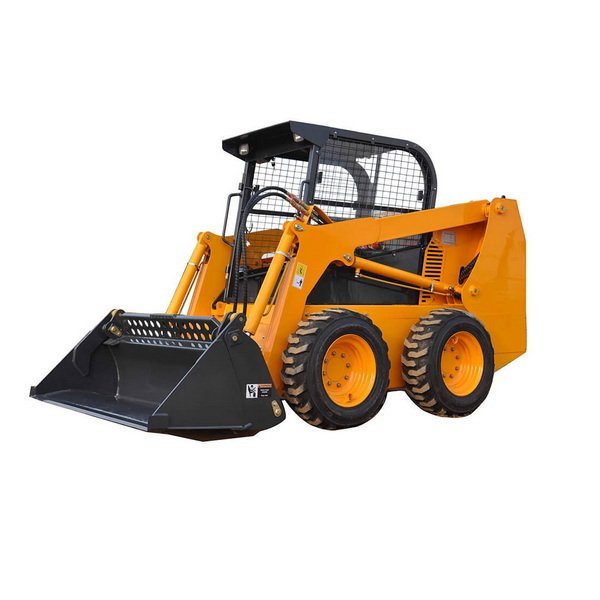
– Skid-steers have higher ground pressure but move quicker on hard, paved surfaces, boosting material-moving productivity in yards, plants and road projects.
2.2 Transportability between jobsites
Heavier machines may need larger trucks and trailers, adding cost and planning complexity. When comparing models:
– Check whether your current trailer and tow vehicle are sufficient.
– Consider how often you move between sites each week.
– For frequent moves, a slightly smaller machine may yield higher overall productivity due to easier transport.
3. Understanding Key Performance Specifications
Specifications turn into profit when they match your job mix.
3.1 Rated Operating Capacity (ROC)
Rated operating capacity is the standard measurement of how much weight the loader can safely lift and carry.
– For skid-steer loaders, ROC is typically 50% of the tipping load.
– For compact track loaders, ROC is typically 35% of the tipping load.
This means machines in the same size class can have different actual lift capacities. Higher ROC lets you handle heavier pallets, wet soil or aggregates, but usually increases machine size and price.
3.2 Dump height and reach
Dump height is the maximum height at which the bucket can empty its load. It is critical if you:
– Load high-sided trucks or spreaders.
– Load hoppers, bins or recycling containers.
If your trucks are tall, choose a loader with enough dump height and reach to clear the side walls without spilling material back onto the machine.
3.3 Bucket capacity
Bucket capacity describes how much volume the bucket holds.
– Larger buckets move more material per cycle, useful for light bulk materials.
– For wet sand, gravel or dense soil, oversizing the bucket can overload the machine or reduce safety.
Match bucket size to both material density and machine ROC for efficient, safe cycles.
4. Engine Power: Diesel vs Electric and Horsepower Ranges
Engine choice influences power, emissions, noise and operating costs.
4.1 Diesel vs electric loaders
There are two main power types in this class: diesel and electric.
Diesel loaders:
– Offer familiar operation, high power and torque.
– Support longer operating hours on a single tank and quick refueling.
Electric loaders:
– Reduce emissions and noise, ideal for indoor or low-emission zones.
– Can lower operating costs through reduced fuel and some maintenance items.
When choosing, consider your daily runtime, access to charging or fueling and any regulations on emissions or noise in your area.
4.2 Horsepower and job matching
Loader horsepower varies significantly, even within the same physical size class.
– Under 50 HP: compact, agile machines for landscaping, light construction and residential work.
– 50–74 HP: balanced power and agility for general construction, excavation and material handling.
– Above 74 HP: high-power units for heavy excavation, roadwork and high-flow attachments.
Ask yourself which attachments you will run most often and whether you expect to tackle heavier applications over the next 3–5 years.
5. Hydraulic Systems and Attachment Strategy
Hydraulics determine what tools your loader can power.
5.1 Standard, high and super-flow hydraulics
Compact loaders can be equipped with standard, high or super-flow hydraulic systems.
– Standard flow: good for buckets, forks, sweepers and many general attachments.
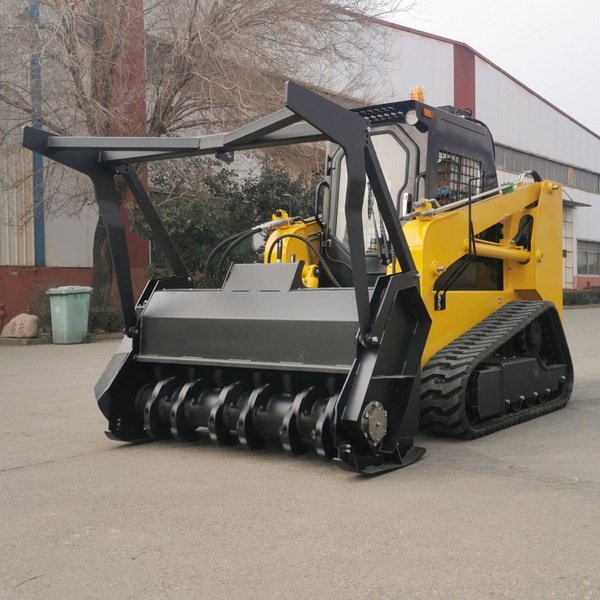
– High or super-flow: required for more demanding tools such as cold planers, heavy mulchers or some powerful snow blowers.
Choose hydraulic flow based on:
– Current attachments you own or plan to buy.
– Future capabilities you expect to add to your fleet.
5.2 Attachment interface and versatility
A robust attachment interface lets one machine handle dozens of tasks. When planning your purchase:
– Confirm compatibility between the loader plate and your current or future attachments.
– Consider whether quick-change systems can reduce downtime between tasks.
6. Lift Path: Radial vs Vertical
Lift arm design strongly affects how your loader behaves at different heights.
6.1 Radial lift path loaders
Radial lift loaders follow a curved lift path.
– They deliver strong lifting power at lower heights and offer good reach at truck bed height.
– They are well suited for tasks like backfilling, loading low to mid-height trucks, dumping over walls and general ground-level work.
6.2 Vertical lift path loaders
Vertical lift loaders move the bucket more vertically as they rise.
– They provide increased reach at full lift height and typically higher ROC.
– They are ideal for regularly loading high-sided trucks, pallets of bricks or blocks, sod and heavy material handling at height.
If most of your work is ground-level excavation, a radial lift design often provides excellent value. If you frequently load tall trucks or stack materials high, a vertical lift model may offer better productivity.
7. Tracks, Tires and Surface-Specific Choices
Your undercarriage touches the ground all day, so choosing the right solution is critical.
7.1 Track options for compact track loaders
Rubber tracks are highly versatile and used on many compact track loaders. They provide:
– Smooth ride and stability.
– Superior flotation on soft or wet ground.
– Minimal ground disturbance on sensitive surfaces like turf.
Within rubber tracks, tread pattern and width affect performance:
– Aggressive treads for mud or loose soil.
– Less aggressive patterns for turf protection.
– Wide tracks for extra flotation and lower ground pressure; narrow tracks for tight spaces and better penetration.
7.2 Tire options for skid-steer loaders
Skid-steers support a wide range of tire types.
Common choices include:
– Pneumatic tires: tough rubber, good traction on concrete and asphalt, most common choice.
– Solid rubber tires: puncture-proof for harsh environments like demolition or waste handling.
– Foam-filled pneumatic: compromise between pneumatic comfort and puncture resistance.
– Over-the-tire tracks (OTT): added over pneumatic tires when you occasionally work on soft or rough terrain but do not want a dedicated track machine.
– Non-marking tires and tracks: designed to avoid scuffs or marks on decorative concrete, pavers and other sensitive indoor surfaces.

8. Serviceability, Dealer Support and Brand Reputation
Total cost of ownership is driven not only by purchase price but also by uptime and support.
8.1 Ease of maintenance
Compact loaders are typically designed with easy access to critical components, helping operators follow maintenance schedules more easily. Simple access encourages daily checks and fluid inspections, which extend machine lifespan and reduce unexpected downtime.
Ask your dealer to show you:
– How to reach filters, fluid checks and key service points.
– Recommended service intervals and any special tools required.
8.2 Dealer and service network
A strong dealer or distributor can significantly improve ownership experience and long-term value. You should look for:
– Proven customer service and response times.
– Availability of parts and skilled technicians.
– Clear processes for warranty work and emergency repairs.
8.3 Brand reputation
Well-known brands usually provide confidence in durability, performance and safety, supported by wider parts and service networks. Look for documented reliability, safety standards and customer support rather than only focusing on the lowest price.
9. Technology, Telematics and Digital Tools (Modern Advantage)
Modern compact loaders increasingly feature telematics and digital tools that boost efficiency and fleet visibility.
9.1 Telematics and remote monitoring
Some manufacturers offer wireless communication platforms that deliver real-time insights into machine health and performance. Typical capabilities include:
– Tracking machine hours, utilization and fuel consumption.
– Receiving alerts for scheduled maintenance and fault codes.
– Locating assets to prevent theft and optimize dispatch.
9.2 Remote control and app-based features
Certain systems allow remote machine operation via mobile apps, helping operators complete tasks that traditionally require two people. These solutions can be valuable when short staffed or when operators must stay clear of dusty or hazardous zones.
9.3 Configurable features
Some brands let owners add or remove software-enabled features over time, tailoring machines to specific applications without replacing hardware. This type of flexibility helps your fleet adapt as project requirements evolve.
10. Warranty, Financing and Budget Planning
A loader is a multi-year capital investment, so protecting it is essential.
10.1 Warranty coverage essentials
A solid warranty helps protect your investment and ensures support when issues arise. When comparing plans, pay close attention to:
– Duration of coverage for the engine, hydraulic system, electrical systems and structural components.
– Whether parts and labor are included.
– Any conditions such as required maintenance and authorized service centers.
Longer, comprehensive warranties often indicate the manufacturer’s confidence in its product reliability.
10.2 Transferability and resale value
If you may sell the machine in the future, check whether the warranty is transferable to the next owner. Transferable coverage can enhance resale value and make your machine more attractive on the used market.
10.3 Financing, leasing and rebates
Many suppliers offer financing, leasing and potential rebates to help buyers get the equipment they need.
– Leasing can lower upfront cost and keep equipment newer.
– Financing spreads payments while you generate revenue with the machine.
– Rebates on attachments can encourage building a versatile tool set early.
Build a 3–5-year cost view, including payments, maintenance, fuel, tires or tracks and expected resale value.
11. Compact Track Loader vs Skid-Steer: Key Feature Comparison
| Factor | Compact Track Loader (CTL) | Skid-Steer Loader (SSL) |
|---|---|---|
| Primary surface | Soft, uneven, muddy, landscaped ground | Hard, paved, concrete/asphalt surfaces |
| Ground pressure | Lower, better flotation, less disturbance | Higher, may rut soft ground |
| Travel speed on pavement | Moderate | Generally faster |
| Undercarriage | Rubber tracks, various widths and treads | Tires with multiple tread and construction options |
| Typical applications | Landscaping, grading, soft soil construction | Material handling, demolition, indoor/outdoor paved jobs |
| Purchase cost (typical) | Often higher | Often lower |
| Maintenance focus | Track and undercarriage care | Tire selection and replacement |
12. Step-by-Step Selection Framework
Use this simple framework to narrow choices and create a shortlist.
1. List core jobs you need to perform weekly (for example, loading trucks, grading, pallet handling).
2. Identify ground conditions on 80% of your jobsites (soft vs hard, indoor vs outdoor).
3. Decide whether compact track loader vs skid-steer better fits those surfaces and transport needs.
4. Estimate minimum ROC, dump height and horsepower based on your heaviest loads and attachments.
5. Choose lift path (radial vs vertical) based on your loading height requirements.
6. Match hydraulic flow to current and future attachments.
7. Evaluate serviceability, dealer support, warranty and telematics options to protect uptime and resale value.
8. Compare total 5-year cost, including financing, maintenance, fuel and likely resale.
13. Clear Call to Action for Buyers
Once you understand the key factors, the next step is to turn this knowledge into a specific purchasing plan. Define your main jobs, ground conditions, required ROC, lift path and preferred technology level, then prepare a short specification sheet for your ideal compact track loader or skid-steer loader. Share this checklist with your equipment supplier or manufacturer to compare configurations, request precise quotations and schedule a demo, so you can confidently select a loader that fits your budget, local regulations and long-term fleet strategy.
Contact us to get more information!
FAQs About Choosing a Compact Track Loader or Skid-Steer Loader
FAQ 1: How do I decide between a compact track loader and a skid-steer?
Start with your ground conditions and typical jobs. If most work is on soft or uneven terrain where you must protect turf or soil, a compact track loader with lower ground pressure usually performs better. If most work is on hard, paved surfaces and you value higher travel speed and lower initial cost, a skid-steer may be the better choice.
FAQ 2: What rated operating capacity (ROC) do I need?
Calculate the maximum weight of your typical heaviest load, such as full pallets or dense material in the bucket. Choose a loader whose ROC meets or exceeds that weight, allowing a margin for safety and occasional heavier tasks. Remember that ROC is calculated differently for skid-steer loaders (50% of tipping load) and compact track loaders (35%).
FAQ 3: When should I choose vertical lift instead of radial lift?
If you regularly load high-sided trucks, stack pallets or place materials at height, vertical lift provides better reach and stability at full lift height. For applications focused on ground-level digging, grading and backfilling, radial lift often provides strong breakout forces and good value.
FAQ 4: How important is telematics for compact loaders?
Telematics can be extremely valuable for fleets and rental operations. It helps track utilization, schedule maintenance based on real hours and monitor machine health, which reduces downtime and protects your investment. For single-machine owners, telematics still offers benefits but may be less critical if you closely monitor your equipment manually.
FAQ 5: What should I look for in a loader warranty?
Look for a warranty that covers major components such as the engine, hydraulics, structural frame and important electronics for a suitable period. Check whether parts and labor are included, what maintenance is required to keep coverage valid and whether the warranty is transferable to a future owner. Longer and clearer warranties usually reflect stronger confidence in product reliability.
References:
1. https://www.bobcat.com/na/en/buying-resources/loaders/compact-track-loader-skid-steer-loader-buyers-guide/key-factors-when-choosing
Hot Tags: Skid Steer Tires Vs Tracks, Tracked Skid Steer For Sale Near Me, Track Skid Steer For Sale Near Me, Skid Steer Models, Chinese Mini Skid Steer, Compact Track Loader Vs Skid Steer, Skid Steer Loader Specifications, Compact Track Loader Features, Skid Steer Loader Applications, Track Loader Vs Wheel Loader