
What Is a Compact (Mini) Excavator? 2026 Buyer’s Guide for Contractors and Fleet Owners
Content Menu
● What Is a Compact (Mini) Excavator
● Main Components of a Compact Excavator
>> Workgroup, Boom, Arm and Attachments
>> Swing Boom
>> Knuckle or Articulating Boom
>> Fixed Boom
● Compact Excavator Arm Options
● Advantages of Compact Mini Excavators
● How to Choose the Right Compact Excavator
>> Define Machine Size and Operating Weight
>> Match Digging Depth and Reach to Tasks
>> Evaluate Lifting Capacity and Stability
>> Plan Attachments and Hydraulic Requirements
>> Consider Transport, Access and Storage
>> Prioritize Operator Comfort, Safety and Technology
● Key Technical Specs to Compare
● Core Applications Across Industries
>> Construction and Civil Projects
>> Landscaping and Grounds Management
>> Agriculture and Rural Operations
>> Utilities, Telecom and Municipal Work
>> Demolition, Roadwork and Specialized Tasks
● Mini Excavators and Other Compact Equipment
● Practical Steps to Choose a First Compact Excavator
● Safety, Maintenance and Best Practices
>> Daily Safety and Operation Checklist
● Configure the Right Machine Package
● FAQ
>> 1. What size compact excavator is suitable for residential work
>> 2. Are battery powered compact excavators a good investment
>> 3. Can one compact excavator replace several machines
>> 4. How often should tracks and undercarriage components be replaced
>> 5. Is it better to buy or rent a compact excavator
A compact (mini) excavator is a small, tracked or wheeled excavator that delivers full size digging performance in tight spaces while keeping transport, fuel and maintenance costs low. This guide explains components, configurations, applications and buying factors in practical detail so contractors, rental fleets and owner operators can choose the right machine and use it profitably.[1][2][3]
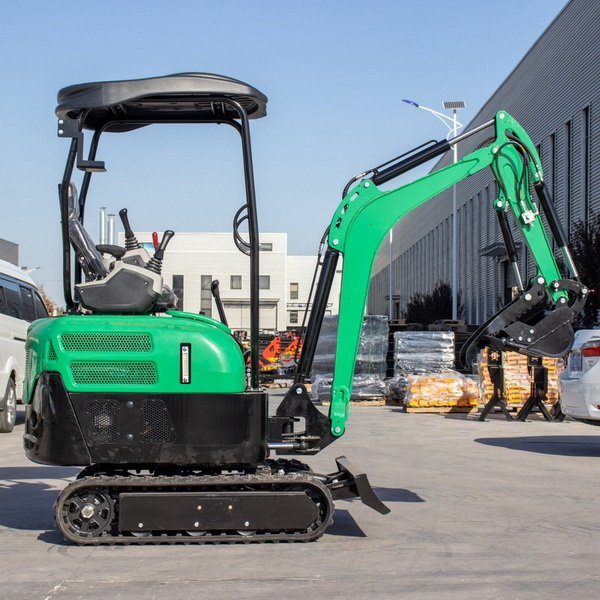
What Is a Compact (Mini) Excavator
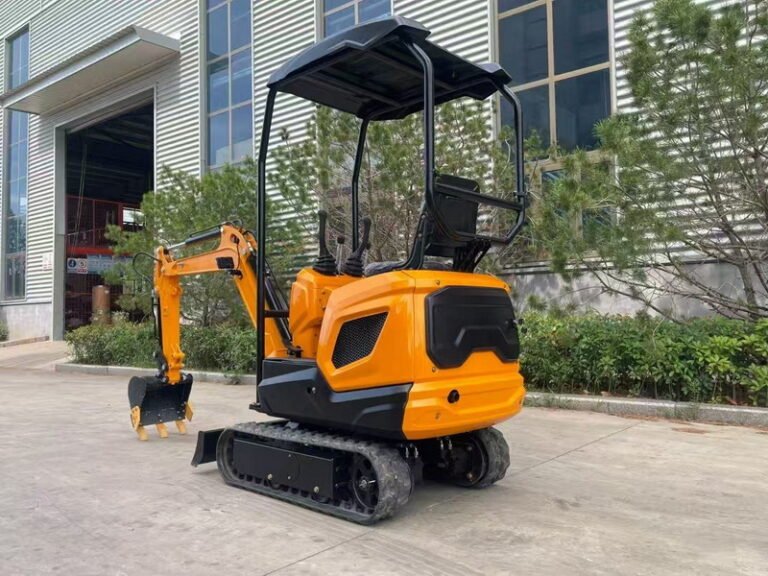
A compact excavator is a diesel or battery powered machine under roughly 10 tons that combines the digging power of a standard excavator with the maneuverability of compact equipment. It typically includes a hydraulic boom, arm and bucket or attachment mounted to a house on a tracked undercarriage.[2][1]
Key characteristics include:
– Ability to rotate 360 degrees for efficient work in confined sites
– Compact width that fits through gates, alleys and urban work zones[4][1]
– Compatibility with multiple attachments for earthmoving, utilities, landscaping and demolition[5][1]
Typical uses include trenching, foundation excavation, grading, backfilling, material handling and light demolition on residential, commercial and infrastructure projects.[6][1]
Main Components of a Compact Excavator
Understanding the main components helps buyers evaluate performance, stability and long term serviceability.[1]
House and Upperstructure
The house contains the operator cab, engine, hydraulic pump and distribution components and connects to the undercarriage via a swing bearing. The house and workgroup can rotate 360 degrees, which is critical when loading trucks or working beside walls and utilities.[1]
Modern cabs usually offer:
– ROPS and FOPS structures, adjustable seats and climate control for all day comfort[7]
– Intuitive joysticks and displays for monitoring hydraulic performance and machine status[8][7]
Undercarriage and Tracks
The undercarriage includes rubber tracks, drive sprockets, rollers and idlers that propel and support the machine. Many mini excavators use a retractable, H shaped undercarriage that narrows for access, then extends for better stability while digging.[1]
Key considerations:
– Retractable versus fixed undercarriage depending on how often the machine must pass through narrow entrances[3][1]
– Track type, such as rubber or steel, based on surface protection and durability requirements[8]
Workgroup, Boom, Arm and Attachments
The workgroup consists of the boom, arm and whatever attachment is mounted to the coupler. On compact excavators, the workgroup connects to a swing frame that can be hydraulically offset left or right, enabling parallel trenching along walls or foundations.[1]
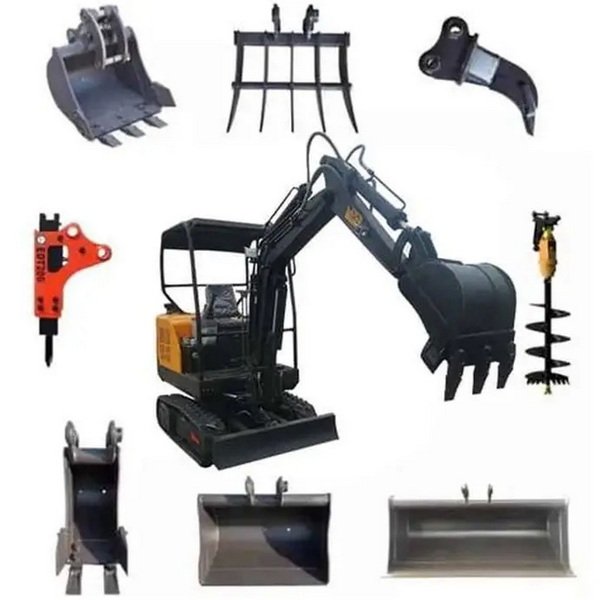
Common attachments include:
– Buckets for digging, trenching and grading
– Hydraulic breakers for concrete and rock
– Augers, thumbs, grapples and compaction tools for specialized tasks[4][5]
Backfill Blade
The hydraulically controlled backfill blade is attached to the undercarriage and used for grading, backfilling and light dozing. It can also act as a stabilizer to improve lifting capacity and digging accuracy when lowered.[1]
Angle blades that pivot up to about 25 degrees left or right let operators windrow soil to one side, which speeds up backfilling and fine grading.[4][1]
Boom Configuration Options
Choosing the right boom configuration optimizes reach, visibility and maneuverability for specific job types.[3][1]
Swing Boom
Most compact excavators use a swing boom connected to a swing frame via a horizontal pin. The boom can move up and down and pivot left or right independently of the house, allowing offset digging without repositioning the tracks.[1]
This configuration is ideal for:
– Working next to walls, foundations and property lines
– Trenching along roads and structures where machine movement is restricted[4][1]
Knuckle or Articulating Boom
A knuckle boom is a multi piece design mounted directly to the frame that moves up and down while the outer section articulates left or right. It keeps the arm roughly parallel to the machine, which improves control in very tight urban or indoor spaces.[9][1]
Typical benefits include:
– Better reach close to the machine without overswinging the upperstructure
– Improved visibility for precise work around obstacles[9]
Fixed Boom
A fixed boom is mounted directly to the frame and does not swing left or right, so digging is limited to the front of the excavator. This setup is common on larger machines where stability and breakout force take priority over offset digging.[8][1]
Compact Excavator Arm Options
Arm selection affects digging depth, loading height and stability.[1]
– Standard arm: Balanced option that matches rated digging depth and breakout force for general construction and utility work.[1]
– Long arm: Provides extra reach and depth but slightly reduces breakout force and stability, especially without additional counterweight.[3]
– Extendable arm: Extends on demand while retaining the strength of a standard arm when retracted.[1]
Buyers should match arm type to:
– Typical trench depth and truck height
– Required working radius on congested sites
– Lifting and breakout demands for dense soils or heavy structures[3][8]
Advantages of Compact Mini Excavators
Compact excavators offer several strategic advantages over full size excavators, particularly for urban and residential work.[2][1]
– High maneuverability in tight spaces through short tail swing and narrow width[4][1]
– Lower total cost of ownership thanks to smaller engines and hydraulic systems that cut fuel and maintenance costs[7][1]
– Low ground disturbance from lighter operating weight and rubber tracks, which protect finished surfaces and landscaped areas[4][1]
– Reduced environmental impact with lower noise levels and the availability of lithium ion battery models for low or zero emission jobsites[2][1]
– Easy transport because many models can be towed on trailers behind pickups or light trucks[7][1]
– High versatility when equipped with buckets, breakers, augers, thumbs or grapples for multiple task types[5][1]
How to Choose the Right Compact Excavator
Selecting the right machine requires aligning specifications with projects, transport limits and business model.[3][1]
Define Machine Size and Operating Weight
Machine size affects stability, digging power and jobsite access. Smaller units suit interior work or narrow residential sites, while larger mini excavators approach small standard excavators in capability.[7][3]
Check the following points:
– Maximum machine width allowed by gates, alleys and transport regulations
– Ground bearing pressure tolerance on turf, pavements and slabs
– Whether the machine will be truck mounted, trailer towed or moved with a low bed[7]
Match Digging Depth and Reach to Tasks
Digging depth, reach and dump height must comfortably exceed project requirements. Contractors should consider their most frequent use cases such as:[8][3]
– Utility trenching depth for water, gas and electrical lines
– Foundation and footing depths, including frost lines
– Loading height for trucks, hoppers or spreaders[7][1]
Evaluate Lifting Capacity and Stability
Lifting charts show the safe working load at different radii and heights, both over the side and over the blade. For tasks like setting manholes, concrete structures or pipe sections, choose a machine with ample rated load and the right counterweight or blade configuration.[3][1]
Stability is influenced by:
– Track width and undercarriage length
– Use of retractable versus fixed undercarriage
– Blade position and ground conditions during lifting[3][1]
Plan Attachments and Hydraulic Requirements
Attachment strategy should be defined before purchase so that auxiliary hydraulics match flow and pressure requirements.[5]
Key checks include:
– Primary tools such as buckets, breakers, augers, thumbs and compaction plates
– One way versus two way auxiliary circuits and flow control
– Coupler type, whether mechanical, hydraulic or quick coupler, to speed changeovers[5][8]
Consider Transport, Access and Storage
Before finalizing a model, verify:
– Towing capacity of existing trucks and trailers
– Site access constraints, including overhead clearance, slopes and soft ground
– Storage space and security at depots or jobsites[2][7]
Prioritize Operator Comfort, Safety and Technology
Operator experience has a direct impact on productivity and safety. Look for:[10][11]
– Ergonomic joysticks, low effort pedals and clear sightlines to the blade and bucket
– Rear view cameras, overload warning and depth check or grade control systems
– Telematics for tracking hours, fuel burn and location, which supports preventive maintenance[8][7]
Key Technical Specs to Compare
The following specifications frequently drive purchasing decisions.[7][3]
Core Applications Across Industries
Compact excavators now support a broad range of industries from construction and utilities to agriculture and environmental services.[6][1]
Construction and Civil Projects
On construction sites, compact excavators handle many core earthmoving and infrastructure tasks. Typical uses include:[1]
– Excavating foundations and footings for residential and small commercial structures[1]
– Trenching for utilities and drainage systems while working around existing infrastructure[1]
– Backfilling, grading and leveling after pipe or footing installation[1]
– Demolition of small structures, concrete pads and interior slabs using breakers and grapples[4][1]
Landscaping and Grounds Management
Landscapers rely on compact excavators for both hardscape and softscape projects. Key tasks include:[6][1]
– Excavating and grading for lawns, garden beds, patios and paths[1]
– Installing and maintaining irrigation and drainage systems[4][1]
– Removing tree stumps and roots and shaping berms, swales and water features[1]
– Installing retaining walls, steps and other hardscape elements[1]
Agriculture and Rural Operations
Agricultural operations use compact excavators to reduce manual labor and speed seasonal work. Common applications include:[6][1]
– Digging irrigation channels and ditches to improve water delivery[1]
– Land clearing, rock removal and field preparation[1]
– Building and maintaining fences, gates, barns and animal shelters[1]
– Handling feed, cleaning pens and supporting post harvest cleanup[1]
Utilities, Telecom and Municipal Work
Utility and municipal crews use compact excavators for controlled digging in congested corridors. Typical jobs include:[6][1]
– Trenching for water, gas, power and fiber optic lines[1]
– Excavating access points, manholes and utility vaults[1]
– Installing and repairing underground infrastructure with minimal disruption[1]
– Maintaining utility corridors by clearing vegetation and debris[1]
Demolition, Roadwork and Specialized Tasks
Compact excavators deliver precise, controlled power where larger machines are impractical. Examples include:[4][1]
– Indoor demolition with battery powered units for zero emissions and low noise[1]
– Roadwork such as trenching, patch removal and shoulder repair[1]
– Mining support, waterways maintenance, septic system installation and pipeline work[1]
– Environmental remediation, brownfield redevelopment, disaster response and wildfire prevention through debris removal and fire break creation[1]
Mini Excavators and Other Compact Equipment
Buyers often compare compact excavators with skid steer loaders, compact track loaders and backhoe loaders when configuring fleets.[2][6]
Functional Differences
Compact excavators excel when depth, reach and control around utilities or structures are critical, while loaders move more material rapidly over short distances. Many fleets deploy both, using compact excavators for trenching and loaders for backfilling and material distribution.[12][7][4][1]
Practical Steps to Choose a First Compact Excavator
This checklist helps new buyers turn project requirements into a clear specification and quote request.[3][7]
1. List the top recurring jobs
Note typical trench depth, soil type, site access constraints and whether work is urban, rural or industrial.
2. Define transport and access limits
Confirm maximum towing capacity, trailer availability and narrowest gate or driveway width.
3. Select a target weight class and digging depth
Use application data to choose operating weight and depth bands that cover most planned work.[3]
4. Specify essential attachments
Decide which buckets, breakers, augers, thumbs or compaction tools are required in the first year and ensure hydraulic capacity supports them.[5]
5. Evaluate two or three models side by side
Compare spec sheets, test cab comfort, visibility, control feel and attachment changeover speed during a demonstration.[13][7]
6. Estimate total cost per operating hour
Factor purchase or lease cost, fuel, maintenance and expected resale value to compare models on cost per productive hour.[7]
Safety, Maintenance and Best Practices
Well maintained compact excavators reduce downtime and improve safety for contractors and rental fleets.[11][10]
Daily Safety and Operation Checklist
Operators should complete a brief pre start routine before every shift.[9][4]
– Inspect tracks, rollers and idlers for damage or excessive wear
– Check fluid levels and look for visible leaks
– Test safety systems including horn, lights, backup alarm and emergency shut off
– Confirm that the working area is free of overhead hazards, underground conflicts and unstable ground
This approach improves safety, supports regulatory compliance and reflects practical operating experience that aligns with modern expectations for authoritative equipment guidance.[10][11]
Core Maintenance Intervals
Manufacturers typically recommend:
– Regular greasing of pivot points at daily or weekly intervals depending on usage[4]
– Filter and oil changes at defined hour intervals tracked via telematics or hour meters[7]
– Periodic undercarriage inspections and tension adjustments to extend track life[3]
Documented maintenance preserves uptime, increases resale value and shows responsible fleet management.[11][7]
Configure the Right Machine Package
If your projects involve regular trenching, foundation work, landscaping or utility service, the right compact excavator can quickly become one of your most productive assets. To match machine size, boom and arm options, attachments and transport solutions to upcoming jobs, contact the Certeg team now to configure a tailored package that can include compact excavators, skid steer loaders, road rollers, forklifts, tractors and crawler carriers designed around your fleet growth and budget goals.[6][1]
FAQ
1. What size compact excavator is suitable for residential work
Most residential contractors choose smaller compact excavators that fit through gates while still achieving enough digging depth for utilities and small foundations. The best approach is to match size to the narrowest access point and typical trench depth on upcoming projects.[3][4]
2. Are battery powered compact excavators a good investment
Battery powered units provide zero on site emissions and lower noise, which is ideal for indoor, urban or night work. They usually carry higher upfront cost but can reduce fuel and maintenance expenses over time, especially in regions with strict emissions regulations.[2][1]
3. Can one compact excavator replace several machines
A compact excavator with the right attachments can handle digging, trenching, grading, light demolition and some material handling, covering many tasks traditionally handled by multiple machines. However, high volume bulk material movement remains more efficient with loaders or dedicated hauling equipment.[12][5][1]
4. How often should tracks and undercarriage components be replaced
Service life depends on surface type, operator technique and maintenance frequency, and undercarriage parts usually account for a major share of owning and operating costs. Regular cleaning, correct track tension and avoiding excessive spinning extend component life and reduce overall cost per hour.[4][3]
5. Is it better to buy or rent a compact excavator
Renting suits short term or highly seasonal projects, while ownership becomes attractive when annual utilization is high and predictable. Many contractors start with rentals, then purchase once they understand true utilization, preferred size class and attachment mix.[12][7]
Citations:
[1] https://www.bobcat.com/na/en/buying-resources/excavators/compact-excavator-buyers-guide/what-is-compact-mini-excavators
[2] https://achillesmachinery.com.au/what-is-a-mini-excavator-a-complete-guide/
[3] https://www.yanmar.com/eu/construction/blog/01.html
[4] https://www.quinncompany.com/mini-excavator-operating-tips-how-to-use-a-mini-excavator/
[5] https://www.yanmar.com/eu/construction/blog/06.html
[6] https://www.tatahitachi.co.in/blogs/mini-excavators-uses-specifications-and-benefits
[7] https://www.perimtruckparts.com/blog/2025-mini-excavators-features-prices-buying-guide/
[8] https://www.sanyglobal.com/blog/best-mini-excavator/
[9] https://www.jcb.com/en-GB/explore/knowledge/quick-start-guides/mini-excavators/
[10] https://picassomedia.com.au/search-engine-optimisation/building-e-e-a-t-for-google-search-seo/
[11] https://iunisov.com/seo-for-construction-companies/
[12] https://agrtech.com.au/business/seo/seo-for-heavy-equipment-companies/
[13] https://www.fridayparts.com/blog/comparison-of-9-popular-mini-excavators-in-2025
Hot Tags:Compact Excavator, Mini Crawler Excavator, Cheapest Excavator, Mini Excavator Uses, Small Excavator Bucket, Mini Excavator Reviews, Buy Small Excavator, Operating a Mini Excavator, Small Excavator for Sale Near Me, Compactor Excavator