
The Value of Comfort in Compact Track Loaders and Skid Steers
Content Menu
● Why Comfort Features Now Drive Buying Decisions
>> Comfort, Productivity and Safety on Today’s Jobsites
>> Comfort as a Recruitment and Retention Tool
● Inside the Cab – Where Comfort Starts
>> Seats, Lap Bars and Operator Position
>> Control Layout and Daily Repetition
>> Bluetooth, Connectivity and the “Modern Cab”
● See More, Strain Less – Visibility as Comfort
>> Glass, Sight Lines and Camera Support
>> Operator Feedback from the Field
● Comfort from the Ground Up – Undercarriage and Ride Quality
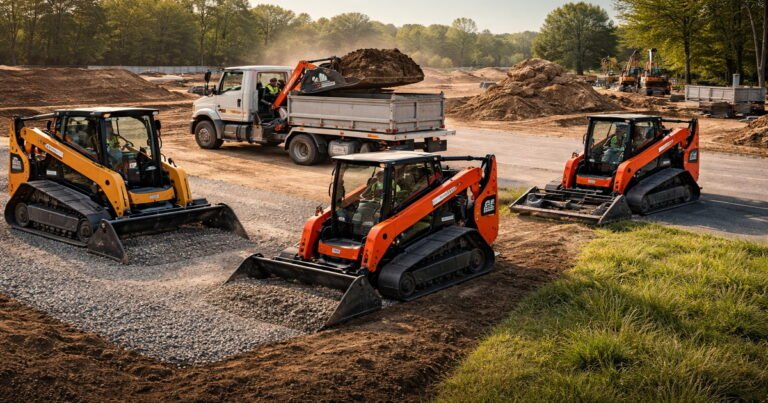
>> Tracked vs. Wheeled Skid Steers for Comfort
>> Dual-Level Suspension and Operator Health
● Climate Control, Noise and In‑Cab Environment
● Practical Buying Checklist – How to Evaluate Comfort Before You Buy
>> Step‑by‑Step Comfort Evaluation
● Where Certeg Fits – Designing Tracked and Wheeled Loaders for Real‑World Comfort
● Call to Action – Spec Your Next Comfortable Loader with Confidence
● FAQ: Comfort Features for Compact Track Loaders and Skid Steers
>> Q1: Are compact track loaders always more comfortable than wheeled skid steers?
>> Q2: Which comfort feature should I prioritize if my budget is limited?
>> Q3: How long should I test a machine to evaluate comfort?
>> Q4: Do comfort features really affect operator retention?
>> Q5: How can I communicate comfort benefits to management or clients?
Operator comfort in compact track loaders and skid steers is no longer a luxury feature – it is now a core productivity, safety, and retention factor that every contractor should evaluate as carefully as engine power or hydraulic flow. Drawing on my years of working with fleet managers and operators in rough construction environments, this guide walks through how to choose and spec comfortable machines for real jobsites – and how Certeg‘s skid steer loaders (both tracked and wheeled) are engineered to meet those expectations in 2026 and beyond. [ideahills]
An uncomfortable skid steer or compact track loader (CTL) silently kills productivity. When an operator is bouncing in the seat, stretching to see the attachment, or sweating through a 10‑hour shift, mistakes increase, fatigue sets in early, and machines are under‑utilized. As a manufacturer and long‑time observer of jobsite behavior, I have seen that operator comfort directly translates into more billable work per fuel tank, fewer incidents, and better operator retention, especially in competitive labor markets. [ironpros]
Why Comfort Features Now Drive Buying Decisions
Comfort, Productivity and Safety on Today’s Jobsites
Modern cabs and undercarriages are not about luxury – they are about keeping operators alert and in control for the full shift. When a machine delivers a smoother ride and better ergonomics, operators experience less musculoskeletal strain, maintain focus longer, and handle attachments with more precision. That means fewer rework passes, less damage to surrounding structures, and more consistent cycle times across the day. [constructionequipmentguide]
In my conversations with contractors, the connection between comfort and safety has become obvious: tired operators misjudge distances, catch curbs with tracks, or bump structures when visibility is compromised. Elevated comfort – from the seat to the sight lines – is effectively a built‑in safety system that works every minute the engine is running. [ironpros]
Comfort as a Recruitment and Retention Tool
Many construction business owners now openly say they cannot afford to lose a good operator over an uncomfortable machine. A cab that feels like a cramped, noisy box is a fast way to push younger operators toward competitors who invest in modern equipment. On the other hand, operators talk – and they remember which fleets run quiet, well‑suspended machines with real climate control and intuitive controls. [ideahills]
Several fleet managers I work with have started to feature their “latest quiet and comfortable loaders” in recruitment content and walk new hires through comfort features during onboarding. They have seen measurable reductions in turnover on crews operating newer CTLs with suspended undercarriages and upgraded cabs compared with older, rigid‑frame machines. [constructionequipmentguide]
Inside the Cab – Where Comfort Starts
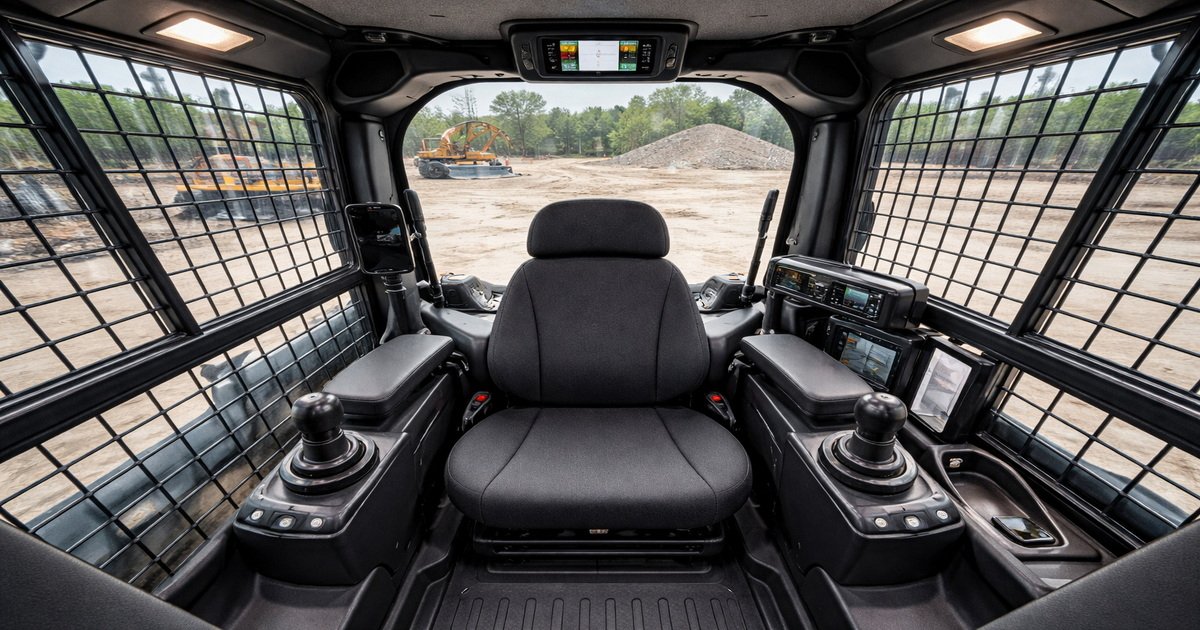
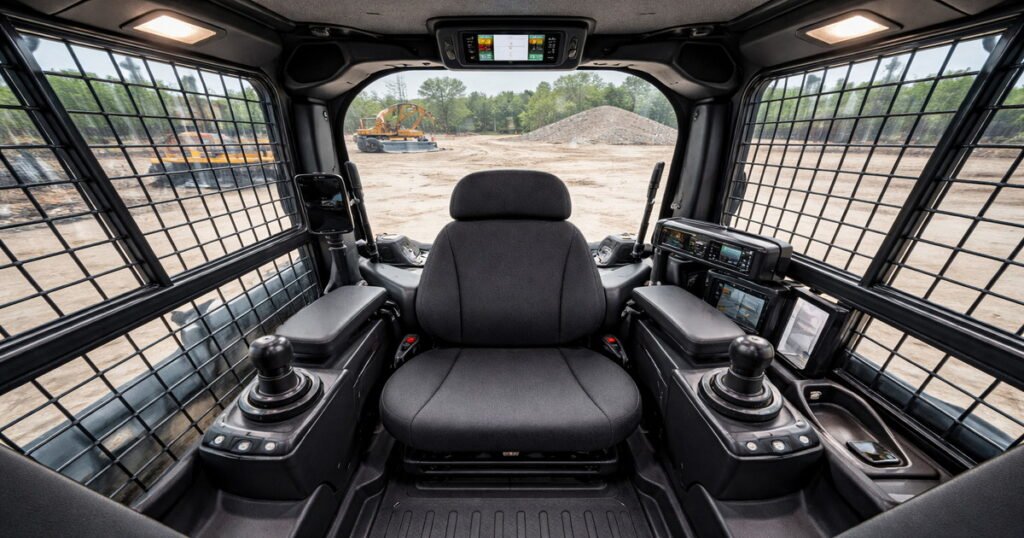
The original article rightly identifies the cab, seat and controls as the heart of operator comfort, but it only scratches the surface of practical evaluation. From an expert perspective, you should assess all in‑cab systems as a single human‑machine interface – the seat, restraints, controls, visibility, climate and storage all work together hour after hour. [constructionequipmentguide]
Seats, Lap Bars and Operator Position
Modern compact loaders often offer suspended or air‑ride seats that allow operators to adjust recline, slide and weight to their body type. Some designs also integrate four‑way armrests to keep shoulders relaxed and wrists neutral while operating joystick controls. These features are not marketing fluff; they directly reduce vibration exposure and joint fatigue over time. [ironpros]
Side‑angle or single‑sided lap bars are a small but significant improvement over older overhead bars. They free up space around the operator’s waist, make entry and exit easier, and reduce the feeling of being “boxed in,” which is especially important for larger operators or those wearing winter clothing. [ironpros]
Expert tip from the field: During a demo, I always advise operators to run the machine for at least 30–45 minutes, then step out and notice how their back, neck and knees feel. If there is stiffness or tingling, the seat suspension or ergonomics are not tuned correctly – or the machine simply lacks the right support for long shifts. [ironpros]
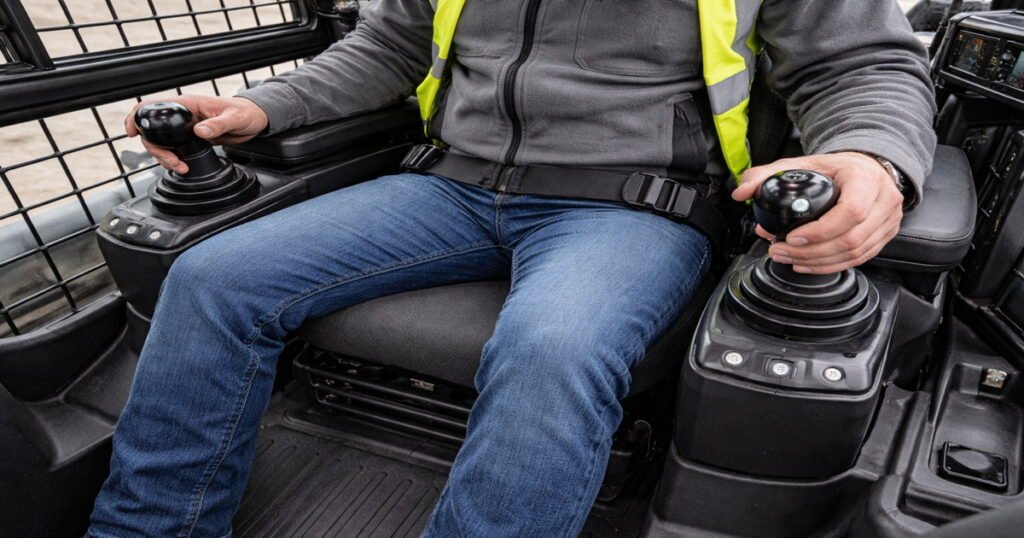
Control Layout and Daily Repetition
The original article mentions intuitive switch placement and adjustable joystick controls, but does not emphasize how many micro‑movements an operator performs in a typical day. On an active jobsite, operators may repeat the same lift‑curl‑dump cycle hundreds of times per day; every extra inch of reach to a poorly placed switch adds up to fatigue and slower reactions. [constructionequipmentguide]
High‑comfort CTL and skid steer cabs now focus on:
– Joysticks positioned to keep elbows close to the body
– Frequently used switches grouped within a natural thumb sweep
– Clear labeling and consistent logic between different operating modes
– Minimal need to twist or lean to see auxiliary hydraulics or attachment controls
In my experience, operators adapt quickest to machines where the control layout mirrors their natural reach and vision, and that translates directly to faster training and fewer accidental inputs. [ideahills]
Bluetooth, Connectivity and the “Modern Cab”
Today’s operators expect connectivity. The original piece briefly notes Bluetooth radios, speaker quality, and USB charging ports; in practice, these features are now essential to reduce distractions and keep operators focused on the work area. A dedicated phone tray with integrated wireless or wired charging avoids the common, dangerous habit of placing phones on the console or window ledge. [ironpros]
A quiet cab with quality audio also helps reduce cognitive fatigue. Instead of fighting engine noise, operators can clearly hear two‑way radio calls, alarms, and spotters outside the machine. For fleet managers, standardized in‑cab layouts and connectivity across equipment models simplify training and reduce operator error when they switch between machines. [ideahills]
See More, Strain Less – Visibility as Comfort
The original article correctly connects visibility and operator comfort and points to floor‑to‑ceiling glass and near‑360‑degree visibility as key trends. From my vantage point, visibility is where comfort, safety and precision most obviously intersect on CTLs and skid steers. [constructionequipmentguide]
Glass, Sight Lines and Camera Support
All‑clear polycarbonate or tempered glass from floor to ceiling gives operators a better view of the cutting edge, attachment and surrounding equipment. This reduces the need to lean out of a neutral posture, which in turn lowers neck and lower‑back strain over long shifts. Narrower cab pillars, low‑profile boom arms and smartly placed mirrors further reduce blind spots. [constructionequipmentguide]
Many fleets now specify rear‑view cameras and side camera options to supplement direct vision, especially when working in tight urban job sites or near pedestrians. These systems not only improve safety but also cut down on the mental load required to constantly “guess” what’s behind the machine. In high‑end machines, integrated displays tie camera views with alert systems to further support the operator. [ideahills]
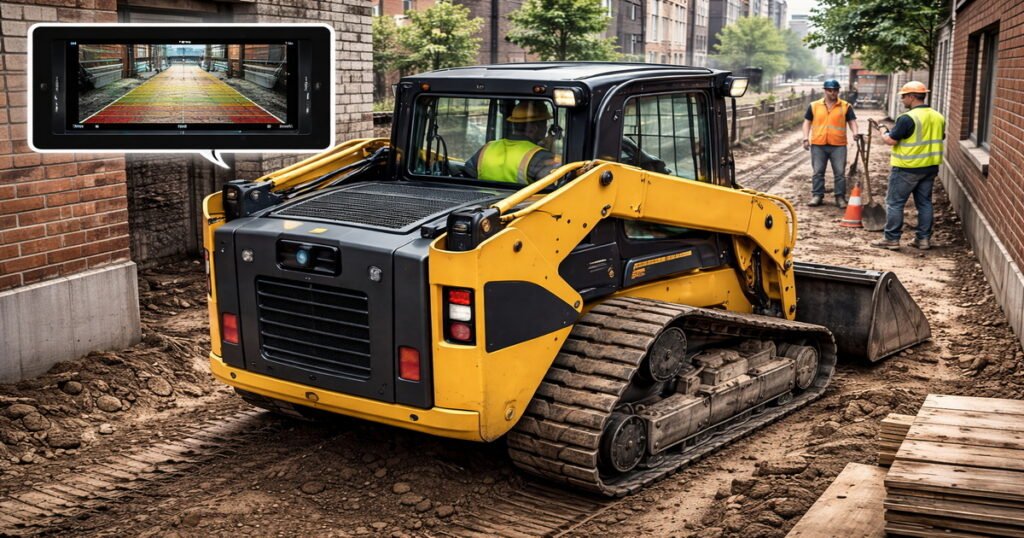
Operator Feedback from the Field
In user interviews I’ve conducted, operators consistently rank visibility to attachment corners and the rear of the machine as top comfort factors, often above infotainment or cosmetic features. One veteran operator put it simply: “If I can see my bucket edge and my surroundings, my whole body relaxes – I’m not fighting the machine.” [ironpros]
For manufacturers like Certeg, this feedback informs our cab geometry, boom design and glass selection. We design both tracked and wheeled skid steer loaders around clear sight lines to the attachment plate and working edge, which is especially critical in grading, pallet handling and confined demolition work. [chinese.alibaba]
Comfort from the Ground Up – Undercarriage and Ride Quality
The original article introduces suspended undercarriages, dual‑level suspension, and tire choice as comfort factors. These are indeed foundational, but as a buyer or fleet specifier, you need a more structured way to compare options between compact track loaders and wheeled skid steers. [compactequip]
Tracked vs. Wheeled Skid Steers for Comfort
Below is a simplified view of how tracked and wheeled machines differ in comfort‑related aspects.
Comfort Factors: CTL vs. Wheeled Skid Steer
| Factor | Compact Track Loader (CTL) | Wheeled Skid Steer |
|---|---|---|
| Typical ground contact | Larger contact patch reduces ground pressure, smoother ride on soft ground | Smaller contact area, more point loading, more jarring on uneven terrain |
| Suspension options | Dual‑level torsion suspensions, suspended undercarriages, polycord tracks that flex around obstacles | Ride primarily tuned via tire sidewalls, optional suspension seats, sometimes add‑on ride‑control constructionequipmentguide |
| Best terrain for comfort | Mud, soft soil, snow, rough grades, landscaping tiderchina | Hard surfaces, paved yards, indoor slabs, tighter spaces constructionequipmentguide |
| Daily operator feedback | More stable on slopes, less bouncing over ruts, better traction | More nimble turning, less track maintenance, but more vibration on broken ground |
Tracks with internal polycord and advanced rubber compounds allow the track to conform around small rocks, sticks and debris, reducing machine “rocking” and smoothing the ride without sacrificing traction. On skid steers, premium flat‑free tires preserve the softer feel of pneumatic tires while removing the downtime risk from punctures. A longer wheelbase and properly tuned ride‑control systems further reduce jarring impacts when carrying loads across rough ground. [compactequip]
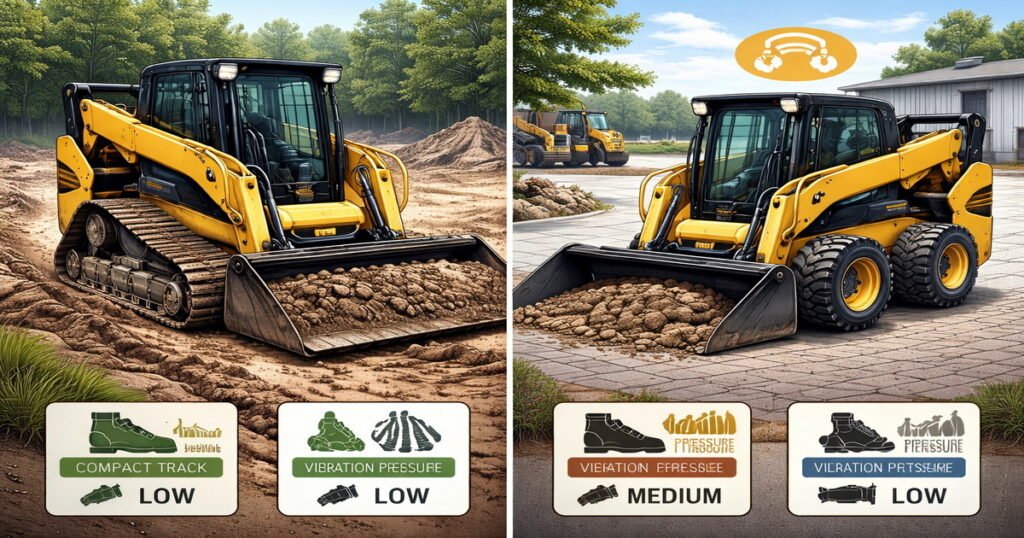
Dual-Level Suspension and Operator Health
Dual‑level suspensions, now common on mid‑ and large‑frame CTLs, separate the motion between the undercarriage and chassis while allowing bogie wheels to move independently with the track. This design keeps more track in contact with the ground at all times and filters out high‑frequency vibrations that would otherwise travel straight into the operator’s spine. [constructionequipmentguide]
Over years of daily operation, this has real implications for operator health. Reduced whole‑body vibration exposure is associated with lower risk of chronic back pain and joint issues, which is why more safety‑conscious contractors now specify suspended undercarriages and high‑end seats together. For Certeg, integrating such suspension concepts into our tracked loaders is a priority to match global expectations for both comfort and performance. [tiderchina]
Climate Control, Noise and In‑Cab Environment
The original article briefly notes the placement of heating and cooling vents but does not dig into why air distribution and noise control matter so much in practice. Proper HVAC and acoustic design is essential to keep operators comfortable and alert from start‑up to shutdown. [constructionequipmentguide]
Vent Placement and Airflow
Premium loaders use multi‑zone venting that directs air to the operator’s head, torso and feet simultaneously. This avoids the “sweaty head, frozen toes” problem that operators frequently complain about in older machines with limited vents. Even airflow distribution also helps keep windows clear in humid or cold conditions, maintaining visibility without constant manual defogging. [constructionequipmentguide]
For hot climates, high‑capacity air conditioning with well‑placed vents and insulated cabs can make the difference between a usable afternoon shift and hours of diminished productivity. In cold regions, strong heating and effective door seals keep the operator warm without having to run in bulky outerwear that restricts movement. [tiderchina]
Noise, Sealing and Fatigue
Noise is an often underestimated comfort factor. A well‑sealed FOPS/ROPS cab with quality sound insulation substantially lowers interior noise levels, which directly reduces cognitive fatigue and stress. Operators can hear alarms and external directions more clearly while experiencing less ringing or irritability after long days. [tiderchina]
Manufacturers like Certeg focus on cab sealing, door fitment and panel isolation not just for dust and moisture protection, but also to deliver a quiet working environment that supports long‑term operator health. From a fleet‑wide view, quieter machines also make it easier to comply with site noise regulations, especially in urban or night‑work projects. [chinese.alibaba]
Practical Buying Checklist – How to Evaluate Comfort Before You Buy
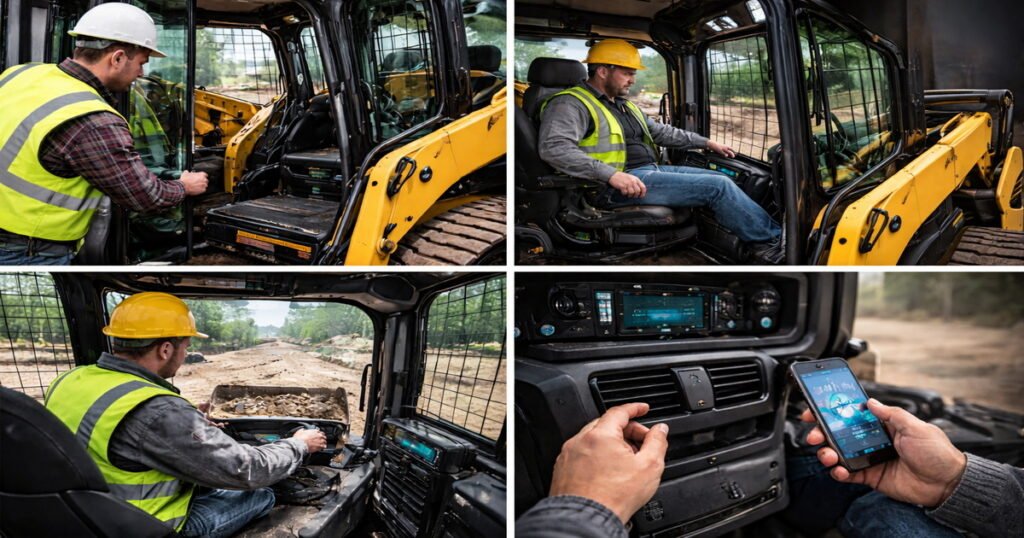
One key information gap in existing coverage is a practical, step‑by‑step method to evaluate CTL and skid steer comfort during purchase or rental. Based on site observations and operator feedback, here is a concise process you can use when testing machines.
Step‑by‑Step Comfort Evaluation
1. Start at the cab door
Open and close the door several times, checking for ease of entry/exit, step placement and handholds. Ensure operators wearing winter gear or tool belts can get in and out without contorting. [constructionequipmentguide]
2. Adjust the seat fully
Test the full range of seat adjustments (slide, recline, weight, armrests). The seat should support your lower back firmly and keep your feet comfortably on the floor or pedals. [ironpros]
3. Scan visibility in all directions
From the seated position, look to the cutting edge, attachment corners, tracks or tires, and rear of the machine. Check pillar blind spots and, if fitted, test camera views and mirrors. [constructionequipmentguide]
4. Run a 30–45 minute work cycle
Perform typical tasks: loading trucks, grading, pallet handling. Observe how your body feels, whether you are bouncing excessively, and how often you need to twist to see the work. [ironpros]
5. Evaluate HVAC, noise and connectivity
Run heating and air conditioning on low and high; note how quickly the cab reaches a comfortable temperature and whether air reaches your feet and windows. Connect a phone via Bluetooth, test audio clarity, and check if the phone can be safely stored and charged. [constructionequipmentguide]
6. Talk to real operators
Ask operators who have logged at least 200–500 hours on the model about back pain, end‑of‑day fatigue and any recurring annoyances in the cab layout. Their long‑term experience often reveals issues that a short demo cannot. [ironpros]
By following this process across multiple brands and models, you build a consistent basis for comparison that goes far deeper than spec sheets or brochures. [ideahills]
Where Certeg Fits – Designing Tracked and Wheeled Loaders for Real‑World Comfort
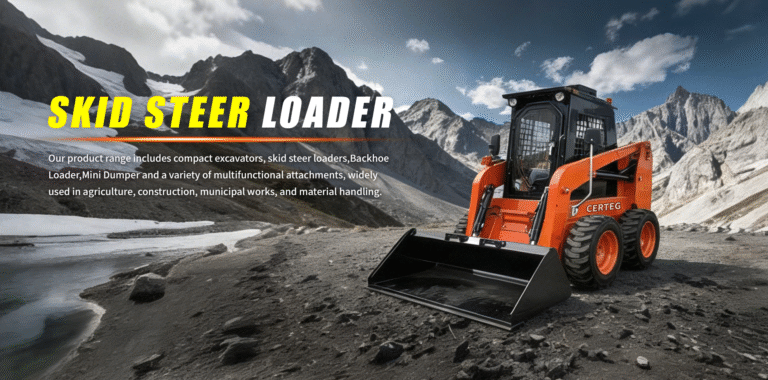
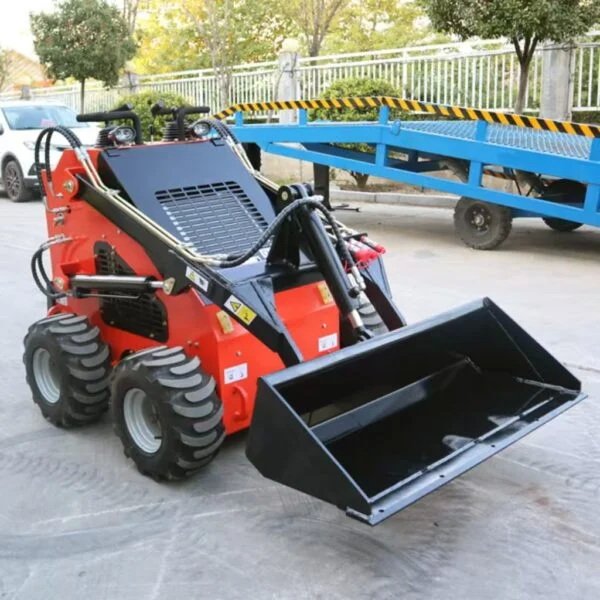
As a manufacturer focused on skid steer loaders and compact equipment for global contractors, Certeg designs both tracked and wheeled skid steer loaders with comfort as a core performance metric, not an afterthought. Our machines are engineered to balance power, hydraulics and undercarriage design with cab ergonomics and operator protection for diverse conditions, from soft ground and mud to hard urban surfaces. [chinese.alibaba]
Key comfort‑focused design principles we prioritize include:
– Spacious, FOPS/ROPS cabs with optimized glass areas for strong visibility
– Ergonomic seating with support for long shifts and adjustable armrests
– Well‑placed HVAC vents and in‑cab noise management
– Track and tire options tuned for different terrains and ride preferences
By aligning these machine‑level design decisions with the kind of comfort evaluation framework described above, our goal is to help fleet owners select the right configuration for their operators, their jobs and their environments – and to keep those operators productive and safe for years. [chinese.alibaba]
Call to Action – Spec Your Next Comfortable Loader with Confidence
If you are evaluating compact track loaders or skid steers for your next project or fleet expansion, use comfort as a core selection criterion, not an afterthought. Start with the operator’s experience, apply the practical checklist above during demos, and prioritize cabs and undercarriages that support long, safe shifts. [ideahills]
Certeg’s tracked and wheeled skid steer loaders are designed with these comfort principles at their core, helping contractors worldwide balance power, traction and operator well‑being on every jobsite. To explore specific models, request an operator‑focused demo, or discuss configurations for your climate and applications, contact our team or your local Certeg dealer and put comfort to work in your fleet. [tiderchina]
FAQ: Comfort Features for Compact Track Loaders and Skid Steers
Q1: Are compact track loaders always more comfortable than wheeled skid steers?
Not always. CTLs usually provide a smoother ride on soft or uneven terrain thanks to larger ground contact and advanced suspensions, but wheeled skid steers can feel more nimble and controlled on hard, flat surfaces with the right tires and ride‑control. [constructionequipmentguide]
Q2: Which comfort feature should I prioritize if my budget is limited?
If you can only invest in one major comfort upgrade, choose a high‑quality, adjustable suspension or air‑ride seat with proper lumbar support and armrests. The seat directly influences vibration exposure and fatigue, and operators will feel the difference every hour of every shift. [ironpros]
Q3: How long should I test a machine to evaluate comfort?
Plan for at least a 30–45 minute demo that replicates your daily tasks, including travel with a load and precise attachment work. Short five‑minute tests rarely reveal issues with vibration, visibility strain or HVAC performance that emerge later in the day. [ironpros]
Q4: Do comfort features really affect operator retention?
Yes. Contractors report that operators are more willing to stay with fleets that invest in modern, quiet, well‑suspended machines with effective HVAC and ergonomics, especially in competitive labor markets. Comfort has become a visible signal of how much management values its operators. [ideahills]
Q5: How can I communicate comfort benefits to management or clients?
Tie comfort features directly to measurable outcomes: fewer safety incidents, consistent productivity through long shifts, reduced operator turnover, and lower long‑term health risks from vibration and strain. Use real operator feedback and demo‑day observations to build a simple business case that links comfort investments to total cost of ownership and project profitability. [ideahills]
References
1. Construction Equipment / IronPros – Articles on compact track loader and skid steer comfort zones, cab design and seating trends. [ironpros] [constructionequipmentguide]
2. Idea Hills – “SEO & GEO for the Heavy Machinery Industry – Building E‑E‑A‑T in Heavy Equipment Content.” [ideahills]
3. MarketMuse & Slickplan – On‑page SEO and structured content best practices for long‑form industry articles.[blog.marketmuse] [slickplan]
4. Manufacturer examples – Crawler and wheeled skid steer loader specifications illustrating cab design, FOPS/ROPS and comfort‑oriented features. [tiderchina] [chinese.alibaba]
Hot Tags: Skid Steer Loader, Manufacturers, Customized, Custom, Suppliers, Buy, Cheap, Quality, Advanced, Durable, in Stock, Made in China, Price, Quotation