
High‑Tech Power for Modern Skid Steer & Track Loader Engines: Clean, Powerful and Built for Real‑World Jobs
Content Menu
● Understanding the Heart of a Skid Steer Engine
● Clean Power: Emissions‑Compliant Diesel Technology
>> Core aftertreatment technologies
● Power, Torque and Hydraulic Performance
>> Why engine–hydraulic balance matters
● Advanced Fuel Systems: Common Rail and Filtration
>> Benefits of common rail injection
>> Why fuel cleanliness is now critical
● Operator Comfort, Noise and UX in the Cab
● Maintenance, Service Access and Total Cost of Ownership
>> Extended intervals and cleaner operation
>> Practical service checks when buying
● How to Choose the Right Engine Package for Your Application
>> 1. Clarify your primary work scenarios
>> 2. Consider emissions strategy and fluid logistics
>> 3. Evaluate total cost of ownership, not just sticker price
● Certeg’s Perspective: Designing for Global Power and Conditions
● Practical Maintenance Tips to Protect Your Engine Investment
● Recommended Skid Steer Engine Specs by Use Case
● Clear Call to Action: Plan Your Next Skid Steer Powertrain with Certeg
● Frequently Asked Questions (FAQ)
>> 1. Are Tier 4 and Stage V skid steer engines more expensive to maintain?
>> 2. Do I really need SCR and DEF for my skid steer?
>> 3. How important is common rail injection for skid steer engines?
>> 4. What should I look for when inspecting a skid steer’s engine compartment?
>> 5. How do I match skid steer engine power to my attachments?
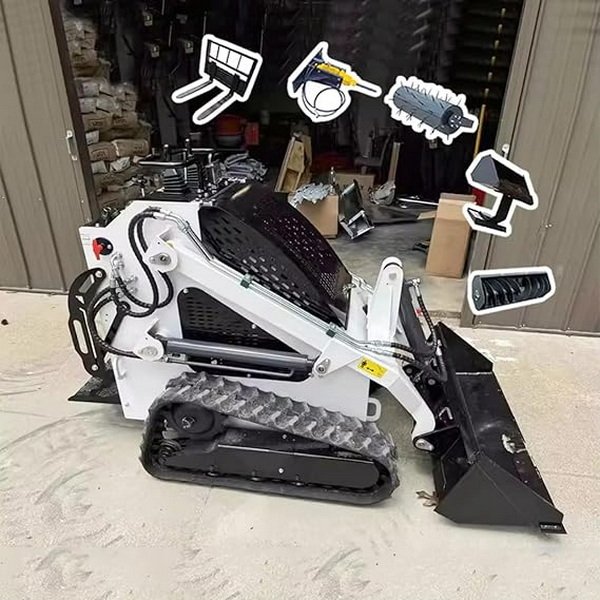
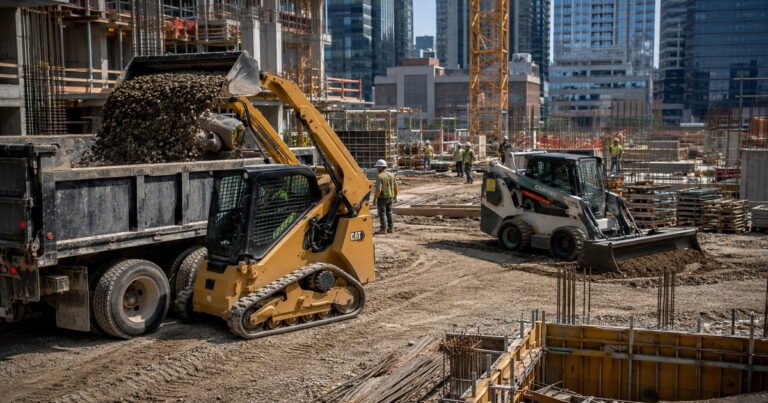
If you’re running a skid steer loader or compact track loader today, your engine is doing far more than simply turning fuel into motion—it’s the intelligent, emissions‑compliant heart of a machine that has to work long shifts, handle extreme environments and stay profitable across its lifecycle. From my experience working with construction fleets and OEMs like Certeg, the difference between an average engine and a high‑tech powerplant shows up quickly in fuel bills, uptime, operator fatigue and resale value. [fortunebusinessinsights]
Understanding the Heart of a Skid Steer Engine
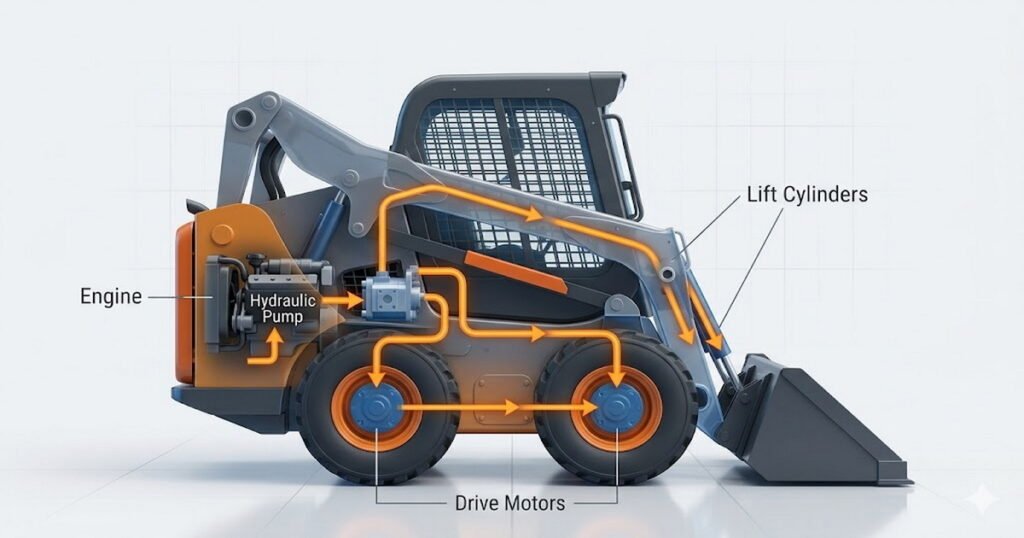
At the core of every skid steer or track loader is a compact diesel engine that drives both machine movement and hydraulic power for the boom, attachments and auxiliary functions. The engine converts fuel into mechanical energy, which is transmitted to hydraulic pumps and then out to drive motors, cylinders and auxiliary circuits. [compactequip]
Unlike automotive engines that might see only a few hours of use per day, a construction‑grade skid steer engine is often expected to work up to 10–12 hours per shift, several days per week, in demanding conditions like dust, mud, vibration and temperature extremes. [construction.newholland]
Key roles of the skid steer engine include:
– Driving the drivetrain and travel motors for wheels or tracks. [webfx]
– Powering primary hydraulics for lift, tilt and loader arm functions. [hixenmachinery]
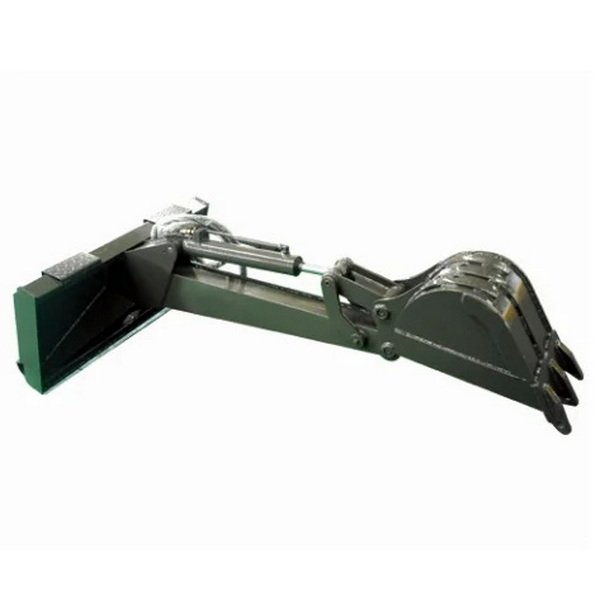
– Supplying auxiliary hydraulic power for attachments (planers, augers, breakers, mulchers and more). [compactequip]
– Maintaining reliability under long duty cycles with minimal downtime. [fortunebusinessinsights]
For manufacturers like Certeg, the challenge is designing engines and engine–hydraulic packages that deliver this power consistently while staying clean, quiet and efficient for global markets. [webfx]
Clean Power: Emissions‑Compliant Diesel Technology
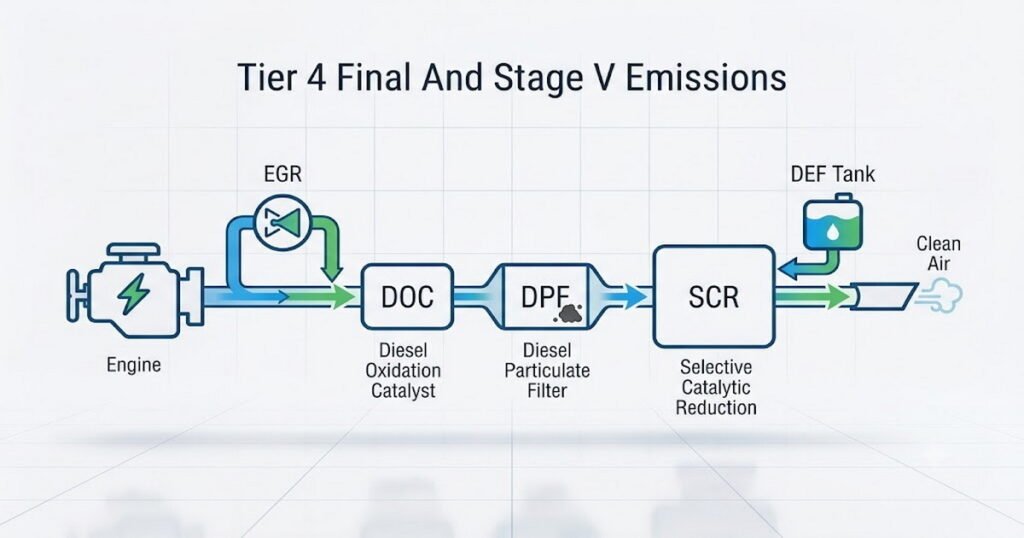
Modern skid steer and track loader engines must meet near‑zero emissions standards, most notably EPA Tier 4 Final in North America and Stage V in Europe. These regulations forced engine makers to redesign combustion, fuel systems and exhaust treatment—ironically making today’s engines not just cleaner, but more powerful and fuel‑efficient than many older models. [marketintelo]
Core aftertreatment technologies
High‑tech skid steer engines now commonly use a combination of:
– EGR (Exhaust Gas Recirculation): Recirculates a portion of exhaust back into the intake to reduce peak combustion temperatures and lower NOx emissions. [hixenmachinery]
– DOC (Diesel Oxidation Catalyst): Oxidizes carbon monoxide and hydrocarbons in the exhaust stream. [compactequip]
– DPF (Diesel Particulate Filter): Traps particulate matter (soot) and periodically regenerates to clean itself, either passively or actively. [webfx]
– SCR (Selective Catalytic Reduction): Uses DEF (Diesel Exhaust Fluid)—a urea‑based additive—to convert NOx into nitrogen and water vapor, commonly applied on engines 75 hp and above. [marketintelo]
Manufacturers tune these combinations by power band and market, meaning a 25 hp unit for a compact skid steer in a developing market might use a simpler configuration than a 100 hp loader built for North America or Europe. [fortunebusinessinsights]
From an ownership standpoint, the payoff is significant: cleaner engines often run cooler, with better combustion and less oil contamination, which supports longer service intervals and lower total cost of ownership when properly maintained. [marketintelo]
Power, Torque and Hydraulic Performance
When you spec a skid steer, you’re not just buying horsepower on a brochure—you’re buying usable torque and hydraulic power that determines how fast you can dig, lift, push and run attachments. [fortunebusinessinsights]
Why engine–hydraulic balance matters
Engine OEMs and loader manufacturers emphasize integration between the engine, electronic controls and hydraulic systems. Engines like the Kohler KDI series are engineered for strong low‑rpm torque and fast load response, enabling machines to: [hixenmachinery]
– Dig deeper and maintain power in heavy material.
– Lift faster with fewer stalls.
– Push harder in grading and dozing applications.
– Run power‑hungry attachments more consistently. [construction.newholland]
As an industry practitioner, I’ve seen that a well‑matched engine–pump combination often outperforms a higher‑horsepower machine with poor hydraulic tuning in real‑world cycle‑time tests. [valveandmeter]
For context, today’s skid steer and track loader market spans roughly 20 to 120 hp, reflecting both compact urban machines and high‑flow, high‑power units for heavy construction and land‑clearing work. [compactequip]
Advanced Fuel Systems: Common Rail and Filtration
A major shift in skid steer engine design is the move from mechanical fuel systems to electronic common rail direct injection. [webfx]
Benefits of common rail injection
Common rail systems deliver fuel at very high pressure—often over 2,000 bar (around 30,000 psi)—through electronically controlled injectors that precisely meter and atomize fuel for cleaner, more efficient combustion. This leads to: [hixenmachinery]
– Improved fuel economy.
– Higher power density from smaller displacements.
– Better cold starts.
– Reduced noise and vibration. [compactequip]
Why fuel cleanliness is now critical
The trade‑off is sensitivity: high‑pressure injectors and rails are far more vulnerable to fuel contamination from water, dirt, rust or sludge. [webfx]
To protect the system, most Tier 4 engines use:
– A two‑stage filtration system with a fuel‑water separator (centrifuging water and removing coarse particles) followed by a fine filter that captures particles down to around 10 microns. [hixenmachinery]
– Filtered tank vents and strict handling practices to reduce contamination during refueling. [compactequip]
From a fleet manager’s viewpoint, adherence to these practices—keeping nozzles clean, maintaining tank screens, replacing filters on schedule—can easily spell the difference between years of trouble‑free operation and costly injector or pump failures. [raddinteractive]
Operator Comfort, Noise and UX in the Cab
Modern engines are not just cleaner; they are quieter and smoother, which has a direct impact on operator safety, productivity and retention. [construction.newholland]
Engine designers and OEMs focus on:
– Noise reduction near the cab, as operators sit very close to the engine in most skid steer and track loader designs. [construction.newholland]
– Improved mounting, insulation and airflow management to lower noise and vibration levels. [fortunebusinessinsights]
– Integrated electronic controls and joystick systems that reduce stalling risk and make operation smoother and more intuitive, even for less experienced operators. [webfx]
In my work with contractors, I’ve repeatedly seen that quieter machines reduce operator fatigue over long shifts, which in turn supports safer operation and more consistent productivity. [raddinteractive]
Maintenance, Service Access and Total Cost of Ownership
No matter how advanced the engine is, serviceability can make or break its real‑world value. [hixenmachinery]
Extended intervals and cleaner operation
Tier 4 engines with optimized combustion and aftertreatment can offer extended oil change intervals, often around 500 hours, because the oil is exposed to fewer contaminants and lower average temperatures. For owners, that means: [compactequip]
– Fewer service events per year.
– Lower consumable costs.
– Less downtime when combined with planned maintenance. [marketintelo]
Manufacturers like Kohler have also worked to extend DPF cleaning intervals in Stage V markets, further reducing maintenance overhead when DPFs are required. [webfx]
Practical service checks when buying
Industry experts frequently recommend evaluating service access at the time of purchase. When you walk around a machine, look for: [hixenmachinery]
– Easy access to dipsticks, filters and drains without major disassembly.
– Neat wiring and sealed, waterproof connectors as signs of build quality. [compactequip]
– Consistent, high‑quality paint and finish, which often reflects the manufacturer’s overall attention to detail. [webfx]
From an expert buyer’s standpoint, if basic checks like oil and filter changes are awkward or messy, they’re less likely to be done on time—which directly shortens engine life. [hixenmachinery]
How to Choose the Right Engine Package for Your Application
Because skid steers and track loaders are used across construction, agriculture, landscaping, industrial and rental sectors, there is no single “best” engine—only the best fit for your jobs, attachments and regional regulations. [marketintelo]
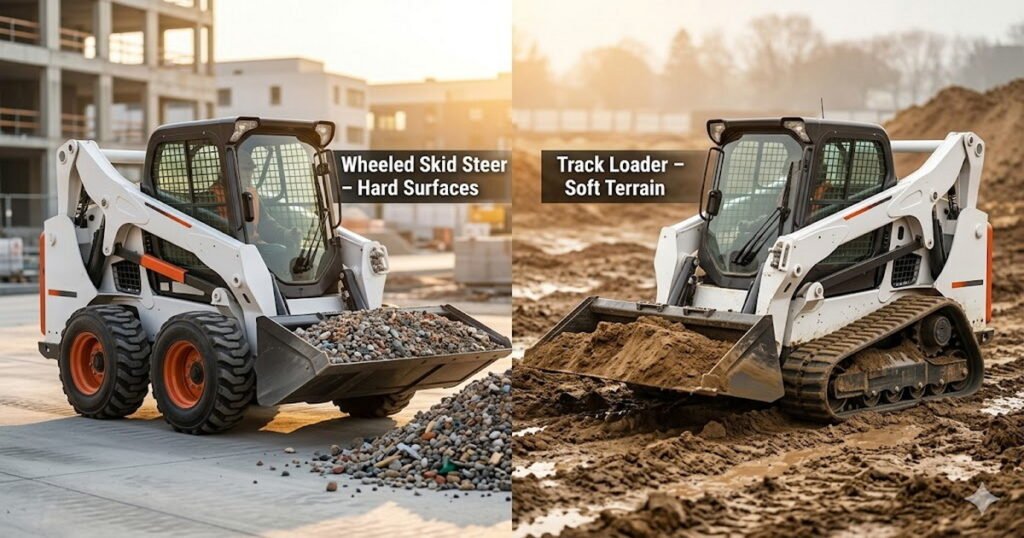
1. Clarify your primary work scenarios
When matching an engine and machine, define:
– Typical duty cycles (intermittent vs. continuous heavy use).
– Common attachments (standard buckets vs. high‑flow attachments).
– Average environmental conditions (dust, temperature, altitude). [fortunebusinessinsights]
Higher‑duty, high‑flow jobs benefit from engines at the upper end of the 75–120 hp range, while light construction or property maintenance may be well served by compact units in the 40–75 hp band. [construction.newholland]
2. Consider emissions strategy and fluid logistics
If you operate in Tier 4 or Stage V markets, decide if you’re ready to manage DEF (for SCR systems) in your fueling process. Some mid‑range engines and certain configurations minimize or avoid DPFs, while larger engines (75 hp and above) typically require SCR and DEF. [marketintelo]
For example, some Perkins engines keep DEF consumption around 3% of fuel use, so a 25‑gallon fuel shift might require only about 0.75 gallons of DEF—easy to plan for when managed correctly. [marketintelo]
3. Evaluate total cost of ownership, not just sticker price
Leading heavy equipment SEO and marketing research shows that B2B buyers increasingly look at lifecycle cost, not only upfront price, when comparing machines. When assessing an engine package, factor in: [valveandmeter]
– Fuel consumption under real‑world loads.
– Service intervals and ease of maintenance.
– Expected DPF or aftertreatment service over several years.
– Parts support and global availability—especially important for brands like Certeg serving multiple regions. [raddinteractive]
Certeg’s Perspective: Designing for Global Power and Conditions
As a manufacturer focused on skid steer loaders (both wheeled and tracked) and related construction machinery, Certeg must design engine and powertrain solutions that adapt to diverse power demands, jobsite conditions and emissions rules around the world. [construction.newholland]
From an OEM strategy standpoint, this typically means:
– Offering multiple power ratings across a range of frame sizes to support everything from compact urban projects to heavy industrial work. [fortunebusinessinsights]
– Integrating emissions‑ready engine platforms that can be tuned or configured for Tier 4, Stage V or other regional standards. [fortunebusinessinsights]
– Prioritizing hydraulic–engine matching so customers get reliable performance with Certeg’s attachment portfolios and working modes. [compactequip]
In my role advising industrial equipment brands, the most successful manufacturers are those who pair technical innovation with transparent communication about maintenance, fluid management and realistic performance expectations. [valveandmeter]
Practical Maintenance Tips to Protect Your Engine Investment
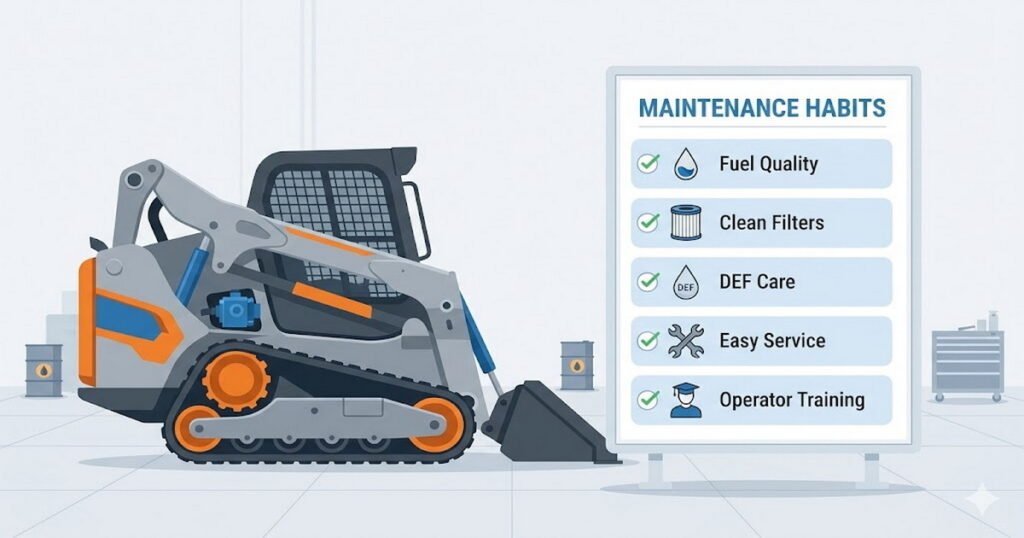
From the field, these simple habits consistently extend the life of high‑tech skid steer and track loader engines: [webfx]
1. Protect fuel quality:
Always refuel from trusted sources, keep nozzles clean, and never bypass tank screens or filters.
2. Respect filtration systems:
Replace fuel and air filters according to the OEM schedule (or sooner in dusty environments) to protect injectors and turbochargers.
3. Monitor DEF and aftertreatment:
Use the correct DEF specification, store it properly, and follow DPF cleaning or regeneration guidance to avoid derating or downtime.
4. Check service access before purchase:
Choose machines where oil, filters and key components are easy to reach, so daily and periodic checks actually happen in the field.
5. Train operators, not just mechanics:
Teach operators how engine load, idling, and regeneration behavior affect fuel use, aftertreatment health and engine life.
These steps are simple, but they align closely with what engine manufacturers and fleet experts recommend for heavy equipment longevity. [raddinteractive]
Recommended Skid Steer Engine Specs by Use Case
Below is a simple reference table to help buyers and specifiers align engine characteristics with typical applications. [construction.newholland]
| Application Type | Typical HP Range | Key Engine Priorities | Recommended Features |
|---|---|---|---|
| Light construction & landscaping | 40–65 hp fortunebusinessinsights | Fuel efficiency, compact size, low noise fortunebusinessinsights | DOC‑only or light EGR, common rail, easy service access webfx |
| General construction & rental fleets | 60–90 hp fortunebusinessinsights | Versatility, uptime, simple maintenance fortunebusinessinsights | EGR + DOC / DPF, robust filtration, extended oil intervals webfx |
| Heavy construction & high‑flow attachments | 75–120 hp fortunebusinessinsights | High torque, hydraulic power, thermal management fortunebusinessinsights | SCR + DEF, advanced common rail, integrated engine–hydraulic controls webfx |
| Agriculture & material handling | 50–90 hp fortunebusinessinsights | Mixed use, long duty cycles, fuel cost control fortunebusinessinsights | Efficient aftertreatment, long service intervals, strong low‑rpm torque webfx |
Clear Call to Action: Plan Your Next Skid Steer Powertrain with Certeg
If you are evaluating your next skid steer or compact track loader purchase, or planning a fleet refresh, now is the time to rethink how you spec engines, hydraulics and emissions systems as one integrated package, not as separate boxes to tick. [marketintelo]
Certeg can help you match:
– Engine power and torque to your real‑world jobs and attachments.
– Emissions strategies to your target regions and regulatory landscape.
– Hydraulic performance and comfort features to your operators’ daily reality.
Talk to Certeg’s application engineering team or your local distributor to review your current machines, duty cycles and total cost of ownership goals, and to configure a skid steer or track loader package that delivers clean, powerful and sophisticated performance for years to come. [raddinteractive]
Frequently Asked Questions (FAQ)
1. Are Tier 4 and Stage V skid steer engines more expensive to maintain?
They can require more attention to DEF quality, DPF regeneration and fuel cleanliness, but extended oil intervals and improved combustion often offset these costs when maintenance is done correctly. [fortunebusinessinsights]
2. Do I really need SCR and DEF for my skid steer?
SCR and DEF are typically required on engines 75 hp and above in Tier 4 Final markets, but some lower‑power configurations operate without DEF depending on their emissions strategy and regional regulations. [marketintelo]
3. How important is common rail injection for skid steer engines?
Common rail systems are now standard on most modern engines because they improve fuel efficiency, power and emissions performance, but they require cleaner fuel and high‑quality filtration to ensure long‑term reliability. [hixenmachinery]
4. What should I look for when inspecting a skid steer’s engine compartment?
Focus on direct access to filters and dipsticks, neat wiring, sealed connectors and overall build quality—these are strong indicators of how easy the machine will be to service over time. [compactequip]
5. How do I match skid steer engine power to my attachments?
Start with your heaviest, most demanding attachments (like cold planers, mulchers or heavy breakers) and ensure the engine and hydraulic system can sustain the required flow and pressure without frequent stalling or overheating. [construction.newholland]
References
1. Compact Equipment – “High‑Tech Power: Skid Steer and Track Loader Engines Are Clean, Powerful and Sophisticated.”
https://compactequip.com/skid-steers/high-tech-power-skid-steer-and-track-loader-engines-are-clean-powerful-and-sophisticated/ [webfx]
2. Fortune Business Insights – “Skid Steer Loader Market Size, Share & Industry Analysis.”
https://www.fortunebusinessinsights.com/skid-steer-loader-market-104089 [fortunebusinessinsights]
3. Hixen Machinery – “What Is a Skid Steer Engine and How Does It Work?”
https://hixenmachinery.com/what-is-a-skid-steer-engine/ [hixenmachinery]
4. Market Intelo – “Skid Steer Loader Engine Market Research Report 2033.”
https://marketintelo.com/report/skid-steer-loader-engine-market [marketintelo]
5. WebFX – “SEO Strategies for Heavy Equipment Companies.”
https://www.webfx.com/industries/heavy-equipment/heavy-equipment/seo/ [webfx]
6. Radd Interactive – “Construction Heavy Equipment Marketing & Advertising.”
https://raddinteractive.com/construction-heavy-equipment-marketing-advertising/ [raddinteractive]
7. Valve+Meter – “Top 20 Heavy Equipment Digital Marketing Strategies.”
https://valveandmeter.com/blog/marketing/heavy-equipment-marketing-strategies/ [valveandmeter]
8. New Holland Construction – “Skid Steer Loaders – 300 Series.”
https://construction.newholland.com/en-us/northamerica/products/light-construction-equipment/skid-steer-loaders [construction.newholland]
Hot Tags: Skid Steer Loader, Manufacturers, Customized, Custom, Suppliers, Buy, Cheap, Quality, Advanced, Durable, in Stock, Made in China, Price, Quotation