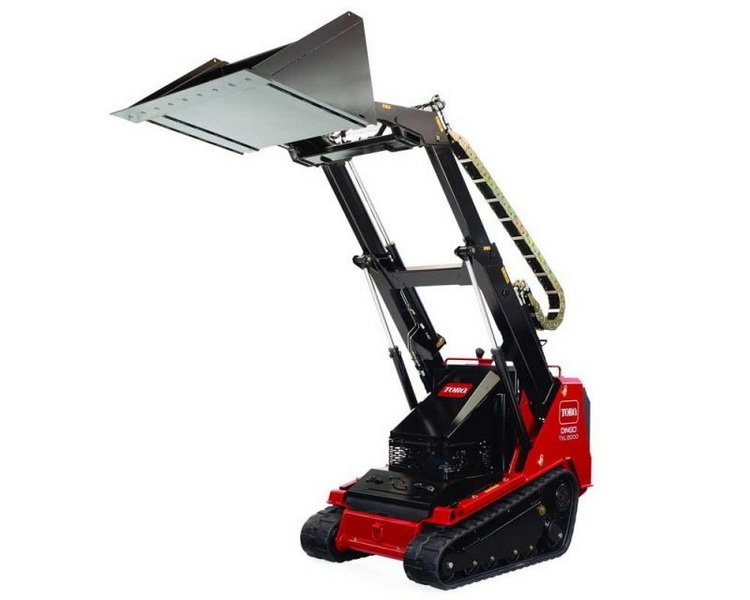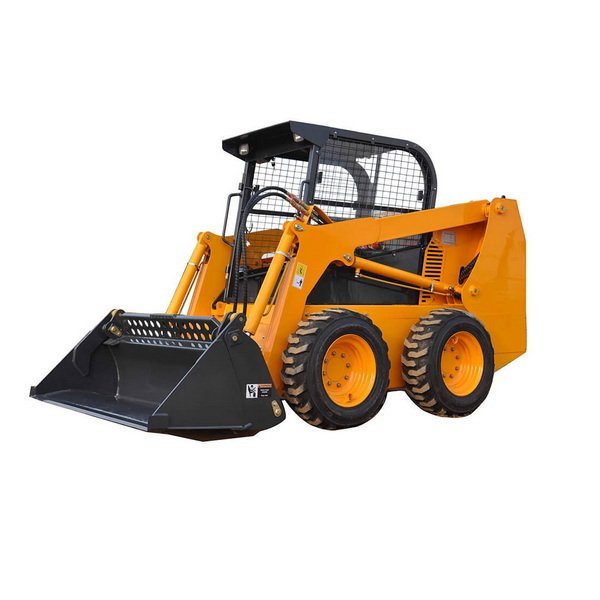

Easy-to-Use, Easy-to-Own Construction Machines for the Rental Marke
Content Menu
● Why Easy-to-Use, Easy-to-Own Machines Matter
● Side-Shift Backhoe Loader Designed for Tight Spaces
>> Key Features That Help Rental Customers
● Rough-Terrain Forklifts with Enclosed Cab Comfort
>> Operator and Fleet Benefits
● Full-Sized Wheel Loader Built Around Productivity and Uptime
>> Features That Support Rental Use
● CX50D Mini Excavator with Big-Power Performance
>> Attachment and Operator Focus
● Shared Advantages for Rental-Focused Machines
>> Common Rental-Oriented Strengths
● Comparison of Rental-Focused Machines
● Practical Steps for Rental Companies When Updating Fleets
>> Five Steps to Guide Fleet Decisions
● Positioning Manufacturers Like Certeg in the Rental Ecosystem
● Targeted Call to Action for Rental Fleet Owners
● FAQ
>> FAQ 1: Why are easy-to-use machines so important for rental companies?
>> FAQ 2: How does telematics improve profitability for rental fleets?
>> FAQ 3: What makes side-shift backhoe loaders attractive in rental fleets?
>> FAQ 4: Why invest in enclosed cabs on rough-terrain forklifts?
>> FAQ 5: How should rental companies balance mini excavators and full-sized wheel loaders?
Rental companies increasingly need easy-to-use, low-maintenance machines that inexperienced operators can handle safely while fleet owners still protect margins and uptime. Modern backhoe loaders, rough-terrain forklifts, wheel loaders, and mini excavators are now engineered specifically for rental, combining intuitive controls, telematics, and flexible ownership options to keep utilization high and total cost of ownership under control.[1][2][3][4]
Why Easy-to-Use, Easy-to-Own Machines Matter
A global construction equipment rental market valued at well over USD 130 billion in the mid‑2020s is projected to grow steadily as contractors favor renting flexible fleets over purchasing large numbers of machines. At the same time, tight labor markets and skills gaps mean operator-friendly machines are essential, because rental fleets increasingly serve mixed crews with varying experience levels.[2][4][5][1]
Key forces shaping rental demand include:
– Preference for short-term, project-based access to equipment instead of heavy capital investment.[1]
– Growing deployment of telematics and IoT tools for tracking, maintenance, and usage-based billing.[4][5]
– Demand for versatile machines that can support multiple applications through fast attachment changes.[3][6]
Side-Shift Backhoe Loader Designed for Tight Spaces
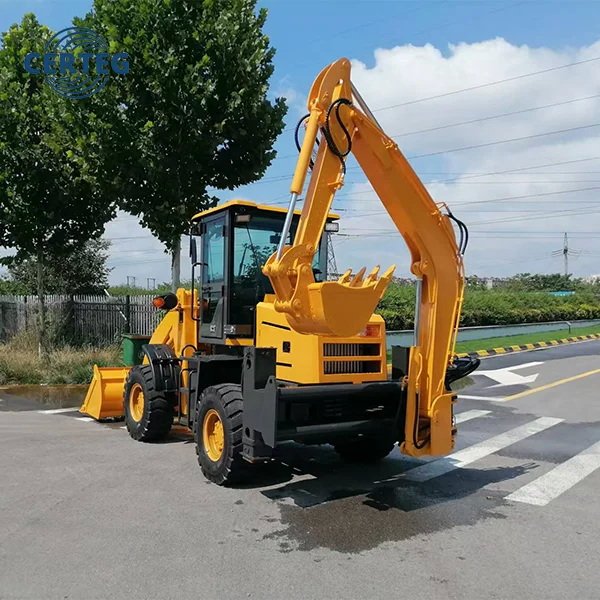
The 580SV side-shift backhoe loader is built to deliver full digging and loading performance while working efficiently in confined sites such as urban streets, utility corridors, and roadside environments. With a 97 hp engine, side-shift boom, and narrow overall width, it allows operators to position the machine once and work along a wall or trench without constant repositioning.[6][7][8]
Key Features That Help Rental Customers
– Hydraulic side-shift boom lets operators move the backhoe left or right to dig parallel to structures or carve rectangular trenches while minimizing the machine footprint.[7]
– ProControl swing dampening system reduces over-swing and improves bucket placement accuracy, which supports smoother operation for less-experienced users.[8][7]
– Loader side includes auto ride control and ECO modes to improve ride quality and fuel economy, helping renters work longer shifts at lower operating cost.[6][7]
The machine also acts as a multi-tool platform, thanks to a 6‑in‑1 front bucket and a full menu of compatible backhoe attachments that enable trenching, lifting, grading, and light material handling from a single unit.[7][6]
Rough-Terrain Forklifts with Enclosed Cab Comfort
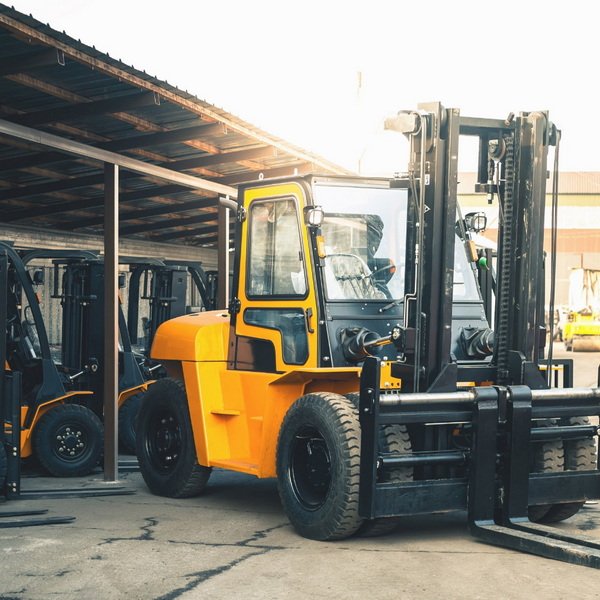
Rough-terrain forklifts remain essential for rental fleets that support construction, industrial, and lumber operations on uneven ground. The 586H and 588H rough-terrain forklifts add a factory-designed enclosed cab option, allowing work in harsh weather and dusty conditions without sacrificing operator comfort.[9][3][6]
Operator and Fleet Benefits
– Enclosed cab with heat, air conditioning, Bluetooth radio, and improved dust and noise suppression enables year-round operation in extreme climates.[3]
– Lift capacities range from about 6,000 to 8,000 lb, with mast heights from roughly 11 to 22 ft, so they can handle a wide variety of palletized materials and framing components.[3][6]
– Availability of both 2WD and 4WD versions helps rental companies match machines to local terrain and price expectations.[3]
An exclusive Load Control function helps reduce the shock transmitted to the load and chassis when traveling over rough ground, which lowers the risk of product damage and structural stress on the machine. With telematics capability and emissions systems designed for low maintenance, these forklifts are structured to minimize unplanned downtime in rental environments.[4][8][3]
Full-Sized Wheel Loader Built Around Productivity and Uptime
The 651G full-sized wheel loader is a high-performance machine tailored to rental and contractor fleets needing strong breakout force and high material-handling productivity. With breakout force near 24,000 lb and lifting capacity above 16,100 lb, it is well suited to loading trucks, handling aggregate, and managing bulk materials.[10][8]
Features That Support Rental Use
– Adjustable electrohydraulic controls allow fleet managers and operators to tune joystick response, helping match the loader’s behavior to different skill levels and tasks.[10]
– Integrated onboard weighing system enables accurate tracking of material moved, which supports job costing and documentation for contractors.[10]
– Safety technologies such as a security lock and four-corner flashers help protect the machine and improve jobsite visibility.[8][10]
The 651G supports several loader configurations and can be paired with tools like forks and brooms, increasing its utility in construction, industrial, municipal, and snow-handling work. Combined with structured service and warranty programs plus telematics, it offers a predictable ownership and maintenance profile for rental fleets.[4][10][3]
CX50D Mini Excavator with Big-Power Performance
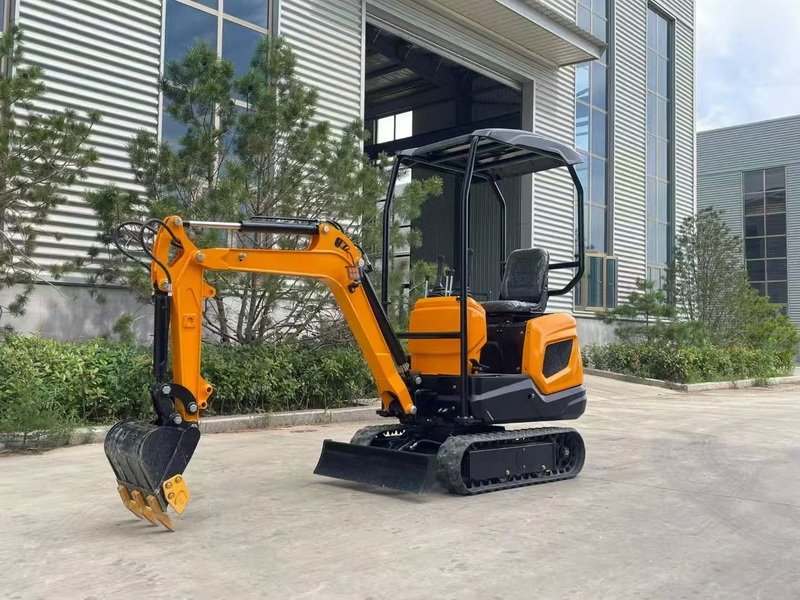
The CX50D mini excavator, positioned in the 5-metric ton class, responds to growing demand for compact machines that provide higher lifting capacity and digging performance than smaller minis while still fitting into restricted access areas. Its compact size allows it to work in residential settings, utility projects, and dense urban jobsites where maneuverability is critical.[11][2][8]
Attachment and Operator Focus
– Multifunctional hydraulics with a standard second auxiliary circuit and available third or dedicated auxiliary lines enable the use of advanced tools such as tilt rotators, grapples, and mulchers.[11]
– An automotive-style cab with automatic climate control, Bluetooth radio, five-way adjustable seat, and a customizable LCD screen helps keep operators comfortable and informed during long shifts.[11]
– Simplified, rugged design prioritizes durability and low cost of ownership, which is essential for machines that pass through many different renters over their service life.[6][11]
The combination of strong digging performance and high-spec hydraulics allows rental customers to cover trenching, grading, landscaping, and light demolition without bringing multiple machines to a small site.[2][11]
Shared Advantages for Rental-Focused Machines
These machines follow a similar design philosophy aimed at raising utilization and protecting profitability for rental fleets. Shared characteristics include a focus on operator comfort, attachment flexibility, and digital connectivity.[5][4]
Common Rental-Oriented Strengths
– Operator ease-of-use: Intuitive control layouts, smooth hydraulic response, and automotive-like cabs help less-experienced operators work productively and safely.[10][3]
– Attachment readiness and versatility, including multi-function buckets, side-shift booms, and multiple auxiliary hydraulic circuits that let one machine cover multiple jobs.[6][11]
– Telematics integration that supports real-time machine tracking, fault alerts, and maintenance scheduling, helping rental companies reduce downtime and improve billing accuracy.[5][4]
– Comfort and safety features such as climate control, improved visibility, lighting packages, and noise reduction, which encourage longer daily use and higher fleet utilization.[3][10]
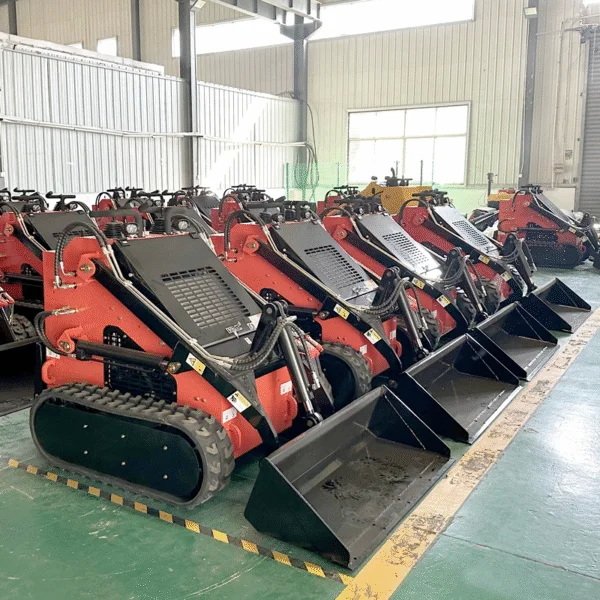
Comparison of Rental-Focused Machines
Practical Steps for Rental Companies When Updating Fleets
Rental decision-makers benefit from a structured approach when refreshing backhoe, forklift, loader, and mini excavator fleets. A clear process reduces risk and aligns new machines with the most profitable customer segments.[2][4]
Five Steps to Guide Fleet Decisions
1. Audit current utilization and seasonality
– Study which machine categories achieve the highest utilization across the year and where availability is tight during peak seasons.[9][1]
– Use machine data where available to identify underused units that could be replaced by more versatile models.[5][4]
2. Prioritize operator-friendly features
– Focus on controls, cab comfort, and visibility as critical criteria when comparing models.[10][3]
– Favor machines with consistent control layouts and displays to reduce training time and errors across your fleet.[5]
3. Plan an attachment strategy
– Map the attachments most frequently requested by renters, such as buckets, forks, grapples, mulchers, and breakers.[2][11]
– Select machines with sufficient hydraulic circuits, quick couplers, and compatible mounting systems to support these tools.[7][6]
4. Integrate telematics into operations
– Ensure new machines have long-term telematics subscriptions that support tracking, fault diagnostics, and maintenance reminders.[4][5]
– Use this data to manage service intervals, monitor abuse, and refine pricing models based on real-world utilization.[1][2]
5. Model total cost of ownership (TCO)
– Combine acquisition cost, fuel consumption, maintenance schedules, and residual values to compare machine options fairly.[12][2]
– Align rental rates with TCO, clearly communicating performance and uptime benefits to justify premium pricing when appropriate.[1][5]
Positioning Manufacturers Like Certeg in the Rental Ecosystem
Manufacturers that produce excavators, skid steers, road rollers, forklifts, tractors, and tracked carriers can align their product development with the same principles seen in leading rental-oriented models. By integrating high-visibility cabs, side-shift or zero-tail designs, robust hydraulics, and telematics-ready electronics, they can supply machines tailored to rental fleet expectations worldwide.[8][1][5][3]
A product line designed with modular attachments, multiple auxiliary hydraulic configurations, and strong after-sales support is well positioned to form long-term partnerships with rental businesses seeking reliable, easy-to-own equipment.[2][4]
Targeted Call to Action for Rental Fleet Owners
Rental businesses that want higher utilization, fewer operator complaints, and more predictable maintenance costs should review their current fleet mix using the five-step framework described above. Start by identifying your most profitable applications, then prioritize new backhoe loaders, rough-terrain forklifts, wheel loaders, and mini excavators that combine operator-friendly controls, versatile attachments, and integrated telematics.[4][2]
When discussing new machines with your preferred manufacturer or dealer, request detailed information on cab ergonomics, hydraulic options, attachment compatibility, and digital service support. Contact us to get more information![1][5]
FAQ
FAQ 1: Why are easy-to-use machines so important for rental companies?
Rental fleets often serve operators with very different skill levels, including those who only use heavy equipment occasionally. Easy-to-use controls and clear displays help these users work productively and safely, reducing accidents, damage, and negative rental experiences.[5][3][4]
FAQ 2: How does telematics improve profitability for rental fleets?
Telematics provides real-time data on location, run hours, fuel use, and fault codes, which allows rental companies to schedule preventive maintenance instead of reacting to breakdowns. It also supports more transparent billing and helps identify which models or sizes bring the best returns based on actual utilization patterns.[1][2][4][5]
FAQ 3: What makes side-shift backhoe loaders attractive in rental fleets?
Side-shift backhoe loaders can work very close to walls, utilities, and barriers, reducing the need to reposition the machine and improving productivity in tight jobsites. For renters who perform utilities, roadwork, or urban maintenance, this flexibility means they can complete more work with a single rental unit.[7][8][6]
FAQ 4: Why invest in enclosed cabs on rough-terrain forklifts?
Enclosed cabs with climate control and dust suppression extend the working season in hot, cold, or dirty environments, raising annual utilization of each forklift. They also improve operator comfort and retention, which is especially valuable when labor is scarce and training new operators is costly.[3][4][5][1]
FAQ 5: How should rental companies balance mini excavators and full-sized wheel loaders?
Mini excavators are ideal when access is restricted and precise digging is required, while full-sized wheel loaders excel in bulk material handling and truck loading. Many fleets carry both types, but choosing models with strong attachment support and operator comfort ensures each machine covers a wider range of jobs and delivers better return on investment.[11][2][10]
Citations:
[1] https://uk.finance.yahoo.com/news/construction-equipment-rental-business-report-080400582.html
[2] https://www.gminsights.com/industry-analysis/construction-equipment-rental-market
[3] https://www.casece.com/en-ca/northamerica/inside-case/articles/2024/case-launches-new-ways-to-push-rental-businesses-forward-with-new-machines-and-hip-pocket-support
[4] https://www.alliedmarketresearch.com/construction-equipment-rental-services-market-A200864
[5] https://www.coherentmarketinsights.com/market-insight/construction-equipment-rental-market-6036
[6] https://www.forconstructionpros.com/equipment/earthmoving-compact/product/22894523/case-construction-equipment-cnh-case-releases-new-machines-and-equipment-upgrades
[7] https://www.casece.com/en-ca/northamerica/products/backhoe-loaders/580sv-side-shift-construction-king
[8] https://www.heavyequipmentguide.ca/article/41757/new-and-updated-case-machines-offer-options-to-construction-and-utility-fleets
[9] https://www.tapgoods.com/pro/blog/construction-equipment-rental-software/most-rented-equipment/
[10] https://engineersoutlook.com/opening-the-doors-for-greater-versatility-across-an-industry-stuck-deeply-in-its-ways/
[11] https://www.forconstructionpros.com/equipment/earthmoving-compact/mini-excavators/article/22886657/case-construction-equipment-cnh-case-showcases-new-machines-for-rental-industry)
[12] https://www.statifacts.com/outlook/us-construction-equipment-rental-market
Hot Tags:Excavator Mini Excavator, Case Rental Machines, Rental Equipment Solutions, Easy To Use Construction Machines, Compact Construction Equipment, Case Skid Steer Loaders, Case Compact Track Loaders, Rental Market Equipment, Construction Equipment Rentals, Case Heavy Machinery