
Compact Track Loaders in Snow: The Ultimate Guide to High-Traction Winter Performance
Content Menu
● What Is a Compact Track Loader and Why It Excels in Snow?
● Compact Track Loaders vs Skid Steers in Snow
>> Traction, Flotation, and Ground Pressure
>> Stability and Control With Snow Attachments
>> Speed, Maneuverability, and Site Type
● Key Benefits of Compact Track Loaders in Winter
>> Built for Year-Round and Winter Use
>> Operator Comfort and Productivity
● Best Practices: How to Run CTLs in Snow Safely and Efficiently
>> 1. Winterize the Machine Early
>> 2. Take Care of Tracks and Undercarriage
>> 3. Use the Right Attachments for Each Job
>> 4. Store and Stage Machines Strategically
>> 5. Train Operators on Winter Techniques
>> 6. Manage Fuel Use and Idling
● Choosing the Right Machine Size and Configuration for Snow
● Real-World Applications for CTLs in Snow
● Future Trends in Track Technology and Winter Performance
● Compact Track Loaders vs Skid Steers in Winter: At-a-Glance
● Build a More Efficient Winter Fleet With Certeg
● FAQs About Compact Track Loaders in Snow
>> 1. Are compact track loaders better than skid steers for snow removal?
>> 2. Do rubber tracks wear out faster in winter conditions?
>> 3. What size compact track loader is best for snow work?
>> 4. Can a compact track loader be used year-round or only in winter?
>> 5. What are the most important winter maintenance tasks for CTLs?
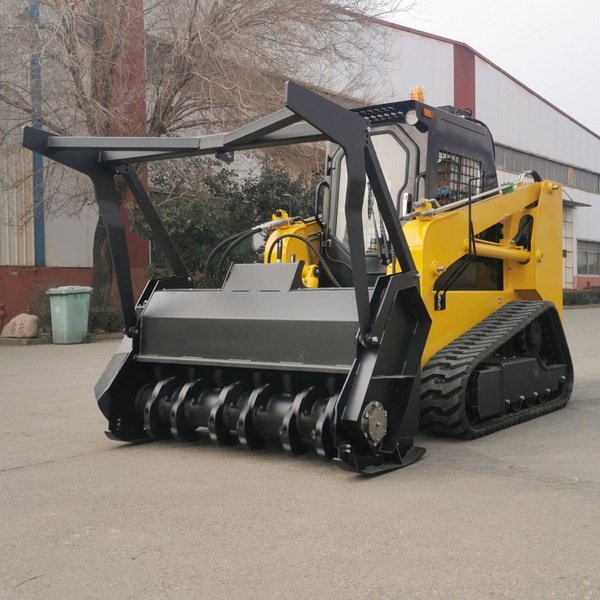
For contractors, municipalities, and property managers facing harsh winters, compact track loaders in snow have become a go-to solution for safe, efficient, and profitable operations, often outperforming traditional skid steers in many applications. This enhanced guide explains why, and how to choose, operate, and maintain the right machine for your winter fleet.
What Is a Compact Track Loader and Why It Excels in Snow?
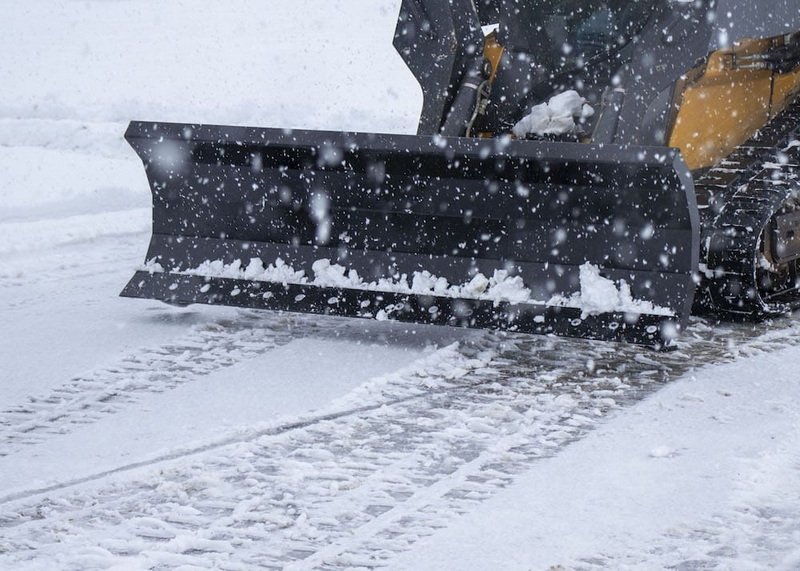
Compact track loaders (CTLs) are compact construction machines equipped with rubber tracks instead of wheels, giving them excellent traction and stability on slippery winter surfaces. Their design makes them especially effective for pushing, lifting, and relocating snow without sinking or losing grip.
Key winter advantages of CTLs include:
– Lower ground pressure for better flotation on snow and ice.
– More stable platform for heavy snow attachments such as snowblowers and pushers.
– Smoother ride that reduces operator fatigue during long winter shifts.
Compact Track Loaders vs Skid Steers in Snow
Both compact track loaders and skid steers are widely used for winter work, but they perform differently in snow and ice.
Traction, Flotation, and Ground Pressure
CTLs use continuous rubber tracks that spread the machine’s weight over a larger area, resulting in lower ground pressure. This improves flotation on deep or soft snow and reduces the risk of the machine sinking into thawing ground.
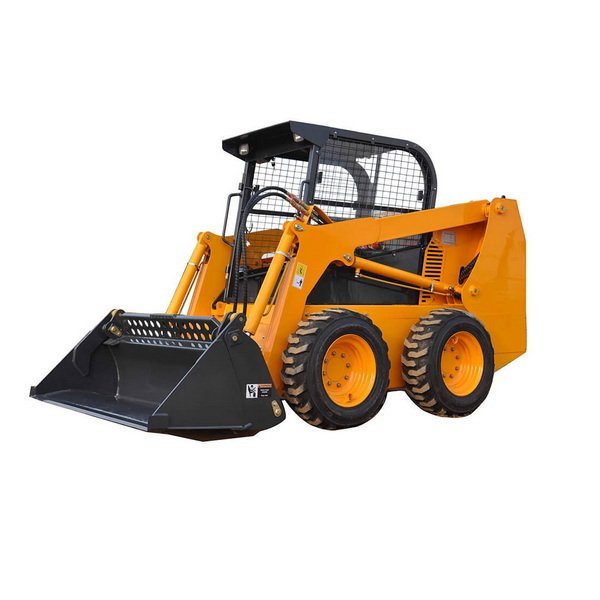
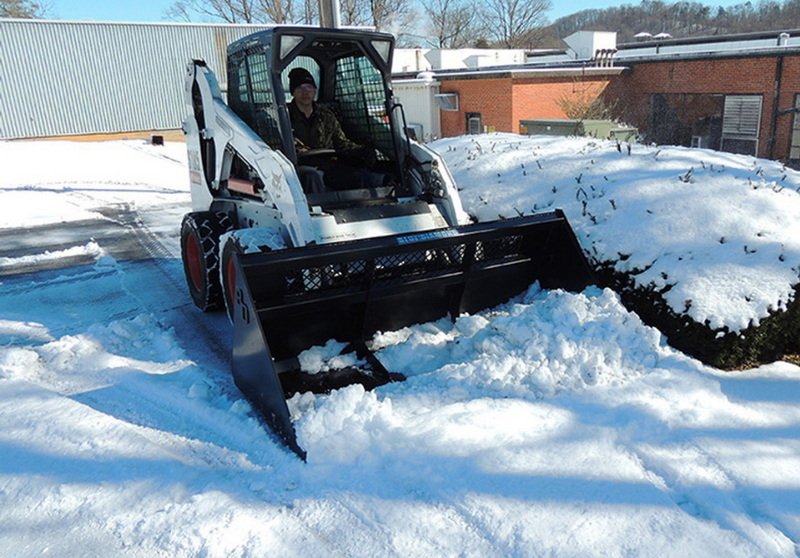
Skid steers rely on four wheels, which concentrate weight in smaller contact patches that can dig into slush or spin on ice. On tightly packed or cleared surfaces, wheeled skid steers can still be very productive, especially in small parking lots and confined areas.
Stability and Control With Snow Attachments
The extended track footprint and low center of gravity of a CTL provide excellent stability when operating heavy winter attachments like angle plows, large snow pushers, or high-capacity snowblowers. This reduces rocking, improves control, and helps operators maintain a consistent cutting edge.
Skid steers remain strong performers where quick turns, rapid repositioning, and tight maneuvering are crucial, such as dense urban areas or narrow drive lanes.
Speed, Maneuverability, and Site Type
– CTLs shine on uneven terrain, steep grades, gravel drives, new construction sites, and large open areas where traction and flotation matter most.
– Skid steers excel on paved, level surfaces that require frequent short moves and tight turns.
For many fleets, a mixed lineup of compact track loaders and skid steers provides the best coverage across all snow scenarios.
Key Benefits of Compact Track Loaders in Winter
Built for Year-Round and Winter Use
Compact track loaders are designed to work effectively on both soft and frozen ground while minimizing surface damage. This is ideal for customers who want to protect landscaping, sidewalks, and finished pavement hidden under the snow.
Because of their superior flotation, CTLs can stay in operation even when conditions become challenging for wheeled equipment. This enhanced uptime directly supports productivity throughout the snow season and beyond.
Operator Comfort and Productivity
The tracked undercarriage of a CTL often provides a smoother ride than a wheeled skid steer, especially over ruts, frozen piles, and uneven ground. Lower vibration and less bouncing help reduce operator fatigue, allowing crews to work longer and stay more focused during storms.
Comfort features that matter in winter include:
– Heated cab with effective defrost
– Comfortable seat suspension
– Clear sightlines to the cutting edge and surroundings
These features translate into safer, more efficient snow operations.
Best Practices: How to Run CTLs in Snow Safely and Efficiently
To get the most out of a compact track loader in snow, owners must focus on preparation, maintenance, and operator technique.
1. Winterize the Machine Early
Before the first storm hits, complete a thorough winter-prep checklist.
– Use engine oil, coolant, hydraulic oil, and fuel rated for low temperatures.
– Check battery health, glow plugs, and block heater for reliable cold starts.
– Inspect the heating, defrosting, and lighting systems to keep operators comfortable and ensure clear visibility.
Proper winterization can prevent costly downtime and hard starts on the coldest days.
2. Take Care of Tracks and Undercarriage
Snow and ice buildup can lead to extra wear, performance loss, and safety risks.
– Inspect rubber tracks regularly for cuts, worn lugs, and loss of tension.
– Clean the undercarriage thoroughly after each shift to remove packed snow and ice.
– Avoid aggressive turning on abrasive surfaces to extend track life.
A clean, well-maintained undercarriage supports consistent traction and reduces repair costs.
3. Use the Right Attachments for Each Job
Attachment selection can make or break winter productivity.
– Snow blades: Ideal for pushing large volumes and windrowing parking lots quickly.
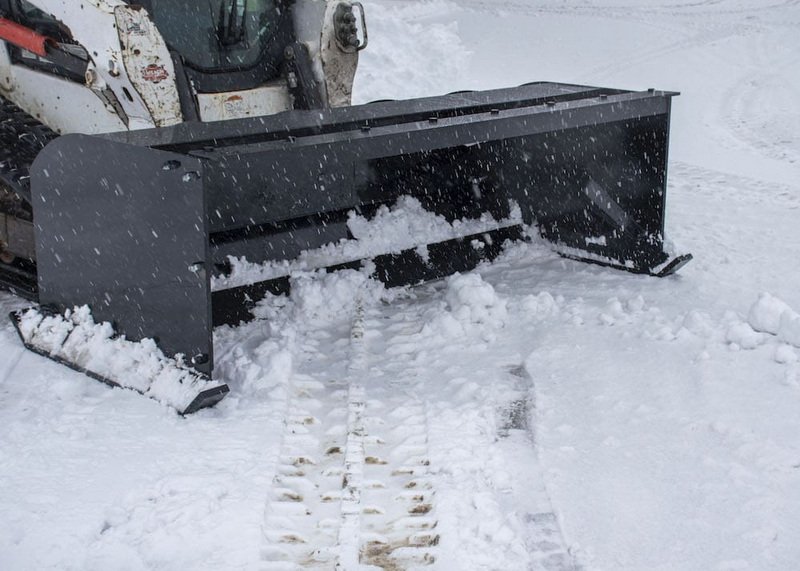
– Box or containment plows: Effective for capturing and moving snow in fewer passes.
– Snowblowers: Best for deep snow or areas where snow must be thrown or relocated.
– Salt or sand spreaders: Help keep surfaces safe after plowing by improving skid resistance.
Matching the compact track loader to the correct attachment ensures efficient clearing in each application.
4. Store and Stage Machines Strategically
Whenever possible, store compact track loaders in covered or heated facilities to avoid ice buildup and cold-start stress. If indoor storage is not available, park machines in locations where drifts, runoff, and freezing water will not surround the undercarriage.
Proper staging near priority areas can also reduce idle time and dead travel during storms.
5. Train Operators on Winter Techniques
Even the best compact track loader can underperform if operators lack training.
– Use moderate travel speeds to maintain control and avoid sliding.
– Practice smooth turning to minimize track wear and surface damage.
– Teach operators to anticipate obstacles that may be hidden beneath snow.
Well-trained operators deliver better results with less equipment stress and greater safety.
6. Manage Fuel Use and Idling
Running in extreme cold can tempt crews to leave machines idling between passes. Reducing unnecessary idle time saves fuel and limits engine wear, especially across a long winter season.
Choosing the Right Machine Size and Configuration for Snow
For contractors and property managers, selecting the correct compact track loader for snow work involves more than just buying the largest model available. Matching machine size and configuration to the job profile is critical for efficiency and return on investment.
Key factors to consider:
– Machine weight and horsepower
– Operating capacity for snow attachments
– Track width and tread pattern
– Cab features and visibility
Larger CTLs may handle wider snow pushers and heavier blowers, but they require more space to maneuver and more transport capacity. Mid-size models often strike the best balance for mixed commercial and residential work.
Real-World Applications for CTLs in Snow
Compact track loaders support a wide range of winter applications when paired with the right attachments and trained operators.
Common scenarios include:
– Commercial parking lot clearing for retail centers and industrial parks
– Residential driveway and private road maintenance for communities and property managers
– Municipal pathways, sidewalks, and park trails where low ground pressure is essential
– Construction jobsite access maintenance, keeping routes open during ongoing projects
In each scenario, a CTL’s traction, stability, and versatility help crews maintain safe, passable surfaces even during continuous snowfall.
Future Trends in Track Technology and Winter Performance
The capabilities of compact track loaders in snow are improving as manufacturers refine undercarriage and track technologies.
Advancements include:
– New rubber compounds designed for better cold-weather flexibility and durability
– Optimized tread patterns that improve traction on ice while minimizing wear on cleared surfaces
– Enhanced undercarriage designs that simplify snow and ice removal during maintenance
These developments will further increase the value of CTLs for fleets that face demanding winter conditions year after year.
Compact Track Loaders vs Skid Steers in Winter: At-a-Glance
| Feature | Compact Track Loader in Snow | Skid Steer in Snow |
|---|---|---|
| Traction on ice/snow | Higher due to tracks and large contact area | Lower on deep or soft snow, good on cleared hard surfaces |
| Ground pressure/flotation | Lower, better for deep or soft snow | Higher, more likely to sink on thawing ground |
| Stability with attachments | Very stable with plows and blowers | Good, but more rocking on uneven ground |
| Maneuverability | Strong, but slower in tight spaces | Excellent in compact urban sites |
| Surface impact | Gentler on landscaping and sensitive surfaces | Higher risk of rutting or scuffing |
| Best use cases | Large lots, slopes, mixed terrain, deep snow | Tight urban areas, cleared pavements, small lots |
Build a More Efficient Winter Fleet With Certeg
If your current snow equipment struggles with traction, stability, or operator comfort, now is the time to explore high-performance compact track loaders designed for winter work. As a manufacturer of excavators, skid steer loaders, road rollers, forklifts, tractors, and crawler transporters, Certeg can help you configure a versatile winter fleet that meets diverse power and performance needs across construction and snow removal applications.
Get in touch with Certeg today to:
– Select the right compact track loader size and configuration for your winter jobs
– Match CTLs with compatible snow plows, blowers, and spreaders
– Plan a mixed fleet strategy using compact track loaders together with skid steers and other machines for year-round productivity
Take the next step now and partner with Certeg to build a safer, more efficient, and more profitable snow removal operation this season.
Contact us to get more information!
FAQs About Compact Track Loaders in Snow
1. Are compact track loaders better than skid steers for snow removal?
Compact track loaders generally provide better traction, flotation, and stability in deep or soft snow, while skid steers remain strong in tight, paved environments where speed and maneuverability are the priority. The best choice depends on your typical sites and snow conditions.
2. Do rubber tracks wear out faster in winter conditions?
Cold temperatures alone do not ruin tracks, but packed ice, abrasive surfaces, and poor cleaning habits can accelerate wear. Regular inspection, undercarriage cleaning, and avoiding aggressive turning help extend track life during winter.
3. What size compact track loader is best for snow work?
Mid-size compact track loaders often balance power, attachment capacity, and maneuverability, making them ideal for mixed commercial and residential work. Larger units may be preferred for big commercial lots and heavy containment plows where maximum pushing power is required.
4. Can a compact track loader be used year-round or only in winter?
Compact track loaders are built for year-round use on dirt, mud, gravel, and finished surfaces. Investing in a CTL for snow removal also adds value in other seasons for construction, landscaping, material handling, and site preparation.
5. What are the most important winter maintenance tasks for CTLs?
Key tasks include using winter-grade fluids, confirming starting systems, inspecting and cleaning tracks and undercarriage, checking lights and heaters, and training operators to reduce unnecessary idling and track abuse. A consistent maintenance routine helps avoid breakdowns during storms.
References:
1. https://compactequip.com/compact-track-loaders/compact-track-loaders-gain-traction-in-snow-applications/
Hot Tags: Compact Track Loaders in Snow, Snow Traction for Track Loaders, Compact Track Loader Snow Performance, Snow Construction Equipment, Snow Ready Compact Track Loaders, Track Loader Winter Operations, Snow Application Track Loaders, Compact Loader Snow Traction, Winter Construction Machinery, Snow Grade Compact Track Loaders