
Compact Track Loader & Skid-Steer Loader Sizes, Types and Specifications (2026 Expert Guide)
Content Menu
● How Compact Loader Size and Specifications Affect Performance
● Compact Track Loader Sizes by Frame Type
>> Mini-frame compact track loaders
>> Small-frame compact track loaders
>> Medium-frame compact track loaders
>> Large-frame compact track loaders
>> Electric compact track loaders
● Skid-Steer Loader Sizes by Frame Type
>> Mini-frame skid-steer loaders
>> Small-frame skid-steer loaders
>> Medium-frame skid-steer loaders
>> Large-frame skid-steer loaders
>> Electric skid-steer loaders
● Key Compact Loader Dimensions You Must Understand
● Performance Specifications: Capacity, Weight and Ground Impact
>> Rated operating capacity (ROC)
>> Operating weight and travel speed
>> Ground pressure and cycle time
>> Undercarriage and tire selection
● Lift Path: Vertical vs Radial
● Engine and Fuel System: Power, Emissions and Runtime
● Hydraulic System: Flow, Pressure and Attachment Power
● Practical Loader Selection: Matching Size and Specs to Jobs
● FAQ: Compact Track Loader & Skid-Steer Loader Sizes and Specs
>> FAQ 1: How do I choose between a compact track loader and a skid-steer loader
>> FAQ 2: What frame size loader do I need for residential landscaping
>> FAQ 3: Why is rated operating capacity (ROC) so important
>> FAQ 4: When should I consider high-flow or super-flow hydraulics
>> FAQ 5: Are electric loaders a practical alternative to diesel
Choosing the right compact track loader (CTL) or skid-steer loader starts with understanding sizes, frame types and key specifications, not just brand names or price tags. This enhanced guide explains loader classes, core specs and practical selection tips so contractors, farmers and rental fleets can match the correct machine to their real jobsites.
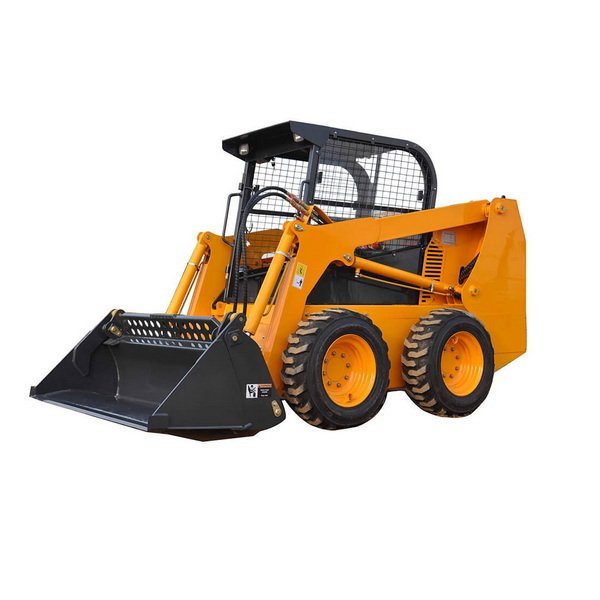
How Compact Loader Size and Specifications Affect Performance
Compact loaders are categorized by frame size from mini to large, and each class is engineered for particular job types and site conditions. Key specifications such as rated operating capacity (ROC), horsepower, operating weight, travel speed, hydraulic flow and ground pressure directly determine what a loader can safely lift, how fast it works and where it can operate.
For buyers, this means you should always translate specs into real-world questions:
– Can this loader lift and transport the heaviest pallet or bucket you handle daily
– Will machine width and turning radius fit through gates, alleys and between structures
– Does ground pressure protect lawns, pavers or soft soil on your typical sites
Compact Track Loader Sizes by Frame Type
Mini-frame compact track loaders
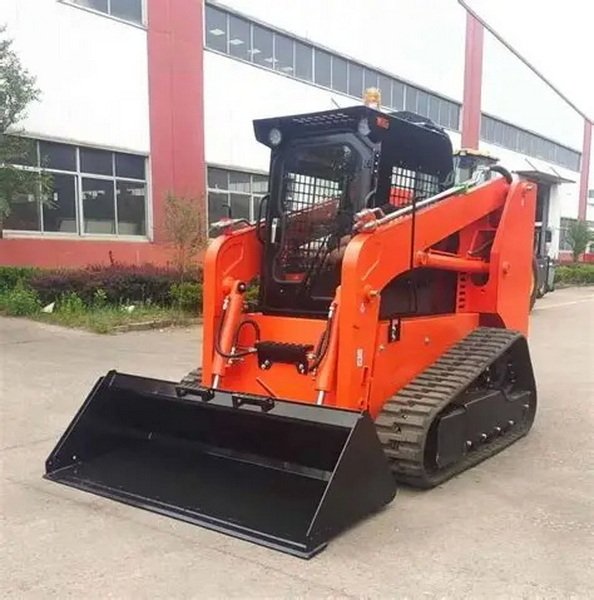
Mini-frame track loaders (often called mini track loaders) are ultra-compact machines designed to work where larger loaders cannot. Their lightweight design, narrow width and low ground disturbance make them ideal for landscaping, residential projects and light construction in confined spaces.
Typical use cases include:
– Trenching for cable, irrigation or small utilities
– Moving soil, mulch or aggregates in tight backyards
– Light material handling around homes or small commercial sites
Small-frame compact track loaders
Small-frame track loaders balance compact dimensions with more power and attachment capability. They maintain excellent maneuverability in urban or residential areas but can efficiently grade, dig and move materials on small-to-medium jobsites.
These machines are well suited for:
– Landscaping contractors needing more lift than a mini track loader
– Light construction and site prep where access is restricted
– Agricultural operations requiring a compact, all-purpose loader
Medium-frame compact track loaders
Medium-frame compact track loaders deliver higher power and capacity while still fitting on many smaller jobsites and trailers. They are often the “core fleet” machines for general construction, site preparation and heavy-duty landscaping where versatility and durability are critical.
Key advantages:
– Wider attachment compatibility for grading, digging, brush work and material handling
– Robust design for tougher environments and longer daily operating hours
– Stronger ROC for handling heavier pallets, pipe or demolition debris
Large-frame compact track loaders
Large-frame track loaders are built for high-production tasks, with significantly higher horsepower and lifting capability. Their powerful engines and increased hydraulic flow support demanding attachments and heavy material handling on large-scale projects.
Typical applications:
– Demolition and structural teardown
– Land clearing and forestry work
– Heavy construction, land development and large agricultural operations
Electric compact track loaders
Electric track loaders provide an eco-focused alternative while still delivering strong performance for many applications. They offer quieter operation, zero on-site emissions and lower day-to-day operating costs compared with diesel-powered counterparts.
Best-fit scenarios:
– Indoor work in factories, warehouses and greenhouses
– Urban construction where noise and emission regulations are strict
– Projects where sustainability targets are part of contract requirements
Skid-Steer Loader Sizes by Frame Type
Mini-frame skid-steer loaders
Mini-frame skid-steer loaders focus on maneuverability and delicate work in extremely tight spaces. Their user-friendly controls and small footprint make them suitable for both new and experienced operators working in interiors, underground spaces and small backyards.
Typical jobs include:
– Interior demolition in commercial and residential buildings
– Underground and basement projects where access is limited
– Backyard landscaping and small site preparation tasks
Small-frame skid-steer loaders
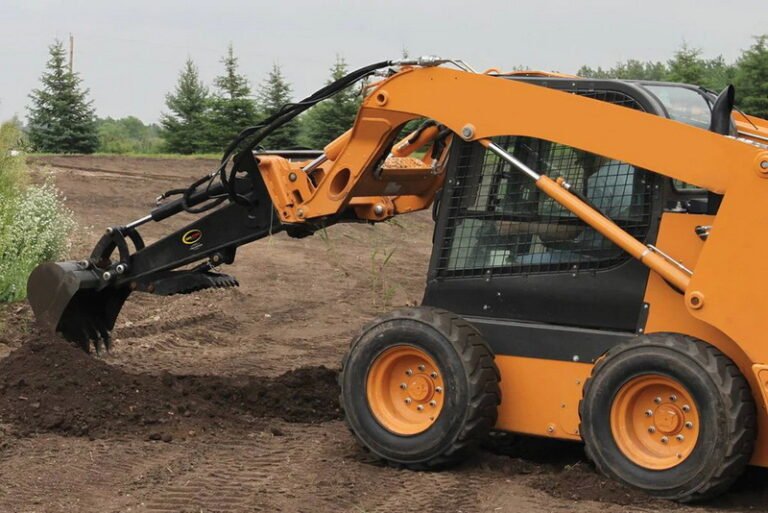
Small-frame skid-steers remain compact and agile but can tackle light to medium-duty jobs with a wide range of attachments. They are easy to maneuver on small jobsites and excel at tasks such as snow removal, material handling and light construction.
Ideal uses:
– Residential and light commercial landscaping
– Snow removal for driveways, parking lots and sidewalks
– General material handling on compact sites
Medium-frame skid-steer loaders
Medium-frame skid-steers provide a balance between power, size and durability for diverse applications. They are engineered to handle construction, site preparation and material handling with precision and efficiency, even in demanding conditions.
Common tasks:
– Loading and hauling aggregates and construction materials
– Site leveling and grading
– Supporting concrete, utility and infrastructure crews
Large-frame skid-steer loaders
Large-frame skid-steers are designed for heavy-duty, high-output tasks. Their robust frames, higher horsepower and advanced features enhance productivity and operator comfort on big construction and demolition projects.
They are especially valuable for:
– Heavy construction and roadwork operations
– Demolition projects requiring powerful attachments
– Large-scale material handling in quarries and industrial yards
Electric skid-steer loaders
Electric skid-steers combine full loader functionality with zero emissions and very low noise levels. This makes them ideal for indoor use, urban areas and sites where strict residential or regulatory limits apply.

Key Compact Loader Dimensions You Must Understand
A loader’s dimensions affect transport, site access and operational safety. Buyers should compare these measurements against trailer capacities, doorway widths, gate openings and common truck heights on their jobsites.
Core dimensional specs
– Length: Total machine length, including the bucket or attachment, influences transport, storage and maneuvering in tight spaces.
– Machine width: Measured from the outside of each track or tire to the other, this determines whether the loader can pass through narrow corridors, gates and alleys.
– Track or tire width: Wider tracks or tires reduce ground pressure, improving flotation on soft or muddy surfaces, while narrower widths increase ground pressure and can cause more surface disturbance.
– Overall height: Distance from ground to the top of the cab dictates whether the loader can work under overhangs, inside buildings or under trees and utilities.
– Dump height and reach: Higher dump height and forward reach make it easier to load high-sided trucks and bins without repositioning.
– Height to hinge pin: Maximum hinge pin height indicates whether the loader can clear and dump into specific truck bodies and hoppers.
– Ground clearance: Greater clearance helps prevent undercarriage damage and material buildup on uneven or debris-filled sites.
– Turning radius: Smaller turning radius improves maneuverability in confined work areas and tight jobsite layouts.
Performance Specifications: Capacity, Weight and Ground Impact
Performance specifications show how much work the loader can accomplish and on what surfaces. Understanding ROC, weight, speed and ground pressure is critical for safe and efficient operation.
Rated operating capacity (ROC)
ROC is the standard measure of how much weight a loader can lift and carry safely. For skid-steer loaders, ROC is typically 50 percent of the tipping load, while for compact track loaders it is usually 35 percent of the tipping load to reflect their different stability characteristics.
Operating weight and travel speed
Operating weight includes the machine, fluids, standard equipment and sometimes the operator, and it affects ground pressure, trailer selection and site suitability. Travel speed covers single-speed and two-speed options; two-speed systems allow operators to switch between lower, precise working speeds and higher travel speeds to cut cycle times.
Ground pressure and cycle time
Ground pressure describes how the machine’s weight is distributed over the contact area with the surface. Compact track loaders naturally have lower ground pressure than skid-steers, making them better for lawns, soft soils and muddy ground, while skid-steers with narrower tires concentrate more pressure for firm traction on hard surfaces.
Loader cycle time refers to how quickly lift arms and buckets move through raise, dump and lower motions. Faster cycle times increase productivity, especially in repetitive loading and material handling work.
Undercarriage and tire selection
A compact track loader’s undercarriage includes tracks, rollers and suspension, and robust designs are essential for harsh conditions, reducing maintenance and downtime. For skid-steers, tire selection such as pneumatic, foam-filled, solid rubber, non-marking or traction tires should match ground conditions, desired ride comfort and puncture risk.
Lift Path: Vertical vs Radial
Lift path design influences how the bucket moves and where the loader performs best. Choosing between radial and vertical lift should be based on your dominant work type rather than personal preference.
– Radial lift: Offers maximum forward reach at mid-lift height, making it ideal for dumping over walls, backfilling and working at truck bed height.
– Vertical lift: Keeps the load closer to the machine and reaches higher at the hinge pin, making it better for loading high-sided trucks and hoppers and for heavy pallet handling.
Engine and Fuel System: Power, Emissions and Runtime
Engine specifications define how much power is available and how the machine meets environmental regulations. Buyers should consider horsepower alongside torque, hydraulic performance and weight distribution rather than looking at horsepower alone.
Key engine-related points:
– Emissions tier indicates compliance with environmental standards, with higher tiers using advanced systems to cut pollutants and often improve fuel efficiency.
– Horsepower and displacement together support demanding attachments and heavier workloads.
– Cooling systems must protect the engine during long shifts, high ambient temperatures and heavy-duty applications.
– Fuel tank capacity and type affect runtime and operating costs, with diesel and electric options offering different torque characteristics and emission profiles.
Hydraulic System: Flow, Pressure and Attachment Power
Hydraulics determine how effectively a loader can run attachments and perform core tasks. When comparing models, look at hydraulic flow, hydraulic pressure and the available auxiliary packages.
Key points:
– Hydraulic flow: Higher flow enables faster movement of cylinders and motors, improving attachment speed and effectiveness.
– Hydraulic pressure: Higher pressure increases the force available, allowing the loader to lift heavier loads and drive more aggressive attachments.
– Standard auxiliary hydraulics: Designed to power common tools such as augers, grapples, sweepers and trenchers.
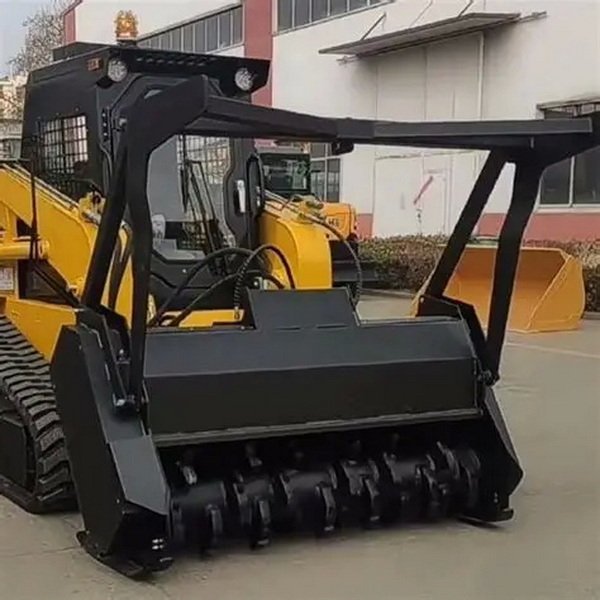
– High-flow auxiliary hydraulics: Provide more hydraulic power for demanding attachments like brush mowers, stump grinders and planers.
– Super-flow hydraulics: On certain large-frame models, deliver top-end power for specialized attachments like mulchers, snowblowers and wheel saws.
– Hydraulic reservoir capacity: Sufficient fluid volume helps prevent overheating and maintains consistent system performance.
Practical Loader Selection: Matching Size and Specs to Jobs
When choosing between compact track loaders and skid-steer loaders, start by mapping your main tasks, terrain and attachment needs to frame size and specifications. Smaller frames suit tight sites and lighter tasks, while larger frames are more productive on heavy-duty jobs requiring high ROC, horsepower and hydraulic performance.
For most buyers, the decision process should include:
1. Define your heaviest loads, typical material densities and required lift heights.
2. Check ROC, hinge pin height and lift path against those requirements.
3. Compare ground conditions to ground pressure and undercarriage or tire options.
4. Align attachment needs with standard, high-flow or super-flow hydraulics.
5. Decide whether tracks for soft and uneven ground or tires for paved surfaces and faster travel fit your jobsites best.
Targeted Call To Action
If you are planning your next loader purchase or fleet upgrade, now is the time to turn these specifications into a concrete plan. Share your typical loads, terrain, working hours and attachment list with an equipment specialist, and request a tailored loader recommendation and quotation that fits your budget, safety requirements and long-term operating goals.
Contact us to get more information!
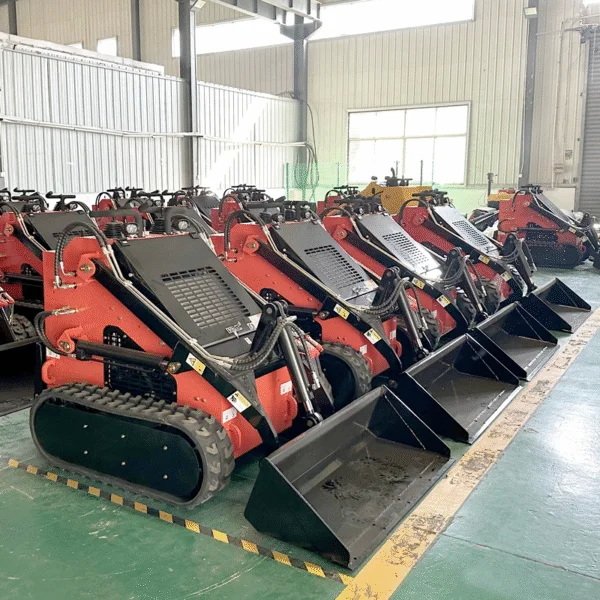
FAQ: Compact Track Loader & Skid-Steer Loader Sizes and Specs
FAQ 1: How do I choose between a compact track loader and a skid-steer loader
Choose a compact track loader if you work mostly on soft soil, mud, lawns or uneven terrain and need low ground pressure and high traction. Choose a skid-steer loader if you operate mainly on paved or hard-packed surfaces and want faster travel, simpler maintenance and lower undercarriage costs.
FAQ 2: What frame size loader do I need for residential landscaping
For most residential landscaping, a mini-frame or small-frame compact track loader or skid-steer offers enough ROC and maneuverability while minimizing surface damage. Medium-frame loaders may be appropriate if you frequently move heavy pallets of pavers, sod or bulk materials in addition to detailed landscape work.
FAQ 3: Why is rated operating capacity (ROC) so important
ROC defines the safe lifting capacity of a loader and is directly tied to stability and tipping risk. Selecting a loader with ROC too close to your heaviest loads can slow productivity or create safety issues, while choosing sufficient ROC ensures efficient, controlled material handling.
FAQ 4: When should I consider high-flow or super-flow hydraulics
Consider high-flow hydraulics if you plan to run demanding attachments such as brush cutters, stump grinders or asphalt planers on a regular basis. Super-flow systems on large-frame loaders are best for highly specialized, power-hungry tools like mulchers, snowblowers and wheel saws in heavy commercial or forestry work.
FAQ 5: Are electric loaders a practical alternative to diesel
Electric compact track loaders and skid-steers are practical when you work indoors, in noise-sensitive urban zones or under strict emission rules and can support charging infrastructure. They reduce on-site emissions and noise and can lower operating costs, but buyers must confirm attachment compatibility and runtime versus daily duty cycle.
Reference
1. https://www.bobcat.com/na/en/buying-resources/loaders/compact-track-loader-skid-steer-loader-buyers-guide/sizes-types-specifications
Hot Tags: Skid Steer With Shredder, Skid Steer Size, Kubota Skid Steer With Mulcher, Shredder Attachment For Skid Steer, Width Of Skid Steer, Skid Steer Models, Bobcat Skid Steer Size Chart, Best Skid Steer For Mulcher, Bobcat Skid Steer Specifications, Mulching Heads For Skid Steers