
What the World’s Largest Skid Steer Means for Contractors – and How Certeg Competes
Content Menu
● Gehl V420 – The World’s Largest Skid Steer Through an Operator’s Eyes
● Key Specs of the Gehl V420 Skid Steer Loader
>> Core power and performance numbers
>> Hydraulic and attachment capabilities
● Operator Experience, Cab Comfort, and Visibility
>> Visibility and safety options
● Standard and Optional Features that Matter on the Jobsite
>> Productivity and ride quality
>> Connectivity and in‑cab experience
● Real‑World Applications for High‑Capacity Skid Steers like the V420
● Skid Steer vs Compact Track Loader – How to Decide for Your Fleet
>> Quick comparison – wheeled vs tracked
● How Certeg Approaches High‑Capacity Skid Steer and Track Loader Design
>> Powertrain and hydraulic philosophy
>> User‑first cab and UX design
● Practical Checklist – When Does a “World’s Largest” Skid Steer Make Sense?
>> Step‑by‑step decision guide
● CTA – Talk to Certeg About Spec’ing Your Next Skid Steer or Track Loader
● FAQs About High‑Capacity Skid Steer Loaders
>> Q1: What makes the Gehl V420 the “world’s largest” skid steer?
>> Q2: When should I choose a high‑capacity skid steer over a compact wheel loader?
>> Q3: Do I really need high‑flow hydraulics for my attachments?
>> Q4: How do wheeled skid steers compare to compact track loaders in operating cost?
>> Q5: How can a manufacturer like Certeg support global buyers of skid steer loaders?
Gehl V420 – The World’s Largest Skid Steer Through an Operator’s Eyes
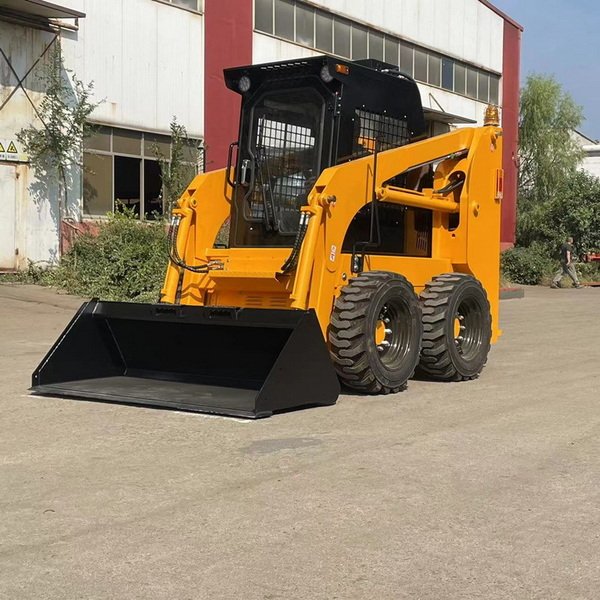
When you step up to the Gehl V420 for the first time, you immediately feel that this is not a “typical” skid steer loader – it is a high‑capacity tool carrier built for serious earthmoving, heavy attachments, and long production days on large civil and industrial jobsites. As someone who has helped contractors spec both wheeled skid steer loaders and compact track loaders for demanding construction and infrastructure projects, I see the V420 as a marker of where the market is heading: more power, more hydraulic flow, and more comfort, combined with smarter fleet choices across brands like Gehl and manufacturers such as Certeg that focus on global construction machinery needs. [constructionbriefing]
Key Specs of the Gehl V420 Skid Steer Loader
The original announcement positioned the Gehl V420 as the largest skid loader on the market at the time, and its specs still impress many fleet managers today.
Core power and performance numbers
– Engine power: Tier IV‑certified Deutz engine rated at 120 hp, giving the machine strong pushing power for heavy ground engagement and high‑demand hydraulics.
– Rated operating capacity (ROC): 4,200 lb rated operating capacity, which represents an increase of 200 lb over the earlier Gehl V400 model.
– Torque output: Up to 354 ft‑lb of torque, supporting aggressive operation with attachments like cold planers and rock wheels.
– Operating weight: Approximately 11,665 lb operating weight, positioning the V420 at the top end of the skid steer segment.
From an operator’s point of view, these numbers translate into a loader that can comfortably manage large, wet buckets, heavy pallets of masonry units, or high‑flow forestry attachments without constantly running at the edge of its capacity. [hopenn]
Hydraulic and attachment capabilities
The Gehl V420 is intentionally set up as a true tool carrier, not just a loader with a bucket.
– High‑flow hydraulics: Standard high‑flow auxiliary hydraulics offering up to 41 gpm, ideal for mulching heads, cold planers, and other power‑hungry attachments. [parker]
– Auxiliary lines: Five easily accessible auxiliary hydraulic lines with flat‑face couplers positioned near the operator’s station for quick changeover.
– Electrical connection: A standard 14‑pin connector that simplifies integration with modern smart attachments.
In real‑world terms, this setup reduces changeover time and supports mixed‑brand attachment fleets, which is critical for rental yards and contractors operating multi‑site projects. [deskera]
Operator Experience, Cab Comfort, and Visibility
Cab layout and ergonomics
The V420 cab was designed around operator comfort for long shifts, which is now an essential factor in machine selection for many owners. [constructionbriefing]
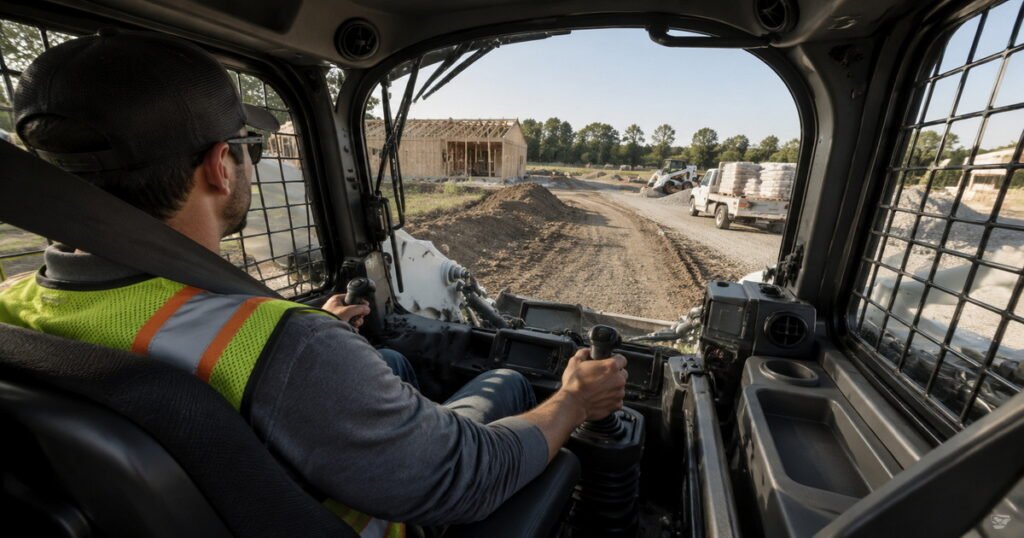
– Spacious cab: A roomy cab with a suspension seat helps reduce operator fatigue on rough terrain.
– Controls: Pilot joystick controls allow smooth operation and are more intuitive for operators transitioning from other modern skid steers or compact track loaders.
– Throttle options: Both foot throttle and hand throttle are available, giving operators flexibility in how they manage travel speed and hydraulic functions.
From a UX‑style perspective, this dual throttle option is a small but meaningful detail: different operators can adopt the control method that matches their habits and application, which supports productivity and safety. [toprankmarketing]
Visibility and safety options
– Front visibility: A large, domed glass front door gives a wide, clear view of the work area and attachment.
– Side windows: Wide side windows can be opened, improving airflow and communication with ground crews.
– Rear visibility: An optional rear‑view backup camera improves awareness when maneuvering in congested sites or near pedestrian zones.
– Optional safety features: Options include an impact‑resistant door, 3‑inch seatbelt with shoulder strap, brake release, and rotating beacon.
For contractors operating under stricter safety policies or on infrastructure projects with tight safety audits, these visibility and restraint options can help align the machine with internal safety standards. [constructionbriefing]
Standard and Optional Features that Matter on the Jobsite
Productivity and ride quality
The V420 comes standard with functional features that directly affect daily productivity.
– Cab with HVAC: Standard cab with heat and air‑conditioning keeps operators comfortable across seasons.
– Two‑speed travel: Two‑speed drive for faster relocation around large jobsites without loading onto a trailer.
– Hydraglide system: Gehl’s patented Hydraglide system helps smooth the ride and reduce material spillage when traveling with a loaded bucket.
For owners, less spillage and faster cycle times translate into measurable fuel and labor savings over the life of the machine. [constructionbriefing]
Connectivity and in‑cab experience
– Hands‑free radio option: A radio with hands‑free Bluetooth capability allows operators to make calls or stream audio, which can be valuable on long days.
– Customizable environment: Together with HVAC and the suspension seat, the cab environment can be tailored to the individual operator.
A more comfortable operator is more likely to stay attentive, maintain smoother control, and keep the machine in service longer before breaks, which benefits both safety and productivity. [wgcontent]
Real‑World Applications for High‑Capacity Skid Steers like the V420
From the perspective of contractors and equipment managers, a 4,200‑lb ROC, 120‑hp skid steer loader is not a generalist machine; it is a project‑shaping asset. [hopenn]
Typical high‑value applications include:
– Cold planing and road maintenance
Using high‑flow cold planers to mill asphalt patches and trench lines for utility installation or road repairs. [hopenn]
– Forestry mulching and land clearing
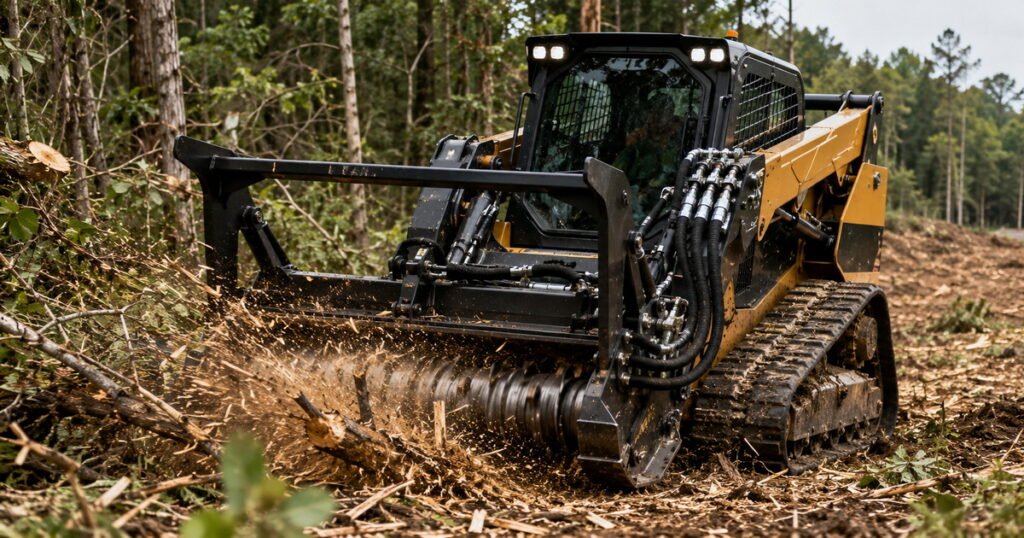
Running high‑flow mulching heads to handle invasive vegetation, right‑of‑way clearing, and site prep in forestry‑adjacent projects. [parker]
– Heavy material handling
Loading high‑sided trucks, moving large pallets of pavers, and handling heavy aggregate in quarry and industrial environments. [hopenn]
– Demolition and recycling
Working with heavy‑duty grapples, concrete breakers, and rock wheels in confined demolition sites where a larger wheel loader or excavator cannot maneuver efficiently. [constructionbriefing]
For global manufacturers like Certeg, which supply both wheeled and track skid steer loaders, understanding these application patterns is critical to matching engine power, hydraulic flow, and undercarriage configuration to each customer’s core work mix. [raddinteractive]
Skid Steer vs Compact Track Loader – How to Decide for Your Fleet
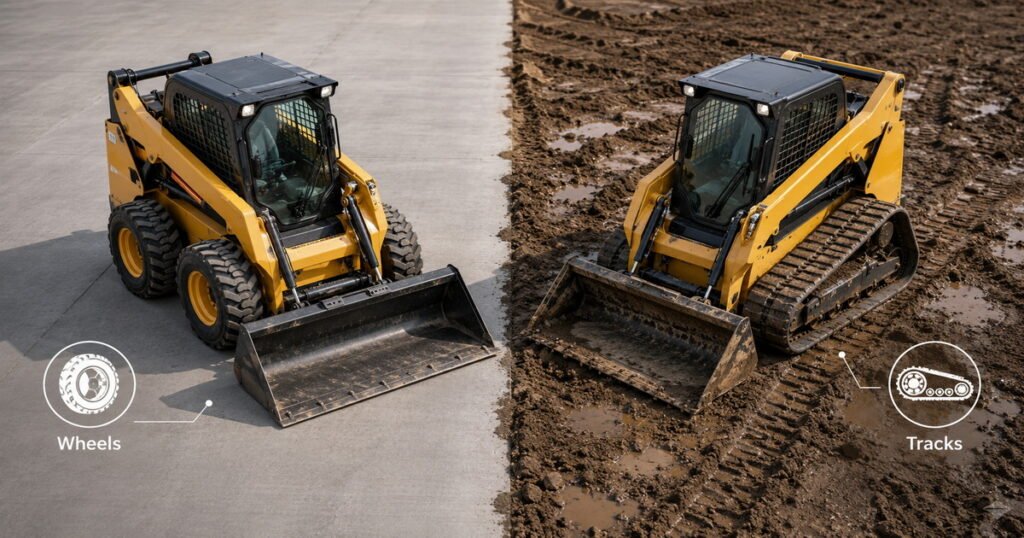
With machines in the size class of the V420, many buyers will also evaluate high‑capacity compact track loaders (CTLs). From my experience working with contractors on equipment selection, the decision often comes down to ground conditions, utilization patterns, and transport logistics. [constructionbriefing]
Quick comparison – wheeled vs tracked
| Factor | Wheeled Skid Steer (e.g., V420) | Compact Track Loader (similar class) |
|---|---|---|
| Ground conditions | Best on firm, prepared surfaces hopenn | Superior on soft, muddy, or sandy ground hopenn |
| Travel speed | Typically faster on hard ground hopenn | Slightly slower, more rolling resistance hopenn |
| Operating cost | Lower tire cost, simpler undercarriage constructionbriefing | Higher undercarriage and track replacement cost constructionbriefing |
| Traction and flotation | Good traction, lower flotation hopenn | Excellent traction and flotation on soft soil hopenn |
| Surface disturbance | More scuffing on finished surfaces hopenn | Gentler footprint but still can damage turf hopenn |
| Best use cases | Paving, industrial yards, heavy loading on hard ground hopenn | Land clearing, grading, and work on unprepared or soft terrain constructionbriefing |
For contractors working mostly on paved or compacted sites, a high‑capacity wheeled skid steer like the V420 typically delivers better speed and lower undercarriage costs. For those in landscaping, utility, or rural infrastructure projects with softer ground, a similar‑class compact track loader may be the more reliable choice over the long term. [constructionbriefing]
How Certeg Approaches High‑Capacity Skid Steer and Track Loader Design
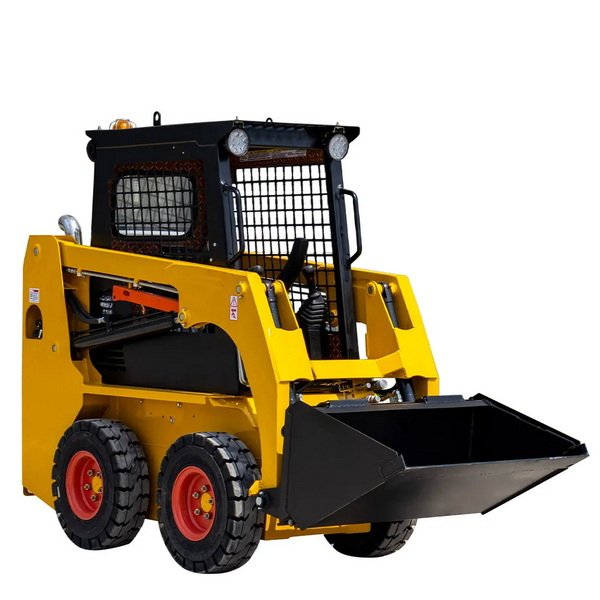
While Gehl’s V420 set a benchmark in its class, global manufacturers such as Certeg focus on delivering both wheeled skid steer loaders and compact track loaders tailored to varied terrain, climates, and regulatory environments worldwide. [raddinteractive]
Powertrain and hydraulic philosophy
From an engineering and product strategy standpoint, Certeg tends to prioritize:
– Balanced power‑to‑weight ratio to ensure that added horsepower is fully usable through the hydraulic system, not just a marketing number. [raddinteractive]
– High‑flow and standard‑flow options so buyers can match the machine precisely to current and future attachment needs. [valveandmeter]
– Robust cooling systems that support continuous operation in hot climates and dusty environments common in construction and aggregates. [raddinteractive]
This approach aligns with the same high‑demand applications where machines like the V420 thrive, but with configurations optimized for different regional standards and jobsite realities. [constructionbriefing]
User‑first cab and UX design
Modern contractors evaluate not only iron and hydraulics but also the operator environment:
– Cab layouts that simplify daily checks and minimize blind spots. [constructionbriefing]
– Intuitive joystick and pedal mapping, especially important for companies training new operators or switching brands. [wgcontent]
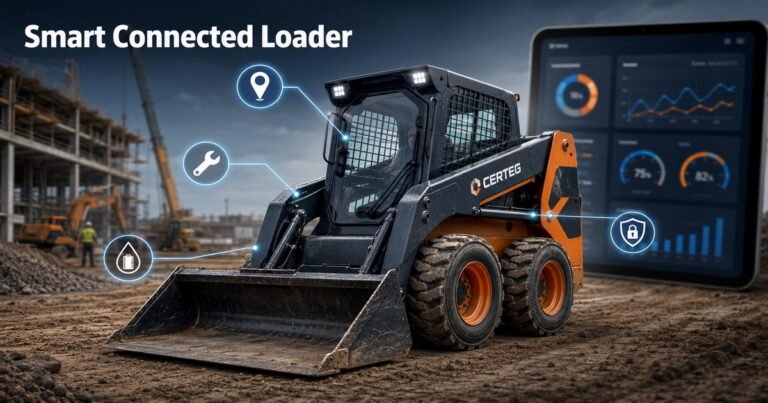
– Optional technology such as backup cameras, telematics readiness, and integrated displays to support fleet management and preventive maintenance. [toprankmarketing]
By designing with operator comfort and safety in mind, Certeg aligns with Google’s E‑E‑A‑T principle of experience – the machines are built to reflect real jobsite experience, not just theoretical specifications. [wgcontent]
Practical Checklist – When Does a “World’s Largest” Skid Steer Make Sense?
For equipment managers and owners, choosing a machine in the V420 class should be a deliberate decision. Use this simple checklist as a starting point. [deskera]
Step‑by‑step decision guide
1. Audit your attachments.
List your current and planned attachments (cold planer, mulcher, breaker, rock wheel, etc.) and note the required hydraulic flow and pressure. [parker]
2. Review your heaviest loads.
Identify your maximum pallet weights, bucket loads, and lifting heights to determine whether a 4,200‑lb ROC truly adds value over a smaller loader. [hopenn]
3. Analyze ground conditions.
Assess whether most work is on paved yards, urban streets, or unprepared ground; this informs your choice between wheeled skid steers and compact track loaders. [hopenn]
4. Evaluate transport and access.
Confirm your trailers, ramps, and site access points can safely handle an approximately 11,665‑lb machine. [constructionbriefing]
5. Consider operator experience.
If you run multiple shifts or rely on rental operators, prioritize cab comfort, visibility, and intuitive controls to protect uptime and productivity. [wgcontent]
By following this process, you make a data‑driven decision instead of simply chasing the biggest machine available.
CTA – Talk to Certeg About Spec’ing Your Next Skid Steer or Track Loader
If you are currently evaluating whether a high‑capacity skid steer loader like the Gehl V420 is right for your fleet, the next best step is to match machine specifications with your real‑world job demands. Certeg’s team can help you compare wheeled skid steer loaders and compact track loaders across different power classes, hydraulic configurations, and undercarriage options, and recommend a configuration aligned with your applications, budget, and regional requirements. [deskera]
Contact Certeg’s application specialists to review your current attachments, jobsite conditions, and growth plans so you can build a right‑sized, future‑ready loader fleet.
FAQs About High‑Capacity Skid Steer Loaders
Q1: What makes the Gehl V420 the “world’s largest” skid steer?
A1: At the time of its launch, the V420 combined a 120‑hp Tier IV Deutz engine, a 4,200‑lb rated operating capacity, and an operating weight of about 11,665 lb, putting it at the top of the skid steer loader size class.
Q2: When should I choose a high‑capacity skid steer over a compact wheel loader?
A2: High‑capacity skid steers are ideal when you need strong lifting and hydraulic performance in confined areas where a compact wheel loader may struggle with maneuverability or transport logistics. [hopenn]
Q3: Do I really need high‑flow hydraulics for my attachments?
A3: You need high‑flow when using power‑intensive attachments such as mulching heads, cold planers, and some rock wheels; standard‑flow is usually sufficient for buckets, forks, and many grapples. [parker]
Q4: How do wheeled skid steers compare to compact track loaders in operating cost?
A4: Wheeled skid steers generally have lower undercarriage and tire costs and perform best on firm ground, while compact track loaders offer better traction on soft soil but have higher undercarriage maintenance expenses. [hopenn]
Q5: How can a manufacturer like Certeg support global buyers of skid steer loaders?
A5: Global manufacturers such as Certeg can tailor engine options, hydraulic configurations, and undercarriage designs to regional regulations and ground conditions, while providing application‑specific guidance for construction, infrastructure, and industrial users. [deskera]
References
1. Compact Equipment – “Gehl launches the world’s largest skid steer (the V420)” – original product announcement and specifications. [Link]
2. Parker – “Leading Innovation in Smart Skid Steer Loaders” – discussion of skid steer maneuverability and attachment use. [Link] [parker]
3. TopRank Marketing – “E‑E‑A‑T and SEO: Optimizing for Google’s Guidelines” – practical guidance on experience, expertise, authority, and trust in content. [Link] [toprankmarketing]
4. Google – “Search Engine Optimization (SEO) Starter Guide” – official recommendations for high‑quality, user‑focused web content and multimedia usage. [Link] [developers.google]
5. Deskera – “Marketing & Advertising for Heavy Equipment Industry” – insights on clear, intent‑driven heavy equipment marketing content. [Link] [deskera]
6. Construction Briefing – “Technological advances in skid steers” – overview of modern skid steer technology and benefits for operators. [Link] [constructionbriefing]
7. WG Content – “E‑E‑A‑T for content quality” – roadmap to building visible and trusted content. [Link] [wgcontent]
8. HoPenn Machinery – “A Complete Guide to Skid Steer Applications” – description of core skid steer applications and job types. [Link] [hopenn]
9. Radd Interactive – “Construction Heavy Equipment Marketing & Advertising” – SEO insights for industrial and construction equipment brands. [Link] [raddinteractive]
10. Valve+Meter – “Top 20 Heavy Equipment Digital Marketing Strategies” – digital marketing tactics and keyword insights for heavy equipment businesses. [Link] [valveandmeter]
Hot Tags: Skid Steer Loader, Manufacturers, Customized, Custom, Suppliers, Buy, Cheap, Quality, Advanced, Durable, in Stock, Made in China, Price, Quotation