
Skid Steer Loader Spec & Buying Guide: How to Choose the Right Wheeled or Tracked Loader
Content Menu
● Why Skid Steers Became the Jobsite Workhorse
● Key Skid Steer Specs You Must Understand
>> Rated Operating Capacity (ROC)
>> Engine Horsepower and Hydraulic Power
>> Operating Weight, Size, and Transport
>> Lift Path: Radial vs. Vertical
● Wheeled vs. Tracked Skid Steers (Certeg’s Perspective)
● Attachments: Turning a Skid Steer into a Tool Carrier
● Operator Comfort, Visibility, and Safety
● Expert‑Level Buying Steps for Skid Steer Loaders
>> Step 1: Map Your Core Applications
>> Step 2: Define Minimum ROC and Lift Path
>> Step 3: Choose Wheeled or Tracked
>> Step 4: Match Hydraulics to Attachments
>> Step 5: Validate Transport, Access, and Total Cost
● Comparing Typical Skid Steer Specs
● How Certeg Approaches Skid Steer Design for Global Buyers
● Call to Action: Talk to a Skid Steer Specialist
● Frequently Asked Questions (FAQ)
>> 1. What is a good ROC for a general‑purpose skid steer loader?
>> 2. When should I choose a tracked skid steer instead of a wheeled model?
>> 3. Do I really need high‑flow hydraulics for my skid steer?
>> 4. How do radial and vertical lift paths affect my work?
>> 5. What should I consider when choosing skid steer attachments?
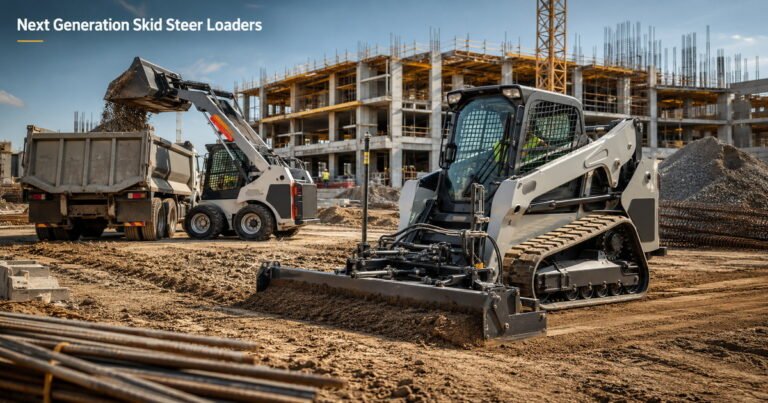
A modern skid steer loader is no longer “just a Bobcat with a bucket” — it’s a compact, high‑ROI tool carrier that can transform how you pour concrete, prep sites, handle pallets, or maintain facilities on tight urban or industrial jobsites. From my experience working with contractors and OEMs like Certeg, the buyers who get the most value are the ones who match machine specs to real‑world tasks instead of chasing the biggest model or the lowest price. [dozr]
Why Skid Steers Became the Jobsite Workhorse
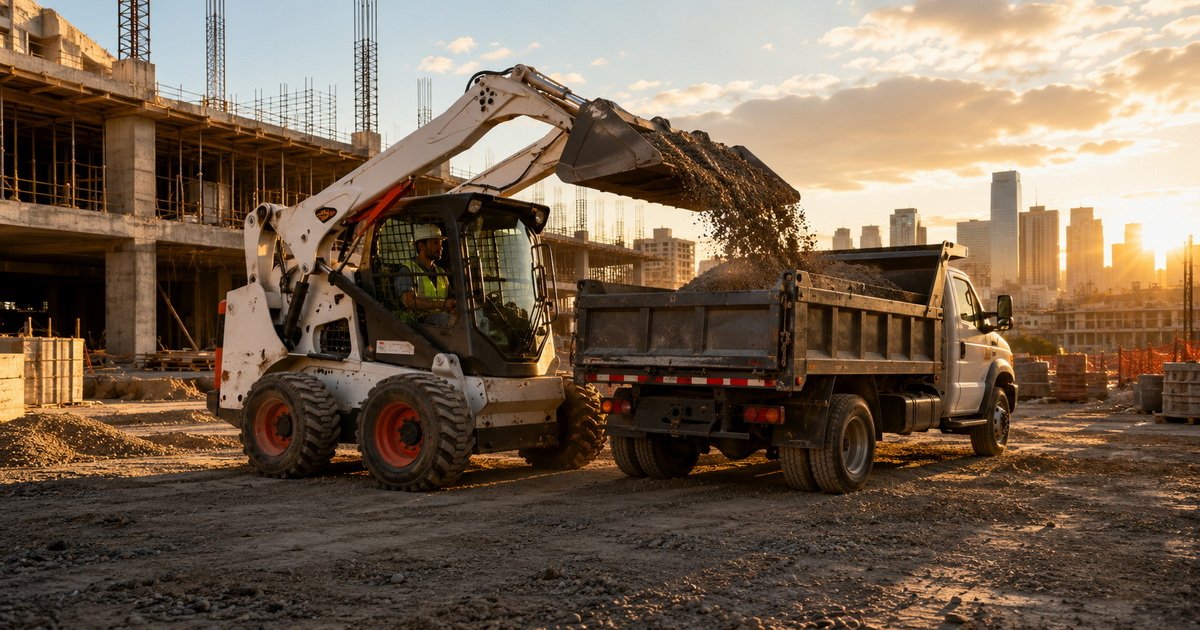
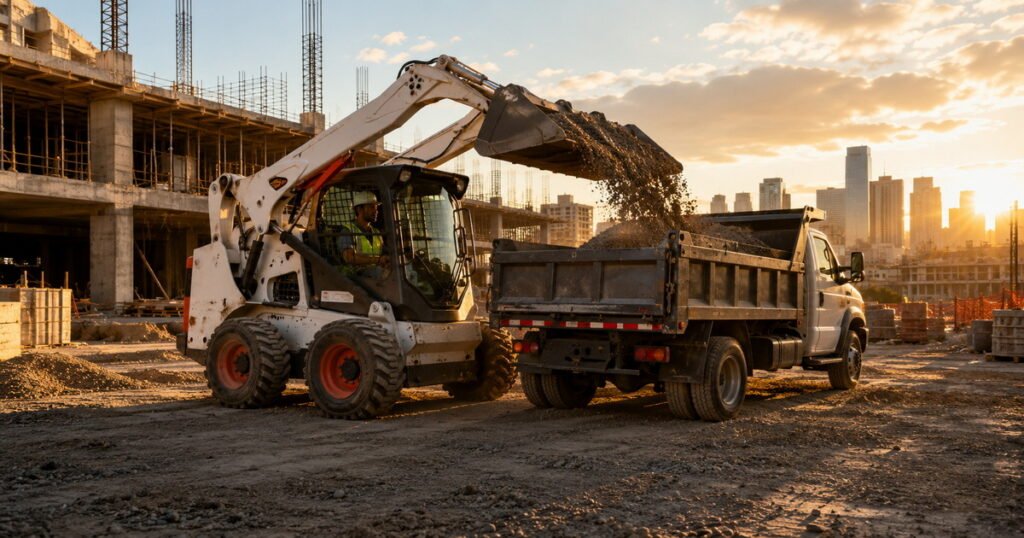
Bobcat is widely credited with creating the compact loader category more than 50 years ago, when two blacksmith brothers developed a small loader to clean turkey barns. That early three‑wheeled design evolved into the modern skid steer loader format: compact, powerful, and able to spin in its own footprint for tight spaces.
Today, virtually every major manufacturer offers skid steers or compact track loaders, and a single unit can cover dozens of tasks when paired with the right attachments. This versatility is exactly why contractors often call a skid steer “the Swiss Army knife of the jobsite.” [directindustry]
Key Skid Steer Specs You Must Understand
When I work with contractors who are comparing models, I always bring the conversation back to a core set of specs. If you understand these, you can evaluate almost any skid steer or compact track loader with confidence. [bigrentz]
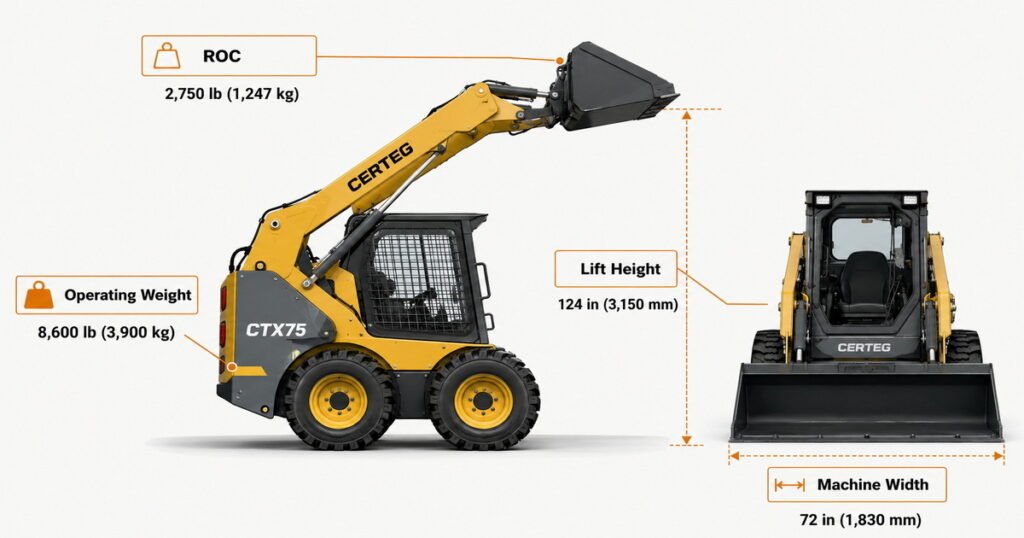
Rated Operating Capacity (ROC)
Rated operating capacity (ROC) is the maximum weight the machine is designed to lift and operate with safely. Manufacturers calculate ROC as roughly 50% of the tipping load, giving you a margin of safety for stability and control. [fivestarequipment]
– Typical wheeled skid steers: about 1,250–2,200 lb ROC for common models. [fivestarequipment]
– Typical tracked loaders: about 2,000–3,500 lb ROC, with heavy‑duty units going higher. [fivestarequipment]
Whenever you’re comparing machines, match ROC to the heaviest material and attachment combination you expect to handle on a routine basis. [bigrentz]
Engine Horsepower and Hydraulic Power
Engine horsepower is important, but in practice what your crew feels is hydraulic horsepower — the combination of flow and pressure available to the attachment. Bobcat’s M‑Series was designed to deliver up to about 20% more hydraulic horsepower than earlier generations, specifically to power more demanding attachments like augers, trenchers, and planers. [dozr]
When reviewing specs, focus on:
– Standard vs. high‑flow hydraulics (GPM and pressure).
– Whether your key attachments require high‑flow circuits.
– How much “usable” power is available at typical working RPM. [dozr]
Operating Weight, Size, and Transport
Operating weight affects transport logistics, trailer sizing, and ground pressure, especially on softer terrain. Modern skid steers range roughly from under 3,000 lb for the smallest units to over 10,000 lb for the largest models. [dozr]
Check:
– Operating weight vs. your trailer and tow vehicle ratings.
– Overall width and height for passing through gates, doors, or under low structures.
– Wheelbase and turn radius for congested yards or urban sites. [bigrentz]
Lift Path: Radial vs. Vertical
Bobcat’s lineup and other modern manufacturers offer both radial‑lift and vertical‑lift designs. [thompsontractor]
– Radial‑lift: Better breakout force at low‑to‑mid lift heights — strong choice for digging, grading, and working close to the machine. [thompsontractor]
– Vertical‑lift: Keeps the load closer to the machine at height, providing better reach and stability for loading trucks or placing pallets. [thompsontractor]
Your primary work — dirt work vs. material handling — should drive this decision more than brand loyalty.
Wheeled vs. Tracked Skid Steers (Certeg’s Perspective)
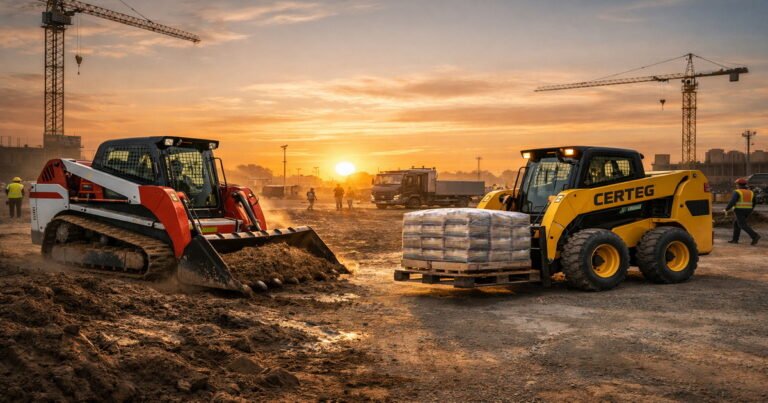
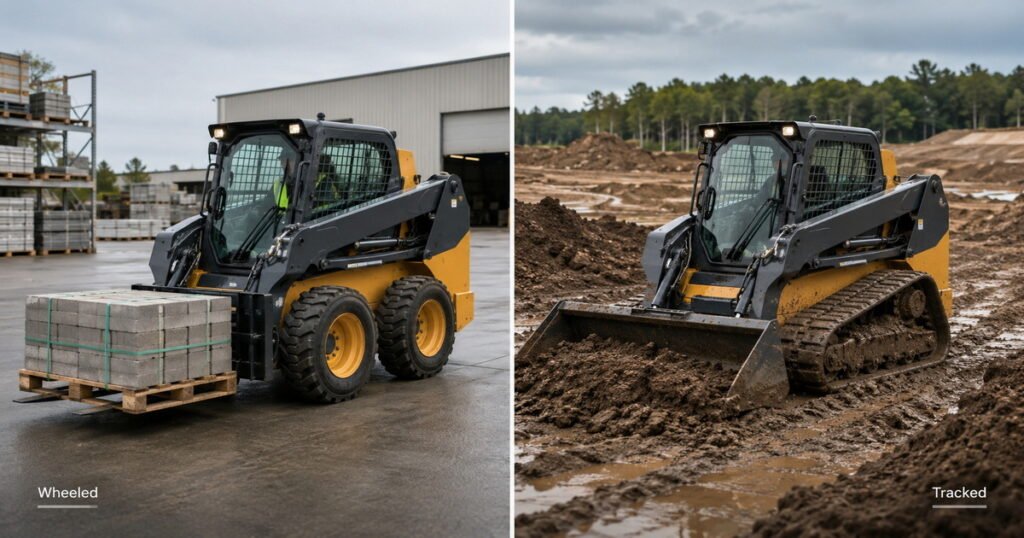
For global buyers, a major choice is wheeled skid steer vs. tracked loader (compact track loader). Certeg manufactures both types to support different terrain and climate conditions, and the trade‑offs are consistent across brands. [fivestarequipment]
Wheeled skid steers are ideal when:
– You operate mostly on hard, flat surfaces like concrete, asphalt, or compacted gravel. [fivestarequipment]
– You value speed and maneuverability over flotation.
– Tire wear and replacement cost are acceptable given the application. [fivestarequipment]
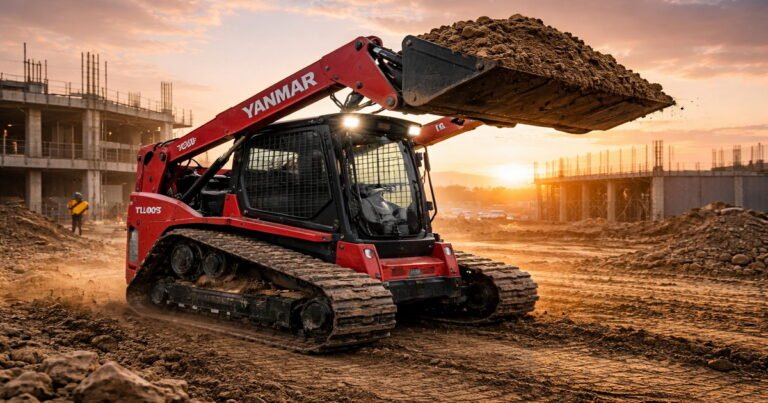
Tracked skid steers / compact track loaders shine when:
– You work regularly in muddy, soft, or uneven terrain.
– Ground disturbance must be minimized on turf, landscaping, or finished grades.
– You need higher ROC and stability on slopes. [youtube]
From a lifecycle cost standpoint, we see tracked machines delivering better productivity in harsh conditions, but wheeled units remain more economical where ground conditions are forgiving.
Attachments: Turning a Skid Steer into a Tool Carrier
One of the strongest ideas in Bobcat’s original spec guide is that attachments are as important as the machine itself. Modern M‑Series loaders, and competing models, are designed specifically to act as multi‑purpose tool carriers. [dozr]
Common attachment categories include:
– Earthmoving: buckets, trenchers, graders, rippers.
– Material handling: pallet forks, grapple buckets, bale spears.
– Landscaping and grounds: soil conditioners, landscape rakes, stump grinders.
– Snow and site maintenance: snow blowers, pushers, sweepers. [directindustry]
Bobcat’s Bob‑Tach and optional Power Bob‑Tach systems made attachment changes faster, integrating mounting, hydraulics, and electronics for quick swaps from inside the cab. At Certeg, we design our quick‑coupler interfaces and hydraulic lines with similar priorities: minimizing change‑over time and reducing leak points in the system. [dozr]
Operator Comfort, Visibility, and Safety
As an SEO strategist, I read a lot of user reviews and operator feedback, and the same themes appear repeatedly: cab comfort, visibility, and cleanliness often determine whether operators like a machine enough to use it all day. [wgcontent]
Bobcat’s M‑Series emphasized:
– Pressurized cabs with curved door seals to reduce dust, making cleanup easier.
– Large door openings with excellent visibility to cutting edges and corners.
– Cab‑forward designs that help operators see attachments and obstacles in tight spaces.
Manufacturers like Certeg apply similar principles, especially for customers working in extreme climates and long shifts, where HVAC performance, seat ergonomics, low noise, and minimal dust intrusion are non‑negotiable for productivity and health. [hashmeta]
Placement tip for visuals: This section is a strong candidate for a diagram of cab features (visibility lines, pressurized seal path) and a photo of a cab interior to help readers quickly understand why these details affect operator fatigue and safety.
Expert‑Level Buying Steps for Skid Steer Loaders
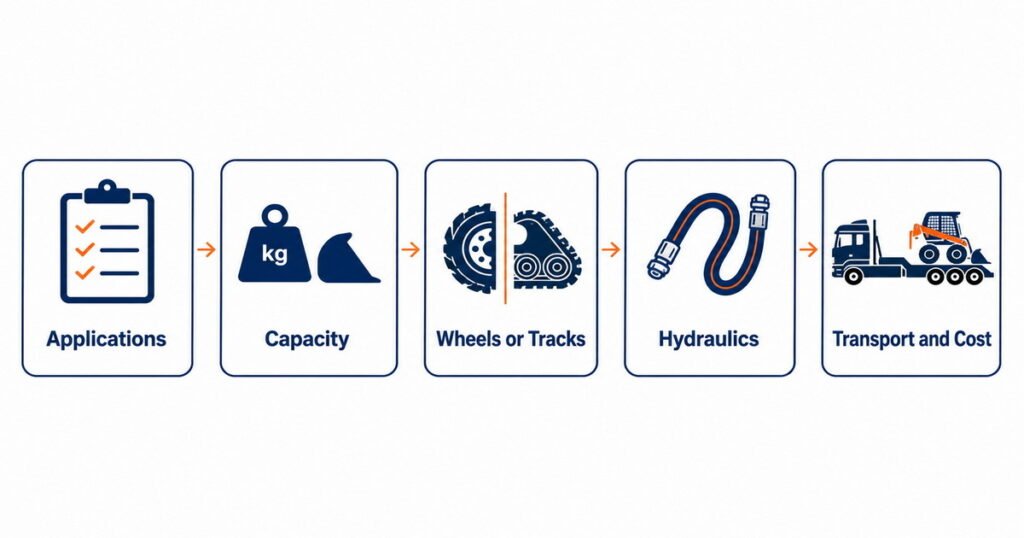
To close the information gap that typical spec guides leave, here is a structured, field‑tested process I use when advising buyers on skid steers. [bigrentz]
Step 1: Map Your Core Applications
List your top 5–7 recurring tasks (e.g., “load 1.5 m³ gravel into dump trucks,” “grade small residential pads,” “clear snow in tight parking lots”). For each, note the typical material density, cycle time, and space constraints where the machine will work. [bigrentz]
Step 2: Define Minimum ROC and Lift Path
From your tasks and materials, estimate the heaviest load you need to carry regularly, including attachment weight. Use this to set a minimum ROC and decide whether radial or vertical lift better fits your mix of digging vs. loading tasks. [thompsontractor]
Step 3: Choose Wheeled or Tracked
Evaluate your primary terrain:
– Mostly concrete/asphalt and indoor yards → start with wheeled.
– Frequently soft ground, slopes, or sensitive turf → prioritize tracked. [youtube]
Then factor in local climate (wet vs. dry seasons) and your tolerance for undercarriage vs. tire maintenance.
Step 4: Match Hydraulics to Attachments
List the attachments you must run in the next 3–5 years and gather their minimum hydraulic flow and pressure requirements. Make sure your skid steer’s standard or high‑flow circuit comfortably meets the most demanding attachment on the list, not just today’s bucket. [directindustry]
Step 5: Validate Transport, Access, and Total Cost
Before finalizing a model:
– Confirm that operating weight and dimensions align with your trailers, yard layout, and typical jobsite access routes. [dozr]
– Compare not only purchase price, but also fuel consumption, maintenance intervals, and parts availability from your chosen brand and dealer network. [5k]
This is where partnering with a manufacturer like Certeg, who designs machines for export and supports a wide range of global conditions, can notably reduce long‑term risk.
Comparing Typical Skid Steer Specs
The table below uses representative ranges from modern skid steer lines to illustrate how spec clusters differ by machine size and configuration. [fivestarequipment]
| Machine type | Typical ROC range (lb) fivestarequipment | Operating weight range (lb) dozr | Ideal use case summary bigrentz |
|---|---|---|---|
| Small wheeled skid steer | 1,250–1,600 | 2,900–5,000 | Indoor work, light landscaping, tight access |
| Mid‑size wheeled skid | 1,600–2,200 | 5,000–7,000 | General construction, small truck loading |
| Mid‑size tracked loader | 2,000–2,800 | 7,000–9,000 | Soft soil, mixed grading and loading |
| Large tracked loader | 2,800–3,500+ | 9,000–10,500+ | Heavy materials, slopes, large‑scale earthwork |
Use this as a starting point, then overlay your specific job mix and transport constraints.
How Certeg Approaches Skid Steer Design for Global Buyers
Certeg has built its reputation by supplying building materials and machinery to international clients who operate under very different regulations, climates, and project profiles. When it comes to skid steer loaders — both wheeled and track — we focus on three pillars that align closely with what global buyers look for today: [facebook]
1. Adaptable power and hydraulics
– Engine and hydraulic packages sized for both emerging‑market and developed‑market emission standards.
– Hydraulic systems tuned for common attachments used in construction, landscaping, agriculture, and municipal work. [directindustry]
2. Robust frames and undercarriages for export conditions
– Steel structures and welds designed for heavy, repeated loading cycles, including frequent transport and rough handling.
– Undercarriages engineered for both paved industrial yards and variable soil conditions found in rapidly developing regions. [dozr]
3. Serviceability and parts support
– Logical component layout to shorten routine maintenance and inspections.
– Global sourcing and logistics to keep common wear parts available in multiple regions. [us.metoree]
If you are evaluating Certeg skid steer loaders against incumbent brands, pay close attention to how these factors translate into downtime, service intervals, and lifetime cost per operating hour.
Call to Action: Talk to a Skid Steer Specialist
If you are currently comparing skid steer loaders or planning to add compact equipment to your fleet, the smartest next step is to sit down with a specialist who can map your applications to specific models and configurations. [bigrentz]
Certeg’s team works with contractors, dealers, and fleet managers across multiple regions to configure wheeled and tracked skid steer loaders that match local regulations, terrain, and attachment requirements. Whether you already know your target ROC and lift path or you are still at the planning stage, you can request a consultation, share your typical jobs, and receive a tailored spec proposal with compatible attachments.
Frequently Asked Questions (FAQ)
1. What is a good ROC for a general‑purpose skid steer loader?
For most general construction and landscaping applications, contractors commonly choose skid steers with a rated operating capacity between about 1,600 and 2,400 lb, balancing lift performance with manageable transport weight. [fivestarequipment]
2. When should I choose a tracked skid steer instead of a wheeled model?
Tracked skid steers (compact track loaders) are the better choice if you work regularly on soft, muddy, or uneven terrain, especially where ground disturbance must be minimized and higher ROC is beneficial. [youtube]
3. Do I really need high‑flow hydraulics for my skid steer?
You only need high‑flow hydraulics if you plan to run attachments that specify higher hydraulic flow, such as some cold planers, large trenchers, or heavy‑duty mulchers; standard flow is usually sufficient for buckets, pallet forks, and many everyday tools. [directindustry]
4. How do radial and vertical lift paths affect my work?
Radial‑lift skid steers are generally stronger for digging and grading close to the machine, while vertical‑lift designs offer better reach and stability at full height, which is ideal for loading high‑sided trucks or handling palletized materials. [thompsontractor]
5. What should I consider when choosing skid steer attachments?
Start with the tasks you perform most often, then select attachments that are compatible with your machine’s hydraulic flow, mounting interface, and ROC, ensuring that you don’t exceed the safe operating limits when the attachment and load are combined. [directindustry]
References
1. Zhejiang Certeg International – Facebook page (background on Certeg as a building materials and machinery supplier).[facebook]
2. DOZR – “The Ultimate Skid Steer Specifications, Weight, and Dimensions Guide” (spec ranges by brand and size). [dozr]
3. BigRentz – “How to Choose a Skid Steer Loader” (selection considerations, environment, and features). [bigrentz]
4. Five Star Equipment – “Skid Steer Lift Capacity: What You Need to Know” (ROC definition, typical capacities, tipping load).[fivestarequipment]
5. Thompson Tractor – “Choosing the Right Skid Steer” (radial vs. vertical lift and application fit). [thompsontractor]
6. ServiceTitan – “Construction SEO: The Definitive Guide” (SEO structure, keyword strategy for construction content). [servicetitan]
7. WG Content – “E‑E‑A‑T for content quality” (E‑E‑A‑T guidelines: experience, expertise, authority, trust).[wgcontent]
8. Hashmeta – “The E‑E‑A‑T Framework for AI Search” (practical E‑E‑A‑T implementation tips).[hashmeta]
9. DirectIndustry – “Skid steer loader, Skid loader – All industrial manufacturers” (attachment diversity and manufacturer range).[directindustry]
Hot Tags: Skid Steer Loader, Manufacturers, Customized, Custom, Suppliers, Buy, Cheap, Quality, Advanced, Durable, in Stock, Made in China, Price, Quotation