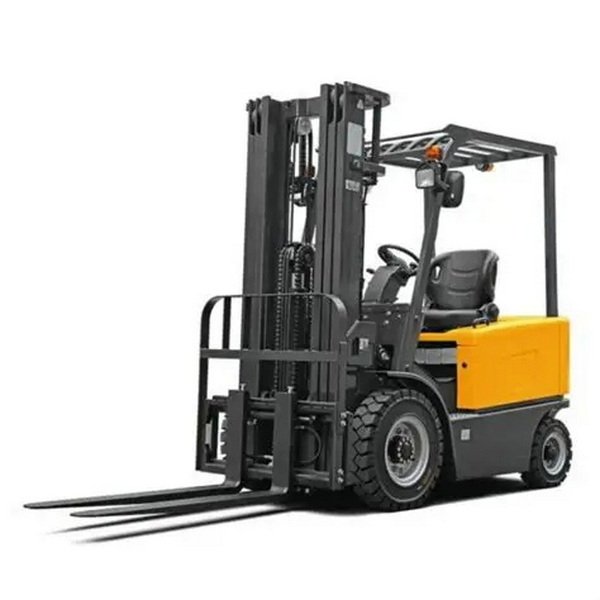

Top Electric Forklift Manufacturers and Suppliers in United Kingdom
Content Menu
● How This Forklift Assessment Was Built
>> Data sources: where practical insight comes from
>> Evaluation criteria: what matters most in daily operations
>> Why real‑world experience carries more weight than specifications
● What UK Buyers Really Care About in Electric Forklifts
>> Common problems when forklift choices go wrong
>> What operators and managers actually prioritise
>> A typical UK scenario: switching from diesel to electric
● Leading Electric Forklift Manufacturers in the UK: Market Snapshot
>> Market positioning overview
● Brand A – Reliability and Service‑Driven Leaders (e.g. Toyota, Linde)
>> Typical models and applications
>> Real customer experiences: uptime, comfort and support
>> Pros, cons and ideal applications
● Brand B – Battery Performance and Outdoor Capability (e.g. Hyster, Yale, some Crown/STILL)
>> Real customer experiences: runtime and flexibility
>> Pros, cons and ideal applications
● Brand C – Value‑Focused Options for SMEs (regional brands, supported imports)
>> Where value‑oriented brands compete
>> Real customer experiences: cost and maintenance
>> Pros, cons and ideal applications
● Where Certeg Fits: Multi‑Energy, Application‑Driven Solutions
>> Designing for diverse duty cycles and environments
>> Supporting UK buyers in building resilient mixed fleets
● Key Trends for 2026 Buyers: Data, Sustainability and Safety
>> Data‑driven fleet optimisation
>> Sustainability goals and local emissions
>> Evolving safety expectations
● How to Use Customer Feedback to Select Your Electric Forklift Supplier
>> Step‑by‑step approach for building a shortlist
>> Questions to ask current users and potential partners
● Frequently Asked Questions (FAQ)
>> 1. Are electric forklifts really cheaper than diesel in the UK?
>> 2. How many hours can an electric forklift run on one charge?
>> 3. Which electric forklift brand is “best” for a UK warehouse?
>> 4. How should I compare service contracts between different suppliers?
>> 5. Where does Certeg add value compared with traditional UK forklift brands?
Choosing the best electric forklift manufacturers in the UK is no longer just about lift capacity on a brochure; it is about how these machines perform shift after shift in real warehouses, on real loading bays, with real operators. From my work with fleets across Europe and as part of Certeg, a global supplier of construction and industrial equipment, the brands that stand out are those that combine reliability, service quality and operator satisfaction over years, not months.
In this guide, I will walk you through a customer‑centric view of leading electric forklift brands in the UK, show how real‑world users evaluate performance, and explain where a versatile manufacturer like Certeg fits into a modern, multi‑energy fleet strategy.
How This Forklift Assessment Was Built
When comparing electric forklift suppliers in the UK, the most useful insights come from the field, not from brochures. This assessment is grounded in real usage data, structured feedback and direct discussions with owners and operators.
Data sources: where practical insight comes from
Over the past few years, I have consistently drawn on four core sources of information:
– Long‑term fleet data from 3PLs, e‑commerce fulfilment centres and manufacturing plants
– Structured interviews with warehouse managers, health & safety officers and operators
– Service logs and warranty records from dealers and manufacturers
– Public case studies, industry publications and selected customer reviews
Across the UK, this covers operations using brands such as Toyota, Linde, Jungheinrich, Hyster‑Yale, Crown, STILL and a growing group of specialist suppliers. This mix of sources filters out marketing claims and keeps the focus on uptime, cost and safety over several years.
Evaluation criteria: what matters most in daily operations
In practice, the “best” electric forklift brand is the one that delivers consistent value in a specific operating environment. The evaluation in this article is based on six weighted criteria:
1. Reliability and uptime – frequency and severity of breakdowns, impact on throughput
2. Battery performance and charging flexibility – real‑world runtime, charging options, Li‑ion vs lead‑acid
3. Safety and ergonomics – visibility, stability, driver comfort, safety features and incident trends
4. After‑sales support and parts availability – response times, technician competence, parts lead times
5. Total cost of ownership (TCO) – including purchase price, maintenance, energy and downtime
6. Digital and fleet management capabilities – telematics, utilisation tracking, access control, reporting
More weight is given to long‑term reliability, TCO and service performance than to pure spec‑sheet metrics like maximum lift height, because this is where companies either quietly save or lose substantial money.
Why real‑world experience carries more weight than specifications
Brochure specifications usually explain only a fraction of a fleet’s actual cost and performance. The rest is determined by:
– How the truck behaves at peak load and during intensive periods
– How quickly and effectively issues are resolved
– How operators feel about using the truck day in, day out
This is why this assessment prioritises real‑world operating results and cost per pallet moved, rather than what a truck can theoretically achieve in ideal test conditions.
What UK Buyers Really Care About in Electric Forklifts
From plant visits and site audits across the UK, similar priorities emerge again and again from logistics directors, warehouse supervisors and operators. Their focus is practical, measurable and grounded in day‑to‑day work.
Common problems when forklift choices go wrong
When a forklift decision underperforms, it usually shows up in one or more of these areas:
– Unplanned downtime due to recurring faults, sensor problems or weak batteries
– Slow service response, leading to reduced capacity during peak periods
– Under‑specified trucks that struggle with gradients, outdoor yards or heavy attachments
– Poor compatibility with racking and aisles, causing awkward manoeuvres and higher risk of damage
Behind many “low‑price” purchases that fail early, there is a familiar pattern: underestimated duty cycles, insufficient charging infrastructure, or optimistic assumptions about truck capability.
What operators and managers actually prioritise
Operators tend to highlight three things:
– A comfortable driving position, with low noise and low vibration
– Clear visibility through the mast and around the truck
– Predictable, smooth controls with good stability when turning under load
Managers and owners emphasise:
– Reliable battery autonomy over long shifts without constant “opportunity charging”
– Transparent service and maintenance costs with predictable budgeting
– Access to data on utilisation, idling, impacts and access control for safety and efficiency
Both groups value suppliers who respond quickly and who understand the specifics of their operation rather than offering generic solutions.
A typical UK scenario: switching from diesel to electric
A frequent situation is a mid‑sized distribution centre moving from diesel to electric forklifts to improve air quality and meet internal sustainability targets. On paper, the site invests in 10 electric counterbalance trucks rated for 8‑hour shifts.
In the first winter peak, they discover that:
– Low temperatures and heavy loads shorten battery runtime
– The charging infrastructure was not sized correctly
– Operators are not yet trained to use smart charging strategies
The difference between suppliers becomes clear at this point. Stronger brands and dealers work with the customer to adjust battery configurations, charger layout and shift design. A flexible manufacturer such as Certeg, experienced in multiple climates and duty cycles, can add value by tailoring powertrain and charging solutions to the realities of each site.
Leading Electric Forklift Manufacturers in the UK: Market Snapshot
The table below presents an indicative view of how major brands are commonly positioned by UK users today. It is not a definitive ranking but reflects patterns that appear consistently in real operations.
Market positioning overview
| Manufacturer | Overall user sentiment | Best suited for | Typical feedback keywords |
|---|---|---|---|
| Toyota Material Handling | Very strong | High‑throughput warehouses, multi‑shift fleets | “Very reliable”, “Operator friendly” |
| Linde Material Handling | Very strong | Heavy duty, intensive industrial use | “Powerful”, “Excellent ergonomics” |
| Jungheinrich | Strong | Narrow‑aisle, VNA, high‑bay warehousing | “Smart warehouse”, “Energy efficient” |
| Hyster‑Yale | Strong | Mixed indoor/outdoor, yards, ports | “Robust”, “Good on slopes” |
| Crown / STILL | Solid | General warehousing, logistics | “Good value”, “Easy to maintain” |
| Specialist / niche brands + Certeg solutions | Emerging / niche | Custom applications, multi‑energy fleets | “Flexible”, “Tailored to our operation” |
The following sections group these into three archetypes—Brand A (reliability & service leader), Brand B (battery & outdoor performance), Brand C (value‑oriented)—and then show how a manufacturer like Certeg complements them in a global, mixed‑brand fleet.
Brand A – Reliability and Service‑Driven Leaders (e.g. Toyota, Linde)
Typical models and applications
Manufacturers in this group are widely chosen by:
– Large e‑commerce fulfilment centres running multi‑shift operations
– Automotive, FMCG and industrial manufacturers with high throughput
– Sites where standardisation, safety and uptime are critical to performance
Their electric counterbalance, reach trucks and pallet movers are standard equipment in many high‑bay warehouses, cold storage facilities and heavy industrial environments.
Real customer experiences: uptime, comfort and support
In fleet reviews, Brand A‑type manufacturers often score highest on:
– Low breakdown rates and stable performance over 5–7 years
– Strong operator acceptance, particularly among experienced drivers
– Reliable parts availability and technically strong service teams
Criticisms are usually not about quality but about cost and contract rigidity. Some customers feel constrained by premium contracts that limit flexibility, especially when they want to adjust fleet size quickly or mix multiple brands.
Pros, cons and ideal applications
Pros:
– Very high reliability in demanding environments
– Excellent ergonomics and advanced safety features
– Proven track record in multi‑shift, high‑intensity operations
Cons:
– Higher upfront costs and often higher service pricing
– Less flexibility for smaller or rapidly changing operations
Best fit: larger or mid‑sized UK businesses that prioritise uptime, safety and standardisation, and are comfortable with longer‑term agreements.
Brand B – Battery Performance and Outdoor Capability (e.g. Hyster, Yale, some Crown/STILL)
Where these brands excel
Brand B‑type suppliers are commonly selected where electric trucks must handle:
– Outdoor yards, uneven surfaces and ramp work
– Regular moves between warehouse and yard or loading bays
– Mixed indoor/outdoor operations where LPG fleets are being replaced
These brands focus strongly on battery technology, traction control and chassis robustness for more demanding operating conditions.
Real customer experiences: runtime and flexibility
From users running electric trucks in yards and light industrial sites, Brand B‑type solutions often earn praise for:
– Robust battery autonomy, especially when configured with Li‑ion packs
– Strong torque and traction on slopes and slightly rough surfaces
– Flexible charging strategies, including fast chargers for intense operations
On the downside, some fleets report early software or sensor issues on new models, which are typically resolved with over‑the‑air or dealer firmware updates.
Pros, cons and ideal applications
Pros:
– Excellent outdoor and mixed‑use capabilities
– Strong battery performance using modern chemistries
– Attractive option for converting LPG fleets to electric
Cons:
– Requires careful planning of chargers and duty cycles
– Firmware updates and configuration must be actively managed
Best fit: UK operations with yards, gradients or frequent outdoor work, where environmental targets require electrification but workloads remain demanding.
Brand C – Value‑Focused Options for SMEs (regional brands, supported imports)
Where value‑oriented brands compete
Brand C‑type manufacturers serve:
– Small and medium‑sized warehouses and local logistics firms
– Construction and building materials yards with moderate duty cycles
– Businesses moving from used diesel to new electric on tight budgets
These brands usually offer simple, robust designs with fewer advanced options but more attractive upfront pricing.
Real customer experiences: cost and maintenance
In many UK SMEs, feedback on value‑focused brands is consistent:
– “We obtained a new electric truck at a similar cost to a used premium one.”
– “Maintenance is straightforward, and our local dealer responds quickly.”
– “We do not need complex analytics; we need a reliable workhorse.”
Reported challenges include variable dealer quality, limited access to advanced features, and occasionally longer lead times for certain spare parts.
Pros, cons and ideal applications
Pros:
– Very competitive purchase prices
– Simple designs that are easy to maintain
– Good choice for entry‑level electrification
Cons:
– Feature set often behind premium brands
– Dealer coverage and service consistency can vary
Best fit: cost‑conscious SMEs looking for solid, basic electric forklifts to replace ageing diesel or LPG fleets without over‑investing in advanced functions.
Where Certeg Fits: Multi‑Energy, Application‑Driven Solutions
As a manufacturer like Certeg, specialising in forklifts and other construction machinery with multiple power options, the role is to complement, not simply replicate, what single‑brand forklift OEMs offer.
Designing for diverse duty cycles and environments
Because Certeg supports customers in construction, logistics and industrial projects worldwide, its engineering teams are accustomed to designing:
– Equipment that can be configured for electric, diesel, LPG or hybrid use
– Solutions that must perform in extreme climates, dusty conditions and intensive utilisation
– Custom adaptations for specific attachments, mast heights and ground conditions
This directly supports forklift projects, especially in markets where operating conditions differ significantly between sites.
Supporting UK buyers in building resilient mixed fleets
Many UK operations now use a mixed‑brand, mixed‑energy approach. A resilient strategy might combine:
– Premium Brand A trucks in critical high‑throughput areas
– Brand B‑style trucks for yard work and mixed environments
– Brand C‑style units or Certeg solutions for supporting roles, backup or seasonal peaks
Certeg’s value lies in helping customers design that mix: aligning powertrain choices, duty cycles and cost profiles so the entire fleet—not just one truck type—achieves the lowest cost per pallet moved while meeting operational and sustainability goals.
Key Trends for 2026 Buyers: Data, Sustainability and Safety
Beyond traditional selection criteria, three emerging decision drivers deserve attention from serious buyers.
Data‑driven fleet optimisation
Modern electric forklifts increasingly support:
– Telematics platforms for utilisation, access control and impact management
– Real‑time battery monitoring and predictive maintenance alerts
– Integration with warehouse and enterprise systems for planning and reporting
For fleets with a medium‑ to long‑term horizon, it is important to select manufacturers and partners who offer open, scalable data capabilities, rather than closed systems that limit future integration.
Sustainability goals and local emissions
Environmental performance is now a core business requirement for many UK firms. Common objectives include:
– Demonstrating carbon reduction in logistics and intralogistics
– Improving air quality in enclosed workplaces
– Meeting internal Net Zero or broader sustainability targets
Electric forklifts support these objectives, but only if energy sourcing, charging and load management are well designed. A supplier with broad energy and powertrain expertise, such as Certeg, can help ensure that forklifts are part of a coherent, low‑emission strategy rather than an isolated purchase.
Evolving safety expectations
Safety expectations continue to increase, driven by:
– Strong enforcement of UK health and safety regulations
– Greater focus on near‑miss events and minor collisions
– Requirements from insurers and corporate risk managers
When evaluating suppliers, it is worth examining:
– Availability of driver‑assist technologies (e.g. speed limiting, access control, impact logging)
– Quality of operator training, manuals and follow‑up support
– Ability to capture and analyse safety‑related fleet data
How to Use Customer Feedback to Select Your Electric Forklift Supplier
Based on site visits and fleet assessments, the following practical process works well for most organisations.
Step‑by‑step approach for building a shortlist
1. Map your duty cycles and constraints
– Document loads, gradients, indoor/outdoor ratios and shift patterns.
2. Talk to similar users
– Visit at least two comparable sites and discuss their experiences with different brands.
3. Score brands against your priorities
– Use clear criteria: reliability, support, battery performance, TCO, safety, data.
4. Run on‑site demos or trials
– Involve your operators; test trucks on real tasks and time‑critical workflows.
5. Negotiate service and uptime commitments, not only price
– Include response times, parts availability, preventive maintenance and performance indicators.
Questions to ask current users and potential partners
When speaking with existing users or suppliers, consider asking:
– “What has been your actual uptime over the last 12 months?”
– “How long does it typically take to receive critical spare parts and a technician?”
– “Under your peak loads, how long can you run on a single charge?”
– “What do your operators like and dislike about this brand?”
– “How do you monitor impacts, incidents and unauthorised use today?”
Clear, specific answers provide a much better basis for decisions than general assurances.
Conclusion and Next Steps
The top electric forklift manufacturers in the UK each have clear strengths, but the best choice for any given operation depends on how and where the trucks are used, not only on brand visibility or technical specifications. Premium manufacturers excel in uptime and ergonomics, value‑oriented brands offer compelling entry points for SMEs, and globally experienced suppliers like Certeg add value by designing multi‑energy, application‑driven solutions within mixed fleets.
If you are reassessing your forklift fleet or planning a transition from diesel/LPG to electric, a structured approach that combines:
– Real‑world customer feedback and site visits
– A detailed understanding of your duty cycles and constraints
– A forward‑looking view on data, safety and sustainability
will give you a more reliable outcome than focusing on initial price alone.
If you would like expert input on specifying an electric or mixed‑energy forklift fleet for your UK operation, consider engaging with the Certeg team or a similarly experienced partner to review your current fleet and develop a tailored configuration and investment plan.
Contact us to get more information!
Frequently Asked Questions (FAQ)
1. Are electric forklifts really cheaper than diesel in the UK?
In many cases, yes—when you look at total cost of ownership over a 5–7 year period. Energy costs per operating hour are typically lower and maintenance is simpler, but the outcome depends on your electricity tariffs, duty cycles and charging strategy.
2. How many hours can an electric forklift run on one charge?
For typical UK warehouse applications, lead‑acid trucks often deliver around 6–8 hours of mixed use, while lithium‑ion configurations can run longer if you use opportunity charging during breaks. Actual runtime is strongly influenced by load weight, gradients and ambient temperature.
3. Which electric forklift brand is “best” for a UK warehouse?
There is no single “best” brand for every operation. High‑throughput warehouses often favour premium brands such as Toyota or Linde, while SMEs may be better served by value‑focused manufacturers or mixed fleets that include Certeg‑type solutions. The right choice depends on duty cycles, support expectations and budget.
4. How should I compare service contracts between different suppliers?
Look beyond the headline price. Compare response times, parts availability, preventive maintenance routines, uptime guarantees and contract exclusions. A contract with slightly higher fees but stronger uptime commitments can be substantially cheaper once lost production is considered.
5. Where does Certeg add value compared with traditional UK forklift brands?
Certeg provides multi‑energy, construction‑grade engineering and experience across diverse global environments. This helps UK customers who want to design resilient, mixed fleets that combine electric, diesel and other power options, or who require customised forklifts for demanding applications and project‑based work.
References
1. Toyota Material Handling UK – Electric forklift product and solutions overview.
https://toyota-forklifts.co.uk
2. Linde Material Handling UK – Electric counterbalance truck range and case studies.
3. Jungheinrich UK – Electric trucks, VNA solutions and warehouse optimisation resources.
https://www.jungheinrich.co.uk
4. Hyster‑Yale Group – Electric trucks, application guidance and industry solutions.
https://www.hyster.com and https://www.yale.com
5. Crown Lift Trucks – Electric forklift range, energy solutions and fleet management tools.
6. STILL UK – Electric forklifts, warehouse equipment and intralogistics consulting.
7. Certeg – Construction machinery, material handling equipment and multi‑energy solutions.
Hot Tags: Electric Forklift, Manufacturers, Customized, Custom, Suppliers, Buy, Cheap, Quality, Advanced, Durable, in Stock, Made in China, Price, Quotation