
Skid Steer and Track Loader Warranties: The Complete 2026 Guide for Smart Buyers
Content Menu
● What Is a Skid Steer or Track Loader Warranty?
● Why Loader Warranties Matter for Total Cost of Ownership
● Standard Warranty Terms: What Most Buyers See Today
● Advanced Warranty Programs: 3‑4‑5 and Beyond
>> 3‑4‑5 style warranty programs
>> Track coverage and no-derailment guarantees
>> Market movement toward longer coverage
● Extended Warranty and Protection Plans: When You Should Consider Them
>> When extended coverage makes sense
● Key Components and What Is Usually Covered
● How to Make a Warranty Claim Step by Step
>> Step 1: Read and file the warranty statement
>> Step 2: Contact your dealer immediately
>> Step 3: Dealer inspection and repair
>> Step 4: Claim submission via online portals
● Preventive Maintenance and Warranty: How to Protect Your Coverage
>> Daily and scheduled maintenance basics
>> Wear components to monitor closely
● 2026 Trends in Skid Steer and CTL Warranties
● How to Compare Warranty Programs Between Brands
>> Warranty comparison cheat-sheet
● Practical Checklist Before You Buy a Loader
● Clear Call to Action for Buyers and Fleet Managers
● Frequently Asked Questions (FAQ)
>> 1. Is a 2-year / 2,000-hour warranty enough for most skid steer owners?
>> 2. Do warranties cover tracks and tires?
>> 3. Will missing an oil change void my warranty?
>> 4. Are extended warranties from third-party providers reliable?
>> 5. How do warranties affect resale value?
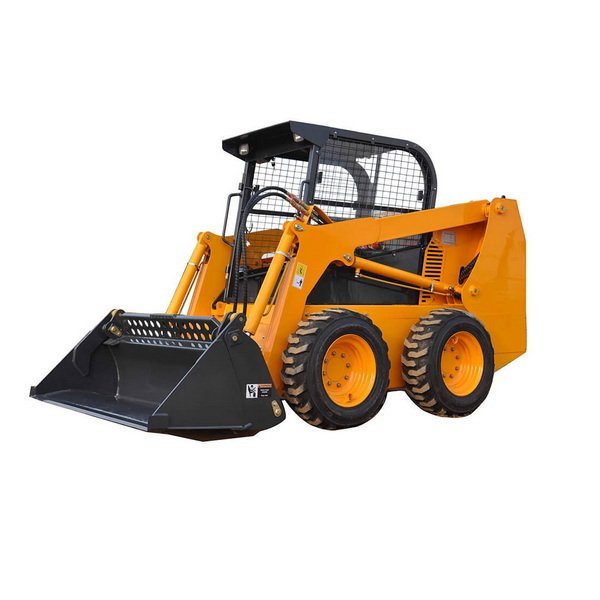
Skid steer and compact track loader warranties are more than fine print – they directly affect your total cost of ownership, uptime, and resale value. This guide explains how warranties work, what leading brands offer, and how to choose and manage coverage like a professional fleet manager.
What Is a Skid Steer or Track Loader Warranty?
A skid steer or compact track loader (CTL) warranty is a manufacturer-backed promise to repair or replace covered components that fail due to defects in material or workmanship within a defined time or hour limit. It is not a blanket guarantee against abuse, lack of maintenance, or normal wear.
Typical warranty elements include:
– Time limit in years and operating hours, for example, 2 years / 2,000 hours
– Coverage scope, such as full machine, powertrain, hydraulics, electrics, or attachments
– Conditions, such as maintenance requirements, dealer repairs, and approved parts
– Transferability to a second owner
Many compact equipment manufacturers now use a 2-year / 2,000-hour full-machine standard warranty for skid steers and CTLs.
Why Loader Warranties Matter for Total Cost of Ownership
Warranties protect you from unexpected repair bills and help stabilize your operating budget. They also influence downtime and the long-term value of your machine.
Key benefits include:
– Lower risk of large, early-life repair costs
– Higher resale value when coverage is transferable to new owners
– Better access to dealer support and trained technicians
– Stronger confidence when you adopt new models or technologies
A longer, structured warranty, such as a 3/4/5-year program, can keep coverage in place into a machine’s second life, which is particularly valuable in rental and high-utilization fleets.
Standard Warranty Terms: What Most Buyers See Today
Most new skid steers and compact track loaders ship with a standard base warranty that looks similar across the industry.
Common baseline
– A 2-year / 2,000-hour full-machine warranty has become a widely adopted standard among major brands.
– Some manufacturers previously offered 1-year warranties and extended them to 2 years / 2,000 hours to remain competitive.
Common patterns include:
– Moving from a 1-year, unlimited-hour warranty to 24 months or 2,000 hours on skid steers and CTLs.
– Aligning with industry expectations by offering 2-year / 2,000-hour full-machine coverage.
These baseline warranties usually cover the entire machine against defects, provided you follow the operator’s manual and the recommended maintenance schedule.
Advanced Warranty Programs: 3‑4‑5 and Beyond
Some manufacturers differentiate themselves with multi-layered, extended standard warranties that go beyond the basic 2-year package.
3‑4‑5 style warranty programs
One example of an aggressive standard program for loaders includes:
– 3 years / 3,000 hours full-machine coverage
– 4 years / 4,000 hours powertrain coverage, including engine, hydrostatics, and axles
– 5 years / 5,000 hours electrical system coverage, including switches, joysticks, displays, indicators, and wiring harness
These programs are often transferable, designed to support higher residual values and extend coverage even when machines change owners.
Track coverage and no-derailment guarantees
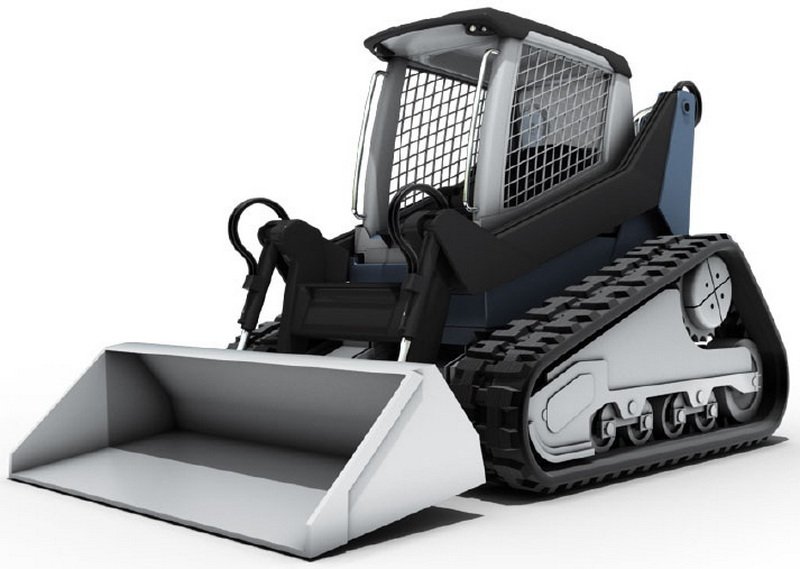
Some brands offer a 2-year / 2,000-hour standard factory warranty that specifically includes compact track loader undercarriage components, such as tracks. In certain cases, manufacturers position this as a market-leading track coverage that includes no-derailment guarantees on CTLs.
On top of base warranties, extended programs may allow customers to:
– Extend coverage up to several additional years or thousands of hours
– Protect both new and existing machines, as long as they are still within standard coverage
Manufacturers often cite extensive testing data and customer feedback to justify a higher level of confidence in track reliability.
Market movement toward longer coverage
Across the compact equipment market, manufacturers increasingly use longer standard warranties as a competitive tool. Extended coverage has become a key talking point in new model launches and is often integrated with dealer financing and promotional packages.
Extended Warranty and Protection Plans: When You Should Consider Them
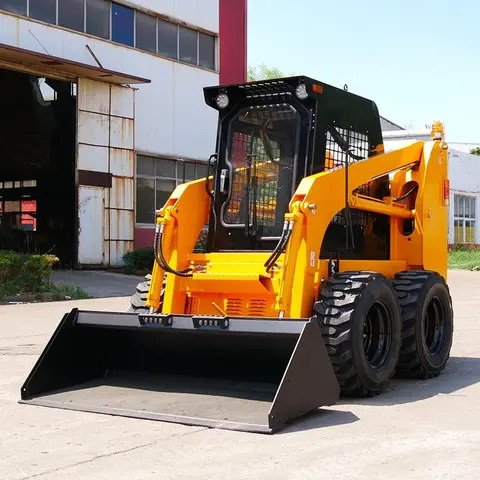
Beyond the standard warranty, manufacturers and third-party providers offer extended warranty or Equipment Protection Plans.
Typical extended options
Extended plans often include:
– Coverage types, such as powertrain, powertrain plus hydraulics, or comprehensive “ultimate” plans that add emissions and electrical components
– Term extensions, usually 1 to 3 additional years or a defined number of hours beyond the base warranty
– Deductible choices, such as zero, moderate, or higher deductibles per claim
These plans are available both during the original warranty window and, in some cases, for used machines that are outside base coverage but within age and operating hour limits.
When extended coverage makes sense
Extended coverage is especially valuable if:
– You run machines in demanding, high-hour applications
– Your jobsites are remote and downtime is extremely costly
– You plan to keep the loader well beyond the standard warranty period
– You want predictable maintenance and repair budgets over a multi-year project
Manufacturers and dealers usually help tailor extended protection to your operation, so the coverage matches your risk tolerance and usage profile.
Key Components and What Is Usually Covered
Although every warranty policy is different, coverage typically centers on major mechanical and electrical components rather than consumables.
Commonly covered items include:
– Engine and powertrain, including engine block, internal components, and axles
– Hydrostatic or hydraulic drive pumps and motors, under powertrain plus or full-machine plans
– Electrical systems, such as controllers, displays, wiring harnesses, and joysticks
– Structural components, such as the main frame, boom, and key chassis elements
Items that are normally excluded include:
– Wear parts such as tires, tracks, cutting edges, pins, and bushings
– Filters, oils, fluids, grease, and other service consumables
– Damage caused by misuse, accidents, or neglect
– Failures linked to modifications or non-approved attachments
Some manufacturers are notable exceptions where CTL tracks are specifically included under the full-machine warranty for a fixed term and under defined conditions.
How to Make a Warranty Claim Step by Step
Understanding the claim process before a failure occurs saves time and stress.
Step 1: Read and file the warranty statement
– Review the warranty policy included with your machine and the operator’s manual.
– Keep digital and printed copies of warranty documents, purchase contracts, and serial numbers in an accessible location.
Step 2: Contact your dealer immediately
If you believe a failure is covered:
1. Stop using the machine to prevent additional damage.
2. Contact your authorized dealer as soon as possible.
3. Share serial number, current hours, error codes, and a brief issue history.
Manufacturers generally rely on dealers as the primary interface for warranty claims.
Step 3: Dealer inspection and repair
The dealer will:
– Inspect the machine to confirm the root cause of the failure
– Perform eligible repairs using original parts and approved procedures
– Document findings with photos, diagnostics, parts lists, and labor records
Step 4: Claim submission via online portals
Many manufacturers use online systems to streamline claims:
– Dealers file warranty claims through dedicated online platforms with all required fields
– Service departments upload photos, parts, labor, and travel information for review
Best-practice guides and training resources help dealer personnel prepare accurate claims and speed up approvals.
Preventive Maintenance and Warranty: How to Protect Your Coverage
One of the most important warranty conditions is proof of proper maintenance. Skipping or poorly documenting service can lead to denied claims, even when parts appear defective.
Daily and scheduled maintenance basics
Manufacturers typically recommend maintenance schedules that include:
– Daily checks of engine oil, hydraulic oil, coolant levels, and fuel system leaks
– Daily inspection of the radiator and air filters, with cleaning or replacement as required
– Regular greasing of pivot points and linkages, often every 10 operating hours or per manual
– Oil and filter changes at set intervals, such as every 500 hours or according to the operator’s manual
– Periodic inspection of undercarriage components and attachment cutting edges
Each machine is different, so the operator’s manual remains the final authority on maintenance practices.
Wear components to monitor closely
Main wear items that impact both uptime and operating cost include:
– Ground-engaging tools such as bucket edges, cutting edges, and teeth
– Pins and bushings at lift arm and attachment linkage points
– Tires on skid steers, including correct pressure and visible damage checks
– CTL undercarriage components such as drive sprockets, roller wheels, idlers, and tracks
Maintaining proper track tension and keeping the undercarriage clean are critical to extending track system life and controlling track-related ownership costs.
2026 Trends in Skid Steer and CTL Warranties
The compact equipment warranty landscape has evolved significantly in recent years.
Notable trends include:
– Migration from 1-year to 2-year / 2,000-hour full-machine warranties across major compact brands
– Introduction of longer layered programs, such as 3/4/5-year structures, to win professional users and rental fleets
– Stronger track coverage and no-derailment guarantees on advanced CTL platforms
– Integration of extended warranties into financing and purchase incentives, including promotional packages that bundle extended coverage as a value-add
These trends reflect growing manufacturer confidence in product reliability and a highly competitive market where warranty is a visible differentiator.
How to Compare Warranty Programs Between Brands
When you compare skid steer or CTL quotes, treat the warranty as a core decision factor, not a small footnote.
Warranty comparison cheat-sheet
Use the following factors as a quick comparison framework:
| Factor | Why it matters | What to look for in 2026 |
|---|---|---|
| Duration (years / hours) | Defines how long major repair risk is covered | At least 2 years / 2,000 hours, longer terms on premium programs |
| Coverage scope | Shows whether only powertrain or the full machine is protected | Multi-layer coverage that separates full machine, powertrain, and electrical systems |
| Track and undercarriage | CTL tracks and undercarriages are high-cost components | Inclusion of track and undercarriage coverage, clear derailment policies |
| Transferability | Influences resale value and ease of selling to a second owner | Fully transferable coverage with a documented transfer process |
| Dealer network and process | Impacts speed of claims and repair quality | Strong local dealer presence, online claim portals, trained technicians |
| Extended options | Allows you to tailor risk and budget over the machine’s full life | Multiple plan tiers, flexible term lengths, and deductible options |
Use this table as a shortlist tool when comparing loaders from different brands or evaluating offers from multiple dealers.
Practical Checklist Before You Buy a Loader
Use this pre-purchase checklist to get maximum warranty value from day one.
1. Ask for the full written warranty policy, not just a brochure summary.
2. Confirm base coverage term in years and hours, and list the components included.
3. Check whether the warranty is transferable and how the transfer is documented.
4. Review any promotional extended coverage or protection plans currently offered.
5. Discuss dealer support, including response times, technician training, and parts availability.
6. Understand your maintenance responsibilities and required service intervals.
7. Clarify exclusions, such as aftermarket modifications, non-approved attachments, and operator misuse.
A strong relationship with your dealer helps during purchasing, scheduled service, and any warranty claim event.
Clear Call to Action for Buyers and Fleet Managers
If you are planning to invest in a skid steer or compact track loader, do not let warranty terms remain in the shadows. Take the time to compare standard coverage, layered programs, track and undercarriage protection, maintenance obligations, and extended options, then sit down with your preferred dealer or manufacturer representative to design a warranty and protection package that truly fits your applications, risk profile, and ownership plan before you finalize any purchase.
Contact us to get more information!
Frequently Asked Questions (FAQ)
1. Is a 2-year / 2,000-hour warranty enough for most skid steer owners?
For many small to mid-size contractors, a 2-year / 2,000-hour full-machine warranty provides solid protection during the most failure-prone early life of the machine. If your utilization is high or you plan to keep the loader long term, extended coverage can be a smart way to control risk and stabilize cash flow.
2. Do warranties cover tracks and tires?
Standard loader warranties usually exclude wear parts such as tires and tracks because they are expected to wear out during normal use. Some manufacturers, especially those focused on track technology, are exceptions and offer defined track coverage or special guarantees on CTL undercarriages, but conditions and limits always apply.
3. Will missing an oil change void my warranty?
If skipped or severely delayed maintenance can be linked to a component failure, the manufacturer may deny warranty coverage on that repair. Keeping accurate service records, logging hours, and following the maintenance schedule in the operator’s manual is essential to protect your warranty rights.
4. Are extended warranties from third-party providers reliable?
Reputable third-party providers can offer flexible plans, multiple coverage levels, and deductible options, sometimes beyond what is available directly from manufacturers. Before you commit, review the provider’s financial strength, claim approval process, service network, and whether repairs will be completed by authorized technicians using original or equivalent parts.
5. How do warranties affect resale value?
Transferable warranties make machines more attractive to second buyers and can support higher resale prices. Programs that extend coverage into the second life of the machine are particularly valuable for rental companies and contractors who plan to sell or trade in equipment while it still has active coverage.
Reference URLs:
1. https://compactequip.com/business/the-123s-of-skid-steer-and-track-loader-warranties/
2. https://www.equipmentworld.com/construction-equipment/article/14968763/cat-ups-warranty-terms-on-skid-steers-ctls-multi-terrain-loaders
3. https://machineryscope.com/skid-steer-extended-warranty-plan/
4. https://www.asvi.com/warranty/
5. https://www.fieldinsight.com/blog/skid-steer-maintenance/
6. https://www.bobcat.com/na/en/buying-resources/loaders/compact-track-loader-skid-steer-loader-buyers-guide/service-maintenance
7. https://www.disenparts.com/blog/post/Buying%20a%20Skid%20Steer%20in%202025%20Do%20not%20%20Make%20These%20Costly%20Mistakes
8. https://media.cnh.com/north-america/nhc-latest-news/new-holland-construction-offers-unlimited-hour–first-year-warranty
9. https://www.equipmentworld.com/construction-equipment/article/14969665/how-oems-keep-up-with-a-maturing-ctl-market
10. https://ecode360.com/CH3504/document/501171617.pdf
Hot Tags: Skid Steer Warranty, Track Loader Warranty, Skid Steer Warranty Coverage, Compact Track Loader Warranty, Skid Steer Manufacturer Warranty, Heavy Equipment Warranty, Construction Equipment Warranty, Skid Steer Extended Warranty, Track Loader Service Plan, Compact Equipment Warranty