
Skid-Steer vs Compact Track Loader: 3 Key Questions That Really Decide Which Machine You Need
Content Menu
● Question 1: What Surfaces Will Your Loader Work On?
>> Hard, Paved and Compacted Surfaces
>> Soft, Sensitive or Unstable Surfaces
● Question 2: What Climate and Weather Will You Work In?
>> Wet, Muddy and Shoulder-Season Conditions
● Question 3: What Is the True Total Cost of Ownership?
>> Wear Parts, Tracks and Tires
>> Productivity, Utilization and Downtime
● Skid-Steer vs Compact Track Loader: At-a-Glance Comparison
● A Simple 3-Step Decision Framework
● Real-World Scenarios and Case-Style Examples
● Practical Tips to Reduce Surface Damage and Costs
● Turn Your Answers Into the Right Machine Choice
● FAQs: Skid-Steer Loader vs Compact Track Loader
>> FAQ 1: Is a skid-steer loader or compact track loader better for landscaping work?
>> FAQ 2: Can I use a skid-steer loader in muddy conditions?
>> FAQ 3: Which machine is cheaper to maintain over time?
>> FAQ 4: Do I need both a skid-steer loader and a compact track loader in my fleet?
>> FAQ 5: Can a compact track loader do fine grading work?
Choosing between a skid-steer loader and a compact track loader (CTL) is not just a price issue – it is a strategic decision that affects productivity, surface damage, working season, and total cost of ownership on every jobsite.
This guide uses three practical questions – ground conditions, climate, and lifetime cost – plus additional expert sections to help contractors, rental fleets, farmers and landscapers match the right compact loader to their real-world work.

Question 1: What Surfaces Will Your Loader Work On?
The first and most important question is what type of ground your loader will work on 70–80% of the time.
Hard, Paved and Compacted Surfaces
If you mainly work on streets, sidewalks, parking lots, driveways or hard-surfaced yards, a skid-steer loader is usually the more efficient and economical choice.
– Performs best on concrete, asphalt and compacted dirt
– Tires provide excellent traction on firm ground and allow faster travel speeds
– Typically offers lower initial price and lower wear-part costs than tracks
For indoor demolition, warehouse work, material handling in factories or recycling yards, the compact size and maneuverability of a skid-steer loader are especially valuable.
Soft, Sensitive or Unstable Surfaces
On established lawns, golf courses, sports fields or landscaped areas, minimizing turf damage is critical because surface repair is expensive and time-consuming.
– A compact track loader uses a tracked undercarriage that spreads machine weight across a larger footprint
– This produces low ground pressure, often in the range of 4–6 psi, which greatly reduces rutting and turf disturbance for landscaping and irrigation work
– Operators should still make gradual turns, because aggressive spinning can damage turf even with tracks
On loose, sandy or gravelly ground, tracks offer more contact area, better flotation and improved traction so the machine can push into piles or climb over irregular material without sinking or spinning.
Question 2: What Climate and Weather Will You Work In?
Your climate and seasonal weather patterns also play a major role in the skid-steer vs compact track loader decision.
Wet, Muddy and Shoulder-Season Conditions
In regions with frequent rain, spring thaw or clay soils, jobsites can stay wet and muddy for long periods.
– CTLs with rubber tracks and low ground pressure allow contractors to return to work sooner after rain, sometimes gaining days or even weeks of extra operating time per year
– Tracks “float” over mud and soft soil, reducing the risk of getting stuck and avoiding deep ruts that require regrading
This extended working window can significantly increase annual utilization and help justify the higher purchase price of a compact track loader.
Snow, Ice and Cold Weather
Both machines can work in winter, but they behave differently on snow and ice.
– Skid-steer loaders on tires can provide strong traction for pushing snow on hard surfaces, especially when equipped with proper snow tires or chains
– Compact track loaders maintain better footing on uneven frozen ground or mixed snow-mud conditions, particularly on rural sites, slopes or unpaved access roads
If your business depends on year-round work in challenging climates, a CTL often delivers more all-weather reliability than a wheeled skid steer.
Question 3: What Is the True Total Cost of Ownership?
Many buyers compare only the sticker price, but successful fleets analyze the total cost of ownership (TCO) over the machine’s life.
Upfront Purchase Price
– Skid-steer loaders of similar size typically cost less upfront than compact track loaders, mainly because tires and wheels are cheaper than tracks and undercarriage parts
– For budget-constrained buyers working mostly on hard ground, this lower initial investment can be a strong advantage
Wear Parts, Tracks and Tires
Tires and tracks are the main wear components affecting long-term cost.
– Skid-steer tires are relatively inexpensive and quick to replace, but they wear faster on abrasive surfaces and may require more frequent changes in high-hour applications
– CTL rubber tracks and undercarriage components are more expensive, but mid-quality tracks often last several hundred hours longer than conventional tires under similar conditions
When used correctly, many owners find that compact track loaders can become a sound financial choice over time, especially when their higher productivity and utilization are factored in.
Productivity, Utilization and Downtime
Your true cost depends on how much work you complete per hour and per year, not just what you paid upfront.
– On jobs with soft ground, hills or fine grading, CTLs can move more material with fewer interruptions, boosting productivity per operator hour
– By enabling faster return to work after rain, CTLs can increase annual machine utilization, spreading fixed ownership costs over more billable hours
– Skid-steers often win on fuel efficiency, transport ease and maintenance simplicity, which helps control operating cost when most work is on hard, dry surfaces
Skid-Steer vs Compact Track Loader: At-a-Glance Comparison
| Factor | Skid-Steer Loader | Compact Track Loader |
|---|---|---|
| Typical surfaces | Best on concrete, asphalt, compacted dirt | Best on soft, muddy, sandy, or turf surfaces |
| Ground pressure | Higher; can cause more surface disturbance | Lower (often 4–6 psi), minimizes rutting and turf damage |
| Maneuverability | Very agile in tight urban spaces | Stable on slopes and rough terrain, slightly less nimble in tight corners |
| Climate fit | Strong on dry, paved, indoor or snow-on-pavement work | Excels in wet, muddy, mixed conditions and shoulder seasons |
| Purchase price | Lower upfront cost for comparable size | Higher upfront cost due to tracks and undercarriage |
| Wear parts | Lower-cost tires but shorter life in harsh use | Higher-cost tracks but can last 3–4 times longer than some tires |
| Surface impact | More risk of scuffing or rutting finished surfaces | Gentler on lawns and landscaping, ideal for turf work |
| Best for | Hard-surface construction, demolition, material handling, indoor work | Landscaping, grading, site prep, agriculture, muddy or hilly jobsites |
A Simple 3-Step Decision Framework
To convert the three core questions into a practical decision, use this step-by-step framework.
1. Rate your ground conditions
– Mostly hard and paved → Score for skid steer
– Mostly soft, turf, sand, mud or slopes → Score for compact track loader
2. Map your climate and seasonality
– Dry or mostly firm weather, indoor or urban → Skid steer gets more points
– Long wet seasons, clay soils, mixed snow and mud → Compact track loader gains points
3. Compare lifetime economics, not just price
– Short projects, low annual hours, tight budget → Skid steer may be sufficient
– High hours, daily use, weather risk, need to protect turf → CTL’s productivity and utilization can outweigh its higher initial cost
If your scoring is balanced, many fleets find value in owning both types to cover the widest range of jobs and rental opportunities.
Real-World Scenarios and Case-Style Examples
Anchoring the decision in real scenarios makes it easier for buyers to choose confidently.
– Urban contractor on paved streets
A municipal contractor doing utility repairs on streets and sidewalks selects a skid-steer loader for its maneuverability, faster travel speed and lower purchase price, while relying on over-the-tire steel tracks when occasional off-road work appears.
– Landscape company protecting high-value turf
A landscaping firm maintaining golf courses and luxury residential lawns chooses a compact track loader to benefit from low ground pressure, reduced turf damage and smoother operation for fine grading.
– General contractor in a wet climate
A regional contractor in a rain-prone area adds CTLs to extend the working season, getting back on site quickly after storms and avoiding lengthy delays waiting for ground to dry.
These examples show that matching machine type to job profile is more important than brand alone.
Practical Tips to Reduce Surface Damage and Costs
Regardless of which machine you choose, operators can follow a few practical habits to protect surfaces and manage costs.
– Use gradual turns instead of sharp spins, especially on turf or decorative surfaces, even with tracks
– Plan travel paths on temporary mats or sacrificial routes where possible to avoid damaging finished areas
– Match tread pattern and rubber compound (tires or tracks) to the primary surface: more aggressive patterns for off-road traction, smoother options for paved work
– Consider over-the-tire steel tracks on skid steers when occasional muddy or rough terrain jobs appear, rather than investing in a full CTL if that work is rare
These steps help protect profit margins by reducing rework, cleanup and surface repair costs.
Turn Your Answers Into the Right Machine Choice
Once you have answered the three key questions about ground conditions, climate and total ownership cost, the next step is to select specific models, options and attachments that match your work.
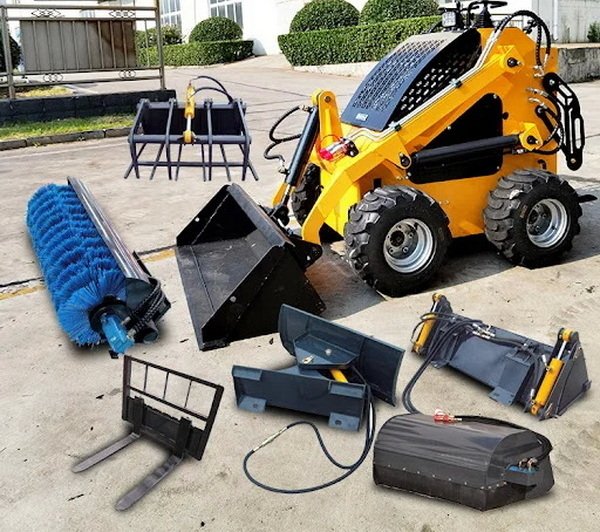
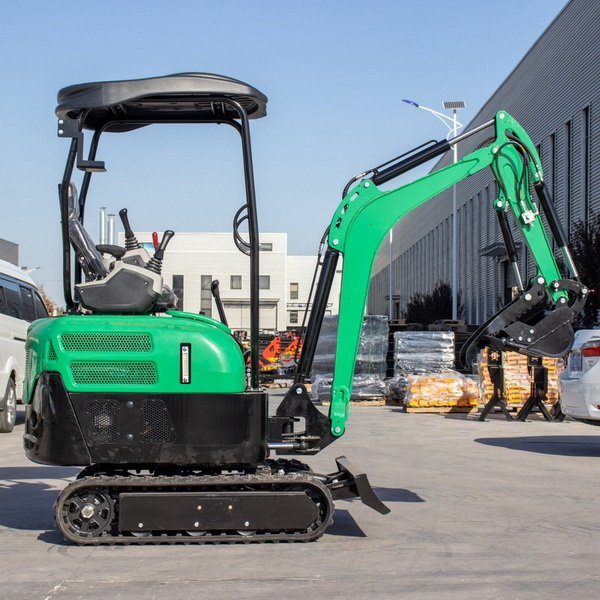
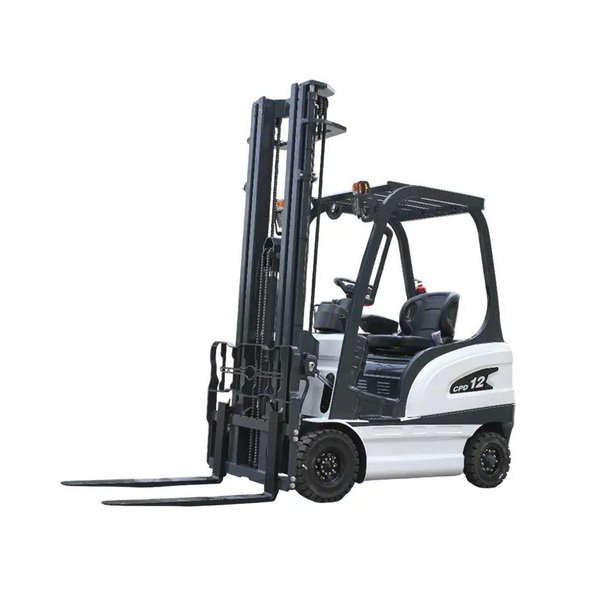
If you are planning to upgrade or expand your fleet, Certeg can help you configure the right mix of skid-steer loaders, compact track loaders, excavators, road rollers, forklifts, tractors and tracked carriers to cover all your construction and material-handling needs worldwide.
Reach out to our team today to:
– Share your typical jobsites, ground conditions and climate
– Compare skid-steer and compact track loader options side by side
– Get a tailored proposal, including attachments, transport solutions and long-term ownership planning
Make your next investment decision with confidence – choose the compact loader solution that protects your surfaces, maximizes uptime and delivers the lowest cost per productive hour by talking with a Certeg specialist now.
Contact us to get more information!

FAQs: Skid-Steer Loader vs Compact Track Loader
FAQ 1: Is a skid-steer loader or compact track loader better for landscaping work?
For sensitive lawns, golf courses and high-end landscaping, a compact track loader is usually better because its tracks spread weight over a larger area, reducing ground pressure and turf damage.
FAQ 2: Can I use a skid-steer loader in muddy conditions?
You can use a skid-steer loader in mud, but traction and flotation are limited compared with a compact track loader.
On very soft or saturated ground, the machine is more likely to sink or spin, so many owners either delay work, add over-the-tire tracks, or choose a CTL for those jobs.
FAQ 3: Which machine is cheaper to maintain over time?
Skid-steer loaders usually have lower maintenance costs because tires and wheels are cheaper and the undercarriage is simpler.
Compact track loaders have higher track and undercarriage costs, but tracks can last several hundred hours longer than many tires, and their ability to work more days per year can offset the extra expense.
FAQ 4: Do I need both a skid-steer loader and a compact track loader in my fleet?
Many larger contractors and rental companies operate both types because they often work under very different ground and climate conditions across the year.
Owning both allows you to send the right machine to each job, improving overall utilization and reducing downtime from weather and site limitations.
FAQ 5: Can a compact track loader do fine grading work?
Yes, compact track loaders are excellent for fine grading, especially on soft soils or where low ground pressure is important.
The stable tracked platform and high traction make it easier to hold grade, push material smoothly and achieve precise finishes with grading attachments.
Reference URLs:
1. https://www.bobcat.com/na/en/buying-resources/loaders/skid-steer-loader-or-compact-track-loader-3-questions-to-help-decide
2. https://www.bobcat.com/na/en/buying-resources/loaders/compact-track-loader-skid-steer-loader-buyers-guide/what-are-compact-track-loaders-skid-steer-loaders
3. https://www.bigrentz.com/blog/skid-steer-vs-track-loader
4. https://dozr.com/blog/skid-steer-vs-compact-track-loader
5. https://skidpro.com/skid-steer-vs-compact-track-loader
Hot Tags: Skid Steer Meaning, Bobcat Vs Skid Steer, Skid Steer Image, Skid Steer Vs Compact Track Loader, Skid Steer Or Track Loader, Compact Track Loader Comparison, Skid Steer Buying Guide, Skid Steer Vs Ctl, Track Loader Vs Skid Steer, Choose Skid Steer Or Track Loader