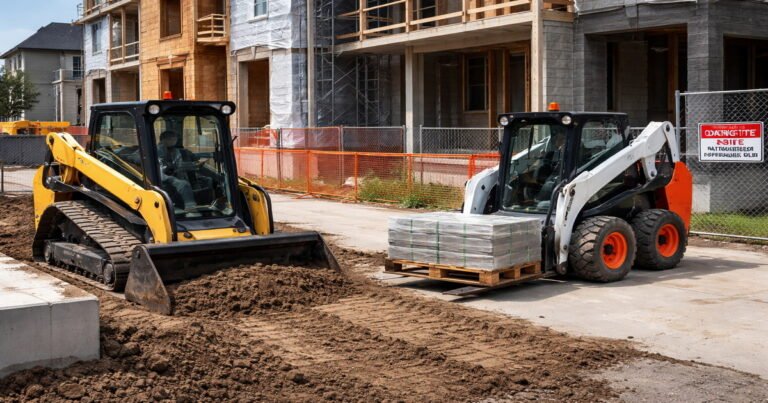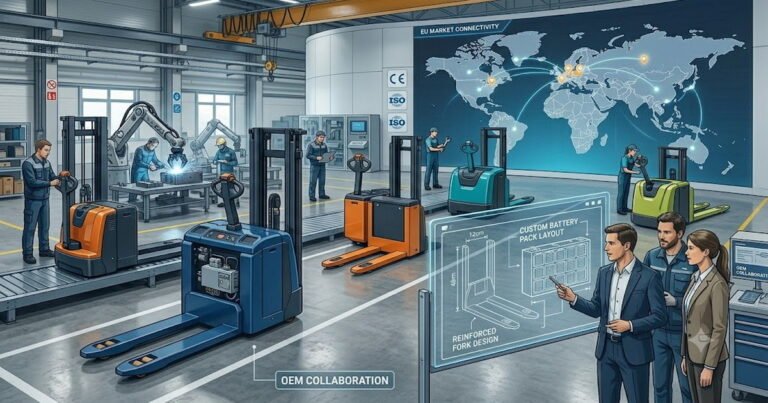

How to Choose the Right Compact Track Loader or Skid-Steer Loader (2026 Expert Guide)
Content Menu
● 1. Start with Your Jobsites and Applications
● 2. Choose the Right Compact Loader Size
>> 2.1 Loader Dimensions and Access Constraints
>> 2.2 Compact Loader Size Categories
● 3. Understand Machine Weight and Transport Limits
>> 3.1 Why Loader Weight Matters
>> 3.2 Practical Transport Checklist
● 4. Decide Between a Compact Track Loader and a Skid-Steer Loader
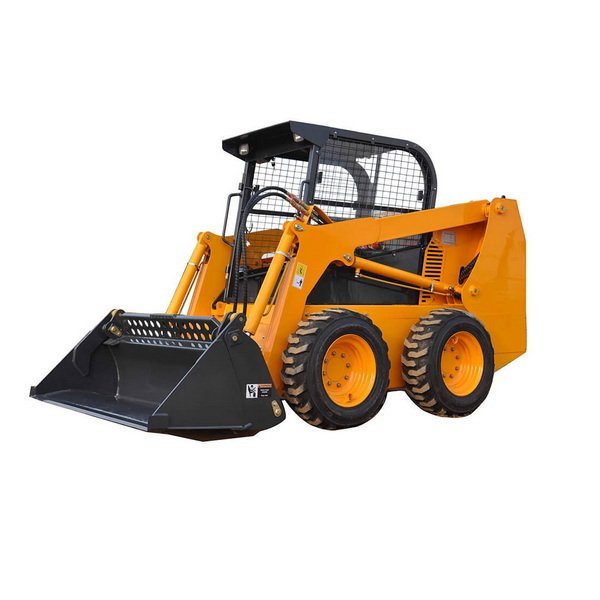
>> 4.1 When to Choose a Skid-Steer Loader (Tires)
>> 4.2 When to Choose a Compact Track Loader (Rubber Tracks)
>> 4.3 Ownership Cost: Tracks vs Tires
● 5. Match Rated Operating Capacity (ROC) and Horsepower to Your Work
>> 5.1 What Is Rated Operating Capacity?
>> 5.2 Horsepower and Real-World Performance
● 6. Choose the Right Lift Path: Vertical vs Radius
>> 6.1 Vertical Lift Path Advantages
>> 6.2 Radius Lift Path Advantages
● 7. Pick Control Styles That Match Your Operators
>> 7.1 Traditional Standard Controls
>> 7.2 Advanced Selectable Joystick Controls (SJC)
● 8. Evaluate Instrumentation, Displays and Connectivity
>> 8.1 Standard In-Cab Display Functions
>> 8.2 Advanced Touch Display and Security Features
● 9. Match Attachments and Hydraulics to Your Business
>> 9.1 Standard-Flow vs High-Flow vs Super-Flow Hydraulics
>> 9.2 Plan Your Attachment Strategy
● 10. Jobsite Use Cases and Recommended Specs
>> 10.1 Residential Landscaping and Small Construction
>> 10.2 Heavy Construction and Demolition
>> 10.3 Agriculture and Livestock Operations
● 11. Operator Comfort, Safety and Uptime
>> 11.1 Cab Comfort and Visibility
>> 11.2 Service Access and Preventive Maintenance
● 12. Step-by-Step Checklist Before You Buy
>> 12.1 Compact Loader Buying Checklist
● FAQs: How to Choose the Right Compact Loader
>> FAQ 1: How do I decide between a compact track loader and a skid-steer loader
>> FAQ 2: What rated operating capacity (ROC) do I need
>> FAQ 3: Is vertical lift always better than radius lift
>> FAQ 4: Are high-flow hydraulics worth the extra cost
>> FAQ 5: How important are displays and connectivity on a compact loader
Choosing the right compact loader, whether a compact track loader (CTL) or skid-steer loader, has a direct impact on your productivity, operating cost and jobsite versatility. This expert guide walks you step by step through machine size, weight, undercarriage type, lift path, hydraulics, controls and attachments so you can invest with confidence.
1. Start with Your Jobsites and Applications
Before looking at model numbers and spec sheets, clarify how your compact loader will actually be used day to day.
Key questions:
– What percentage of time will the machine work on construction, agriculture, landscaping or industrial sites
– How often will you load trucks, handle pallets, dig, grade or run hydraulic attachments
– How tight are your access points, gates, doorways and work corridors
– How frequently will you tow the loader between jobsites
A simple example:
– Urban contractor: frequent transport, narrow alleys, underground parking, tight backyards.
– Rural contractor: soft soil, long pushes, grading over large open areas, infrequent transport.
2. Choose the Right Compact Loader Size
Machine size is often the first hard limit for compact loader selection.
2.1 Loader Dimensions and Access Constraints
Think about the real dimensions and restrictions of your work areas, not just the maximum size you might use one day.
Important factors:
– Overall machine width vs gate and doorway width
– Overall height vs garage doors, parking garages and low overhangs
– Length with common attachments installed
– Turning radius in alleys, between buildings or inside barns
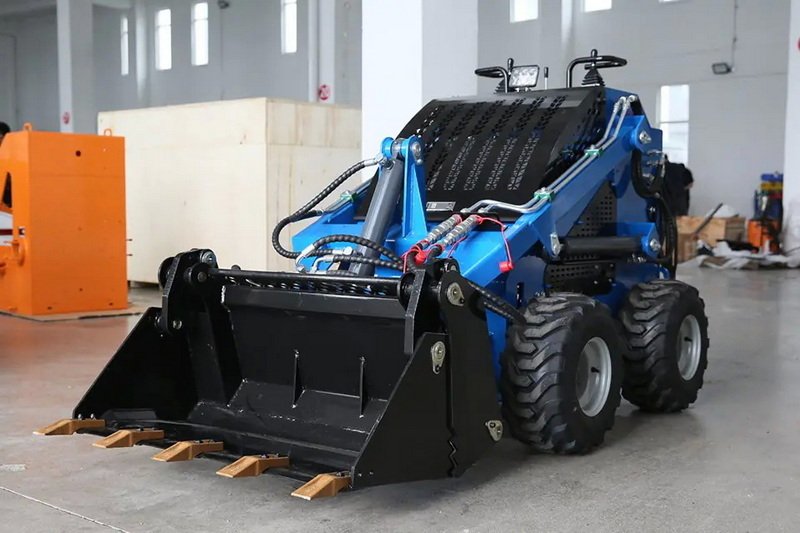
For very tight jobsites, small-frame loaders offer strength and versatility while still fitting through narrow thresholds and access points.
2.2 Compact Loader Size Categories
Use a simple framework to match loader size to your typical work:
1. Small-frame compact loaders
– Well suited to tight urban jobs, interior demolition, residential landscaping.
– Easier to transport, lighter on existing surfaces.
2. Medium-frame compact loaders
– Balance between capacity and maneuverability.
– Ideal for mixed fleets that handle construction, agriculture and rental work.
3. Large-frame compact loaders
– Highest rated operating capacity, more horsepower, better for high-duty cycles.
– Typically used on large new-build sites, roadwork and heavy material handling.
3. Understand Machine Weight and Transport Limits
Machine operating weight affects how easily you can move the loader between jobs and what kind of trailer and truck you need.
3.1 Why Loader Weight Matters
– Heavier machines may require a larger trailer and higher towing capacity.
– Certain weight thresholds can trigger licensing requirements or special permits in some regions.
– Overloading your truck or trailer increases safety risks and legal exposure.
The lighter the machine, the fewer requirements there are for transportation, such as commercial drivers’ licenses or trailer upgrades.
3.2 Practical Transport Checklist
Before buying:
1. Confirm your truck’s maximum towing capacity and the trailer’s gross vehicle weight rating (GVWR).
2. Add the loader’s operating weight plus typical attachment weight and fuel.
3. Check your local regulations for licensing thresholds and axle load limits.
4. Allow a margin of safety, and do not plan at 100% of rated capacity.
If you require a larger machine, be ready for potential extra costs such as a heavier trailer, upgraded hitch or professional transport services.
4. Decide Between a Compact Track Loader and a Skid-Steer Loader
The undercarriage type is one of the most important decisions when choosing the right compact loader.
4.1 When to Choose a Skid-Steer Loader (Tires)
A skid-steer loader excels on hard, durable surfaces such as concrete and asphalt.
Key advantages:
– Lower initial purchase price compared with similar-size compact track loaders.
– Tires perform well on paved yards, warehouses, factories and streets.
– Typically lower overall undercarriage ownership cost because tires and wheels are cheaper than rubber tracks and rollers.
Ideal use cases:
– Concrete and asphalt work
– Demolition on hard surfaces
– Material handling in warehouses and yards
– Municipal and utility work on prepared ground
4.2 When to Choose a Compact Track Loader (Rubber Tracks)
A compact track loader is designed for conditions where surface protection, flotation and traction are critical.
Benefits of tracks:
– Lower ground pressure and improved flotation on soft ground.
– Better traction in mud, sand, loose soil and rough terrain.
– Reduced ground disturbance, which is essential for finished lawns or delicate landscaping.
Tracks are ideal when:
– You frequently work in wet or rainy climates.
– Jobsites include soft, sandy or muddy surfaces where wheeled machines may sink.
– Fine grading, landscape irrigation installation or hardscaping is a major part of your business.
Compact track loaders are often some of the first machines back on the job after heavy rain, generating extra working days during wet seasons.
4.3 Ownership Cost: Tracks vs Tires
Overall ownership costs tend to be lower for skid-steer loaders because tires and wheels cost less than rubber tracks and undercarriage components. However, the right machine can offset this through higher utilization and productivity in your real-world conditions.
| Factor | Skid-Steer Loader (Tires) | Compact Track Loader (Tracks) |
|---|---|---|
| Best ground conditions | Hard, paved, compacted surfaces | Soft, wet, sandy, uneven terrain |
| Initial purchase cost | Generally lower | Higher due to undercarriage |
| Ground disturbance | Higher, can mark finished surfaces | Lower, gentler on turf and landscaping |
| Traction in mud/sand | Limited | Excellent |
| Undercarriage maintenance | Lower cost tires/wheels | Higher cost tracks/rollers/idlers |
| Uptime after rain | May be delayed by soft ground | Often back to work sooner |
5. Match Rated Operating Capacity (ROC) and Horsepower to Your Work
Once you know whether you need a compact track loader or skid-steer loader, the next step is to select the right rated operating capacity and horsepower.
5.1 What Is Rated Operating Capacity?
Rated operating capacity (ROC) is the maximum load that a compact loader can safely lift and carry under defined conditions. It largely determines how much material you can move per cycle and whether your machine can safely handle heavier attachments.
When sizing ROC:
– List the heaviest materials you handle, such as wet soil, gravel, aggregate, demolition debris or pallets.
– Consider bucket size and average load weight when full.
– Confirm attachment weight and any specific ROC recommendations from the manufacturer.
If your work involves frequent scooping, lifting and carrying, a larger loader with higher ROC can complete tasks faster by reducing trips.
5.2 Horsepower and Real-World Performance
More ROC generally comes with higher engine horsepower, but bigger and heavier machines are not always the best choice for tight or weight-limited sites.
High horsepower supports:
– Faster cycle times for lift, tilt and travel.
– Stronger breakout forces for digging in tough soil.
– Better performance with high-demand hydraulic attachments.
Modern loaders are engineered as holistic systems where hydraulic pumps, cylinders and engine power are carefully matched to deliver usable horsepower in actual working conditions.
6. Choose the Right Lift Path: Vertical vs Radius
Your typical lifting tasks help determine whether you need a vertical lift path or radius lift path loader.
6.1 Vertical Lift Path Advantages
A vertical lift path keeps the load closer to the machine throughout the lift cycle.
Benefits:
– Higher rated operating capacity at full lift height.
– More forward reach at maximum height for loading high-sided trucks and hoppers.
– Greater stability when working at full reach with heavy loads.
Vertical lift is ideal for:
– Loading high-sided trucks, mixers and hoppers
– Heavy pallet handling
– Material transfer in industrial yards
6.2 Radius Lift Path Advantages
A radius lift path follows a curved arc that positions the load farther away from the machine earlier in the lift cycle.
Benefits:
– Maximum reach at eye level, convenient for loading flatbed trucks and working over obstacles.
– Often slightly lower cost with a simpler linkage.
– Well suited to grading, backfilling and general construction tasks where full height is not critical.
If loading flatbed trucks is a frequent task, a radius lift path can provide more reach where you actually need it.
7. Pick Control Styles That Match Your Operators
Control layout and ergonomics have a big impact on operator comfort, learning curve and long-term productivity.
7.1 Traditional Standard Controls
Classic standard controls use dual steering levers for drive functions and foot pedals for lift and tilt.
Advantages:
– Familiar to many experienced operators.
– Robust, proven design.
This style remains popular on many jobsites where operators are comfortable with the traditional feel and response.
7.2 Advanced Selectable Joystick Controls (SJC)
Selectable Joystick Controls (SJC) offer low-effort hand control of all drive and workgroup functions.
Key benefits:
– Operators can switch between “ISO” or “H” patterns at the push of a button to match personal preference.
– Reduced fatigue during long days due to lower physical effort.
– Faster training for new operators who are already familiar with joystick-based controls from other machines.
SJC systems often include productivity features such as horsepower management, speed management, steering drift compensation and adjustable drive response modes. These allow you to fine-tune how the machine reacts for different tasks or operators.
8. Evaluate Instrumentation, Displays and Connectivity
Modern instrumentation and display systems improve uptime, safety and fleet management.
8.1 Standard In-Cab Display Functions
Many compact loaders now include an easy-to-read display panel that offers full machine interaction and monitoring right from the cab.
Typical capabilities:
– Machine diagnostics and fault codes
– Attachment settings and operation indicators
– Fuel level, engine hours, temperatures and warning alerts
A 5-inch or similar standard display with a jog shuttle or simple keypad can give operators quick access to key information without leaving the seat.
8.2 Advanced Touch Display and Security Features
Optional 7-inch high-resolution touch displays provide a more advanced user experience.
Enhanced features can include:
– Detailed machine information and intuitive menus
– Bluetooth phone and device connectivity
– Multiple operator codes for security, limiting unauthorized use
– Per-operator statistics such as engine hours, idle time and fuel usage
When paired with a rearview camera, the display can automatically show a live view whenever the loader travels in reverse, helping improve situational awareness.
9. Match Attachments and Hydraulics to Your Business
Attachments transform a compact loader into a multi-purpose tool carrier.
9.1 Standard-Flow vs High-Flow vs Super-Flow Hydraulics
Hydraulic flow rating determines which attachments you can run and how efficiently they perform.
1. Standard-flow hydraulics
– Support common attachments like buckets, grapples, pallet forks, light-duty augers and brooms.
2. High-flow hydraulics
– Provide higher flow for more demanding tools such as cold planers, heavy-duty augers, snow blowers and some mulchers.
3. Super-flow hydraulics (on select models)
– Offer multiple hydraulic flow options in one machine to power the most demanding attachments like advanced planers, large snowblowers and drum mulchers.
Optional high-flow systems usually still allow you to operate in a standard flow range, preserving compatibility with lower-demand attachments.
9.2 Plan Your Attachment Strategy
When choosing a compact loader:
– List the top 5–10 attachments you use or plan to use in the next 3–5 years.
– Confirm whether each requires standard, high or super-flow hydraulics.
– Check coupler compatibility across your fleet to maximize flexibility.
– Consider seasonal attachments such as snow removal or brush clearing to boost utilization.
10. Jobsite Use Cases and Recommended Specs
To go beyond basic specs, use real-world scenarios as a decision framework.
10.1 Residential Landscaping and Small Construction
Typical work:
– Sod installation, grading, light excavation, hauling soil and mulch
– Tight suburban backyards, small driveways, low garages
Recommended loader traits:
– Small to medium-frame compact track loader for low ground disturbance and traction on lawns.
– Radius lift path for maximum reach at truck-bed height.
– Standard-flow hydraulics with bucket, landscape rake, auger and light-duty grapple.
10.2 Heavy Construction and Demolition
Typical work:
– Breaking and removing concrete, loading high-sided trucks, handling demolition debris
Recommended loader traits:
– Medium to large-frame skid-steer or compact track loader depending on ground conditions.
– Vertical lift path for stability and reach at full height.
– Higher ROC and horsepower for heavy buckets and breakers.
– High-flow hydraulics for planers and heavy-duty attachments.
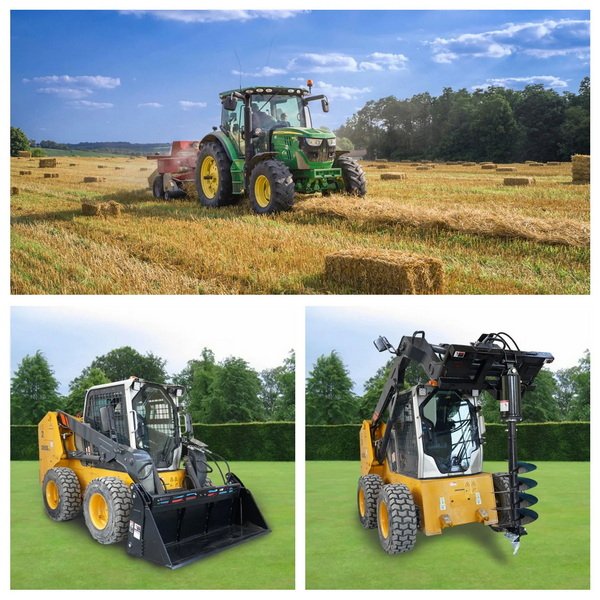
10.3 Agriculture and Livestock Operations
Typical work:
– Barn cleaning, feed handling, manure management, light construction
Recommended loader traits:
– Skid-steer loader for concrete barn floors and feed pads.
– Medium-frame machine for balance between agility and capacity.
– Durable standard controls or joysticks depending on operator preference.
11. Operator Comfort, Safety and Uptime
Modern compact loaders place strong emphasis on operator comfort and safety, which directly influences productivity and total cost of ownership.
11.1 Cab Comfort and Visibility
Look for:
– Spacious cab with ergonomic seating and low-effort controls.
– Excellent visibility to the bucket edges, tracks or tires and rear of the machine.
– Effective heating and air conditioning for all-season operation.
Visibility enhancements such as large side windows, LED work lights and rearview cameras can significantly reduce fatigue and accidents on busy jobsites.
11.2 Service Access and Preventive Maintenance
Easy service access helps you stick to maintenance schedules and reduce downtime.
Important features:
– Swing-out radiators and coolers for fast cleaning.
– Ground-level access to daily checkpoints such as engine oil, coolant and hydraulic fluid.
– Clear maintenance intervals displayed on the in-cab screen.
When evaluating models, compare how quickly an operator or technician can complete daily checks and common service tasks.
12. Step-by-Step Checklist Before You Buy
Use this concise pre-purchase checklist to compare machines and brands.
12.1 Compact Loader Buying Checklist
1. Define your top 3–5 applications and the surfaces you work on most.
2. Decide whether you need a compact track loader or skid-steer loader based on ground conditions and surface sensitivity.
3. Measure access points such as width and height and confirm permissible machine dimensions.
4. Verify operating weight against your truck and trailer capacities.
5. Determine the minimum rated operating capacity and horsepower you need based on your heaviest materials and attachments.
6. Choose vertical or radius lift path based on your primary lifting and loading tasks.
7. Select a control style that matches your operators and training needs.
8. Confirm display, connectivity and camera options that support your safety and fleet management goals.
9. Map your attachment plan and hydraulic requirements, including standard, high or super-flow.
10. Request a demo to evaluate real-world performance, comfort and visibility before committing.
13. Where to Go Next
The final step in choosing the right compact track loader or skid-steer loader is to see how it performs on your real jobs.
– Schedule an on-site or in-yard demo to test visibility, control feel, lift performance and attachment changes.
– Ask for total cost of ownership estimates including fuel, maintenance and undercarriage wear.
– Review warranty options for powertrain, hydraulics and electronics.
A knowledgeable equipment partner can help you narrow down models and configure the right options for your fleet.
Strong Call to Action
Ready to match the right compact loader to your real jobsites and attachments
Contact our team today to compare compact track loaders and skid-steer loaders, get a tailored specification recommendation and schedule a working demo with the tools you rely on most. Share your core applications, ground conditions, transport limits and budget, and we will help you configure a compact loader package that delivers the power, stability and versatility your business needs on every project.
Contact us to get more information!
FAQs: How to Choose the Right Compact Loader
FAQ 1: How do I decide between a compact track loader and a skid-steer loader
Choose a skid-steer loader if most of your work is on hard, paved or compacted surfaces and you want a lower initial purchase price and undercarriage cost. Choose a compact track loader if you frequently work on soft, wet or delicate ground where low ground pressure, traction and reduced surface damage are critical.
FAQ 2: What rated operating capacity (ROC) do I need
Start with the heaviest bucket loads or pallets you plan to handle and add a safety margin so the machine is not always working at its limit. If you regularly load trucks with wet soil, gravel or demolition debris, consider a medium to large-frame loader with higher ROC and horsepower.
FAQ 3: Is vertical lift always better than radius lift
Vertical lift is better when you frequently load high-sided trucks or hoppers because it offers more reach and stability at full lift height. Radius lift can be the smarter choice for grading, landscaping and loading flatbed trucks where maximum reach at eye level is more important.
FAQ 4: Are high-flow hydraulics worth the extra cost
High-flow hydraulics are essential if you plan to run power-hungry attachments such as cold planers, large snowblowers or heavy-duty mulchers. If you primarily use buckets, forks and light-duty attachments, standard-flow hydraulics are usually sufficient and more cost-effective.
FAQ 5: How important are displays and connectivity on a compact loader
Modern displays make it easier to monitor machine health, manage attachments and troubleshoot issues, which reduces downtime and service costs. Advanced touch screens with connectivity and operator codes also support fleet management, security and safer operation with rearview cameras.
Reference :
1. https://www.bobcat.com/na/en/buying-resources/loaders/how-to-choose-right-compact-loader
Hot Tags: Bobcat Skid Steers, Best Bobcat Skid Steer, How To Choose A Compact Loader, Skid Steer Vs Track Loader, Compact Loader Comparison, Best Compact Loader For Work, Compact Loader Specifications, Compact Loader Applications, Compact Loader Selection Tips, Skid Steer Loader Guide