
Vibratory Plow Attachments: The Smarter Way to Install Fiber, Cable and Irrigation Lines
Content Menu
● What Is a Vibratory Plow Attachment?
● Core Applications: Fiber, Cable and Irrigation Installs
>> Underground fiber and communications
>> Electrical and low‑voltage lines
>> Irrigation and landscaping utilities
● Vibratory Plow vs Trencher: Why Plows Win on Finished Sites
>> Surface disturbance and restoration
>> When a trencher is still needed
● Choosing the Right Carrier: Matching Machine and Attachment
● Spec’ing the Plow Attachment to the Machine
>> 1. Mounting and attachment plate compatibility
>> 2. Hydraulic flow (gpm) and pressure (psi)
>> 3. Machine weight and stability
● Dedicated Vibratory Plows vs Attachments
>> Dedicated walk‑behind plows
>> Ride‑on plows and combo units
>> When attachments make more sense
● Real‑World Scenario: Compact Jobsites and Tight Access
● Best Practices for Operating Vibratory Plow Attachments
>> Jobsite planning and utility locating
>> Operating tips for clean, consistent installs
● Maintenance and Longevity: Protecting Your Investment
● Cost, Productivity and ROI Insights
● How to Choose the Right Vibratory Plow Attachment
● Ideal Equipment Pairings for Contractors
● Plan Your Next Low‑Impact Utility Install
● FAQs About Vibratory Plow Attachments
>> 1. What is the main advantage of a vibratory plow over a trencher?
>> 2. How deep can vibratory plow attachments typically install utilities?
>> 3. Can I run a vibratory plow attachment on any skid steer or compact loader?
>> 4. Do I still need a trencher if I own a vibratory plow?
>> 5. What maintenance does a vibratory plow attachment require?
Vibratory plow attachments have become the go‑to solution for shallow utility installation because they combine speed, precision and minimal surface disruption in a way that trenchers simply cannot match. For contractors installing fiber‑optic cable, electrical lines, coax and irrigation pipe, choosing the right vibratory plow attachment and carrier can dramatically improve productivity, profitability and customer satisfaction.
What Is a Vibratory Plow Attachment?
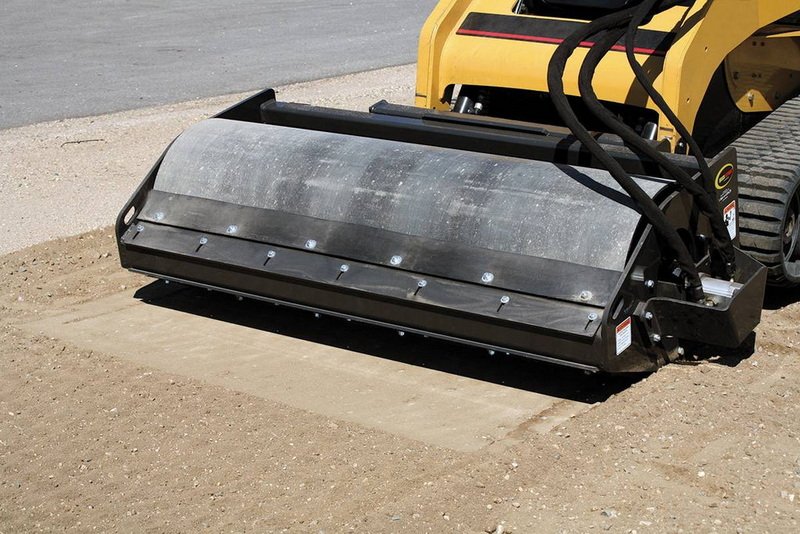
A vibratory plow attachment is a hydraulically driven implement that mounts to a host machine, such as a mini skid steer, compact track loader or utility tractor, to install small‑diameter utilities below ground with a narrow slit instead of an open trench. The attachment uses a vibrating blade to slice through soil while simultaneously pulling cable or pipe into place at a controlled depth, typically for shallow utilities like residential fiber and irrigation laterals.
Key components include:
– Shaker box that generates the vibratory action.
– Plow blade (chute‑style or pull‑style) that cuts the soil and guides product.
– Depth control and swing mechanism powered by the carrier’s hydraulics.
– Mounting plate that connects to the carrier’s quick‑attach system.
Core Applications: Fiber, Cable and Irrigation Installs
Vibratory plow attachments are engineered for high‑volume, shallow installs where surface protection and job speed are critical. Typical applications include residential, commercial and light‑municipal projects.
Underground fiber and communications
Modern broadband and “fiber‑to‑the‑home” programs demand fast, repeatable utility placement in tight rights‑of‑way and landscaped areas. Vibratory plows are widely used to install:
– Fiber‑optic drop cables to homes and small businesses.
– Coaxial and low‑voltage communication lines in residential neighborhoods.
– Service laterals across lawns, gardens and narrow easements with minimum turf damage.
Electrical and low‑voltage lines
Contractors frequently use vibratory plows for:
– Landscape lighting circuits.
– Yard power runs to detached garages, sheds or gate operators.
– Low‑voltage control wiring for smart irrigation or security systems.
Because the slit is narrow and backfill is minimal, restoration usually involves simply driving the carrier back over the path to re‑compact the soil.
Irrigation and landscaping utilities
In established landscapes, vibratory plows are a preferred method for installing:
– Sprinkler lateral lines and control wires.
– Drip irrigation loops for gardens and planting beds.
– Mainline replacements where trenching would destroy mature turf.
On many jobsites, the goal is to leave the lawn looking almost untouched; vibratory plowing enables trenchless installation that often leaves only a thin slit along the blade path.
Vibratory Plow vs Trencher: Why Plows Win on Finished Sites
For shallow utilities, vibratory plows typically outperform trenchers in speed, surface protection and total job cost.
Surface disturbance and restoration
– Vibratory plow: Creates a long, narrow slit just wide enough for the blade and product. Restoration is often as simple as driving back over the line or lightly tamping the soil, with turf recovering quickly.
– Trencher: Cuts an open trench that requires spoil management, backfilling and significant surface repair, often leaving visible scars for weeks or months.
Productivity and labor
– Faster installation: Plows install utilities as the machine advances, eliminating separate trenching and laying steps for many small‑diameter products.
– Lower labor requirements: One operator can often complete runs that would otherwise need multiple workers for trenching, pipe laying and backfilling.
When a trencher is still needed
There are scenarios where trenchers still play a role:
– Depth requirements beyond the plow’s capability.
– Rocky or extremely compacted soils that resist plow penetration.
– Jobs requiring wide excavations for large‑diameter product or complex assemblies.
Many contractors combine both tools, using vibratory plowing where possible and trenchers only where necessary.
Choosing the Right Carrier: Matching Machine and Attachment
Selecting the correct host machine is essential to get the most from a vibratory plow attachment. The carrier must provide sufficient hydraulic power, stability and maneuverability for the intended work.
Common carrier options
| Carrier type | Typical use case | Key advantages |
|---|---|---|
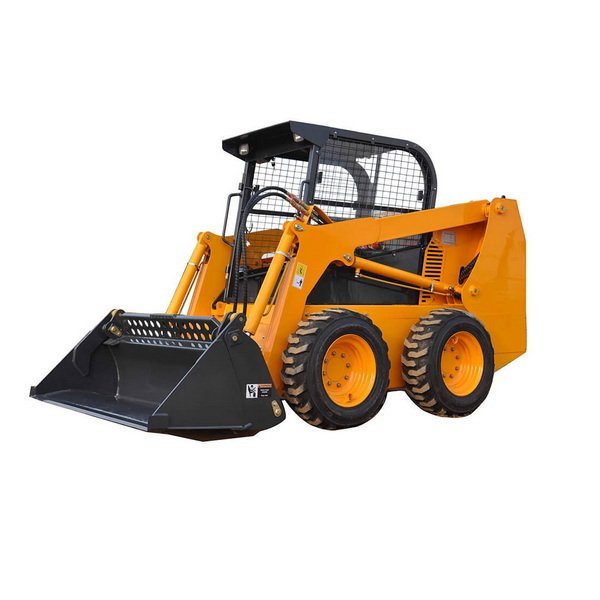
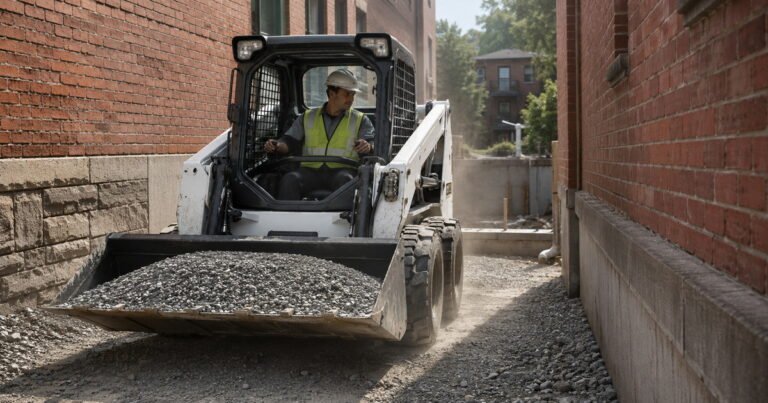
| Mini skid steer | Residential fiber and irrigation in tight yards | Compact footprint, easy access through gates, good visibility |
| Compact track loader | Longer runs and mixed landscape/rough terrain work | Low ground pressure, strong traction, year‑round versatility |
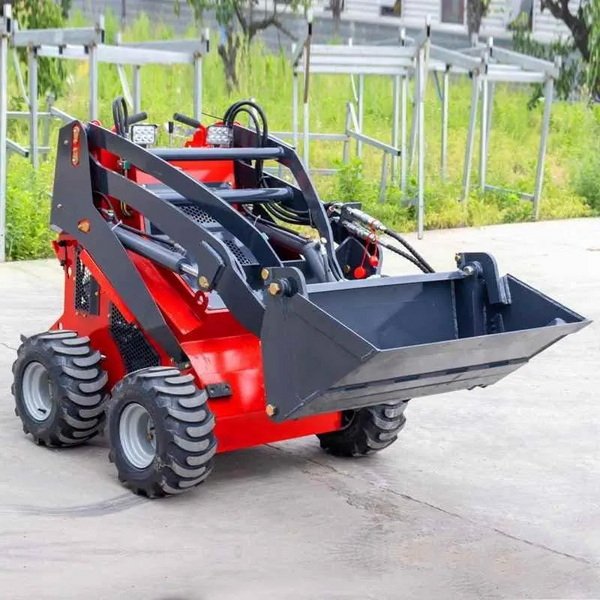
| Compact articulated loader | Landscapers and utility contractors doing occasional plow work | Maneuverable, minimal turf scuffing, multi‑task capability |
| Ride‑on utility tractor | Dedicated utility contractors with high daily footage | High productivity, can carry multiple attachments and reel carriers |
Spec’ing the Plow Attachment to the Machine
Correctly matching the plow attachment to the carrier protects your investment and maximizes performance.
1. Mounting and attachment plate compatibility
The plow’s mounting plate must align with the carrier’s quick‑attach interface. While many manufacturers follow industry standards, you should always verify compatibility before buying or renting to avoid unsafe or improvised connections.
2. Hydraulic flow (gpm) and pressure (psi)
Vibratory plows rely heavily on hydraulic power:
– The shaker box needs adequate flow to generate the required vibration.
– Depth control and swing functions also draw from the hydraulic system on most models.
If the carrier’s flow is too low, the plow may cut poorly, slow installations and overheat the hydraulic system. Excessive flow or pressure can prematurely wear components or damage seals, so always follow both carrier and attachment manufacturer recommendations.
3. Machine weight and stability
The carrier must be heavy and stable enough to:
– Maintain traction during plowing.
– Counteract side loads when swinging around obstacles.
– Keep the attachment at the desired depth without excessive bouncing.
On soft turf, a track loader or low‑ground‑pressure machine often delivers better flotation and less rutting than a wheeled unit.
Dedicated Vibratory Plows vs Attachments
Contractors can choose between dedicated vibratory plows, walk‑behind or ride‑on, and attachment‑based systems mounted on multipurpose machines.
Dedicated walk‑behind plows
Walk‑behind vibratory plows are compact machines purpose‑built for shallow, short‑run installations. They excel at:
– Final drops to houses where access is restricted.
– Tight backyard runs where even a mini skid steer cannot maneuver.
Ride‑on plows and combo units
Ride‑on vibratory plows, often combined with trenchers on the same chassis, are designed for contractors specializing in high‑volume utility installation. These machines offer:
– High daily footage for long runs.
– Integrated options like reel carriers and backfill blades.
– Quick switching between plowing and trenching modes.
When attachments make more sense
For many landscapers, irrigation contractors and small utility crews, a vibratory plow attachment on an existing carrier offers the best blend of flexibility and cost control. They can run:
– Pallet forks, buckets or augers on the same machine for daily tasks.
– The plow attachment only when utility work is scheduled, maximizing ROI.
Real‑World Scenario: Compact Jobsites and Tight Access
Modern residential neighborhoods with fences, mature landscaping and narrow side yards create access challenges. Vibratory plow attachments designed for mini skid steers and compact machines address these issues:
– Narrow overall width lets machines pass through standard gates.
– Swing‑type plow heads with generous swing angles help follow curves around trees, patios and existing utilities.
– Depth capability in the typical shallow‑utility range is well suited to fiber and irrigation installs.
These features allow crews to complete installations quickly with minimal disruption to homeowners.
Best Practices for Operating Vibratory Plow Attachments
Following best practices helps ensure safe, efficient plowing and high‑quality results.
Jobsite planning and utility locating
Before operating any vibratory plow:
1. Request utility locates through the appropriate call‑before‑you‑dig system.
2. Review plans and agree on utility paths with the customer or site owner.
3. Identify obstacles such as trees, landscaping, patios and existing utilities.
A clear plan reduces rework and prevents conflicts with other underground services.
Operating tips for clean, consistent installs
– Start with a test pass in less critical turf to confirm depth and machine reaction.
– Maintain steady ground speed so the blade can cut cleanly and the product feeds smoothly.
– Avoid sharp turns at full depth; use the plow’s swing range to gently navigate around obstacles.
– Monitor vibration and engine load to detect hard spots or obstructions early.
Maintenance and Longevity: Protecting Your Investment
Consistent maintenance keeps vibratory plow attachments productive and extends their useful life.
Routine maintenance tasks include:
– Cleaning the attachment after each use to remove soil, turf and debris that accelerate wear.
– Inspecting blades and wear parts for chips, cracks or excessive wear and replacing as needed.
– Checking hydraulic hoses and fittings for leaks, abrasion or loose connections.
– Lubricating pivot points per manufacturer recommendations to prevent binding.
A simple post‑job inspection helps catch issues before they cause downtime on the next project.
Cost, Productivity and ROI Insights
Adding a vibratory plow attachment is a strategic investment that can significantly change the economics of shallow utility work.
Direct cost savings
– Reduced restoration expenses: Less turf damage means fewer hours spent on raking, reseeding and cleanup.
– Lower labor costs per foot: Faster installation can allow smaller crews to complete more footage per day.
– Equipment consolidation: Using one carrier for multiple tasks, including plowing, loading and grading, reduces the need for additional machines.
Competitive advantages
Contractors who adopt vibratory plowing can position themselves as:
– Specialists in low‑impact installs for high‑end landscapes.
– Reliable partners for fiber rollouts where schedule and yard protection matter.
– Cost‑effective options for property owners who want minimal disruption.
How to Choose the Right Vibratory Plow Attachment
With many models on the market, a structured selection process helps ensure you pick the right tool for your business.
Key selection criteria:
– Maximum installation depth and product size your typical projects require.
– Compatibility with existing carriers, including mounting, hydraulic specifications and weight.
– Blade options, such as chute‑style versus pull‑style, for different products and soil types.
– Service support and parts availability from the manufacturer or dealer network.
Contractors planning to expand into fiber or irrigation work should also consider future project sizes and potential need for dedicated plows as volume grows.
Ideal Equipment Pairings for Contractors
To unlock maximum value, contractors can pair vibratory plow attachments with versatile construction machines that also handle earthmoving and material handling tasks.
Typical high‑value pairings include:
– Skid steer or compact track loader with vibratory plow attachment: Ideal for landscaping, fiber and irrigation specialists who also need grading, backfilling and pallet handling capacity on the same carrier.
– Ride‑on utility tractor with plow, trencher and reel carrier: Suited to utility contractors installing long residential or subdivision runs.
– Mini skid steer with compact vibratory plow: Perfect for tight urban or residential jobs where access is limited.
By combining a robust carrier platform with a well‑matched plow attachment, contractors can complete shallow utility work efficiently while keeping their fleet simple and multi‑purpose.
Plan Your Next Low‑Impact Utility Install
If your crews are still relying on trenchers for every shallow fiber, cable or irrigation run, you are likely leaving productivity and profit on the table. Evaluating how a properly matched vibratory plow attachment and compact carrier fits into your fleet can help you install more footage per day, preserve your customers’ landscapes and reduce cleanup costs on every job.
Take the next step now: review your most common projects, identify where vibratory plowing can replace trenching, assess which carriers you already own that can run a plow attachment, and speak with your equipment dealer or manufacturer about compatible models and setup details. By acting today, you can build a safer, cleaner and more profitable shallow utility installation strategy that sets your business apart in a competitive market.
Contact us to get more information!
FAQs About Vibratory Plow Attachments
1. What is the main advantage of a vibratory plow over a trencher?
The main advantage is significantly reduced surface disturbance, which leads to faster restoration and happier customers, especially on finished lawns and landscaped areas.
2. How deep can vibratory plow attachments typically install utilities?
Many compact vibratory plow attachments are designed to install small‑diameter product at depths that suit common fiber, cable and irrigation applications, typically in the shallow utility range.
3. Can I run a vibratory plow attachment on any skid steer or compact loader?
Not every machine is suitable. You must confirm attachment plate compatibility and verify that the carrier’s hydraulic flow and pressure fall within the plow manufacturer’s required range before operating.
4. Do I still need a trencher if I own a vibratory plow?
On many jobs you can rely primarily on the plow, but you may still need a trencher for deeper installations, large‑diameter utilities or extremely rocky soil conditions that resist plowing.
5. What maintenance does a vibratory plow attachment require?
Routine maintenance focuses on cleaning after use, inspecting and replacing worn blades or wear parts, checking hydraulic hoses and fittings, and lubricating pivot points according to the manufacturer’s schedule.
References:
1. https://compactequip.com/attachments/vibratory-plow-attachments-a-smarter-option-for-fiber-cable-and-irrigation-installs/
2. https://aquatronirrigation.com/irrigation/trenching-vs-vibratory-plow/
3. https://www.bobcat.com/na/en/attachments/vibratory-plow
4. https://www.commerciallawnirrigation.com/blog-posts/trenchless-pipe-installation
5. https://protips.vermeer.com/tree-care-landscape/2025/09/vibratory-plow-attachments-maximizing-efficiency-for-shallow-utility-installs
6. https://www.vermeer.com/na/trenchers-plows-rockwheels/spx25
7. https://www.youtube.com/watch?v=GHHzLijKQ9U
8. https://www.ditchwitch.com/trenchers/vibratory-plows/vp30/
Hot Tags: Vibratory Plow Attachment, Skid Steer Vibratory Plow, Fiber Optic Cable Installation, Irrigation Installation Equipment, Underground Cable Plow, Compact Equipment Attachments, Trenchless Installation Tools, Vibratory Plow for Skid Steer, Utility Installation Machinery, Landscape Irrigation Tools