
Ultimate Guide to Choosing the Right Compact Excavator Arm: Performance, Reach, and ROI
Content Menu
● Understanding Compact Excavator Arm Configurations
>> Standard Arm: The Powerhouse for General Excavation
>> Long Arm: Extended Reach for Efficient Loading
>> Extendable Arm: The Ultimate Versatility Solution
● Technical Comparison: Reach vs. Breakout Force
● Data-Driven Decision: When to Choose Each Arm Type
>> The Case for the Standard Arm
>> The Case for the Extendable Arm
● Performance Optimization and Advanced Maintenance
>> Maintaining Specialized Arm Components
>> Visualizing Your Configuration
● Advanced Technologies: Depth Check and Pro Clamp Systems
● Strategic Selection Checklist
● Build Your Custom Excavator Today
>> Frequently Asked Questions (FAQ)
>> 1. Does a long arm reduce the lifting capacity of my excavator?
>> 2. Can I upgrade a standard arm to an extendable arm later?
>> 3. Which arm is best for demolition work?
>> 4. How do I control the extension on an extendable arm?
>> 5. Does an extendable arm require more maintenance?
Selecting the ideal arm configuration for your compact excavator is a critical decision that directly impacts jobsite productivity, fuel efficiency, and long-term equipment value. For manufacturers like Certeg, providing diverse power solutions means ensuring that every machine—whether an excavator, skid steer, or tractor—is optimized for its specific operational environment to meet the rigorous demands of global construction projects.
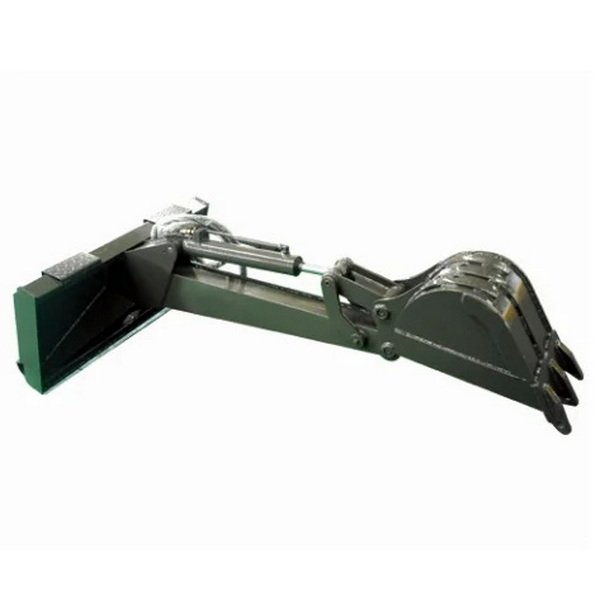
Understanding Compact Excavator Arm Configurations
Modern construction demands versatility, and compact excavators now offer specialized arm types to meet those needs. Each configuration balances the trade-off between reach and force differently, making it essential to match the arm to your primary application. Understanding these differences is the first step in maximizing your machine’s potential.
Standard Arm: The Powerhouse for General Excavation
As its name implies, the standard arm configuration is the default style included with most compact excavators. It gives you maximum breakout force and lifting ability with greater digging performance. Because the distance between the pivot point and the bucket is minimized, the hydraulic cylinders can apply maximum pressure, which is ideal for breaking through compacted soils, clay, or rocky terrain. If your work involves heavy-duty digging or lifting heavy objects near the machine, the standard arm is the most efficient choice.
Long Arm: Extended Reach for Efficient Loading
For longer reach and deeper dig depth, the long arm is the preferred choice for many contractors. The extra reach allows you to do more work without repositioning the machine, which saves time and reduces track wear. Furthermore, the higher dump height and extra reach make loading high-sided trucks significantly easier. To maintain stability, the long arm option typically includes an additional counterweight to enhance the excavator’s lifting capabilities at full extension.
Extendable Arm: The Ultimate Versatility Solution
For the highest level of flexibility, some manufacturers offer a clamp-ready extendable arm option. This industry-exclusive feature gives you the best of both worlds: the power and lifting performance of a standard arm combined with the ability to extend the machine’s dig depth and reach when you need it. Controlled via a joystick paddle, it provides up to 30 inches of additional reach on demand. This allows operators to reach farther into a trench for cleanout or dump soil further away from the machine without repositioning the tracks.
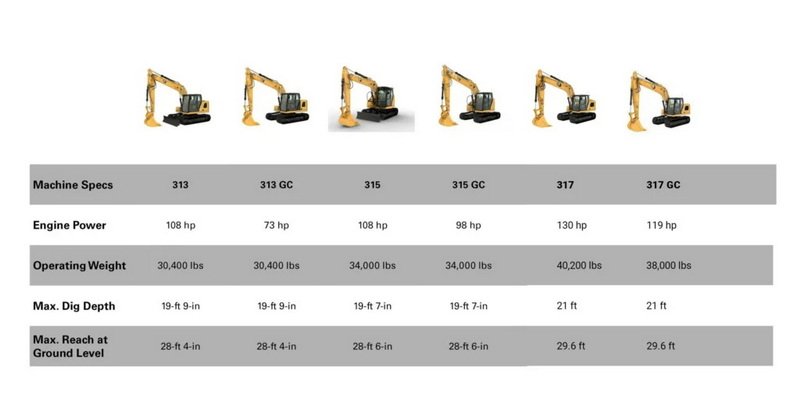
Technical Comparison: Reach vs. Breakout Force
Choosing between these arms requires a technical understanding of how arm length affects hydraulic leverage and machine stability. The following table highlights the key differences across the three primary configurations.
| Feature | Standard Arm | Long Arm | Extendable Arm |
|---|---|---|---|
| Primary Benefit | Maximum Breakout Force | Greater Reach & Depth | On-Demand Versatility |
| Best Application | Hard Ground & Heavy Lifting | Truck Loading & Grading | Multi-Tasking & Deep Trenches |
| Digging Depth | Base Specification | +10% to 15% deeper | +30 inches (at full extension) |
| Breakout Force | 100% Efficiency | ~85% – 90% of Standard | Variable (High when retracted) |
| Lifting Capacity | Highest (near machine) | Lower (at full reach) | Standard (when retracted) |
Data-Driven Decision: When to Choose Each Arm Type
Industry data suggests that selecting the wrong arm can lead to a 15-20% decrease in operational efficiency. This loss manifests as increased fuel consumption, longer cycle times, and unnecessary machine repositioning.
The Case for the Standard Arm
If your daily operations involve heavy-duty trenching in urban environments where space is limited and the ground is tough, the standard arm is the superior choice. It provides the necessary “snap” to break through asphalt and high-density materials. For machines like Certeg’s specialized excavators, the standard arm ensures the hydraulic system operates at peak efficiency without putting unnecessary strain on the boom structure.
The Case for the Long Arm
For agricultural work, road maintenance, or large-scale utility projects, the long arm is often more cost-effective. It reduces the “cycle time” by allowing the operator to finish a longer section of a trench before having to move the tracks forward. This not only saves time but also reduces wear and tear on the undercarriage, which is one of the highest maintenance costs for any tracked machine.
The Case for the Extendable Arm
In landscaping or pool construction where you might encounter varied depths and tight spaces, the extendable arm pays for itself quickly. The ability to retract the arm for heavy lifting and then extend it to place material far away from the excavation site provides a unique operational advantage. It effectively turns a compact machine into one with the reach of a much larger class.
Performance Optimization and Advanced Maintenance
To ensure your chosen arm configuration maintains its value, specialized maintenance and operational techniques are required. Neglecting these can lead to expensive repairs and shortened equipment lifespan.
Maintaining Specialized Arm Components
1. Pivot Point Lubrication: Long and extendable arms have more moving parts. Greasing the pins and bushings daily is non-negotiable to prevent premature wear caused by increased leverage.
2. Hydraulic X-Change Systems: Modern arms often feature systems that allow for quick attachment changes without leaving the cab. Ensure the hydraulic pins are cleaned and inspected weekly to prevent sticking or debris buildup.
3. Wear Pad Inspection: For extendable arms, replaceable composite wear pads must be checked for integrity. These pads reinforce the excavator’s structure and ensure smooth extension while protecting the inner arm components from friction damage.
Visualizing Your Configuration
When outfitting your fleet, consider these visual indicators for site planning:
Reach Diagrams: Always consult the machine’s “dig envelope” diagram. This helps determine if the machine can load over the tailgate of your specific dump trucks without the bucket hitting the side.
Counterweight Placement: Ensure you can identify the extra counterweight on long-arm models. This is a critical safety indicator for the machine’s center of gravity during high-lift operations.
Advanced Technologies: Depth Check and Pro Clamp Systems
Maximizing the ROI of your excavator arm involves utilizing integrated technology systems that turn a mechanical tool into a precision instrument.
Depth Check Systems
Advanced depth check systems can be integrated into the arm to provide accuracy within ±0.5 inches. You monitor the digging progress through a display already installed in the cab. This eliminates the need for a separate grade checker in the trench, significantly reducing manual labor costs and preventing the wasted fuel associated with over-digging or the cost of extra fill material.
Pro Clamp Integration
Instead of a simple fixed thumb, modern arms can be equipped with a Pro Clamp system. This system consists of a base component and optional grading tools that allow you to optimize the clamp configuration for the task at hand. It can create a smooth trench bottom or clean up spoil piles quickly, reducing the need for manual shoveling and improving the overall finish of the jobsite.
Strategic Selection Checklist
Before finalizing your machine choice, evaluate your needs against this checklist:
Typical Dig Depth: Do you frequently reach the maximum limit of your current equipment?
Truck Heights: What are the side-wall heights of the trucks you load most often?
Soil Composition: Is the ground consistently soft (better for long arms) or packed/rocky (better for standard arms)?
Jobsite Space: Do you have the “swing room” required for the larger counterweights found on long-arm models?
Attachment Variety: Do you use specialized clamps, breakers, or augers that require specific arm reinforcements?
By carefully matching the arm configuration to your specific workload, you ensure that your compact excavator remains a high-performance asset for years to come.
Build Your Custom Excavator Today
Choosing the right arm is just the beginning of optimizing your fleet. At Certeg, we understand that every jobsite presents unique challenges, from tight urban spaces to expansive infrastructure projects. Our team of experts is ready to help you configure a machine that perfectly balances power, reach, and efficiency. Don’t settle for a one-size-fits-all solution when you can have a machine tailored to your exact needs.
Contact your local dealer or visit our online configuration tool to build your custom compact excavator and receive a free quote today!
Contact us to get more information!
Frequently Asked Questions (FAQ)
1. Does a long arm reduce the lifting capacity of my excavator?
Yes, as the distance from the center of the machine increases, the lifting capacity decreases due to the laws of leverage. While the long arm allows you to lift higher and further, it cannot lift as much weight as a standard arm at close range. Most manufacturers add a heavier counterweight to long-arm models to partially offset this loss and maintain stability.
2. Can I upgrade a standard arm to an extendable arm later?
Typically, no. The extendable arm requires a specific boom structure, internal hydraulic plumbing, and specialized joystick controls that are integrated during the manufacturing process. It is much more cost-effective to choose the extendable arm option at the time of purchase rather than attempting a complex after-market retrofit.
3. Which arm is best for demolition work?
A standard arm is generally preferred for demolition because it offers the highest breakout force and structural rigidity. The vibrations and stresses caused by hydraulic breakers or concrete crushers are better absorbed by the shorter, more robust geometry of the standard arm, leading to a longer machine lifespan in harsh environments.
4. How do I control the extension on an extendable arm?
On most modern compact excavators, the extension and retraction of the arm are controlled by a thumb-operated paddle on the right-hand joystick. This allows for smooth, proportional control, enabling the operator to adjust the reach precisely while simultaneously maneuvering the boom and bucket.
5. Does an extendable arm require more maintenance?
Yes, it requires slightly more attention than a fixed arm. You must regularly inspect the internal hydraulic hoses for wear and replace the composite wear pads that facilitate the sliding motion. Keeping the sliding surfaces clean of debris is also essential to prevent scoring of the metal components.
Citations:
1.https://www.bobcat.com/na/en/buying-resources/excavators/how-to-choose-compact-excavator-arm
2. https://www.gregorypoole.com/choosing-the-right-excavator-arm/
3. https://www.edcmgroup.com/the-ultimate-guide-to-mini-excavator-arms/
4. https://www.equipmentworld.com/construction-equipment/compact-equipment/compact-excavators/article/15737718/mini-excavators-buyers-guide-2025
5. https://www.yanmar.com/eu/construction/blog/01.html
6. https://hawkexcavator.com/long-reach-vs-super-long-reach-excavators/
7. https://www.stnd-machinery.com/knowledge/types-of-excavator-arms
Hot Tags:Compact Excavator Arm, Compact Excavator Boom Options, Excavator Arm Selection Guide, Mini Excavator Arm Types, Compact Excavator Digging Reach, Excavator Arm Length Comparison, Compact Excavator Performance, Excavator Boom And Arm, Choosing Excavator Arm, Compact Excavator Attachments