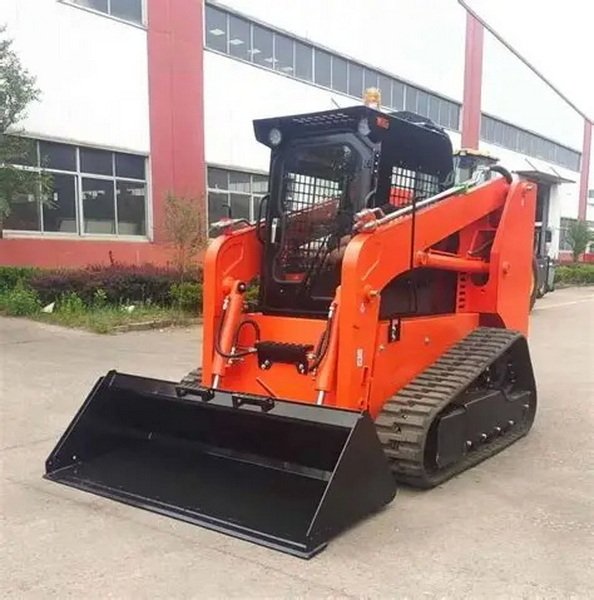

Ultimate Guide to Compact Excavator Maintenance: Maximizing Machine Longevity and Fleet Performance
Content Menu
● The Strategic Importance of Maintenance Excellence
● Comprehensive Maintenance and Service Schedules
● Panoramic Serviceability: Engineering for Maximum Uptime
● Essential Daily Inspection Protocols for Field Operators
>> Critical Checkpoints for Daily Readiness
● Advanced Lubrication and Friction Management
● Underbody Integrity: Track Tension and Wear Management
>> How to Adjust Track Tension Correctlly
● The Heart of the Machine: Engine and Cooling Systems
● Maximizing Hydraulic System Performance
>> Proactive Hydraulic Care Strategies
● Telematics and the Future of Fleet Management
>> Benefits of Integrated Telematics
● Expert Insight: Extreme Weather Maintenance Strategies
● Warranty, Dealer Support, and Brand Reputation
● Secure Your Construction Future with Certeg
>> FAQ: Common Compact Excavator Maintenance Questions
>> 1. How often should I grease my compact excavator?
>> 2. What is the most common cause of hydraulic system failure?
>> 3. Why is maintaining correct track tension so critical?
>> 4. How does telematics improve my maintenance routine?
>> 5. Can I use universal hydraulic oil in any machine?
Proper service and maintenance of a compact excavator are not merely operational necessities but strategic investments in your business’s productivity and bottom line. As a premier global manufacturer of excavators, skid steers, and road machinery, Certeg understands that global operators require diverse power solutions and unwavering reliability. This comprehensive guide provides expert-level insights into maintenance schedules, panoramic serviceability, and advanced care strategies to ensure your construction machinery remains a high-performing asset for years to come.[1]
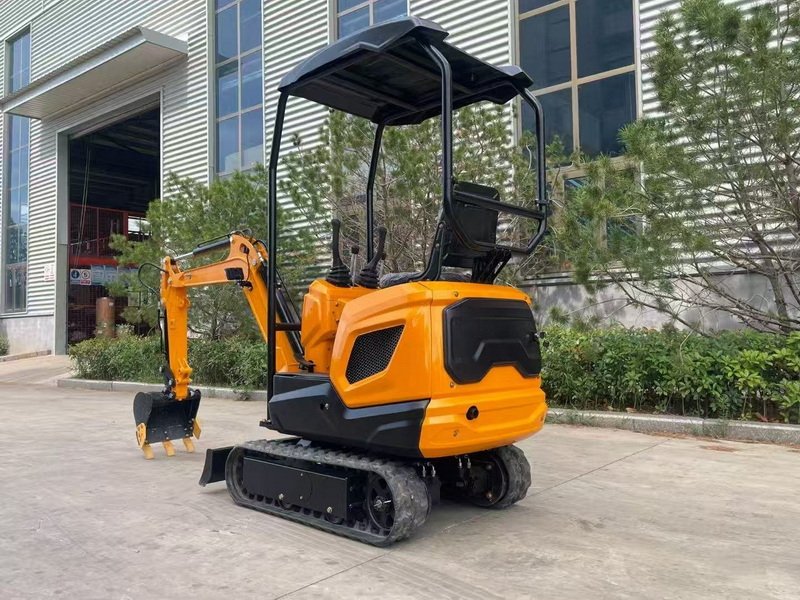
The Strategic Importance of Maintenance Excellence
A well-executed maintenance program is the most effective defense against unexpected downtime and high total cost of ownership (TCO). For global construction projects, where machinery often operates under extreme environmental conditions, adhering to manufacturer-recommended service intervals is the only way to guarantee long-term hydraulic efficiency and structural integrity. By implementing a proactive service culture, fleet managers can extend the operational lifespan of their machines while maintaining high resale values in the competitive secondary market.[1]
Comprehensive Maintenance and Service Schedules
Every compact excavator requires a structured approach to care, ranging from simple daily walk-arounds to deep-system overhauls based on hours of operation. Following a disciplined schedule ensures that minor wear does not escalate into catastrophic component failure, which can lead to expensive repairs and lost project deadlines.[1]
Panoramic Serviceability: Engineering for Maximum Uptime
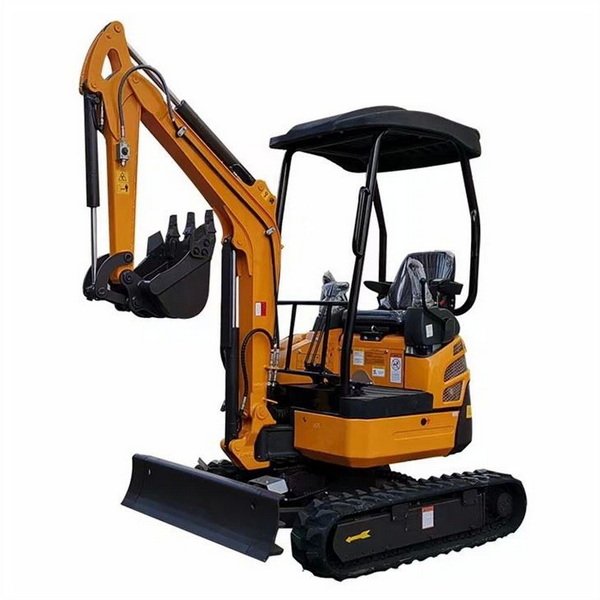
Modern machine design, championed by industry leaders and Certeg, prioritizes the concept of “Panoramic Serviceability.” This design philosophy ensures that all critical components—such as the engine, cooling package, and hydraulic valves—are easily accessible via wide-opening tailgates and side covers. When maintenance is convenient and fast, technicians are significantly more likely to perform it correctly and on schedule, drastically reducing the likelihood of skipped service steps.[1]
Essential Daily Inspection Protocols for Field Operators
The daily inspection is the frontline defense against equipment failure. Operators should follow a “Zone Inspection” method, starting at the tracks and moving upward through the boom, arm, and operator station.[1]
Critical Checkpoints for Daily Readiness
– Fluid Levels: Verify that engine oil, hydraulic oil, and engine coolant are within the designated “safe” zones on dipsticks and sight gauges.[1]
– Leak Detection: Scan the ground and hydraulic cylinders for signs of “weeping” or pooling fluid, which indicates seal failure.[1]
– Safety Features: Test the control console lockout, seat belt, and travel alarms to ensure operator protection.[1]
– Undercarriage Cleanliness: Remove debris from the undercarriage to prevent buildup that can damage track rollers and idlers.[1]
Advanced Lubrication and Friction Management
Greasing is the most critical yet often overlooked aspect of mini excavator maintenance. Standard lubrication must be applied to all high-stress pivot points, including the swing bearing, boom foot, arm-to-bucket link, and blade pivots. Failure to grease these points daily results in metal-on-metal contact, leading to joint “play” and the need for expensive bushing replacements.[1]
Underbody Integrity: Track Tension and Wear Management
Track maintenance accounts for a significant portion of a machine’s lifetime operating costs. Whether utilizing rubber tracks or steel grousers, maintaining the correct tension is vital for preventing derailment and premature wear on the drive system.[1]
How to Adjust Track Tension Correctlly
1. Lift the machine: Use the blade and boom to raise the track off the ground.
2. Measure the sag: Check the distance between the middle track roller and the top of the track belt.[1]
3. Adjust the grease valve: Add or release grease from the tensioning cylinder to reach the manufacturer’s specified clearance.[1]
4. Inspect for damage: Look for cuts, exposed cords, or missing lugs that could cause failure during operation.[1]
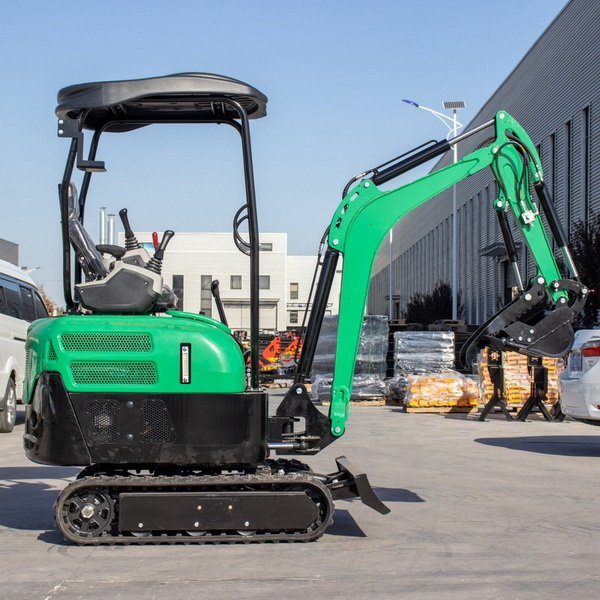
The Heart of the Machine: Engine and Cooling Systems
Compact excavators often operate in dusty or high-heat environments, placing immense strain on the engine and cooling package. Air filters should be checked daily and replaced immediately if the restriction indicator signals a clog. Furthermore, the radiator and oil cooler must be kept free of debris; use low-pressure compressed air to blow out dust from the fins to prevent overheating and engine de-rating.[1]
Maximizing Hydraulic System Performance
The hydraulic system is the “muscles” of the excavator, requiring clean fluid and high-integrity hoses to function correctly. Over time, hydraulic oil loses its viscosity and additive package, leading to sluggish performance and increased wear on pumps and motors.[1]
Proactive Hydraulic Care Strategies
– Hose Inspection: Look for “bubbles” or cracks in the outer jacket of hoses, which suggest an internal breach.[1]
– Filter Changes: Replace return-line filters according to the hour meter to catch metallic particles before they circulate.[1]
– Fluid Sampling: Periodically send oil samples to a lab to detect early signs of pump cavitation or component wear.
Telematics and the Future of Fleet Management
The integration of telematics, such as Machine IQ, has revolutionized how owners manage their equipment. By remotely monitoring machine location, fuel usage, and fault codes, owners can transition from reactive repairs to predictive maintenance.[1]
Benefits of Integrated Telematics
– Automated Alerts: Receive email or mobile notifications for upcoming service intervals or critical engine faults.[1]
– Security & Geofencing: Set virtual boundaries and curfews to prevent unauthorized use or theft.[1]
– Utilization Reports: Analyze idle time versus working time to optimize fuel efficiency across your job sites.[1]
Expert Insight: Extreme Weather Maintenance Strategies
Operating in extreme temperatures requires specific adjustments to your maintenance routine to ensure machine reliability.
– Cold Weather Care: Use winter-grade diesel to prevent “waxing” and ensure your battery is fully charged, as cold starts require significantly higher cranking amps.
– Hot Weather Care: Increase the frequency of cooling system inspections and ensure the hydraulic oil cooler is not obstructed by dust or mud.
– Dusty Environments: In high-dust areas, consider installing a pre-cleaner on the air intake to extend the life of your primary air filters.
Warranty, Dealer Support, and Brand Reputation
Choosing a brand like Certeg ensures you are backed by a robust warranty and a global network of expert support. A strong warranty protects your investment against manufacturing defects in the engine, hydraulics, and structural components. Furthermore, established dealers provide access to genuine parts, which are engineered specifically for your machine’s tolerances, ensuring a perfect fit and long-lasting performance.[1]
Secure Your Construction Future with Certeg
Maintaining peak performance for your excavator fleet requires a partner who understands the rigors of the modern job site. At Certeg, we don’t just manufacture machines; we provide comprehensive power solutions and lifetime support for excavators, loaders, and road rollers. Contact our expert service team today to receive a customized maintenance plan or to browse our latest inventory of high-performance construction machinery. Let us help you maximize your uptime and power your progress toward a more efficient future.
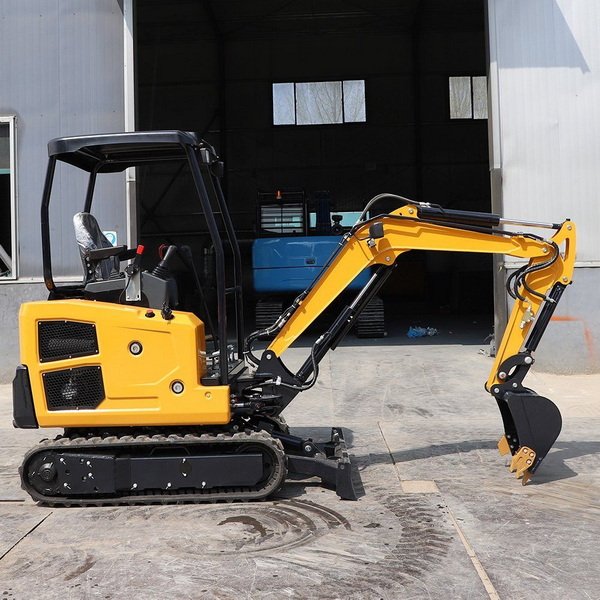
FAQ: Common Compact Excavator Maintenance Questions
1. How often should I grease my compact excavator?
You should grease all primary pivot points, including the boom, arm, and bucket, every 8 to 10 hours of operation to prevent premature metal-on-metal wear.[1]
2. What is the most common cause of hydraulic system failure?
The most frequent cause is fluid contamination by dirt or moisture. Regular filter changes and ensuring the system remains sealed are essential for prevention.[1]
3. Why is maintaining correct track tension so critical?
Incorrect tension leads to “de-tracking” (derailment) or causes excessive wear on the drive motors, idlers, and rollers, significantly increasing repair costs.[1]
4. How does telematics improve my maintenance routine?
Telematics systems track operating hours in real-time and send proactive notifications when service is due, ensuring you never miss a critical interval.[1]
5. Can I use universal hydraulic oil in any machine?
No, it is vital to use the specific grade and type of oil recommended in your Operation and Maintenance Manual to ensure compatibility with specialized seals and high-pressure pumps.[1]
Citations:
[1]https://www.bobcat.com/na/en/buying-resources/excavators/compact-excavator-buyers-guide/service-maintenance
Hot Tags:Mini Excavator, Kubota Mini Excavator, Mini Excavator Service, Excavator Service, Mini-Excavator, Excavator Service, Excavator Maintenance, Mini Excavator Repair Near Me, Excavator Servicing, Mini Excavator Services