
How to Choose the Right Bucket Teeth for Excavators & Loaders (2026 Guide)
Content Menu
● Why Bucket Teeth Matter More Than You Think
>> What good bucket teeth do for your machine
● Step 1: Understand Your Bucket & Shank Type
● Step 2: Match Bucket Teeth to Your Job Application
>> General‑purpose / standard bucket teeth
>> Wider edge / side protection teeth
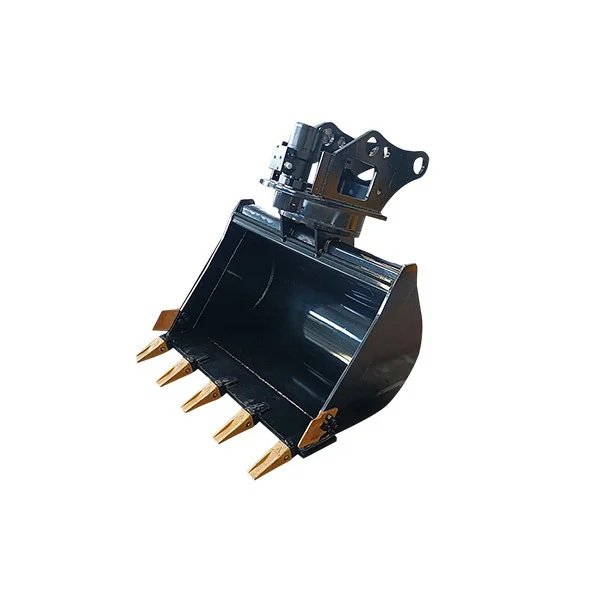
>> Tiger teeth (sharp, pointed)
>> Twin tiger teeth (side‑cutting teeth)
● Step 3: Bolt‑On vs. Weld‑On Teeth – Which Is Right?
● Step 4: Choose the Right Material & Quality
>> Common bucket tooth materials
● Step 5: Installation & Maintenance Best Practices
>> What you need to install bucket teeth
>> Maintenance tips to extend tooth life
● Step 6: How to Choose Teeth for Different Machines
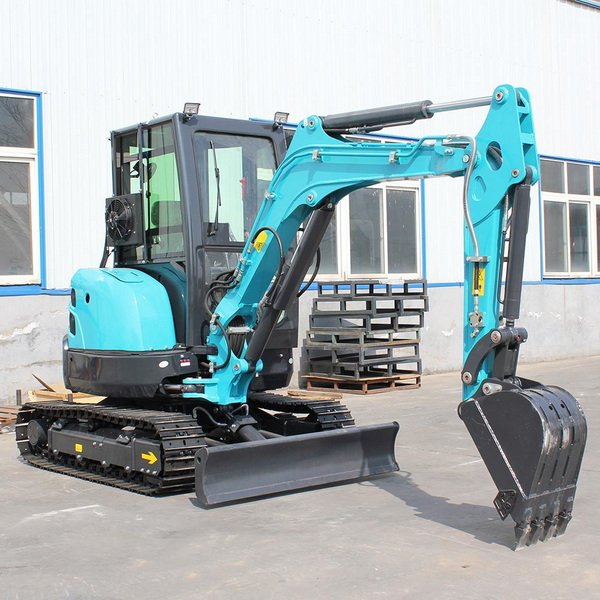
>> Excavators
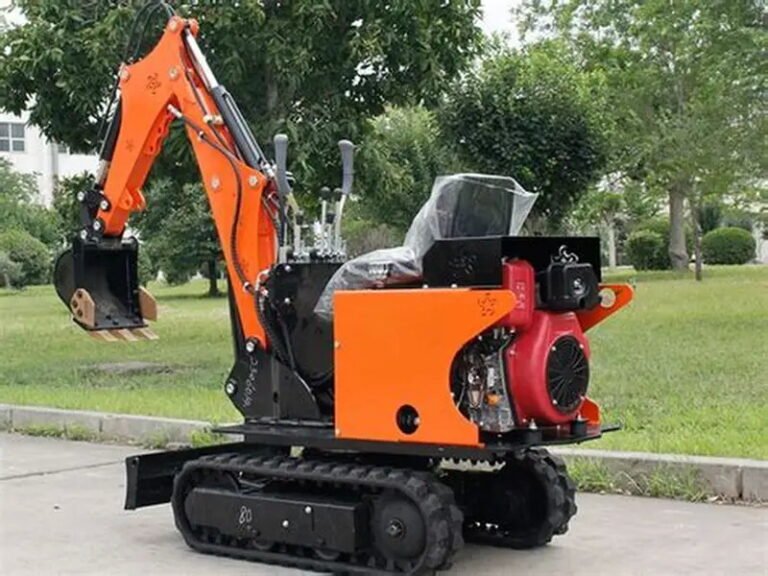
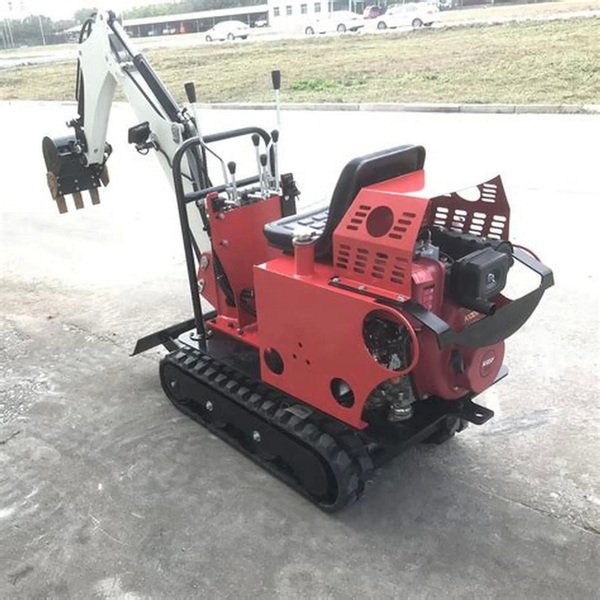
>> Compact Equipment (Mini Excavators, Compact Loaders)
● Step 7: Bucket Teeth Selection Checklist (2026)
● When to Use a Smooth‑Lip Bucket (No Teeth)
● Ready to Optimize Your Bucket Teeth?
● FAQ
>> 1. How often should I replace bucket teeth?
>> 2. Can I mix different tooth types on the same bucket?
>> 3. Are aftermarket bucket teeth as good as OEM?
>> 4. Why do my bucket teeth keep falling out?
>> 5. How do I know if my bucket needs weld‑on or bolt‑on teeth?
Choosing the right bucket teeth for your excavator, loader, or other heavy equipment is one of the most cost‑effective ways to boost productivity, reduce fuel consumption, and extend bucket life. For contractors and equipment owners, the wrong teeth can mean slower digging, more downtime, and higher operating costs.
This comprehensive 2026 guide explains exactly how to select the best bucket teeth for your machine and job site, covering:
– How bucket teeth attach to your bucket (shank types)
– Matching tooth type to soil, rock, and application
– Bolt‑on vs. weld‑on teeth: pros, cons, and when to use each
– How to extend tooth life and reduce wear
– A simple step‑by‑step selection checklist
Whether you run Bobcat, Caterpillar, Komatsu, or your own Certeg‑branded excavators, loaders, skid steers, and compact equipment, this guide will help you make smarter, data‑driven decisions.
Why Bucket Teeth Matter More Than You Think
Bucket teeth are small parts, but they have an outsized impact on performance and cost.
What good bucket teeth do for your machine
– Increase breakout force – Sharp, properly shaped teeth cut into the ground more easily, reducing the load on the engine and hydraulics.
– Improve digging efficiency – The right teeth let operators fill the bucket faster, especially in hard or compacted soils.
– Protect the bucket edge – Teeth take the wear, so the bucket lip and side cutters last much longer.
– Reduce fuel consumption – Less resistance means lower RPM and lower fuel burn per cycle.
– Lower maintenance costs – Replacing teeth is far cheaper than repairing or replacing a damaged bucket.
The cost of choosing wrong
Using the wrong teeth can lead to:
– Premature tooth wear or breakage
– Excessive bucket edge wear
– Higher fuel and labor costs
– More frequent downtime for replacements
For a fleet owner, optimizing bucket teeth can save thousands of dollars per machine per year.
Step 1: Understand Your Bucket & Shank Type
Before picking a tooth, you must know how it attaches to your bucket. The key is the shank (also called adapter or tooth holder).
Common shank types
Weld‑on shanks
– Permanently welded to the bucket edge.
– Best for high‑force applications (rock, hardpan, heavy digging).
– Typically used on excavator trenching buckets and heavy‑duty loader buckets.
– Teeth are held with a roll pin or similar retention pin.
Bolt‑on shanks
– Attached to the bucket with bolts, so they can be removed or replaced.
– Common on loader buckets and some compact excavators.
– Easier to service and ideal for mixed or changing conditions.
– Teeth are held with a flex pin or similar pin, secured by a retaining clip or bolt.
Smooth‑lip / no‑teeth buckets
– Used for grading, backfilling, and fine leveling.
– No teeth or shanks; the bucket edge is smooth.
– Not suitable for heavy digging or rock.
How to identify your shank
1. Look at the bucket’s cutting edge:
– If there are protruding metal “holders” with a hole for a pin, those are shanks.
– If the edge is flat and smooth, it’s a smooth‑lip bucket.
2. Check the manufacturer’s parts manual or spec sheet for:
– Shank type (weld‑on or bolt‑on)
– Shank size (length, width, pin diameter)
– Tooth system (e.g., Bobcat, CAT J‑series, JCB, etc.).
Pro tip: Take clear photos of your bucket edge and shanks when ordering replacement teeth. This avoids compatibility mistakes.
Step 2: Match Bucket Teeth to Your Job Application
The same machine may need different teeth depending on the job. Here’s how to match tooth type to common applications.
General‑purpose / standard bucket teeth
Best for:
– Soft to medium soils (sand, loam, clay)
– General excavation, loading, and hauling
– Light to medium digging in non‑rocky conditions
Key features:
– Medium length and width
– Balanced penetration and wear life
– Good for most everyday jobs
When to use:
– Urban excavation, landscaping, utility work
– Loading trucks with soil, gravel, or sand
– Most loader work on prepared sites
Longer forged bucket teeth
Best for:
– Deeper penetration in compacted soils
– Basic loading and excavation where extra reach helps
Key features:
– Longer than standard teeth (often 10–20% longer)
– Forged steel for better strength and wear resistance
– Designed to last longer under moderate impact
When to use:
– Digging in hardpan or compacted fill
– Loading from deeper stockpiles
– Applications where a bit more reach improves cycle time
Wider edge / side protection teeth
Best for:
– Protecting bucket side edges
– Loading abrasive materials (gravel, crushed stone)
– Applications where you don’t need deep penetration
Key features:
– Wider profile, often with a flat or slightly rounded tip
– Distributes wear across a larger surface
– Extends life of bucket side cutters
When to use:
– Loading quarried rock or recycled concrete
– Working on paved or hard surfaces
– Any job where side wear is a bigger concern than digging depth
Tiger teeth (sharp, pointed)
Best for:
– Maximum penetration in hard or frozen ground
– Rock, hardpan, clay, and frost
– Severe impact digging
Key features:
– Narrow, sharp, pointed profile
– Concentrates force on a small area for better breakout
– Higher wear rate but superior performance in tough conditions
When to use:
– Trenching in rocky or frozen soil
– Breaking up hardpan or compacted clay
– Demolition and site prep in difficult ground
Twin tiger teeth (side‑cutting teeth)
Best for:
– Penetrating frozen, rocky, or shale ground
– Cutting a path for the bucket sides
– Heavy‑duty digging where side resistance is high
Key features:
– Two sharp points per tooth
– Installed at each end of the bucket
– Often reversible: when one point wears, flip it to the other side
When to use:
– Excavating in frozen ground or shale
– Working in rocky or abrasive conditions
– Any job where the bucket sides are constantly hitting hard material
Step 3: Bolt‑On vs. Weld‑On Teeth – Which Is Right?
Choosing between bolt‑on and weld‑on teeth depends on your machine, application, and maintenance strategy.
Bolt‑on bucket teeth
Pros:
– Easy to install and replace (no welding required)
– Ideal for mixed conditions or changing jobs
– Lower risk of bucket damage during removal
– Common on loader buckets and compact equipment
Cons:
– Slightly less rigid than weld‑on teeth
– Pins and bolts can loosen if not properly torqued
– Requires regular inspection of fasteners
Best for:
– Loaders, skid steers, and compact excavators
– Contractors with diverse job types
– Fleets where quick maintenance is a priority
Weld‑on bucket teeth
Pros:
– Maximum strength and rigidity
– Better performance in high‑breakout‑force applications
– No loose pins or bolts to fail
– Longer service life in heavy digging
Cons:
– Requires welding equipment and skilled labor
– Harder to replace; risk of damaging the bucket if not done correctly
– Less flexible for changing conditions
Best for:
– Excavators in rock, hardpan, or heavy digging
– Fixed‑application machines (e.g., quarry or mining)
– Operators who prioritize performance over service speed
How to decide
Use this simple rule:
– Bolt‑on teeth when you need flexibility, easy maintenance, and mixed conditions.
– Weld‑on teeth when you need maximum strength, durability, and are doing heavy, consistent digging.
Step 4: Choose the Right Material & Quality
The material of your bucket teeth directly affects wear life, cost, and performance.
Common bucket tooth materials
High‑manganese steel
– Good general‑purpose material
– Hardens under impact (work hardening)
– Cost‑effective for soft to medium soils
Alloy steel
– Higher strength and wear resistance
– Better for hard soils, gravel, and light rock
– Slightly higher cost but longer life
Tungsten carbide / hardfacing
– Extremely wear‑resistant
– Ideal for rock, abrasive materials, and high‑impact jobs
– Higher initial cost but much longer life in harsh conditions
OEM vs. aftermarket teeth
OEM (Original Equipment Manufacturer) teeth
– Guaranteed fit and performance
– Often higher quality materials and heat treatment
– Higher price, but lower risk of compatibility issues
Aftermarket teeth
– Lower cost, wide range of options
– Quality varies greatly – choose reputable suppliers
– Verify dimensions, material specs, and compatibility before buying
Pro tip: For critical or high‑hour machines, OEM or premium aftermarket teeth often pay for themselves in reduced downtime and longer bucket life.
Step 5: Installation & Maintenance Best Practices
Even the best bucket teeth will fail early if installed or maintained poorly.
What you need to install bucket teeth
For bolt‑on teeth:
– Correct bolts and nuts (often two per shank)
– Flex pin (or similar retention pin)
– Retaining clip or bolt for the pin
For weld‑on teeth:
– Roll pin (or equivalent)
– Proper welding equipment and procedure
Installation checklist
1. Inspect the shank and bucket edge:
– Look for cracks, excessive wear, or distortion.
– Replace damaged shanks before installing new teeth.
2. Use the correct hardware:
– Never reuse old pins, bolts, or clips if they show wear or deformation.
– Use the exact size and grade specified by the manufacturer.
3. Install teeth correctly:
– Ensure the tooth is fully seated on the shank.
– Insert the pin all the way and secure it with the retaining clip or bolt.
– Torque bolts to the manufacturer’s specification.
4. Check after first few hours:
– Inspect pins and bolts for looseness.
– Re‑torque if necessary.
Maintenance tips to extend tooth life
– Inspect regularly:
– Check teeth and pins at the start of each shift or every 50–100 hours.
– Look for cracks, excessive wear, or loose hardware.
– Replace at the right time:
– Replace teeth when they are worn to about 30–40% of original length.
– Waiting too long increases wear on the shank and bucket edge.
– Rotate or reverse teeth when possible:
– Some teeth (like twin tiger teeth) can be reversed when one side wears.
– This can extend usable life by 20–50%.
– Match teeth to the job:
– Don’t use aggressive tiger teeth for light grading – it wastes money and increases wear.
– Use smooth‑lip buckets or wider edge teeth for grading and backfilling.
Step 6: How to Choose Teeth for Different Machines
Different machines have different requirements. Here’s a quick reference.
Excavators
Trenching / heavy digging:
– Weld‑on shanks with tiger or twin tiger teeth.
– Alloy steel or carbide‑tipped teeth for rock and hardpan.
General excavation / loading:
– Weld‑on or bolt‑on shanks with standard or longer forged teeth.
– High‑manganese or alloy steel.
Grading / backfilling:
– Smooth‑lip bucket or wider edge teeth.
– No aggressive teeth; focus on protecting the bucket edge.
Loaders & Skid Steers
General loading / hauling:
– Bolt‑on shanks with standard or longer forged teeth.
– Good for most soil and gravel applications.
Loading abrasive materials (rock, concrete):
– Wider edge teeth or heavy‑duty teeth.
– Alloy steel or carbide‑reinforced teeth.
Grading / fine work:
– Smooth‑lip bucket or minimal teeth.
– Avoid deep‑penetration teeth that damage the surface.
Compact Equipment (Mini Excavators, Compact Loaders)
– Often use bolt‑on teeth for flexibility.
– Standard or longer forged teeth for general work.
– Tiger teeth only for occasional hard digging; avoid over‑specifying.
Step 7: Bucket Teeth Selection Checklist (2026)
Use this checklist to quickly choose the right bucket teeth:
1. Machine & bucket type
– Excavator, loader, skid steer, or other?
– What is the bucket size and model?
2. Shank type
– Weld‑on or bolt‑on?
– What is the shank size and tooth system (e.g., Bobcat, CAT, etc.)?
3. Primary application
– General excavation, loading, trenching, grading, or rock?
– Soil type: soft, medium, hard, rocky, frozen?
4. Tooth type
– Standard / general‑purpose
– Longer forged
– Wider edge / side protection
– Tiger / twin tiger
5. Mounting style
– Bolt‑on (for flexibility and easy maintenance)
– Weld‑on (for maximum strength in heavy digging)
6. Material & quality
– High‑manganese steel (general use)
– Alloy steel (hard soils, gravel)
– Tungsten carbide / hardfacing (rock, high abrasion)
– OEM or premium aftermarket?
7. Maintenance plan
– Inspection frequency (daily, weekly, or per 50–100 hours)
– Replacement schedule (replace at 30–40% wear)
– Hardware replacement (pins, bolts, clips)
When to Use a Smooth‑Lip Bucket (No Teeth)
Not every job needs bucket teeth. Smooth‑lip buckets are essential for:
– Grading and fine leveling
– Teeth can leave marks or gouges in the surface.
– A smooth edge gives a clean, flat finish.
– Backfilling and spreading
– Teeth can dig too deep or create uneven surfaces.
– Smooth edge allows controlled, even spreading.
– Working on paved or sensitive surfaces
– Teeth can damage asphalt, concrete, or finished landscaping.
– Smooth edge minimizes surface damage.
Rule of thumb: Use teeth for digging and loading; use smooth‑lip buckets for grading, backfilling, and finishing.
Ready to Optimize Your Bucket Teeth?
Don’t guess which teeth are right for your excavator, loader, or compact equipment.
Contact Certeg today for a free bucket teeth selection guide and compatibility check for your machine. We’ll help you choose the right tooth type, material, and mounting system to boost performance and reduce downtime.
FAQ
1. How often should I replace bucket teeth?
Replace bucket teeth when they are worn to about 30–40% of their original length. Waiting too long increases wear on the shank and bucket edge, leading to more expensive repairs.
2. Can I mix different tooth types on the same bucket?
Yes, in some cases. For example, you can use tiger teeth in the center and standard teeth on the sides for mixed conditions. However, avoid mixing very different profiles (e.g., very short and very long teeth) as this can cause uneven wear and stress.
3. Are aftermarket bucket teeth as good as OEM?
High‑quality aftermarket teeth from reputable manufacturers can be as good as or even better than OEM in some cases. Always check material specs, dimensions, and compatibility, and avoid the cheapest options, which often use inferior steel and heat treatment.
4. Why do my bucket teeth keep falling out?
Common causes include: worn or damaged pins, loose bolts, incorrect pin size, or using the wrong tooth for the application (e.g., aggressive teeth in very soft soil). Always inspect pins and hardware regularly and replace them when worn.
5. How do I know if my bucket needs weld‑on or bolt‑on teeth?
Check your bucket’s cutting edge: if the shanks are welded to the bucket, you need weld‑on teeth; if they are attached with bolts, you need bolt‑on teeth. Refer to your machine’s parts manual or contact the manufacturer for confirmation.
Hot Tags:Bobcat Excavator Teeth, Bobcat Excavator Bucket Teeth,Bobcat Mini Excavator Bucket Teeth,Bobcat Skid Steer Bucket Teeth, Rock Teeth for Excavator,Bucket Teeth for Mini Excavator , Loader Bucket Teeth Compatibility, Excavator Tooth Wear Parts, Bobcat Attachment Bucket Teeth, Choosing Bucket Teeth for Excavators