
The Complete Guide to Track Loader and Excavator Undercarriages: Maximizing Performance and ROI
Content Menu
● Suspension Systems: Rigid-Mounted vs. Full Suspension Designs
● Undercarriage Architecture: Open vs. Closed Designs
● Track Material Composition: Steel-Embedded vs. All-Rubber Tracks
>> Steel-Embedded Rubber Tracks
>> Fiber-Reinforced Rubber Tracks
● Track Derailment Prevention: Critical Design Features
● Drive System Configuration: External vs. Internal Drive Mechanisms
● Bogie Wheel Configuration: Impact on Flotation and Ground Contact
● Comprehensive Undercarriage Maintenance Best Practices
>> Daily Maintenance Protocols
>> Weekly Maintenance Requirements
>> Operating Practices That Extend Undercarriage Life
● Expected Undercarriage Component Lifespan
● Cost Analysis: Making the Right Investment Decision
● Selecting the Optimal Undercarriage for Your Application
● Partner with Certeg for Superior Construction Equipment
>> 1. How often should I replace my compact track loader undercarriage?
>> 2. What is the most important daily maintenance task for undercarriage longevity?
>> 3. Should I choose rubber or steel tracks for my equipment?
>> 4. How can I prevent track derailment on my compact track loader?
>> 5. What factors most significantly affect undercarriage operating costs?
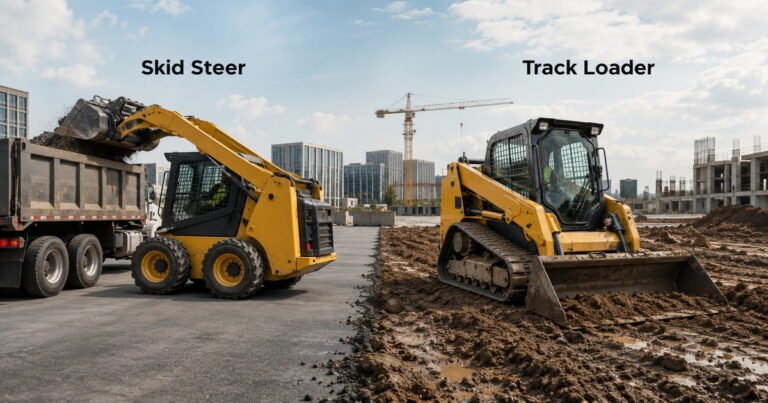
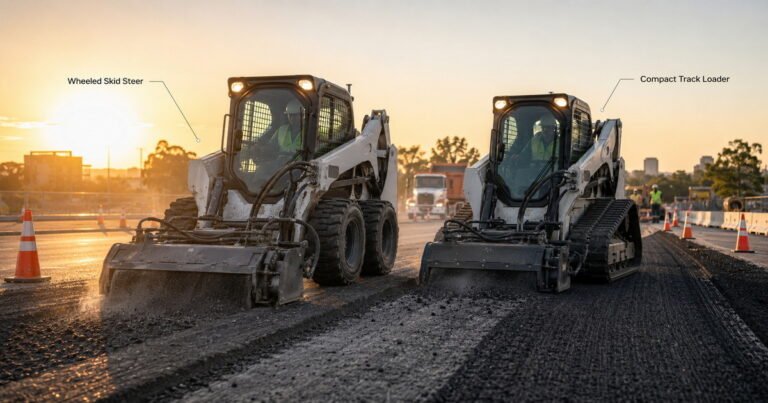
Understanding the intricacies of compact track loader (CTL) and excavator undercarriages is fundamental to optimizing equipment performance, minimizing operational costs, and maximizing return on investment. The undercarriage represents up to 50% of a machine’s total lifetime maintenance costs, making it the single most critical component for construction equipment owners to understand and maintain properly. Whether you operate excavators, skid steers, track loaders, or other tracked construction machinery, selecting the right undercarriage configuration and implementing proper maintenance protocols directly impacts productivity, operator comfort, and your bottom line.[1][2]
Suspension Systems: Rigid-Mounted vs. Full Suspension Designs
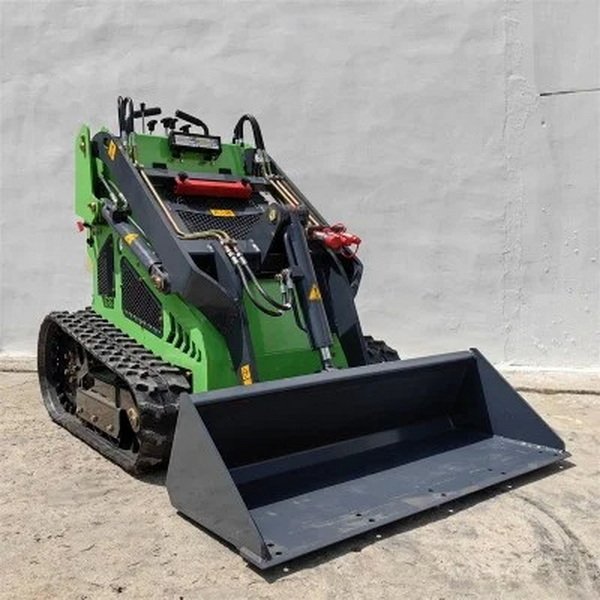
The suspension system forms the foundation of undercarriage performance, directly affecting operator comfort, material retention, and machine speed across challenging terrain. Rigid-mounted systems represent the traditional approach, featuring minimal to zero suspension components that transfer every surface irregularity directly through the machine frame to the operator station. While these systems offer lower initial purchase costs, they sacrifice operator comfort and can accelerate component wear due to constant vibration transmission.[1]
Full suspension systems incorporate advanced engineering to absorb ground vibrations before they reach the operator or attachment, resulting in reduced material spillage, decreased component wear, and the ability to maintain higher travel speeds over rough terrain. The most sophisticated option available is the dual-level suspension system, which combines independent torsion axles with flexing bogie wheels to minimize vibrations while maximizing continuous ground contact. This advanced configuration delivers superior operator comfort during extended shifts while maintaining optimal traction across uneven surfaces, steep grades, and unstable ground conditions.[1]
For construction companies operating in demanding applications such as site preparation, demolition, or agricultural work, the investment in full suspension systems typically pays dividends through reduced operator fatigue, lower maintenance costs, and improved productivity metrics.[3]
Undercarriage Architecture: Open vs. Closed Designs
The architectural approach to undercarriage design significantly impacts maintenance requirements, component longevity, and total cost of ownership. Closed undercarriages feature metal enclosures that provide some protection to internal components from external debris impact. However, this design creates a critical vulnerability: once dirt, rocks, gravel, or organic materials penetrate the enclosure, they become trapped against moving components, creating an abrasive environment that accelerates wear on tracks, rollers, and drive components.[1]
Open-design undercarriages solve this fundamental problem through self-cleaning architecture. While debris inevitably enters the undercarriage during operation, the open configuration allows rocks, mud, and vegetation to fall away naturally through gravity and machine movement. Field testing has demonstrated that open designs can extend the service life of critical components by up to 50% compared to closed systems operating in similar conditions. This dramatic improvement in component longevity translates directly to reduced downtime, lower replacement part costs, and improved machine availability for revenue-generating work.[1]
For operators working in muddy conditions, agricultural applications, or environments with high debris loads, open-design undercarriages represent a significant operational advantage that compounds over the equipment’s service life.[4][5]
Track Material Composition: Steel-Embedded vs. All-Rubber Tracks
Track construction methodology fundamentally determines performance characteristics, maintenance requirements, and expected service life. Understanding the engineering trade-offs between different track types enables informed purchasing decisions aligned with specific operational requirements.[1]
Steel-Embedded Rubber Tracks
The majority of compact track loader manufacturers utilize steel-embedded rubber tracks as their standard offering. These tracks incorporate steel reinforcement cables or mesh within a rubber matrix, providing a balance of flexibility and structural integrity. Under optimal conditions with diligent maintenance, steel-embedded tracks typically deliver 1,000 to 2,000 operating hours before requiring replacement. However, their performance is highly sensitive to operating conditions. Abrasive environments, frequent sharp turns, and improper tension settings can significantly reduce this lifespan.[6][1]
All-Steel Tracks
For specialty applications involving extreme wear conditions such as demolition sites, scrap handling, or rock quarry operations, all-steel tracks provide maximum durability. These heavier, more expensive track systems excel in harsh environments where rubber components would deteriorate rapidly. Steel tracks can last 2-3 times longer than rubber alternatives in severe-duty applications. The trade-offs include increased machine weight, higher fuel consumption due to greater rolling resistance, elevated noise levels, and potential surface damage to paved areas.[7][8][1]
Fiber-Reinforced Rubber Tracks
Advanced fiber-reinforced industrial rubber compound tracks represent the cutting edge of track technology, combining exceptional flotation characteristics with superior durability. When paired with heavy-duty polyurethane and rubber wheel systems, these all-rubber tracks deliver average service lives of 1,500 to 2,000 hours under normal conditions, with exceptional machines achieving up to 5,000 hours in favorable applications with exemplary maintenance. The lighter weight of all-rubber systems also contributes to improved fuel efficiency and reduced ground pressure for superior performance in soft soil conditions.[7][1]
Track Derailment Prevention: Critical Design Features
Track derailment represents one of the most frustrating and productivity-killing issues for tracked equipment operators. Modern undercarriage engineering incorporates specific design features to virtually eliminate this problem.[1]
Traditional track designs feature lugs only on the inner edge of bogie wheels, relying solely on internal guidance to maintain track alignment. This single-sided approach leaves tracks vulnerable to derailment during aggressive turns, work on side slopes, or when operating with improper track tension. Advanced designs incorporate dual-edge track lugs, positioning guide lugs on both the inner and outer edges of bogie wheels, which creates positive guidance that virtually eliminates track derailment by constraining wheel movement in both directions.[1]
For contractors operating on challenging terrain, performing frequent directional changes, or working on slopes, dual-edge track lug systems dramatically reduce downtime and frustration associated with track derailment incidents.[9]
Drive System Configuration: External vs. Internal Drive Mechanisms
The drive system configuration fundamentally affects maintenance costs, operating expenses, and long-term durability. Understanding these mechanical differences helps predict total cost of ownership over the equipment’s service life.[1]
External Drive Systems
External drive sprockets utilize protruding steel teeth that engage through holes in steel-embedded tracks to transmit rotational force. This design concentrates approximately 90% of drive torque through only one or two sprocket teeth at any given moment, creating extreme localized stress. Over time, this concentrated loading accelerates tooth wear, eventually forming steel hooks that damage track components and reduce track service life. External drive systems require periodic sprocket replacement as teeth wear beyond serviceable limits.[1]
Internal Drive Systems
Internal drive sprocket systems employ a fundamentally different approach, using replaceable steel rollers that interface with molded rubber lugs to transmit power to all-rubber tracks. This configuration distributes drive forces across multiple contact points simultaneously, eliminating the concentrated stress inherent in external drive designs. Critically, there is no direct metal-to-metal wear between drive rollers and track lugs, dramatically extending component life. When individual rollers wear beyond specification, operators can replace only the worn sleeves rather than the entire sprocket assembly, significantly reducing maintenance costs.[1]
For fleet managers focused on minimizing lifecycle costs, internal drive systems offer compelling advantages in reduced maintenance frequency and lower parts costs.[10]
Bogie Wheel Configuration: Impact on Flotation and Ground Contact
Bogie wheel design profoundly affects machine flotation, which determines performance in soft soil conditions, mud, snow, and other challenging underfoot environments. Ground contact points represent the locations where bogie wheels create pressure against the track, distributing machine weight across the contact patch.[1]
Advanced all-rubber track undercarriage systems can feature up to four times more ground contact points compared to steel-embedded track configurations. This multiplication of contact points distributes machine weight across a larger area, dramatically reducing ground pressure measured in pounds per square inch (PSI). Lower ground pressure translates directly to enhanced flotation on soft, muddy, or waterlogged soils, improved traction on steep slopes and slippery surfaces, superior control in snow and wet conditions, and reduced ground disturbance for environmentally sensitive sites.[11][1]
For contractors specializing in wetland work, winter construction, agricultural applications, or site conditions with poor soil bearing capacity, maximizing ground contact points through advanced bogie wheel configurations provides a measurable competitive advantage.[12][11]
Comprehensive Undercarriage Maintenance Best Practices
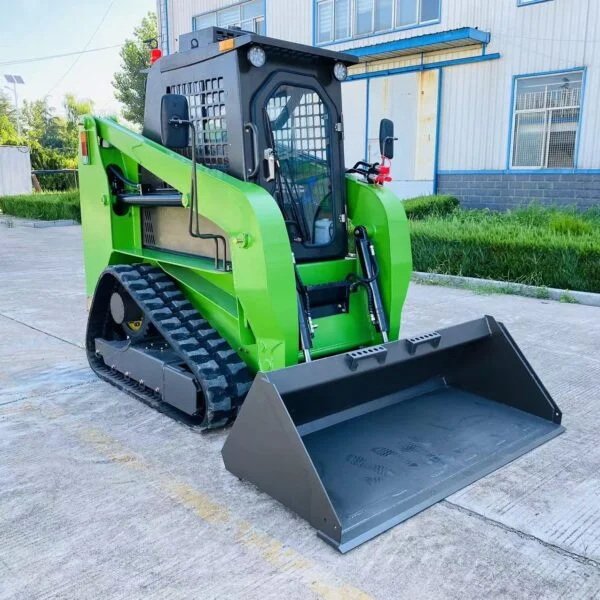
Proper maintenance represents the single most controllable factor affecting undercarriage longevity and total cost of ownership. Industry data confirms that diligent maintenance can extend component life by 50% or more compared to neglected equipment.[5][13][14][1]
Daily Maintenance Protocols
Visual inspections should occur at the start of every shift. Operators must check for oil leaks from travel motors, roller seals, and hydraulic connections, loose or missing bolts on track guards and mounting hardware, excessive wear on track surfaces and sprocket teeth, cuts or tears in rubber track material, and uneven wear patterns indicating alignment or tension issues.[15][4][5][1]
Undercarriage cleaning must occur at the conclusion of every work shift. Using a pressure washer or high-pressure jet nozzle, operators should thoroughly spray down the entire undercarriage assembly, paying particular attention to dislodging debris packed into pins, bushings, rollers, and track lugs. Abrasive materials like gravel and hardened mud accelerate wear when allowed to remain in contact with moving components.[14][4][1]
In cold climate operations where temperatures prevent effective pressure washing, operators must use shovels or pry bars to manually remove packed material and ice buildup from undercarriage components. Frozen debris creates particularly severe wear conditions that can dramatically shorten component life if not addressed.[14]
Weekly Maintenance Requirements
Track tension verification should occur weekly or whenever operating conditions change significantly. Over-tensioned tracks create excessive stress on rollers, idlers, and drive components, accelerating wear and potentially causing premature failure. Under-tensioned tracks increase derailment risk and allow excessive track flexing that damages rubber compounds. Track tension should be adjusted on-site to match terrain conditions, with looser tension for muddy or soft conditions and tighter tension for hard surfaces and high-speed travel.[16][1]
Lubrication service must occur according to manufacturer specifications. Keeping small components and bearing assemblies properly greased represents one of the most cost-effective maintenance tasks for extending undercarriage life. Operators should be trained to grease undercarriage points daily as part of routine inspection procedures.[17][14]
Operating Practices That Extend Undercarriage Life
Minimize sharp turns whenever possible, as aggressive directional changes create concentrated side loads that accelerate track, roller, and bogie wheel wear. When turns are necessary, use gradual counter-rotation rather than zero-radius pivoting.[9]
Match travel speed to terrain conditions. While modern suspended undercarriages enable higher travel speeds, excessive speed over rough terrain still generates impact loads that shorten component life.[3]
Avoid abrasive materials when practical. Operating in rock quarries, demolition debris, or highly abrasive sand represents severe-duty service that can reduce undercarriage life by 50% or more compared to moderate-duty applications.[18][5]
Expected Undercarriage Component Lifespan
Understanding typical component replacement intervals enables accurate budgeting and proactive maintenance scheduling. The following data represents industry averages for equipment operating under moderate-duty conditions with proper maintenance:[2][10][18]
| Component | Expected Lifespan (Hours) | Severe Duty (Hours) | Light Duty (Hours) |
|---|---|---|---|
| Rubber Tracks (Steel-Embedded) | 1,000-2,000 | 800-1,200 | 2,000-3,000 |
| Rubber Tracks (All-Rubber) | 1,500-2,000 | 1,000-1,500 | 2,500-5,000 |
| Steel Tracks | 3,000-6,000 | 2,500-4,000 | 6,000-8,000 |
| Track Rollers | 3,000-5,000 | 2,000-3,500 | 5,000-7,000 |
| Idler Wheels | 4,000-6,000 | 3,000-4,500 | 6,000-8,000 |
| Drive Sprockets | 3,000-4,000 | 2,500-3,500 | 4,000-5,500 |
| Complete Undercarriage | 4,000-6,000 | 2,500-4,000 | 6,000-8,000 |
These figures illustrate the dramatic impact that operating conditions and maintenance practices exert on component longevity. Machines operating in rock quarries, demolition sites, or highly abrasive environments experience accelerated wear that can reduce component life to the lower end of these ranges or below. Conversely, equipment working in favorable conditions such as finished grade, agricultural land, or soft soil environments with exemplary maintenance can achieve the upper end of these lifespan ranges or exceed them.[19][20][2][18]
Cost Analysis: Making the Right Investment Decision
Lifetime cost analysis must account for replacement frequency. In severe-duty applications, steel tracks lasting 2-3 times longer than rubber can result in lower total cost despite higher initial investment. Conversely, for moderate-duty applications, rubber’s lower upfront cost and acceptable service life make it the economical choice.[7]
Fuel efficiency considerations favor lighter rubber tracks, which create less rolling resistance and reduce fuel consumption compared to heavier steel alternatives. Over thousands of operating hours, this efficiency advantage compounds into measurable operational savings.[7]
Selecting the Optimal Undercarriage for Your Application
The ideal undercarriage configuration depends on your specific operational requirements, budget constraints, and performance priorities.[12][7][1]
Choose full suspension with open-design, all-rubber tracks for general construction, landscaping, agricultural applications, site preparation, snow removal, material handling on finished surfaces, and any application prioritizing operator comfort, fuel efficiency, and flotation.[11][7][1]
Choose steel-embedded or all-steel tracks for demolition work, scrap handling, rock quarry operations, extremely abrasive soil conditions, and applications where maximum durability outweighs concerns about surface damage, noise, and fuel consumption.[8][12][7]
Consider hybrid solutions with rubber pads on steel tracks when you need steel’s durability but must protect sensitive surfaces. Some operations invest in convertible undercarriage systems that allow swapping between rubber and steel configurations to match specific job requirements.[8][7]
Partner with Certeg for Superior Construction Equipment
Certeg manufactures excavators, skid steer loaders, compaction rollers, forklifts, tractors, and tracked carriers engineered to meet diverse power requirements for construction machinery applications worldwide. Our equipment features advanced undercarriage technologies designed to maximize performance, minimize maintenance costs, and deliver exceptional return on investment across varied operational environments.
Contact our engineering team today to discuss your specific application requirements and discover how Certeg’s innovative undercarriage designs can enhance your fleet’s productivity and profitability. Our technical experts will conduct a comprehensive analysis of your operational needs, terrain conditions, and budget parameters to recommend the optimal undercarriage configuration that delivers lowest total cost of ownership and maximum equipment uptime.
Request a detailed consultation by reaching out to our sales and engineering departments. We provide customized equipment specifications, maintenance training programs, and ongoing technical support to ensure your tracked equipment delivers peak performance throughout its service life. Let Certeg’s decades of manufacturing expertise work for your construction business.
Frequently Asked Questions
1. How often should I replace my compact track loader undercarriage?
The complete undercarriage typically requires replacement every 4,000 to 6,000 operating hours under moderate-duty conditions with proper maintenance. However, severe-duty applications in abrasive environments may necessitate replacement as early as 2,500 hours, while light-duty operations with excellent maintenance can exceed 8,000 hours. Track chain pitch elongation exceeding 2% of original specifications indicates replacement necessity regardless of operating hours.[20][2][18]
2. What is the most important daily maintenance task for undercarriage longevity?
Thorough cleaning at the end of every shift represents the single most impactful daily maintenance practice. Using a pressure washer to remove all accumulated debris, mud, rocks, and abrasive materials prevents these materials from becoming trapped against moving components where they accelerate wear. This simple practice can extend component life by up to 50% compared to neglected equipment.[4][14][1]
3. Should I choose rubber or steel tracks for my equipment?
Rubber tracks are optimal for general construction, landscaping, agricultural work, and any application requiring low ground pressure, minimal surface damage, reduced noise, and improved fuel efficiency. Steel tracks excel in demolition, scrap handling, rock quarries, and extreme-duty applications where maximum durability justifies their higher cost, increased fuel consumption, and potential for surface damage. Your specific operating environment and application requirements should drive this decision.[8][11][12][7]
4. How can I prevent track derailment on my compact track loader?
Maintaining proper track tension is the primary derailment prevention measure. Check tension weekly and adjust for terrain conditions, with slightly looser tension for soft ground and tighter tension for hard surfaces. Advanced track designs with dual-edge lugs on both inner and outer bogie wheel edges virtually eliminate derailment by providing positive guidance in both directions. Additionally, minimize aggressive zero-radius turns and avoid operating with damaged or excessively worn tracks.[16][9][1]
5. What factors most significantly affect undercarriage operating costs?
Operating environment exerts the greatest influence, with abrasive materials like rock, sand, and demolition debris reducing component life by 50% or more compared to soft soil conditions. Maintenance practices represent the second most impactful factor, as daily cleaning, proper lubrication, and correct track tension can extend service life by 50%. Operator technique also matters significantly, as excessive speed, aggressive turns, and poor operating practices accelerate wear regardless of equipment quality.[2][5][18][9][14][1]
Citations:
[1] https://speedwaymedia.com/2025/08/18/track-loader-undercarriage-parts-what-you-need-for-peak-productivity/
[2] https://langleyexcavatorparts.com/excavator-track-undercarriage-problems-maintenance/
[3] https://www.gregorypoole.com/impact-of-undercarriage-on-equipment-performance/
[4] https://www.bobcatofpittsburgh.com/blog/track-loader-undercarriage-maintenance-guide–40594
[5] https://www.smsequipment.com/en-us/news-resources/news/2022/protect-your-track-loader-investment-with-proper-u/
[6] https://www.asvi.com/news/understanding-undercarriages/
[7] https://www.greenindustrypros.com/design-installation/compact-equipment/article/22950109/fortishd-choosing-rubber-or-steel-tracks
[8] https://www.cartermachinery.com/blog/how-to-choose-the-right-undercarriage-for-your-equipment/
[9] https://primesourceco.com/latest-news/steel-track-undercarriage-maintenance/
[10] https://www.equipmentshare.com/articles/the-most-commonly-replaced-excavator-parts
[11] https://ahmcorp.com/blogs/news/steel-tracks-vs-rubber-tracks
[12] https://www.tkv.com.au/2024/10/08/steel-or-rubber-which-is-best-for-my-application/
[13] https://heavyvehicleinspection.com/blog/post/undercarriage-maintenance-guide-heavy-machinery-professionals
[14] https://www.mechandlink.com/en/news-article/How-to-prevent-undercarriage-damage-9-tips-for-tracked-machine-maintenance
[15] https://beartracks.net/blogs/news/7-maintenance-tips-for-compact-track-loader-tracks
[16] https://www.kirby-smith.com/ksconnection/protect-your-undercarriage-best-practices-for-maintaining-track-tension
[17] https://camso.co/en/blog/best-practices/maintenance-tips-to-optimize-track-life-for-your-track-loader/
[18] https://www.fridayparts.com/blog/how-long-should-undercarriage-last
[19] https://www.hemsltd.com/blog-undercarriage/
[20] https://www.fl-part.com/what-is-the-life-expectancy-of-an-excavator-undercarriage/
Hot Tags:Best Skid Steer Tracks, Asv Skid Steer Tracks, Skid Steer Undercarriage, Track Loader Undercarriage, Heavy Equipment Undercarriage, Undercarriage Maintenance, Undercarriage Wear Parts, Construction Equipment Undercarriage, Track System Components, Undercarriage Inspection