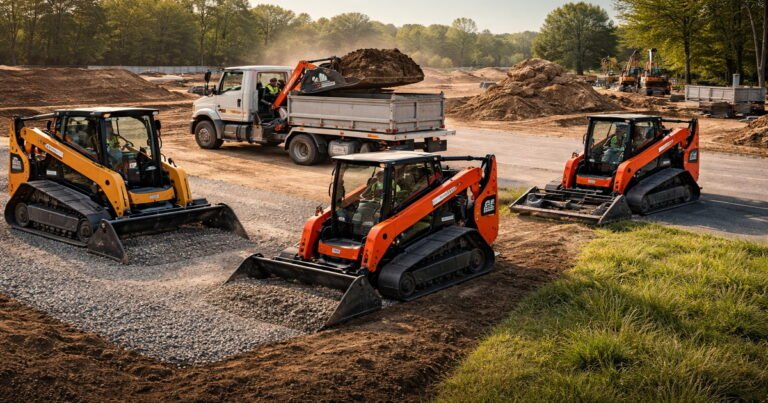

Skid Steer Auxiliary Hydraulics: Standard Flow, High Flow And Enhanced High Flow
Content Menu
● What Is Skid Steer Auxiliary Hydraulics
● Standard Flow Hydraulics: The Everyday Workhorse
>> Typical Standard Flow Applications
● High Flow Hydraulics: Extra Power For Demanding Tools
>> Typical High Flow Applications
● Enhanced High Flow: Maximum Performance For Extreme Duty
>> Typical Enhanced High Flow Applications
● Secondary Auxiliary Circuits And Multi Function Control
● Matching Attachments To Hydraulic Flow And Pressure
>> Attachment Types And Recommended Hydraulic Packages
● Step By Step Guide To Specifying Skid Steer Hydraulics
>> 1. List Current And Planned Attachments
>> 2. Record Flow And Pressure Requirements
>> 3. Group Attachments By Flow Tier
>> 4. Evaluate Duty Cycle And Environment
>> 5. Match Hydraulic Package To Machine Size
>> 6. Consider Total Cost Of Ownership
● Operating Practices To Protect Hydraulic Systems
>> Avoid Running Attachments Wide Open
>> Monitor Gauges And Listen For Warning Signs
● Hydraulic Oil, Viscosity And Cleanliness
>> Selecting The Right Hydraulic Oil
>> Contamination Control Best Practices
● Daily And Periodic Maintenance Checklist
>> Periodic Maintenance Actions
● Safe And Efficient Attachment Changeover
>> Key Steps For Changing Attachments
● Business Perspective: Specifying For Growth, Not Just Today
● Talk To Certeg About The Right Hydraulic Package
● FAQs About Skid Steer Auxiliary Hydraulics
>> 1. Can a standard flow skid steer run a high flow attachment
>> 2. Is high flow always the best choice
>> 3. How often should hydraulic oil be changed
>> 4. What happens if the wrong hydraulic oil viscosity is used
>> 5. Why should loader arms be lowered when checking hydraulic oil level
Skid steer auxiliary hydraulics directly determine which attachments you can operate, how productive your machine will be on tough jobs, and how quickly your investment pays itself back. Choosing the right hydraulic package and maintaining it correctly helps contractors unlock more applications, reduce downtime, and extend machine life.
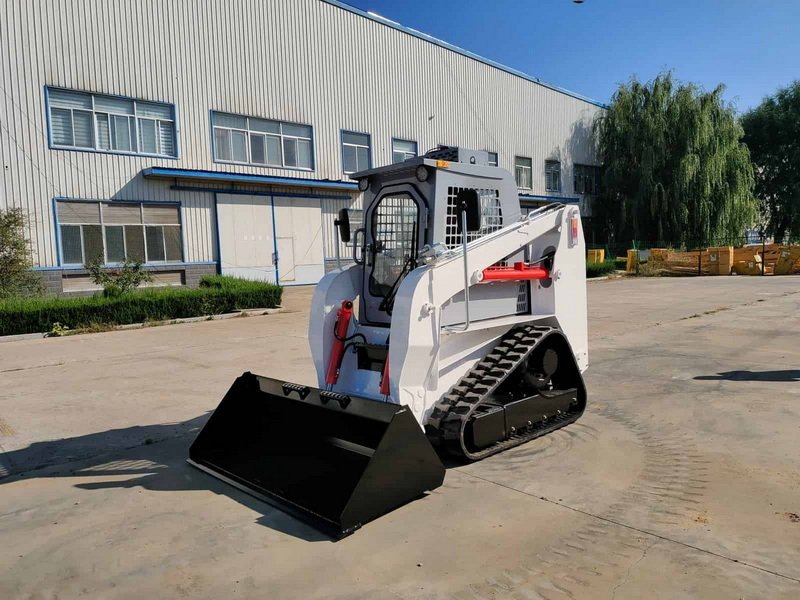
What Is Skid Steer Auxiliary Hydraulics
Auxiliary hydraulics are the dedicated hydraulic circuits that power attachments beyond the basic bucket and loader arms, including tools such as hammers, augers, trenchers, brooms, grapples, and snow blowers. These circuits deliver pressurized hydraulic oil at a specified flow (gpm) and pressure (psi) to drive attachment motors and cylinders efficiently.
Most modern skid steers share a similar main hydraulic pressure range, and the key difference lies in the available auxiliary flow options. Understanding how standard flow, high flow, and enhanced high flow work is essential before selecting a machine and planning an attachment fleet.
Standard Flow Hydraulics: The Everyday Workhorse
Standard flow auxiliary hydraulics are included on almost all skid steers from the factory and support the majority of common attachments used in construction and landscaping. They are designed to provide reliable performance for day to day tasks without excessive complexity or cost.
Typical characteristics include a moderate flow range suited to general purpose tools and a pressure level matched to the main working hydraulics. This combination is ideal for contractors who focus on grading, loading, light trenching, and basic material handling.
Typical Standard Flow Applications
– General buckets and 4 in 1 buckets
– Grapples and brush rakes
– Augers and light to medium trenchers
– Hydraulic hammers sized for standard flow
– Sweepers, brooms, and some snow removal tools
When most daily work falls into these categories and duty cycles are moderate, a machine equipped only with standard flow can deliver strong productivity at a lower acquisition cost.
High Flow Hydraulics: Extra Power For Demanding Tools
High flow auxiliary hydraulics significantly increase available hydraulic horsepower by raising the flow rate while keeping pressure in a similar range to standard systems. This option is typically configured at the factory or added as an integrated package and is aimed at applications where attachments are heavily loaded for long periods.
High flow systems are particularly valuable when contractors must maintain attachment torque and speed under challenging conditions. This includes cutting, milling, grinding, and blowing dense material where standard flow cannot deliver the required power or productivity.
Typical High Flow Applications
– Cold planers for asphalt and concrete surface work
– Many medium to large snow blowers
– Standard rock saws and wheel saws
– Small to medium forestry mulchers and heavy brush cutters
– Large trenchers and high capacity sweepers
Although high flow adds cost compared with a standard flow only configuration, it opens the door to a much wider range of revenue generating attachments. For contractors planning to expand into road maintenance, land clearing, or heavy snow removal, high flow becomes a strategic investment instead of a luxury.
Enhanced High Flow: Maximum Performance For Extreme Duty
Enhanced high flow packages combine high flow rates with noticeably higher system pressures to achieve very high hydraulic power output. These systems are generally available only on larger skid steer models with enough engine horsepower, cooling capacity, and chassis strength to handle demanding tools.
Such packages are intended for extreme applications where attachment loads are severe and continuous. The increased pressure allows attachments that require high torque to maintain cutting or milling performance even in very tough material.
Typical Enhanced High Flow Applications
– Large cold planers used for deep or wide milling operations
– Heavy forestry mulchers clearing dense brush and small trees
– Large rock saws in quarry, utility, or pipeline work
– High demand specialty tools designed specifically for high pressure circuits
Because enhanced high flow generates substantial heat and stress, correct machine sizing, cooling, and operator training are critical. This option is best suited to contractors who regularly run production attachments and cannot afford slow cycle times or under powered tools.
Secondary Auxiliary Circuits And Multi Function Control
Many advanced skid steers offer a secondary auxiliary hydraulic circuit to support attachments requiring more than one hydraulic function. This additional circuit enables operators to adjust attachment position or material direction without repositioning the entire machine.
Typical examples include side shift on planers and stump grinders, chute rotation and deflection on snow blowers, and stabilizer or clamp functions on tree spades. With a secondary circuit, these functions are controlled independently, improving accuracy and reducing cycle times.
For fleets that rely on complex attachments, the presence and configuration of secondary auxiliary hydraulics should be a key checklist item when specifying machines.
Matching Attachments To Hydraulic Flow And Pressure
Correctly matching hydraulic specifications between machine and attachment is essential for safety, productivity, and component life. Using an attachment that demands more flow or pressure than the skid steer can provide leads to slow, inefficient operation and heat buildup. Using a tool that is over sized for the machine may also cause premature wear or failure.
The following overview provides a practical reference for matching common attachment types to hydraulic packages.
Attachment Types And Recommended Hydraulic Packages
| Attachment type | Recommended hydraulic package |
|---|---|
| Pallet forks, standard buckets | Standard flow |
| 4 in 1 buckets, general purpose grapples | Standard flow |
| Augers, light and medium trenchers | Standard flow |
| Hydraulic hammers (size dependent) | Standard flow or high flow |
| Light duty snow blowers | Standard flow or high flow |
| Medium cold planers | High flow |
| Standard rock saws and wheel saws | High flow |
| Large cold planers | Enhanced high flow |
| Heavy forestry mulchers | High flow or enhanced high flow |
| Large rock saws and quarry tools | Enhanced high flow |
Manufacturers indicate required and optimal flow and pressure on attachment data plates and manuals. Before purchasing or renting, it is important to verify that the skid steer’s auxiliary system meets or exceeds those requirements while leaving a margin for heat management and durability.
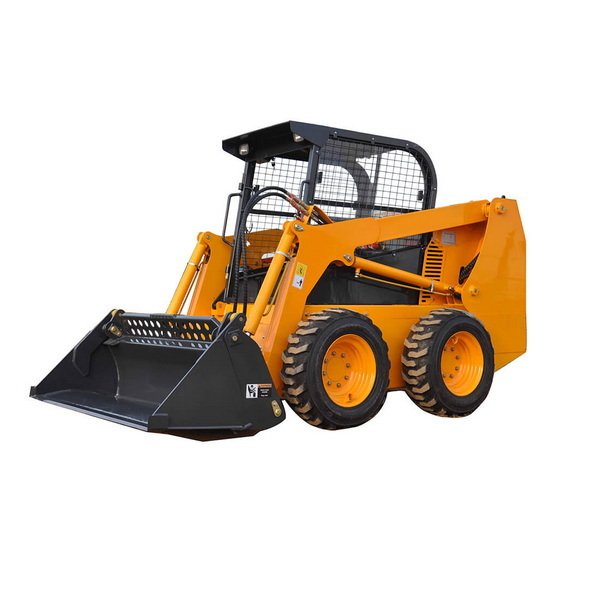
Step By Step Guide To Specifying Skid Steer Hydraulics
Choosing the correct hydraulic package for a new skid steer is easier when approached as a structured decision rather than a simple price comparison. The following steps help contractors align hydraulic capability with their current and future work.
1. List Current And Planned Attachments
Start by listing all attachments already in the fleet plus tools you intend to add within the next three to five years. Include general tools, seasonal attachments such as snow blowers, and specialty tools for roadwork, land clearing, or utility trenching.
2. Record Flow And Pressure Requirements
For each attachment, note minimum and optimal flow and pressure as well as any need for a secondary auxiliary circuit. Pay close attention to high demand tools such as planers, mulchers, and large blowers, because these will often drive the decision toward high flow or enhanced high flow.
3. Group Attachments By Flow Tier
Group tools into standard flow, high flow, and enhanced high flow tiers. If multiple core attachments require more than a typical standard flow range, a machine configured with high flow or enhanced high flow becomes more economical over the life of the fleet.
4. Evaluate Duty Cycle And Environment
Consider how long tools will be used continuously and under what conditions. Long, heavy duty cycles in hot climates demand more robust cooling and may favor higher specification hydraulic systems. Occasional short duration use in milder climates may justify a lower specification if budget is tight.
5. Match Hydraulic Package To Machine Size
Confirm that engine power, cooling capacity, and machine weight are appropriate for the chosen hydraulic package and attachments. Enhanced high flow tools in particular should be paired with larger skid steers that can safely manage reaction forces and heat.
6. Consider Total Cost Of Ownership
Finally, compare the complete cost picture, including attachment compatibility, expected revenue growth, and potential replacement costs. Under specifying hydraulics can save money at purchase but often leads to limited capability and early replacement when new business opportunities arise.
Operating Practices To Protect Hydraulic Systems
Operator behavior has a direct impact on how well auxiliary hydraulics perform and how long components last. Training should emphasize controlled, informed use rather than simply running everything at maximum settings.
Avoid Running Attachments Wide Open
Many heavy attachments are labeled with recommended temperature, flow, and pressure ranges and may include a built in pressure gauge. Operating slightly below maximum rated pressure, rather than at the limit, helps with cooling and tends to produce smoother performance.
Using all available flow and pressure without monitoring gauges can cause overheating, cavitation, and accelerated wear. Operators should be encouraged to adjust controls based on material conditions and feedback from both the machine and the attachment.
Monitor Gauges And Listen For Warning Signs
During operation, gauges and warning indicators should be checked regularly. Unusual noise, vibration, or sluggish response can signal cavitation, restriction, or contamination issues. Addressing these signs early prevents more serious failures.
Hydraulic Oil, Viscosity And Cleanliness
Hydraulic oil choice and cleanliness are central to auxiliary system reliability. Selecting the correct viscosity grade and maintaining clean fluid drastically reduces wear and unplanned downtime.
Selecting The Right Hydraulic Oil
Viscosity is the most important oil characteristic in this context. Oil that is too thick for the operating climate causes slow response and potential pump damage at cold start. Oil that is too thin at operating temperature can reduce lubrication, increase internal leakage, and lead to higher system temperature.
Following the machine manufacturer’s recommendations and adjusting for local climate ensures that oil flows correctly at startup and maintains an adequate film at operating temperature.
Contamination Control Best Practices
Contaminants such as dirt, metal particles, and moisture degrade hydraulic components and can lead to valve sticking, seal failure, and pump damage. Good practices include:
– Keeping quick couplers clean and using protective caps
– Inspecting hoses and fittings for damage or leaks
– Replacing filters and oil at the intervals specified by the manufacturer
– Storing oil in sealed containers and using clean transfer equipment
For high value machines or severe duty applications, oil analysis can be used to monitor contamination levels and adjust change intervals based on actual conditions instead of fixed schedules.
Daily And Periodic Maintenance Checklist
A consistent maintenance routine keeps skid steer auxiliary hydraulics operating smoothly and helps technicians catch small problems before they become major failures.
Daily Maintenance Actions
– Check hydraulic oil level with the loader arms in the lowered position to obtain an accurate reading and avoid trapping oil in the lift cylinders.
– Inspect hoses, lines, and couplers for leaks, abrasion, or damage and clean off any accumulated dirt or debris.
– Confirm that attachment locking mechanisms and quick attach systems are fully engaged before working under load.
Periodic Maintenance Actions
– Follow the recommended schedule for hydraulic oil and filter replacement, shortening intervals when working in very dusty or harsh environments.
– Perform visual inspections of auxiliary circuits and attachment hoses, especially on high flow and enhanced high flow systems.
– Use oil analysis on key machines to identify early signs of wear or contamination and optimize change intervals.
Safe And Efficient Attachment Changeover
Changing attachments correctly is important for safety and for protecting both the skid steer and the tools. A standardized procedure also reduces the time required to switch between jobs.
Key Steps For Changing Attachments
– Park the machine on level ground, lower the attachment to the ground, and follow the recommended procedure to shut down or idle the machine.
– Relieve hydraulic pressure in the lines before disconnecting hoses to make them easier and safer to remove.
– Clean hydraulic couplers thoroughly, then connect hoses until they fully seat and lock.
– After reconnection, briefly cycle the attachment under low load to check for leaks and confirm correct operation.
When disconnecting, connecting the attachment’s hoses together can help balance pressure and make the next installation easier, especially when temperature changes cause pressure variations.
Business Perspective: Specifying For Growth, Not Just Today
From a business standpoint, choosing auxiliary hydraulics only for immediate needs can limit future growth. Many contractors later decide to add services such as snow removal, milling, or forestry work and then discover that existing machines cannot support the required attachments.
In many cases, owning a machine with a higher specification hydraulic package that is not used every day is still more economical than replacing an entire machine early. Considering likely future services, regional climate, and client needs during the purchasing process helps avoid this trap.
Aligning machine capability with a long term service strategy also improves resale value, because higher specification units tend to appeal to a wider range of buyers in the used equipment market.
Talk To Certeg About The Right Hydraulic Package
Auxiliary hydraulics are one of the most important factors in how much work a skid steer can do and how profitable that work will be. Choosing the correct combination of standard flow, high flow, or enhanced high flow, matched with the right attachments, protects your investment and opens more business opportunities.
Certeg produces excavators, skid steer loaders, road rollers, forklifts, tractors, and crawler carriers, and can help configure machines to match your hydraulic demands, climate conditions, and growth plans. If you are planning to add new attachments, expand into roadwork, snow removal, or land clearing, or simply want to improve the productivity of your existing fleet, contact Certeg now to discuss a tailored hydraulic solution and get expert guidance on the next machine you bring into your business.
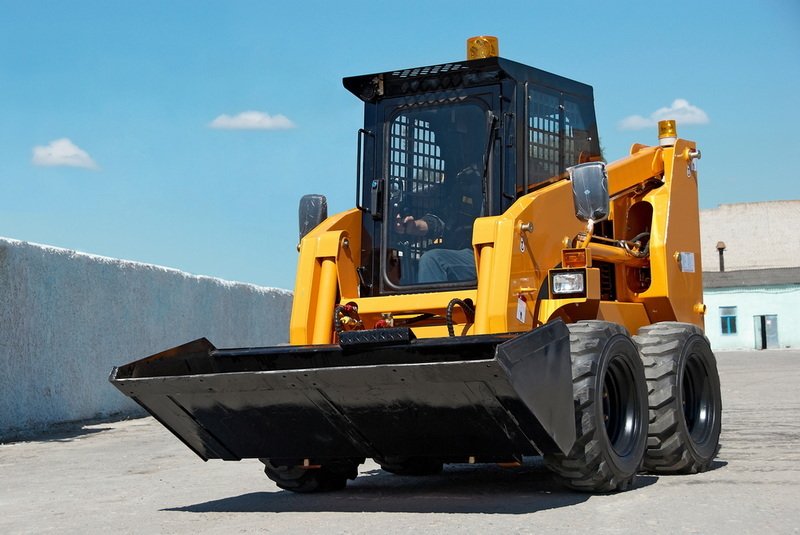
FAQs About Skid Steer Auxiliary Hydraulics
1. Can a standard flow skid steer run a high flow attachment
No. A standard flow skid steer generally cannot safely or efficiently run a high flow attachment, because the machine cannot deliver the flow and hydraulic horsepower required. This mismatch leads to slow operation, overheating, and possible damage to both the attachment and hydraulic components.
2. Is high flow always the best choice
Not always. High flow is most valuable if you regularly use power hungry tools such as planers, mulchers, or large snow blowers. If your work is mostly light construction, basic loading, and simple attachments, a standard flow machine with the right tools may be more cost effective.
3. How often should hydraulic oil be changed
Hydraulic oil should be changed according to the hour based interval specified by the machine manufacturer, with shorter intervals for severe duty or dirty environments. Using oil analysis to monitor contamination and viscosity changes can help fine tune intervals and balance protection with cost.
4. What happens if the wrong hydraulic oil viscosity is used
Using oil that is too thick for local temperatures can cause slow response, difficulty at cold start, and potential pump damage. Using oil that is too thin at operating temperature reduces lubrication, increases internal leakage, and can raise system temperature, accelerating wear on pumps, motors, and valves.
5. Why should loader arms be lowered when checking hydraulic oil level
Lowering the loader arms before checking hydraulic oil level prevents oil from being trapped in the lift cylinders and ensures an accurate measurement in the tank. This position also improves safety by reducing the risk of unintended arm movement while the operator is near the machine.
Hot Tags:Auxiliary Hydraulics Skid Steer, Case Skid Steer Hydraulic Oil, Skid Steer High Flow Kit, High Flow Skid Steer GPM, Case Skid Steer Hydraulic Bucket Release, How To Tell If A Skid Steer Is High Flow, High Flow Skid Steer, Hi Flow Skid Steer, Skid Steer High Flow Hydraulics, Skid Steer Hydraulic System