
What Is a Compact Track Loader Undercarriage?
Content Menu
● What Is a Compact Track Loader Undercarriage?
● Why Undercarriage Choice Matters for Contractors
● Advantage 1: Durable Undercarriage Components
● Advantage 2: Easier Track Carriage Cleanout
● Advantage 3: More Comfortable, Stable Ride
● Advantage 4: Roller Suspension System Performance
● Advantage 5: Excellent Curb and Ground Clearance
● Advantage 6: Interchangeable Track Options
● Solid-Mount vs Roller Suspension: Which Is Better?
● Undercarriage Best Practices to Extend Service Life
● Industry Use Cases for Advanced Undercarriages
● How to Evaluate Undercarriage Options Before You Buy
● Where to Use Images, Diagrams and Video
● Optimized On-Page SEO Elements
● Take the Next Step With Your Equipment Fleet
● FAQs About Solid-Mount and Roller Suspension Undercarriages
>> 1. What is the main difference between solid-mount and roller-suspension undercarriages?
>> 2. How often should a compact track loader undercarriage be cleaned?
>> 3. Do wider tracks always perform better than narrow tracks?
>> 4. How does undercarriage design affect operator fatigue?
>> 5. What should be checked during a daily undercarriage inspection?
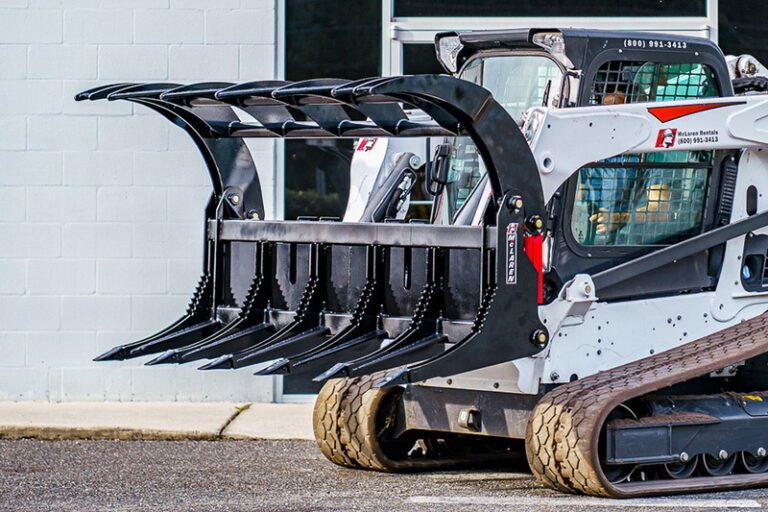
Choosing the right compact track loader undercarriage is critical for uptime, operator comfort and long-term ownership costs, especially on demanding construction, landscaping and agricultural jobsites. This guide explains how solid-mount and roller-suspension undercarriages work, why they matter for your fleet, and how to use them to get more value from every engine hour.
What Is a Compact Track Loader Undercarriage?
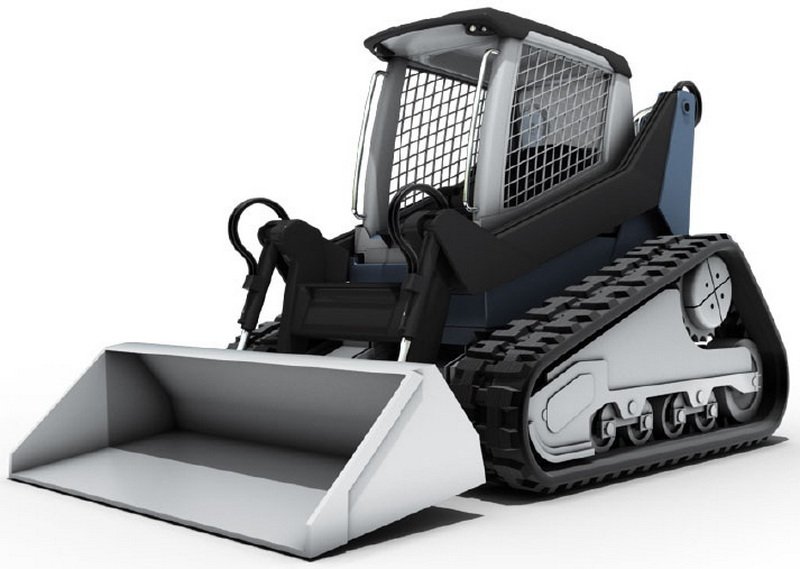
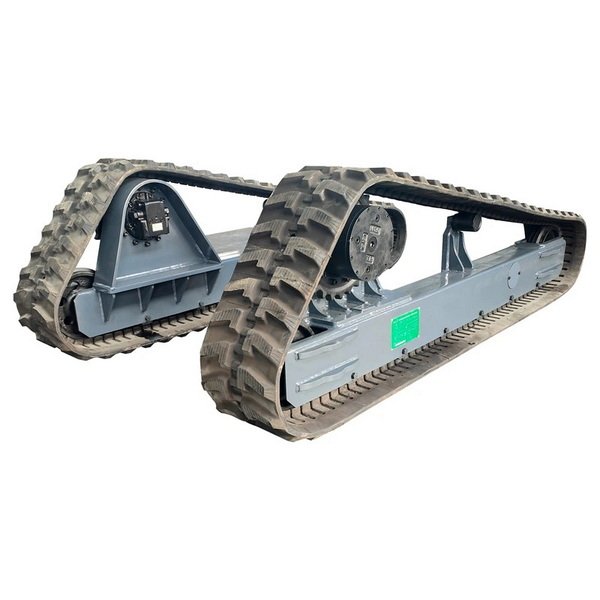
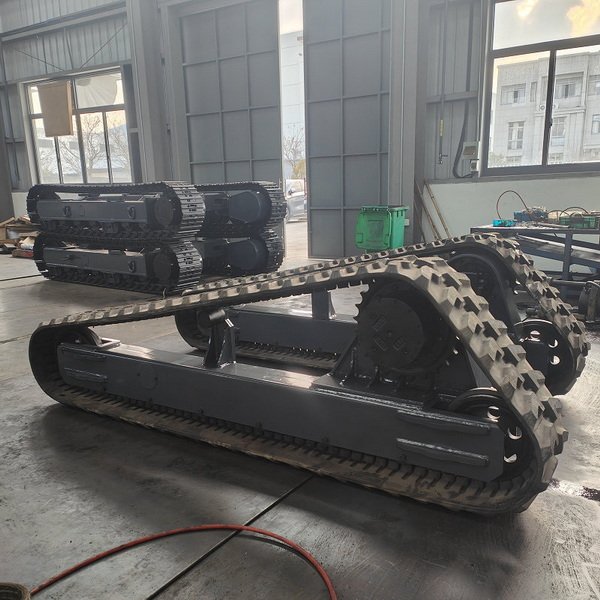
The undercarriage on a compact track loader is the complete support and drive system below the main frame, including drive motors, rollers, idlers, sprockets and rubber tracks. It transfers engine power to the ground, carries the machine weight and absorbs shock from uneven terrain.
Key undercarriage functions:
– Support the loader’s weight while maintaining ground contact.
– Transmit torque from drive motors to the tracks.
– Manage debris, mud and stones to prevent damage.
– Protect critical components such as hydraulic hoses and final drives.
A solid-mount undercarriage fixes components rigidly to the frame, while roller suspension systems add spring elements and specialized rollers to better absorb impacts and vibration.
Why Undercarriage Choice Matters for Contractors
For contractors, the undercarriage is one of the highest wear and maintenance cost centers on a compact track loader. Better design directly influences productivity, operator comfort and total cost of ownership.
Key business impacts:
– Less unplanned downtime from broken hoses, damaged rollers or de-tracked tracks.
– Lower lifetime spend on tracks, rollers and idlers through slower wear.
– Higher operator productivity thanks to a smoother, more controlled ride.
– Safer travel over curbs, debris piles and soft ground.
When specifying machines for excavating, roadwork, logistics yards, farming or material transport, undercarriage design should rank alongside engine power, lift capacity and hydraulic flow.
Advantage 1: Durable Undercarriage Components
On a solid-mount undercarriage, the drive motors and hydraulic hoses are mounted rigidly and protected within the undercarriage structure, instead of floating in a soft suspension system. This solid mounting reduces hose movement, which helps prevent snags, rubbing and damage from debris or vibration in harsh working conditions.
Durability benefits:
– Reduced hose failures because lines are shielded from external impacts.
– Lower risk of leaks that can cause downtime and environmental issues.
– Better protection for drive motors when working in demolition rubble or rocky soils.
Compact track loaders that use tough forged-steel rollers and idlers also avoid weak plastic or rubber roller materials, further improving impact resistance and lifespan.
Advantage 2: Easier Track Carriage Cleanout
A horizontally mounted track-tension cylinder creates more open space between the carriage and the rubber track, giving technicians easier access to scrape out mud, snow and compacted material. This layout is especially valuable in regions with heavy clay, wet sand or freeze-thaw cycles that quickly pack material into tight spaces.
Cleanout-oriented design features:
– Sloped undercarriage sides that help shed dirt, sand and debris as the machine moves.
– Raised cutouts between rollers so crews can quickly wash or scrape material away.
– Simpler visual inspection of rollers, idlers and track lugs during daily checks.
Easier cleanout reduces the risk of accelerated wear, seized rollers and track misalignment caused by hardened debris.
Advantage 3: More Comfortable, Stable Ride
Ride quality is a major factor for operator productivity across long shifts. Dual-flange front idlers running on the rubber track’s roller way, paired with wider rollers, help smooth out the ride, reduce vibration and distribute loads more evenly along the track.
Comfort and control advantages:
– Lower vibration levels, which reduce operator fatigue and improve visibility.
– Reduced track wear due to better load distribution and reduced scrubbing.
– Sustained traction on uneven or rutted ground, keeping the bucket more stable.
Single-flange idlers on the rear help keep the track properly aligned, minimizing de-tracking incidents that interrupt work and require time-consuming repositioning.
Advantage 4: Roller Suspension System Performance
An optional roller suspension undercarriage adds mono-leaf springs that allow the rollers to move with the terrain, absorbing shock and smoothing travel over bumps and obstacles. This design works together with dual-flange front idlers and wider rollers to create a more compliant undercarriage.
Primary benefits of roller suspension:
– Improved ride comfort when traveling at higher speeds over rough surfaces.
– Better material retention in the bucket due to reduced bouncing.
– Less stress transferred into the loader frame and operator’s body.
For fleets operating on demolition sites, forestry trails or ungraded construction access roads, roller suspension can translate directly into faster cycle times and less operator fatigue.
Advantage 5: Excellent Curb and Ground Clearance
High clearance at the rear and center of the machine makes it easier to cross curbs, ruts and debris piles without catching the undercarriage. Some compact track loader designs provide up to 10.8 inches of rear clearance and around 9.4 inches of center ground clearance, which is significant for machines frequently crossing obstacles.
Clearance advantages:
– Reduced risk of hang-ups when driving over curbs or concrete edges.
– Easier travel through mud, sand and soft soils where low-clearance machines bog down.
– Lower chance of undercarriage damage from hidden rocks or forms on construction sites.
Better clearance helps maintain continuous movement, which is crucial when working with tight schedules, limited access points or congested urban jobsites.
Advantage 6: Interchangeable Track Options
Narrow and wide rubber tracks can be swapped on many compact track loader undercarriages, allowing owners to fine-tune the machine’s ground pressure and traction profile. Dealers typically offer multiple track widths and tread patterns to match different environments and seasonal conditions.
Practical track choices:
– Narrow tracks for higher traction in confined areas or on harder ground.
– Wide tracks for lower ground pressure and better flotation on soft ground.
– Application-specific tread patterns for snow, turf protection, mixed use or aggressive digging.
Interchangeable tracks enable fleets to extend the working season, moving confidently in wet or muddy months instead of parking machines during poor conditions.
Solid-Mount vs Roller Suspension: Which Is Better?
Both solid-mount and roller-suspension undercarriages can be highly productive, but they address slightly different priorities. Choosing between them depends on your typical terrain, operator expectations and maintenance strategy.
Key differences for decision-makers:
– Solid mount: Fewer moving parts, high durability, simpler maintenance and predictable behavior on most jobsites.
– Roller suspension: Superior comfort and ground-following ability, especially on rocky or deeply rutted ground, with slightly more complexity.
For high-cycle rental fleets or mixed-use contractors, pairing durable solid-mount components with a roller suspension option can deliver both robustness and ride comfort.
Undercarriage Best Practices to Extend Service Life
Even the most advanced undercarriage will wear quickly if it is not maintained correctly. Proactive daily routines significantly extend track and component life and reduce unscheduled downtime.
Recommended operational practices:
1. Daily walk-around inspections
– Check track tension, looking for excessive sag or overtightening.
– Inspect rollers, idlers and sprockets for chips, leaks or abnormal wear.
2. Scheduled cleanout routine
– Clean packed material from the undercarriage at least once per shift in muddy conditions.
– Pay extra attention to the areas between rollers and beneath the tension cylinder.
3. Smart operating habits
– Minimize high-speed turns on abrasive surfaces.
– Avoid spinning tracks in one place, which accelerates lug and tread wear.
4. Planned component replacement
– Track, roller and idler replacement should be scheduled before failures that cause collateral damage.
Following these steps can add hundreds of productive hours to a set of tracks and help protect expensive hydraulic components.
Industry Use Cases for Advanced Undercarriages
Different industries place different demands on compact track loaders and their undercarriages. Matching undercarriage features to the job mix improves performance and safety.
Example scenarios:
– Construction and roadwork
– Frequent curb crossings and work around forms benefit from high rear and center clearance.
– Durable forged-steel rollers and solid-mounted hoses handle demolition debris more reliably.
– Landscaping and grounds maintenance
– Low ground pressure from wide tracks protects finished turf and irrigation systems.
– Roller suspension reduces jolts when traveling with full pallets of pavers or plants.
– Agriculture and material transport
– Sloped undercarriage sides and cutouts help shed manure, silage and wet soil.
– Reliable tracking minimizes downtime during busy planting or harvest windows.
For manufacturers that supply excavators, skid steer loaders, road rollers, forklifts, tractors and tracked transporters, undercarriage design principles from compact track loaders can inform more robust track and running-gear systems across the product range.
How to Evaluate Undercarriage Options Before You Buy
Before committing to a specific undercarriage design, fleet managers should perform structured evaluations in real working conditions. A short field test can reveal more than spec sheets alone.
Practical evaluation checklist:
– Ride quality and stability
– Drive over curbs, ruts and material piles at normal travel speed.
– Evaluate vibration levels in the cab and how well the bucket retains material.
– Cleanout and inspection access
– Confirm you can easily see and reach rollers, idlers and track lugs.
– Test how quickly packed mud or snow can be removed.
– Ground clearance and traction
– Cross typical obstacles you face on projects and check for scraping or hang-ups.
– Work in soft areas to confirm traction and flotation with the selected track width.
– Dealer support and parts availability
– Ask about lead times for tracks, rollers and idlers.
– Review recommended service intervals and warranty coverage.
Structured testing ensures the undercarriage supports your productivity goals instead of becoming a hidden cost center.
Where to Use Images, Diagrams and Video
To improve user engagement and understanding, visual assets should support key undercarriage concepts. Relevant placements include:
– Exploded undercarriage diagram near the definition section to label drive motors, rollers, idlers and track components.
– Side-view illustration comparing solid-mount vs roller-suspension undercarriage travel over obstacles.
– Photo sequence or short video showing proper undercarriage cleanout after working in mud or snow.
– Close-up images of dual-flange front idlers, wider rollers and sloped undercarriage sides.
Where possible, embed short, captioned videos demonstrating daily inspection routines, track tension checks and track changes to strengthen real-world usability.
Optimized On-Page SEO Elements
To maximize organic visibility, the article should integrate core and long-tail keywords naturally within headings, introductions and body content. Core focus can be on phrases like “solid mount undercarriage,” “roller suspension undercarriage,” “compact track loader undercarriage advantages,” and “how to choose compact track loader tracks.”
Suggested on-page optimization tactics:
– Include the main keyword in the H1 and first 100 words.
– Use semantic variants such as “track loader suspension system” and “undercarriage ground clearance” within H2/H3 sections.
– Structure content with descriptive headings like “Undercarriage Best Practices to Extend Service Life” instead of generic titles.
These actions support search engine understanding of the article’s topical focus and align with user expectations by presenting detailed, practical guidance from an expert perspective.
Take the Next Step With Your Equipment Fleet
A clear call-to-action helps readers turn insights about undercarriages into better purchasing decisions. The CTA should speak directly to owners and fleet managers evaluating their next compact track loader or upgrading existing machines.
Evaluate your undercarriage strategy today. Review your current machines for ride quality, cleanout access and track wear, then contact your preferred dealer or equipment manufacturer to compare solid-mount and roller-suspension options, discuss track choices and plan an on-site demo tailored to your applications.
Contact us to get more information!
FAQs About Solid-Mount and Roller Suspension Undercarriages
1. What is the main difference between solid-mount and roller-suspension undercarriages?
Solid-mount systems attach undercarriage components rigidly to the frame for maximum durability, while roller-suspension systems add springs and moving rollers to better absorb shocks and improve ride comfort on rough ground.
2. How often should a compact track loader undercarriage be cleaned?
In muddy or snowy conditions, operators should clean the undercarriage at least once per shift, and more frequently if material packs heavily around rollers and idlers. In drier conditions, a thorough daily clean and inspection is usually sufficient.
3. Do wider tracks always perform better than narrow tracks?
Wider tracks improve flotation by spreading machine weight over a larger area, which is ideal for soft or wet soils. Narrow tracks can provide higher ground pressure and better maneuverability in tight spaces or on firmer ground.
4. How does undercarriage design affect operator fatigue?
Design features like dual-flange front idlers, wider rollers and roller suspension significantly reduce vibration, leading to a smoother ride and less operator fatigue across long shifts. This usually translates into more consistent productivity over the workday.
5. What should be checked during a daily undercarriage inspection?
Operators should confirm correct track tension, inspect rollers and idlers for visible damage or leaks, look for abnormal track lug wear, and check for packed debris that could interfere with components. Any leaks or cracks should trigger maintenance before the next shift.
Citations:
1. https://www.bobcat.com/na/en/buying-resources/loaders/5-advantages-solid-mount-roller-suspension-undercarriages
Hot Tags: Bobcat Undercarriage, Solid Mount Undercarriage, Roller Suspension Undercarriage, Compact Track Loader Undercarriage, Bobcat Track System, Track Loader Suspension, Skid Steer Undercarriage, Loader Undercarriage Design, Heavy Equipment Undercarriage, Bobcat Loader Technology