
Maximizing Job Site Efficiency: The Comprehensive Guide to Mini Skid Steer Bucket Selection and Optimization
Content Menu
● Strategic Categorization of Mini Skid Steer Buckets
>> Standard and General Purpose Solutions
>> Heavy-Duty and Abrasive Material Handling
>> High-Volume and Low-Density Configurations
● Engineering the Perfect Match: Machine and Attachment Synergy
>> The Science of Width and Ground Pressure
>> Calculating Net Payload and ROC
● Specialized Buckets for Niche Industrial Applications
>> 4-in-1 Multi-Purpose Buckets
>> High-Dump Buckets for Logistics
● 2026 Technological Advancements in Attachment Design
>> Optimization for Electric Powertrains
● Maintenance Protocols for Maximum ROI
● Elevate Your Fleet Performance with Certeg Professional Equipment
● FAQ: Professional Insights into Bucket Management
>> 1. Is it better to have a bucket with teeth or a smooth edge for general landscaping?
>> 2. Can I use a high-volume bucket for moving wet gravel?
>> 3. How do I choose between a solid-bottom grapple and a root grapple?
>> 4. What is the impact of a wider bucket on fuel efficiency?
>> 5. Why are bolt-on edges better than weld-on edges?
In the competitive landscape of modern construction and landscaping, the mini skid steer—or compact utility loader—has become an indispensable asset for navigating confined spaces where traditional machinery cannot operate. However, the true performance of these power units is not determined solely by engine horsepower or hydraulic flow; it is dictated by the attachment interface, specifically the bucket. Selecting the correct bucket is a strategic decision that directly influences cycle times, fuel consumption, and the long-term structural integrity of your equipment.
This professional guide delves into the technical specifications of various bucket configurations, offering a data-driven approach to selecting tools that align with your machine’s Rated Operating Capacity (ROC) and specific site demands. By understanding the nuances of material density and attachment geometry, operators can transform a standard loader into a high-precision instrument tailored for diverse industrial applications.
Strategic Categorization of Mini Skid Steer Buckets
The versatility of the mini skid steer is unlocked through specialized bucket designs. Each configuration is engineered with specific weight distributions and reinforced stress points to handle distinct material types.
Standard and General Purpose Solutions
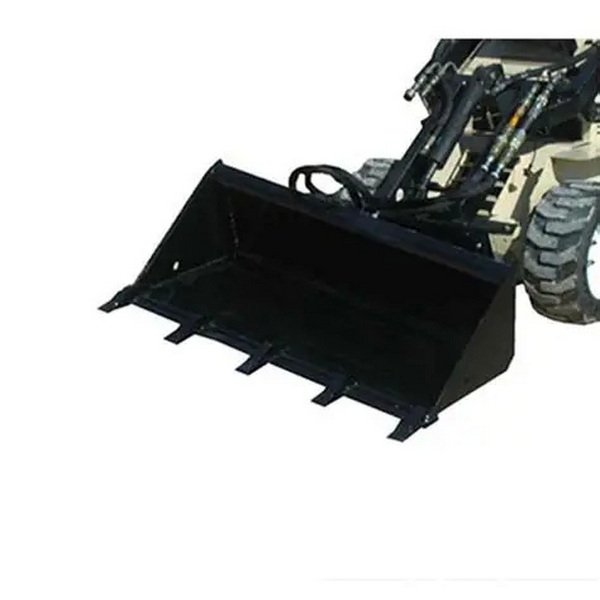
The standard bucket is the foundational tool for any compact loader fleet. Typically ranging from 36 to 50 inches in width, these buckets are optimized for a balance between breakout force and carrying capacity. They are most effective for:
– Light grading and site leveling.
– Moving loose topsoil and sand.
– General site cleanup and backfilling.
Heavy-Duty and Abrasive Material Handling
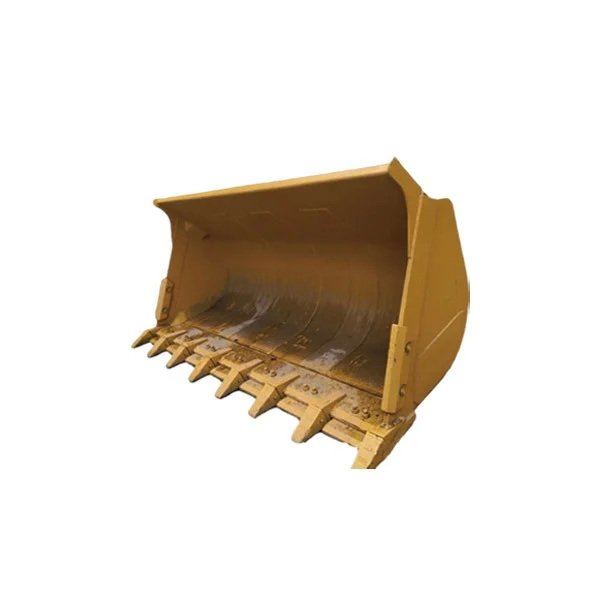
For environments involving demolition debris, rocky soil, or heavy excavation, a heavy-duty (HD) bucket is required. These are constructed from high-tensile steel and often feature reinforced side cutters and bolt-on tooth bars. While the increased weight of the bucket itself slightly reduces the net payload, the durability prevents structural warping under high-stress loads, ensuring a lower total cost of ownership over the attachment’s lifespan.
High-Volume and Low-Density Configurations
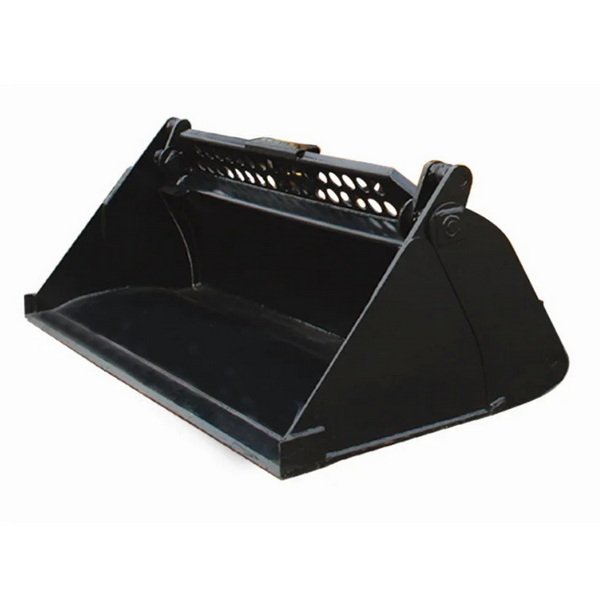
When the task involves moving mulch, compost, or snow, volume becomes more critical than digging power. High-volume buckets feature taller rear walls and deeper profiles. This allows the operator to move significantly more cubic yardage per cycle without exceeding the machine’s lift capacity, provided the material density remains low.
Engineering the Perfect Match: Machine and Attachment Synergy
A common mistake in equipment procurement is selecting a bucket based solely on width. Professional fleet management requires a deeper analysis of the machine-to-attachment synergy.
The Science of Width and Ground Pressure
A bucket should ideally be 1 to 2 inches wider than the outer edge of the machine’s tracks or tires. This ensures that the machine always operates on a cleared, level path, which reduces rolling resistance and prevents sidewall damage to the tires. If the bucket is too narrow, the tracks will climb over the material, leading to instability and an uneven grade.
Calculating Net Payload and ROC
Every mini skid steer has a Rated Operating Capacity (ROC), typically defined as 35% to 50% of its tipping load. When switching from a standard bucket to a 4-in-1 or a grapple bucket, the weight of the attachment itself increases significantly.
– Formula for Success: (Net Payload = ROC – Attachment Weight).
Failure to account for the weight of heavy hydraulic cylinders in specialized buckets can lead to dangerous forward-tipping incidents, especially when operating on inclines or during rapid deceleration.
Specialized Buckets for Niche Industrial Applications
To achieve a competitive edge, successful contractors utilize specialized buckets that eliminate the need for manual labor or secondary machines.
4-in-1 Multi-Purpose Buckets
Often referred to as the “Swiss Army Knife” of attachments, the 4-in-1 bucket uses hydraulic cylinders to open its bottom. This enables four distinct functions:
1. Loading: Functions as a standard bucket.
2. Grappling: Secures logs, pipes, or debris.
3. Dozing: The open bucket acts as a blade for pushing material.
4. Spreading: Material can be metered out slowly by slightly opening the bottom while moving.
Rock and Skeleton Buckets
In site preparation and pasture maintenance, the goal is often to remove large stones while leaving valuable topsoil behind. Rock buckets feature a series of tines or “ribs” spaced at specific intervals. As the operator scoops material, the fine soil falls through the gaps, leaving only the rocks and larger debris to be hauled away. This “on-site sifting” reduces disposal costs and improves soil quality in a single pass.
High-Dump Buckets for Logistics
One of the primary limitations of mini skid steers is their hinge pin height, which often makes loading high-sided dump trucks difficult. High-dump buckets utilize a secondary pivot point and hydraulic lift to increase the dumping height by up to 30 inches. This allows a compact machine to perform the work of a much larger loader, facilitating efficient material transfer into trailers and large containers.
2026 Technological Advancements in Attachment Design
As we move through 2026, the integration of technology into bucket design has reached new heights. Modern attachments are no longer just “dumb” steel containers; they are becoming part of the machine’s digital ecosystem.
Wear-Sensor Integration
Leading manufacturers are now incorporating “smart-edge” sensors. These sensors alert the operator via the in-cab display when the cutting edge has reached its wear limit. This prevents the operator from inadvertently wearing down the bucket’s base plate, which is far more expensive to repair than a simple bolt-on edge.
Optimization for Electric Powertrains
With the rise of electric mini skid steers, attachment weight has become a critical factor in battery longevity. New “Light-Max” bucket series utilize advanced alloys that provide the strength of heavy-duty steel at 20% less weight. This reduction in “dead weight” allows the electric motors to operate more efficiently, extending the machine’s runtime by up to 45 minutes per charge.
Maintenance Protocols for Maximum ROI
The longevity of a bucket is determined by the rigor of its maintenance schedule. Even the most robust steel will fail if subjected to neglect.
– Cutting Edge Rotation: Most professional buckets feature a reversible, bolt-on cutting edge. To maximize value, these should be flipped as soon as the first side is flush with the bucket’s bottom.
– Hydraulic Integrity: For buckets with moving parts (grapples/4-in-1s), hydraulic hoses should be inspected daily for abrasions. A pinhole leak in a high-pressure line can lead to immediate attachment failure and environmental contamination.
– Greasing Pivot Points: Pivot pins are the most common point of failure on hydraulic buckets. A daily application of high-quality lithium grease ensures smooth operation and prevents the “pin-slap” that leads to structural cracking.
Elevate Your Fleet Performance with Certeg Professional Equipment
At Certeg, we understand that your success depends on the reliability and precision of your machinery. Our globally recognized mini skid steers and precision-engineered buckets are designed to meet the rigorous demands of the modern job site, ensuring you achieve maximum productivity with every cycle. Whether you are navigating a residential landscape or managing a large-scale construction project, Certeg provides the power and versatility you need to stay ahead.
Connect with our technical specialists today to discuss your specific project requirements. Explore our full range of high-performance attachments and discover how Certeg can optimize your equipment ROI through superior engineering and local support. Let us help you select the perfect tools to power your progress.

FAQ: Professional Insights into Bucket Management
1. Is it better to have a bucket with teeth or a smooth edge for general landscaping?
For most landscaping tasks, a smooth edge is preferred as it allows for clean grading and “back-dragging.” However, if you are working in compacted clay or hard-packed earth, a bolt-on tooth bar is essential to achieve the necessary penetration and breakout force.
2. Can I use a high-volume bucket for moving wet gravel?
It is not recommended. While the bucket can physically hold the volume, wet gravel is significantly denser than mulch or snow. Filling a high-volume bucket with gravel will almost certainly exceed your machine’s ROC, leading to hydraulic strain and potential tipping.
3. How do I choose between a solid-bottom grapple and a root grapple?
A root grapple is designed for clearing brush and logs while leaving the soil on the ground. A solid-bottom grapple is better suited for scrap metal, demolition debris, or “trash” cleanup where you want to ensure no small pieces fall through during transport.
4. What is the impact of a wider bucket on fuel efficiency?
A bucket that is significantly wider than the machine increases the surface area of the “cut” when digging, which requires more engine power and hydraulic pressure. This can increase fuel consumption by 10-15% compared to a correctly sized bucket.
5. Why are bolt-on edges better than weld-on edges?
Bolt-on edges are reversible and can be replaced in the field with basic tools. Weld-on edges require a professional welder and significant downtime for replacement. For a high-utilization fleet, bolt-on edges are the industry standard for cost-efficiency.
Hot Tags:Mini Skid Steer Buckets, Mini Skid Steer Bucket Types, Mini Skid Steer Attachments, Mini Skid Steer Loader Buckets, Skid Steer Bucket Attachments, Mini Skid Steer Bucket Sizes, Mini Skid Steer Bucket Uses, Skid Steer Bucket Options, Mini Skid Steer Rock Bucket, Mini Skid Steer General Purpose Bucket