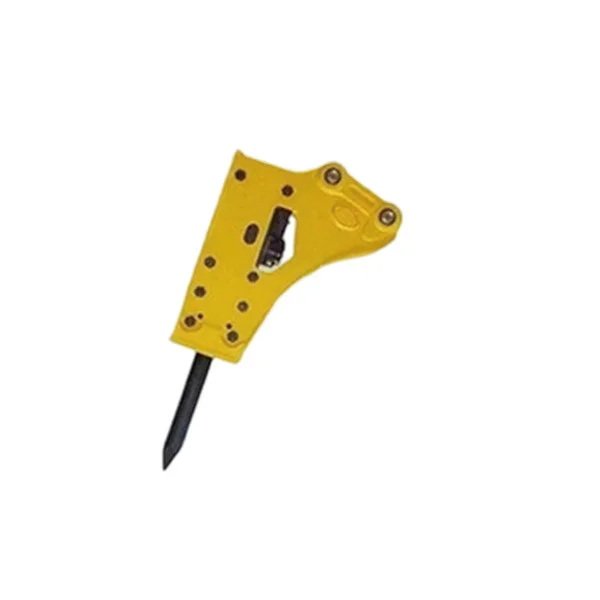

How to Choose the Right Compact Excavator Size: The Ultimate Guide for 2026
Content Menu
● Understanding Compact Excavator Weight Classes and Applications
>> 1-2 Ton Mini Excavators: Precision for Confined Spaces
>> 3-5 Ton Compact Excavators: The Versatile Workhorse
>> 6-10 Ton Excavators: Maximum Compact Power
● Critical Configuration Decisions: Tail Swing Types Explained
>> Zero Tail Swing (ZTS) Excavators
>> Reduced Tail Swing (RTS) Excavators
>> Conventional Tail Swing (CTS) Excavators
● Excavator Arm Configurations: Matching Reach to Application
>> Standard Arm: Maximum Digging Force
>> Long Arm: Extended Reach Applications
>> Extendable Arm: On-Demand Versatility
● Operator Comfort: The Productivity Multiplier
>> Ergonomic Cab Features That Matter
>> The Comfort-Productivity Connection
● Attachment Compatibility: Maximizing Equipment Versatility
>> Hydraulic Quick Coupler Systems
>> Essential Hydraulic Attachments for 2026
● Advanced Technology Features for Enhanced Performance
>> Depth Check and Grade Control Systems
>> Telematics and Fleet Management
● How to Match Excavator Size to Your Specific Needs
>> Jobsite Assessment Checklist
>> Project-Specific Sizing Guidelines
>> Long-Term Ownership Considerations
● Make the Right Choice for Your Construction Business
>> 1. What’s the difference between operating weight and machine weight, and why does it matter?
>> 2. Can a zero tail swing excavator match the digging performance of conventional tail swing models?
>> 3. How do I determine the right digging depth for my excavator?
>> 4. What hydraulic flow rate is required for operating attachments effectively?
>> 5. Should I buy or rent a compact excavator, and how does size affect this decision?
Selecting the appropriate compact excavator size is a critical decision that directly impacts project efficiency, cost-effectiveness, and jobsite productivity. Whether you’re a contractor managing residential landscaping projects or overseeing commercial construction, understanding excavator specifications, weight classes, and configuration options ensures you invest in equipment that delivers maximum return on investment while meeting your specific operational requirements.[1][2][3]
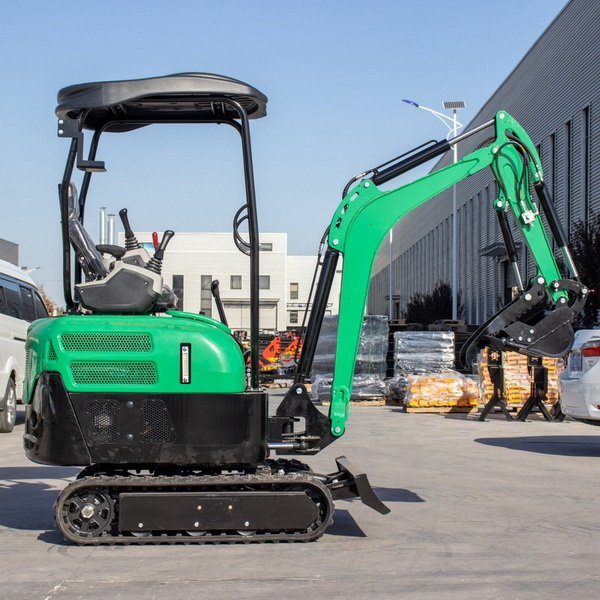
Understanding Compact Excavator Weight Classes and Applications
Compact excavators are classified by operating weight, with machines under 10 tons (20,000 pounds) falling into the compact or mini category. The weight class you select determines lifting capacity, digging depth, breakout force, and overall jobsite versatility.[1]
1-2 Ton Mini Excavators: Precision for Confined Spaces
Operating Weight: 2,000-4,400 pounds
Digging Depth: 5-7 feet
Ideal Applications: Residential landscaping, garden renovations, utility installations, indoor demolition
Mini excavators in the 1-2 ton range excel in environments where space constraints and ground protection are paramount. These ultra-compact machines can navigate through standard residential gates as narrow as 36 inches, making them indispensable for backyard projects, tree planting operations, and delicate excavation work around existing structures. The reduced ground pressure minimizes turf damage, an essential consideration for high-end residential properties and landscaping applications.[2][3][4]
Key Performance Metrics:
– Maximum reach: 10-12 feet
– Dump height: 6-8 feet
– Engine horsepower: 10-15 HP
– Hydraulic flow: 8-12 GPM
3-5 Ton Compact Excavators: The Versatile Workhorse
Operating Weight: 6,000-11,000 pounds
Digging Depth: 8-12 feet
Ideal Applications: Foundation excavation, trenching for utilities, drainage systems, site preparation
This mid-range weight class represents the sweet spot for contractors requiring balanced power and maneuverability. Three to five-ton excavators deliver sufficient digging force for residential foundation work, utility trenching operations, and driveway preparation while maintaining compact dimensions suitable for urban construction sites.[3][2][1]
These machines typically feature enhanced hydraulic systems with flow rates between 15-25 GPM, enabling the operation of more demanding attachments including hydraulic breakers, augers, and grading buckets. The additional counterweight provides improved lifting stability, crucial for material handling tasks and loading operations.[5]
6-10 Ton Excavators: Maximum Compact Power
Operating Weight: 12,000-22,000 pounds
Digging Depth: 12-16 feet
Ideal Applications: Commercial foundation work, large-scale trenching, demolition, heavy material handling
Representing the upper limit of the compact excavator category, 6-10 ton machines bridge the gap between mini excavators and full-size construction equipment. These powerful units deliver maximum digging force and lifting capacity while retaining the transportability advantages of compact equipment, typically fitting on standard equipment trailers without special permits.[1]
Advanced Capabilities:
– Breakout force: 8,000-14,000 lbs
– Maximum reach: 18-22 feet
– Engine horsepower: 45-75 HP
– Hydraulic flow: 25-40 GPM
Critical Configuration Decisions: Tail Swing Types Explained
Tail swing configuration profoundly affects operational safety, maneuverability, and productivity in confined working environments. Understanding the three primary tail swing designs helps contractors match equipment to jobsite conditions.[6][7]
Zero Tail Swing (ZTS) Excavators
Zero tail swing excavators feature counterweights that remain within the track width during 360-degree rotation, creating a minimum swing radius ideal for urban construction. This design eliminates the risk of the machine’s rear striking obstacles, workers, or structures during slewing operations.[7][6]
Advantages:
– Maximum safety in congested work areas
– Optimal for operation alongside walls, fences, and buildings
– Reduced need for traffic control and site modifications
– Ideal for indoor demolition and renovation projects
Trade-offs:
– Slightly reduced lifting capacity compared to conventional designs
– Higher initial equipment cost (typically 5-10% premium)
– Potential stability limitations on severe side slopes[8][6]
Zero tail swing excavators significantly reduce the required safety zone, improving space utilization on cramped urban jobsites where OSHA safety requirements mandate marking swing radius with barriers.[6]
Reduced Tail Swing (RTS) Excavators
Reduced tail swing configurations extend the counterweight 2-6 inches beyond the track width, offering a compromise between compactness and stability. This design provides enhanced lifting performance compared to ZTS models while maintaining superior maneuverability versus conventional tail swing machines.[7][6]
Best Applications:
– Suburban residential construction
– Agricultural and farm utility work
– Mixed open-and-confined space environments
– Medium-duty lifting and material handling[8]
Conventional Tail Swing (CTS) Excavators
Conventional tail swing excavators feature extended counterweights projecting 10-24 inches beyond track width, maximizing stability and lifting capacity. The increased leverage provides superior digging performance and comfort for operators working extended shifts.[7][8]
Performance Benefits:
– Maximum lifting capacity and digging force
– Superior stability on uneven terrain
– Enhanced operator comfort through reduced vibration
– Best power-to-weight ratio for open-area applications[8]
Limitations:
– Requires careful planning in confined spaces
– Increased collision risk near structures
– Larger safety clearance zones required
– Not suitable for tight urban environments[6]
Excavator Arm Configurations: Matching Reach to Application
Selecting the appropriate arm configuration directly impacts digging depth, horizontal reach, and operational efficiency. Modern excavators offer three primary arm designs to optimize performance for specific applications.[9][10]
Standard Arm: Maximum Digging Force
Standard arm configurations deliver optimal breakout force and lifting capacity, making them the preferred choice for 70% of excavation applications. The shorter boom and stick length concentrate hydraulic force, enabling faster cycle times and superior performance in dense materials.[11][9]
Technical Specifications (Typical 5-Ton Model):
– Maximum dig depth: 11 feet
– Horizontal reach at ground level: 17 feet
– Maximum dump height: 10.5 feet
– Bucket breakout force: 7,800 lbs
Ideal Uses:
– Foundation excavation requiring maximum digging force
– Dense soil and clay digging operations
– Applications prioritizing lifting capacity
– General-purpose construction work[9]
Long Arm: Extended Reach Applications
Long arm configurations add 15-30% additional reach compared to standard arms, enabling operators to access challenging areas without frequent machine repositioning. This design incorporates additional counterweight to maintain stability and lifting performance despite the extended moment arm.[12][9]
Extended Capabilities:
– Dig depth increase: 2-4 feet
– Horizontal reach increase: 3-5 feet
– Dump height increase: 1-3 feet
– Ideal for loading higher-sided trucks[9]
Primary Applications:
– Deep utility trenching (12+ feet)
– Slope grading and embankment work
– Pond and retention basin excavation
– Drainage ditch construction
– Working across obstacles from fixed positions[12]
The long arm configuration is particularly valuable for contractors specializing in utility installation, where minimizing the number of machine setups directly impacts productivity. Industry research demonstrates that long arm excavators reduce setup time by an average of 22% on linear trenching projects exceeding 500 feet.[13]
Extendable Arm: On-Demand Versatility
Industry-exclusive extendable arm systems provide dual functionality: standard arm digging force with the ability to hydraulically extend reach when required. This innovative configuration allows operators to switch between maximum breakout force for tough digging and extended reach for specialized tasks without changing attachments.[9]
Performance Advantages:
– Hydraulic extension range: 3-5 feet
– Maintains excellent digging force in retracted position
– Eliminates need for multiple machines on diverse projects
– Superior ROI for contractors handling varied work[9]
Cost-Benefit Analysis:
While extendable arms command a 12-18% premium over standard configurations, contractors report 30-40% time savings on projects requiring both deep excavation and extended reach applications. The versatility particularly benefits rental companies and contractors serving diverse market segments.[13]
Operator Comfort: The Productivity Multiplier
Modern excavator cab design directly correlates with operator productivity, with ergonomic features reducing fatigue and increasing output by 15-25% during extended work shifts. Contemporary machines prioritize operator-centered design throughout their construction equipment lineups.[14][15]
Ergonomic Cab Features That Matter
Spacious Interior Dimensions:
Generous cab volume accommodates operators of all sizes, with 55+ inches of headroom and 32+ inches of legroom in premium compact excavators. The wide-opening door (38-inch clearance) facilitates easy entry and exit, reducing strain during frequent machine access.[14]
Advanced Seating Systems:
Premium suspension seats with adjustable lumbar support, armrests, and seat heating minimize vibration transmission and maintain operator comfort during 10+ hour shifts. Multi-directional adjustment (8-way power positioning) ensures optimal reach to controls regardless of operator stature.[16][14]
Visibility Enhancements:
Large glass area (4.2+ square meters in leading models) combined with narrow cab pillars provides 220-degree visibility without blind spots. Integrated rear-view cameras and optional 360-degree camera systems eliminate dangerous blind zones, enhancing safety and reducing cycle times.[14]
Climate Control Systems:
Automotive-grade HVAC systems with multi-speed fans, directional vents, and optional heated/cooled seats maintain comfortable cabin temperatures from -20°F to 110°F ambient conditions.[15][16]
Intuitive Control Layouts:
Pattern-changeable joysticks (ISO/SAE switchable), programmable auxiliary hydraulic controls, and color touchscreen displays position all functions within comfortable reach, reducing operator fatigue and training time.[17][15]
The Comfort-Productivity Connection
Research conducted by leading equipment manufacturers demonstrates that operators working in ergonomically optimized cabs report 23% higher job satisfaction and 18% reduced physical discomfort compared to standard cab environments. This translates directly to improved retention rates, reduced workers’ compensation claims, and measurably higher productivity.[14]
Field studies tracking operator performance across 120 construction sites found that excavators with premium cab features achieved 12-17% faster cycle times during afternoon work periods, when operator fatigue typically reduces productivity.[18]
Attachment Compatibility: Maximizing Equipment Versatility
The right attachment system transforms a compact excavator from a single-purpose digger into a versatile multi-function machine. Modern excavators support extensive attachment compatibility through advanced hydraulic systems.[19][20]
Hydraulic Quick Coupler Systems
Hydraulic Quick-Change Technology:
Hydraulic quick couplers enable attachment changes from the cab in under 30 seconds, eliminating downtime and safety risks associated with manual pin changes. This system uses hydraulic pins controlled by cab switches, allowing operators to safely switch between buckets, breakers, augers, and specialized attachments without ground-level work.[21][19]
Productivity Impact:
– Attachment change time: 20-30 seconds (vs. 5-8 minutes manual)
– Safety improvement: Eliminates pinch-point hazards
– Efficiency gain: 30+ minutes saved per 8-hour shift with 4+ attachment changes[19]
Essential Hydraulic Attachments for 2026
Hydraulic Breakers:
Impact energy ranging from 450-1,800 ft-lbs matches excavator weight classes, enabling concrete demolition, rock breaking, and pavement removal. Modern breakers feature automatic speed adjustment and blank-fire protection.[19]
Auger Drives:
Planetary or direct-drive systems with torque ratings from 2,000-15,000 ft-lbs accommodate auger diameters from 6-36 inches for foundation drilling, pole setting, and sign installation applications.[20]
Grading Buckets:
Tiltrotator-compatible grading buckets provide ±45-degree tilt and 360-degree rotation, enabling precise slope work and finish grading from a single machine position.[19]
Grapples and Thumbs:
Hydraulic grapples with 3,000-8,000 lbs closing force handle brush clearing, demolition debris, and material sorting with superior efficiency versus bucket-only operations.[20]
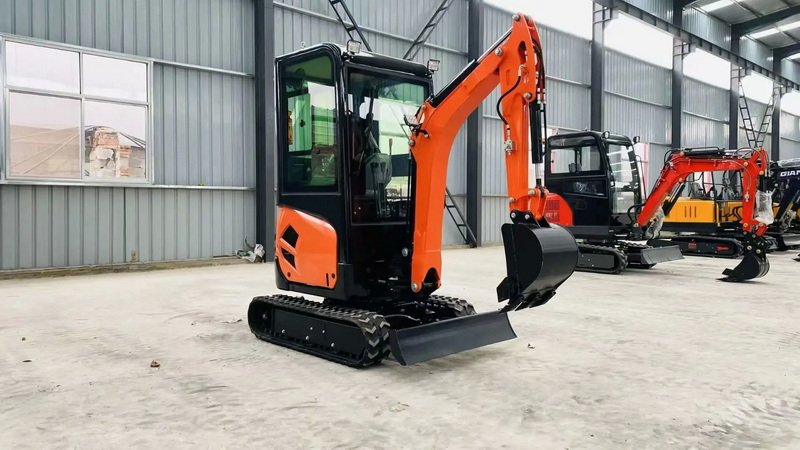
Advanced Technology Features for Enhanced Performance
Depth Check and Grade Control Systems
Precision depth check systems provide ±0.5-inch accuracy for meeting grade specifications and utility depth requirements. This affordable alternative to full machine control systems significantly reduces over-excavation waste and minimizes hand finishing requirements.[21]
Operational Benefits:
– Reduces material waste by 15-25%
– Minimizes utility strike risk during trenching
– Decreases manual labor for grade verification
– Improves first-time grade achievement by 40%[21]
Telematics and Fleet Management
Integrated telematics systems provide real-time equipment monitoring including:
– Engine hours and utilization tracking
– Fuel consumption analytics
– Maintenance interval alerts
– GPS location and geofencing
– Operator performance metrics
Fleet managers using telematics report 20-30% reduction in unscheduled downtime and 12-18% improvement in fuel efficiency through optimized operation and preventive maintenance scheduling.
How to Match Excavator Size to Your Specific Needs
Jobsite Assessment Checklist
Space Constraints:
– Measure gate widths, access routes, and working area dimensions
– Identify overhead clearances (power lines, structures)
– Map underground utilities requiring protection
– Assess proximity to buildings, fences, and property lines
Material Characteristics:
– Soil type and density (sand, clay, rock content)
– Expected digging depth requirements
– Volume of material to be moved
– Distance to spoil pile or loading area
Transportation Logistics:
– Trailer capacity and towing vehicle specifications
– Transport route restrictions and permit requirements
– Fuel efficiency for self-transport distances
– Delivery and mobilization costs[2]
Project-Specific Sizing Guidelines
Long-Term Ownership Considerations
Versatility vs. Specialization:
Contractors handling diverse project types benefit from mid-range excavators (3-5 tons) with multiple arm configurations and extensive attachment inventories, maximizing equipment utilization across seasons and market segments.[9]
Growth Planning:
Consider anticipated business expansion when sizing equipment. Purchasing a slightly larger excavator than current needs suggests provides capacity for larger projects without immediate replacement, though avoid over-sizing which increases unnecessary operating costs and reduces maneuverability.[2]
Resale Value:
Popular mid-range models (3-5 tons) with zero tail swing configurations maintain stronger resale values (55-65% after 5 years) compared to specialized or oversized units, an important consideration for contractors who regularly update fleet equipment.[3]
Make the Right Choice for Your Construction Business
Choosing the right compact excavator requires careful assessment of your specific applications, jobsite conditions, and business objectives. The extensive range of weight classes from 1-10 tons, combined with multiple tail swing configurations and arm options, ensures you’ll find the perfect match for your operational requirements—whether you need ultra-compact maneuverability for residential work or powerful mid-size performance for commercial construction.
Request Your Free On-Site Demonstration Today
Experience firsthand how the right compact excavator delivers superior performance, reliability, and value for your specific applications. Contact Certeg to schedule a personalized equipment assessment at your facility. Our experienced equipment specialists will:
– Evaluate your current and future project requirements
– Recommend optimal excavator configurations for your applications
– Demonstrate performance with your preferred attachments
– Provide transparent pricing for purchase or flexible lease options
– Explain warranty coverage and parts availability
– Customize financing solutions to fit your budget
Get Started in Three Easy Steps:
1. Call our customer solutions team at your regional office for immediate assistance
2. Visit our website to use our interactive excavator selector tool and build your custom configuration
3. Connect with your local Certeg dealer to explore current promotions, financing options, and schedule your demo
Don’t let the wrong equipment hold back your productivity and profitability. Make an informed decision backed by expert guidance, comprehensive product knowledge, and hands-on testing at your jobsite. Contact Certeg today and discover why contractors in 65+ countries trust our construction machinery for their most demanding applications.
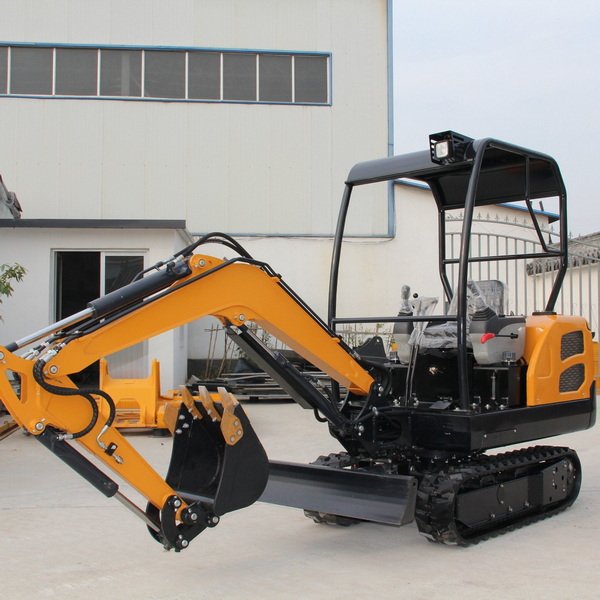
Frequently Asked Questions
1. What’s the difference between operating weight and machine weight, and why does it matter?
Operating weight includes the excavator with standard equipment, full fluids, operator, and standard bucket installed. This specification determines the machine’s actual weight on jobsites and is critical for transportation planning, ground pressure calculations, and matching excavator capacity to project requirements. Machine weight (also called shipping weight) excludes these factors and should not be used for operational planning. Always reference operating weight when comparing excavator specifications, as differences of 500-1,000 pounds significantly impact lifting capacity and stability.[4]
2. Can a zero tail swing excavator match the digging performance of conventional tail swing models?
Modern zero tail swing excavators deliver 90-95% of the digging force and lifting capacity of equivalent conventional tail swing models in the same weight class. Manufacturers achieve this through optimized counterweight design, advanced hydraulic systems, and reinforced boom structures. For most applications, the 5-10% performance difference is negligible compared to the substantial safety and maneuverability advantages ZTS machines provide in confined spaces. However, for specialized applications requiring absolute maximum lifting capacity on side-loading operations, conventional tail swing configurations retain an advantage.[6][8]
3. How do I determine the right digging depth for my excavator?
Calculate required digging depth by assessing your most common applications plus a 10-15% buffer for versatility. For residential utility trenching, typical requirements are 6-8 feet; foundation excavation needs 8-10 feet; and commercial drainage systems often require 10-12+ feet. Consider that standard arm configurations provide specified maximum depth, long arms add 2-4 feet, and extendable arms offer flexibility across a range. Remember that maximum digging depth assumes optimal positioning—factor in reach limitations when working from fixed positions or across obstacles.[1][2][9]
4. What hydraulic flow rate is required for operating attachments effectively?
Hydraulic flow requirements vary significantly by attachment type and size. Light-duty attachments (standard buckets, small augers) operate efficiently with 12-18 GPM, while hydraulic breakers require 15-25 GPM for compact models and 25-40 GPM for larger units. Grading buckets and tilt-rotators need 18-30 GPM for optimal performance. Always verify your excavator’s auxiliary hydraulic flow matches attachment specifications—insufficient flow causes slow cycle times and reduced productivity, while excessive flow can damage sensitive components. Modern excavators feature programmable hydraulic flow settings enabling operators to optimize performance across diverse attachment combinations.[5][19]
5. Should I buy or rent a compact excavator, and how does size affect this decision?
The buy-versus-rent decision depends on annual utilization hours, project diversity, and capital availability. Financial analysis suggests purchasing makes economic sense when annual utilization exceeds 800-1,000 hours, while rental is more cost-effective for occasional use or specialized projects requiring unusual configurations. Mid-range excavators (3-5 tons) with versatile specifications justify purchase for contractors with steady workflow, as these models maintain strong residual values and handle diverse applications. Highly specialized configurations (ultra-compact sub-1-ton units or large 8-10 ton machines) may warrant rental for occasional specialized projects. Consider that ownership provides immediate availability, eliminates transportation delays, allows custom attachment inventories, and builds equity, while rental offers flexibility, eliminates maintenance responsibilities, and preserves capital for other business needs.[22]
Citations:
[1] https://www.bigrentz.com/blog/mini-excavator-sizes
[2] https://www.tmgindustrial.com/blogs/news/mini-excavator-size-guide-how-to-choose-the-right-machine-for-your-project-1
[3] https://www.kenotractors.com/tractor-blog/how-to-choose-the-right-excavator-size-for-your-project/
[4] https://dozr.com/blog/mini-excavator-spec-guide
[5] https://www.sdmkmachinery.com/knowledge/best-attachments-for-your-35-mini-excavator-in-2026
[6] https://www.boleous.com/blog/swing-radius-and-tail-swing/
[7] https://www.bobcat.com/na/en/buying-resources/excavators/compact-mini-excavator-basics
[8] https://jcbcea.com.au/2018/04/mini-excavator-tail-swings-conventional-vs-reduced-vs-zero/
[9] https://www.bobcat.com/na/en/buying-resources/excavators/how-to-choose-compact-excavator-arm
[10] https://www.gregorypoole.com/choosing-the-right-excavator-arm/
[11] https://www.glikrmachinery.com/news/types-of-excavator-arms.html
[12] https://hawkexcavator.com/long-reach-arm/
[13] https://www.forconstructionpros.com/equipment/earthmoving/excavators/article/21083444/explore-how-to-heighten-and-extend-roi-with-high-and-longreach-excavator-options
[14] https://www.sdmymachinery.com/blog/excavators-how-to-choose-one-with-the-best-operator-comfort
[15] https://na.develon-ce.com/en/news-stories/the-cutting-edge/top-heavy-equipment-cab-features-for-operators
[16] https://www.cjd.com.au/about/news-events/news/operator-comfort/
[17] https://www.komatsu.eu/en/news/komatsu-unveils-new-operator-cab-for-crawler-excavators
[18] https://www.artmanequipmentinc.com/blog/a-comfortable-operator-is-a-productive-operator-a-guide-to-comfort-enhancing-features
[19] https://www.farmstandapp.com/30092/7-best-hydraulic-attachments-for-small-excavators/
[20] https://www.bobcat.com/na/en/buying-resources/excavators/compact-excavator-buyers-guide/attachments
[21] https://www.bobcat.com/na/en/buying-resources/excavators/choose-right-compact-mini-excavator-sizes
[22] https://www.build-review.com/a-contractors-guide-to-mini-excavator-rentals-for-cost-savings-in-2026/
Hot Tags:Kubota Compact Excavator, Bobcat Mini Excavator Models, Compact Excavator, Mini Excavator, Choosing A Compact Excavator, Compact Excavator Sizes, Mini Excavator Buying Guide, Compact Excavator Specifications, Small Excavator, Excavator Selection Guide