
How to Choose Compact Track Loader Tracks in 2026: Tread Patterns, Width, Lifespan and Buying Guide
Content Menu
● Why Your Compact Track Loader Tracks Matter
● Key Factors When Choosing Compact Track Loader Tracks
● Understanding Compact Track Loader Tread Patterns
>> Multi‑Bar Lug Pattern Treads
● Tread Pattern Selection Guide by Application
● Wide vs Narrow Compact Track Loader Tracks
>> When to Choose Narrow Tracks
>> Common Compact Track Loader Track Widths
● Track Quality, Materials and Brand Considerations
>> Rubber Compounds and Construction
>> Why Brand and Warranty Matter
● Step‑by‑Step: How to Choose the Best Tracks for Your CTL
● Maintenance Tips to Extend Track Life
● FAQs: Compact Track Loader Tracks
>> 1. How often should I replace compact track loader tracks?
>> 2. Which track pattern is best for snow removal?
>> 3. What is the difference between wide and narrow CTL tracks?
>> 4. Are premium rubber tracks worth the extra cost?
>> 5. Can I use one track pattern for every application?
The right compact track loader tracks can transform your machine’s productivity, operating costs and jobsite versatility when you match tread pattern, width and quality to your real working conditions.
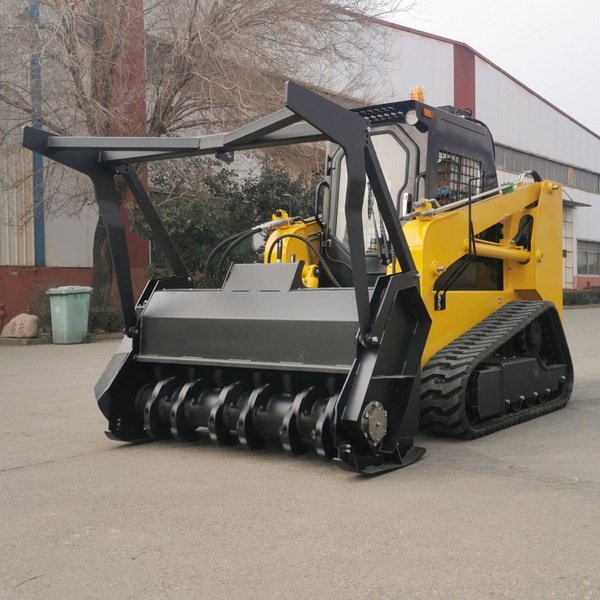
Why Your Compact Track Loader Tracks Matter
Choosing the wrong tracks leads to excessive downtime, poor traction, rough ride and premature wear, while the right tracks extend your working season and reduce total cost per hour.
– Better traction and flotation keep you working in mud, clay and soft soils instead of parking the machine.
– Optimized tread reduces vibration, which protects the undercarriage and improves operator comfort over a long shift.
– Longer tread life and fewer failures lower your cost per hour, even if the initial price is higher.
For contractors running multiple machines, small differences in track choice can add up to hundreds of productive hours per year across the fleet.
Key Factors When Choosing Compact Track Loader Tracks
Before you compare patterns, clarify how your compact track loader (CTL) actually works day to day.
– Dominant surface: dirt, mud, clay, gravel, rock, turf, sand or concrete.
– Climate: wet seasons, snow and ice, or predominantly dry conditions.
– Applications: landscaping, general construction, demolition, roadwork, snow removal or mixed use.
– Annual hours: light use (under 400 hours), medium (400–800), or heavy (800+).
Write down your top two applications and most common ground conditions so you can match them to a specific tread pattern instead of buying a “one‑track‑fits‑all” solution.
Understanding Compact Track Loader Tread Patterns
Modern CTL tracks are available in several tread patterns, each optimized for different surfaces, traction levels and expected lifespan.
Below is an overview of the main styles you are likely to compare on today’s market.
Premium C‑Pattern Treads
Premium C‑pattern tracks are designed for contractors who need maximum traction in aggressive conditions and want extended hour ratings.
– Strong grip in dirt, mud, rock and demolition applications.
– Designed for versatile performance across most ground conditions except snow.
– Typical hour rating: 1,000+ hours in moderate working conditions.
These tracks are a strong option for heavy construction fleets that spend most of their time in challenging ground conditions and cannot afford traction loss.
Zig‑Zag Pattern Treads
Zig‑zag pattern tracks focus on wet traction and smooth operation where surfaces are extremely slippery.
– Excellent in very wet and muddy conditions, clay and slippery slopes.
– The stepped tread design improves cleanout and runs smoothly for snow removal.
– Not recommended for demolition or turf because the aggressive edges can damage delicate surfaces.
– Typical hour rating: 800+ hours in moderate conditions.
Choose this style when you prioritize staying productive through rainy seasons, on clay sites or during winter snow work.
Multi‑Bar Lug Pattern Treads
Multi‑bar lug tracks offer an all‑season balance of durability and comfort on hard, flat surfaces while still performing in wet conditions.
– Strong traction in wet environments and on sand and dirt.
– Extended wear life on concrete, asphalt or other hard, flat jobsites.
– Not recommended for extremely rocky conditions where cuts and chunking are more likely.
– Available in non‑marking orange options for sensitive surfaces.
– Typical hour rating: 800+ hours.
They are a good fit for general construction, warehouse yards, utility projects and sites that mix wet soil with a lot of hard‑surface travel.
Hex Pattern Treads
Hex pattern tracks are engineered for turf‑friendliness and smooth ride quality with minimal ground disturbance.
– Durable on gravel and gentle on grass and lawns.
– Provide a smooth, comfortable ride with a low footprint on finished surfaces.
– Not recommended for extremely wet conditions where more aggressive lugs are needed.
– Best suited for landscaping, turf, solid dirt or sandy applications.
– Typical hour rating: 600+ hours.
This pattern is an excellent choice for landscapers and grounds‑maintenance professionals who must protect lawns and finished surfaces.
Standard C‑Pattern Treads
Standard‑duty C‑pattern tracks are among the most versatile patterns available and are popular on many CTLs.
– Good durability and traction through multiple seasons.
– Strong performance in dirt and mud across general construction sites.
– Not recommended for snow work.
– Typical hour rating: 800+ hours.
They are ideal as an everyday track for mixed‑use fleets that do not specialize in snow or turf but still demand reliable performance.
H‑Pattern Treads
H‑pattern tracks are tuned to reduce vibration and undercarriage wear while covering a range of surfaces.
– Multi‑application track for general use in rock, concrete, mud or sloped ground.
– Designed to minimize vibration and help protect the undercarriage.
– Well suited for general construction where operators spend long hours in the seat.
– Typical hour rating: 400+ hours in moderate conditions.
This pattern fits owners who prioritize operator comfort and undercarriage life more than maximum tread hours.
Tread Pattern Selection Guide by Application
The following table helps you quickly match CTL tread patterns to dominant applications and expected lifespan.
| Primary jobsite condition / use | Recommended tread patterns | Not recommended tread patterns | Typical hour rating range (moderate use) |
|---|---|---|---|
| Dirt and mud (general construction) | Premium C‑pattern, Standard C‑pattern | Hex, H‑pattern | 800–1,000+ hours |
| Extremely wet mud and clay | Zig‑zag, Multi‑bar lug | Hex | 800+ hours |
| Snow removal | Zig‑zag | C‑pattern variants | 800+ hours |
| Demolition and rock | Premium C‑pattern, H‑pattern | Zig‑zag, Hex | 400–1,000+ hours |
| Turf and landscaping | Hex, Multi‑bar lug (non‑marking option) | Premium C‑pattern, Zig‑zag | 600–800+ hours |
| Hard, flat surfaces (concrete/asphalt) | Multi‑bar lug, H‑pattern | Zig‑zag | 400–800+ hours |
Use this table as a starting point, then factor in climate and annual hours to decide whether you should prioritize lifespan, surface protection or traction.
Wide vs Narrow Compact Track Loader Tracks
Track width affects flotation, traction and ground disturbance as much as the tread pattern itself.
Most compact track loaders can operate with either wide or narrow tracks, so aligning width with your typical jobsite is essential.
When to Choose Wide Tracks
Wide tracks help your CTL “float” over soft surfaces and protect finished ground from damage.
– Minimize ground disturbance on lawns, landscaping and soft soils.
– Increase flotation in mud, sand and loose dirt.
– Create a more stable, comfortable platform for operators on uneven ground.
Wide tracks are ideal for landscaping, utility work in soft right‑of‑ways and any project where protecting the surface is a priority.
When to Choose Narrow Tracks
Narrow tracks increase ground pressure, which provides more traction and push force when the surface is firm.
– Improve traction and breakout force on hard, compacted surfaces.
– Enhance performance in slippery or icy conditions.
– Help maximize push force for grading or backfilling on firm ground.
Contractors working on frozen soil, compacted gravel or pavement often prefer narrow tracks to get the most out of their CTL’s horsepower.
Common Compact Track Loader Track Widths
Some manufacturers offer rubber tracks in standard widths such as 320 mm, 400 mm and 450 mm, each balancing flotation, traction and machine clearance differently.
– 320 mm: narrower footprint, more concentrated ground pressure.
– 400 mm: balanced option for many mixed‑use jobsites.
– 450 mm: wider footprint for maximum flotation on soft ground.
Always confirm that your undercarriage is approved for the width you select to avoid clearance or wear issues.
Track Quality, Materials and Brand Considerations
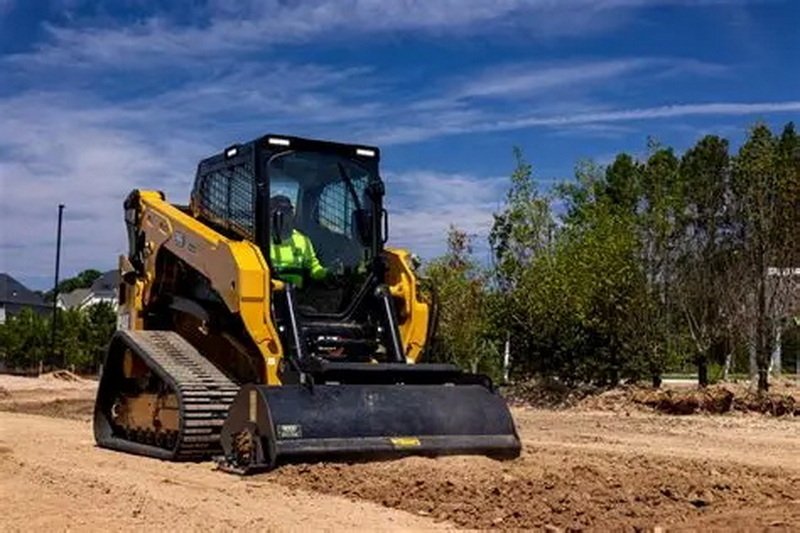
Not all rubber tracks are built to the same standard, even when they share similar dimensions and tread patterns.
Cheaper tracks may reduce upfront cost but often deliver lower performance and shorter life once you factor in real jobsite conditions.
Rubber Compounds and Construction
High‑quality tracks typically use a consistent blend of natural and synthetic rubbers combined with reinforced internal structures.
– Natural rubber adds flexibility and resilience against cracking.
– Synthetic rubber improves heat resistance and wear performance.
– Engineered construction helps resist cuts, chunking and de‑tracking in harsh conditions.
Premium brands test their tracks in extreme working environments to validate wear life and structural integrity before release.
Why Brand and Warranty Matter
Established OEM and premium aftermarket brands stand behind their tracks with warranties and proven performance data.
– Tracks engineered and tested for specific CTL models typically fit and perform better.
– Strong warranty coverage signals confidence in tread life and structural quality.
– Support from authorized dealers simplifies replacement, maintenance and claims.
When you calculate total cost per hour instead of purchase price alone, high‑quality tracks from reputable brands often provide better value.
Step‑by‑Step: How to Choose the Best Tracks for Your CTL
Use this simple process to select the most suitable compact track loader tracks for your operation.
1. Define your main applications
– List your top three tasks (for example: landscaping, demolition, snow removal).
2. Map your primary ground conditions
– Note whether you mostly work in dirt, mud, clay, turf, rock, gravel, sand, concrete or mixed conditions.
3. Estimate annual working hours
– Decide whether you are light, medium or heavy‑use so you can weigh hour ratings against cost.
4. Choose a tread pattern that fits your reality
– Use the application table to pick a pattern that matches conditions instead of focusing on appearance.
5. Select width for flotation vs traction
– Choose wider tracks for soft ground and minimal disturbance, narrow tracks for firm surfaces and push force.
6. Evaluate quality, brand and warranty
– Compare material construction and support rather than price alone.
7. Confirm compatibility with your machine
– Verify that the track size, pitch and guide configuration match your CTL model.
This structured approach helps owner‑operators and fleet managers make confident, repeatable decisions instead of guessing at the parts counter.
Maintenance Tips to Extend Track Life
Even the best compact track loader tracks wear out quickly if they are misused or poorly maintained.
Applying a few simple practices can significantly extend their service life and protect your undercarriage.
– Maintain correct track tension to prevent de‑tracking and premature wear on sprockets and rollers.
– Keep the undercarriage clean by removing packed mud, rocks and debris at the end of the shift.
– Avoid excessive high‑speed travel on pavement, especially with aggressive treads.
– Turn in wider arcs instead of tight spins to reduce scuffing and lug tearing on hard surfaces.
– Inspect tracks regularly for cuts, exposed cords and missing lugs, addressing issues before they lead to downtime.
Good track maintenance protects your investment and maintains consistent traction and ride quality over the life of the tracks.
Targeted Call to Action
If your current tracks are limiting the performance of your compact track loader, now is the right time to upgrade to a tread pattern and width that truly match your jobsites. Review your main applications, choose the best pattern from this guide and contact your preferred equipment partner today to specify and order the most suitable tracks for your fleet so you can increase uptime, improve traction and lower your cost per operating hour.
Contact us to get more information!
FAQs: Compact Track Loader Tracks
1. How often should I replace compact track loader tracks?
Most CTL tracks last between 400 and 1,000+ hours in moderate conditions, depending on pattern, material quality and how the machine is operated. Replace tracks when lugs are severely worn, cords are exposed or you experience frequent de‑tracking.
2. Which track pattern is best for snow removal?
Zig‑zag tread designs are typically the best option for snow because their stepped pattern improves cleanout and provides smooth, consistent traction in slippery winter conditions. C‑pattern tracks are generally not recommended for snow work.
3. What is the difference between wide and narrow CTL tracks?
Wide tracks increase flotation and minimize ground disturbance on soft soils, while narrow tracks concentrate ground pressure for higher traction, better push force and improved performance on firm or icy surfaces.
4. Are premium rubber tracks worth the extra cost?
Premium tracks made from engineered blends of natural and synthetic rubbers, backed by strong warranties, often deliver longer life, better traction and fewer failures, which can reduce overall cost per hour despite a higher purchase price.
5. Can I use one track pattern for every application?
Versatile patterns like standard C‑pattern or multi‑bar lug tracks perform well across many conditions, but specialized applications such as snow removal, turf protection or heavy demolition usually benefit from dedicated tread designs optimized for those tasks.
References:
1. https://www.bobcat.com/na/en/buying-resources/loaders/how-to-choose-compact-track-loader-tracks
Hot Tags: Skid Steer Track Types, Skid Steer Steel Tracks, Best Skid Steer Tracks For Mud, Skid Steer Track Patterns, Tracks For Excavators, Best Tracked Skid Steer, Best Skid Steer Tracks, Tracks For Wheeled Skid Steer, Bobcat Skid Steer Track, Skid Steer Turf Tracks