
How a Rock Legend Inspired a Special-Edition Compact Track Loader (And What It Means for Your Jobsite)
Content Menu
● Why Compact Track Loaders Are Dominating Modern Jobsites
>> 1. Superior Traction and Lower Ground Pressure
>> 2. Higher Lifting Capacity and Stability
>> 3. Versatility Through Attachments
● The James Hetfield Compact Track Loader: More Than Just a Custom Paint Job
>> What This Means for Your Business
● How to Choose the Right Compact Track Loader for Your Needs
>> Step 1: Define Your Primary Applications
>> Step 2: Match Machine Size to Your Jobsite
>> Step 3: Evaluate Key Performance Specs
>> Step 4: Select the Right Track and Undercarriage
● Customizing Your Compact Track Loader for Different Industries
>> 1. Construction: Rugged, High-Capacity Machines
>> 2. Agriculture: Durable, All-Weather Machines
>> 3. Landscaping: Low-Impact, Versatile Machines
● Latest Compact Track Loader Technology Trends (2025–2026)
>> 1. Electrification and Hybrid Power
>> 2. Telematics and Machine Monitoring
>> 3. Advanced Controls and Automation
● Expert Tips for Operating Compact Track Loaders Safely and Efficiently
>> 2. Safe Operation Practices
● How to Get the Most Value from Your Compact Track Loader Investment
>> 1. Match the Machine to Your Workload
>> 2. Invest in the Right Attachments
>> 4. Consider Telematics and Fleet Management
● Ready to Upgrade Your Compact Track Loader Fleet?
● Frequently Asked Questions (FAQ)
>> 1. What is the difference between a compact track loader and a skid steer?
>> 2. When should I choose a compact track loader over a skid steer?
>> 3. How do I choose the right size compact track loader?
>> 4. What are the most important specs to compare when buying a CTL?
>> 5. How can I extend the life of my compact track loader’s tracks?
A custom-designed CASE TV450B compact track loader, created in collaboration with Metallica frontman James Hetfield, recently made headlines at the band’s Helping Hands charity concert. While this limited-edition machine celebrates music and philanthropy, it also highlights something far more practical for contractors, landscapers, and farmers: how today’s compact track loaders can be tailored to meet very specific real-world demands.
For equipment buyers, this story isn’t just about a celebrity machine — it’s a powerful reminder that modern compact track loaders are highly customizable, technologically advanced, and capable of handling everything from delicate landscaping to heavy construction and agriculture. In this deep dive, we’ll explore:
– Why compact track loaders are becoming the go-to choice over skid steers in many applications
– How customization (like the Hetfield edition) translates into real jobsite advantages
– The latest technology trends shaping compact track loaders in 2025–2026
– Practical tips to choose, customize, and operate a CTL for maximum productivity and ROI
If you’re evaluating compact loaders for construction, agriculture, or landscaping, this guide will help you make a smarter, more future-proof decision.

Why Compact Track Loaders Are Dominating Modern Jobsites
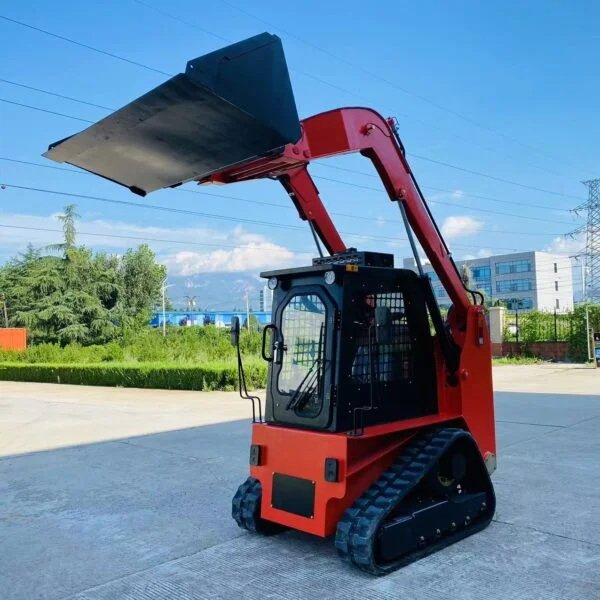
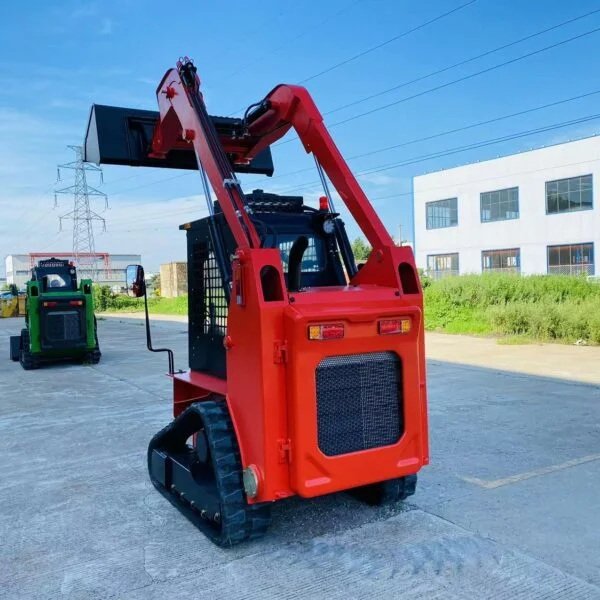
Compact track loaders (CTLs) have evolved from niche machines into essential tools across construction, agriculture, and landscaping. Their popularity is driven by three key advantages over traditional skid steers.
1. Superior Traction and Lower Ground Pressure
Rubber tracks distribute the machine’s weight over a much larger surface area than wheels, resulting in significantly lower ground pressure. This means:
– Better flotation on soft, muddy, sandy, or snowy terrain
– Less rutting and damage to lawns, turf, and finished surfaces
– Improved stability on slopes and uneven ground
For example, a typical compact track loader can have ground pressure as low as 3–5 psi, while a comparable skid steer might exert 6–8 psi or more. That difference is critical when working on sensitive sites like golf courses, parks, or newly graded lots.
2. Higher Lifting Capacity and Stability
CTLs generally offer higher rated operating capacity (ROC) and breakout force than similarly sized skid steers. This extra power and stability allows them to:
– Handle heavier loads (soil, gravel, pallets, hay bales)
– Perform more aggressive digging and dozing
– Work confidently on slopes and rough terrain
In construction, this translates to fewer passes, faster cycle times, and less risk of tipping or instability.
3. Versatility Through Attachments
Like skid steers, compact track loaders accept a wide range of attachments, including:
– Buckets (general, rock, light material)
– Augers (for fencing, signposts, and foundations)
– Grapples (for brush, logs, and debris)
– Snow plows and brooms
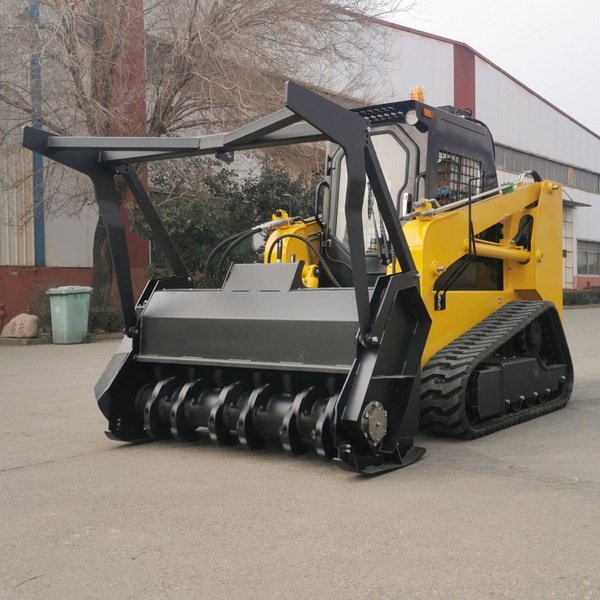
– Trenchers, mulchers, and stump grinders
This versatility makes a single CTL suitable for multiple roles on a jobsite, reducing the need for multiple specialized machines.
The James Hetfield Compact Track Loader: More Than Just a Custom Paint Job
The special-edition CASE TV450B compact track loader created for James Hetfield is a striking example of how far customization can go. While its bold graphics and Hetfield-inspired design grab attention, the underlying message for equipment buyers is about purpose-built machines.
What Made This CTL Special
– Custom graphics and branding inspired by Hetfield’s tattoos, Metallica’s album art, and his hotrod collection
– Sandy camouflage pattern chosen to match Hetfield’s signature Snakebyte electric guitar, which also hides dirt and wear well on a ranch environment
– Built on a proven, rugged compact track loader platform already used in commercial construction and landscaping
From a marketing and brand perspective, this collaboration shows how equipment can be tailored not just for performance, but also for identity and mission.
What This Means for Your Business
For contractors and fleet managers, the takeaway isn’t about celebrity machines — it’s about customization options that improve productivity and protect your investment:
– Custom paint and graphics can reinforce your company brand on every jobsite.
– Track and undercarriage options (wide vs. narrow tracks, different rubber compounds) can be selected based on your typical terrain (soft soil vs. hard surfaces).
– Cab and comfort features (air suspension seats, climate control, advanced controls) keep operators productive and reduce fatigue on long shifts.
In short, the Hetfield CTL is a high-profile example of a trend: buyers now expect machines that are both high-performing and tailored to their specific environment and brand.
How to Choose the Right Compact Track Loader for Your Needs
With so many models and configurations available, selecting the right CTL can feel overwhelming. Use this step-by-step framework to narrow down your options.
Step 1: Define Your Primary Applications
Start by listing the main tasks your machine will perform:
– Construction: Site prep, excavation, grading, loading trucks, material handling.
– Landscaping: Grading, mulching, planting, snow removal, hauling soil and stone.
– Agriculture: Moving hay, feed, fertilizer, cleaning barns, light excavation, fencing.
Your primary application will guide decisions on size, power, and attachments.
Step 2: Match Machine Size to Your Jobsite
Compact track loaders typically range from about 7,000 to 16,000 lbs, with ROCs from 1,500 to over 4,000 lbs. Consider:
– Small CTLs (7,000–9,000 lbs): Ideal for tight urban lots, residential projects, and smaller farms.
– Medium CTLs (9,000–12,000 lbs): Best for commercial construction, larger landscaping jobs, and mid-sized agricultural operations.
– Large CTLs (12,000+ lbs): Suited for heavy construction, land clearing, and large-scale farming.
If your sites are often cramped, prioritize a narrower machine with good maneuverability. For open, demanding jobs, a larger, more powerful CTL will deliver better productivity.
Step 3: Evaluate Key Performance Specs
Compare these critical specifications across models:
– Rated Operating Capacity (ROC): Choose a machine that exceeds your typical load weight by at least 10–15% to avoid overloading.
– Engine horsepower: Higher horsepower (70–110+ hp) improves performance in tough digging, pushing, and lifting tasks.
– Lift height and reach: Ensure the machine can dump into your trucks or place materials at the required height.
– Hydraulic flow (standard vs. high-flow): High-flow hydraulics are essential for demanding attachments like augers, mulchers, and cold planers.
Step 4: Select the Right Track and Undercarriage
Tracks significantly impact performance and ground disturbance:
– Wide tracks: Lower ground pressure, better flotation on soft or wet ground, ideal for landscaping and agriculture.
– Narrow tracks: Better for tight spaces and hard surfaces, but higher ground pressure.
– Track material and design: Look for steel-reinforced tracks and robust undercarriages for long life in demanding conditions.
If you work frequently on soft or sensitive terrain, wide tracks are usually the better choice.
Customizing Your Compact Track Loader for Different Industries
One of the biggest advantages of modern CTLs is their ability to be customized for specific industries. Here’s how to tailor a machine for construction, agriculture, and landscaping.
1. Construction: Rugged, High-Capacity Machines
For construction, prioritize:
– High ROC and breakout force for digging, dozing, and loading.
– Heavy-duty undercarriage to withstand rough, abrasive conditions.
– High-flow hydraulics to power attachments like trenchers, breakers, and compactors.
– Operator comfort and visibility for long shifts on busy job sites.
Recommended configurations:
– Medium to large CTL (9,000–16,000 lbs)
– High-flow hydraulic package
– Heavy-duty bucket and trencher attachments
– Optional features: ride control, advanced grading systems, telematics
2. Agriculture: Durable, All-Weather Machines
In agriculture, look for:
– Excellent traction and flotation on soft, wet, or uneven fields.
– High lifting capacity for handling hay bales, feed, and fertilizer.
– Easy maintenance and reliability for long seasons with minimal downtime.
– Attachments like grapples, forks, and manure spreaders.
Recommended configurations:
– Medium CTL (8,000–12,000 lbs)
– Wide tracks for low ground pressure
– High-flow hydraulics for grapples and augers
– Enclosed cab with climate control for operator comfort
3. Landscaping: Low-Impact, Versatile Machines
For landscaping, focus on:
– Low ground pressure to protect lawns, turf, and finished surfaces.
– Excellent maneuverability for tight residential lots and gardens.
– Wide range of attachments (buckets, augers, grapples, snow plows, mulchers).
– Clean, professional appearance (custom paint, graphics, and lighting).
Recommended configurations:
– Small to medium CTL (7,000–10,000 lbs)
– Wide tracks and low ground pressure
– High-flow hydraulics for landscaping attachments
– Optional: LED work lights, rearview camera, and custom branding
Latest Compact Track Loader Technology Trends (2025–2026)
To stay competitive, today’s CTLs are incorporating advanced technologies that improve productivity, safety, and sustainability.
1. Electrification and Hybrid Power
Electric and hybrid compact track loaders are gaining traction, driven by:
– Stricter emissions regulations in urban and indoor environments
– Demand for quieter operation on residential and sensitive sites
– Lower operating costs (less fuel, reduced maintenance)
While diesel remains dominant for heavy-duty work, electric CTLs are ideal for:
– Indoor construction and renovation
– Urban landscaping and snow removal
– Facilities where noise and emissions are tightly controlled
2. Telematics and Machine Monitoring
Modern CTLs increasingly come with telematics systems that provide:
– Real-time location and usage data
– Fuel consumption and idle time tracking
– Maintenance alerts and diagnostic codes
– Operator behavior monitoring (speed, harsh operation)
This data helps fleet managers:
– Optimize machine utilization and reduce idle time
– Schedule preventive maintenance to avoid costly breakdowns
– Improve operator training and safety
3. Advanced Controls and Automation
New CTLs feature:
– Electro-hydraulic controls for smoother, more precise operation
– Multi-function joysticks that reduce operator fatigue
– Optional automated functions (e.g., auto-grade, auto-dig) that improve consistency and reduce rework
These features are especially valuable for:
– Repetitive tasks like grading and trenching
– Operators with varying skill levels
– Projects where precision and consistency are critical
Expert Tips for Operating Compact Track Loaders Safely and Efficiently
Even the most advanced CTL won’t deliver its full potential without proper operation and maintenance.
1. Pre-Operation Checks
Before starting:
– Walk around the machine to inspect tracks, undercarriage, tires, and attachments for damage or wear.
– Check fluid levels (engine oil, hydraulic oil, coolant) and look for leaks.
– Ensure all lights, alarms, and safety systems are working.
2. Safe Operation Practices
– Stay within rated capacity: Overloading increases the risk of tipping and accelerates wear.
– Operate on slopes carefully: Keep the heavy end of the machine uphill and avoid sharp turns on side slopes.
– Maintain good visibility: Keep windows, mirrors, and cameras clean; use spotters in blind spots.
– Avoid sudden movements: Smooth, controlled operation reduces stress on the machine and improves control.
3. Maximizing Track Life
Tracks are a major investment; extend their life by:
– Operating at the minimum ground speed needed for the task.
– Avoiding sharp turns on hard surfaces when possible.
– Keeping tracks properly tensioned and cleaning debris regularly.
– Following the manufacturer’s maintenance schedule for undercarriage components.
4. Regular Maintenance
A disciplined maintenance routine prevents costly downtime:
– Follow the manufacturer’s recommended service intervals.
– Change filters and fluids on schedule.
– Inspect and lubricate pins and bushings regularly.
– Keep detailed service records for resale value.
How to Get the Most Value from Your Compact Track Loader Investment
To maximize ROI, treat your CTL as a long-term asset, not just a tool.
1. Match the Machine to Your Workload
– Don’t oversize: A machine that’s too big for your typical jobs will cost more to buy, fuel, and maintain.
– Don’t undersize: A machine that’s constantly overloaded will wear out quickly and may not complete the work efficiently.
2. Invest in the Right Attachments
Attachments often provide a higher ROI than the machine itself:
– Start with a general-purpose bucket and a high-flow hydraulic package.
– Add attachments based on your most common tasks (augers, grapples, snow plows, etc.).
– Consider quick-attach systems to reduce changeover time between jobs.
3. Train Your Operators
Well-trained operators:
– Use the machine more efficiently and productively.
– Cause less wear and tear, extending machine life.
– Operate more safely, reducing the risk of accidents and downtime.
4. Consider Telematics and Fleet Management
For fleets of two or more machines, telematics can:
– Identify underutilized machines that could be sold or rented out.
– Optimize scheduling and routing between job sites.
– Provide data to justify future equipment purchases.
Ready to Upgrade Your Compact Track Loader Fleet?
The James Hetfield compact track loader is a powerful symbol of how far construction equipment has come — from purely functional machines to highly customizable, technology-rich tools that reflect both performance and identity.
If you’re evaluating compact track loaders for construction, agriculture, or landscaping, now is the time to:
– Assess your specific needs (applications, terrain, attachments).
– Compare models and specs to find the right size and configuration.
– Explore customization options (tracks, cabs, hydraulics, branding).
– Talk to a trusted equipment partner who can help you select, finance, and support the right machine.
Contact our team today for a free consultation and a personalized recommendation based on your jobsite requirements, budget, and long-term goals. Let’s build a compact track loader solution that helps you get more done, every single day.
Frequently Asked Questions (FAQ)
1. What is the difference between a compact track loader and a skid steer?
A compact track loader (CTL) uses rubber tracks instead of wheels, giving it better traction, lower ground pressure, and higher stability on soft or uneven terrain. Skid steers are lighter, more maneuverable in tight spaces, and better suited for hard surfaces like concrete and asphalt.
2. When should I choose a compact track loader over a skid steer?
Choose a CTL when working on soft, muddy, sandy, or snowy ground, on slopes, or on sensitive surfaces where you need to minimize ground disturbance. Choose a skid steer for hard surfaces, tight urban lots, and applications where speed and tight maneuverability are more important than flotation.
3. How do I choose the right size compact track loader?
Match the machine size to your typical jobsite and workload. Small CTLs (7,000–9,000 lbs) work well for residential and landscaping jobs. Medium CTLs (9,000–12,000 lbs) suit commercial construction and mid-sized farms. Large CTLs (12,000+ lbs) are best for heavy construction and large-scale agriculture.
4. What are the most important specs to compare when buying a CTL?
Key specs include rated operating capacity (ROC), engine horsepower, lift height and reach, hydraulic flow (standard vs. high-flow), and ground pressure. Also consider operator comfort, visibility, and available technology (telematics, advanced controls).
5. How can I extend the life of my compact track loader’s tracks?
Operate at the minimum ground speed needed, avoid sharp turns on hard surfaces, keep tracks properly tensioned, clean debris regularly, and follow the manufacturer’s maintenance schedule for the undercarriage and tracks.
Hot Tags:CNH Industrial Special Edition, Case Compact Track Loader, James Hetfield Case Loader, Metallica Inspired Construction Equipment, Limited Edition Case Loader, Case CE Special Edition, Compact Track Loader Design, Heavy Metal Inspired Machinery, Case Construction Equipment, James Hetfield Collaboration