
Can A Skid Steer Tree Puller Attachment Work On More Than Trees?
Content Menu
● What Is A Skid Steer Tree Puller Attachment?
● Why Skid Steers Are Ideal Power Units
>> Equipment Inspection And Maintenance
● Main Ways To Use The Attachment
>> Shrubs, Bushes, And Heavy Weeds
>> Vines, Deadwood, And Fallen Material
>> Fence Posts, T‑Posts, And Signposts
>> Rocks, Stumps, And Site Cleanup
● Key Benefits Of Using This Attachment
>> Reduced Labor And Higher Productivity
● Step‑By‑Step Operating Workflow
● Factors To Consider Before Purchasing
>> Matching Attachment To Skid Steer
>> Site Conditions And Material Type
>> Build Quality And Safety Features
● When This Attachment Is The Better Choice
● Take The Next Step And Upgrade Your Skid Steer
● FAQs About Skid Steer Tree Puller Attachments
>> 1. Can a skid steer tree puller attachment work on more than trees?
>> 2. What size material can typically be removed safely?
>> 3. Can posts be reused after being pulled?
>> 4. How does this compare with cutting and stump grinding?
>> 5. Is special training required to use this attachment?
A skid steer tree puller attachment offers broad land‑clearing capabilities that go far beyond removing trees, serving as a powerful, multi‑purpose tool for construction, landscaping, agriculture, and property maintenance projects. It enhances job‑site efficiency, reduces labor, and maximizes the return on investment of a skid steer by handling diverse pulling and gripping tasks.
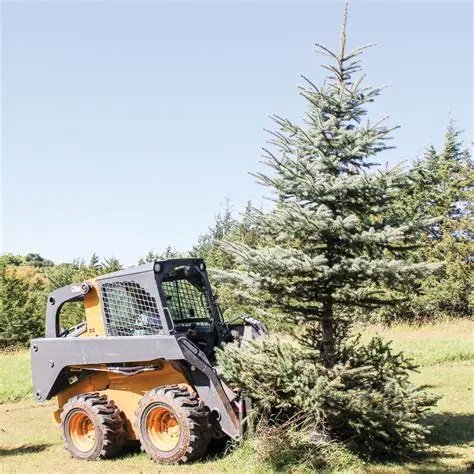
What Is A Skid Steer Tree Puller Attachment?
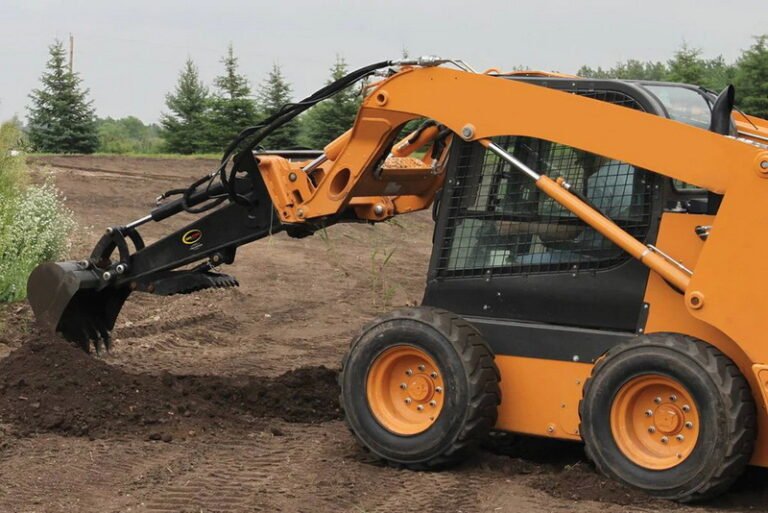
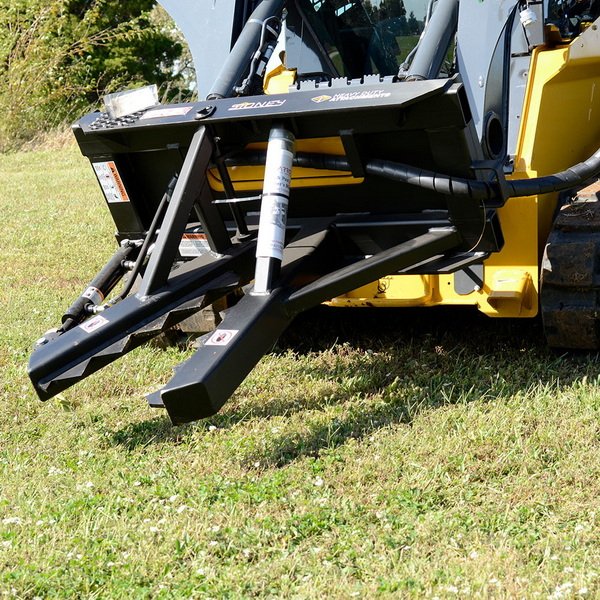
A skid steer tree puller attachment is a hydraulic tool with hardened steel jaws that clamp around objects at or near ground level so they can be pulled out vertically. This design allows complete removal of vegetation or posts, including much of the root or base, instead of just cutting material off at the surface.
– Built from heavy‑duty structural steel with serrated jaws for a strong grip.
– Connects to the skid steer’s quick‑attach plate and auxiliary hydraulics.
– Suitable for contractors, landscapers, farmers, ranchers, and property owners.
Why Skid Steers Are Ideal Power Units
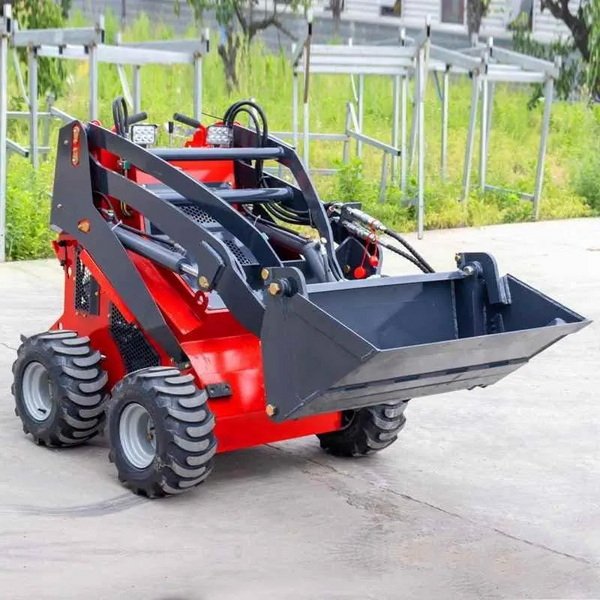
A skid steer is a compact, highly maneuverable loader capable of tight turns, precise control, and efficient operation in confined spaces. This makes it an excellent power unit for a tree puller attachment, especially where larger machines cannot operate safely or efficiently.
– Multiple attachments turn one machine into a versatile work platform.
– A tree puller adds targeted pulling and gripping capability for vertical extraction.
– The same machine can clear, grade, load, and backfill on a single job site.
Essential Safety Practices
Operator And Site Safety
Safety is critical when working with hydraulic pulling tools that can exert considerable force. Proper training, personal protective equipment, and safe operating habits greatly reduce the risk of accidents or equipment damage.
– Always review and follow the operator’s manuals for both the skid steer and the attachment.
– Keep the attachment lowered when parked and never walk under raised loads.
– Operate on level or gently sloped ground whenever possible to reduce tipping risk.
– Remain seated with safety restraints engaged whenever the engine is running.
Equipment Inspection And Maintenance
Regular inspection keeps the attachment reliable and helps prevent unexpected failures during operation. Attention to structural and hydraulic components is especially important.
– Inspect jaws, pins, pivot points, welds, and guards before each shift.
– Check hydraulic hoses and couplers for leaks, abrasion, or loose fittings.
– Remove damaged equipment from service until properly repaired.
Main Ways To Use The Attachment
Tree And Brush Removal
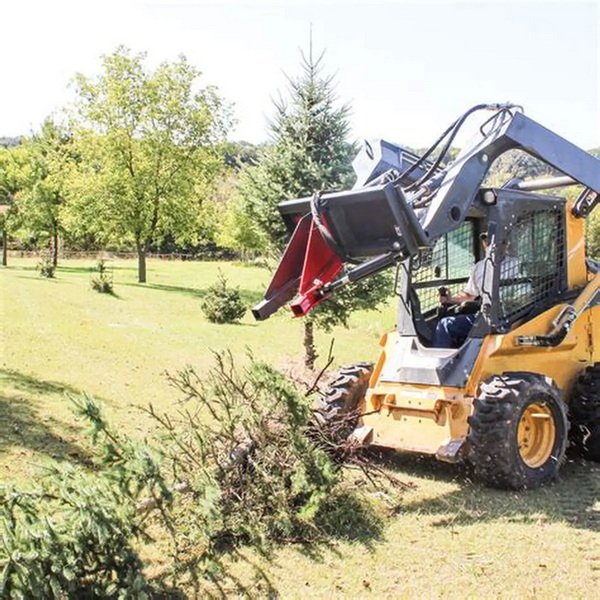
The attachment is well suited for pulling trees, saplings, and dense brush from the ground. Vertical pulling often removes a significant portion of the root mass, which reduces regrowth and follow‑up work.
– Grip trunks or main stems close to ground level.
– Apply steady vertical lift, using a gentle rocking motion if necessary.
– Move extracted material to a designated disposal or processing area.
Shrubs, Bushes, And Heavy Weeds
Shrubs, bushes, and woody weeds can obstruct construction, landscaping, or farming tasks just as much as trees. The jaws can clamp around these plants and lift them out, simplifying site preparation.
– Remove mature ornamental bushes that no longer fit site plans.
– Clear thick weed patches and scrub from fence lines or field edges.
– Assist in the cleanup of dead or overgrown landscape plantings.
Vines, Deadwood, And Fallen Material
Vines and fallen wood can be difficult to handle with manual tools, but the attachment’s gripping action provides mechanical leverage and control.
– Pull invasive vines away from fences and structures.
– Lift and move fallen branches or smaller downed trees for cleanup.
– Consolidate debris into piles for chipping, burning, or transport.
Fence Posts, T‑Posts, And Signposts
The attachment is effective for extracting various types of posts driven into soil or set in small concrete bases. This is particularly useful on large agricultural properties or long fence runs.
– Clamp tightly around wood or metal posts and pull vertically.
– Work through long lines of posts with minimal manual digging.
– Expect some surface marking on posts due to the clamping action.
Rocks, Stumps, And Site Cleanup
In many situations, the attachment can also serve as a general gripping tool for site cleanup and material handling. This extends its usefulness beyond vegetation.
– Grip and move surface rocks or smaller boulders that are difficult to handle with a bucket.
– Assist in removing partially exposed stumps after some excavation.
– Load piles of brush, roots, and mixed debris into trailers or containers.
Key Benefits Of Using This Attachment
Reduced Labor And Higher Productivity
One of the most important benefits is reduced manual labor on repetitive pulling tasks. A single operator using a skid steer and tree puller can often complete work that would otherwise require multiple workers with hand tools.
– Faster fence‑line clearing, post removal, and brush cleanup.
– Lower labor requirements on smaller jobs and better crew utilization on larger projects.
Better Control Of Regrowth
Because material is removed with much of the root system, regrowth is less likely compared with simply cutting vegetation at the surface. This can reduce the need for chemical control or repeated cutting.
– Improved long‑term control of unwanted trees and brush.
– Cleaner ground for planting crops, turf, or new landscape designs.
Year‑Round Versatility
The attachment is usable across seasons and industries, which improves equipment utilization. It can support work in cold, wet, or dry conditions when tasks such as fence repairs, orchard management, or property cleanup are required.
– Suitable for construction, landscaping, farming, ranching, and general property maintenance.
– Helps keep the skid steer productive during slower parts of the year.
Step‑By‑Step Operating Workflow
A consistent operating routine helps new and experienced operators maintain safe, efficient practices. The following sequence provides a practical reference.
1. Inspect the attachment
– Check structural components, jaws, pins, and hydraulics for damage or leaks.
2. Mount and connect
– Attach to the quick‑attach plate, lock it securely, and connect hydraulic couplers.
3. Evaluate the work area
– Review target size, soil conditions, slope, and nearby obstacles or utilities.
4. Position the machine
– Approach slowly and align the jaws at the base of the target with the attachment low and level.
5. Clamp and extract
– Close the jaws firmly, then apply gradual lift, using slight rocking if needed.
6. Transport and release
– Keep the load low during travel, move it to a safe drop zone, and open the jaws to release.
7. Review the ground
– Check for remaining roots, holes, or trip hazards before moving to the next target.
Factors To Consider Before Purchasing
Matching Attachment To Skid Steer
Selecting the right model ensures safe operation and long service life. The attachment’s capabilities should align with the skid steer’s rated operating capacity and the typical tasks on site.
– Confirm that the skid steer’s lift and hydraulic output match the attachment’s specifications.
– Choose a jaw opening that fits the expected range of tree, shrub, and post sizes.
Site Conditions And Material Type
Soil type, moisture content, and the nature of the vegetation or posts all affect performance. Hard, compacted soils generally require more power and patience than softer soils.
– Deep‑rooted species or arid conditions may require more powerful equipment or pre‑loosening soil.
– Dense clay or rocky ground can slow pulling operations and increase operator skill requirements.
Build Quality And Safety Features
Durable materials and protective design elements contribute to long‑term value and operator safety.
– Look for heavy‑duty structural steel, high‑quality welds, and robust pivot pins.
– Prefer models with an integrated guard to help shield the operator from debris.
When This Attachment Is The Better Choice
The attachment can outperform alternative methods in many small to mid‑size clearing and removal tasks. The table below outlines typical scenarios.
| Task / Scenario | Attachment Strength | Common Alternatives And Limits |
|---|---|---|
| Small to mid‑size tree removal | Removes trunk plus much of the root in one operation. | Chains, trucks, or small winches can leave roots and cause ground damage. |
| Fence post and T‑post removal | Offers repetitive vertical pulls along long fence runs. | Manual digging is slow and physically demanding. |
| Scattered brush and scrub | Targets individual clumps without excessive ground disturbance. | Large dozers may over‑clear and disrupt grade. |
| Work near structures or fences | Compact footprint and precise, low‑speed control. | Larger excavators often have limited access or risk contacting structures. |
Take The Next Step And Upgrade Your Skid Steer
If your projects involve clearing vegetation, removing posts, or cleaning up difficult material, this type of attachment can significantly increase how much you accomplish in each workday. Choose a model that matches your skid steer’s specifications and typical job conditions, then integrate it into your regular workflow to reduce manual labor and complete tasks more efficiently. Contact an expert supplier today to review compatible models, compare key features, and select a tree puller attachment that aligns with your performance, safety, and budget priorities.
FAQs About Skid Steer Tree Puller Attachments
1. Can a skid steer tree puller attachment work on more than trees?
Yes. It can handle shrubs, bushes, heavy weeds, posts, small stumps, rocks, and fallen branches, making it a broad‑use land‑clearing and cleanup tool in many environments.
2. What size material can typically be removed safely?
Most compact and mid‑size models are designed for material up to a certain diameter range that corresponds to the skid steer’s operating capacity and soil conditions. Always follow the manufacturer’s recommended limits for safe operation.
3. Can posts be reused after being pulled?
The clamping action may leave marks or minor deformation on posts, especially softer materials. Reuse is sometimes possible, but it depends on the post’s condition and the requirements of the new installation.
4. How does this compare with cutting and stump grinding?
This type of attachment focuses on removing vegetation with much of the root system, while cutting and stump grinding generally leave roots in place. Each method can be appropriate depending on site constraints and project goals.
5. Is special training required to use this attachment?
Formal instruction on skid steer operation combined with hands‑on practice using the attachment is strongly recommended. Training helps operators understand load limits, proper pulling angles, and site‑specific hazards before working independently.
Hot Tags:Skid Loader Tree Puller, Tree Puller Tractor, Skidsteer Tree Puller, Skid Steer Stump Puller, Tree Cutting Attachment For Skid Steer, Titan Tree Puller, Skid Steer Ripper Attachment, Danuser Intimidator Tree Puller, Danuser Intimidator, Tree Shears For Skid Steers