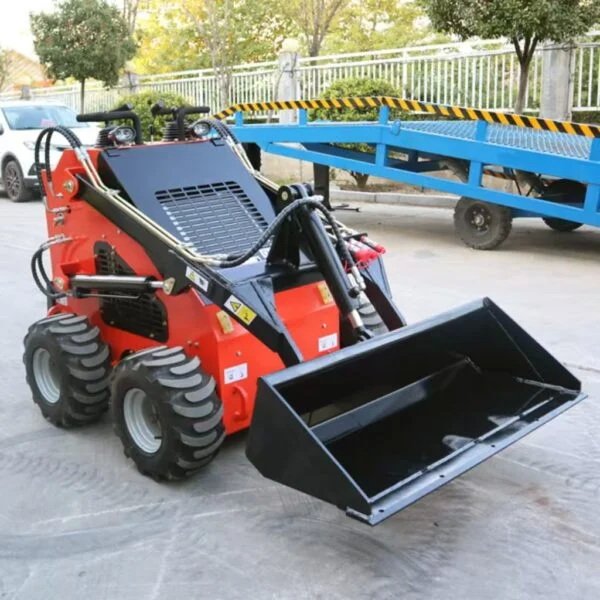

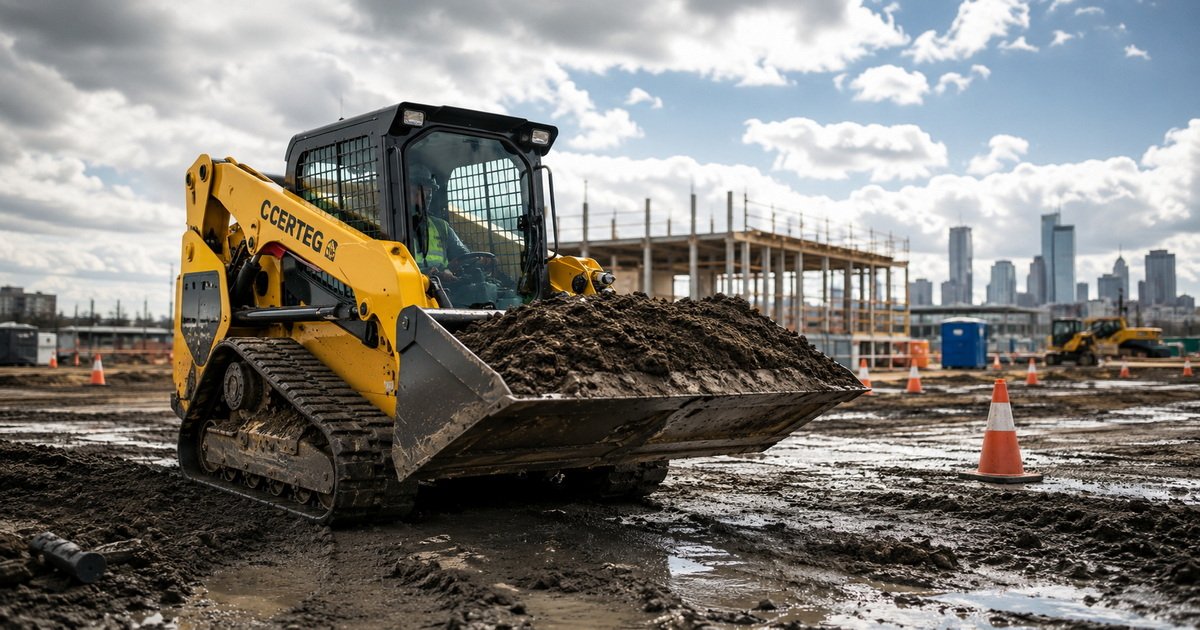
Certeg Skid Steer Loaders Buyer’s Guide: How to Choose the Right Track or Wheel Loader for Your Jobsite
Content Menu
● Understanding Modern Skid Steer Loaders
● Track vs Wheel Skid Steer: Which One Do You Really Need?
>> Key Differences at a Glance
● How Power, Lift Path, and Hydraulics Affect Real‑World Productivity
>> Engine Power and Operating Capacity
>> Radial vs Vertical Lift Path
>> Hydraulic Performance and Attachments
● Matching Certeg Loaders to Jobsites
>> Urban Construction and Tight Access Sites
>> Road Construction and Maintenance
>> Pipeline, Forestry, and Off‑Road Projects
● How to Evaluate a Skid Steer in Person
● Global Market Trends and What They Mean for Your Fleet
● Practical Selection Framework for Certeg Skid Steer Buyers
>> Step 1: Define Your Primary Application
>> Step 2: Choose Undercarriage and Lift Path
>> Step 3: Lock In Power and Hydraulics
● Summary and Next Steps with Certeg
>> 1. What is the main difference between a track and wheel skid steer loader?
>> 2. How do I choose the right lift path for my work?
>> 3. Why is hydraulic flow critical for attachments?
>> 4. Are wheel skid steers still relevant when compact track loaders are popular?
>> 5. How does Certeg support international buyers after the sale?
Choosing the right skid steer loader is one of the most important decisions you can make for productivity, safety, and long‑term operating cost on a construction site. The wrong machine can slow down crews, increase fuel consumption, and limit what you can do with attachments.
As a manufacturer specializing in track and wheel skid steer loaders for global construction markets, Certeg has seen first‑hand how the best choice depends on power, hydraulic performance, terrain conditions, and the tools you rely on every day. This guide takes you beyond catalog specifications and into practical selection strategies based on real jobsite experience.
Understanding Modern Skid Steer Loaders
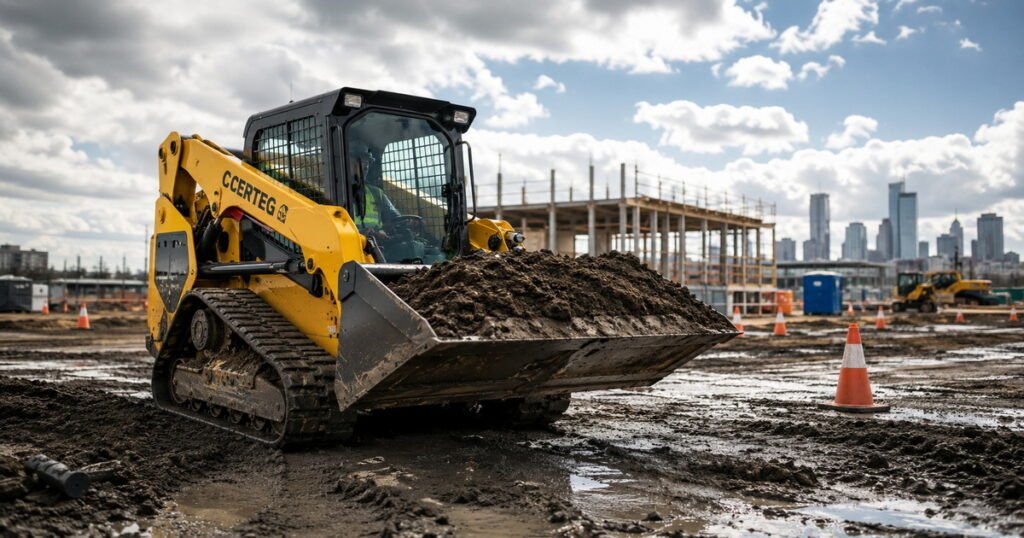
Skid steer loaders have evolved from simple farmyard helpers into compact powerhouses with substantial engine output, sophisticated hydraulics, and a wide range of attachments. Machines today can deliver strong breakout forces, precise control, and comfortable operator environments in relatively small footprints.
Global demand for these machines continues to grow as cities densify and infrastructure projects proliferate. Compact equipment is increasingly favored because it can operate in tight spaces, navigate urban job sites, and work around existing structures without the footprint of larger loaders.
From a planning perspective, three factors dominate most skid steer decisions:
– Ground conditions and climate such as mud, snow, sand, abrasive rock, or finished surfaces
– Duty cycle and power requirements including whether the machine runs continuously with heavy loads or performs lighter, intermittent tasks
– Attachment mix such as buckets, forks, brooms, mulchers, cold planers, trenchers, or snow blowers
Certeg designs both rubber track and wheel skid steer loaders around these realities, allowing global customers to standardize attachments while tailoring undercarriages and power to local conditions and regulations.
Track vs Wheel Skid Steer: Which One Do You Really Need?
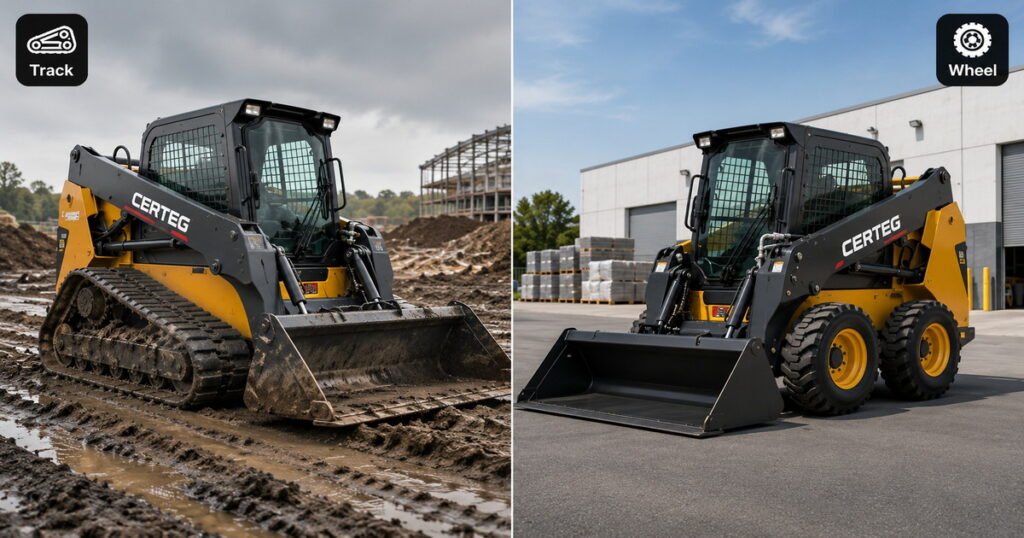
The “tracks vs wheels” debate is one of the most common questions buyers ask. Rather than treating this as a simple preference, it is more useful to look at it as a jobsite engineering decision that balances terrain, cost, and uptime.
Key Differences at a Glance
| Factor | Track Skid Steer Loader | Wheel Skid Steer Loader |
|---|---|---|
| Ground pressure | Low, better flotation on soft ground | Higher, more disturbance on soft soils |
| Traction in mud or snow | Strong, excellent grip in wet conditions | Moderate, can slip or bog down |
| Performance on asphalt | Tracks can wear faster, higher undercarriage cost | Ideal for hard, finished surfaces |
| Ride comfort | Generally smoother ride | Bumpier, depends on tires and suspension |
| Undercarriage cost | Higher purchase and maintenance costs | Lower overall undercarriage costs |
| Attachment versatility | Excellent in rough terrain with high‑flow tools | Excellent in general construction tasks |
In practice:
– Choose a tracked skid steer when you work in mud, sand, snow, or soft ground for much of the year, or when you need maximum stability and traction for powerful attachments such as mulchers, trenchers, and cold planers.
– Choose a wheeled skid steer when you operate mainly on concrete, asphalt, or compacted surfaces, and when lower undercarriage costs and higher travel speeds are priorities.
Certeg leverages this difference by offering track and wheel variants with compatible attachment interfaces and comparable hydraulic performance, so fleets can mix undercarriages without duplicating attachments.
How Power, Lift Path, and Hydraulics Affect Real‑World Productivity
Beyond undercarriage choice, three technical dimensions have a direct impact on what a skid steer can achieve in the field: engine power, lift path, and hydraulic flow. Understanding how these interact helps you specify machines that fit the bulk of your work instead of just occasional extremes.
Engine Power and Operating Capacity
Modern skid steers are offered across a wide power range, from compact units suited to small urban projects to large‑frame machines capable of continuous heavy lifting. Rated operating capacity and engine horsepower together define how much material you can move and how effectively the machine handles demanding attachments.
A practical rule of thumb is to match rated operating capacity to your heaviest regular load, not to rare peak requirements. This approach ensures that everyday tasks are handled efficiently while avoiding overspecifying a machine that is unnecessarily large, heavy, and expensive to run.
Certeg structures its lineup to reflect this:
– Small‑frame loaders for tight urban work, interior demolition, light landscaping, and minor utility tasks
– Medium‑frame loaders for general construction, site preparation, and material handling
– Large‑frame loaders for heavy grading, roadwork, quarry operations, and attachment‑driven applications
By clarifying which category most of your projects fall into, you set a realistic baseline for power and capacity.
Radial vs Vertical Lift Path
Lift path refers to the way the loader arms move as they raise and lower. The two most common configurations are radial and vertical lift.
– Radial lift machines follow an arc that excels at digging, grading, and ground‑level work. They often offer strong breakout force and a simpler linkage.
– Vertical lift machines maintain better reach at full height, which is especially valuable when loading high‑sided trucks, hoppers, or mixers.
Certeg aligns lift path choices to core use cases:
– Radial lift for ground‑engaging jobs such as grading, trench backfilling, and site cleanup
– Vertical lift for loading and material handling operations where full‑height reach and stability are essential
Understanding which tasks dominate your fleet’s workload makes this decision far easier.
Hydraulic Performance and Attachments
Auxiliary hydraulics are the lifeblood of skid steer versatility. Many attachments depend on specific flow and pressure ranges to deliver their designed torque, speed, and cutting performance.
Key considerations include:
– Standard vs high‑flow hydraulics for tools such as mulchers, cold planers, rock wheels, and snow blowers
– Hydraulic cooling capacity to handle continuous duty in hot climates
– Features like self‑leveling or ride‑control to keep loads stable and reduce spillage
In practice, it is wise to start from your attachment list and work backward: identify flow and pressure requirements, then specify machines that comfortably exceed those values instead of barely meeting them. Certeg product specialists often structure consultations around attachments first and machines second, ensuring that investments in tools and machines reinforce one another.
Matching Certeg Loaders to Jobsites
Technical specifications only tell part of the story. Contractors and fleet managers think in terms of projects and environments. The following scenarios illustrate how different Certeg skid steer configurations align with real‑world conditions.
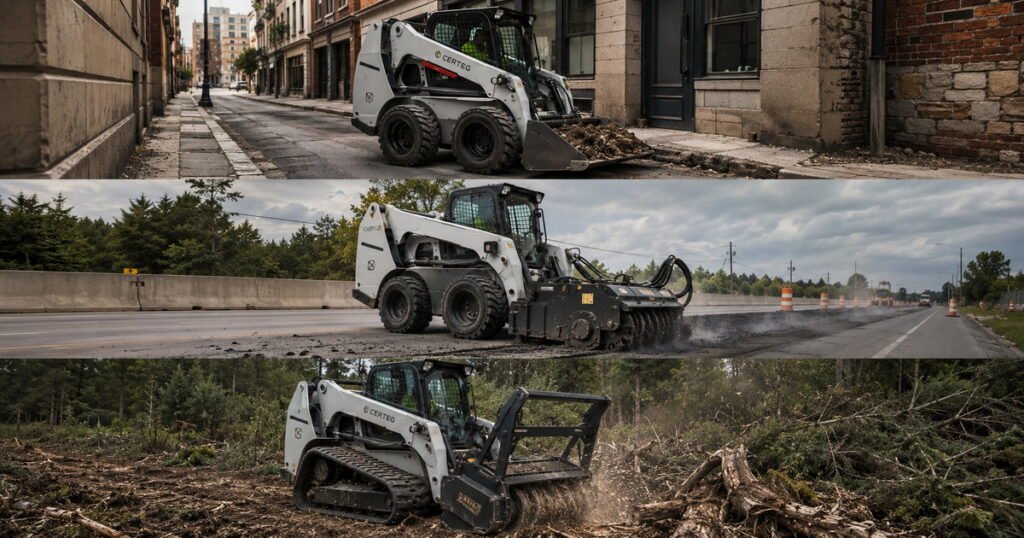
Urban Construction and Tight Access Sites
Typical conditions: Narrow streets, limited access, mixed surfaces, noise limitations, and strict safety expectations.
Recommended setup:
– Compact wheel skid steer with radial lift
– Focus on maneuverability, visibility, and low transport width
– Attachments such as general buckets, forks, sweepers, and small breakers
In dense city work, the combination of compact dimensions and precise control matters more than raw power. Machines must navigate alleyways, park in tight lots, and operate safely around pedestrians and existing structures.
Road Construction and Maintenance
Typical conditions: Asphalt, stabilized base layers, curbs, shoulders, and frequent loading of trucks.
Recommended setup:
– Medium‑to‑large wheel skid steer with vertical lift
– High‑flow hydraulics for cold planers, brooms, and milling attachments
– Tires chosen for durability on paved and semi‑paved surfaces
Here, the undercarriage spends most of its working hours on hard surfaces. Wheel machines provide lower undercarriage cost, better travel speed, and quick repositioning between tasks, while high‑flow packages enable continuous use of heavy attachments.
Pipeline, Forestry, and Off‑Road Projects
Typical conditions: Uneven ground, slopes, mud, vegetation, and long working distances away from paved roads.
Recommended setup:
– Track skid steer with high‑flow hydraulics and robust undercarriage
– Engine power sufficient for high‑inertia tools such as mulchers and large augers
– Optional protection for cab and critical components
In these applications, traction, flotation, and stability outweigh other considerations. Track machines maintain grip in muddy or soft environments and distribute weight over a broader area, reducing sinkage and improving safety on slopes.
How to Evaluate a Skid Steer in Person
Hands‑on evaluation is essential before committing to a new machine. The following checklist reflects the practical steps commonly used by experienced fleet managers when visiting a dealer or demo site.
1. Cab and visibility
– Check sightlines to the cutting edge, rear corners, and attachments.
– Ensure doors open and close easily with different tools installed.
2. Controls and ergonomics
– Test joystick layout, pedal placement, and armrest support.
– Confirm that operators of different heights can adjust seats and controls for long shifts.
3. Ride and stability
– Operate the machine with a full bucket over both smooth and rough ground.
– Observe how well the machine maintains load stability and whether there is a ride‑control or suspension system.
4. Hydraulic response
– Connect critical attachments and evaluate how quickly hydraulics respond.
– Monitor whether flow and pressure remain consistent under load.
5. Service access
– Open all access panels and note the location of filters, fluid checks, and grease points.
– Evaluate how long daily inspections and routine maintenance will actually take.
Documenting these observations with photos and operator feedback makes it easier to justify purchase decisions internally and to standardize future fleet additions.
Global Market Trends and What They Mean for Your Fleet
Market research indicates that skid steer loaders are set to maintain steady growth in the coming years, supported by construction activity, rental demand, and infrastructure investment. Several developments are particularly relevant to buyers and fleet planners.
– Electrification pilots are gradually emerging, especially for work in noise‑ and emission‑sensitive urban environments and indoor demolition. These machines are still at an early stage, but they signal future options for specialized use cases.
– Hydraulic and control innovation continues to improve performance. Load‑sensing systems, proportional controls, and enhanced auxiliary circuits reduce operator fatigue and improve precision with complex attachments.
– Increased reliance on compact equipment in dense cities and emerging markets means skid steers and compact track loaders often replace larger machines for tasks such as site preparation, utility work, and building maintenance.
Certeg focuses on building machines that can be integrated into these evolving patterns, with export‑friendly specifications and attention to durability, versatility, and ease of service in diverse environments.
Practical Selection Framework for Certeg Skid Steer Buyers
To simplify decision‑making, the following framework condenses field experience into three clear steps. This structure can be used by contractors, rental yards, and dealers alike.
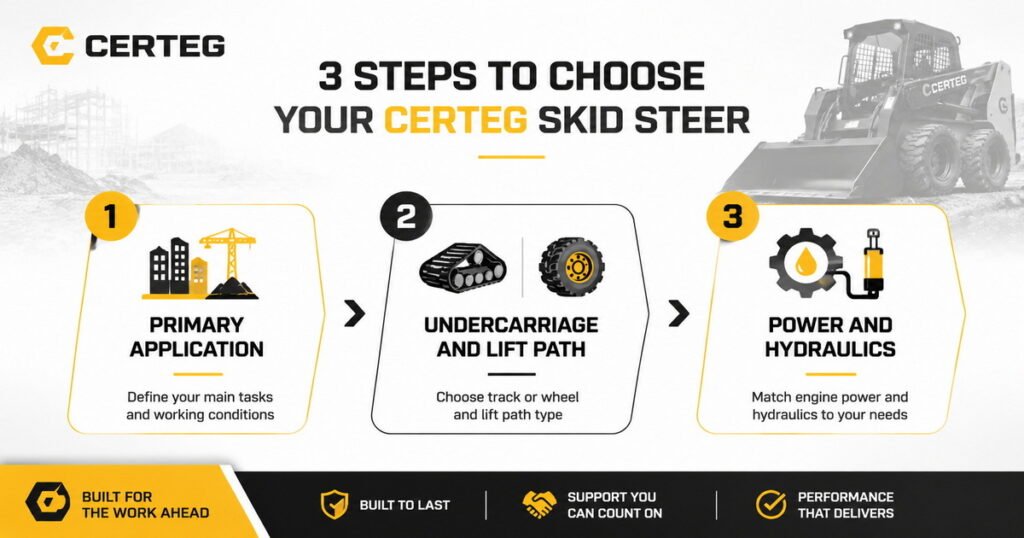
Step 1: Define Your Primary Application
Identify what accounts for at least 60–70 percent of the machine’s expected operating hours. Typical categories include:
– Earthmoving and site preparation
– Road construction and maintenance
– Material handling and logistics
– Landscaping and grounds care
– Forestry, land clearing, and pipeline work
Naming specific tasks (such as loading trucks, grading parking lots, or trench backfilling) helps narrow down must‑have capabilities.
Step 2: Choose Undercarriage and Lift Path
Based on the application:
– If more than half of the work occurs on soft, wet, or unstable ground, prioritize a track skid steer for its traction and flotation.
– If most of the work involves loading and material handling at height, consider a vertical lift machine; if ground‑level digging dominates, a radial lift configuration may be more cost‑efficient.
This step translates environmental and task‑based insights into a concrete mechanical configuration.
Step 3: Lock In Power and Hydraulics
With use case and undercarriage decided, finalize:
– Engine power range that corresponds to your heaviest regular loads and your most demanding attachments.
– Hydraulic package (standard or high‑flow) based on the tools you rely on most.
– Optional features such as ride‑control, self‑leveling, and advanced lighting for night work.
Certeg’s sales and engineering teams typically use this three‑step method to map customer requirements to specific models within the track and wheel loader lineup, ensuring machines are neither under‑ nor over‑specified.
Summary and Next Steps with Certeg
Selecting a skid steer loader is far more than choosing a brand name or chasing maximum horsepower. The most successful fleets focus on aligning undercarriage type, lift path, power, and hydraulics with their dominant applications and jobsite conditions. They also account for operator experience, service access, and long‑term operating costs.
Certeg brings together manufacturing expertise, field feedback, and a flexible product lineup to support these decisions. By clarifying your primary applications, choosing the right combination of track or wheel undercarriage and lift path, and matching power and hydraulics to your attachments, you can build a skid steer fleet that delivers reliable performance across diverse projects and regions.
Whether you manage a single machine or a large international fleet, applying the frameworks and checklists shared in this guide helps you reduce risk, improve productivity, and get more value from every hour your skid steer loaders spend on the job.
Frequently Asked Questions
1. What is the main difference between a track and wheel skid steer loader?
Track skid steers use rubber tracks that spread the machine’s weight over a larger area, improving traction and reducing ground pressure on soft terrain. Wheel skid steers use tires, which perform better on paved or compacted surfaces and generally cost less to maintain in those environments.
2. How do I choose the right lift path for my work?
If your primary tasks involve loading trucks, hoppers, or elevated platforms, a vertical lift path provides better reach and stability at full height. If you focus on ground‑level tasks such as digging, grading, or backfilling, a radial lift path often delivers strong breakout performance with a simpler design.
3. Why is hydraulic flow critical for attachments?
Many advanced attachments are engineered around specific flow and pressure values. If the skid steer does not meet these requirements, the attachment may run slowly, stall under load, or suffer premature wear. Selecting the correct hydraulic package ensures your tools work at their intended performance level and protects your investment.
4. Are wheel skid steers still relevant when compact track loaders are popular?
Wheel skid steers remain highly effective on hard surfaces and in applications where machines frequently travel between tasks. Their undercarriage costs are often lower in such conditions, and they provide excellent value for roadwork, yard operations, and general construction on firm ground.
5. How does Certeg support international buyers after the sale?
Certeg designs machines with export markets in mind, using standardized components, comprehensive documentation, and support structures tailored to global customers. Assistance can include configuration advice, shipping coordination, and guidance on routine maintenance and parts planning for different regions.
References
1. Compact Equipment – “Mustang by Manitou Skid Steers Summarized — 2021 Spec Guide.”
<https://compactequip.com/skid-steers/mustang-by-manitou-skid-steers-summarized-2021-spec-guide/>
2. Fortune Business Insights – “Skid Steer Loader Market Size, Industry Share | Forecast 2026-2034.”
<https://www.fortunebusinessinsights.com/skid-steer-loader-market-104089>
3. IMARC Group – “Skid Steer Loader Market Size Share, Trends Report 2033.”
<https://www.imarcgroup.com/skid-steer-loader-market>
4. Persistence Market Research – “Skid Steer Loader Market Analysis 2026 to 2033.”
<https://www.persistencemarketresearch.com/market-research/skid-steer-loader-market.asp>
5. Grading & Excavation Contractor – “A Fresh Look at the Wheels vs. Tracks Debate in Skid-Steer vs. CTLs.”
6. The Business Research Company – “Skid Steer Loaders Global Market Report.”
<https://www.thebusinessresearchcompany.com/report/skid-steer-loaders-global-market-report>
7. Future Market Insights – “Skid Steer Loader Market – Competitive Outlook.”
<https://www.futuremarketinsights.com/reports/skid-steer-loader-market>
8. Roberts Siegers – “SEO for Manufacturers: Strategies to Dominate Search.”
<https://robertsiegers.com/en/seo-for-manufacturers>
9. Backlink Works – “How to Write Product Comparison Pages That Improve Organic Traffic.”
<https://articles.backlinkworks.com/write-product-comparison-pages-improve-organic-traffic/>
10. SEO Sandwitch – “How to Rank Comparison Pages in Google.”
<https://seosandwitch.com/rank-comparison-pages-google/>
Hot Tags: Skid Steer Loader, Manufacturers, Customized, Custom, Suppliers, Buy, Cheap, Quality, Advanced, Durable, in Stock, Made in China, Price, Quotation