

The Evolving Compact Excavator Market – Expert Insights From the Jobsite and the Factory Floor
Content Menu
● Why Mini Excavators Matter More Than Ever
● Inside John Deere’s Compact Excavator Line – What an OEM Expert Sees
● The Most Popular Size Class – 3–4 Ton Machines in Focus
● Technology Trends Reshaping Compact Excavators
>> Telematics and Automation Move Downmarket
>> Hydraulics, Attachments, and Ease of Change‑over
● Market Outlook – Data Behind the Demand
● From OEM Insights to Real‑World Purchasing Decisions
>> How Contractors Should Evaluate Mini Excavators
>> Rental vs Purchase – A Practical Trade‑off
● Certeg’s Perspective – Designing for Global, Real‑World Conditions
● Key Features Buyers and Renters Should Prioritize
>> Core Specifications That Really Matter
>> Options and Attachments Worth the Investment
● Compact Excavator Trends by Use Case – Practical Examples
● Clear, Action‑Oriented Next Steps (CTA)
● FAQ: Mini and Compact Excavators
>> Q1. What is considered a mini or compact excavator?
>> Q2. Why is the 3–4 ton size class so popular?
>> Q3. Are telematics really necessary on small excavators?
>> Q4. Should I rent or buy a compact excavator?
>> Q5. How do Certeg excavators fit into this market?
Mini excavators have quietly become one of the most strategic tools on today’s global jobsites — and as a manufacturer at Certeg working daily with contractors and rental fleets, I see that shift up close. This article blends hands‑on observations with leading OEM insights, including John Deere’s Justin Steger, to unpack how the compact excavator market is evolving and where high‑value opportunities lie for buyers, renters, and dealers. [persistencemarketresearch]
Over the last decade, compact and mini excavators (typically up to 6 metric tons) have moved from niche machines to core fleet assets in construction, landscaping, utilities, and even small property projects. Market data shows that the global mini excavator segment is growing steadily, with values projected in the multi‑billion‑dollar range and compound annual growth rates above 5% through 2030. In practice, that growth is driven by dense urban construction, smart city infrastructure, and a strong shift from manual labor and large excavators toward compact equipment that can work safely in tight spaces. [grandviewresearch]
From my perspective working with Certeg excavator customers across North America, Europe, and emerging markets, this demand is also about flexibility: a 1–6 t compact excavator with the right attachment package can replace multiple single‑purpose machines on congested job sites and small contractors’ yards. [instagram]
Why Mini Excavators Matter More Than Ever
Mini excavators used to be seen as “nice‑to‑have” tools; today, they are often the first machine a contractor budgets for. Several real‑world trends explain this shift: [thebusinessresearchcompany]

– Urban densification and infill projects require low‑footprint machines that can maneuver safely in alleys, backyards, and between existing utilities. [persistencemarketresearch]
– Rental growth has made compact excavators more accessible to small contractors and property owners who previously relied on manual labor or limited skid steers. [thebusinessresearchcompany]
– Versatility with attachments (thumbs, breakers, augers, brush cutters) means a single compact excavator can handle demolition, trenching, clearing, and material handling in one mobilization.
– Operator safety and comfort have improved, which supports longer shifts, better productivity, and easier recruitment of new operators. [researchandmarkets]
On mixed‑use construction and infrastructure projects we support at Certeg, contractors increasingly start the planning process with the question: “What can I do with a 2–4 ton mini before I bring in anything larger?” [m.yicai]
Inside John Deere’s Compact Excavator Line – What an OEM Expert Sees
One of the clearest snapshots of the compact excavator market comes from OEM insiders like Justin Steger, solutions marketing manager for site development and underground at John Deere. Deere’s G‑Series compact excavator lineup spans six models from 1 to 6 metric tons: the 17G, 26G, 30G, 35G, 50G, and 60G. All meet Tier 4 Final emissions regulations and offer either reduced tail swing or zero tail swing configurations, making them well suited for confined North American jobsites.
From Steger’s viewpoint, a few core differentiators stand out:
– Mechanical, wear‑compensating couplers that are compatible with legacy D‑Series buckets.
– Oil‑impregnated bushings in the boom, arm, and bucket joints, designed to provide an extra lubrication safety net when greasing is less than perfect.
– Strong customer feedback from owner‑operators and rental fleets around durability and smooth hydraulic control.
In my experience, those design decisions reflect a broader industry trend: compact excavators are judged less by spec sheet maximums and more by uptime, attachment change‑over speed, and how forgiving they are when real‑world maintenance routines fall short of the ideal.
The Most Popular Size Class – 3–4 Ton Machines in Focus
Across North America, the 3–4 metric ton class has become the sweet spot for compact excavators, and Steger confirms it is the largest size class in the industry. Deere’s 30G and 35G models sit squarely in this range and are especially popular with rental houses and small to mid‑size contractors.
Why this class dominates:
– A practical dig depth for most residential and light commercial foundations, utility trenches, and landscape work.
– Operating weight that stays friendly to common trailer and truck combinations, simplifying transport and permitting.
– Enough hydraulic power to drive thumbs, couplers, and a broad range of attachments without stepping up to a full‑size excavator.
At Certeg, we see similar behavior; many export customers specify 1–1.8 t machines for very tight access work but anchor their fleet around 2.5–4 t units as the “daily driver” for mixed tasks. [instagram]
Technology Trends Reshaping Compact Excavators
Telematics and Automation Move Downmarket
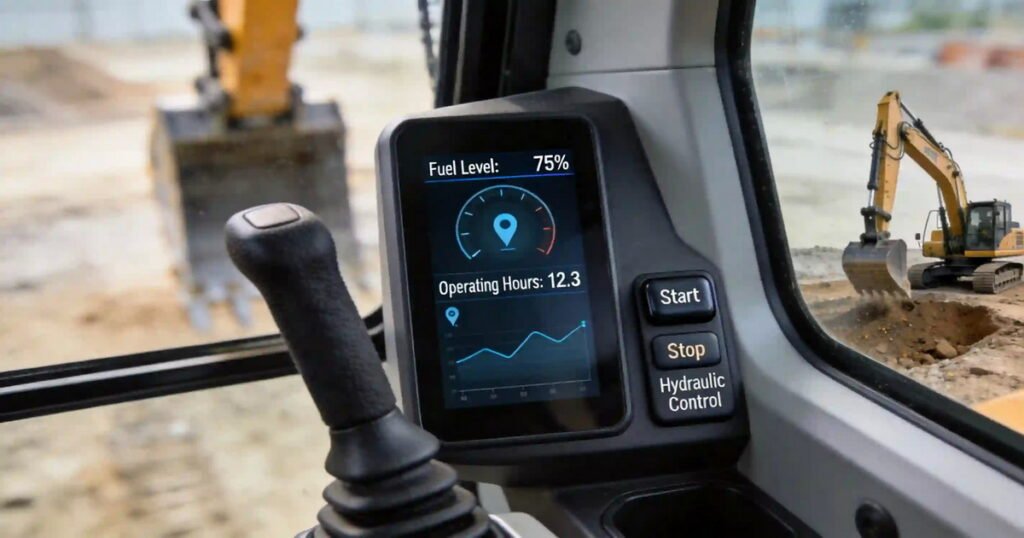
Technologies once reserved for full‑size excavators are steadily filtering into compact models. Telematics is increasingly standard or at least widely available, giving owners real‑time data on location, machine health, run hours, and utilization. Rental fleets use this to optimize billing and reduce theft risk, while contractors use it to plan maintenance and schedule machines more intelligently. [equipmentworld]
Automation features, such as simplified grade control or preset hydraulic settings for different attachments, are emerging as customer expectations rise. For smaller contractors without full‑time equipment managers, intuitive technology is often worth more than raw complexity; straightforward interfaces and easy presets can shave hours off learning curves and daily setup. [constructionequipmentguide]
Hydraulics, Attachments, and Ease of Change‑over
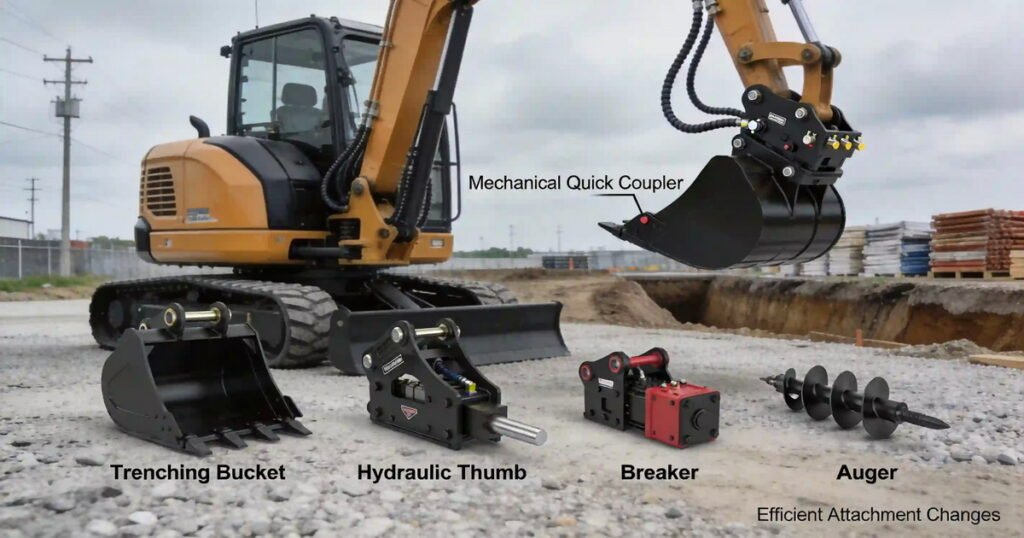
Hydraulic flexibility is another defining theme. Steger notes the growing popularity of selector valves for auxiliary hydraulics, which John Deere now offers as standard on the 26G–60G models. Mounted on the arm, these valves allow operators to switch hydraulic flow between a thumb and other attachments simply by turning the valve, avoiding repeated hose connection changes.
Across the broader market, we see:
– Higher‑flow auxiliary circuits supporting more powerful attachments. [researchandmarkets]
– Rotating buckets and grapples that reduce machine repositioning and improve precision. [researchandmarkets]
– Increasing use of multi‑attachment mini excavators in landscaping, demolition, and utility maintenance roles, where one machine may cycle through several tools in a single day. [thebusinessresearchcompany]
From the Certeg side, we design our mini excavators to accept a wide range of attachments with fast coupler systems, because customers repeatedly tell us: “The machine is only as valuable as the tools it can drive.” [m.yicai]
Market Outlook – Data Behind the Demand
Multiple research firms agree on a robust growth trajectory for the mini and compact excavator segment. Global mini excavator market value is forecast to grow from around the high single‑digit billions in the mid‑2020s to over 10–11 billion USD by 2030, with compound annual growth rates in the 5–6% range. [persistencemarketresearch]
Key drivers include:
– Expansion of smart city and urban infrastructure projects. [thebusinessresearchcompany]
– Rising demand for electric and low‑emission mini excavators in markets with strict environmental rules. [researchandmarkets]
– Growth of rental equipment services, especially among small contractors and homeowners. [thebusinessresearchcompany]
– Increasing adoption of compact machinery in agriculture and landscaping. [thebusinessresearchcompany]
On the broader excavator market, research places total global value above 75 billion USD in 2023, with expectations above 100 billion USD by 2030, again driven strongly by Asia‑Pacific markets such as China and India. For manufacturers like Certeg, this data validates continued investment in compact platforms, electric options, and smarter hydraulics. [grandviewresearch]
From OEM Insights to Real‑World Purchasing Decisions
How Contractors Should Evaluate Mini Excavators
Steger’s advice to contractors—whether renting or buying—starts with customer support and dealer capability. Access to parts, service, and responsive troubleshooting often matters more than small differences in spec sheets.
From my experience advising customers, a practical evaluation checklist looks like this:
1. Define primary applications: trenching, landscaping, demolition, utility work, or mixed projects. [thebusinessresearchcompany]
2. Match size to transport reality: confirm tow vehicle, trailer rating, and local regulations before picking operating weight.
3. Specify must‑have attachments: thumbs, breakers, augers, couplers, tilt buckets; ensure hydraulic compatibility from day one. [researchandmarkets]
4. Compare total cost of ownership: fuel or energy consumption, maintenance intervals, filter and wear‑part costs, and potential downtime. [grandviewresearch]
5. Evaluate dealer or manufacturer support: local technicians, parts availability, remote diagnostics, and training.
Rental vs Purchase – A Practical Trade‑off
The strong mini excavator rental market reflects a simple reality: many contractors don’t need a machine 12 months a year. Renting makes sense when: [thebusinessresearchcompany]
– Utilization is highly seasonal or project‑based. [thebusinessresearchcompany]
– Capital budgets are constrained. [thebusinessresearchcompany]
– The contractor wants to periodically access newer technology without long‑term ownership. [thebusinessresearchcompany]
On the other hand, owning a mini excavator often pays off once monthly use becomes routine, especially in the 3–4 t class where machines are used for everyday tasks like site prep, service trenching, and material handling. [thebusinessresearchcompany]
Certeg’s Perspective – Designing for Global, Real‑World Conditions
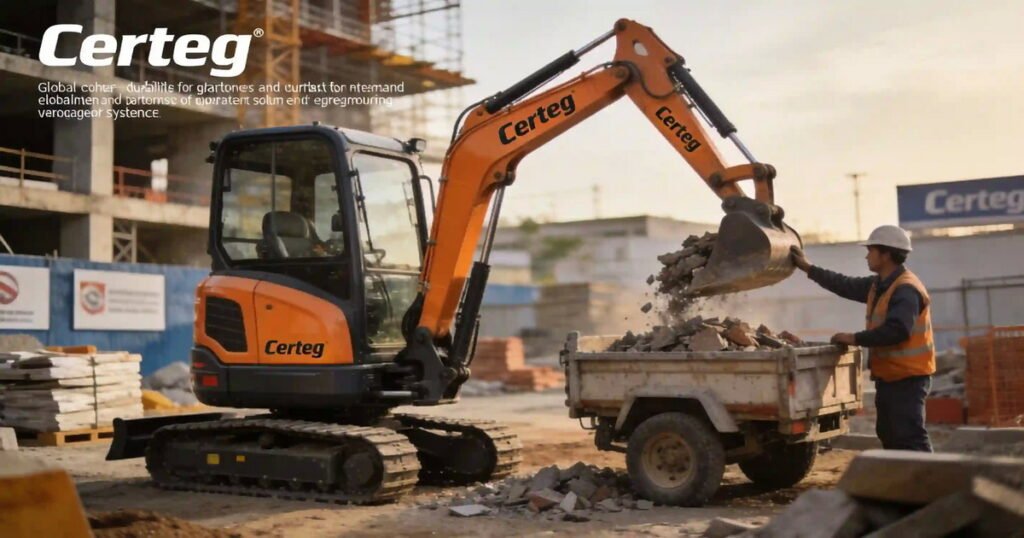
As a manufacturer of excavators and related machinery, Certeg works with customers in very different climates, regulations, and jobsite cultures. That experience leads us to emphasize a few design priorities: [instagram]
– Adaptable powertrains that can meet various emissions standards and fuel quality realities across markets. [grandviewresearch]
– Robust undercarriages and protection packages that can handle rough terrain, rental abuse, and long transport distances. [grandviewresearch]
– Hydraulic systems tuned for smooth control with common bucket sizes and attachment flows, not just peak pressure figures. [equipmentworld]
– Operator environments that remain comfortable and intuitive, whether in open canopy configurations for hot climates or enclosed cabs for cold and wet conditions. [constructionequipmentguide]
We also pay close attention to how customers actually use mini excavators in emerging segments—such as small farm drainage, private property landscaping, and even DIY projects—where ease of learning and straightforward maintenance are essential. [m.yicai]
Key Features Buyers and Renters Should Prioritize
Core Specifications That Really Matter
While brochures list dozens of specs, a few criteria consistently impact productivity and ROI:
– Operating weight and dimensions – determine transport logistics and access to confined areas.
– Dig depth and reach – must align with typical trench depths, foundation work, and slope shaping tasks.
– Hydraulic flow and auxiliary circuits – directly influence attachment performance and future flexibility. [researchandmarkets]
– Tail swing design – zero or reduced tail swing is often crucial in urban and roadside applications.
Options and Attachments Worth the Investment
Popular and high‑value options include:
– Hydraulic thumbs for material handling and demolition.
– Long‑arm configurations for deeper trenches and fewer machine moves.
– Fast couplers that accept multiple attachments and minimize change‑over time. [researchandmarkets]
– Enclosed, climate‑controlled cabs for harsh weather environments. [constructionequipmentguide]
Compact Excavator Trends by Use Case – Practical Examples
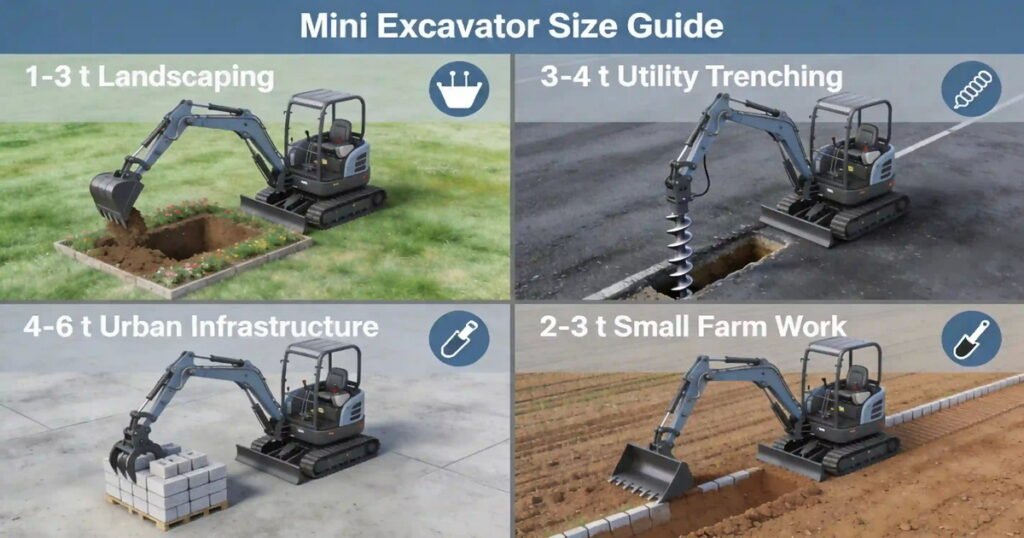
To help users quickly map features to real jobs, here is a high‑level overview:
| Use Case | Recommended Size Class | Key Features to Prioritize |
|---|---|---|
| Residential landscaping | 1–3 t mini | Zero tail swing, rubber tracks, thumb, grading bucket thebusinessresearchcompany |
| Utility trenching | 3–4 t compact | Long arm, strong auxiliary flow, trenching buckets thebusinessresearchcompany |
| Rental fleet | 1–6 t mix | Durable couplers, telematics, easy maintenance points thebusinessresearchcompany |
| Urban infrastructure | 2–4 t compact | Reduced tail swing, safety features, advanced hydraulics grandviewresearch |
| Small farm and rural work | 1.5–3.5 t | General‑purpose buckets, augers, simple controls m.yicai |
Clear, Action‑Oriented Next Steps (CTA)
If you are planning your next compact excavator investment—whether a single mini for a landscaping crew or an entire fleet for rental or infrastructure work—this is the moment to align your decisions with where the market is heading. Focus on the 3–4 t class for broad utility, evaluate telematics and attachment support as must‑have features, and choose a partner who can support you far beyond the initial purchase. [persistencemarketresearch]
At Certeg, we work with contractors and dealers worldwide to configure excavators and attachments tailored to specific jobsite realities, regulatory environments, and budget constraints. If you would like expert guidance on model selection, lifecycle costs, or custom attachment packages, contact the Certeg team to discuss a compact excavator solution built around your real projects—not just a spec sheet. [m.yicai]
FAQ: Mini and Compact Excavators
Q1. What is considered a mini or compact excavator?
A mini or compact excavator typically ranges up to about 6 metric tons operating weight, covering machines like John Deere’s 17G through 60G and similar models from other OEMs. [grandviewresearch]
Q2. Why is the 3–4 ton size class so popular?
This size class offers a strong balance of dig depth, lifting capability, and transportability, making it ideal for common residential and light commercial applications and highly attractive to rental fleets. [thebusinessresearchcompany]
Q3. Are telematics really necessary on small excavators?
Telematics can significantly improve fleet visibility, maintenance planning, and theft prevention, and their value is magnified for rental houses and multi‑machine contractors, even on smaller units. [thebusinessresearchcompany]
Q4. Should I rent or buy a compact excavator?
Renting is often best for occasional or seasonal use, while buying delivers better ROI when utilization is regular, especially if you depend on specific attachments and need guaranteed availability. [thebusinessresearchcompany]
Q5. How do Certeg excavators fit into this market?
Certeg designs excavators to serve global demand for robust, versatile compact machines, focusing on adaptable powertrains, attachment‑ready hydraulics, and durability that suits rental and contractor use alike. [m.yicai]
References
1. Compact Equipment – Mini Ex Insights: John Deere’s Justin Steger Talks About the Evolving Compact Excavator Market
Original interview and feature article discussing John Deere’s G‑Series compact excavator lineup, size classes, and trends in the mini excavator market. [compactequip]
2. The Business Research Company – Mini Excavators Global Market Report
Global market research on mini excavators, including market size, regional breakdowns and growth drivers across construction, utilities and landscaping sectors. [thebusinessresearchcompany]
3. Persistence Market Research – Mini Excavator Market Forecast 2026–2033
Forecast for the global mini excavators market from 2026 to 2033, covering expected market value, CAGR and key demand factors such as urbanization and compact equipment adoption. [persistencemarketresearch]
4. ResearchAndMarkets – Mini Excavators Market Report 2026–2030
Detailed report on the mini excavators segment, including long‑term demand trends, technology developments and competitive landscape up to 2030. [researchandmarkets]
5. Grand View Research – Excavator Market Size, Share, Growth & Trends Report 2030
Broad excavator market study that frames the role of mini and compact excavators within the overall global excavator industry, including regional growth patterns. [grandviewresearch]
6. KBV Research – Mini Excavators Market Size, Share & Growth Forecast to 2030
Market insights specific to mini excavators, highlighting expected size of the segment by 2030 and projected CAGR for the forecast period. [kbvresearch]
7. Equipment World – Deere Upgrades 17 P‑Tier & 26 P‑Tier Mini Excavators
Product news describing John Deere’s updates to its compact excavator models, including hydraulic and coupler options and cab comfort improvements. [equipmentworld]
8. Farms.com – John Deere Debuts Two Redesigned Compact Excavator Models
Announcement of John Deere’s redesigned compact excavator models, focusing on features targeted at the compact equipment market. [m.farms]
9. International Rental News – Compact Machines, Big Shifts: The Three Big Trends Shaping the Mini Excavator Market
Industry analysis of the main trends influencing mini excavator demand and rental usage worldwide. [internationalrentalnews]
10. Business Research Insights – Mini Excavator Market Size Forecast
Overview of mini excavator market size projections and key drivers such as urban infrastructure projects and compact construction equipment adoption. [businessresearchinsights]
11. Construction Equipment Guide – John Deere Debuts Two Redesigned Compact Excavator Models
Coverage of new John Deere compact excavator models, including updates relevant to compact and mini excavator buyers. [constructionequipmentguide]
12. Equipment World – Excavator Sales Trends 2025: New and Used Models
Market pulse article summarizing recent sales trends in new and used excavators, providing context for demand in compact segments. [equipmentworld]
13. Certeg – CT Series Mini Excavator Highlights (Social Media Content)
Brand content showcasing Certeg mini excavators in real jobsite scenarios, with emphasis on versatility, attachments and global applications. [instagram]
Hot Tags: Excavator, Manufacturers, Customized, Custom, Suppliers, Buy, Cheap, Quality, Advanced, Durable, in Stock, Made in China, Price, Quotation