
Learn How to Rent a Skid Steer and Track Loader Like a Pro in 2026
Content Menu
● What Is a Skid Steer vs. a Compact Track Loader?
● Skid Steer vs. Track Loader: Which Should You Rent?
>> 1. Match the Machine to Jobsite Conditions
>> 2. Consider Application and Productivity
● Key Specs to Understand Before You Rent
>> 1. Rated Operating Capacity (ROC)
>> 2. Power and Hydraulic Performance
>> 3. Size, Weight, and Transport
● Choosing the Right Attachments for Your Rental
>> Common Attachments That Add Value
>> Attachment Compatibility Checklist
● How to Pick the Best Rental Partner
>> 2. Evaluate Support and Training
● Step‑by‑Step: How to Rent Like a Pro
● Safety and Operational Best Practices for First‑Time Renters
● Cost, Contract, and Insurance Tips
>> Understand the Pricing Structure
>> Clarify Damage Waivers and Insurance
● New Trends: Electric and Telematics‑Enabled Rentals
>> Electric Compact and Mini Loaders
>> Telematics and Smart Features
● Example Rental Scenarios (Mini Guide)
● Pro‑Level Checklist Before You Sign the Rental Contract
● Call to Action: Plan Your Next Rental With Confidence
● FAQs About Renting Skid Steers and Track Loaders
>> 1. How do I decide between a skid steer and a compact track loader?
>> 2. What size skid steer or track loader should I rent?
>> 3. Which attachments are most useful for short‑term rentals?
>> 4. How can I avoid unexpected rental charges?
>> 5. Are there benefits to renting electric or telematics‑equipped loaders?
● References (for internal use):
Renting a skid steer or compact track loader can dramatically boost productivity on construction, landscaping, agriculture, or material‑handling jobs, but only if you choose the right machine, options, and rental partner. This guide walks you step by step through picking the right loader, understanding specs and attachments, managing costs, and operating safely so you rent like a pro every time.

What Is a Skid Steer vs. a Compact Track Loader?
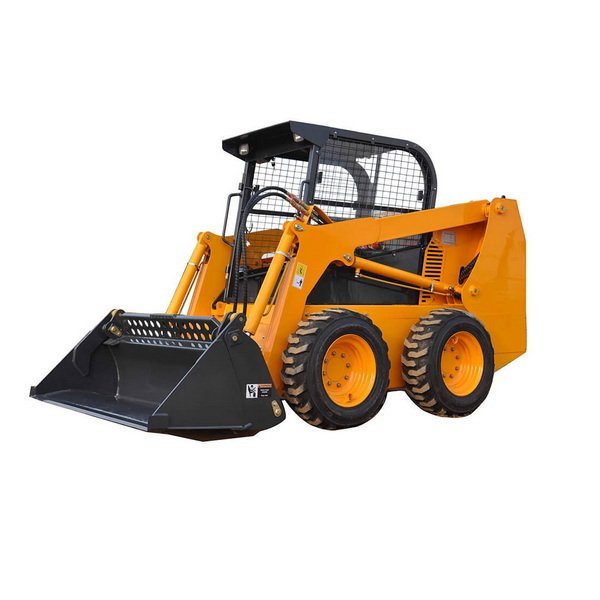
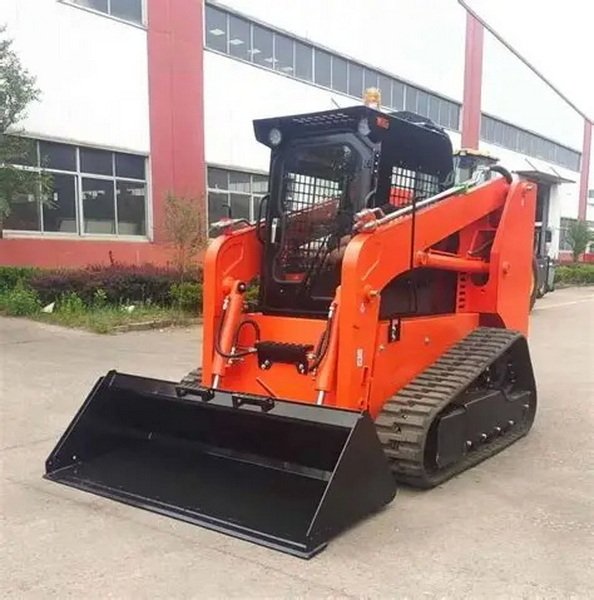
Skid steers are compact loaders on wheels, designed for firm, stable surfaces and fast maneuvering in tight spaces. Compact track loaders (CTLs) use rubber tracks instead of tires, delivering lower ground pressure and better traction on soft, muddy, or uneven terrain.
– Skid steer: Wheeled, great for paved or compacted sites, typically lower purchase and maintenance cost.
– Compact track loader: Tracked, excels in wet, muddy, or loose ground, smoother ride but higher undercarriage maintenance.
A simple rule is that wheels fit hard ground, tracks fit soft ground.
Skid Steer vs. Track Loader: Which Should You Rent?
1. Match the Machine to Jobsite Conditions
Professional rental decisions always start with ground conditions before any other specification. The surface you work on determines how efficiently the machine can move and how long the undercarriage will last.
– Choose a skid steer when:
– You are working on asphalt, concrete, or well‑compacted gravel.
– You need fast travel between multiple points on a clean jobsite.
– Choose a compact track loader when:
– The site is wet, muddy, sandy, or generally soft underfoot.
– You need maximum flotation, traction, and reduced ground disturbance.
This is the same logic rental fleets use to balance their inventory across different job types and avoid premature wear.
2. Consider Application and Productivity
Think clearly about what you need the machine to do and how many hours per day it will work.
– Skid steers are particularly strong in:
– Demolition cleanup and debris removal.
– Loading trucks with loose material.
– Backfilling, sweeping, and general site maintenance.
– Compact track loaders are particularly strong in:
– Grading and earthmoving on soft or finished surfaces.
– Working on slopes or uneven ground with better stability and ride comfort.
Many contractors rent both types over a project timeline, using a skid steer for early demolition and a CTL for later grading as site conditions change.
Key Specs to Understand Before You Rent
Choosing the right size and performance range is critical to safety, productivity, and cost control. Understanding a few core specifications will help you filter rental options quickly and confidently.
1. Rated Operating Capacity (ROC)
Rated operating capacity (ROC) is the maximum weight the loader can safely lift and carry without becoming unstable. It is one of the most important numbers in any rental decision.
– Small skid steers: Around 700 lb ROC and about 3,000 lb machine weight, ideal for tight residential work and narrow gates.
– Large skid steers: 3,000 lb ROC and higher, suited for heavier loading when there is no room for a full‑size wheel loader.
Aim for a ROC that comfortably exceeds the heaviest load you plan to lift, especially if you handle wet material like saturated soil or dense aggregates.
2. Power and Hydraulic Performance
Engine horsepower and hydraulic flow determine how well the loader can run demanding attachments.
– Standard‑flow hydraulics: Suitable for buckets, forks, light grapples, and many common tools.
– High‑flow hydraulics: Required for more aggressive attachments, such as cold planers, powerful trenchers, or large brush cutters.
Always confirm that the loader’s hydraulic output matches the flow and pressure required by your chosen attachment. This is essential for both performance and component life.
3. Size, Weight, and Transport
Machine dimensions and weight affect site access and logistics.
– Check width and height to ensure the loader fits through gates, doors, and tight access points.
– Confirm your trailer and tow vehicle can safely haul the machine, attachments, and fuel.
– Pay attention to low‑clearance areas such as garages, underpasses, and overhead structures.
Good planning on weight and dimensions prevents delays and potential fines or safety issues on the road.
Choosing the Right Attachments for Your Rental
Attachments transform a single loader into a multi‑purpose tool carrier. With the right accessories, one machine can handle many tasks that would otherwise require several pieces of equipment.
Common Attachments That Add Value
– General‑purpose bucket: For loading, grading, backfilling, and stockpile management.
– Pallet forks: For moving pallets, bricks, blocks, bagged materials, and packaged products.
– Auger: For fence posts, signposts, tree planting, and general hole drilling.
– Trencher: For utility lines, irrigation, drainage, and shallow foundations.
– Grapple: For handling demolition debris, logs, scrap, or brush.
– Landscape rake or leveler: For finish grading, soil preparation, and topsoil spreading.
One loader plus the right attachment package can often replace multiple dedicated machines on short‑term projects, improving efficiency and simplifying logistics.
Attachment Compatibility Checklist
Before you confirm your rental, run through this quick attachment checklist:
1. Confirm the quick‑attach interface is compatible with the loader.
2. Verify hydraulic flow and pressure requirements for powered attachments.
3. Ask the rental yard about any special controls, safety procedures, or additional kits needed.
This simple process helps you avoid surprises when the machine arrives on site.

How to Pick the Best Rental Partner
Where you rent from is almost as important as what you rent. A supportive rental partner can protect your schedule, your budget, and your crew’s safety.
1. Compare Rental Sources
You will usually see three main types of providers in your market.
– Independent rental companies
– Strong local knowledge and flexible service.
– Often very responsive for small to mid‑size contractors.
– National rental chains
– Large fleets, strong availability, and online reservation systems.
– Standardized processes and documentation across locations.
– Authorized equipment dealers
– Deep product expertise with specific brands.
– Late‑model or premium machines, sometimes at a higher rate but with excellent support.
The right choice depends on your priorities for price, proximity, brand preference, and service level.
2. Evaluate Support and Training
A good rental partner does more than hand you the keys.
Look for companies that:
– Provide a basic walk‑around familiarization and control overview.
– Offer access to operator manuals, quick‑start guides, or brief training videos.
– Communicate clear procedures for service calls, breakdowns, and emergency support, including estimated response times.
If you have new or less experienced operators, prioritize providers that are willing to spend time on safety and proper use.
Step‑by‑Step: How to Rent Like a Pro
This practical sequence can guide you every time you rent a skid steer or compact track loader, whether you are a contractor, facility manager, or property owner.
1. Define your job clearly
– List primary tasks such as digging, lifting, loading, grading, demolition, or material handling.
– Estimate daily operating hours and total project duration to choose the right rental term.
2. Assess site conditions
– Identify the surface type: concrete, asphalt, gravel, soil, or mud.
– Note slopes, obstacles, overhead utilities, and access constraints.
3. Choose machine type and size
– Decide between skid steer and compact track loader based on terrain and ground pressure needs.
– Select ROC, horsepower, and hydraulic flow that match your load requirements and attachments.
4. Select attachments in advance
– List all attachments you will need to avoid multiple trips or extra deliveries.
– Confirm compatibility with the loader model and check that everything is available for your dates.
5. Request detailed quotes
– Ask for itemized pricing, including machine, attachments, delivery, pickup, insurance, fuel, and cleaning.
– Compare rates and terms from multiple providers, especially for weekly or monthly rentals.
6. Plan delivery and transport logistics
– Confirm delivery and pickup windows, onsite contacts, and unloading areas.
– If you are hauling the machine yourself, verify hitch type, trailer capacity, and tie‑down requirements.
7. Inspect the machine on arrival
– Walk around the loader with the rental representative to record existing damage.
– Test controls, safety systems, lights, backup alarms, and attachment connections before accepting the equipment.
8. Operate and maintain correctly
– Perform daily inspections, check fluid levels, and grease points as recommended.
– Keep the machine reasonably clean to maintain visibility, cooling, and operator comfort.
Following this process significantly reduces risk, downtime, and unexpected costs.
Safety and Operational Best Practices for First‑Time Renters
Even if you have operated other machines, treat every new rental loader as unique. Controls, features, and stability characteristics can vary by model.
Pre‑operation Setup
Before you start work, take time to set up the machine properly:
– Review the operator’s manual and read key safety decals.
– Adjust the seat, armrests, mirrors, and controls for comfortable, natural reach.
– Always use the seat belt and any safety bar, lap bar, or restraint system.
Many modern loaders offer selectable control patterns, so verify which pattern is active and make sure you are comfortable with it before loading material or working near edges.
Safe Operating Techniques
Adopt these habits to protect both people and equipment:
– Travel with the bucket or attachment low to maintain stability and visibility.
– Avoid traveling sideways on steep slopes, and approach slopes straight up or straight down when possible.
– Establish a clear work zone and keep bystanders outside that area.
– Do not exceed the rated load and avoid lifting high with unbalanced or loosely secured loads.
If you feel uncertain about any aspect of machine control, request a short demonstration or additional guidance from the rental provider.
Cost, Contract, and Insurance Tips
Smart renters manage total rental cost, not just the headline daily rate. Understanding your contract and coverage is essential.
Understand the Pricing Structure
A typical rental quote for a skid steer or compact track loader includes several key elements:
– Base rate: Daily, weekly, or monthly charge for the machine itself.
– Attachment fees: Additional charge per attachment, sometimes higher for complex tools.
– Delivery and pickup: Transport charges, which may vary by distance or urgency.
– Fuel: Refueling fees if the machine is returned with less fuel than agreed.
– Cleaning: Charges if the machine is returned excessively dirty.
Longer rentals often qualify for discounted weekly or monthly rates. Ask the rental provider to explain breakpoints so you can choose the most economical option for your schedule.
Clarify Damage Waivers and Insurance
Before you sign:
– Ask whether a damage waiver is included or offered as an option, and what it covers or excludes.
– Confirm whether your business insurance or personal policy covers rented equipment for theft, damage, or accidents.
– Understand your responsibilities for daily maintenance, inspections, and proper use, as these can affect how claims are handled.
Clear understanding at the beginning prevents disputes and unexpected bills at the end of the rental.
New Trends: Electric and Telematics‑Enabled Rentals
Loader technology continues to evolve, and rental fleets are integrating new options that can improve sustainability, productivity, and security.
Electric Compact and Mini Loaders
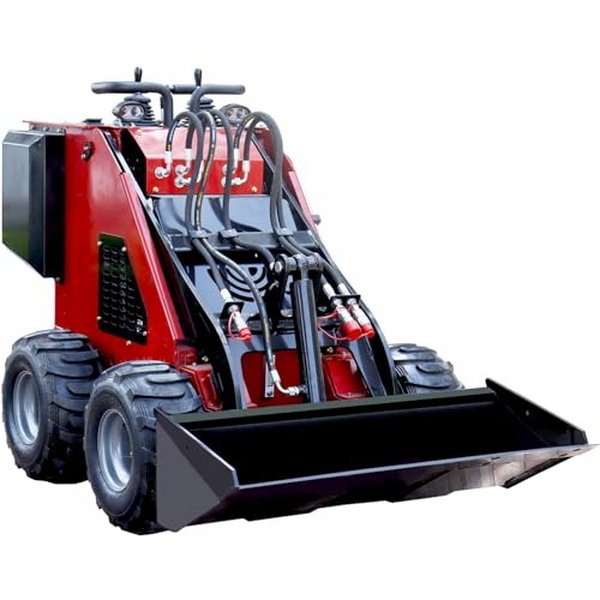
Electric skid steers and compact loaders are becoming more common, especially in sensitive environments.
They offer several advantages:
– Lower onsite emissions, suitable for indoor or low‑ventilation spaces.
– Reduced noise, which is valuable in urban neighborhoods or night work.
– Potential savings on fuel and potentially simpler service requirements.
If your project involves indoor work, strict emissions regulations, or noise‑sensitive locations, ask rental partners which electric or low‑emission models they can supply.
Telematics and Smart Features
Many modern skid steers and compact track loaders include electronic systems that benefit both renters and rental companies.
Common features include:
– Digital control panels with programmable boom functions, ride control, or return‑to‑dig.
– Telematics that monitor machine hours, location, usage patterns, and fault codes.
– Remote diagnostics that allow service teams to respond more quickly and accurately.
These technologies help keep machines in good condition, reduce unplanned downtime, and can provide valuable utilization data for contractors managing multiple jobs.
Example Rental Scenarios (Mini Guide)
Looking at typical scenarios makes machine choice and configuration easier.
– Small backyard landscaping
– Recommended: Small skid steer with around 700 lb ROC, narrow width, general bucket, and forks.
– Reason: Fits through residential gates, is gentle on turf when used carefully, and is easy to transport with light trailers.
– Muddy new construction site
– Recommended: Compact track loader with general‑purpose bucket and optional trencher or grading attachments.
– Reason: Tracks provide traction and flotation on soft ground, reducing the risk of bogging down and surface damage.
– Warehouse yard or material‑handling yard
– Recommended: Medium skid steer with pallet forks and a bucket.
– Reason: Fast maneuvering on pavement, efficient truck loading and unloading, and flexible use for cleanup and stock handling.
You can use these examples as a starting point and adjust based on your own site and material requirements.
Pro‑Level Checklist Before You Sign the Rental Contract
Use this concise checklist as a final confirmation before you commit to a rental agreement:
– Machine type and size match your jobsite conditions and primary tasks.
– ROC, horsepower, and hydraulic flow are adequate for your heaviest loads and most demanding attachments.
– Required attachments are compatible, installed correctly, and clearly listed on the contract.
– Pricing is itemized, including base rate, attachments, delivery, pickup, fuel, and cleaning.
– Damage waivers, insurance coverage, and your responsibilities are clearly understood.
– You have received at least a basic control and safety overview or have clear access to instructions.
– Delivery and pickup times, site contacts, and special access instructions are confirmed in writing.
Printing this checklist or embedding it as a downloadable resource can greatly improve user experience on your site.
Call to Action: Plan Your Next Rental With Confidence
If your upcoming project needs reliable power for digging, lifting, grading, or material handling, now is the perfect time to plan a professional skid steer or compact track loader rental. Take the insights from this guide, define your job clearly, match the machine to your ground conditions, choose the right attachments, and partner with a rental provider that offers strong support and transparent pricing. Then turn your plan into action by contacting your preferred equipment supplier today to discuss the ideal loader setup and schedule a rental that keeps your next project on time, on budget, and fully under control.
Contact us to get more information!
FAQs About Renting Skid Steers and Track Loaders
1. How do I decide between a skid steer and a compact track loader?
Choose a skid steer if you mainly work on firm, paved, or compacted surfaces and need fast maneuverability. Choose a compact track loader if you expect soft, muddy, or uneven conditions where traction, flotation, and reduced ground disturbance are more important than travel speed.
2. What size skid steer or track loader should I rent?
Select size based on the heaviest loads you plan to lift and the space available on your site. For tight residential jobs, a small machine with lower ROC is easier to maneuver, while for heavy construction work you may need a larger loader with a ROC of 3,000 lb or more.
3. Which attachments are most useful for short‑term rentals?
For most general projects, a bucket and pallet forks cover many tasks. For more specialized work, consider augers for holes, trenchers for utilities, grapples for debris handling, and grading tools for finish work. Planning attachments ahead of time ensures availability and better pricing.
4. How can I avoid unexpected rental charges?
To avoid surprises, always request itemized quotes, confirm fuel and cleaning policies, and ask about damage waivers and insurance coverage. Perform daily inspections, operate the machine correctly, and return it clean and adequately fueled to reduce the risk of extra fees.
5. Are there benefits to renting electric or telematics‑equipped loaders?
Yes. Electric loaders reduce emissions and noise, which is helpful for indoor or urban projects. Telematics‑equipped machines support better uptime and service response by tracking usage and diagnostics, which can improve overall productivity and reliability on your jobsite.
References (for internal use):
1. https://compactequip.com/skid-steers/learn-how-to-rent-a-skid-steer-and-track-loader-like-a-pro/
2. https://equipmentandcontracting.com/compact-track-loaders-skid-steers-rental/
3. https://www.unitedrentals.com/marketplace/equipment/earthmoving-equipment/skid-steers-compact-track-loaders
4. https://www.bestline.com/blog/skid-steer-vs-compact-track-loader-which-is-right-for-your-business–96774
5. https://dig-boy.com/skid-steer-rental-how-to-rent-the-perfect-loader-for-your-project/
6. https://www.macallisterrentals.com/rental/compact-equipment-rental/mini-skid-steer-rentals/
7. https://compactequip.com/skid-steers/lets-learn-to-rent-a-skid-steer-or-track-loader-like-a-pro/
Hot Tags: Skid Steer Rental Guide, Track Loader Rental Tips, How To Rent A Skid Steer, Skid Steer Vs Track Loader Rental, Construction Equipment Rental, Compact Loader Rental Guide, Renting Skid Steer Like A Pro, Track Loader Rental Guide, Skid Steer Rental Tips, Heavy Equipment Rental Guide