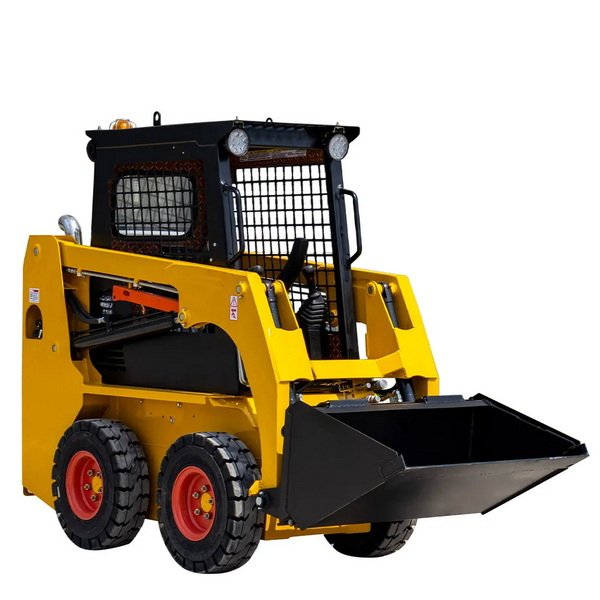

Compact Track Loader Buying Guide 2026: Expert Advice from 16 Manufacturers
Content Menu
● What Is a Compact Track Loader and Why It Matters
● Core Keywords and How This Guide Helps You
● Key Factors When Choosing a Compact Track Loader
● Get the Size and Power Right
>> Rated Operating Capacity and Tipping Load
>> Engine Horsepower and Hydraulic Flow
● Understand Lift Path, Undercarriage and Tracks
>> Vertical‑Lift vs Radial‑Lift
>> Track Width and Ground Pressure
● Match the Machine to Your Applications
● Expert Advice from 16 Compact Track Loader Manufacturers
>> Comfort, Cab Design and Operator Environment
>> Technology, Telematics and Operator‑Assist Features
>> Safety, Visibility and Camera Systems
>> Demo the Machine and Feel the Controls
>> Right‑Sizing for Performance and Cost
>> Maintenance and Daily Inspections
● Maintenance, Lifecycle Cost and Dealer Support
>> Plan for Total Cost of Ownership
>> Daily, Weekly and Monthly Checklists
● Compact Track Loader Attachments and Versatility
● Compact Track Loader vs Skid Steer: Which Should You Choose?
● New 2026 Trend: CTL Technology, Data and Automation
● Step‑by‑Step Compact Track Loader Buying Checklist
● Real‑World Scenario: Choosing the Right CTL for a Growing Contractor
● Take the Next Step in Your CTL Buying Journey
● FAQs About Compact Track Loaders
>> Q1: What is the most important spec when choosing a compact track loader?
>> Q2: Do I really need high‑flow hydraulics?
>> Q3: How often should I service my CTL undercarriage and tracks?
>> Q4: Are compact track loaders always better than skid steers?
>> Q5: How long does a compact track loader typically last?
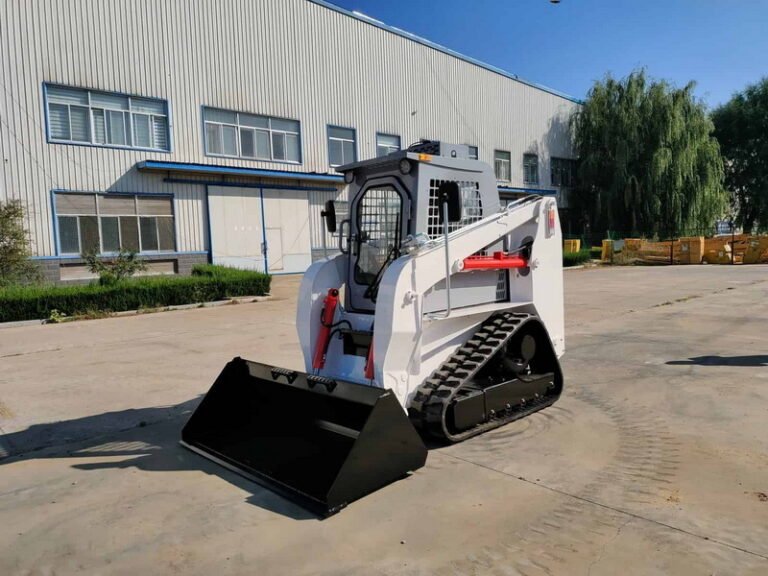
A compact track loader (CTL) is one of the most versatile pieces of compact construction equipment you can buy, delivering high traction, low ground disturbance and serious hydraulic power in a small footprint. This in‑depth 2026 buying guide brings together expert advice from 16 leading manufacturers and adds fresh insights on specs, attachments, safety and lifecycle costs to help you choose the ideal compact track loader for your jobsites.
What Is a Compact Track Loader and Why It Matters
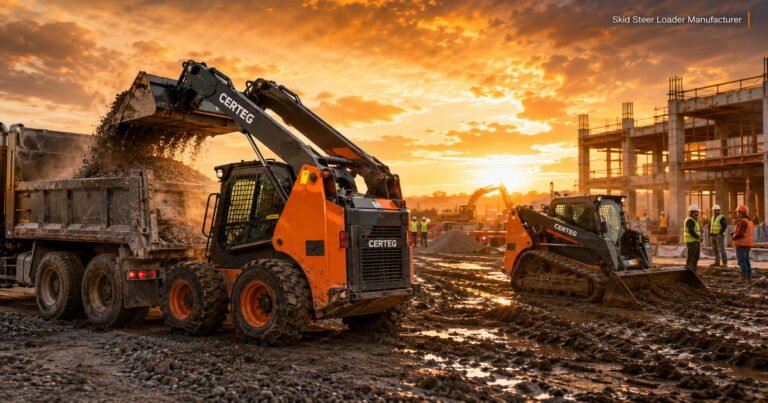
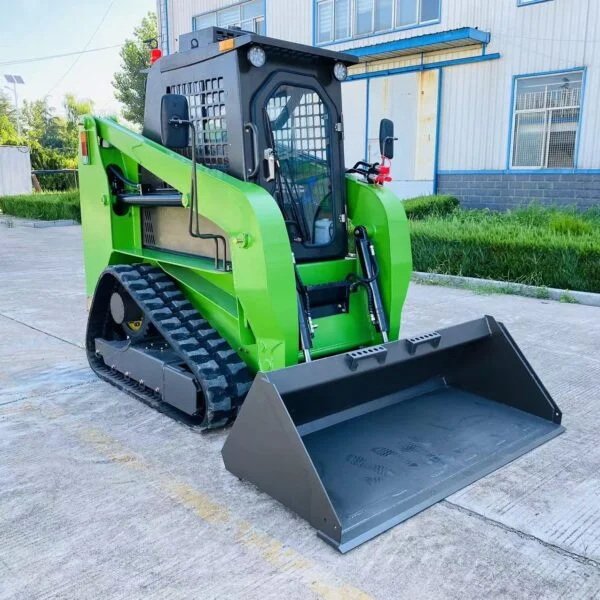
A compact track loader is a rubber‑tracked loader with a dedicated undercarriage designed to work on soft, muddy or sensitive ground where wheeled skid steers struggle. Compared with skid steers, CTLs offer lower ground pressure, better traction on slopes and improved ride quality, which can directly increase productivity and reduce site remediation costs.
Typical applications include:
– Residential and commercial construction
– Landscaping and hardscaping
– Agriculture and livestock operations
– Snow removal and site cleanup
– Land clearing and vegetation management
Core Keywords and How This Guide Helps You
This article is written for buyers searching for compact track loader buying guide, how to choose a compact track loader, compact track loader attachments, and compact track loader specs such as operating capacity, horsepower and hydraulic flow. You will find step‑by‑step advice, real manufacturer insights and checklists so you can confidently specify a machine that fits your work today and scales with your business tomorrow.
Key Factors When Choosing a Compact Track Loader
When selecting a CTL, you should look beyond model names and focus on how the machine’s specs match your real‑world jobs. The wrong size or configuration increases fuel, transport and ownership costs without delivering corresponding productivity gains.
Focus on these essential specs:
– Rated operating capacity (ROC)
– Operating weight and ground pressure
– Engine horsepower and torque
– Standard vs high‑flow hydraulic capacity
– Vertical‑lift vs radial‑lift arm geometry
– Undercarriage design and track width
– Cab comfort, visibility and controls
Get the Size and Power Right
Rated Operating Capacity and Tipping Load
Rated operating capacity tells you how much the loader can safely lift and carry, typically expressed as a percentage of the tipping load. Choosing a machine with too little ROC leads to multiple passes and reduced efficiency, while oversizing drives up purchase price, transport cost and fuel consumption.
Practical steps:
1. List your heaviest typical loads, such as pallets, materials or heavy attachments.
2. Add a safety margin of at least 15–20 percent.
3. Match that number to the manufacturer’s ROC rating.
Engine Horsepower and Hydraulic Flow
Engine power and hydraulic flow determine how quickly you can work and what attachments you can run. High‑flow hydraulic packages are often required for mulchers, cold planers and other demanding tools, while standard flow is enough for buckets, forks and light grapples.
Example spec snapshot for a typical mid‑size CTL:
| Key spec | Typical range (mid‑size CTL) |
|---|---|
| Gross horsepower | 90–115 hp |
| Standard hydraulic flow | 20–25 gpm |
| High‑flow hydraulic option | 30–35 gpm |
| Operating weight | 11,000–12,500 lb |
| ROC @ 35% tipping load | 4,000–4,500 lb |
Understand Lift Path, Undercarriage and Tracks
Vertical‑Lift vs Radial‑Lift
Vertical‑lift CTLs maintain the load closer to the machine and offer more reach at full lift height, making them ideal for loading trucks and hoppers. Radial‑lift machines provide a simpler linkage and stronger performance in the mid‑range of travel, suiting grading and ground‑engagement work.
Track Width and Ground Pressure
Track width and undercarriage design control ground pressure, flotation and stability. Wider tracks distribute weight over a larger area, reducing damage on turf and improving performance in snow, sand and mud, while narrower tracks can offer more maneuverability in tight spaces.
Match the Machine to Your Applications
Manufacturers consistently stress that there is no single best compact track loader, only the best match for your mix of work, terrain and attachments. Before you buy, define your primary use cases and rank them in order of revenue impact.
Common use‑case profiles and priorities:
– Construction contractors: ROC, vertical lift, high‑flow hydraulics, telematics
– Landscapers: low ground pressure, fine grading control, wide attachment range
– Agriculture: fuel efficiency, cab comfort, easy daily maintenance
– Land‑clearing firms: maximum hydraulic power, guarding packages, cooling capacity
Expert Advice from 16 Compact Track Loader Manufacturers
Comfort, Cab Design and Operator Environment
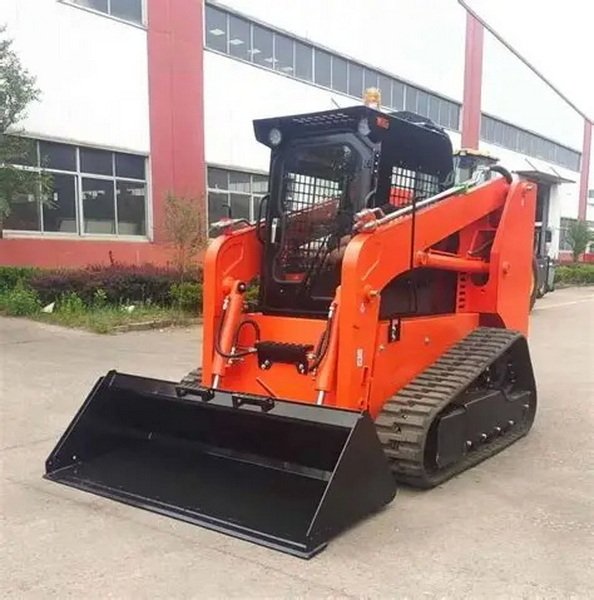
Manufacturers highlight that a comfortable cab is not a luxury but a productivity driver. A spacious cab with ergonomic controls, clear visibility and low noise levels reduces fatigue and helps operators stay accurate throughout long shifts.
Key cab considerations:
– Seat suspension and adjustability
– Joystick ergonomics and control customization
– Visibility to bucket edge, tracks and rear area
– Climate control, heating and defrost performance
Technology, Telematics and Operator‑Assist Features
Modern CTLs increasingly ship with telematics and operator‑assist features that can transform uptime and training. Remote telematics portals show location, operating hours, fuel usage, fault codes and service intervals, allowing you to schedule maintenance and prevent failures.
Useful technologies include:
– Auto bucket return‑to‑dig and preset height functions
– Dual‑direction self‑leveling and ride control
– Customizable control sensitivity and speed limits
– Rearview and 360‑degree camera systems
Safety, Visibility and Camera Systems
Manufacturers advise buyers to ask direct questions about safety, particularly for work in tight or congested areas. Standard rear cameras, optional around‑view monitoring, good sightlines to the front corners and well‑placed mirrors all help reduce risk for people working around the machine.
Demo the Machine and Feel the Controls
Many OEMs recommend hands‑on demos instead of choosing on specs alone. Testing the suspension, electro‑hydraulic controls and general feel helps you see which machine operators actually prefer to run day after day, which strongly influences real‑world productivity.
Right‑Sizing for Performance and Cost
Experts warn against buying on horsepower or model number alone. An oversized machine raises acquisition and lifecycle costs, while an undersized machine cannot handle peak loads and will be pushed hard, increasing wear and fuel use.
Maintenance and Daily Inspections
Routine maintenance is critical for uptime and safety on any compact track loader. Daily checks should include fluid levels, filters, visible leaks, grease points, bucket and cutting edges, with special attention to undercarriage and track condition.
Maintenance, Lifecycle Cost and Dealer Support
Plan for Total Cost of Ownership
Looking only at purchase price ignores fuel burn, downtime, parts and resale value. A true lifecycle view considers planned utilization, attachment mix, dealer proximity and responsiveness, which can outweigh small differences in initial cost.
Key lifecycle cost drivers:
– Fuel efficiency and idle‑reduction features
– Service intervals and ease of access for technicians
– Track life and undercarriage design
– Resale values for the brand and model
Daily, Weekly and Monthly Checklists
A simple structured program keeps CTLs running reliably.
– Daily: walk‑around, fluid checks, visual leaks, track tension, safety devices
– Weekly: deeper cleaning, greasing, undercarriage inspection
– Monthly: telematics review, fault code analysis, planned service scheduling
Compact Track Loader Attachments and Versatility
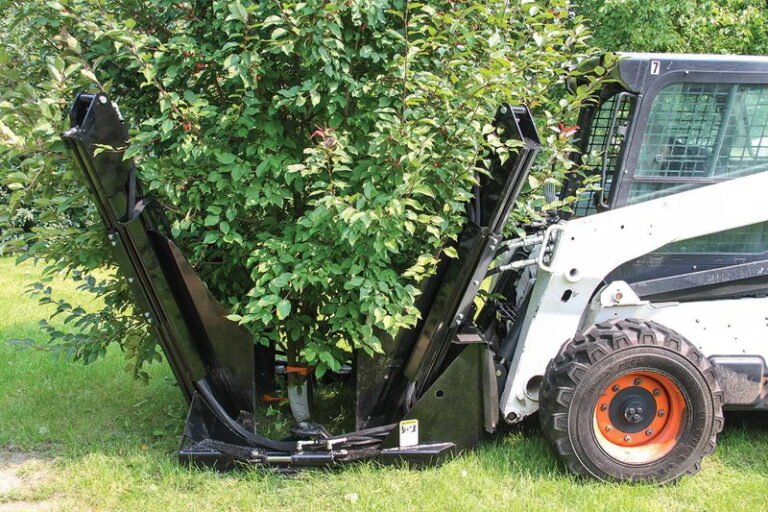
One of the greatest strengths of compact track loaders is their ability to accept hundreds of attachments, turning one machine into a multi‑purpose tool carrier. Properly matching hydraulic requirements and flow rates between the loader and attachment is essential to avoid damage and maximize efficiency.
Common CTL attachment categories:
– Earthmoving: general buckets, 4‑in‑1 buckets, grading buckets
– Ground engagement: dozer blades, box blades, rippers
– Material handling: pallet forks, grapple buckets, bale spears
– Land management: mulchers, brush cutters, stump grinders
– Infrastructure: augers, trenchers, cold planers
– Winter work: snow blowers, snow pushers, angle brooms
Compact Track Loader vs Skid Steer: Which Should You Choose?
Skid steers and CTLs share many attachments but behave differently on the ground. Skid steers usually cost less upfront and perform well on hard, paved surfaces, while compact track loaders excel on soft, muddy or landscaped ground thanks to lower ground pressure.
| Aspect | Compact track loader (CTL) | Skid steer loader |
|---|---|---|
| Ground conditions | Soft, muddy, turf, snow | Hard, paved, generally dry |
| Ground pressure | Low, protects surfaces | Higher, more disturbance |
| Purchase price | Generally higher | Generally lower |
| Undercarriage wear | Tracks, rollers, idlers | Tires |
| Ride quality | Smoother over rough ground | Rougher on uneven terrain |
New 2026 Trend: CTL Technology, Data and Automation
Recent buyer’s guides show a clear move toward smarter compact track loaders equipped with advanced telematics, integrated scales and semi‑automation features. These systems help owners manage fleets remotely, track productivity and make data‑driven decisions about fuel use, idle time and operator performance.
Emerging trends include:
– Integrated grade control and laser guidance for fine grading
– Cloud‑based telematics dashboards with geofencing and theft alerts
– Over‑the‑air software updates and feature unlocks
– Automated work modes that adjust engine speed and hydraulics by task
Step‑by‑Step Compact Track Loader Buying Checklist
To turn all this advice into action, use a structured buying process.
1. Define primary applications
List top revenue‑generating tasks and their surface conditions, such as paved, turf, mud or slope.
2. Specify performance requirements
Determine required ROC, maximum lift height, hydraulic flow and attachment needs for your heaviest jobs.
3. Set transport and site constraints
Check trailer capacity, legal road limits and gate or doorway widths to avoid logistics surprises.
4. Shortlist three to five models
Use dealer websites and spec comparison tools to assemble a short list that matches your criteria.
5. Schedule demos with attachments
Test each machine with the actual tools you will use, such as forks, buckets or mulchers, and evaluate comfort and control feel.
6. Evaluate support and lifecycle costs
Compare warranty terms, service intervals, dealer support and estimated fuel and maintenance costs over three to five years.
7. Negotiate purchase or rental‑to‑own options
Consider trying the machine on a long‑term rental or rent‑to‑own plan before committing fully.
Real‑World Scenario: Choosing the Right CTL for a Growing Contractor
A small contractor doing residential foundations, driveways and light landscaping might start with a mid‑size vertical‑lift CTL around 3,000–4,000 lb ROC and standard‑flow hydraulics. As their business grows into land clearing and commercial work, they may add a second, higher horsepower CTL with high‑flow hydraulics and a guarding package to run mulchers and heavy brush cutters.
By planning this evolution up front, the owner can:
– Avoid buying an oversized first machine
– Choose attachments that remain compatible with future CTLs
– Standardize controls and telematics across the fleet
Take the Next Step in Your CTL Buying Journey
If you are ready to apply this compact track loader buying guide to your own fleet, now is the time to act with a clear plan. Use the checklist above to define your requirements, then contact your preferred dealer or manufacturer to schedule a demo, compare two or three candidate machines side by side and finalize the attachment package that fits your top jobs. Once you have tested the machines in real conditions, move forward with a purchase or rent‑to‑own agreement that aligns with your cash flow and utilization targets so your new CTL starts generating returns on day one.
Contact us to get more information!
FAQs About Compact Track Loaders
Q1: What is the most important spec when choosing a compact track loader?
The most critical spec for many buyers is rated operating capacity, because it determines how much weight the machine can safely lift and carry on a daily basis. If ROC is too low, you will need more trips and more time to complete the same work, which directly impacts productivity and profit.
Q2: Do I really need high‑flow hydraulics?
You only need high‑flow if you plan to run power‑hungry attachments such as mulchers, cold planers or heavy brush cutters. Standard‑flow hydraulics are enough for most everyday tools, including dirt buckets, pallet forks, light grapples and brooms.
Q3: How often should I service my CTL undercarriage and tracks?
Undercarriage components should be inspected daily and cleaned frequently, especially in abrasive or muddy environments. You should also check and adjust track tension according to the manufacturer’s recommendations to avoid premature wear or de‑tracking.
Q4: Are compact track loaders always better than skid steers?
Compact track loaders are not always the best choice, even though they outperform skid steers on soft or sensitive ground. Skid steers can be more cost‑effective on hard, paved surfaces where traction is not an issue and where you want lower undercarriage costs.
Q5: How long does a compact track loader typically last?
With proper maintenance and sensible operation, many CTLs deliver several thousand hours of productive life. Actual lifespan depends on factors such as application severity, undercarriage care, operator behavior and adherence to service intervals.
Reference links:
1. https://compactequip.com/compact-track-loaders/compact-track-loader-advice-from-16-manufacturers/
2. https://www.equipmentworld.com/construction-equipment/compact-equipment/compact-track-loaders/article/15751325/compact-track-loader-buyers-guide-2025
3. https://www.bobcat.com/na/en/buying-resources/loaders/compact-track-loader-skid-steer-loader-buyers-guide/key-factors-when-choosing
4. https://www.gregorypoole.com/compact-track-loader-buyers-guide/
5. https://retailtechinnovationhub.com/home/2025/1/8/the-ultimate-guide-to-finding-the-perfect-compact-track-loader
6. https://heavyequipment.ringpower.com/products/detail/127180-275
7. https://www.gregorypoole.com/ctl-features-for-landscaping/
8. https://www.heavyequipmentguide.ca/article/28500/what-to-consider-when-buying-a-compact-track-loader
9. https://www.takeuchi-us.com/wp-content/uploads/2017/09/TL6-2-PG-Spec-Sheet-Sept_2017.pdf
10. https://www.cat.com/en_US/by-industry/construction-industry-resources/attachments/compact-track-loader-attachments.html
11. https://dozr.com/blog/comparing-all-compact-track-loader-brands
12. https://www.deere.com.au/en/compact-track-loaders/331-p-compact-track-loader/
13. https://dozr.com/blog/common-attachments-for-skid-steers-and-compact-track-loaders
14. https://www.heavyequipmentguide.ca/article/40340/compact-track-loaders-compare-specs-models-and-performance
15. https://www.bobcat.com/na/en/equipment/loaders/compact-track-loaders/t740
16. https://www.millerimplement.com/blog/a-comprehensive-guide-to-choosing-the-right-compact-track-loader–81292
17. https://shop.equipmentshare.com/blogs/guides/choosing-track-loader-attachments
18. https://www.rippa.com/zh/skid-steer-vs-compact-track-loader-which-is-right-for-your-job%EF%BC%9F/
19. https://www.bigrentz.com/blog/skid-steer-vs-track-loader
20. https://www.mechandlink.com/en/news-article/Compact-track-loader-attachments-a-guide-to-unlock-your-machine-s-full-capabilities
21. https://www.hopenn.com/blog/skid-steer-vs-compact-wheel-loader-vs-compact-track-loader/
22. https://thompsontractor.com/blog/compact-track-loader-attachments/
Hot Tags: Compact Track Loader Advice, Compact Track Loader Buying Guide, Track Loader Recommendations, Compact Track Loader Tips, Compact Track Loader Selection, Track Loader Manufacturers, Best Compact Track Loaders, Compact Track Loader Features, Construction Equipment Guide, Compact Track Loader Insights