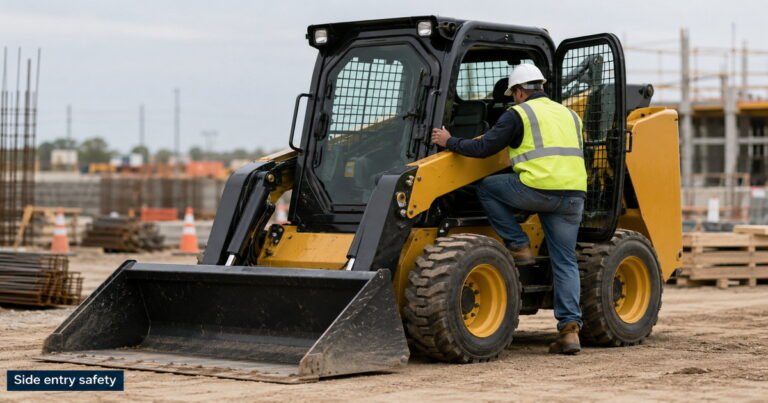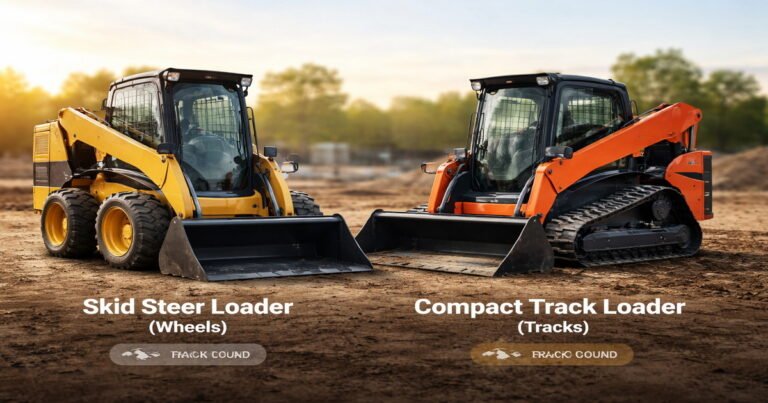

Properly Balanced Skid-Steer Loader: How Weight Distribution Boosts Agility, Safety and Productivity
Content Menu
● Target Readers and Core Keywords
● Why Skid-Steer Balance Matters
● How a Properly Balanced Skid-Steer Loader Works
>> Weight Distribution with an Empty Bucket
>> Weight Distribution with a Rated Load in the Bucket
● Key Benefits of a Properly Balanced Skid-Steer Loader
● How to Tell If Your Skid-Steer Is Properly Balanced
>> 1. Steering Feel in Tight Turns
>> 2. Stability with a Full Bucket
>> 3. Loader Behavior on Slopes
● Engineering Principles Behind Skid-Steer Balance
>> Center of Gravity and Pivot Points
>> Axle Load Ratios and Rated Operating Capacity
● How Tires Influence Skid-Steer Balance and Performance
>> Choosing the Right Tire for the Job
>> Common Skid-Steer Tire Options
● Practical Setup Tips to Keep Your Skid-Steer Properly Balanced
>> 1. Respect the Rated Operating Capacity
>> 2. Keep Tire Pressure Within Spec
>> 3. Choose Attachments with Balance in Mind
>> 4. Train Operators on Smooth Control Inputs
● Real‑World Use Cases Where Proper Skid-Steer Balance Pays Off
>> Landscaping and Site Cleanup
>> Roadwork and Paving Support
>> Agriculture and Material Handling
● When to Consider Upgrading to a Better Balanced Skid-Steer Loader
● How Certeg Supports Balanced, High‑Productivity Skid-Steer Operation
● Clear Next Steps: Choose a Properly Balanced Skid-Steer Loader for Your Fleet
● FAQs about Properly Balanced Skid-Steer Loaders
>> FAQ 1: What does it mean for a skid-steer loader to be properly balanced?
>> FAQ 2: How does balance affect skid-steer safety?
>> FAQ 3: Can the wrong tires affect skid-steer balance?
>> FAQ 4: How can I check if my skid-steer is overloaded?
>> FAQ 5: Why might a well-balanced skid-steer need only a smaller engine?
A properly balanced skid-steer loader is easier to steer, safer to operate and more fuel efficient, which has a direct impact on your crew’s productivity and total operating cost. This in‑depth guide explains how skid-steer weight distribution works, why balance matters in real jobsites, and how to select and operate a loader that stays agile under changing loads.
Target Readers and Core Keywords
This article is written for contractors, rental fleets, farmers, landscapers and municipal operators who use skid-steer loaders for daily work. It is optimized around the core keyword properly balanced skid-steer loader and related long‑tail phrases such as skid-steer weight distribution, skid-steer balance and skid-steer turning performance.
Why Skid-Steer Balance Matters
A skid-steer loader turns by skidding its tires rather than steering with an axle, so how the machine’s weight sits over the front and rear axles directly controls how easily it pivots. Poor balance can make the loader feel heavy to turn, increase tire wear, waste fuel and even compromise safety when carrying heavy loads on uneven ground.
– Agility:Correct weight distribution lets the machine pivot smoothly with minimal effort from the hydraulic system.
– Stability:The loader remains planted when the bucket is raised, reducing risk of tipping forward or sideways.
– Efficiency:When the loader turns easily, you can often achieve required performance without upsizing to a larger engine.
– Operator confidence:A balanced machine feels predictable, which is critical for new operators and busy jobsites.
How a Properly Balanced Skid-Steer Loader Works
A simple way to understand skid-steer balance is to think about how you stand on your own feet. If you stand flat‑footed with your weight evenly split between heel and toes, it is harder to pivot quickly. But if you shift more weight to your heel or the ball of your foot, you can turn faster and with less effort.
A skid-steer loader behaves in a similar way, using weight transfer between its front and rear axles to stay agile while still carrying a productive load.
Weight Distribution with an Empty Bucket
When there is no material in the bucket, approximately 70% of the machine’s weight rests on the rear axle and 30% on the front axle. This rear‑biased balance allows the machine to pivot easily on its back wheels, giving the operator light steering and quick response when maneuvering around obstacles or tight spaces.
Key advantages of this empty‑bucket balance include:
– Fast repositioning on the jobsite without feeling nose‑heavy
– Reduced front tire scrubbing, because the rear axle is the primary pivot point
– Better fuel economy, as the hydrostatic system works less to initiate a turn
Weight Distribution with a Rated Load in the Bucket
When the loader lifts a bucket filled to its rated operating capacity, weight naturally shifts forward toward the front axle. On a properly balanced design, the ratio reverses so that about 70% of the total machine weight now sits on the front axle and 30% on the rear axle.
This change has two important effects:
– The front axles become the pivot point, letting the loader still turn effectively with a full bucket.
– The machine stays stable and controlled while driving, lifting and dumping, rather than feeling light in the front or unstable in the rear.
Balance and Engine Size
A well‑engineered weight distribution allows the loader to turn easily both empty and loaded, so the drivetrain does not have to work as hard to overcome resistance during skid turns. This efficient balance reduces the need for a larger engine, helping owners lower purchase cost, fuel consumption and emissions without sacrificing performance.
Key Benefits of a Properly Balanced Skid-Steer Loader
A properly balanced skid-steer loader delivers advantages that operators can feel in every cycle, from digging and loading to backfilling and grading.
– Consistent turning effort:Steering remains predictable whether the bucket is empty or filled to its rated load.
– Higher productivity:Shorter cycle times and smoother loader travel mean more material moved per hour.
– Lower running costs:Less tire scuffing and more efficient use of engine power can cut long‑term operating expenses.
– Improved safety margin:A machine that stays planted reduces the risk of losing control on slopes or uneven terrain.
– Operator comfort:Less fighting with the controls translates into lower fatigue over a long shift.

How to Tell If Your Skid-Steer Is Properly Balanced
Even without engineering tools, experienced operators can quickly sense whether a loader is well balanced. Paying attention to a few practical checks during daily operation can reveal if the machine’s weight distribution is working for you or against you.
1. Steering Feel in Tight Turns
When you perform a full‑lock skid turn on firm ground with an empty bucket, the loader should pivot smoothly without excessive vibration or jerking. If the machine feels extremely heavy to turn, or if the front tires hop and scrub aggressively, weight distribution or tire setup may be working against agility.
2. Stability with a Full Bucket
With a rated load in the bucket and the arms in the carry position, a properly balanced skid-steer should:
– Track straight without wandering
– Avoid feeling excessively light in the rear
– Maintain good control when you brake, accelerate or make small steering corrections
If the rear feels too light or the machine pitches forward aggressively when stopping, the loader may be operating beyond its optimal balance envelope.
3. Loader Behavior on Slopes
On mild slopes, a balanced skid-steer remains composed while traveling uphill or downhill with a moderate load. If the operator has to constantly fight the controls to keep the machine straight, or if the rear tires lose contact with the ground too easily, balance and loading practices should be reviewed.
Engineering Principles Behind Skid-Steer Balance
Understanding the engineering principles of skid-steer balance helps fleet managers compare models on more than just horsepower and rated operating capacity.
Center of Gravity and Pivot Points
The loader’s center of gravity moves forward and backward as the bucket fills or empties, and as the lift arms raise or lower. Designers position the major components such as engine, hydraulic pumps, fuel tank and operator cab so that the center of gravity stays within a safe, controllable range above the axles in both empty and loaded conditions.
By carefully tuning this layout, the skid-steer can:
– Pivot around the rear axle when empty for easy turning
– Pivot around the front axle when loaded without becoming unstable
– Maintain a safe tipping load while still providing strong breakout force at the bucket
Axle Load Ratios and Rated Operating Capacity
The manufacturer’s rated operating capacity is calculated so that, under specified conditions, the loader maintains a safe balance with enough weight still resting on the rear axle. Well‑balanced machines are engineered so ROC, axle load ratios and hydraulic performance all work together to maintain agility instead of fighting each other.
How Tires Influence Skid-Steer Balance and Performance
Even the best balanced loader can feel unstable if it runs on the wrong tires for the job. Matching tire type, tread and inflation to your ground conditions is a practical way to protect balance and handling.
Choosing the Right Tire for the Job
Using the right tire for the job is a key part of optimizing skid-steer performance. In practice, this means considering:
– Surface type (concrete, asphalt, gravel, soft soil, mud)
– Traction requirements (digging, pushing, carrying, fine grading)
– Ride comfort and shock absorption
– Puncture risk and expected tire life
Common Skid-Steer Tire Options
| Tire type | Best for | Effect on balance and feel |
|---|---|---|
| Standard pneumatic | General construction, mixed surfaces | Good cushioning and grip, predictable turning, suitable for most balanced loaders. |
| Heavy‑duty pneumatic | Demolition, recycling, rough debris | Stronger sidewalls, slightly firmer ride, keeps machine stable under heavy loads. |
| Foam‑filled or solid | High puncture environments | Eliminates flats, adds weight that can shift overall balance and ride characteristics. |
| Specialty tread (turf, snow) | Ground‑sensitive or seasonal work | Designed to protect surfaces or improve grip in specific conditions. |
Practical Setup Tips to Keep Your Skid-Steer Properly Balanced
To get maximum benefit from a properly balanced skid-steer loader, combine good machine design with careful setup and daily operating habits.
1. Respect the Rated Operating Capacity
Never treat ROC as a suggestion. Overloading the bucket pushes the center of gravity too far forward, reducing the percentage of weight on the rear axle and increasing the risk of tipping. Keeping loads within the specified rating allows the machine’s engineered balance to work as intended.
2. Keep Tire Pressure Within Spec
Uneven or incorrect tire inflation can distort how weight transfers between axles and across the width of the machine. Checking tire pressure as part of your daily walk‑around helps maintain consistent handling, especially when switching between rough and smooth ground.
3. Choose Attachments with Balance in Mind
Heavy attachments such as cold planers, brush cutters or concrete mixers significantly change the loader’s weight distribution. Operators should be trained to recognize how each attachment affects balance and to adjust travel speed, turning radius and operating technique accordingly.
4. Train Operators on Smooth Control Inputs
Even a perfectly balanced skid-steer can feel unstable if the operator uses abrupt control inputs. Smooth acceleration, deceleration and steering help the loader maintain grip and reduce sudden weight transfer, which is especially important when carrying loads on uneven surfaces.
Real‑World Use Cases Where Proper Skid-Steer Balance Pays Off
Seeing how balance works in common applications makes it easier to appreciate its value.
Landscaping and Site Cleanup
On landscaping jobs, operators constantly shift between carrying full buckets of soil or mulch and traveling empty across finished surfaces. A balanced skid-steer transitions smoothly between these states, keeping steering effort consistent and minimizing damage to turf or paving.
Roadwork and Paving Support
When supporting road crews, skid-steers often carry heavy aggregate or asphalt in tight urban spaces. Stable weight distribution helps them maneuver close to obstacles, trucks and workers without feeling unpredictable, even when turning with a raised bucket at low height.
Agriculture and Material Handling
On farms, loaders handle dense materials such as silage, feed or manure, often on uneven ground. Good balance allows operators to work efficiently in barns, feedlots and yards while reducing the risk of sudden front‑end dipping or rear‑end lifting when hitting ruts or soft patches.
When to Consider Upgrading to a Better Balanced Skid-Steer Loader
If your current machine feels unpredictable, chews through tires quickly or struggles to turn smoothly with normal loads, it may lack the optimized balance and design refinements of newer models. Upgrading to a properly balanced skid-steer loader can immediately improve productivity and reduce operator fatigue across your fleet.
Warning signs that an upgrade might be justified include:
– Frequent complaints from operators about steering effort or stability
– Noticeable hopping or skidding in every tight turn, even on good surfaces
– Difficulty maintaining control with standard rated loads
– Excessive wear on front or rear tires compared to expectations
How Certeg Supports Balanced, High‑Productivity Skid-Steer Operation
As a global manufacturer of construction machinery, Certeg focuses on matching engine power, hydraulic performance and weight distribution to real‑world jobs so operators can achieve high productivity without unnecessary fuel burn. By offering complementary equipment such as excavators, rollers, forklifts, tractors and crawler transporters, Certeg helps customers build fleets that work together efficiently on complex projects.
For buyers comparing machines, it is essential to look beyond headline horsepower numbers and examine how each loader’s balance, undercarriage and tire options support actual work requirements.
Clear Next Steps: Choose a Properly Balanced Skid-Steer Loader for Your Fleet
A properly balanced skid-steer loader is one of the most effective ways to unlock agility, safety and cost savings on your jobsite without overspending on engine size. By understanding how weight distribution works, checking for good balance in daily operation and matching tires and attachments to your conditions, you can get the most from every machine in your fleet.
If you are planning your next equipment purchase or looking to standardize your loaders across multiple jobsites, now is the ideal time to review balance, ROC and tire strategy together, not in isolation.
Call to Action
If you want a skid-steer loader that stays stable under load yet agile in tight spaces, contact the Certeg team to discuss modern, properly balanced models configured for your applications. Share your typical materials, ground conditions and duty cycles, request a performance consultation, and start building a loader specification that delivers safer, faster and more profitable work on every job.
Contact us to get more information!
FAQs about Properly Balanced Skid-Steer Loaders
FAQ 1: What does it mean for a skid-steer loader to be properly balanced?
A properly balanced skid-steer loader has its weight distributed so that it turns easily and remains stable in both empty and loaded conditions, typically shifting from about 70% rear axle weight when empty to about 70% front axle weight at rated load.
FAQ 2: How does balance affect skid-steer safety?
Good balance keeps enough weight on both axles to avoid sudden tipping or loss of control, especially when traveling with a full bucket, working on slopes or maneuvering around obstacles. This improves operator confidence and reduces accident risk.
FAQ 3: Can the wrong tires affect skid-steer balance?
Tires do not change the loader’s internal weight distribution, but they significantly influence how that weight interacts with the ground, affecting traction, shock absorption and turning feel. Choosing the right tires for your surface and load conditions is essential to maintain predictable handling.
FAQ 4: How can I check if my skid-steer is overloaded?
Common overload signs include the rear feeling very light, difficulty turning smoothly, aggressive front tire scrubbing and the machine pitching forward when braking. If you see these behaviors, you may be exceeding the rated operating capacity or carrying the load too high.
FAQ 5: Why might a well-balanced skid-steer need only a smaller engine?
When a skid-steer is efficiently balanced, it requires less power to overcome resistance during skid turns and normal travel, so manufacturers can achieve the same work output with a smaller engine. This can reduce purchase price and fuel consumption while maintaining productivity.
Reference Links
1. https://www.bobcat.com/na/en/buying-resources/loaders/properly-balanced-skid-steer-loader
Hot Tags: Landscaping Skid Steer, Operating A Skid Steer Loader, Mini Skid Steer Brands, Hydromac Skid Steer, Skid Steer And Mini Excavator, Melroe Bobcat Skid Steer, How To Drive Skid Steer, John Deere Skid Steer Size Chart, Skid Steer Tracks Prices, Using Skid Steer To Clear Land