
Upfitting Compact Track Loaders with 2D Machine Control Grading Systems in 2026
Content Menu
● What Is 2D Machine Control Grading
● Why Many Fleets Start With 2D Instead of 3D
● Core Components of a 2D Grading Package
● Laser Guided and Sonic Guided 2D Solutions
● Single Mast and Dual Mast Grade Boxes
● Cost Considerations for 2D Attachments and Controls
● Example: Compact, Modular 2D Systems
● Smart Attachments and Built In Assist Features
● Entry Level Grade Indication Tools
● Collaborative Solutions Between OEMs and Attachment Specialists
● How to Choose the Right 2D System
● Step By Step Upfitting Checklist
>> 1. Confirm Machine Compatibility
>> 2. Select Attachment and Control Package
>> 3. Plan Installation and Setup
>> 4. Configure Reference Systems
>> 5. Train Operators and Supervisors
>> 6. Monitor Results on Initial Projects
● Practical Tips to Maximize System Performance
● When It Makes Sense to Move From 2D to 3D
● Plan and Implement Your 2D Grading Upgrade Now
● FAQs About 2D Machine Control for Compact Track Loaders
>> 1. What types of projects benefit most from 2D systems
>> 2. How much budget should be reserved for a typical 2D setup
>> 3. Is a dual mast box mandatory for accurate 2D grading
>> 4. How complex is the installation process on existing machines
>> 5. Can a fleet start with 2D and later expand to 3D without replacing everything
Upfitting a compact track loader (CTL) or skid steer with a 2D machine control grading system is one of the most efficient ways for contractors to increase grading accuracy, speed and profitability on common building and infrastructure projects. This enhanced guide explains the technology, compares key options, shares realistic cost ranges and gives practical steps to select and install the right system for modern fleets.
What Is 2D Machine Control Grading
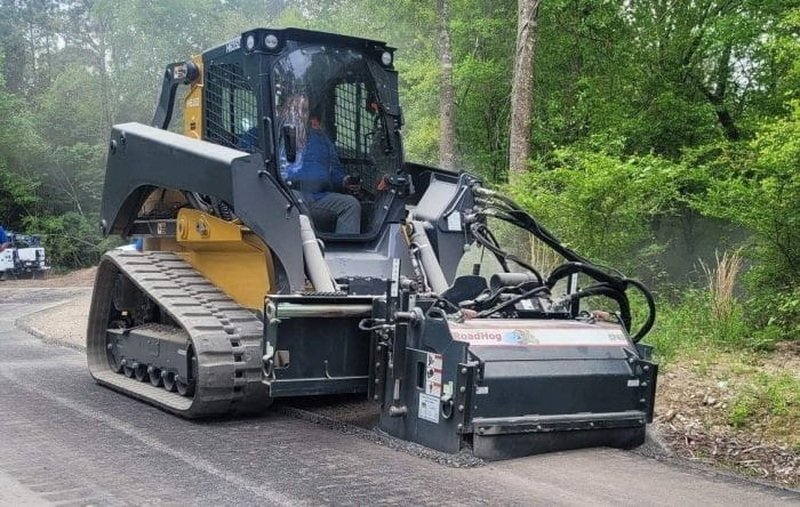
2D machine control automates the grading attachment so it maintains a target elevation or slope using sensors, lasers or sonic references. It is optimized for flat or single‑slope surfaces, which makes it especially suitable for pads, parking lots and sports fields.
– 2D systems control elevation and slope relative to a single reference plane.
– They typically rely on laser receivers or sonic sensors mounted on grader or box blades.
– Operators usually experience higher productivity and more consistent surface quality even with modest training.
In contrast, 3D systems work from complex digital terrain models and manage multi‑slope surfaces at a significantly higher cost and complexity level.
Why Many Fleets Start With 2D Instead of 3D
For small and mid‑size contractors, entry‑level 2D solutions often deliver the best balance between investment and return. They combine moderate upfront cost with rapid operator adoption and broad application coverage.
Key advantages of 2D machine control include:
– Lower capital requirement compared with advanced 3D packages.
– Simpler user interface, because the system only manages elevation and simple slopes.
– High utilization on recurring work such as pads, parking areas and building sites.
– Logical upgrade path, since many platforms and attachments can later accept 3D components.
This makes 2D particularly attractive for companies aiming to modernize grading operations without committing immediately to full 3D workflows.
Core Components of a 2D Grading Package
A complete 2D machine control package for a CTL or skid steer integrates several hardware and software elements that work together as one system. Understanding these components helps when comparing quotes and designs.
Typical elements in a 2D grading package:
– Laser transmitter on a tripod that generates a reference plane for elevation and slope.
– Laser receivers mounted on one or two masts attached to the blade or box.
– In‑cab control box or display where the operator sets target grade or slope and monitors live feedback.
– Sensors and hydraulic valves that measure blade position and automatically adjust the cutting edge.
– Mounting hardware and cabling that securely connect all modules to the carrier machine.
Compact, modular systems reduce installation time and allow movement of the electronics between machines when needed.
Laser Guided and Sonic Guided 2D Solutions
Modern 2D systems generally fall into two main technology types: laser‑guided and sonic‑guided solutions. Each suits specific project profiles.
Laser Guided Systems
Laser guided systems use one or more rotating lasers and corresponding receivers to maintain grade across a site. These are particularly effective on large, open surfaces.
– A rotating laser establishes a flat reference plane that covers the work area.
– Receivers on the masts detect vertical deviations and signal automatic up or down blade corrections.
– Ideal for large pads, storage yards and parking lots where line of sight is not obstructed.
Contractors favor laser systems because they are cost effective and relatively easy to deploy for repeated tasks.
Sonic Guided Systems
Sonic guided systems use ultrasonic sensors to follow physical references such as curbs, string lines or existing pavement edges. They are a strong choice when the grade must match an existing surface.
– The sonic sensor keeps a fixed distance to the reference target.
– Systems frequently combine sonic feedback with slope sensors for improved cross‑slope control.
– They are especially useful in urban or constrained sites where laser visibility is limited.
Choosing between laser and sonic solutions depends mainly on whether the job relies on a broad reference plane or a specific physical edge.
Single Mast and Dual Mast Grade Boxes
Selecting between single mast and dual mast grader or box blades influences precision, productivity and upgrade flexibility.
Single Mast Grade Boxes
Single mast boxes are typically the lowest cost laser guided option and are very productive on straightforward work.
– Provide accurate results on large, simple pads and open sites.
– Work best where the operator has ample space to maneuver and overlap passes.
– On slopes, careless operation can lead to terracing, which requires more finish passes.
To mitigate terracing, operators often follow figure eight or smooth arc patterns that create more uniform overlap.
Dual Mast Grade Boxes
Dual mast boxes have become the preferred choice for many CTL fleets where high accuracy is required.
– Improve edge‑to‑edge accuracy across the full cutting width.
– Operate effectively in straight lines and tighter work areas.
– Often support both 2D and 3D control platforms, enabling future expansion.
Although dual mast models carry a higher initial price, they tend to deliver better finish quality, higher output and smoother transitions to advanced automation.
Cost Considerations for 2D Attachments and Controls
Careful budgeting is crucial for a successful grading technology strategy. Costs are typically separated into the physical attachment and the electronic control system.
Indicative cost structure:
– Entry level 2D packages generally start at a moderate five‑figure or high four‑figure investment, depending on the configuration.
– Broader 2D solutions with more sensors, receivers and options occupy a higher price band, still well below typical 3D setups.
– High specification attachments that are ready for 3D integration sit closer to premium levels, especially when equipped with advanced electronics.
– Full 3D solutions for compact machines can reach top‑tier investment levels once complete guidance hardware and software are included.
Exact pricing depends on brand, region, dealer services and the combination of chosen features, but these ranges provide a realistic framework for planning.
Example: Compact, Modular 2D Systems
Some 2D systems are designed as compact, modular kits that emphasize ease of installation and mobility between machines. A typical configuration includes:
– A central control unit that mounts on the machine.
– Snap‑on receivers and easily accessible cabling to minimize installation time.
– A mobile‑friendly interface or simplified in‑cab display that shortens the learning curve.
Systems of this type are particularly attractive for fleets with several compact loaders that rotate between different jobs and operators.
Smart Attachments and Built In Assist Features
A growing segment of the market integrates smart attachments that the carrier machine recognizes electronically, enabling more advanced control options. Certain manufacturers already offer integrated solutions in this segment.
Common characteristics of smart attachments include:
– Automatic recognition by the host machine and activation of dedicated control modes.
– Assist features that remember a blade slope or cross slope and help the operator maintain it with less manual correction.
– Enhanced on‑screen feedback that shows slope and elevation data directly in the cab.
These features reduce operator fatigue, improve consistency and help newer operators approach results that previously required highly experienced personnel.
Entry Level Grade Indication Tools
Contractors not yet ready to adopt full machine control can still benefit from grade indication solutions that provide valuable feedback without automating the blade.
– Mechanical or digital slope meters mount in the cab and display slope information so the operator can adjust manually.
– Integrated on‑board indication on some machines shows cross slope and main fall directly on the factory display.
These options represent a low cost way to familiarize crews with basic slope management while preparing for a future move into full automation.
Collaborative Solutions Between OEMs and Attachment Specialists
The industry has seen an expansion of collaborations between original equipment manufacturers and specialized attachment brands. Such partnerships aim to provide turnkey precision grading packages.
Typical collaborative offerings feature:
– Dual mast box blades in multiple widths that cover a range of compact loader sizes.
– Configurations suitable for both 2D precision grading and 3D precision grading.
– Optional counterweights or stability enhancements that complement the host machine.
This type of ecosystem approach simplifies specification and helps buyers match carriers, attachments and controls more confidently.
How to Choose the Right 2D System
Selecting the best 2D setup for a fleet requires aligning technology capabilities with operational needs and long‑term plans. The following considerations provide a structured approach.
Important questions to ask:
1. Which project types dominate the workload?
– Large pads and open lots generally favor laser guided 2D systems.
– Jobs that must follow curbs, gutters or existing pavement often require sonic referencing.
2. What tolerances do clients expect?
– High finish standards may justify dual mast boxes and more sophisticated feedback.
3. Is there a realistic plan to adopt 3D within the next few years?
– If yes, prioritize attachments and control platforms explicitly marketed as 3D upgradeable.
4. What is the current operator skill profile?
– Fleets with many newer operators benefit significantly from assist features and more automation.
Answering these questions before requesting quotes helps avoid both under‑specification and overspending.
Step By Step Upfitting Checklist
A clear implementation process ensures that new equipment delivers measurable benefits instead of becoming under‑used capital. The following checklist supports a structured rollout.
1. Confirm Machine Compatibility
– Verify hydraulic flow, electrical power and auxiliary connections on each CTL or skid steer.
– Check that the chosen attachment and control kit are officially approved or commonly paired with those models.
2. Select Attachment and Control Package
– Decide between grader blade and box blade based on target applications.
– Choose single mast or dual mast depending on required accuracy and potential for future 3D upgrades.
3. Plan Installation and Setup
– Schedule installation with a qualified dealer or in‑house technicians familiar with hydraulic and electrical systems.
– Determine mounting locations for masts, control boxes and cables that protect components and preserve visibility.
4. Configure Reference Systems
– Establish whether the job will rely on rotating lasers, sonic references or a combination.
– Define internal procedures for setting up tripods, checking reference alignment and managing power supply.
5. Train Operators and Supervisors
– Provide hands‑on sessions that cover screen navigation, setting target grades and interpreting feedback.
– Teach best practices for pass patterns, especially on single mast systems, to minimize terracing and rework.
6. Monitor Results on Initial Projects
– Track productivity, material usage, fuel consumption and rework rates during early deployments.
– Hold brief debriefing sessions after key jobs to capture lessons learned and fine tune system settings.
This phased method helps ensure that each new system generates real operational improvements from the first jobs onward.
Practical Tips to Maximize System Performance
A few consistent habits can dramatically improve grading outcomes and minimize troubleshooting time.
– Verify reference devices daily, including laser level and tripod stability, before starting work.
– Keep sensors, receivers and lenses clean and free of debris to ensure accurate detection.
– Protect reference equipment from vibrations and accidental impacts by clearly marking its location.
– Document preferred machine settings and work patterns so repeat jobs start with a known baseline.
By treating machine control as part of a standard operating procedure, crews achieve more predictable results.
When It Makes Sense to Move From 2D to 3D
There comes a point where certain contractors benefit from transitioning to full 3D grade control. Recognizing that moment helps with long‑term planning.
Common indicators include:
– A rising percentage of projects with complex multi‑slope surfaces or detailed design models.
– Increased demand from clients to work directly from digital engineering files.
– A strategic goal to standardize survey, design and machine data across multiple job types and fleets.
Since many attachments and platforms are now designed for both 2D and 3D use, starting with 2D typically supports a smooth expansion when these indicators appear.
Plan and Implement Your 2D Grading Upgrade Now
Companies that rely on compact track loaders and skid steers for grading have a timely opportunity to modernize operations by adopting 2D machine control systems. The technology has become more accessible, easier to deploy and more flexible, with clear upgrade routes to advanced automation.
Evaluate the current project portfolio, define accuracy expectations and determine the most suitable combination of attachment and control platform. Then engage with trusted dealers or technology partners to design and implement a 2D package that aligns with your budget, fleet profile and long‑term digital strategy. Taking structured action now will position your organization to deliver higher‑quality surfaces, meet tighter schedules and strengthen competitiveness in future tenders.
FAQs About 2D Machine Control for Compact Track Loaders
1. What types of projects benefit most from 2D systems
Projects with flat or single‑slope surfaces such as building pads, storage yards, parking facilities and athletic fields benefit most. These applications take full advantage of simple elevation and slope control without requiring complex terrain models.
2. How much budget should be reserved for a typical 2D setup
A typical 2D setup usually requires a moderate four to low five figure budget, depending on the combination of attachment type, sensor package and brand. Planning should also consider installation, training and potential future upgrades into more advanced modes.
3. Is a dual mast box mandatory for accurate 2D grading
A dual mast box is not mandatory, but it generally enhances edge‑to‑edge accuracy and makes it easier to meet tight tolerances. Single mast boxes remain effective and economical on less demanding projects when operated with appropriate pass patterns.
4. How complex is the installation process on existing machines
Installation complexity depends on the specific system. Modular 2D kits with centralized control units and quick‑mount receivers can often be installed relatively quickly, especially on machines with standard auxiliary electrical and hydraulic provisions. More integrated setups may require dealer or specialist support.
5. Can a fleet start with 2D and later expand to 3D without replacing everything
Many modern attachments and control platforms are designed to operate in both 2D and 3D environments. Fleets can begin with 2D to gain experience and prove the business case, then later add 3D sensors, receivers and software modules, reusing much of the original hardware.
Hot Tags:Skid Steer Gps Grading, Compact Track Loader, 2D Machine Control System, Grading Control Technology, Compact Track Loader Attachments, Machine Control Grading, Construction Grade Control, Compact Equipment Technology, Track Loader Upfit, Precision Grading System