
Compact (Mini) Excavator Buyer’s Guide: How to Choose the Best Machine for Your Jobsite
Content Menu
● What Is a Compact (Mini) Excavator?
● Core Keyword Focus for Buyers
● When a Compact Excavator Is the Right Choice
● Understanding Compact Excavator Sizes and Specifications
>> Essential Size and Performance Metrics
>> Typical Compact Excavator Size Ranges
● Key Factors When Choosing the Best Compact Excavator
>> Matching the Machine to Typical Tasks
>> Jobsite Access, Space, and Surface Conditions
>> Lifting Capacity and Stability
● Comfort, Visibility, and Operator Experience
>> Cab Comfort and Work Environment
>> Visibility and Safety Enhancements
● Controls, Displays, and Intelligent Systems
>> Control Layout and Power Modes
>> Displays, Diagnostics, and Alerts
>> Telematics and Fleet Management Tools
● Features and Options That Increase Productivity
>> Undercarriage and Blade Design
>> Hydraulic System and Auxiliary Circuits
● Attachments: Expanding the Role of a Compact Excavator
>> Common High-Value Attachments
>> Building an Attachment Plan
● Maintenance, Serviceability, and Ownership Costs
>> Daily and Scheduled Maintenance Practices
>> Design Features That Simplify Service
● Practical Use Cases to Guide Selection
● FAQs: Compact (Mini) Excavator Buyer’s Guide
>> 1. What size mini excavator is best for a first-time buyer?
>> 2. Is a zero tail swing excavator always the right choice?
>> 3. How important is auxiliary hydraulic flow for attachments?
>> 4. Do comfort features really matter for productivity?
>> 5. Can telematics benefit small fleets or single machines?
Choosing the right compact excavator is one of the fastest ways to increase productivity, reduce operating costs, and win more profitable jobs. This guide walks first-time and experienced buyers through every key decision: size, specifications, features, attachments, and maintenance, so you can match the machine precisely to your applications and budget.[1]
What Is a Compact (Mini) Excavator?
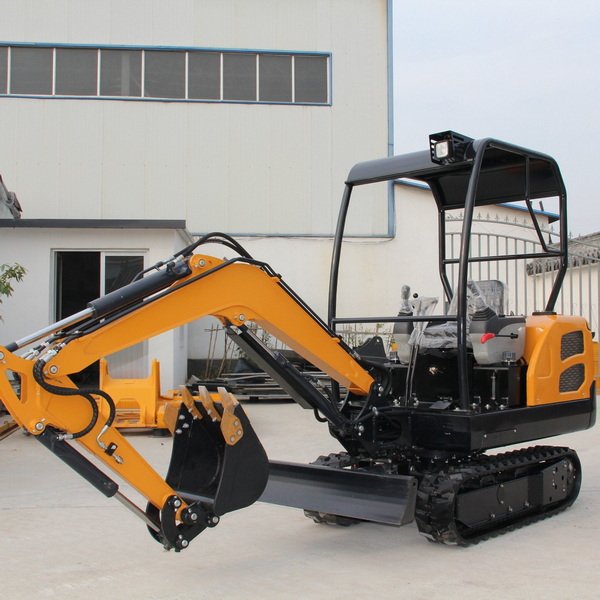
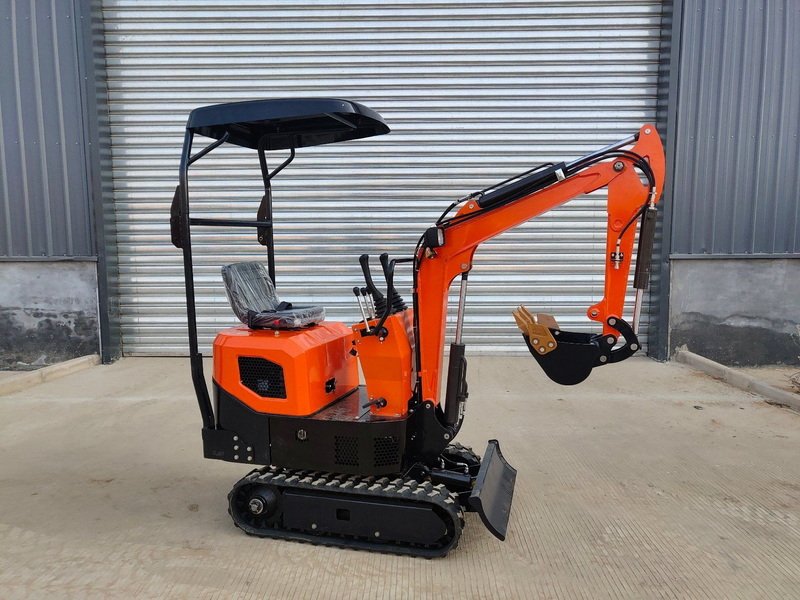
A compact (or mini) excavator is a small, versatile excavating machine typically under 10 tons, designed to work efficiently in confined or urban spaces where larger excavators cannot operate safely. These machines use a boom, arm, and bucket plus advanced hydraulics to dig, trench, grade, and lift in construction, landscaping, utility, agriculture, and demolition projects.[2]
Key advantages of compact excavators include:[3]
– High maneuverability in tight sites such as residential backyards, roadside work, and inside building footprints.
– Lower transport weight, allowing easier trailering and reduced mobilization costs.
– Versatility through multiple hydraulic attachments, turning one machine into a multi-purpose tool carrier.
Core Keyword Focus for Buyers
When researching compact equipment, buyers commonly search using phrases such as “compact excavator buyer’s guide” and “mini excavator buying guide”, often combined with job type or size requirements. Related phrases like “mini excavator sizes and specifications”, “how to choose a mini excavator”, and “compact excavator features and options” help users reach the most relevant information.[4]
Placing these phrases naturally in headings and the opening section of the guide helps both human readers and search engines understand the main topic quickly, while keeping the reading experience smooth and professional.[3]
When a Compact Excavator Is the Right Choice
Compact excavators shine whenever the job demands precise digging or lifting in limited space. They are particularly suitable for urban utility work, residential projects, agricultural tasks, and municipal maintenance where space and access are restricted.[2]
They also offer lower acquisition cost and simpler transport compared to larger excavators, helping small and mid-sized contractors achieve faster returns on equipment investments while maintaining flexibility across different job types.[5]
Understanding Compact Excavator Sizes and Specifications
Selecting the right size compact excavator starts with matching machine capacity to your most demanding routine tasks, rather than occasional extremes. Focusing on a few critical specifications makes the decision much easier and reduces the risk of over- or undersizing the machine.[2]
Essential Size and Performance Metrics
The most important specifications to review on a compact excavator spec sheet are:[2]
– Operating weight: Overall machine weight including standard equipment and operator.
– Bucket digging force: Ability to penetrate compacted or rocky material efficiently.
– Dig depth: Maximum vertical depth the bucket can reach below ground level.
– Maximum reach: Horizontal reach at ground level, affecting how far you can work without repositioning.
– Hydraulic and net horsepower: Power that influences breakout force, cycle times, and lifting ability.
For most buyers, dig depth and operating weight act as primary filters, while reach and hydraulic performance are used to refine the final choice.[6]
Typical Compact Excavator Size Ranges
Although exact classes vary by brand, compact excavators usually fall into three main size groups.[2]
| Size class | Approx. operating weight | Typical dig depth | Typical applications |
|---|---|---|---|
| Micro / 1–2 ton | 2,000–6,000 lb | Shallow excavations | Garden work, light landscaping, ultra-tight access sites |
| 3–5 ton | 6,000–12,000 lb | Medium-depth trenches | Utilities, small foundations, light demolition |
| 6–10 ton | 12,000–22,000+ lb | Deeper excavations | Commercial sites, roadwork, infrastructure |
Contractors who move between residential jobs and light commercial projects often select a mid-size compact excavator to balance reach, stability, and transportability.[3]
Key Factors When Choosing the Best Compact Excavator
Beyond basic size, the most suitable compact excavator depends on a structured evaluation of applications, site constraints, lift requirements, and ownership costs. A methodical approach avoids costly mismatches between machine capability and day-to-day work.[7]
Matching the Machine to Typical Tasks
Start by listing your top three to five recurring tasks and their performance demands. Consider required trench depth and length, typical material types, necessary bucket sizes, and the proportion of time spent on bulk excavation versus finishing work.[5]
A machine that is too small will struggle, consume more fuel per unit of work, and wear faster, while an oversized machine raises purchase and transport costs without delivering proportional gains in productivity on smaller jobs.[2]
Jobsite Access, Space, and Surface Conditions
Compact excavators are designed for tight spaces, but not every model suits every site layout. Measure gate widths, distance between structures, overhead clearances, and note any finished surfaces you must protect.[5]
Features such as zero tail swing and retractable undercarriages help operators work safely near obstacles and through narrow access points, reducing the risk of property damage and improving maneuverability in congested areas.[8]
Lifting Capacity and Stability
If lifting tasks are significant, pay close attention to lifting charts, undercarriage configuration, and counterweight options. Wider tracks and longer undercarriages increase stability, while additional counterweights can improve capacity at reach.[6]
Do not rely on dig depth alone when evaluating performance. Review lift capacity at different radii and heights to ensure the machine can safely handle your heaviest routine loads in real job conditions.[2]
Comfort, Visibility, and Operator Experience
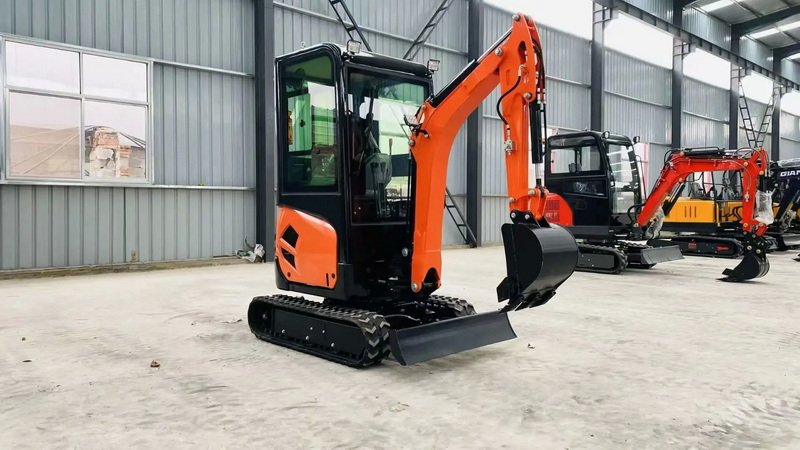
Operator productivity is closely tied to comfort and ergonomics, especially during long shifts or challenging weather. Modern compact excavators offer a range of comfort and visibility features that support higher output and safer operation.[8]
Cab Comfort and Work Environment
A comfortable cab helps operators maintain focus throughout the day and reduces fatigue-induced errors. Helpful features include adjustable suspension seats, effective heating and air conditioning, low internal noise levels, and practical storage solutions.[8]
Easy-to-clean floor mats, well-placed controls, and good airflow contribute to a better work environment, which can also make the machine more attractive for rental or multi-operator fleets.[8]
Visibility and Safety Enhancements
Clear sightlines from the operator’s seat are critical for both productivity and safety. Large glass areas, slim cab pillars, and strategically positioned mirrors reduce blind spots and improve view of the attachment and tracks.[9]
Supplemental LED work lights, rear and side cameras, and optional proximity sensors further support safe operation in low-light conditions and on busy jobsites where people and equipment move nearby.[8]
Controls, Displays, and Intelligent Systems
Electronic controls and digital systems now play a major role in compact excavator performance and uptime. Intuitive operation and smart diagnostics help new and experienced operators work more confidently.[10]
Control Layout and Power Modes
Well-organized controls allow operators to respond quickly and accurately, which is especially important for precision work. Joystick controls with smooth response, easy pattern selection, and preset power modes help tailor machine behavior to different tasks.[8]
Different power settings let operators balance performance and fuel consumption, using higher output for heavy digging and more economical modes for backfilling or light grading.[5]
Displays, Diagnostics, and Alerts
Modern in-cab displays provide real-time information on engine status, hydraulic performance, fuel levels, and error codes. Clear menus and graphics allow quick adjustments without overwhelming the operator.[10]
Advanced displays can group maintenance reminders, machine settings, and diagnostics in one place, simplifying troubleshooting and encouraging timely service that protects long-term reliability.[10]
Telematics and Fleet Management Tools
Telematics platforms allow owners and fleet managers to monitor machines remotely. Typical capabilities include location tracking, operating hours, fuel consumption data, and automated maintenance reminders.[10]
Security features such as motion alerts, geofencing, and curfew notifications provide extra protection for machines parked on remote or unsecured jobsites, helping reduce theft risk and unapproved use.[10]
Features and Options That Increase Productivity
Not every available option is necessary, but specific features can significantly improve productivity and lower total cost of ownership. Prioritizing high-impact options ensures that added investment translates into better performance.[3]
Undercarriage and Blade Design
The undercarriage has a major influence on stability, traction, and durability. Robust track construction and well-protected components are particularly important for abrasive or rocky conditions.[2]
Angle blades that can tilt and angle side-to-side allow operators to backfill and shape material more efficiently, often reducing the number of passes and separate grading equipment required on smaller jobs.[2]
Hydraulic System and Auxiliary Circuits
Hydraulic performance determines how well the excavator handles demanding digging and attachment work. Sufficient auxiliary flow and pressure are essential for running tools like breakers, augers, and advanced grading attachments.[5]
Proportional controls and the ability to store flow and pressure presets for specific attachments simplify changes between tools and help prevent mis-settings that could reduce performance or damage equipment.[6]
Attachments: Expanding the Role of a Compact Excavator
Carefully chosen attachments can transform a compact excavator into a multi-purpose tool carrier, allowing a single machine to cover tasks that once required several pieces of equipment. This versatility is particularly valuable for contractors and rental fleets.[5]
Common High-Value Attachments
A focused attachment strategy usually begins with a core set of tools that support everyday tasks. High-value attachments often include:[5]
– Buckets for trenching, grading, and special applications such as ditch cleaning.
– Hydraulic breakers for concrete and rock demolition or road repair.
– Augers for posts, piers, and deep planting holes.
– Thumbs or grapples for handling debris, logs, and irregular materials.
– Compaction wheels or plates for trench backfill and narrow compaction work.
Quick couplers and compatible hydraulic couplers make switching between attachments faster and safer, increasing daily utilization and reducing downtime.[6]
Building an Attachment Plan
To make the most of attachment investments, prioritize tools that directly support your most profitable services. Choose several core attachments that will be used regularly, and then add strategic tools that open new business opportunities or eliminate subcontracting costs.[7]
Check that the excavator’s auxiliary hydraulic capabilities meet or exceed the requirements of the most demanding attachment in the group, leaving some margin for future additions. This helps ensure reliable performance across the full range of tools.[5]
Maintenance, Serviceability, and Ownership Costs
Long-term value depends on more than purchase price. Maintenance access, service intervals, and support all influence how much the machine costs to own and operate over its life. Considering these factors early leads to smarter purchasing decisions.[10]
Daily and Scheduled Maintenance Practices
Regular checks and preventive maintenance are essential for reliability and safety. Basic routines include monitoring engine oil, coolant, hydraulic fluid, grease points, and inspecting hoses and lines for leaks or damage.[10]
Periodic filter changes, undercarriage cleaning, and track tension adjustments help avoid premature wear, while visual inspections of pins and bushings allow technicians to catch issues before they escalate into major repairs.[5]
Design Features That Simplify Service
Service-friendly design reduces the time and effort required to perform routine tasks. Features such as large, tool-less access panels, grouped service points, and clear labeling make daily checks faster and more convenient for operators and technicians.[10]
Integrated diagnostic systems and clear fault codes shorten troubleshooting time and support accurate, timely repairs, which in turn improve uptime and help protect the machine’s resale value.[2]
Practical Use Cases to Guide Selection
Real-world scenarios help translate specifications and features into practical choices for different types of work. Considering typical projects before ordering a machine leads to better alignment between equipment capability and actual needs.[3]
Urban utility and infrastructure work often requires a mid-size compact excavator with zero tail swing, strong auxiliary hydraulics, and robust lighting for safe operation in traffic and confined spaces.[9]
Residential landscaping and small construction projects may be better served by smaller machines that fit through narrow access points, use rubber tracks to protect finished surfaces, and offer precise control for detail work.[2]
Road and bridge maintenance tasks can benefit from heavier compact excavators with strong breakout force, high-capacity breakers and compaction tools, and telematics to track utilization and coordinate multiple jobsites.[9]
Targeted Call to Action
For equipment buyers who need clear, practical guidance and tailored recommendations, direct, specific next steps are essential. After reviewing size classes, features, and attachments, many readers are ready to compare options based on their own project requirements rather than general information.[12]
If you are planning to invest in a compact (mini) excavator and want a configuration that matches your typical jobs, power requirements, and preferred attachments, use this moment to move from research to action: share your primary applications, expected digging depth, lifting needs, and site conditions, and request a personalized machine and attachment proposal with pricing and lead time. This targeted discussion turns general buying knowledge into a concrete plan that supports your long-term productivity and equipment strategy.[10]
FAQs: Compact (Mini) Excavator Buyer’s Guide
1. What size mini excavator is best for a first-time buyer?
For many first-time buyers, a 3–5 ton compact excavator provides a strong combination of dig depth, lifting ability, and manageable transport weight, fitting a wide range of residential and light commercial projects.[2]
2. Is a zero tail swing excavator always the right choice?
Zero tail swing designs are ideal for tight sites and work near structures or traffic, but conventional tail swing models may offer greater stability and lifting capacity at similar operating weights, depending on the application.[8]
3. How important is auxiliary hydraulic flow for attachments?
Auxiliary hydraulic flow and pressure determine which attachments the machine can operate effectively. Higher flow supports more demanding tools such as breakers and high-capacity augers, while precise control enhances performance and safety.[5]
4. Do comfort features really matter for productivity?
Comfort features such as quality seating, effective climate control, and low vibration levels help operators remain focused and productive during long shifts, reducing fatigue and the likelihood of errors or mishandling.[8]
5. Can telematics benefit small fleets or single machines?
Telematics can benefit smaller operations by simplifying maintenance scheduling, monitoring usage, and enhancing security through location tracking and alerts, helping owners get more value and uptime from each machine.[10]
Citations:
[1] https://www.bobcat.com/na/en/buying-resources/excavators/compact-excavator-buyers-guide
[2] https://www.bigrentz.com/blog/bobcat-excavator-sizes
[3] https://www.triangleequipmentgroup.com/blog/compact-excavator-buying-guide–79359
[4] https://www.bobcatnh.com/blog/compact-excavator-buying-guide–75653
[5] https://www.badgerequipllc.com/what-to-look-for-in-the-best-mini-excavator
[6] https://dozr.com/blog/mini-excavator-spec-guide
[7] https://www.rmequipment.net/blog/your-guide-to-buying-a-mini-excavator–90800
[8] https://www.sanyglobal.com/blog/best-mini-excavator/
[9] https://www.equipmentworld.com/construction-equipment/compact-equipment/compact-excavators/article/15663677/mini-excavator-buyers-guide-2024
[10] https://kcbobcat.com/knowledge-base/excavators/
[11] https://www.youtube.com/watch?v=xmtj9wpiRKY
[12] https://bobcatofnorthtexas.com/knowledge-center/buying-a-mini-excavator-read-this-first/
Hot Tags:How to Buy a Mini Excavator, Buying an Excavator, Compact Excavator Comparison, Compact Excavator Comparison Chart, Bobcat Mini Excavator Models, Bobcat Excavator Models, Compact Excavators, Mini Excavator Buyers Guide, Mini Excavator Comparison