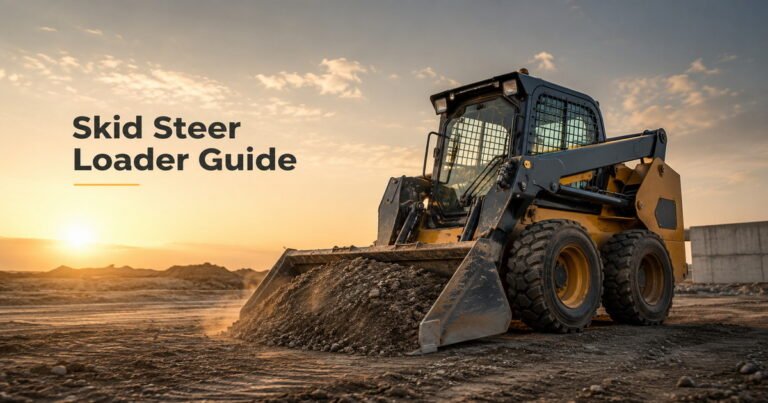

The Complete Guide to Choosing and Using a Mulching Attachment for Skid Steers and Track Loaders
Content Menu
● Understanding Hydraulic Horsepower: The Foundation of Mulcher Performance
>> Optimizing Hydraulic System Performance
● Power Unit Weight Capacity and Terrain Considerations
● Cutting Width Selection: Balancing Productivity and Precision
>> Matching Cutting Width to Application
● Cutting Teeth vs. Sharpened Knives: Performance Trade-offs
>> Limiting Rotors: Controlling Material Feed
● Advanced Mulching Techniques for Maximum Productivity
>> Log Shaving and Material Reduction
>> Forward Mulching for Initial Passes
>> Reverse Mulching and Back Dragging
● Maintenance Best Practices to Maximize Equipment Lifespan
>> Daily Pre-Operation Inspection
>> Lubrication and Fluid Monitoring
>> Seasonal Storage Procedures
● Cost Analysis and ROI Considerations
>> Profitability and Market Rates
● Market Trends and Industry Growth Opportunities
● Safety and Operational Best Practices
● Take Action: Maximize Your Mulching Investment Today
>> 1. What hydraulic flow rate do I need for a mulching attachment?
>> 2. How often should I sharpen mulcher knives?
>> 3. Can I use a mulching head on any skid steer or track loader?
>> 4. What is the difference between forward mulching and back dragging?
>> 5. How do I calculate the ROI on a mulching attachment investment?
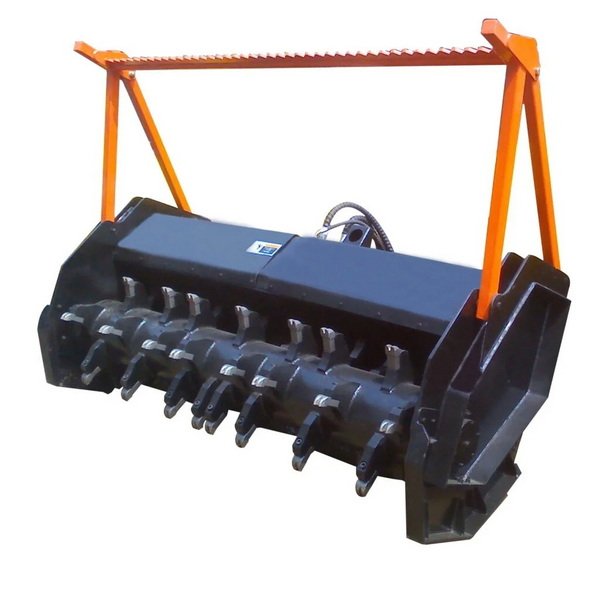
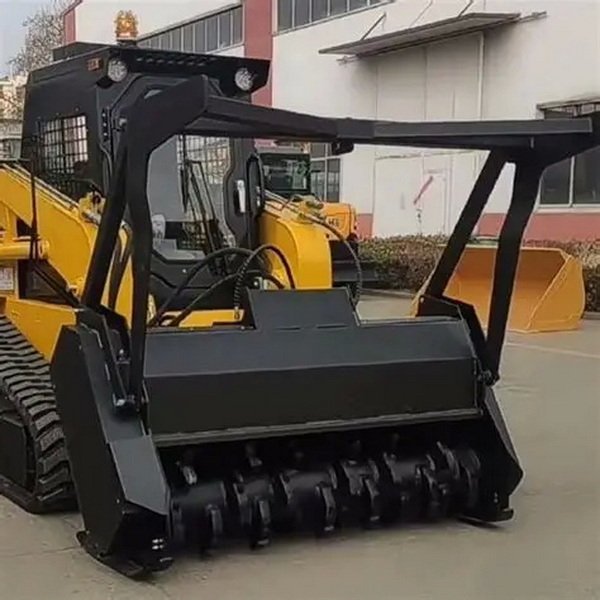
Selecting the right mulching attachment for skid steer equipment requires understanding three critical factors: hydraulic horsepower compatibility, equipment weight capacity, and cutting width optimization. Success with a horizontal drum mulcher, commonly called a mulching head, depends not only on proper equipment selection but also on mastering operational techniques that maximize productivity and protect your investment. The global mulcher attachment equipment market, valued at $514 million in 2024, is projected to reach $732 million by 2032, demonstrating growing demand driven by land management, forestry operations, and right-of-way vegetation control. For contractors and equipment operators who rely on skid steers, track loaders, and compact construction machinery, understanding mulching attachment selection and operation is essential for competitive advantage and project profitability.[1][2]
Understanding Hydraulic Horsepower: The Foundation of Mulcher Performance
When matching a mulching head to skid steer loaders or compact track loaders, hydraulic horsepower far outweighs engine power as the determining factor for compatibility and performance. To calculate hydraulic horsepower accurately, multiply your machine’s gallons per minute (GPM) flow rate by its pounds per square inch (PSI) pressure rating, then divide by 1,714. For example, a compact track loader with hydraulic specifications of 36 GPM at 3,450 PSI delivers 72.5 hydraulic horsepower [(36 × 3,450) ÷ 1,714 = 72.5].[1]
Modern mulching attachments accommodate a wide hydraulic power range, from low-flow skid steers to high-flow track loaders, but performance scales directly with available hydraulic power. A machine operating at the lower threshold of a mulcher’s hydraulic requirements will demonstrate noticeably reduced cutting speed and material processing capacity compared to a higher-powered unit within the same specification range. According to industry analysis, the skid steer mulcher market is expanding at a projected CAGR of 8.9% from 2025 to 2032, driven by demand for versatile, high-performance mulching equipment across agriculture, forestry, and land clearing sectors.[2][1]
Optimizing Hydraulic System Performance
Professional operators recommend maintaining hydraulic pressure approximately 500 PSI below maximum relief pressure during continuous operation. For instance, if your skid steer’s maximum hydraulic relief is rated at 3,500 PSI, target sustained operating pressure around 3,000 PSI. This buffer prevents rotor stalling, minimizes heat generation that can damage hydraulic components, and extends system longevity. Most quality mulching heads feature top-mounted pressure gauges for real-time monitoring during operation. When pressure climbs toward maximum relief, reduce forward travel speed or decrease material engagement rate to lower hydraulic demand.[1]
Power Unit Weight Capacity and Terrain Considerations
Before purchasing any mulching attachment, verify that your skid steer or track loader weight capacity can safely support the equipment. Mulching heads typically range from 800 to 2,500 pounds depending on cutting width and construction, making weight compatibility a critical safety and performance factor. Beyond static weight capacity, evaluate your typical working conditions: flotation challenges emerge when operating heavy mulchers on soft ground, particularly with skid steer loaders that have higher ground pressure than track loaders.[1]
Stability becomes paramount when mulching on rough terrain, steep hillsides, or in valleys where the combined weight and forward position of the attachment can shift the machine’s center of gravity. Compact track loaders generally provide superior stability compared to wheeled skid steers when using heavy mulching attachments on challenging terrain. For operations frequently involving slopes exceeding 15 degrees or saturated soil conditions, track loaders deliver measurably better performance and operator safety.[2][1]
Cutting Width Selection: Balancing Productivity and Precision
Cutting width represents a frequently overlooked specification that significantly impacts both productivity and adaptability across varied job sites. While wider mulching heads—typically ranging from 48 to 72 inches—cover ground more rapidly than narrow models, they sacrifice maneuverability and ground-following capability in certain applications. In narrow ditches, drainage swales, or confined areas, a 60-inch mulching head will maintain closer contact with ground contours than a 72-inch model, resulting in more thorough vegetation removal.[1]
Cutting width directly correlates with hydraulic power requirements because wider rotors demand more energy to maintain optimal RPM under load. If your power unit operates near the minimum hydraulic horsepower threshold for a particular mulcher model, selecting a narrower cutting width improves performance reliability and reduces the risk of rotor stalling during heavy material engagement. For contractors managing diverse project types—from highway right-of-way maintenance to residential lot clearing—investing in multiple width options or a mid-range 60-inch model provides optimal versatility.[2][1]
Matching Cutting Width to Application
Cutting Teeth vs. Sharpened Knives: Performance Trade-offs
Modern mulching heads accommodate two primary cutting tool configurations: carbide teeth or sharpened steel knives, each offering distinct advantages for specific applications and operator experience levels. Carbide teeth provide exceptional durability and require minimal maintenance, making them ideal for operators new to mulching equipment or working in rocky conditions where tool damage risk is elevated. The hardness of carbide tips allows these tools to withstand impacts from embedded rocks, gravel, or debris that would quickly damage steel knives.[1]
Sharpened knives deliver significantly more aggressive cutting action, resulting in finer mulch particle size and faster material processing compared to carbide teeth. Industry operators increasingly favor knife systems despite their higher maintenance requirements, including regular sharpening every 40-60 operating hours depending on material density and abrasiveness. According to maintenance cost analysis, replacement cutting teeth represent approximately €0.42 per operating hour when replaced every 2,000 hours, a manageable expense relative to the productivity gains.[3][4][1]
Limiting Rotors: Controlling Material Feed
As sharpened knife systems gained popularity, manufacturers developed limiting rotors to control material intake rate and optimize cutting efficiency. Knives naturally bite more aggressively into material than carbide teeth, potentially overloading the hydraulic system or creating oversized chips. Ring-style limiting rotors provide maximum material restriction, preventing excessive material from entering the cutting chamber simultaneously. Depth gauge limiters offer moderate restriction, allowing easier ground material pickup—particularly beneficial when using less aggressive carbide teeth for debris cleanup applications.[1]
Advanced Mulching Techniques for Maximum Productivity
Professional mulching operations employ specific techniques to optimize throughput, mulch quality, and equipment longevity. Understanding these methods enables operators to adjust approach based on client requirements and site conditions.[1]
Standing Tree Felling
To fell standing trees using a mulching head, tilt the attachment backward to expose cutting teeth, positioning them against the trunk at approximately waist height. Apply steady forward pressure while maintaining moderate hydraulic pressure, allowing the rotating teeth to cut through the trunk. This technique works effectively for trees up to 6-8 inches in diameter, depending on mulcher power and tooth configuration.[1]
Log Shaving and Material Reduction
After felling, lower the rear of the mulching head to contact the log surface while driving forward, preventing logs from ejecting rearward while efficiently removing material. This shaving technique quickly reduces trunk diameter and breaks down heavy material into manageable pieces for subsequent processing.[1]
Forward Mulching for Initial Passes
During forward mulching, lower the rear cutter close to ground level to trap material in the cutting chamber for more thorough processing. Many professional-grade mulching heads feature adjustable skid shoes for precise height control, allowing operators to mulch at grade level or even slightly below grade for enhanced vegetation removal. Initial forward passes prioritize quickly reducing standing material to ground level without extensive processing, maximizing area coverage per hour.[1]
Reverse Mulching and Back Dragging
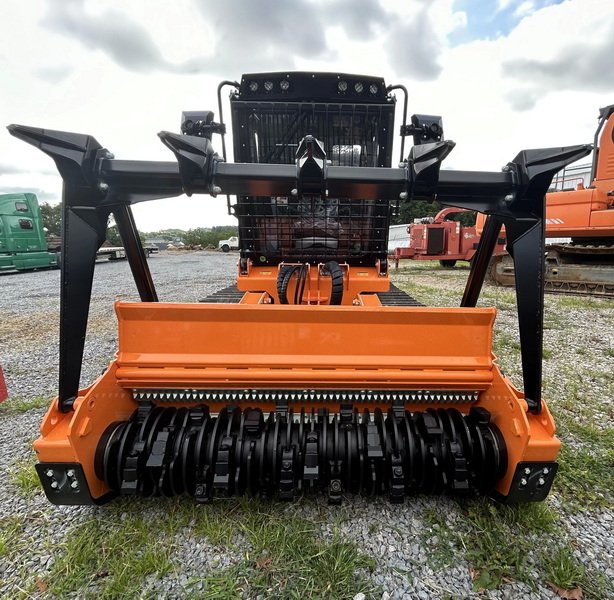
Reverse mulching, accomplished by tilting the head forward while backing up, proves extremely effective for material sizing because this action pulls downed vegetation against the cutter bar and into the processing chamber. Some mulching heads incorporate adjustable cutter bars to control particle size and production rate, allowing operators to produce finer mulch for aesthetic applications or coarser material when decomposition timeframe is less critical. Advanced models feature two-stage cutting chambers with dual cutter bars—one behind the front bumper and another at the rear—enabling material to be cut twice during a single pass for superior processing.[1]
Two-Step Processing Method
Experienced operators frequently employ a two-step approach: an initial forward pass to reduce material to ground level, followed by back-dragging to size material for faster decomposition and improved appearance. This technique balances productivity with quality, allowing rapid initial clearing while achieving client-specified finished results. For projects where appearance is secondary to vegetation removal—such as utility right-of-way maintenance in remote areas—operators may skip the back-dragging step, accepting larger pieces that decompose naturally over extended periods.[1]
Maintenance Best Practices to Maximize Equipment Lifespan
Proper maintenance directly impacts operational costs, equipment reliability, and return on investment for mulching attachments. With professional forestry mulching services commanding $150-$250 per hour, equipment downtime severely impacts profitability.[5][3]
Daily Pre-Operation Inspection
Remove all debris from the housing before and after each use—branches, sticks, or vegetation caught in the housing waste horsepower by restricting rotor rotation, increase fuel consumption, and generate excessive hydraulic heat. Inspect cutting teeth or knives for damage or excessive wear, replacing worn tools before they compromise cutting efficiency. Verify that all guards and shields are securely fastened and undamaged.[3]
Lubrication and Fluid Monitoring
Grease all fittings according to manufacturer specifications, typically daily or every 8-10 operating hours. Clean grease fittings before application to prevent forcing contaminants into bearings. Monitor hydraulic fluid level and condition, watching for contamination or excessive heat that indicates system stress. Hydraulic oil costs approximately €0.48 per operating hour, making proper fluid maintenance economically significant.[4][3][1]
Seasonal Storage Procedures
When storing mulching equipment for extended periods, thoroughly clean all components and apply protective lubrication to exposed metal surfaces. Replace worn or damaged parts before storage rather than at season start to streamline spring preparation. Apply touch-up paint to exposed metal to prevent rust formation during storage. Relax drive belt tension and lower support stands to prevent component stress during dormant periods. Store equipment in a clean, dry, covered location to minimize weather exposure.[3]
Spring Season Preparation
Before returning mulching equipment to service, verify all components are properly greased and inspect for damage that may have occurred during storage. Tighten all bolts, nuts, and fasteners to manufacturer specifications. Adjust drive belt tension to proper specifications. Test the mulcher on your power unit before mobilizing to job sites, confirming that the rotor rotates in the correct direction as indicated by directional arrows on the housing. If rotation is reversed, swap hydraulic couplers on the power unit.[3]
Cost Analysis and ROI Considerations
Understanding the total cost of ownership for mulching attachments enables informed purchasing decisions and accurate project bidding. Initial equipment investment ranges from $15,000 for basic models to $45,000+ for premium high-flow mulchers with advanced features.[6][4]
Fixed Operating Costs
Equipment depreciation represents the largest fixed cost component. A mulching head with an $18,000 purchase price and 15,000-hour service life generates €1.20 per hour depreciation expense. If financed, interest costs must be factored into hourly operating rates to ensure project profitability.[4]
Variable Operating Costs
Operator wages typically range from $20-$30 per hour including benefits, representing a significant variable cost. Fuel consumption varies based on material density and power unit efficiency but averages $15-$25 per operating hour for skid steers and track loaders running mulching attachments at moderate load. Replacement cutting teeth cost approximately €0.42 per hour when replaced every 2,000 hours. Hydraulic fluid, filters, and routine maintenance add roughly €0.48-€0.75 per operating hour.[4]
Profitability and Market Rates
With professional mulching services billing at $150-$250 per hour, contractors can achieve strong profitability margins after covering operating costs. Efficient operators managing approximately 0.5-1.5 acres per hour depending on vegetation density can generate substantial revenue per day. The investment in comprehensive business management systems—approximately $5,000 for CRM and project management software—can save 20 hours weekly in administrative tasks, translating to $156,000 in additional annual revenue potential at $150/hour billing rates.[5][6][2]
Market Trends and Industry Growth Opportunities
The mulching equipment sector demonstrates robust growth trajectory, with the global skid steer mulcher market projected to expand at 8.9% CAGR through 2032. This growth is driven by increasing demand for sustainable land management practices, infrastructure development, and environmental compliance requirements for vegetation control. The broader mulching heads market is expanding from $598.38 million in 2025 to a projected $1.13 billion by 2035, representing a 6.6% compound annual growth rate.[7][2]
Agriculture represents the fastest-growing application segment, fueled by demand for sustainable residue management and soil health improvement. North America currently dominates the market with approximately 35% share, driven by extensive highway right-of-way maintenance, utility corridor management, and land clearing for development. The Asia-Pacific region is rapidly expanding, expected to capture 20% market share as infrastructure development accelerates in China, India, and Southeast Asian nations.[2]
Technological innovations driving market growth include improved fuel efficiency, enhanced mulching precision, and development of electric and hybrid models addressing environmental sustainability concerns. Major manufacturers like Caterpillar, John Deere, and Bobcat continuously advance attachment designs to enhance versatility and performance, while specialized companies including FAE Group, Fecon, and Bandit Industries focus on innovative solutions for specific industry applications.[2]
Safety and Operational Best Practices
Never operate mulching equipment in areas containing debris such as bottles, metal objects, rocks, or wire, which can prematurely wear cutting teeth or cause dangerous projectiles. Never exceed rated RPM specifications, as over-speeding creates safety hazards and risks equipment damage. Always ensure the machine is completely shut off before performing maintenance checks or adjustments. Wear appropriate personal protective equipment including safety glasses, hearing protection, steel-toed boots, and high-visibility clothing.[8][3]
Maintain awareness of your surroundings, particularly in right-of-way applications near roadways where traffic poses additional hazards. Establish clear communication protocols when working with ground personnel, using hand signals or radio communication to coordinate operations safely. Inspect the work area before beginning operations to identify hazards such as underground utilities, hidden obstacles, or unstable ground conditions.[1]
Take Action: Maximize Your Mulching Investment Today
The mulching attachment market is experiencing unprecedented growth, with industry projections showing continued expansion through 2035. Now is the optimal time to invest in quality mulching equipment that can deliver competitive advantages in land clearing, forestry operations, agricultural applications, and right-of-way maintenance. At Certeg, our comprehensive line of skid steer loaders, track loaders, and compact construction equipment provides the hydraulic power, weight capacity, and stability required for professional-grade mulching operations across all terrain conditions.[7][2][1]
Partner with equipment specialists who understand your specific application requirements and can recommend the optimal power unit and mulching attachment combination for your business. Whether you are expanding existing land management services or entering the high-margin forestry mulching sector, proper equipment selection directly impacts operational efficiency and profitability. Contact your authorized Certeg dealer today to discuss hydraulic specifications, demo available mulching attachments, and develop a customized equipment solution that maximizes your return on investment while delivering superior results for your clients.[5][6][4][2][1]
Start building your competitive advantage in the rapidly growing mulching services market—the combination of proven techniques, quality equipment, and strategic business planning positions your operation for long-term success in this expanding industry.[6][5][2]
Frequently Asked Questions
1. What hydraulic flow rate do I need for a mulching attachment?
Minimum hydraulic flow requirements vary by mulching head size and design, typically ranging from 20-45 GPM. Calculate hydraulic horsepower by multiplying GPM × PSI ÷ 1,714 to match your skid steer or track loader to compatible mulching attachments. Manufacturers provide specific hydraulic specifications for each model—consult these guidelines before purchasing to ensure adequate power for efficient operation.[2][1]
2. How often should I sharpen mulcher knives?
Sharpened steel knives require maintenance every 40-60 operating hours depending on material abrasiveness and density. Rocky soil conditions or processing hardwood species accelerates wear, necessitating more frequent sharpening. Carbide teeth offer lower maintenance alternatives, requiring replacement approximately every 2,000 hours at an average cost of €0.42 per operating hour.[4][3][1]
3. Can I use a mulching head on any skid steer or track loader?
Not all skid steers and track loaders are compatible with every mulching head—you must verify three critical specifications: hydraulic horsepower capacity, equipment weight rating, and hydraulic flow/pressure capabilities. Low-flow skid steers (below 20 GPM) require specifically designed mulchers, while high-flow track loaders (35+ GPM) can operate larger, more productive attachments. Always consult manufacturer compatibility charts before purchasing mulching equipment.[2][1]
4. What is the difference between forward mulching and back dragging?
Forward mulching involves driving forward with the mulcher lowered to quickly reduce standing vegetation to ground level, prioritizing area coverage over thorough material processing. Back dragging (reverse mulching) tilts the attachment forward while backing up, pulling material against the cutter bar for more thorough sizing and finer particle production. Professional operators often employ both techniques: forward passes for initial clearing followed by back dragging for finished quality.[1]
5. How do I calculate the ROI on a mulching attachment investment?
Calculate total operating costs including equipment depreciation (approximately €1.20/hour for an $18,000 attachment with 15,000-hour life), operator wages ($20-30/hour), fuel ($15-25/hour), and maintenance (€0.75-1.00/hour). Compare these costs against prevailing market rates of $150-$250 per hour for professional mulching services. With efficient operations processing 0.5-1.5 acres hourly, most contractors achieve payback within 12-24 months on mulching attachment investments.[6][5][4]
Citations:
[1] https://www.24marketreports.com/machines/global-mulcher-attachment-equipment-forecast-market
[2] https://www.linkedin.com/pulse/global-skid-steer-mulcher-market-size-2025-2032-technology-i4idf)
[3] https://www.loftness.com/how-to-maintain-a-mulching-head/
[4] https://qm-agri.com/en/forestry-mulcher-operating-costs/
[5] https://midstatelc.com/forestry-mulching-cost-complete-pricing-guide/
[6] https://www.serif.ai/start-a-business/how-to-start-a-forestry-mulching-business-2025-guide-9-steps-free-business-plan
[7] https://www.factmr.com/report/3964/mulching-heads-market
[8] https://www.forconstructionpros.com/rental/general-tool/lawn-garden-equipment-parts/article/22935425/diamond-mowers-mulcher-maintenance-and-operation-tips
Hot Tags:Skid Steer Grinder Attachment, Skid Steer with Mulching Head, Skid Steer Tree Mulcher, Skid Steer Mulchers, Renting a Skid Steer with Mulcher, Skid Steer Forestry Head, Skid Steer Mulching Head, Mulcher Head for Skid Steer, Skid Steer Attachments Mulcher, Forestry Attachment for Skid Steer